
Reviewed · SUSHI MAKING CLASSES
Learn How To Make the Sushi Art
Sushi is easier than you think. This 1-hour private workshop at Tokyo’s Edo Hakuyo makes sushi-making approachable, with English guidance and a hands-on tool gift. One drawback: it’s short, so it’s best for a satisfying first attempt rather than true mastery.
You’ll meet in Sumida’s Narihira area, then create vegetarian and non-vegetarian sushi, eat what you make with Japanese traditional tea, and finish with a surprise free present. It’s also a private setup, so your questions get real-time answers instead of being shared across strangers.
Plan around what’s not included: alcoholic beverages are not part of the lunch. And since the class is designed to be humorous yet useful, you’ll learn best if you show up ready to try, not just watch.
In This Review
- Key things to know before you go
- Sushi Art in Sumida: Edo Hakuyo and a Private, One-Hour Class
- English Guidance That Keeps Sushi-Making From Feeling Intimidating
- Technique Focus: Why Knife Skills Come Up Fast
- Making Vegetarian and Non-Vegetarian Sushi, Then Eating It
- The Gifts: Tool Gift Early, Surprise Gift at the End
- Where the Class Fits in Your Tokyo Plan
- Pricing: Is $60 Worth It for a Sushi-Making Workshop?
- Who This Class Is Best For (and Who It Might Not Be)
- Should You Book This Sushi Art Lesson?
- FAQ
- How long is the sushi-making class?
- Is the tour taught in English?
- What’s included in the price?
- Are alcoholic beverages included?
- Where does the class meet?
- Is it a private experience?
- Can I cancel for a full refund?
Key things to know before you go
- English-only instruction with clear, step-by-step coaching
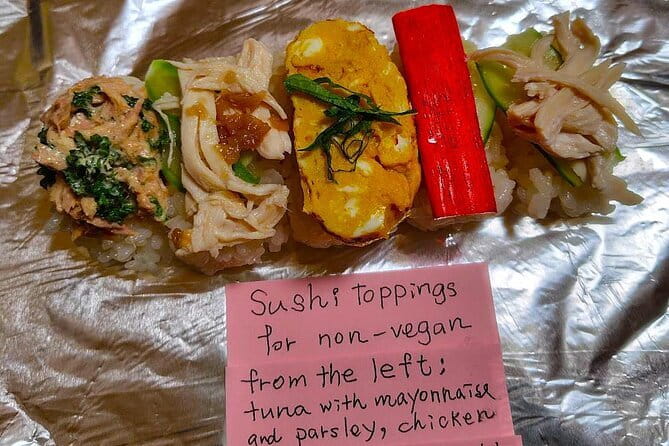
- A hands-on lunch using the sushi you create (vegetarian and non-vegetarian options)
- A complimentary tool gift plus an additional surprise free gift at the end
- Knife skills matter, and the class highlights small details that change the final result
- Traditional workshop atmosphere with an instructor who may also offer Japanese character drawing on t-shirts
Sushi Art in Sumida: Edo Hakuyo and a Private, One-Hour Class
If you want something practical in Tokyo, this is a great pick. The workshop takes place at Tokyo EdoHakuyoJapan, 130-0002 Tokyo, Sumida City, Narihira, 2-chōme194 業平ハイツ 203, and it ends back at the same meeting point. Expect an activity length of about 1 hour, so it works well as a mid-day plan.
What I like most is the private format. For a sushi class, that matters: when the instructor can focus on your group, you get more time to ask about technique and correct the little things that affect the look and taste. It also helps you learn at your own pace without feeling rushed.
You’ll use a mobile ticket, and confirmation comes at booking. Also, the meeting point is described as being near public transportation, which is a big deal in Tokyo—fewer headaches before your class means you start learning in a good mood.
More sushi counters to book, ranked
- Sushi Making Tokyo Roll and Authentic Japanese Sushi Class
★ 5.0 · 3,971 reviews - Tokyo: Roll and Authentic Sushi Making Class in Asakusa
★ 4.9 · 1,957 reviews - Make Sushi and Create Unforgettable Memories in Tokyo
★ 5.0 · 1,413 reviews - Tokyo: Sushi Making Class in a Happi Coat near a Famous Spot
★ 4.9 · 1,377 reviews
English Guidance That Keeps Sushi-Making From Feeling Intimidating
A sushi class can go two ways: either it’s all performance with no teaching, or it’s instruction you can actually use. This one is built to be the second kind. The course is taught entirely in English, and guidance is described as complete, with steps demonstrated clearly.
The teaching style also leans on humor, but not in a gimmicky way. The point is that sushi-making requires fine motor control and attention to detail. When the instructor uses light humor while explaining technique, you’re more likely to stay relaxed—then your hands do better work.
There’s also something “workshop” about the atmosphere. You’re not just in a classroom with ingredients on a table. It feels like a traditional setup where the instructor shows how things are done, then you copy the process—slow enough to learn, fast enough to enjoy.
Technique Focus: Why Knife Skills Come Up Fast
Even if you’re a total beginner, technique gets highlighted early. One of the most praised learning takeaways is how small knife-skill details can make a huge difference. The class emphasis here is clear: precision isn’t optional if you want your sushi to look right and feel right.
You don’t need to be a chef to benefit from this. In an hour, you’re not going to become a pro slicer—but you can learn what to watch for: clean, careful cuts and consistency. That’s exactly what you can take with you after the class, whether you try sushi at home or take another cooking lesson later.
If you’re the type who loves practical tips, this is a strong match. The instructor’s approach is built to be useful and functional, not just “cute” or theoretical. And if you’re worried about not having the right skills, the short format helps: you get feedback while it’s still fresh in your hands.
Making Vegetarian and Non-Vegetarian Sushi, Then Eating It
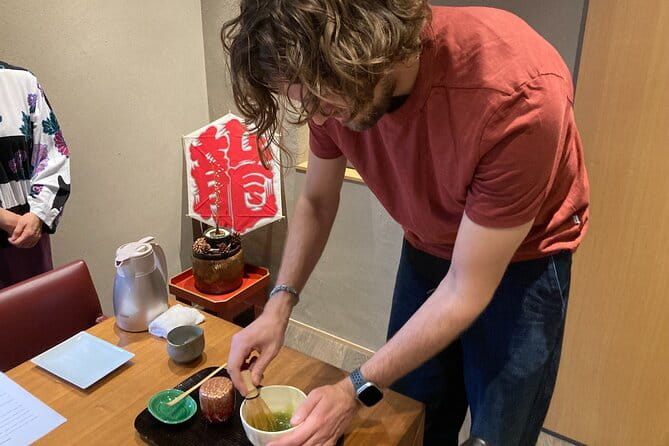
This workshop is hands-on, and you’ll get to make sushi you can eat. Lunch is included, made from what you create. The class includes sushi with both vegetarian based options and non-vegetarian ones, plus Japanese traditional tea.
That included lunch is one of the best value parts of the experience. Many food classes give you a tiny tasting portion. Here, you’re eating your results as part of the lesson, which makes learning feel real instead of purely instructional.
Because it includes both vegetarian and non-vegetarian sushi, it also fits groups with mixed preferences. If you’re vegetarian, you’re not stuck with a single option. If you eat non-vegetarian sushi, you’re not limited to only one style either. Either way, you get more variety out of the same one-hour session.
A practical note: alcoholic beverages are not included. If you like pairing food with drinks, you’ll want to plan that separately before or after the workshop.
The Gifts: Tool Gift Early, Surprise Gift at the End
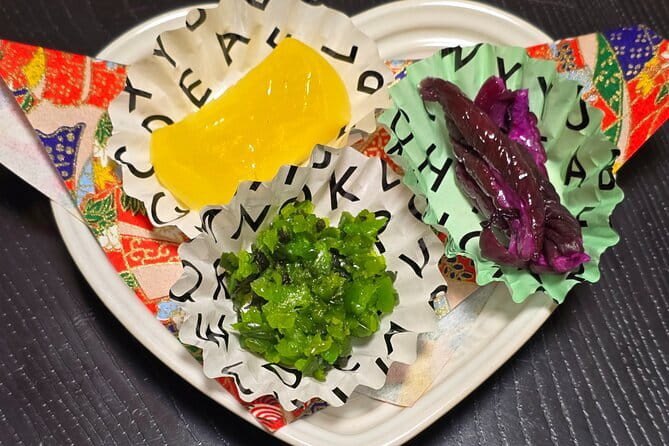
One of the most memorable perks is the way the class gives you tangible souvenirs tied to what you learned. You receive a complimentary gift of one of the tools used in the class. That’s not just a random token; it’s the kind of gift that helps you practice later.
Then there’s also a surprise free gift at the end of the course. So the experience has a built-in “reward loop”: you learn something, you get a tool-related memento, and you finish with an extra present.
From a value standpoint, this matters. A cooking class is often “pay for knowledge.” Here, you’re also leaving with an actual tool, which can make your next kitchen attempt easier. If you’re the kind of person who likes to recreate travel meals at home, that’s a big plus.
- Tokyo: Shinjuku Food Tour (13 Dishes at 4 Local Eateries)★ 5.0 · 6,603 reviews
- Tokyo Mt Fuji 5th St & Hakone Cruise Bus Tour w/Bullet Train★ 4.4 · 5,024 reviews
- Flagship 2-Hours Official Street Go-Kart Tour – Tokyo Bay Shop★ 5.0 · 4,974 reviews
- From Tokyo: Mount Fuji Full-Day Sightseeing Trip★ 4.5 · 4,970 reviews
- Tokyo: Hop-On Hop-Off Sightseeing Bus Ticket★ 3.9 · 4,207 reviews
Where the Class Fits in Your Tokyo Plan
Because the class is about an hour and ends at the meeting point, it’s easy to slot into a day without big schedule risk. You can treat it like a focused culinary stop rather than a whole half-day commitment.
The location is in Sumida City’s Narihira area, near public transportation. That helps if you’re staying in places like Asakusa, Ueno, or Tokyo Skytree-adjacent neighborhoods. Even if your hotel is farther out, the “near public transportation” note suggests it’s reasonably easy to reach without complicated transit.
What I’d plan around:
- Eat a light meal before if you’re not a big eater; lunch is included, so you won’t want to be too full when you arrive.
- Stay flexible with the timing. It’s an approx. one-hour session, so don’t schedule back-to-back commitments with zero buffer afterward.
- Bring your curiosity for hands-on learning. This is designed to be humorous yet useful—your best results will come from actively trying.
Pricing: Is $60 Worth It for a Sushi-Making Workshop?
For many Tokyo experiences, the price is the first question. Here’s how I’d judge the $60.
You’re paying for:
- A private class (your group only)
- Instruction entirely in English
- Hands-on sushi-making
- Lunch, including sushi you created and Japanese tea
- A complimentary tool gift
- A surprise free gift at the end
- A short, well-defined time commitment (about one hour)
If you compare it to the cost of buying ingredients and then spending hours researching and practicing at home, the class starts to look very fair. And the gifts shift it further toward value: you’re not just paying for an experience; you’re leaving with a tool you can use again.
The one thing to keep in mind is what you get and what you don’t. This is a first attempt in a limited time. If your goal is professional-level sushi skills, you should treat it like an introduction. If your goal is to learn the basics with confidence—and eat well immediately—$60 can feel like a smart deal.
Who This Class Is Best For (and Who It Might Not Be)
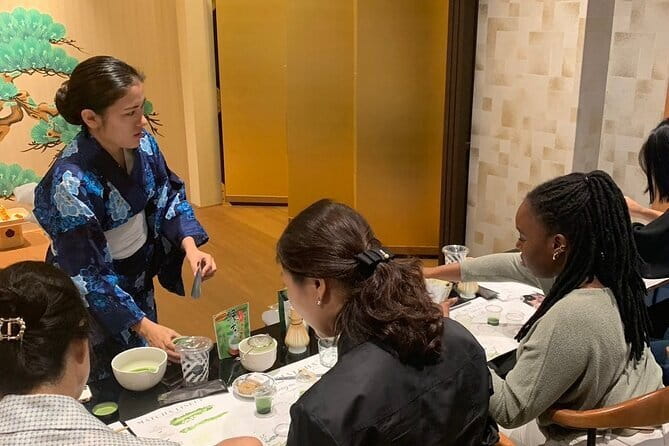
This is a great fit if you want:
- A sushi introduction that’s approachable for beginners
- Clear instruction in English
- A hands-on food experience that includes lunch
- Practical takeaways, especially around technique details like knife skills
- A fun, traditional workshop vibe rather than a fast demo
It may feel less ideal if:
- You only want to watch and prefer not to get involved
- You’re expecting a long multi-session training path
- You want alcohol included with lunch
For most people, though, it hits a sweet spot: learn, make, eat, and leave with tools and surprises.
Should You Book This Sushi Art Lesson?
Book it if you want a short, focused Tokyo food experience with real instruction, included lunch, and gift perks that make the whole thing feel more than a one-time activity. The private English format is especially helpful if you don’t want language to be a barrier.
Skip it only if you’re chasing long practice time or want alcohol included. Otherwise, this class is exactly the kind of thing that turns a big idea like sushi into something you can understand with your hands.
FAQ
How long is the sushi-making class?
The class lasts about 1 hour.
Is the tour taught in English?
Yes. The guidance is entirely in English.
What’s included in the price?
Lunch is included with sushi you created (vegetarian based and non-vegetarian ones) and Japanese traditional tea. You also receive a complimentary gift of one of the tools used in the class, and there is a surprise free gift at the end.
Are alcoholic beverages included?
No. Alcoholic beverages are not included.
Where does the class meet?
The meeting point is Tokyo EdoHakuyoJapan, 130-0002 Tokyo, Sumida City, Narihira, 2-chōme194 業平ハイツ 203.
Is it a private experience?
Yes. It is a private tour/activity, and only your group participates.
Can I cancel for a full refund?
Yes. You can cancel up to 24 hours in advance for a full refund. If you cancel less than 24 hours before the start time, there is no refund.
More Tour Reviews in Tokyo
- Mt Fuji and Hakone 1-Day Bus Tour Return by Bullet Train
★ 5.0 · 26,383 reviews - 1-Day Tokyo Bus Tour
★ 5.0 · 14,250 reviews - Tokyo: teamLab Planets TOKYO Digital Art Museum Entry Ticket
★ 4.6 · 9,779 reviews - Mt Fuji & Hakone Cruise, Drum Show Bullet Train 1 Day from Tokyo
★ 4.0 · 7,413 reviews - Tokyo: Shinjuku Food Tour (13 Dishes at 4 Local Eateries)
★ 5.0 · 6,603 reviews
More Sushi Counters to Book
- Sushi Making Tokyo Roll and Authentic Japanese Sushi Class
★ 5.0 · 3,971 reviews - Tokyo: Roll and Authentic Sushi Making Class in Asakusa
★ 4.9 · 1,957 reviews - Make Sushi and Create Unforgettable Memories in Tokyo
★ 5.0 · 1,413 reviews - Tokyo: Sushi Making Class in a Happi Coat near a Famous Spot
★ 4.9 · 1,377 reviews - Tokyo Sushi Making Class in Tsukiji with Professional Chef
★ 5.0 · 1,177 reviews
Latest Tokyo reviews off our desk






Sushi Making Classes, compared.
 ★ 5.0Sushi Making Tokyo Roll and Authentic Japanese Sushi ClassFrom $593,971 reviews
 ★ 4.9Roll and Authentic Sushi Making Class in AsakusaFrom $581,957 reviews
 ★ 5.0Make Sushi and Create Unforgettable Memories in TokyoFrom $791,413 reviews
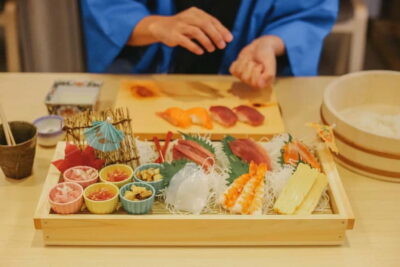 ★ 4.9Sushi Making Class in a Happi Coat near a Famous SpotFrom $421,377 reviews
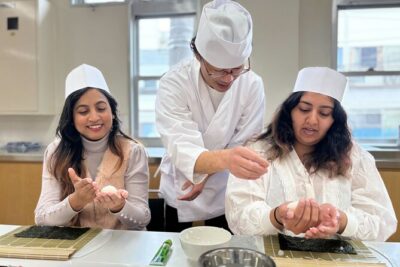 ★ 5.0Tokyo Sushi Making Class in Tsukiji with Professional ChefFrom $491,177 reviews
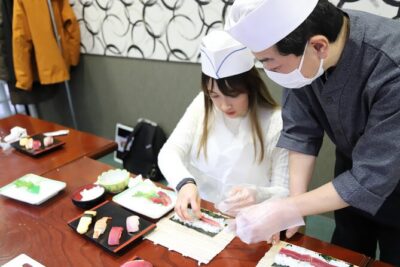 ★ 5.0Tsukiji Fish Market Guided Tour and Sushi Making with Pro ChefFrom $104775 reviews
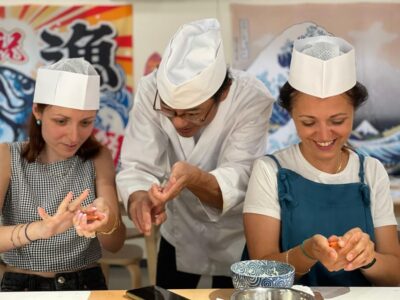 ★ 4.9Tsukiji Fish Market Sushi Making Class with Pro ChefFrom $63506 reviews
 ★ 4.9Sushi Making ClassFrom $67390 reviews
Browse the lists this tour appears in