
Reviewed · TEA CEREMONY & MATCHA
Making Japanese desserts Nerikiri & drinking matcha in Tokyo
Knead, shape, taste—Japanese style. This small-group Tokyo class is a hands-on introduction to nerikiri sweets and the matcha that goes with them, with a focus on how seasonal ingredients change the look and feel of what you make. It’s set in the Setagaya area, so you can fit this into a real neighborhood day, not just a sightseeing sprint.
I love the small-group size, because you get a lot of personal attention while you’re working with your hands. I also love that the class includes all ingredients and tools, so you’re not hunting down supplies or guessing what you’ll need before you start.
The main thing to consider is location flexibility. The class is typically at a kitchen in Shimokitazawa, but it may shift to near Toritsudaigaku Station, and custom shape requests (like an owl or needle mouse) depend on timing and availability.
In This Review
- Quick Highlights You’ll Feel in Your Hands
- What Nerikiri Is Really About (Not Just Pretty Sweets)
- Where You’ll Meet in Setagaya: Shimokitazawa or Toritsudaigaku Station
- The Small-Group Advantage: Hands-On Coaching for Up to 8
- Your 90-Minute Game Plan: Three Seasonal Nerikiri Doughs
- About custom requests (owl and needle mouse)
- Shaping Nerikiri: What You Learn While You Work
- Matcha Right After: Why the Timing Makes It Better
- Price and Value: Is $65.69 Worth 90 Minutes?
- Booking Timing: Plan Like a Local
- After Class: How to Use Setagaya Time Well
- Who This Class Is Best For
- Should You Book This Nerikiri and Matcha Class?
- FAQ
- What is the duration of the nerikiri and matcha class?
- What is included in the class price?
- How big is the group?
- Where does the class take place?
- What will I make during the class?
- Can I take my nerikiri home?
- How far in advance should I book?
Quick Highlights You’ll Feel in Your Hands
- Small-group class (max 8) for clear, close coaching while you knead and shape
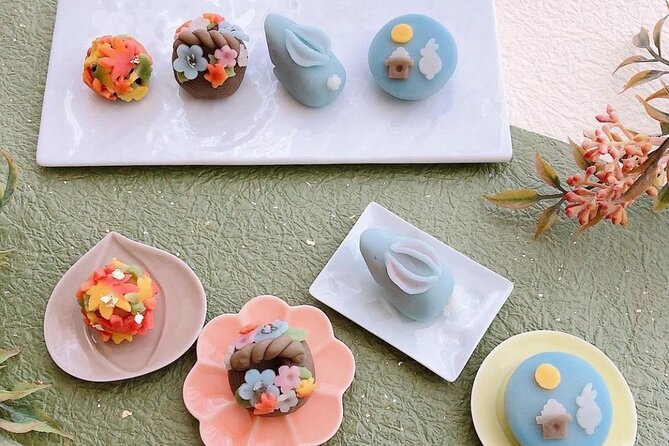
- Three types of seasonal kneaded dough, so you make more than one design in 90 minutes
- Ingredients, tools, and take-home packets included, which makes it easier than a DIY session
- Nerikiri process + the seasonal idea explained in plain language
- Matcha served after your sweets, so you’re tasting while the experience is fresh
What Nerikiri Is Really About (Not Just Pretty Sweets)
Nerikiri is one of those Japanese sweets that looks delicate, then turns out to be surprisingly approachable when someone guides you through it. The key is that it’s made from kneaded dough, and the style changes with the season. In this class, you don’t just learn how to form shapes—you get the why behind them, including the history of nerikiri confectionery and how the season influences what you make.
That seasonal angle matters more than it sounds. In Japanese food culture, the calendar is a recipe ingredient. Spring, summer, autumn, and winter each push different colors, textures, and themes. Even if your designs come out slightly different than you imagined, you’ll understand what you’re trying to express, and that turns the class from “craft time” into actual cultural food knowledge.
You also get to sample a range of treats as part of learning. That’s a smart move, because you can compare what you’re making against what you taste and see how the dough behaves, how the finish feels, and what matcha pairs with best.
More tea rooms our readers rated
- Matcha Making Class in Tokyo with Authentic Japanese Sweets Set
★ 5.0 · 744 reviews - Tokyo: Traditional Tea Ceremony with a Tea Master
★ 5.0 · 528 reviews - Tokyo: Matcha Making Experience with Mochi Sweets in Asakusa
★ 4.9 · 388 reviews - Tokyo: Matcha and Kimono Experience
★ 4.7 · 219 reviews
Where You’ll Meet in Setagaya: Shimokitazawa or Toritsudaigaku Station
You’ll start and end back at the meeting point at 3-chōme-20-4 Kitazawa, Setagaya City, Tokyo 155-0031. The catch is that the class location can shift. Most often, it’s held at a kitchen in Shimokitazawa, but if the rental space there isn’t available, you may meet at a location near Toritsudaigaku Station instead. The instructor contacts you by email with the confirmed address.
This flexibility is normal in Tokyo cooking classes, but it’s worth planning for. If you’re navigating using transit apps, check your email the day before and again the day of class. You’ll also appreciate that the location is near public transportation, which keeps you from burning time and energy on the logistics.
You’ll receive details by email after booking, and the tour uses a mobile ticket, so have your phone handy. It’s a small thing, but it saves stress when you’re in a busy neighborhood and you’re trying to find a specific entrance.
The Small-Group Advantage: Hands-On Coaching for Up to 8
This is built as a close-contact class. The group size tops out at 8 travelers, which is big enough to feel social but small enough for your instructor to notice what you’re doing with your hands. That matters for kneaded dough work. If your dough is too dry, too sticky, or not kneaded enough, you feel it right away. In a larger class, you might only get a quick check. Here, you’re more likely to get correction as you go.
The class also includes everything you need: ingredients and tools. That’s not just convenient. It also means you’re working with what the instructor designed for the session. Nerikiri can be finicky, and you don’t want to improvise with the wrong ingredient or the wrong utensil right when you’re learning the technique.
If you’re a beginner, this format is exactly what you want. You’re not expected to have studied Japanese sweets already. You’re expected to follow the process, then practice while the tutor explains what to look for and why it matters.
Your 90-Minute Game Plan: Three Seasonal Nerikiri Doughs
The clock is about 1 hour 30 minutes, and you’ll use most of it to actually make sweets. The class includes instructions to create three types of seasonal kneaded dough. You’ll learn the process, then experience it directly with your hands.
Here’s what that usually feels like in a well-run nerikiri lesson: you start by understanding the dough texture and how you’re supposed to handle it, then you move into shaping. Because you’re working on multiple types of dough, you’ll get practice with the core technique, and you won’t spend the whole session making just one small item.
You also get context along the way. The instructor doesn’t treat nerikiri like a craft with no story. You’ll learn facts about Japanese cuisine that often don’t make it into standard sightseeing explanations. That history and background is part of why the class works even if you only care about eating at the end.
About custom requests (owl and needle mouse)
There’s also a note in the class rules that you might be able to do custom shapes. You can request an owl and a needle mouse, but you must let the team know when you send the email after booking. The class states that it may not be possible depending on timing and application.
So here’s the practical way to think about it: if you want a specific design, message promptly and be flexible. If you don’t request anything, you’ll make the seasonal kneaded rice balls for that visit.
Readers also shortlisted these Tokyo bookings:
- Best of Shinjuku: Izakaya Food Tour (4 Stops, 14+ Tastings)★ 5.0 · 1,863 reviews
- Tokyo: Shinjuku Local Bar and Izakaya Guided Walking Tour★ 4.9 · 1,794 reviews
- Tokyo: Shinjuku Local Bar & Izakaya Crawl Tour★ 5.0 · 890 reviews
- Shibuya: Local Bar & Izakaya Crawl★ 4.9 · 354 reviews
- Ramen and Sushi Cooking Class with Sake Pairing Set in Tokyo★ 5.0 · 291 reviews
Shaping Nerikiri: What You Learn While You Work
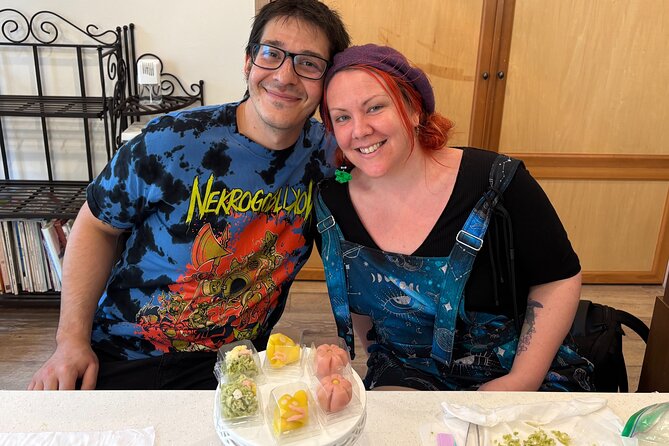
The most valuable part of nerikiri classes is the moment you realize you’re not just copying a finished picture. You’re learning how dough behaves and how shape connects to theme.
In this session, the instructor explains how nerikiri confectionery is made, then you practice the process with your hands. That direct feedback is what turns shaping into a skill instead of a guessing game.
You’ll also notice how the seasonal approach changes your expectations. Even if you’re not doing an advanced pattern, the seasonal theme affects the style you’re aiming for. You’re working with the idea that these sweets are part of a yearly rhythm in Japan, not random desserts.
After you make your pieces, you’ll either eat what you made on the spot or take them home. Packets for taking home are provided. That means the effort you put in doesn’t end when the class ends. You can bring them back and share, or save them for later while the flavors still feel connected to what you learned.
Matcha Right After: Why the Timing Makes It Better
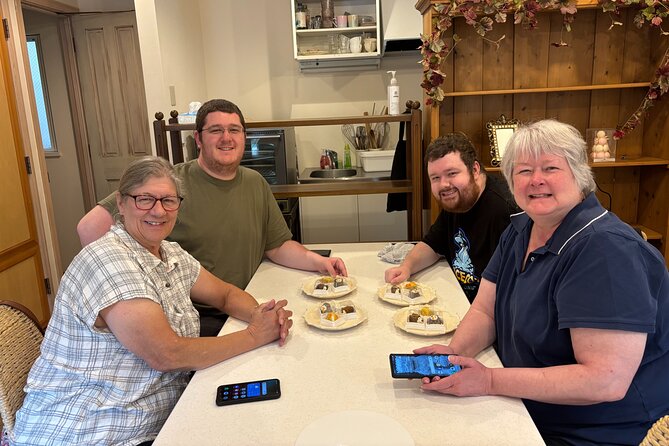
After the nerikiri session, the instructor prepares matcha (powdered green tea). Then you get to enjoy a cup as you eat your nerikiri either on the spot or from the take-home packets.
That timing is smart. Matcha works as a reset between stages. It’s also a classic pairing for wagashi-style sweets, because the tea’s bitterness and vegetal notes balance the sweetness and the texture of kneaded desserts.
You’re not waiting until the next meal or hunting for a café recommendation. The class builds the pairing right in, so your final memory is not just “I made something,” but “I made something, then tasted it in the intended combo.”
Also, because the matcha is part of the instructor’s flow, it keeps the experience grounded. You’re learning food culture through actions, not through lecture alone.
Price and Value: Is $65.69 Worth 90 Minutes?
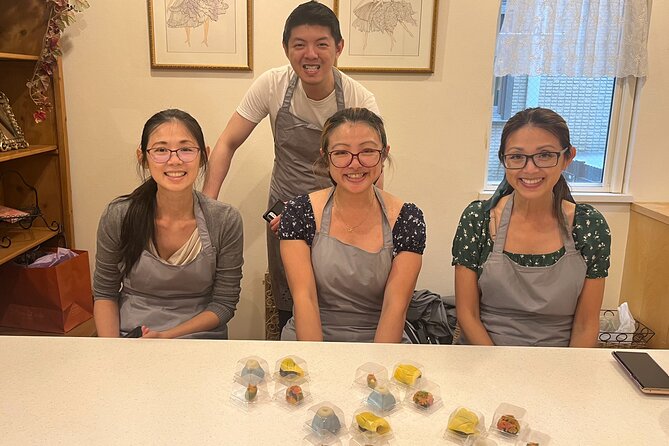
At $65.69 per person, you’re paying for more than a recipe. You’re paying for guidance, ingredients, tools, and the matcha service. You’re also paying for the small-group format that keeps you from feeling lost while you knead and shape.
Here’s what makes it feel like good value in practice:
- You get ingredients and tools included, so the price covers the real cost of materials and setup.
- Three types of seasonal dough means you create more than a one-bite novelty item.
- Matcha is included, which turns the class into a complete food experience rather than just a workshop.
- Take-home packets are provided, so you get food you made to enjoy later.
One more value point: the class explicitly focuses on the history and seasonal changes in nerikiri. That’s a different kind of souvenir. You’re leaving with both an edible result and a better understanding of why the sweets look the way they do.
If you enjoy hands-on learning and you like the idea of eating something seasonal rather than generic dessert, this price is reasonable for Tokyo.
Booking Timing: Plan Like a Local
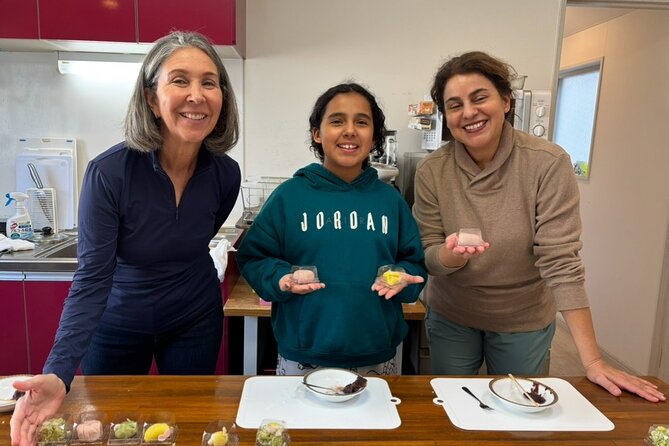
The class is commonly booked about 34 days in advance, so don’t wait until the last minute if your dates are fixed. Tokyo cooking experiences often depend on rental space and ingredient prep, and this one can also shift between Shimokitazawa and Toritsudaigaku Station.
The upside is that cancellation is free up to 24 hours before the experience starts, so you have some flexibility if plans change. Just remember that cutoff times are local, so check the local start time in the confirmation details.
Once you book, you’ll hear back within 48 hours subject to availability, then get confirmation and event details by email.
After Class: How to Use Setagaya Time Well
The class ends back at the meeting point, and you’ll find it easy to keep your day going. The experience is designed so you can explore the nearby Setagaya-ku district after the class.
I like this setup because Setagaya feels like a more neighborhood side of Tokyo. You’re not locked into another timed ticket right after dessert. If you want to keep things simple, use your extra time to walk, pop into a local shop, and follow small signs without turning it into a full-day itinerary.
Also, since you’ll be carrying sweets (and maybe an extra packet for later), plan your next move so you’re not sprinting through crowded stations right away. A short neighborhood wander is the easiest win here.
Who This Class Is Best For
This is a great match if you want:
- A beginner-friendly hands-on lesson in Japanese sweets
- A culturally focused activity, not just a food tasting
- A small-group experience where you can ask questions while you work
- A seasonal food experience that feels connected to Japan’s yearly rhythm
It might be less ideal if you require a specific meeting location with zero change. The class may shift between Shimokitazawa and Toritsudaigaku Station. It also may not be able to accommodate custom shape requests if timing doesn’t allow.
Should You Book This Nerikiri and Matcha Class?
I think you should book it if you like practical learning and you’re curious about how Japanese sweets connect to seasons. The small-group size, the included materials, and the fact that you make three types of seasonal kneaded dough make it feel worthwhile, even if you’re new to this kind of craft.
Skip it only if you want a purely sightseeing day or if you’re the type who hates any chance of location variation. Otherwise, this is one of those Tokyo experiences where you leave with both a skill and something real to eat.
FAQ
What is the duration of the nerikiri and matcha class?
The class takes about 1 hour and 30 minutes.
What is included in the class price?
The experience includes the ingredients and tools you need, you’ll make seasonal nerikiri, and you’ll be served matcha. Packets for taking sweets home are provided.
How big is the group?
The class has a maximum of 8 travelers.
Where does the class take place?
It is typically held at a kitchen in Shimokitazawa near the address in Setagaya. If that space isn’t available, it may be held near Toritsudaigaku Station. You’ll receive the confirmed location details by email.
What will I make during the class?
You’ll make three types of seasonal kneaded dough (seasonal kneaded rice balls). You may be able to request an owl and a needle mouse, depending on timing.
Can I take my nerikiri home?
Yes. You can eat some on the spot or take them home, and take-home packets are provided.
How far in advance should I book?
On average, it’s booked about 34 days in advance, so booking earlier is smart if your schedule is fixed.
More Drinking Tours in Tokyo
- Tokyo Bar Hopping Tour in Shinjuku (All-You-Can-Drink + Dinner)
★ 5.0 · 3,587 reviews - Best of Shinjuku: Izakaya Food Tour (4 Stops, 14+ Tastings)
★ 5.0 · 1,863 reviews - Tokyo: Shinjuku Local Bar and Izakaya Guided Walking Tour
★ 4.9 · 1,794 reviews - Shibuya Meltdown Nightlife Tour: All-You-Can-Drink Bar Hopping
★ 5.0 · 1,058 reviews - Tokyo: Pub Crawl and Bar Tour
★ 4.5 · 951 reviews
More Tour Reviews in Tokyo
- Mt Fuji and Hakone 1-Day Bus Tour Return by Bullet Train
★ 5.0 · 26,383 reviews - 1-Day Tokyo Bus Tour
★ 5.0 · 14,250 reviews - Tokyo: teamLab Planets TOKYO Digital Art Museum Entry Ticket
★ 4.6 · 9,779 reviews - Mt Fuji & Hakone Cruise, Drum Show Bullet Train 1 Day from Tokyo
★ 4.0 · 7,413 reviews - Tokyo: Shinjuku Food Tour (13 Dishes at 4 Local Eateries)
★ 5.0 · 6,603 reviews
More Tea and Matcha Rooms
- Matcha Making Class in Tokyo with Authentic Japanese Sweets Set
★ 5.0 · 744 reviews - Tokyo: Traditional Tea Ceremony with a Tea Master
★ 5.0 · 528 reviews - Tokyo: Matcha Making Experience with Mochi Sweets in Asakusa
★ 4.9 · 388 reviews - Tokyo: Matcha and Kimono Experience
★ 4.7 · 219 reviews - Tea Ceremony Workshop in Tokyo by the Experienced Instrucor
★ 5.0 · 189 reviews
Latest Tokyo reviews off our desk




Tea Ceremony & Matcha, compared.
 ★ 5.0Matcha Making Class in Tokyo with Authentic Japanese Sweets SetFrom $21744 reviews
 ★ 5.0Traditional Tea Ceremony with a Tea MasterFrom $38528 reviews
 ★ 4.9Matcha Making Experience with Mochi Sweets in AsakusaFrom $22388 reviews
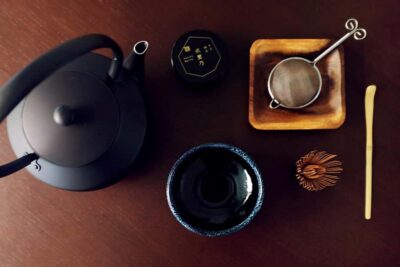 ★ 4.7Matcha and Kimono ExperienceFrom $57219 reviews
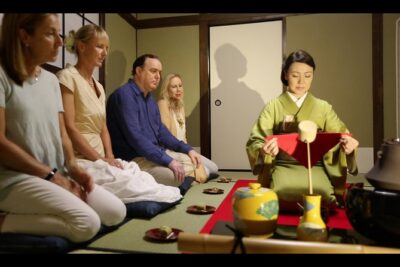 ★ 5.0Tea Ceremony Workshop in Tokyo by the Experienced InstrucorFrom $38189 reviews
 ★ 4.9Asakusa Kimono Dressing and Matcha ExperienceFrom $56173 reviews
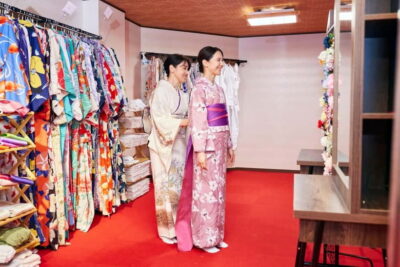 ★ 4.9Asakusa: Kimono Tea Ceremony with Matcha and SweetFrom $66153 reviews
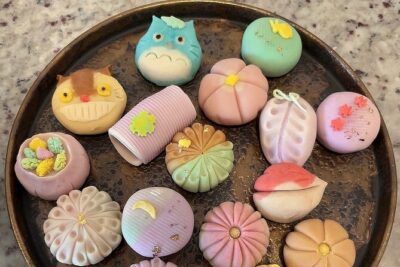 ★ 5.0Make Traditional Nerikiri Sweets & Matcha experience in ShibuyaFrom $60130 reviews
Browse the lists this tour appears in