
Reviewed · CRAFT & ARTISAN WORKSHOPS
Private Omiya Bonsai Village Tour with Licensed Guide
Bonsai village time beats the usual city rush. This half-day private tour takes you from Tokyo to Omiya Bonsai Village, where you’ll explore six different bonsai gardens and get a real explanation from a licensed English-speaking guide. I like that you can ask questions as you go, and I also like that the gardens are built for slow wandering and photo-worthy details, not just a quick look-and-leave stop.
One thing to plan around: admission fees aren’t included, and the Omiya Bonsai Art Museum has a closure window (Nov. 5, 2024 to Mar. 20, 2025), which can affect your final experience.
In This Review
- Key highlights to look for
- Omiya Bonsai Village: Why this Tokyo-side stop feels different
- Price and what you’re really paying for (the $107.50 value test)
- How the timing works: getting from Tokyo to the village smoothly
- Your first walk in Tokyo: meet your guide and ask real questions
- Stop in the bonsai village: six gardens, close-up calm, and great souvenir photo angles
- The bonus: a chance to buy a souvenir bonsai plant
- Omiya Bonsai Art Museum: what to expect and when it may be closed
- Museum closure dates you must plan around
- Getting back to Tokyo: the easy finish
- Who this private bonsai tour is best for (and who should rethink)
- Real-world guide styles: why Kahori and Miyuki stand out
- Should you book this tour?
- FAQ
- How long is the private Omiya Bonsai Village tour?
- Is admission included in the price?
- Do I get a licensed English-speaking guide?
- Can the guide pick me up from my hotel?
- How many gardens are visited?
- Is the Omiya Bonsai Art Museum always open?
- Is the tour only for my group?
- Is lunch included?
- What’s the cancellation policy?
Key highlights to look for
- Licensed English guide who stays with your group and answers questions on the spot
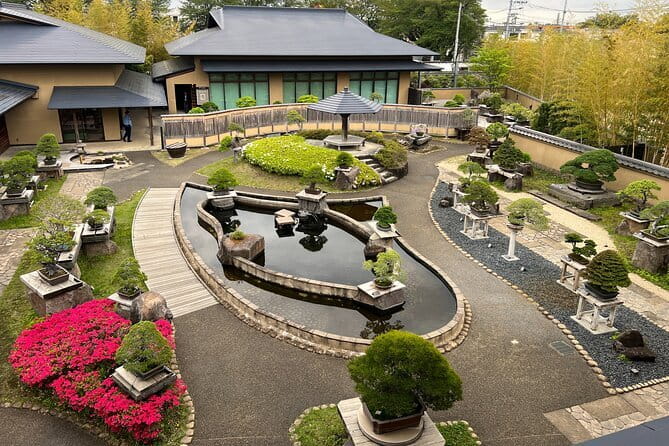
- Six gardens in Omiya Bonsai Village, with plenty of time for calm, close-up viewing
- Hotel pickup help in Tokyo, plus a straightforward round-trip ride to the district
- A chance to buy a souvenir bonsai plant, guided and less stressful than guessing on your own
- Museum context if it’s open, including time for a structured museum visit
- Real small-moment guidance: past guests noted guides like Kahori teaching simple origami on the train, and Miyuki sharing standout museum details
Omiya Bonsai Village: Why this Tokyo-side stop feels different
Most Tokyo itineraries focus on crowds, neon, or big-ticket sights. This one takes a quieter route to a corner of Japan where bonsai isn’t a trend—it’s a craft with roots in community and long-term care.
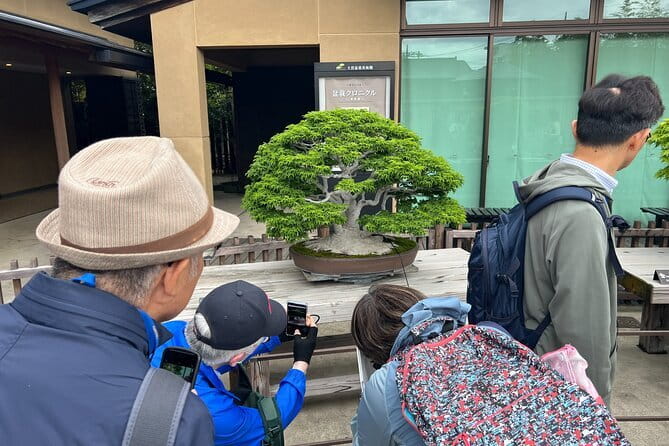
Omiya Bonsai Village (often called Bonsai-mura) sits in Saitama, just outside Tokyo. The key idea is that this area attracted bonsai pioneers from around 100 years ago. That matters because you can feel the “why” behind the layout: you’re not just seeing trees on display. You’re seeing a district where people built a whole ecosystem around horticulture—nurseries, gardens, and a museum that helps you make sense of what you’re looking at.
And yes, this is a photo-friendly setting. The gardens are made for looking slowly: you’ll find angles, stonework, and planting arrangements that are much harder to spot in a quick bus tour. If you like souvenirs that are personal—something living, small, and meaningful—this is a great match.
More hands-on studios our readers booked
- Tokyo Shinjuku Chopsticks Making Class
★ 5.0 · 1,763 reviews - Chopstick Making Workshop in Ginza
★ 4.8 · 1,366 reviews - Kintsugi Experience: Art of Golden Joinery in Tokyo
★ 5.0 · 467 reviews - Tokyo Chopstick Making Workshop with Artisan
★ 5.0 · 466 reviews
Price and what you’re really paying for (the $107.50 value test)
At about $107.50 per person for a private tour, the big value isn’t only the destination. It’s the format: you’re paying for a licensed English-speaking guide, not a ticket to a place you could theoretically find on your own.
Here’s the practical part:
- Included: licensed English guide and meet-up in Tokyo (your guide meets you on foot in Tokyo)
- Not included: admission fees, lunch, and other personal expenses, plus transportation fees
So the real cost is your tour price plus whatever admission you need once you’re at the gardens and the museum (and note: the garden and museum admissions are listed as not included).
Is it still worth it? For me, it usually is when all three are true:
- You want context, not just sightseeing
- You’re spending limited time in the region
- You prefer a guided pace so you don’t waste time working out what to do next
If you’re a plant lover, gardener, or just the type who notices training style, pruning, and trunk shapes, a good guide can turn an hour of looking into a much better “I get it now” hour.
How the timing works: getting from Tokyo to the village smoothly
The flow is simple and efficient, which is exactly what you want on a half-day private tour. Your guide meets you at your hotel or another desired spot in Tokyo, then helps you get to the Omiya district.
The ride time is about 1 hour each way (so roughly 2 hours round trip). That means your day is structured: transit in the beginning, gardening time in the middle, then back to Tokyo.
You should plan for a total duration of around 4 hours. That includes the travel legs and the on-site time blocks—so if you’re hoping to add extra stops in Tokyo before or after, keep a little buffer.
One small but useful detail: this tour uses a mobile ticket, which is convenient on the day. And since it’s a private tour, it’s only your group—no mixing into a large crowd.
Your first walk in Tokyo: meet your guide and ask real questions
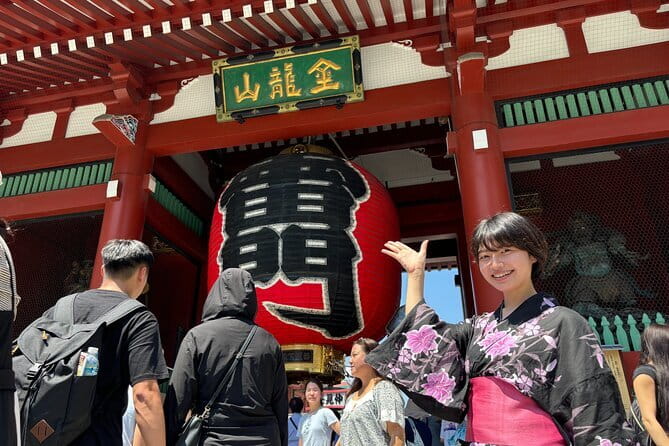
This part is more important than it sounds. The tour starts with you and a guide, right where you’re staying. That’s when you can quickly set your interests: Do you want to understand styles? Are you curious about history? Do you want help choosing what’s worth your photo time?
The tour is built around that “ask anything” approach. And you’ll appreciate it later when you’re comparing what you see across multiple gardens—because the differences become clearer when someone explains what you’re looking at and why.
Also, there’s a comfort factor. You’re not trying to coordinate routes, timing, and what to look for while also dealing with language barriers. Your guide helps you get from place to place, so your energy stays focused on the plants.
Stop in the bonsai village: six gardens, close-up calm, and great souvenir photo angles
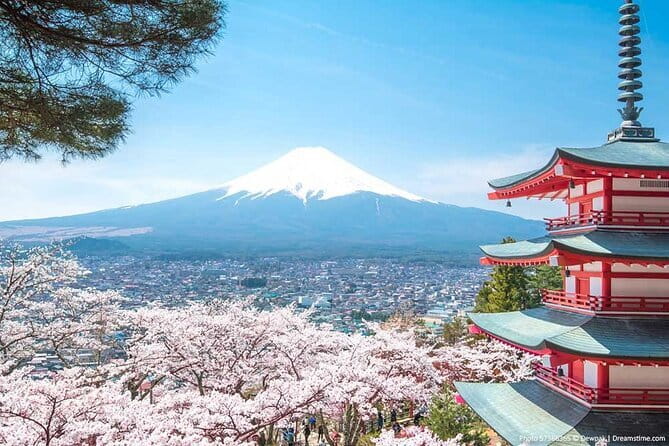
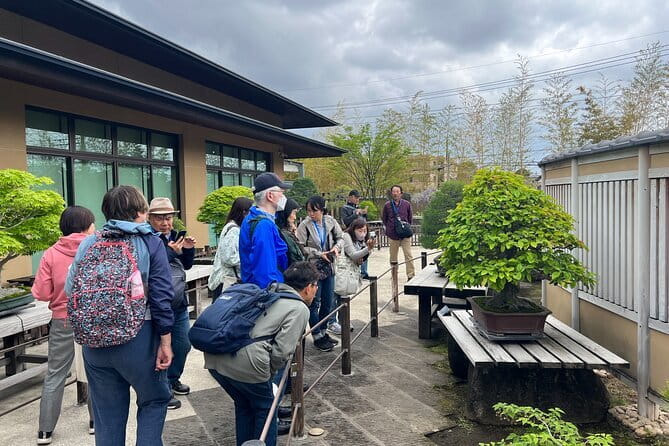
The main event is time in Omiya Bonsai Village, where there are six distinguished gardens. You get about 1 hour 30 minutes here, which is enough time to do a thoughtful loop without feeling rushed.
What makes this stop work is the pacing. Each garden gives you a different look at how bonsai is shaped—different forms, different composition choices, and different ways of using space to show off a tree’s character. The setting also makes it easier to photograph unique souvenirs. Think: trees framed by paths and structures, angles that feel personal, and scenes that don’t look like generic postcard bonsai.
This is also where the tour’s “ask questions” idea pays off. If you’re curious about why a tree is trained the way it is, or how the garden arrangement influences what you notice, your guide can help you connect details across the gardens instead of treating each one as an isolated stop.
Readers also shortlisted these Tokyo bookings:
- Tokyo 6hr Private Tour with Government-Licensed Guide★ 5.0 · 3,902 reviews
- Tokyo: Shinjuku Local Bar and Izakaya Guided Walking Tour★ 4.9 · 1,794 reviews
- Tokyo: Private City Highlights Tour with Local Guide★ 4.8 · 1,433 reviews
- Tokyo: Tsukiji Fish Market Guided Walking Tour★ 4.9 · 1,397 reviews
- Tokyo 4hr Private Tour with Government-Licensed Guide★ 5.0 · 1,394 reviews
The bonus: a chance to buy a souvenir bonsai plant
One of the tour highlights is the ability to purchase a souvenir bonsai plant. That’s a big deal because it changes the experience from purely viewing to taking something home.
Just remember that you’re working in a living-plant world. If purchasing is on your list, ask your guide what to pay attention to during selection—like health, size, and what kind of care matters—so you don’t end up with a souvenir that’s hard to keep.
Omiya Bonsai Art Museum: what to expect and when it may be closed
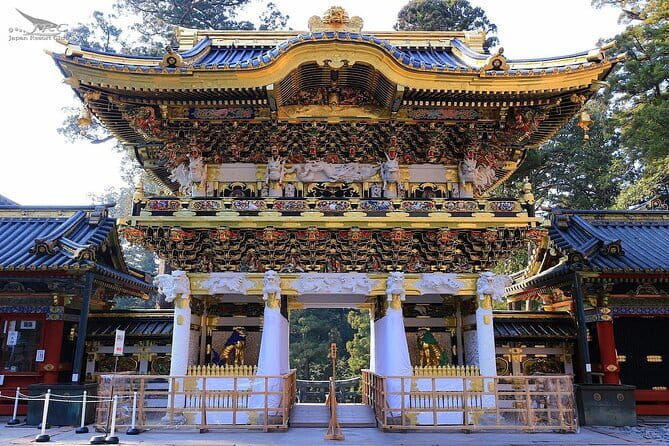
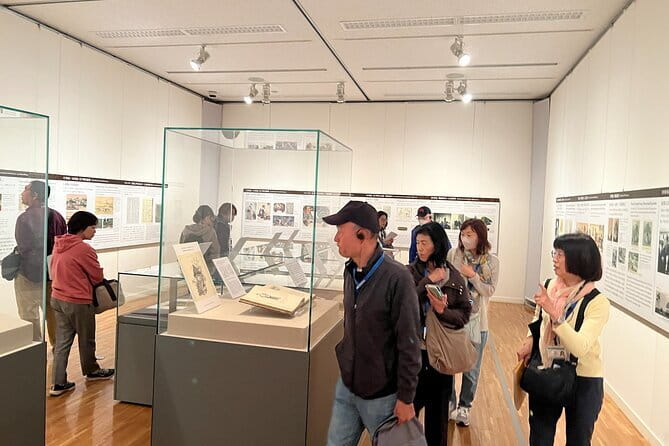
Right on the edge of the village, the Omiya Bonsai Art Museum helps you put names and meaning to what you saw outside. You get about 30 minutes there.
The museum is arranged logically, so you’re not just wandering. You’ll see information that helps explain the history and development of this horticultural art form, and you’ll get a clearer read on how to interpret what bonsai is trying to show.
A standout detail mentioned by a past guide experience is the thousand-year-old ezo spruce in the museum. If the museum is open during your dates, that’s exactly the kind of detail that makes a short museum visit feel worth it.
Museum closure dates you must plan around
Important: the Omiya Bonsai Art Museum is listed as closed for renewal from Nov. 5, 2024 to Mar. 20, 2025. If your trip falls inside that window, you may want to double-check whether your tour timing shifts to focus more on the gardens.
In other words: check your travel dates before you decide this stop is a must-have.
Getting back to Tokyo: the easy finish
After the village and museum time, your guide returns you to Tokyo. The return trip is about 1 hour, so you’ll likely end your tour with enough time to continue your day in the city (assuming you plan dinner or another activity afterward with a bit of cushion).
This return segment matters because it closes the loop. You get the calm outside Tokyo, then you’re back where your hotel is and where public transport options are simple again.
Who this private bonsai tour is best for (and who should rethink)
This tour is a strong fit for:
- Plant lovers and gardeners who enjoy learning how training and design choices work
- People who want a calm, photo-friendly outing that’s different from standard Tokyo highlights
- Travelers who like context—especially if you enjoy history, craft traditions, and how things evolved
It may not be the best fit if:
- You want a full-day deep tour with lots of variety beyond bonsai (this is focused)
- You’re looking for big modern city sights, because this one is intentionally low-key and nature-centered
- You’re traveling during the museum closure window and museum time is a top priority for you
Real-world guide styles: why Kahori and Miyuki stand out
Two guide examples from past tour experiences show what you can expect in practice.
With Kahori, the added touch was learning simple origami sculptures on the train. That’s not the main point of the bonsai tour, but it’s a nice bonus because it keeps the ride time from feeling like dead travel.
With Miyuki, the emphasis was on being accommodating while connecting bonsai history and bonsai in general to what you were seeing. She also connected guests to the museum moment with the thousand-year-old ezo spruce.
None of this changes the core structure of the tour, but it tells you something important: these guides don’t just point and go. They try to make the experience feel human and interactive.
Should you book this tour?
Book it if you want:
- A private, English-guided bonsai experience with real conversation time
- A structured half-day that includes six gardens plus a museum stop (when open)
- A chance to buy a souvenir bonsai plant without having to figure everything out yourself
Skip it or adjust expectations if:
- You’re set on the museum and your dates fall between Nov. 5, 2024 and Mar. 20, 2025
- You don’t want to budget for admission fees on top of the tour price
One practical tip: because the average booking lead time is about 52 days, plan ahead so you’re not stuck with limited options later. This isn’t the kind of tour you want to “maybe later” your way into if you’re on a tight schedule.
FAQ
How long is the private Omiya Bonsai Village tour?
It lasts about 4 hours in total (approx.), including travel between Tokyo and the Omiya area.
Is admission included in the price?
No. Admission fees for the village gardens and the Omiya Bonsai Art Museum are not included in the tour price.
Do I get a licensed English-speaking guide?
Yes. The tour includes a licensed English-speaking guide.
Can the guide pick me up from my hotel?
Pickup is offered, and the guide meets you in Tokyo at your hotel or another desired place in Tokyo.
How many gardens are visited?
You’ll visit six different bonsai gardens in Omiya Bonsai Village.
Is the Omiya Bonsai Art Museum always open?
No. The museum is closed for renewal from Nov. 5, 2024 to Mar. 20, 2025.
Is the tour only for my group?
Yes. This is a private tour/activity, so only your group participates.
Is lunch included?
No. Lunch and other personal expenses are not included.
What’s the cancellation policy?
You can cancel for free up to 24 hours in advance for a full refund. If you cancel less than 24 hours before the experience starts, the amount paid is not refunded.
More Tours in Tokyo
- Mt Fuji and Hakone 1-Day Bus Tour Return by Bullet Train
★ 5.0 · 26,383 reviews - 1-Day Tokyo Bus Tour
★ 5.0 · 14,250 reviews - Tokyo: Shinjuku Food Tour (13 Dishes at 4 Local Eateries)
★ 5.0 · 6,603 reviews - Tokyo Mt Fuji 5th St & Hakone Cruise Bus Tour w/Bullet Train
★ 4.4 · 5,024 reviews - Flagship 2-Hours Official Street Go-Kart Tour – Tokyo Bay Shop
★ 5.0 · 4,974 reviews
More Tour Reviews in Tokyo
- Mt Fuji and Hakone 1-Day Bus Tour Return by Bullet Train
★ 5.0 · 26,383 reviews - 1-Day Tokyo Bus Tour
★ 5.0 · 14,250 reviews - Tokyo: teamLab Planets TOKYO Digital Art Museum Entry Ticket
★ 4.6 · 9,779 reviews - Mt Fuji & Hakone Cruise, Drum Show Bullet Train 1 Day from Tokyo
★ 4.0 · 7,413 reviews - Tokyo: Shinjuku Food Tour (13 Dishes at 4 Local Eateries)
★ 5.0 · 6,603 reviews
More Artisan Workshops in Tokyo
- Tokyo Shinjuku Chopsticks Making Class
★ 5.0 · 1,763 reviews - Chopstick Making Workshop in Ginza
★ 4.8 · 1,366 reviews - Kintsugi Experience: Art of Golden Joinery in Tokyo
★ 5.0 · 467 reviews - Tokyo Chopstick Making Workshop with Artisan
★ 5.0 · 466 reviews - Tokyo: Shinjuku Chopstick Making Class
★ 4.9 · 440 reviews
Latest Tokyo reviews off our desk






Craft & Artisan Workshops, compared.
 ★ 5.0Tokyo Shinjuku Chopsticks Making ClassFrom $201,763 reviews
 ★ 4.8Chopstick Making Workshop in GinzaFrom $251,366 reviews
 ★ 5.0Kintsugi Experience: Art of Golden Joinery in TokyoFrom $59467 reviews
 ★ 5.0Tokyo Chopstick Making Workshop with ArtisanFrom $26466 reviews
 ★ 5.0Authentic Pure Gold Kintsugi Workshop with Master Taku in TokyoFrom $142217 reviews
 ★ 5.0Calligraphy on Kanji Fan & Scroll with DrinkFrom $53210 reviews
Browse the lists this tour appears in