
Reviewed · SUSHI MAKING CLASSES
Private Sushi Making with a Sushi Master
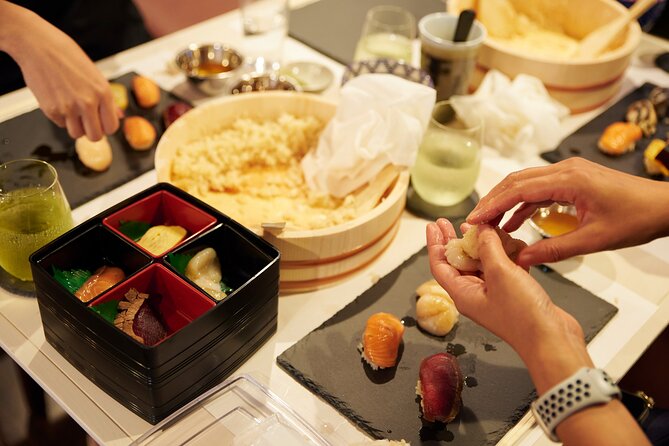
Michelin-level sushi lessons in Tokyo. This private workshop lets you learn from a sushi master in a Michelin-starred restaurant, with hands-on teaching plus a short history quiz and a fun photo shoot. Two big wins: you get personal attention the whole time, and you make three very different styles of sushi, not just one.
I especially like that the session covers the real skills behind sushi-making. You’ll tackle classic nigiri, roll up maki, and build gunkan (the battleship-style cups topped with ingredients), then you’ll eat what you make. In the room, the team includes helpers like Rin, and the chef instruction is credited to Riku in the reviews, which fits the hands-on vibe you’re paying for.
One drawback to consider: this is a focused 1 hour 45 minutes, not a long leisurely dinner. If you’re hoping for lots of downtime, or you’re worried about strict timing, keep your schedule extra clean—there’s also a no-show rule if you’re more than 5 minutes late without contact.
In This Review
- Key highlights worth knowing
- Private Sushi Making in Tokyo: Exactly What You’re Paying For
- Where It Happens: Nishiazabu and a Michelin-Starred Kitchen
- Your 1 Hour 45 Minutes: The Full Workshop Flow
- Three Types of Sushi You’ll Actually Learn to Make
- Nigiri: Classic fish-on-rice control
- Maki: Rolling that keeps seaweed and rice aligned
- Gunkan (battleship style): Toppings without spilling
- Sushi History Quiz: Fun Training, Not Just Trivia
- Photo Shoot Time: The Most Tokyo Souvenir You Can Eat
- Food Quality and the Meal at the End
- Dietary Restrictions: Real Accommodations
- Price and Value: Is $130.81 Actually Worth It?
- Who This Workshop Fits Best
- Timing Reality: What to Do Before You Go
- Should You Book Private Sushi Making with a Sushi Master?
- FAQ
- How long is the sushi making workshop in Tokyo?
- What types of sushi will I make?
- Does the workshop take place in a Michelin-starred restaurant?
- Is this a private experience?
- Will I be able to eat what I make?
- Can the class accommodate allergies or dietary restrictions?
- What’s included besides making sushi?
- Where is the meeting point?
- What happens if I’m late?
Key highlights worth knowing
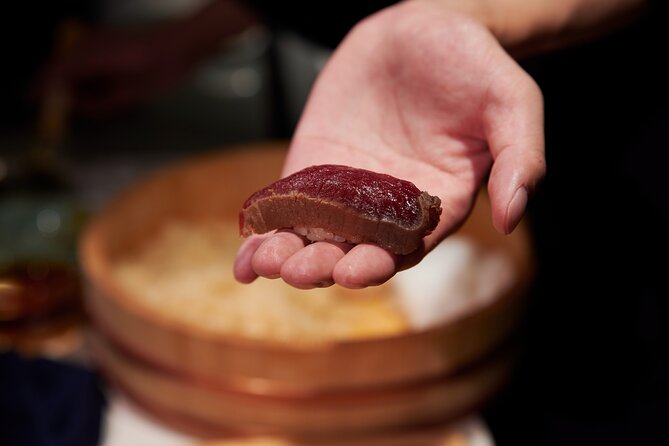
- Michelin-starred setting where the food quality is the baseline, not the bonus
- Three sushi types in one class: nigiri, maki, and gunkan (battleship style)
- Short sushi history quiz that makes the techniques feel less random
- Photo time with your creations so you can actually remember what you made
- Allergy-friendly options including vegetarian, vegan, and gluten-free
Private Sushi Making in Tokyo: Exactly What You’re Paying For
Let’s be honest: you can find great sushi in Tokyo without taking a class. The real value here is that a sushi master slows things down and explains the logic behind the craft. This is a private experience in a Michelin-starred sushi restaurant, so the standards are high from the moment you arrive.
You’ll spend 1 hour 45 minutes working through three sushi styles. Each one trains a different muscle. Nigiri asks for rice control and fish handling. Maki asks for rolling and seaweed management. Gunkan asks for topping balance and a steady hand. That mix means you’re not just copying shapes—you’re learning how sushi is built.
At about $130.81 per person, it’s not cheap compared to entry-level classes. But for Tokyo, you’re paying for private attention, Michelin-level ingredients, and a meal at the end. If you like learning by doing (and you like eating), the math usually works.
More sushi counters to book, ranked
- Tokyo: Roll and Authentic Sushi Making Class in Asakusa
★ 4.9 · 1,957 reviews - Make Sushi and Create Unforgettable Memories in Tokyo
★ 5.0 · 1,413 reviews - Tokyo: Sushi Making Class in a Happi Coat near a Famous Spot
★ 4.9 · 1,377 reviews - Tokyo Sushi Making Class in Tsukiji with Professional Chef
★ 5.0 · 1,177 reviews
Where It Happens: Nishiazabu and a Michelin-Starred Kitchen
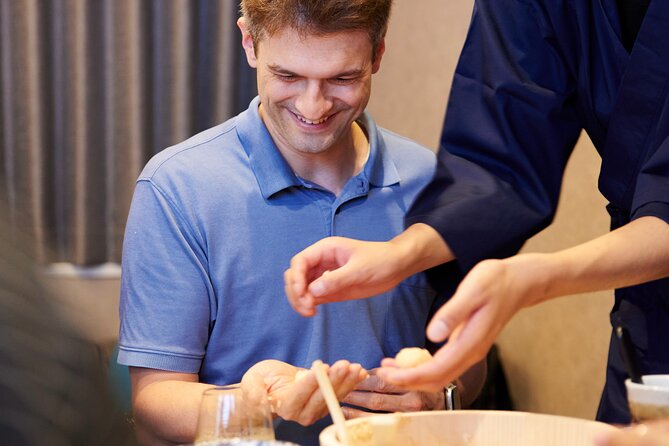
The experience starts at A-PULSE AZABU STUDIO in Nishiazabu, Minato City. It’s near public transportation, which matters in Tokyo. Your time is tight, so you’ll want a smooth transit plan before you go.
The class itself takes place in a Michelin-starred sushi restaurant. That’s a huge practical point. In a regular cooking school, ingredients and tools can be decent but simplified. Here, the food is treated with care, and it sets the tone for what you’re doing: slicing raw fish, choosing seasonal ingredients, and shaping sushi in a real service environment.
Even better, it’s private. Only your group participates. That means you’re less likely to get rushed by a schedule built for larger classes, and you can ask questions while your hands are still on the rice.
Your 1 Hour 45 Minutes: The Full Workshop Flow
The schedule is designed to go from context to practice quickly. You get instruction, demonstration, then hands-on time, and finally you eat what you made.
Here’s the typical flow:
You begin with an introduction to sushi history. Then you get quizzed—short, structured, and meant to make you pay attention rather than just sit and watch. After that, your sushi master demonstrates the sushi-making steps. This is your “watch once, then do it” moment.
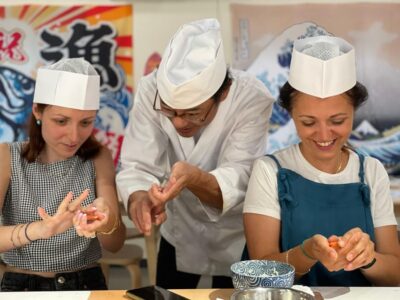
Then comes the hands-on part. You’ll prepare sushi in three formats: nigiri, maki, and gunkan. The class ends with time to take photos and enjoy your handmade sushi.
One practical tip: come hungry. The workshop is built to reward your effort with a meal. If you arrive already full, you’ll miss the best part.
Three Types of Sushi You’ll Actually Learn to Make
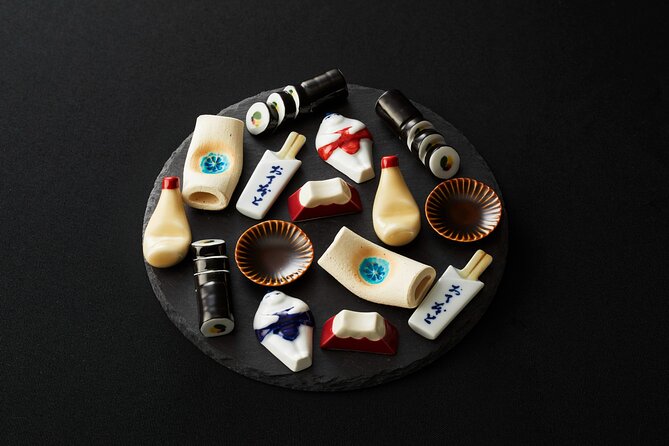
This is not a sampler class. You’ll make three distinct types, and each teaches something different.
Nigiri: Classic fish-on-rice control
Nigiri is the most recognizable sushi: a slice of fish on top of rice. The key skill is balance—rice should hold together and fish should sit cleanly without turning into a slippery mess. You’re also learning how raw fish should look and feel before it’s served, which gives you a new respect for what “fresh” means in sushi.
If you’ve ever ordered nigiri and wondered why some pieces seem effortless, this is the answer. The technique is mostly timing, temperature, and handling, not fancy gear.
Readers also shortlisted these Tokyo bookings:
- Tokyo 6hr Private Tour with Government-Licensed Guide★ 5.0 · 3,902 reviews
- Private Tour to Mt. Fuji and Hakone (Fully Licenced Operator)★ 5.0 · 1,910 reviews
- Tokyo Customized Private Tour (Must See Places in 1 Day)★ 5.0 · 1,499 reviews
- Mount Fuji Full-Day Private Tour from Tokyo (Customizable)★ 4.9 · 1,470 reviews
- Tokyo: Private City Highlights Tour with Local Guide★ 4.8 · 1,433 reviews
Maki: Rolling that keeps seaweed and rice aligned
Maki is the traditional roll wrapped in seaweed. Here, your challenge is tightness and alignment. Too loose and you lose the structure. Too tight and you might compress it into something awkward to bite.
The workshop uses carefully selected ingredients, prepared to pristine condition by the sushi master. That matters, because your results depend on what’s in front of you, not just what’s in your hands.
Gunkan (battleship style): Toppings without spilling
Gunkan is the battleship-style sushi: seaweed forms a “cup” shape, and it’s topped with ingredients. The topping-to-cup ratio is the trick. If you overfill, it spills and looks messy. If you underfill, it feels flat.
This is also the style that tends to make people smile, because it looks bold and dramatic—even when you’re still learning. It’s a fun way to see how sushi can be both minimal and expressive.
Sushi History Quiz: Fun Training, Not Just Trivia
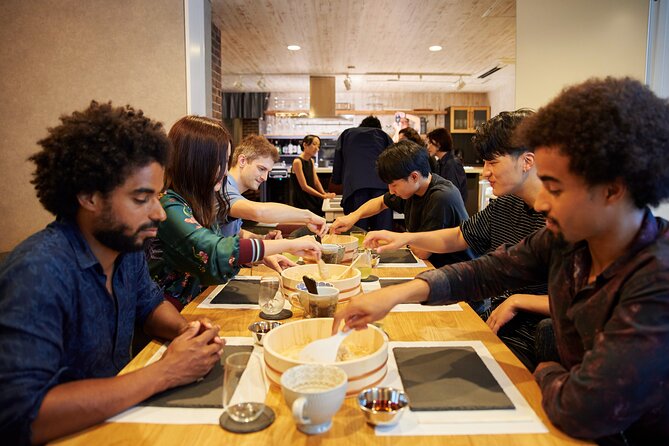
You’ll get quizzed on sushi history during the session. That might sound like school, but it’s actually practical. Sushi is full of regional terms, technique traditions, and small rules around ingredients and preparation. The quiz format helps you remember what the sushi master is teaching as you work.
And because it’s part of the workshop flow, you don’t leave feeling like you paid for theory. You use the information right away while shaping and building sushi pieces.
Photo Shoot Time: The Most Tokyo Souvenir You Can Eat
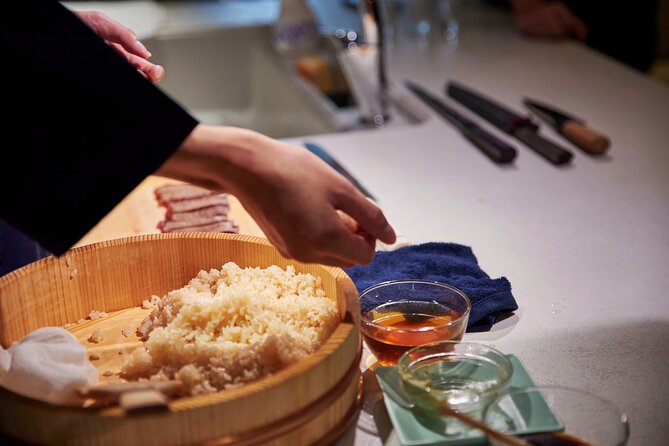
There’s a fun photo shoot time included, and yes, it’s worth it. Sushi is small and precise, so it’s easy to make something that looks better than it tastes (or vice versa). Photos help you remember what you were aiming for and what worked for your hands.
After the photos, you enjoy the sushi you made. That’s a big difference from classes where you cook, then watch the instructor eat. Here, the end goal is to taste your work while it’s fresh.
Food Quality and the Meal at the End
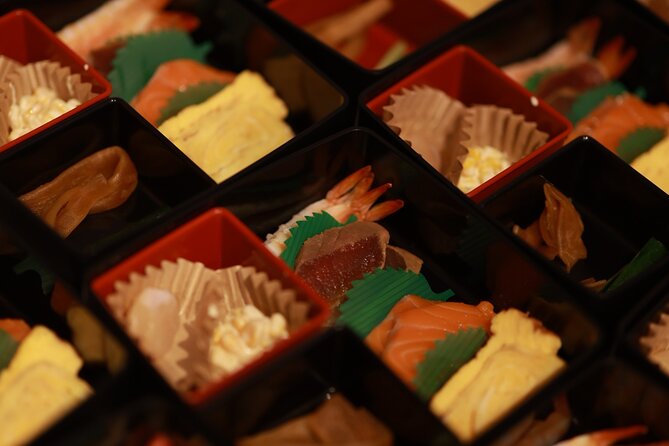
Workshops end with a freshly prepared meal. You’ll eat the sushi you made, so the experience closes the loop: learn the steps, build the pieces, then enjoy them while the ingredients are at their best.
Because the workshop is in a Michelin-starred sushi restaurant and the sushi master selects and prepares ingredients to pristine condition, you’re not stuck with “training food.” You taste how the ingredients are supposed to behave.
One small reality check: sushi is simple on the plate, so flavor comes from balance. The class helps you notice that balance more than you would in a typical restaurant meal.
Dietary Restrictions: Real Accommodations
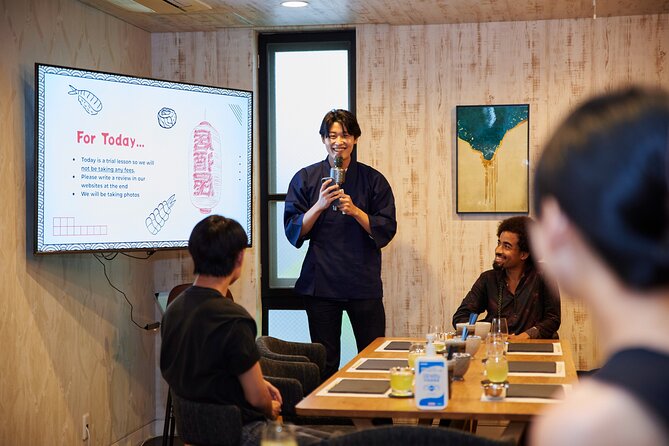
This activity is described as allergy-friendly and able to accommodate dietary restrictions such as vegetarian, vegan, and gluten-free. That’s not always true with sushi classes, so it’s a real plus.
What I like is that the class doesn’t treat dietary needs as an awkward afterthought. You’re still learning the structure of sushi—rice and shape—and the kitchen adjusts ingredients to match your needs.
If you have strong allergies, include them clearly in advance. Even with accommodations listed, the details matter.
Price and Value: Is $130.81 Actually Worth It?
In Tokyo, there are sushi classes across a wide price range. This one costs about $130.81 per person, and it’s private in a Michelin-starred restaurant.
Here’s why the value can be strong:
- You’re not sharing attention with a big class. Private time means better instruction when your fingers get stuck on rice and seaweed.
- You learn three sushi types, which usually requires more planning and ingredients than one-off tastings.
- The meal is included at the end, and you eat what you make.
The downside is also clear: if you’re on a tight budget, a more casual group class may feel more reasonable. And if you want a long sit-down dinner with lots of extra courses, this one is tightly scheduled and focused on making and eating your own sushi.
Who This Workshop Fits Best
This workshop is a smart pick if:
- You want a serious sushi experience without guessing what to practice at home
- You’re a solo traveler who wants something structured and personal
- You like learning technique, not just eating well
- You prefer private instruction in English (the reviews mention staff speaks perfect English)
It’s also a good match for couples or small groups who want a shared activity with a clear payoff: three sushi types plus a meal.
Timing Reality: What to Do Before You Go
The session starts at A-PULSE AZABU STUDIO, and the activity ends back at the meeting point. There’s a no-show policy: if you don’t contact them within 5 minutes after the scheduled start time, the reservation is treated as a no-show and no refund is provided.
So plan like a pro:
- Give yourself buffer time for Tokyo transit
- Make sure you know your exact meeting location in advance
- If there’s any delay, message or contact right away rather than waiting it out
Should You Book Private Sushi Making with a Sushi Master?
If your goal is to learn sushi-making skills you can actually remember, and you want it in a Michelin-starred setting with private attention, I think this is a strong booking. The three sushi types make the workshop feel complete, and the included meal turns practice into something you can taste immediately.
Skip it only if you’re looking for a low-effort experience, a casual snack lesson, or a very long dinner-style evening. This one is focused, hands-on, and built around precision—come hungry, show up on time, and enjoy the fact that you’ll leave with sushi knowledge you can use again.
FAQ
How long is the sushi making workshop in Tokyo?
The workshop lasts about 1 hour 45 minutes.
What types of sushi will I make?
You’ll make three types: nigiri, maki, and gunkan (battleship-style sushi).
Does the workshop take place in a Michelin-starred restaurant?
Yes. The workshops take place in a Michelin-starred sushi restaurant.
Is this a private experience?
Yes. It’s private, and only your group participates.
Will I be able to eat what I make?
Yes. The workshop includes time to enjoy your handmade sushi, and it ends with a freshly prepared meal.
Can the class accommodate allergies or dietary restrictions?
Yes. The experience is allergy-friendly and can accommodate dietary restrictions including vegetarian, vegan, gluten-free, and others.
What’s included besides making sushi?
You’ll get an introduction to sushi history, a quiz, hands-on sushi-making, and time for photos with your creations.
Where is the meeting point?
The start point is A-PULSE AZABU STUDIO (エーパルス3-chōme-8-18 Nishiazabu, Minato City, Tokyo 106-0031, Japan), and the activity ends back at the meeting point.
What happens if I’m late?
If you don’t receive contact from you within 5 minutes after the scheduled start time, your reservation is treated as a no-show and no refund is provided.
More Private in Tokyo
- Tokyo 6hr Private Tour with Government-Licensed Guide
★ 5.0 · 3,902 reviews - Private Tour to Mt. Fuji and Hakone (Fully Licenced Operator)
★ 5.0 · 1,910 reviews - Tokyo Customized Private Tour (Must See Places in 1 Day)
★ 5.0 · 1,499 reviews - Mount Fuji Full-Day Private Tour from Tokyo (Customizable)
★ 4.9 · 1,470 reviews - Tokyo: Private City Highlights Tour with Local Guide
★ 4.8 · 1,433 reviews
More Tour Reviews in Tokyo
- Mt Fuji and Hakone 1-Day Bus Tour Return by Bullet Train
★ 5.0 · 26,383 reviews - 1-Day Tokyo Bus Tour
★ 5.0 · 14,250 reviews - Tokyo: teamLab Planets TOKYO Digital Art Museum Entry Ticket
★ 4.6 · 9,779 reviews - Mt Fuji & Hakone Cruise, Drum Show Bullet Train 1 Day from Tokyo
★ 4.0 · 7,413 reviews - Tokyo: Shinjuku Food Tour (13 Dishes at 4 Local Eateries)
★ 5.0 · 6,603 reviews
More Sushi Counters to Book
- Sushi Making Tokyo Roll and Authentic Japanese Sushi Class
★ 5.0 · 3,971 reviews - Tokyo: Roll and Authentic Sushi Making Class in Asakusa
★ 4.9 · 1,957 reviews - Make Sushi and Create Unforgettable Memories in Tokyo
★ 5.0 · 1,413 reviews - Tokyo: Sushi Making Class in a Happi Coat near a Famous Spot
★ 4.9 · 1,377 reviews - Tokyo Sushi Making Class in Tsukiji with Professional Chef
★ 5.0 · 1,177 reviews
Latest Tokyo reviews off our desk




Sushi Making Classes, compared.
 ★ 5.0Sushi Making Tokyo Roll and Authentic Japanese Sushi ClassFrom $593,971 reviews
 ★ 4.9Roll and Authentic Sushi Making Class in AsakusaFrom $581,957 reviews
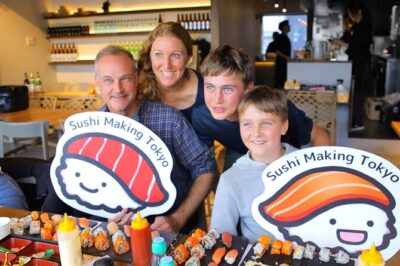 ★ 5.0Make Sushi and Create Unforgettable Memories in TokyoFrom $791,413 reviews
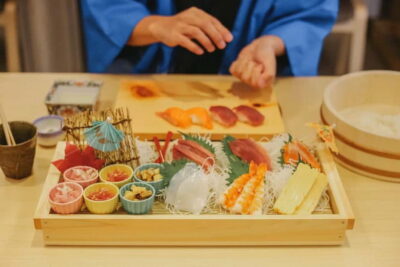 ★ 4.9Sushi Making Class in a Happi Coat near a Famous SpotFrom $421,377 reviews
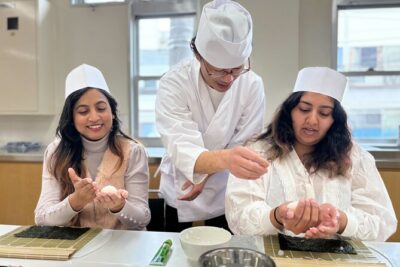 ★ 5.0Tokyo Sushi Making Class in Tsukiji with Professional ChefFrom $491,177 reviews
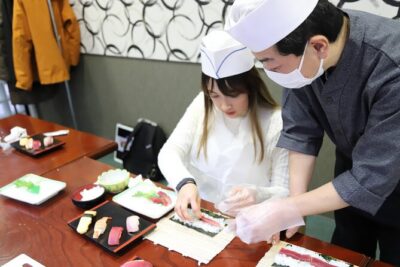 ★ 5.0Tsukiji Fish Market Guided Tour and Sushi Making with Pro ChefFrom $104775 reviews
 ★ 4.9Tsukiji Fish Market Sushi Making Class with Pro ChefFrom $63506 reviews
 ★ 5.0Tokyo Tsukiji Fish Market Tour and Sushi Making LessonFrom $99390 reviews
Browse the lists this tour appears in