
Reviewed · UENO FOOD TOURS
Romantic Mizuhiki Knot and Omikuji Washi Charm Workshop Ueno
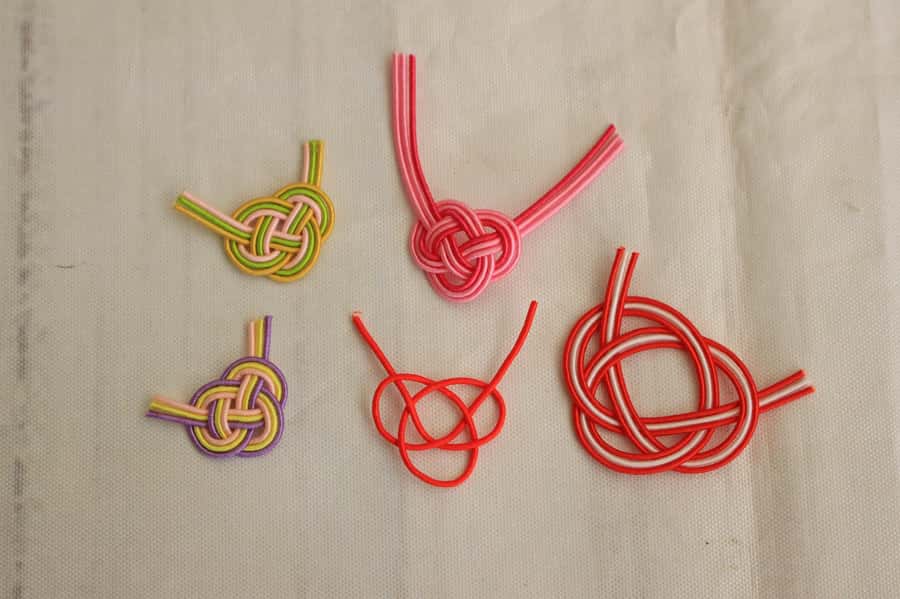
Romance in a knot takes practice. In this Mizuhiki Knot and Omikuji Washi Charm Workshop, you’ll make a meaningful keepsake using paper string techniques tied to Japanese ceremony traditions for about 680 years, while keeping the mood personal and calm. I also like that the class is hands-on and easy to follow, with instruction in English and Japanese by Kaho, plus plenty of color and paper choices so your charm doesn’t feel generic.
You and your partner, friends, or family create something you can actually take home and use as a lasting reminder. One possible drawback: with a 1-hour session, you’ll finish a specific charm, but you may not have time to make multiple extra designs in the same sitting.
In This Review
- Key Highlights You’ll Care About
- Where You Make Meaning: Ueno–Asakusa Craft Comfort
- What Exactly Is a Mizuhiki Knot and Omikuji Charm?
- Step One: Picking Your Colors and Washi Paper
- Learning the Mizuhiki Knot: Slow, Clear, and Fixable
- Making the Omikuji Washi Charm: Your Design, Your Meaning
- The Cat Moment and the Quiet Craft Atmosphere
- Time on the Clock: What You Can Finish in 1 Hour
- Price and Value: Is $41 Worth It?
- Who This Workshop Fits Best (and Who Might Hesitate)
- Practical Tips Before You Go
- Should You Book the Romantic Mizuhiki Knot and Omikuji Charm Workshop?
- FAQ
- How long is the workshop?
- Where is it located in Tokyo?
- How much does it cost?
- What will I make during the class?
- Are the materials included?
- What languages are offered?
- How big is the group?
- Is there an instructor?
- Is there a cat in the store?
- What are the cancellation and payment options?
Key Highlights You’ll Care About
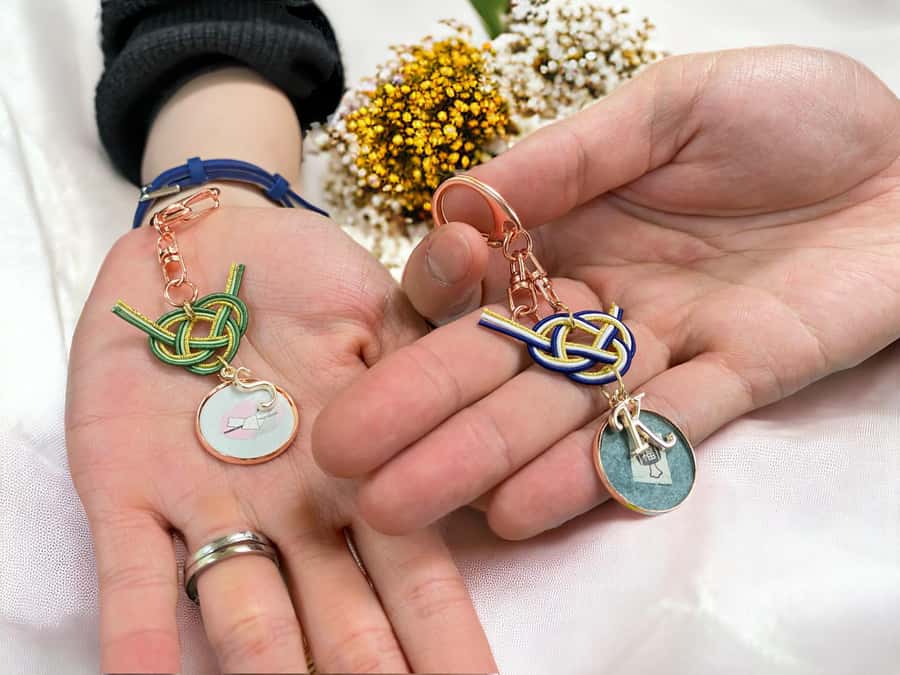
- 680-year-old mizuhiki tradition taught in a practical, make-it-with-your-hands way
- Personalized omikuji washi charm built from your own color and washi-paper selections
- Small group (up to 4) so the instructor can correct your steps
- Kaho’s guidance in English and Japanese, helpful even if you’re not artsy
- Optional gift box to hold your charm and make it feel gift-ready
- A shop cat you can interact with, and you can take a picture if you’d like
Where You Make Meaning: Ueno–Asakusa Craft Comfort
This workshop takes place in Tokyo, in the strip of shops between Ueno and Asakusa, which is a good location for mixing with a normal sightseeing day. Instead of a crowded tour route, you’re stepping into a calmer space where crafting is the focus and your hands stay busy right from the start.
That matters because the success of a workshop like this isn’t about seeing stuff. It’s about doing something together, while the instructor corrects small details before they become mistakes. With the class capped at 4 participants, you’re less likely to feel rushed or ignored, even if one person in your group is slower or unsure.
If you like cats, this is a bonus. The workshop has a cat in the store, and it’s possible to take a picture with them. If anyone in your group has allergies, make sure you contact the shop in advance so they can advise you.
More Ueno tastings on our list
- Eat and Drink Like a Local: Tokyo Ueno Food Tour-Taverns&Ramen
★ 5.0 · 957 reviews - Tokyo: Food Tour in Ueno with 10+ Tastings of Japanese Classics
★ 5.0 · 303 reviews - Japanese Food Experience Night Tour in Ueno
★ 5.0 · 47 reviews - Tokyo Ueno Food & Nature & Localtown Tour: 10Dishes+ Drinks
★ 5.0 · 34 reviews
What Exactly Is a Mizuhiki Knot and Omikuji Charm?
The star of the class is mizuhiki, a traditional paper-string craft used for around 680 years. Today, it’s still an essential part of Japanese wedding and funeral ceremonies, which gives the technique a deeper purpose than just making a cute decoration.
In the workshop, you apply that cultural technique to a personal keepsake. You’re not just learning a paper craft pattern; you’re learning why the materials and folding style matter. The omikuji washi charm also brings in the charm vibe of Japan’s paper luck culture, but tailored to your chosen colors and washi paper.
The practical takeaway for you: the result is small enough to carry, but meaningful enough to keep. You’ll end up with something that feels like it belongs to your relationship or your family, not like a mass-made souvenir.
Step One: Picking Your Colors and Washi Paper
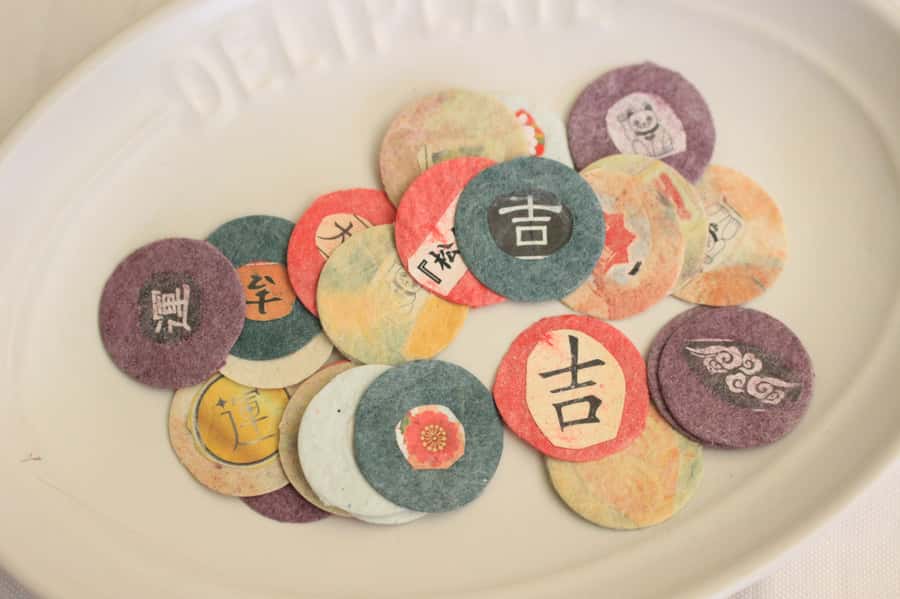
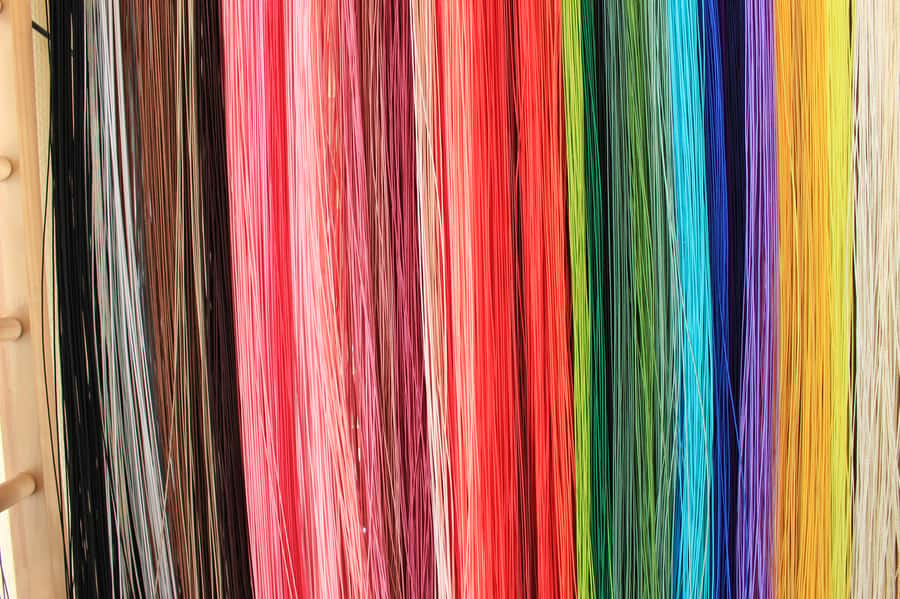
One of the best parts is decision-making. You choose from a range of color options and designs, and you also pick the washi paper you’ll use to create your charm. That might sound like a minor detail, but it’s where the charm becomes yours.
When people come to this kind of workshop as a couple, the choices often become a mini-ritual. You’ll look at color combinations, talk through preferences, and agree on what fits the mood you want: gentle, playful, elegant, or bold. That conversation is part of the experience, not just prep work.
If you’re traveling with kids or making it as a family activity, paper choices also make it easier for everyone to stay engaged. You can steer the crafting without having to “teach” craft skills—your selections do the heavy lifting.
Learning the Mizuhiki Knot: Slow, Clear, and Fixable
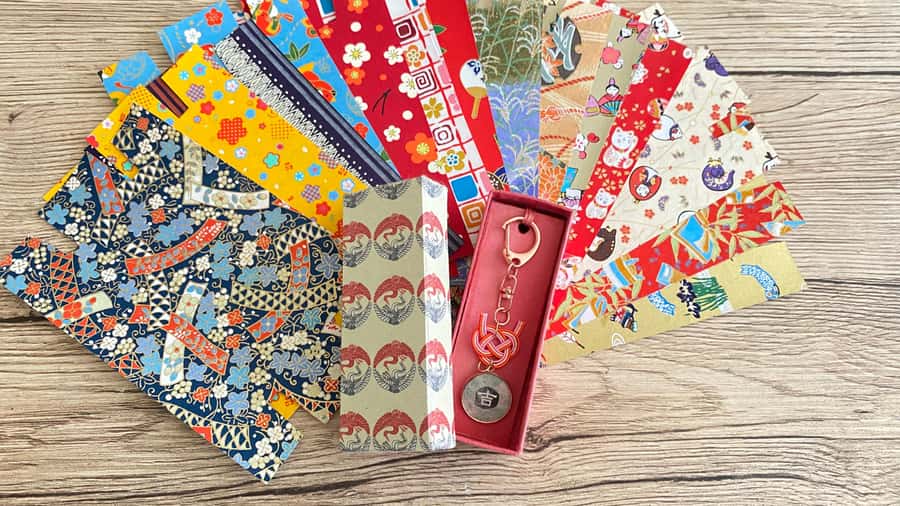
Mizuhiki can look intimidating when you see photos. In real life, the process is learnable because the instructor guides you step by step while you make the knot. The class is designed for hands-on learning, so you can get corrections early instead of realizing at the end that something is off.
A big theme from the experience is that the instruction feels approachable. Kaho is described as fantastic and the class as easy to follow, including for people who start out not feeling confident. That’s important for you if one person in your group thinks they can’t do crafts.
You’ll also get a calmer pace because the group is small. With only a few people, you’re more likely to get immediate help when your fingers tangle or your paper string slips. In a fast, large-class setting, that’s where frustration starts. Here, it’s easier to stay relaxed.
Making the Omikuji Washi Charm: Your Design, Your Meaning
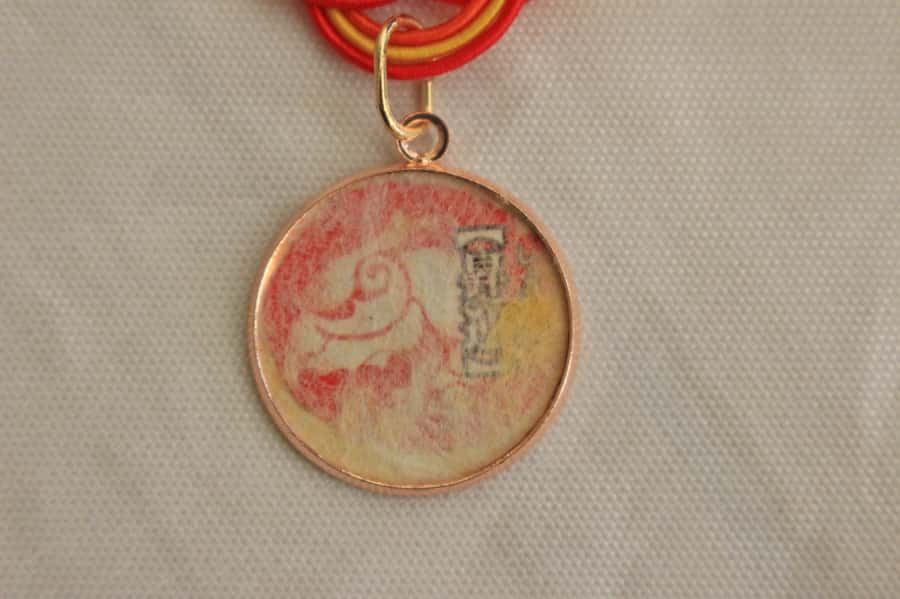
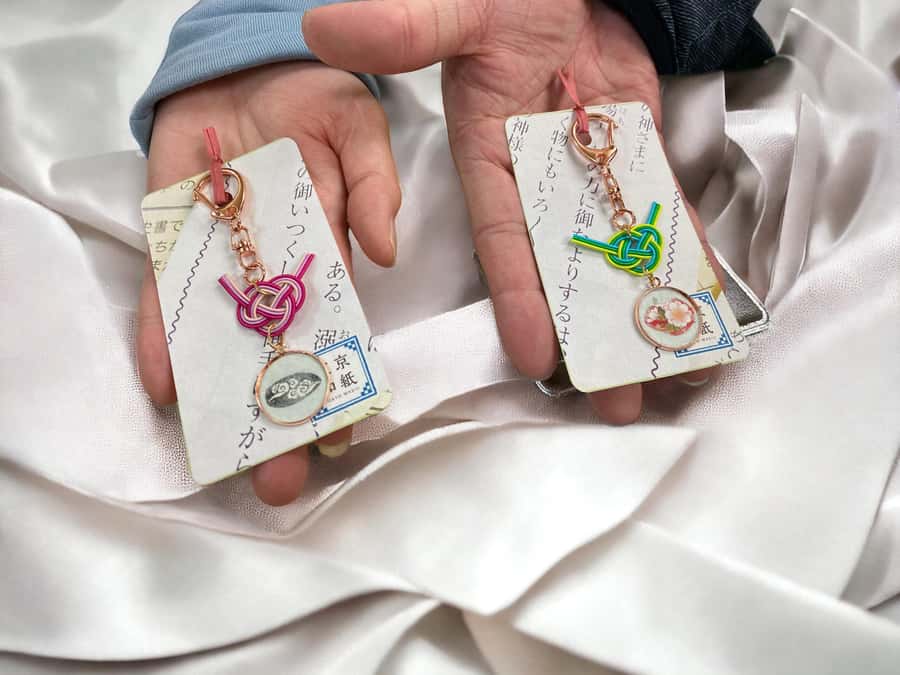
Once the knot technique is underway, the charm itself comes together as a compact project. You assemble your original charm with your chosen washi paper, which gives you control over the look and vibe.
This is where the workshop becomes genuinely “romantic” in a way that doesn’t feel forced. Instead of posing for pictures in front of landmarks, you’re building a shared object with care. The charm becomes a physical reminder of the time you spent making something together, not just traveling together.
You can also make a gift box to hold your charm. That’s a small thing, but it changes how you’ll remember the day. If you plan to give the charm to someone later (or keep it as a couple keepsake), the box makes it easier to store nicely.
Readers also shortlisted these Tokyo bookings:
- Sushi Making Tokyo Roll and Authentic Japanese Sushi Class★ 5.0 · 3,971 reviews
- Tokyo: Roll and Authentic Sushi Making Class in Asakusa★ 4.9 · 1,957 reviews
- Tokyo Shinjuku Chopsticks Making Class★ 5.0 · 1,763 reviews
- Tokyo: Sushi Making Class in a Happi Coat near a Famous Spot★ 4.9 · 1,377 reviews
- Chopstick Making Workshop in Ginza★ 4.8 · 1,366 reviews
The Cat Moment and the Quiet Craft Atmosphere
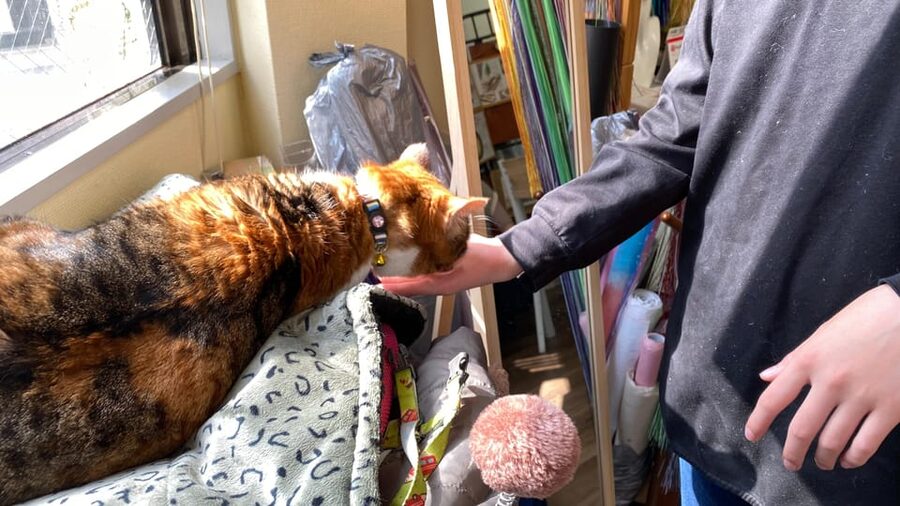
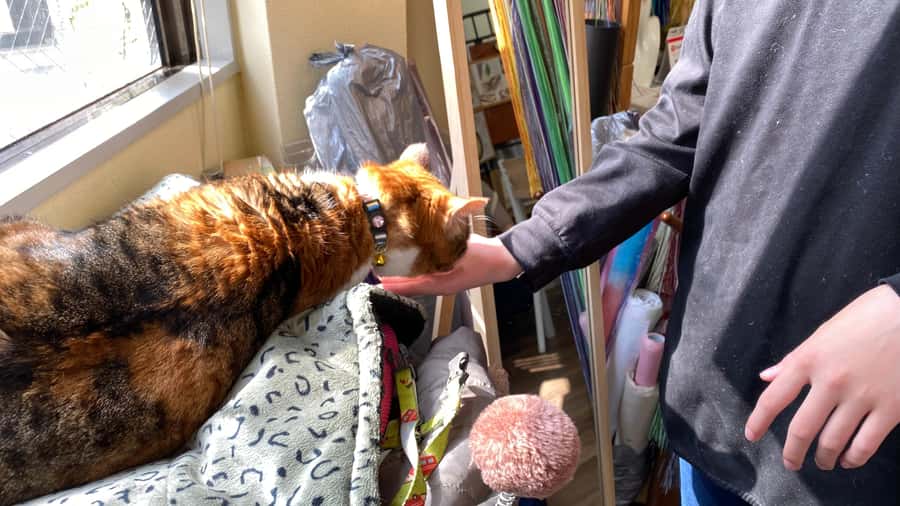
Yes, there’s a cat in the store. It’s also a surprisingly useful part of the experience, because it adds a light, human touch to a session that could otherwise feel strictly formal. If you want a photo, you can take one with the cat.
More importantly, the crafting space is described as quiet and relaxing. That sounds simple, but for many travelers it’s the real vacation value. Your brain gets a break from constant navigation and big crowds, and you focus on a single task with a friendly instructor.
For families, this calm environment matters too. Kids often handle crafts better when the space feels safe and not overwhelming. And for couples, it’s the kind of setting where conversation can happen without yelling over a busy street.
Time on the Clock: What You Can Finish in 1 Hour
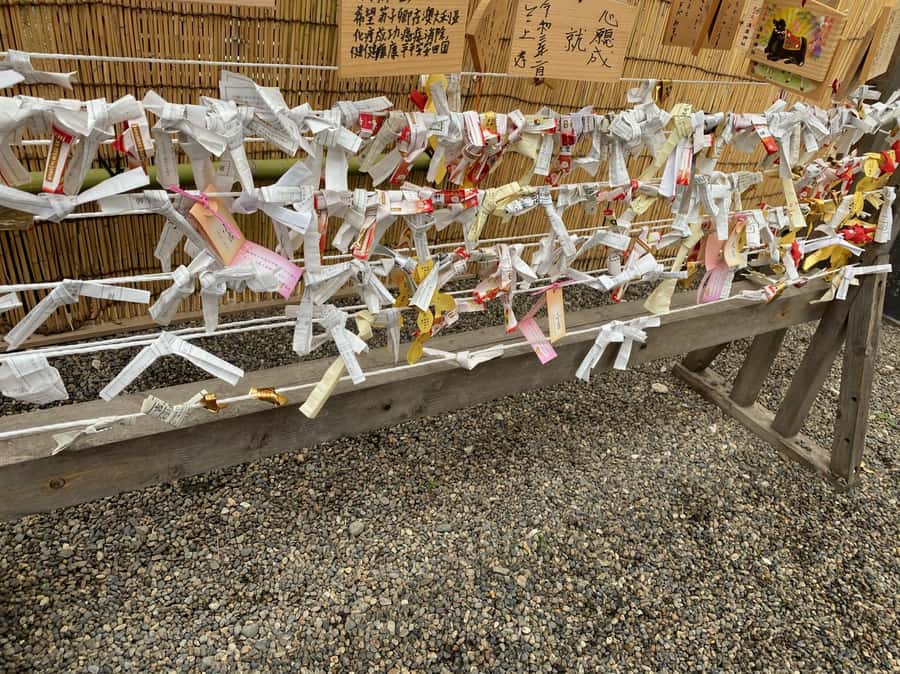
The workshop lasts 1 hour, which is perfect for travelers who want something meaningful but not time-consuming. It also explains why the experience is so focused: you’ll complete a charm project within the session, rather than trying to do a large multi-piece craft.
Here’s how to think about it so you don’t feel rushed. Consider this a “single main souvenir you make yourself.” If you arrive hungry, you might feel a time crunch. If you arrive with a clear intention (one charm, plus maybe a box), you’ll enjoy the process more.
If you’re the type who likes to take photos constantly, you’ll still have a few moments for it, but the priority here is crafting. Treat the session like a guided workshop, not a stop-and-snap sightseeing photo tour.
Price and Value: Is $41 Worth It?
At $41 per person, this workshop sits in the “reasonable experience” range for Tokyo. The key value is not just that you pay for an activity. It’s that the required materials are included, and you get instructor support in English and Japanese.
That combination reduces the usual travel risk: you don’t need to hunt for supplies, translate instructions, or guess whether your craft outcome will be good. With a small group, your odds of finishing something you like increase, which is the real economic value.
Also, the keepsake isn’t an empty gesture. You’re taking home something you created with your choices—color, washi paper, and design decisions—plus optional packaging if you choose the gift box. If you often buy souvenirs that feel forgettable after the first week, this tends to land differently.
The value equation is especially strong for couples, because a shared project is more personal than a shared photo. For families and friends, it’s a cooperative activity that can work across ages without requiring prior skill.
Who This Workshop Fits Best (and Who Might Hesitate)
This experience works best if you want a practical cultural activity—something you can do in real time, not just observe. It’s described as a time for couples, parents and children, and friends to bond, so if your travel style includes shared experiences, you’ll probably like this.
It’s also a good match if you want Japanese tradition explained through doing. Mizuhiki is linked to ceremonies, but you don’t need to know the full background to enjoy the craft. You’ll learn in the moment, and the meaning will click naturally as you build the charm.
You might hesitate if:
- You hate anything hands-on and want only sightseeing.
- You’re short on time and want a bigger multi-hour project.
- Anyone in your group has strong allergies to cats and you haven’t checked in with the shop first.
Practical Tips Before You Go
Before your session, take a quick inventory of your expectations. You’re going to leave with one charm you made, so come ready to focus for the full 1-hour.
If you want it to feel romantic or gift-ready, think about your color choices ahead of time. If you’re making it as a family activity, decide early who picks the washi paper. That reduces decision fatigue and makes the experience feel like teamwork.
And if cats are a concern, contact the shop in advance. The workshop specifically notes there is a cat in the store, so getting a heads-up is a smart move.
Should You Book the Romantic Mizuhiki Knot and Omikuji Charm Workshop?
If you want one Tokyo activity that’s personal, learnable, and actually portable, I’d book it. It’s one hour, small-group, and built around making something with your hands that reflects your choices—especially for couples looking for a quiet bonding moment between Ueno and Asakusa.
Skip it only if you’re looking for a typical sightseeing-heavy day. This is craft time first, photos second, and that’s exactly why it works.
FAQ
How long is the workshop?
The workshop lasts 1 hour.
Where is it located in Tokyo?
The shop is located between Ueno and Asakusa.
How much does it cost?
It costs $41 per person.
What will I make during the class?
You’ll create a romantic mizuhiki knot and an omikuji washi charm, and you can also make a gift box to hold your charm.
Are the materials included?
Yes. Required materials for the workshop are included.
What languages are offered?
Instruction is available in English and Japanese.
How big is the group?
The group is small, limited to 4 participants.
Is there an instructor?
Yes, there is a friendly instructor who guides you.
Is there a cat in the store?
Yes. There is a cat in the store, and it’s possible to take a picture with them. If you have allergies, contact the shop in advance.
What are the cancellation and payment options?
There is free cancellation up to 24 hours in advance for a full refund, and you can reserve now and pay later.
More Workshops in Tokyo
- Sushi Making Tokyo Roll and Authentic Japanese Sushi Class
★ 5.0 · 3,971 reviews - Tokyo: Roll and Authentic Sushi Making Class in Asakusa
★ 4.9 · 1,957 reviews - Tokyo Shinjuku Chopsticks Making Class
★ 5.0 · 1,763 reviews - Tokyo: Sushi Making Class in a Happi Coat near a Famous Spot
★ 4.9 · 1,377 reviews - Chopstick Making Workshop in Ginza
★ 4.8 · 1,366 reviews
More Tour Reviews in Tokyo
- Mt Fuji and Hakone 1-Day Bus Tour Return by Bullet Train
★ 5.0 · 26,383 reviews - 1-Day Tokyo Bus Tour
★ 5.0 · 14,250 reviews - Tokyo: teamLab Planets TOKYO Digital Art Museum Entry Ticket
★ 4.6 · 9,779 reviews - Mt Fuji & Hakone Cruise, Drum Show Bullet Train 1 Day from Tokyo
★ 4.0 · 7,413 reviews - Tokyo: Shinjuku Food Tour (13 Dishes at 4 Local Eateries)
★ 5.0 · 6,603 reviews
More Ueno Tastings
- Eat and Drink Like a Local: Tokyo Ueno Food Tour-Taverns&Ramen
★ 5.0 · 957 reviews - Tokyo: Food Tour in Ueno with 10+ Tastings of Japanese Classics
★ 5.0 · 303 reviews - Tokyo Ueno Food Tour Sushi Ramen and Local Favorites
★ 5.0 · 54 reviews - Japanese Food Experience Night Tour in Ueno
★ 5.0 · 47 reviews - Tokyo Ueno Food & Nature & Localtown Tour: 10Dishes+ Drinks
★ 5.0 · 34 reviews
Latest Tokyo reviews off our desk



Ueno Food Tours, compared.
 ★ 5.0Eat and Drink Like a Local: Tokyo Ueno Food Tour-Taverns&RamenFrom $95957 reviews
 ★ 5.0Food Tour in Ueno with 10+ Tastings of Japanese ClassicsFrom $142303 reviews
 ★ 5.0Tokyo Ueno Food Tour Sushi Ramen and Local FavoritesFrom $8954 reviews
 ★ 5.0Japanese Food Experience Night Tour in UenoFrom $10547 reviews
 ★ 5.0Tokyo Ueno Food & Nature & Localtown Tour: 10Dishes+ DrinksFrom $12034 reviews
 ★ 5.0All-You-Can-Drink Bar Hopping Tour in UenoFrom $9822 reviews
 ★ 4.8Asakusa, Kappabashi, and Ueno Walking TourFrom $4114 reviews
 ★ 5.0Private Ueno Park Architecture Walking TourFrom $1468 reviews
Browse the lists this tour appears in