
Reviewed · SUSHI MAKING CLASSES
Sushi Making Class
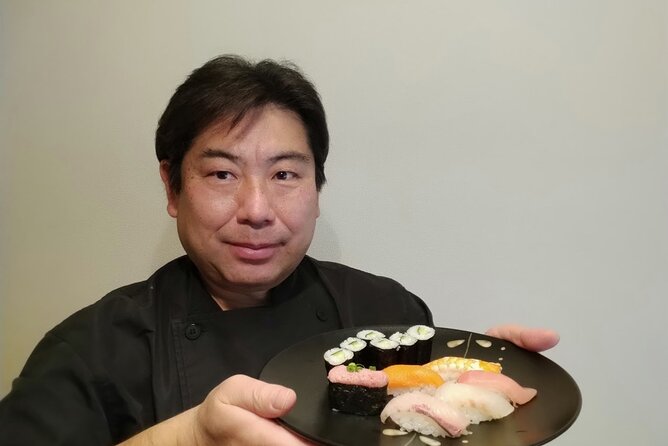
Sushi tastes better when you make it. This small-group sushi class in Shibuya is taught in English by Chef Ken, a former Hyatt hotel sushi chef with experience in Japan and California. What makes it especially interesting is the focus on real technique and the fact that you’re working with sushi ingredients selected daily.
Two things I really like about this experience are how personal it feels (it’s capped at 6 people, so you’re not lost in the crowd), and how hands-on it is from start to finish, including making sushi rice and shaping multiple styles. One thing to consider: with a minimum of 2 participants, the class could be canceled if that number isn’t met.
If you want a Tokyo activity that feels practical and repeatable at home, this is built for that. You’ll learn the process behind different sushi styles, then you’ll eat what you’ve made, with sake and green tea included to round it out.
In This Review
- Key highlights you should care about
- Sushi in Shibuya: why this class feels personal
- Meeting point and timing: make the 90 minutes work
- What you actually learn: sushi rice first, then the methods
- Nigiri, maki, temaki, gunkan: four styles, four different skills
- Fresh fish and day-of selection: why it changes the lesson
- Drinks and lunch energy: sake, green tea, and what you’ll do with it
- Price and value: is $107.26 fair for Tokyo?
- Who this suits best (and who may want a different class)
- Booking tips: when to reserve and what to prepare
- Should you book Sushi Making Class with Chef Ken?
- FAQ
- Is the sushi making class taught in English?
- How long is the class?
- How many people are in the class?
- What sushi styles will I learn?
- Are ingredients and equipment included?
- Is mobile ticketing used?
- What’s included besides sushi?
- (Bonus) Quick note on cancellations
Key highlights you should care about
- Chef Ken’s English instruction plus hotel-level experience from Japan and California
- Daily-selected sushi ingredients, purchased on the day
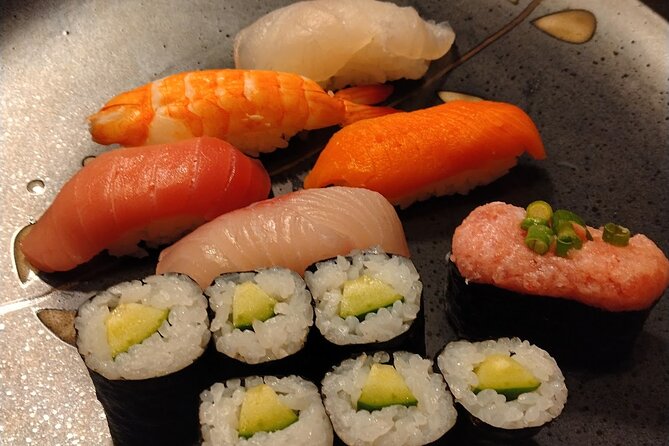
- Four sushi styles taught: nigiri, maki, temaki, and gunkan
- Small group size with a maximum of 6 travelers
- Equipment and ingredients included, so you can travel light
- Sake and green tea added to the class experience
Sushi in Shibuya: why this class feels personal
Tokyo has no shortage of cooking classes, but not many are led by someone with the specific kind of background you want when the goal is technique. Chef Ken has experience at a hotel restaurant, sushi-making classes, and catering service, and he’s comfortable with both Japanese and foreign customers. In practice, that means you get instruction that’s clear enough to follow in English without turning the class into a confusing food lecture.
The group size also matters. With a maximum of 6 travelers, you’re more likely to get quick checks on things like rice texture, shaping, and how carefully you’re handling ingredients. That small scale is one reason the experience tends to feel like a private lesson rather than a factory-style activity.
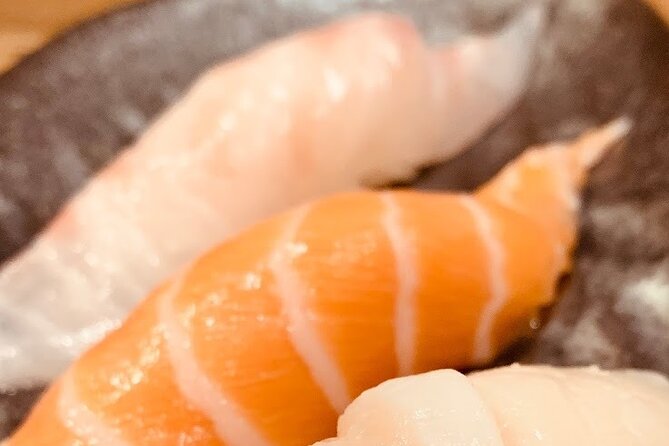
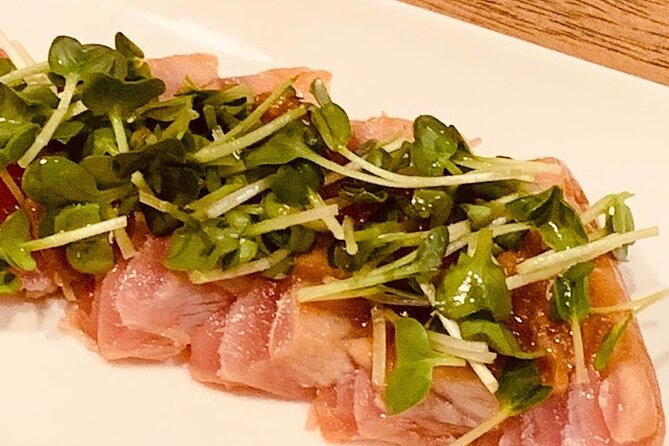
And then there’s the ingredient approach. This class uses strictly selected sushi ingredients purchased on the day. You can absolutely taste the difference between “fresh-ish” and “actually fresh,” and this setup is designed so you learn with ingredients that match the reality of sushi making.
More sushi counters to book, ranked
- Sushi Making Tokyo Roll and Authentic Japanese Sushi Class
★ 5.0 · 3,971 reviews - Tokyo: Roll and Authentic Sushi Making Class in Asakusa
★ 4.9 · 1,957 reviews - Make Sushi and Create Unforgettable Memories in Tokyo
★ 5.0 · 1,413 reviews - Tokyo: Sushi Making Class in a Happi Coat near a Famous Spot
★ 4.9 · 1,377 reviews
Meeting point and timing: make the 90 minutes work
Your start is at 15-17 Sakuragaokachō, Shibuya, Tokyo 150-0031, Japan, and the activity ends back at the meeting point. The class runs in a window from 12:00 PM to 7:00 PM (Monday through Sunday), and the session itself is about 1 hour 30 minutes.
That timing is ideal if you’re trying to avoid a full-day commitment. It also slots nicely between typical Tokyo plans: you can come in before dinner, make sushi, and then keep exploring with less of that travel-day fatigue.
One practical note: you’ll receive confirmation within 48 hours of booking (subject to availability), and the class uses a mobile ticket. So before you go, I’d make sure your phone has offline access to your ticket info. It’s the kind of tiny thing that prevents last-minute stress.
What you actually learn: sushi rice first, then the methods
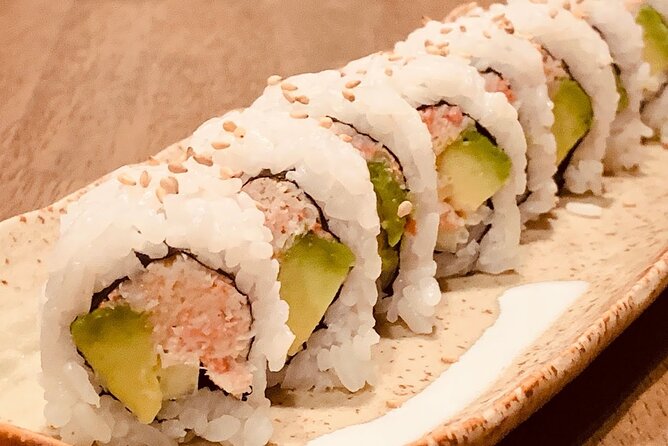
A good sushi class doesn’t just hand you ingredients and call it a day. This one is built around process. You’ll learn how to make sushi rice, how to prepare ingredients, and then how to make different sushi styles.
Why that sequence matters: rice is the foundation. If your rice isn’t right, nothing else will feel convincing. Even if your fish is perfect, rice that’s too firm, too loose, or not seasoned properly will make your sushi fall flat. Starting with sushi rice gives you the base skill that transfers to any sushi you try to make later.
Then you move into ingredient prep. While the class covers preparation steps, the bigger win for you is learning what changes depending on the style you’re making. Sushi isn’t one single technique. It’s a set of choices: how the rice is handled, how the topping or filling is placed, and how much structure you need for the final shape.
Finally, you’ll practice multiple styles, which helps you learn sushi as a system rather than a one-off meal trick.
Nigiri, maki, temaki, gunkan: four styles, four different skills
Chef Ken’s class doesn’t stop at one type of roll. You learn four distinct styles, and they teach different “muscles” in your hands.
Nigiri (hand-pressed)
This is the style where rice handling matters most. You’re learning how to shape rice so it holds together and pairs well with the topping. It’s less about wrapping and more about precise forming.
Maki sushi (roll)
Maki is about controlled wrapping and even pressure. The goal is a clean roll that slices nicely. If you’ve ever tried making sushi at home and ended up with lopsided pieces, maki is where you’ll understand why technique beats guessing.
Temaki (hand-roll)
Temaki is more casual and informal than maki, but it still needs care. You’ll learn how to build a hand-roll that stays together enough to eat and keeps the balance between rice and filling.
Gunkan (battleship)
Gunkan gives you experience with structure. The name comes from the shape, and the key skill is managing how toppings sit on the rice. It’s the style that helps you learn what “support” the rice provides to toppings.
Chef Ken also focuses on both traditional sushi and creative sushi that’s loved around the world. That matters because it prepares you for the real-life sushi you’ll see outside Japan. You’ll leave with a better sense of what stays classic and what flexes.
Fresh fish and day-of selection: why it changes the lesson

The class uses sushi ingredients purchased on the day and strictly selected by the chef. That might sound like marketing, but it’s actually the backbone of a good sushi lesson.
Here’s why. When ingredients are genuinely fresh, the flavors and textures behave predictably. Rice seasoning stands out. Fish tastes clean rather than muted. The final result looks better too, because you’re not fighting ingredients that are past their best window.
You also learn with ingredients that reflect real sushi practice. In other words, you’re not training your hands on one set of expectations and then going home to a completely different situation. This is the kind of detail that helps the class actually stick in your brain.
Readers also shortlisted these Tokyo bookings:
- Sushi Making Tokyo Roll and Authentic Japanese Sushi Class★ 5.0 · 3,971 reviews
- Tokyo: Roll and Authentic Sushi Making Class in Asakusa★ 4.9 · 1,957 reviews
- Tokyo Shinjuku Chopsticks Making Class★ 5.0 · 1,763 reviews
- Tokyo: Sushi Making Class in a Happi Coat near a Famous Spot★ 4.9 · 1,377 reviews
- Chopstick Making Workshop in Ginza★ 4.8 · 1,366 reviews
Drinks and lunch energy: sake, green tea, and what you’ll do with it
Sake and green tea are included, and the vibe of the class is meant to feel like more than a demonstration. You make sushi, and you get to enjoy it as part of the experience.
Even without seeing your exact meal setup, the overall pattern is clear from how the class is described: you’re working through styles and ingredients, then ending with a satisfying eat-out-of-your-work moment. That’s one of the reasons people rate this so highly—because you don’t just learn, you also get a genuinely tasty result.
For me, that combination is what makes this kind of class feel worth it. It turns instruction into something you can taste and remember.
Price and value: is $107.26 fair for Tokyo?
At $107.26 per person, this isn’t the cheapest Tokyo cooking option. But price in Japan cooking classes usually tracks with three things: how small the group is, how experienced the instructor is, and whether ingredients are high quality and handled properly.
Here, you’re paying for:
- A small group (max 6) and a former Hyatt hotel sushi chef with English ability
- Equipment and ingredients included, so you’re not adding costs for supplies
- Day-of purchased ingredients selected for sushi making
- A full session with multiple sushi styles, not a single “try one roll” activity
- Added drinks (sake and green tea) during the class
When I look at it as “what do I take home,” it’s easier to feel good about the spend. If you learn sushi rice and four sushi styles, that’s more skill per hour than classes that mostly cover one technique. And because the ingredients are included and selected daily, you’re not paying extra just to have someone hand you the basics.
If you’re doing this as part of a tight Tokyo schedule, book with the goal of learning technique you can replicate. That’s where the value lands.
Who this suits best (and who may want a different class)
This class is a great match if you:
- Want hands-on instruction in English
- Like smaller, less commercial experiences with direct coaching
- Want to learn multiple sushi styles, not only one roll type
- Appreciate fresh ingredients and want to understand sushi as a process
It may be less ideal if you’re looking for a long, sightseeing-focused tour or a multi-stop itinerary. This is focused, compact, and centered on the class itself, so you’ll get the most out of it if you treat it like a main event for your food time.
Booking tips: when to reserve and what to prepare
On average, this class is booked about 10 days in advance. That’s not “book a month ahead” urgent, but it also means you shouldn’t assume you can wait until the last minute—especially if you’re traveling during busy periods.
What to bring is simple: nothing special is required because all equipment and ingredients are included. The best prep you can do is arrive on time, hungry, and ready to follow instructions. Sushi technique is precise. You’ll learn faster when you’re not scrambling for your gear or trying to read steps while already flustered.
Also, because the class minimum is 2 participants, it can happen that your exact session depends on the schedule filling. Just plan on having backup options for that day in case your slot doesn’t run.
Should you book Sushi Making Class with Chef Ken?
If you want a Tokyo food experience that’s small, practical, and taught by someone with real restaurant and catering experience, I’d book it. The standout strengths are the personal, non-commercial feel, the fresh day-of ingredients, and the clear English instruction that covers four sushi styles within about 90 minutes.
Book this if you like learning technique you can repeat at home, and you’re excited to make sushi rice and then actually shape nigiri, maki, temaki, and gunkan yourself. Pass if you only want a quick tasting or you prefer a bigger group tour with lots of stops.
FAQ
Is the sushi making class taught in English?
Yes. The class is taught in English, and Chef Ken has experience with customers from both Japan and abroad.
How long is the class?
The duration is about 1 hour 30 minutes.
How many people are in the class?
The class is small group and has a maximum of 6 travelers. There is also a minimum number of participants of 2.
What sushi styles will I learn?
You’ll learn how to make sushi rice and how to prepare ingredients, plus different sushi styles including nigiri (hand-pressed), maki sushi (roll), temaki (hand-roll), and gunkan (battleship).
Are ingredients and equipment included?
Yes. All equipment and ingredients are included, so you don’t need to bring anything.
Is mobile ticketing used?
Yes. It’s listed as a mobile ticket activity.
What’s included besides sushi?
Sake and green tea are included.
(Bonus) Quick note on cancellations
Free cancellation is available, and you can cancel up to 24 hours in advance for a full refund.
More Workshops in Tokyo
- Sushi Making Tokyo Roll and Authentic Japanese Sushi Class
★ 5.0 · 3,971 reviews - Tokyo: Roll and Authentic Sushi Making Class in Asakusa
★ 4.9 · 1,957 reviews - Tokyo Shinjuku Chopsticks Making Class
★ 5.0 · 1,763 reviews - Tokyo: Sushi Making Class in a Happi Coat near a Famous Spot
★ 4.9 · 1,377 reviews - Chopstick Making Workshop in Ginza
★ 4.8 · 1,366 reviews
More Tour Reviews in Tokyo
- Mt Fuji and Hakone 1-Day Bus Tour Return by Bullet Train
★ 5.0 · 26,383 reviews - 1-Day Tokyo Bus Tour
★ 5.0 · 14,250 reviews - Tokyo: teamLab Planets TOKYO Digital Art Museum Entry Ticket
★ 4.6 · 9,779 reviews - Mt Fuji & Hakone Cruise, Drum Show Bullet Train 1 Day from Tokyo
★ 4.0 · 7,413 reviews - Tokyo: Shinjuku Food Tour (13 Dishes at 4 Local Eateries)
★ 5.0 · 6,603 reviews
More Sushi Counters to Book
- Sushi Making Tokyo Roll and Authentic Japanese Sushi Class
★ 5.0 · 3,971 reviews - Tokyo: Roll and Authentic Sushi Making Class in Asakusa
★ 4.9 · 1,957 reviews - Make Sushi and Create Unforgettable Memories in Tokyo
★ 5.0 · 1,413 reviews - Tokyo: Sushi Making Class in a Happi Coat near a Famous Spot
★ 4.9 · 1,377 reviews - Tokyo Sushi Making Class in Tsukiji with Professional Chef
★ 5.0 · 1,177 reviews
Latest Tokyo reviews off our desk






Sushi Making Classes, compared.
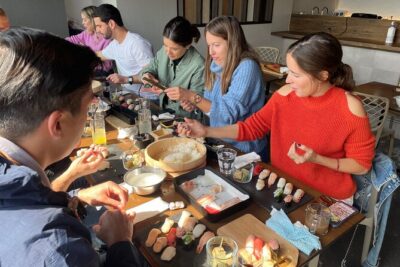 ★ 5.0Sushi Making Tokyo Roll and Authentic Japanese Sushi ClassFrom $593,971 reviews
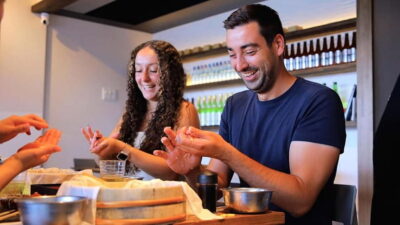 ★ 4.9Roll and Authentic Sushi Making Class in AsakusaFrom $581,957 reviews
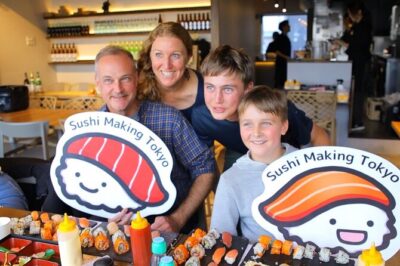 ★ 5.0Make Sushi and Create Unforgettable Memories in TokyoFrom $791,413 reviews
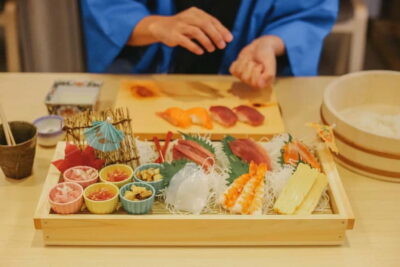 ★ 4.9Sushi Making Class in a Happi Coat near a Famous SpotFrom $421,377 reviews
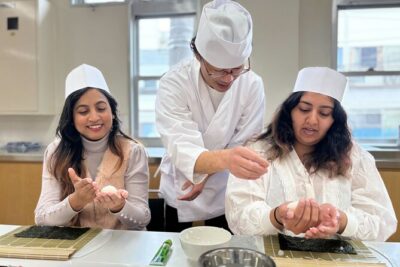 ★ 5.0Tokyo Sushi Making Class in Tsukiji with Professional ChefFrom $491,177 reviews
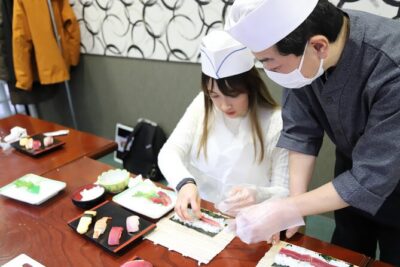 ★ 5.0Tsukiji Fish Market Guided Tour and Sushi Making with Pro ChefFrom $104775 reviews
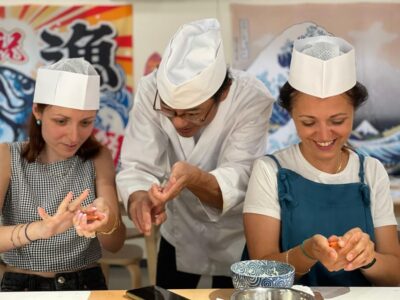 ★ 4.9Tsukiji Fish Market Sushi Making Class with Pro ChefFrom $63506 reviews
 ★ 4.9Sushi Making ClassFrom $67390 reviews
Browse the lists this tour appears in