
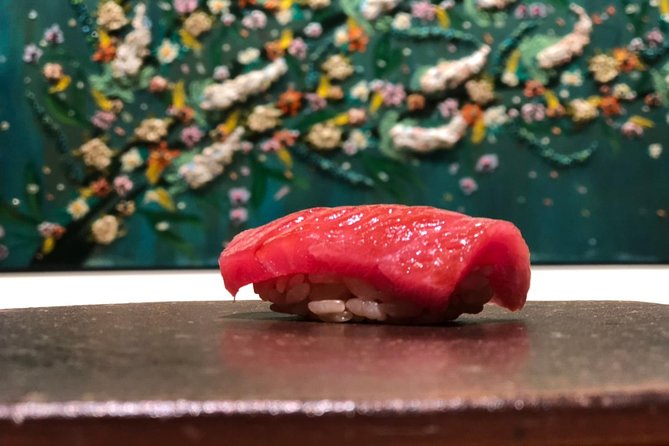
Reviewed · SUSHI MAKING CLASSES
Sushi-Making Experience at ’Activity Maison Kissako’
Tokyo teaches sushi at dawn. I like that this class starts in the real work zone at Toyosu Fish Market, with a guide showing you how insiders choose ingredients, not just how to roll rice. You’ll also get hands-on instruction from a sushi chef, making 10–12 pieces of nigiri and gunkan before you sit down to enjoy your own sushi.
The only real catch is logistics: the professional market area can feel fast, and you’ll be on your feet early, with a short walk pace that may be quicker than you expect. If you’re sensitive to mornings or long standing, plan to arrive ready to move and wear comfortable shoes.
In This Review
- Key highlights you’ll actually care about
- Why Toyosu in the Morning Changes the Whole Sushi Lesson
- Hotel Pickup, a 4-Hour Schedule, and the Small-Group Advantage
- Toyosu Wholesale Area Stops: What You See Before You Cook
- Tea Shops, Wasabi Masters, Kitchenware, and the Knife Culture Lesson
- The Hands-On Part: Making 10–12 Nigiri and Gunkan in the 7th Block
- Your Market Meal: What You Eat, and Why It Feels Different Here
- Price and Value: Is $283.11 Worth It?
- Who Should Book This (And Who Might Skip It)
- Before You Go: Shoes, Timing, and Questions to Ask
- Should You Book Activity Maison Kissako for Sushi-Making?
- FAQ
- What time does the tour start?
- How long is the experience?
- Is hotel pickup included?
- Is hotel drop-off included?
- What will I make during the sushi class?
- Where does the sushi-making take place?
- Do you accommodate dietary restrictions?
- What should I know about walking in the market?
- Are beverages included, and is there an age limit for alcohol?
Key highlights you’ll actually care about
- Early wholesale-area access at Toyosu, including visits to well-known stores used by top restaurants
- Ingredient shopping with a market guide, so you learn what matters before you cook
- 7th-block sushi class run by a Toyosu fish wholesaler, not a generic cooking setup
- 10–12 pieces made by you (nigiri and gunkan), then eaten as your market meal
- Small group size (up to 10), which helps you get questions answered
Why Toyosu in the Morning Changes the Whole Sushi Lesson
A sushi lesson can be either about technique, or about context. This one is both. First you see how seafood is sourced and selected in the wholesale world, then you apply that knowledge to the rice-and-fish work.
What I like most is the way the market shopping frames your choices. You’re not just learning how to press rice or shape topping, you’re learning why a certain fish is handled a certain way, and how ingredient quality affects the final bite. That makes the cooking part feel less like a recipe and more like learning the craft.
Also, the timing matters. Starting around 7:00 am keeps the experience focused on what the market is actually doing, rather than turning it into a late-day “food tour.” You’ll still be back to enjoy the rest of your day with Tokyo energy, not with cooking-class fatigue.
More sushi counters to book, ranked
- Tokyo: Roll and Authentic Sushi Making Class in Asakusa
★ 4.9 · 1,957 reviews - Make Sushi and Create Unforgettable Memories in Tokyo
★ 5.0 · 1,413 reviews - Tokyo: Sushi Making Class in a Happi Coat near a Famous Spot
★ 4.9 · 1,377 reviews - Tokyo Sushi Making Class in Tsukiji with Professional Chef
★ 5.0 · 1,177 reviews
Hotel Pickup, a 4-Hour Schedule, and the Small-Group Advantage
This is a half-day activity, about 4 hours total, and it’s designed around one early start. There’s hotel pickup from the lobby (tell your hotel when you book), plus an air-conditioned vehicle to get you between market areas smoothly.
The group is capped at 10 travelers, which is a big deal here. Market walks can be tight, and sushi technique needs attention. A smaller group also means your guide can slow down when you have real questions—like what you should look for in fish, or how you should handle it once it’s in front of you.
One practical note: the tour says the professional section walking speed may be a little quick. That doesn’t mean it’s a race, but you should be ready to keep up for short bursts while staying aware of where others are walking.
Toyosu Wholesale Area Stops: What You See Before You Cook
Toyosu isn’t just a place with shops—it’s a working system. In the wholesale area, you’ll visit 5–7 renowned stores, with stops that include favorites of Michelin-starred restaurants such as Yamayuki.
This part is special because it’s mostly off-limits to typical tourists. The value isn’t only in seeing the scale of the operation (though that’s impressive); it’s in learning what insiders pay attention to. Your guide helps you understand the logic behind sourcing: what’s available, what’s chosen, and how seafood ends up on high-end menus.
You’ll also spend time in conversation with store people. That’s not just chat for fun. It’s how you pick up the vocabulary of the trade—so when your chef later shows you how to prepare sushi ingredients, you’re not lost.
A small drawback to expect here: you’ll see a lot in a short time. That’s usually a positive (you get momentum), but if you prefer slow, museum-style pacing, this section may feel intense.
Tea Shops, Wasabi Masters, Kitchenware, and the Knife Culture Lesson
After the wholesale browsing, you shift into a different layer of Toyosu: the shops that supply the cooking world with tools and flavor components. The market route includes places like a tea shop associated with green tea used by Sukiyabashi Jiro, a greengrocer with a wasabi master linked to Jiro Dreams of Sushi, a handmade kitchenware store, and a historic knife shop dating back to the Tsukiji era.
Even if you don’t buy anything, this stop is useful because it explains how sushi isn’t one single craft. It’s a chain of decisions across ingredients, tools, and timing. A knife isn’t just a knife here—it’s part of how clean cuts happen, which affects how fish texture feels when you eat it.
I also like that the stops are specific. “Market shopping” can be vague on other tours. Here, you’re guided to recognizable categories: tea sourcing, wasabi expertise, kitchenware, and knives. That helps you connect the dots between what the restaurant uses and what the market sells.
If you’re the type who loves gadgets (or you want a souvenir that actually has a purpose), this is one of the best segments. You might not leave with a new knife, but you’ll leave understanding why people treat these tools like essentials.
The Hands-On Part: Making 10–12 Nigiri and Gunkan in the 7th Block
The best part of this experience is where theory turns into touch. Your sushi-making takes place in a sushi restaurant inside the market area, in the 7th block, run by a Toyosu fish wholesaler.
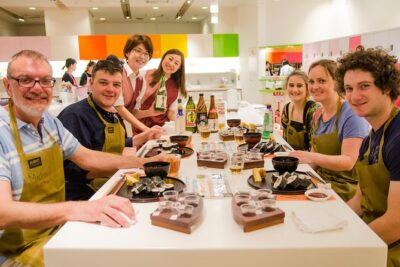
Under the sushi chef’s guidance, you’ll craft 10–12 pieces of sushi, including nigiri and gunkan. This is beginner-friendly, but it’s still real training. You’ll follow instructions for shaping rice, preparing toppings, and assembling pieces so they hold together and taste balanced.
What makes this feel authentic is the setting. You’re not learning sushi in a quiet classroom and then driving somewhere for a photo. You’re learning in a place connected to sourcing and wholesale work, which makes the whole flow feel coherent.
One thing to keep in mind: hands-on sushi requires focus for about an hour and a half. If you’re trying to multitask with photos, it may slow your progress. I’d treat the class as your main event, then do the extra sightseeing after.
- Tokyo: Shinjuku Food Tour (13 Dishes at 4 Local Eateries)★ 5.0 · 6,603 reviews
- Tokyo Mt Fuji 5th St & Hakone Cruise Bus Tour w/Bullet Train★ 4.4 · 5,024 reviews
- Flagship 2-Hours Official Street Go-Kart Tour – Tokyo Bay Shop★ 5.0 · 4,974 reviews
- From Tokyo: Mount Fuji Full-Day Sightseeing Trip★ 4.5 · 4,970 reviews
- Tokyo: Hop-On Hop-Off Sightseeing Bus Ticket★ 3.9 · 4,207 reviews
Your Market Meal: What You Eat, and Why It Feels Different Here
After shaping your sushi, you eat what you made. The class step describes it as a breakfast-style conclusion, and the overall inclusions list also calls it a supreme sushi lunch, with beverages included.
Either way, the key point is that you’re eating your own work while it’s still fresh and while the chef’s instruction is still in your mind. That timing matters with sushi—especially when you’re learning how texture should feel.
Also, your meal isn’t just “food at the end.” It’s the feedback loop. You’ll notice differences immediately: how rice firmness changes the bite, how topping thickness affects flavor, and how presentation shifts how you perceive freshness.
If alcohol is part of your session, keep in mind Japan’s minimum drinking age is 20. The inclusion list covers beverages, and some guests specifically mention sake tasting, so it’s smart to be ready for a drink option if you’re staying within age rules.
Price and Value: Is $283.11 Worth It?
At $283.11 per person, this isn’t a cheap class. But it also isn’t a generic cooking workshop. The price bundles several things that normally cost extra on separate bookings: hotel pickup, air-conditioned transport, admission tickets for the market portions, a specialized guide for fish and sushi market knowledge, the cooking class, and the ingredients—plus you eat what you make.
You’re also paying for access. Wholesale-area visibility is limited, and the route includes multiple market environments: wholesale stores, supplier shops (tea, wasabi, knives, kitchenware), and then the sushi-making setup inside the market zone. That whole chain is hard to recreate on your own, especially on a morning when everything is time-sensitive.
So the “value” question depends on what you want from your Tokyo trip:
- If you want only a fun meal: you might feel it’s pricey.
- If you want the real backstory and hands-on technique tied to genuine market context: it starts to feel fair.
My practical take: treat it as a high-quality, structured morning with transport and instruction included, not as a simple cooking class.
Who Should Book This (And Who Might Skip It)
This works best if you want sushi knowledge with grounding. You’ll get more out of it if you like food details, ingredient quality, and learning why certain choices matter.
It’s also a good fit if you’re traveling with someone who enjoys learning together. With a max group size of 10 and an instructor-led sushi session, it’s social without being chaotic.
Consider skipping if:
- You hate early mornings or fast-paced walking in tight spaces.
- You only want the final product and don’t care how ingredients and tools are chosen.
- You need a very slow, independent itinerary rather than a timed route.
On the positive side, it’s also accommodating for many dietary needs. The tour states that vegetarian, vegan, kosher, halal, and allergy arrangements are available—contact the provider for your specific situation.
Before You Go: Shoes, Timing, and Questions to Ask
Plan around the early 7:00 am start. Get your day rolling the night before: set a clear meet-up plan for hotel pickup, and wear comfortable shoes for market walking. Even if you’re not going far in distance, market floors and quick pacing can test your feet.
Bring curiosity. When your guide is speaking with market shop staff, that’s your chance to ask practical questions like:
- How fish quality is judged at market
- What matters most for a specific sushi style
- Why tools (like knives) show up in restaurant workflows
And in the class, don’t be shy about asking how to fix small mistakes. Sushi is a skill, and the pace of instruction is meant to turn beginners into people who can shape and eat sushi they made.
Finally, remember this experience depends on good weather. If it’s canceled due to poor weather, you’ll be offered a different date or a full refund.
Should You Book Activity Maison Kissako for Sushi-Making?
Yes, if you want a Tokyo morning that connects the wholesale world to your own hands at the sushi counter. The combination of Toyosu ingredient shopping, tight small-group guidance, and making 10–12 nigiri and gunkan makes it feel like a proper food education, not just a meal with photos.
Book it especially if:
- You’re a beginner and want clear instruction
- You care about how seafood is sourced and handled
- You’d rather learn in context than follow a generic cooking recipe
If you’re mainly chasing a late start, slow sightseeing, or you can’t handle early market walking speed, you may prefer a more relaxed sushi dinner experience instead.
Either way, for the right traveler, this is one of the most direct ways to understand why sushi is both craft and craft supply chain.
FAQ
What time does the tour start?
The tour starts at 7:00 am.
How long is the experience?
It lasts about 4 hours.
Is hotel pickup included?
Yes. Hotel pickup is offered from your hotel lobby. You need to tell your hotel when you book.
Is hotel drop-off included?
No. Hotel drop-off is not included.
What will I make during the sushi class?
You’ll make 10–12 pieces of sushi, including nigiri and gunkan.
Where does the sushi-making take place?
The class happens in a sushi restaurant inside Toyosu Fish Market, in the 7th block.
Do you accommodate dietary restrictions?
Yes. Vegetarian, vegan, kosher, halal, and allergy arrangements are available if you contact the provider.
What should I know about walking in the market?
The tour notes that the walking speed in the professional section of the market may be a little quick.
Are beverages included, and is there an age limit for alcohol?
Beverages are included, and Japan’s minimum drinking age is 20 years old.
More Tour Reviews in Tokyo
- Mt Fuji and Hakone 1-Day Bus Tour Return by Bullet Train
★ 5.0 · 26,383 reviews - 1-Day Tokyo Bus Tour
★ 5.0 · 14,250 reviews - Tokyo: teamLab Planets TOKYO Digital Art Museum Entry Ticket
★ 4.6 · 9,779 reviews - Mt Fuji & Hakone Cruise, Drum Show Bullet Train 1 Day from Tokyo
★ 4.0 · 7,413 reviews - Tokyo: Shinjuku Food Tour (13 Dishes at 4 Local Eateries)
★ 5.0 · 6,603 reviews
More Sushi Counters to Book
- Sushi Making Tokyo Roll and Authentic Japanese Sushi Class
★ 5.0 · 3,971 reviews - Tokyo: Roll and Authentic Sushi Making Class in Asakusa
★ 4.9 · 1,957 reviews - Make Sushi and Create Unforgettable Memories in Tokyo
★ 5.0 · 1,413 reviews - Tokyo: Sushi Making Class in a Happi Coat near a Famous Spot
★ 4.9 · 1,377 reviews - Tokyo Sushi Making Class in Tsukiji with Professional Chef
★ 5.0 · 1,177 reviews
Latest Tokyo reviews off our desk






Sushi Making Classes, compared.
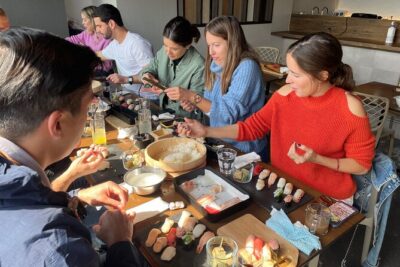 ★ 5.0Sushi Making Tokyo Roll and Authentic Japanese Sushi ClassFrom $593,971 reviews
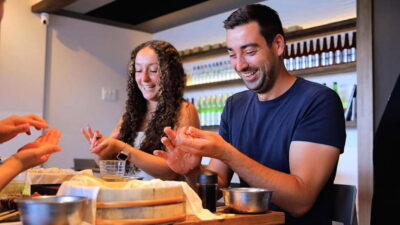 ★ 4.9Roll and Authentic Sushi Making Class in AsakusaFrom $581,957 reviews
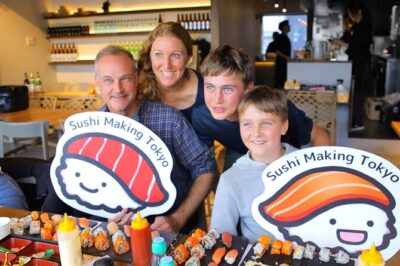 ★ 5.0Make Sushi and Create Unforgettable Memories in TokyoFrom $791,413 reviews
 ★ 4.9Sushi Making Class in a Happi Coat near a Famous SpotFrom $421,377 reviews
 ★ 5.0Tokyo Sushi Making Class in Tsukiji with Professional ChefFrom $491,177 reviews
 ★ 5.0Tsukiji Fish Market Guided Tour and Sushi Making with Pro ChefFrom $104775 reviews
 ★ 4.9Tsukiji Fish Market Sushi Making Class with Pro ChefFrom $63506 reviews
 ★ 5.0Tokyo Tsukiji Fish Market Tour and Sushi Making LessonFrom $99390 reviews
Browse the lists this tour appears in