
Reviewed · SUSHI MAKING CLASSES
Sushi-Making Experience
Sushi gets personal in 2 hours. This workshop near Tokyo Tower is a hands-on way to learn take-home kits you’ll keep using, and it stays friendly thanks to the small group size of up to 10. One thing to consider: at $106, it’s most worth it if you plan to practise at home with the kits, not just eat.
You’ll get an English-speaking, nationally-accredited instructor guiding you step by step, plus a sushi meal and Japanese dining etiquette you can use right away. It’s a simple, practical Tokyo activity with clear results: three different styles of sushi you learn to make yourself.
In This Review
- Key Things I’d Focus On Before You Go
- Why This Sushi Workshop Near Tokyo Tower Works
- Finding Kiaki Shinko Kaikan: Meeting Point Without Stress
- What Happens in the 2 Hours: A Clear, Hands-On Flow
- Three Sushi Styles You’ll Actually Make (Not Just Watch)
- Nigiri Zushi: Simple Shape, Real Technique
- Gunkan Maki: The Rowdy Little Bowl
- Hosomaki Zushi: Rolling You Can Repeat
- Sauces, Condiments, and the Etiquette Lesson You’ll Use
- The Take-Home Bonus: Two Sushi Kits for Practice
- Price and Value: Is $106 Fair for What You Get?
- Logistics: What to Plan For Day-of
- Who This Workshop Suits Best
- Should You Book This Sushi-Making Experience?
- FAQ
- How long is the sushi-making workshop?
- Where do I meet the instructor?
- Is the instructor English-speaking?
- What sushi types will I learn to make?
- Is a sushi meal included?
- Do I get kits to take home?
- What is included in the price?
- Is hotel pickup or drop-off included?
- Is this activity wheelchair accessible?
- What are the cancellation terms?
Key Things I’d Focus On Before You Go
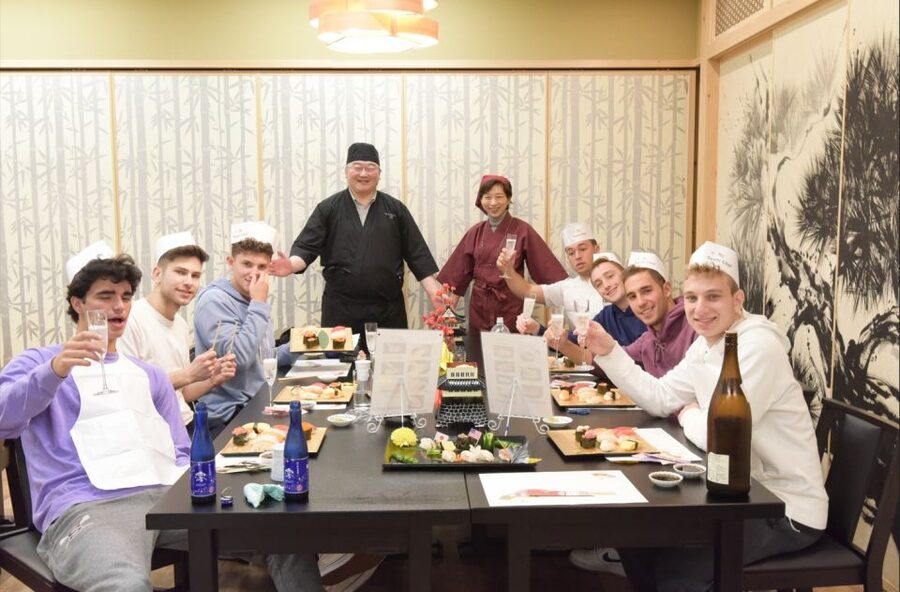
- Small group (max 10) helps you get real attention while shaping and rolling
- Three sushi types: nigiri zushi, gunkan maki, and hosomaki zushi
- Two sushi-making kits to take home so the lesson doesn’t end when class finishes
- Sauces and condiments paired with sushi, not just plain soy sauce
- Japanese dining etiquette taught as part of the meal, so you know how to eat what you made
Why This Sushi Workshop Near Tokyo Tower Works
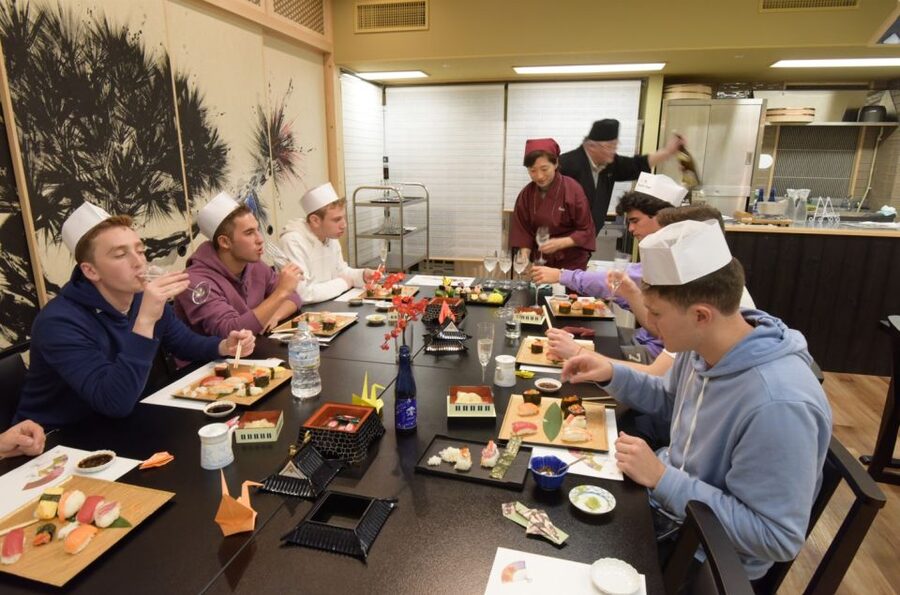
Tokyo has a million ways to eat sushi. This experience is different because you’re not just ordering and observing. You’re learning the basics of shaping nigiri, building gunkan, and rolling hosomaki, then sitting down to eat what you made.
I like that it stays grounded and practical. You get a brief cultural intro, then you work with ingredients and techniques long enough to actually feel confident. For many visitors, the big value is leaving with both a skill set and two kits, so you can keep practising after the class.
The location is also a plus. The Kiaki Shinko Kaikan building is right opposite Tokyo Tower, so it’s easy to connect with a rest of your day around the landmark area without complicated transport planning.
More sushi counters to book, ranked
- Sushi Making Tokyo Roll and Authentic Japanese Sushi Class
★ 5.0 · 3,971 reviews - Tokyo: Roll and Authentic Sushi Making Class in Asakusa
★ 4.9 · 1,957 reviews - Make Sushi and Create Unforgettable Memories in Tokyo
★ 5.0 · 1,413 reviews - Tokyo: Sushi Making Class in a Happi Coat near a Famous Spot
★ 4.9 · 1,377 reviews
Finding Kiaki Shinko Kaikan: Meeting Point Without Stress
You’ll meet your instructor at the main entrance on the 1st floor of the Kikai Shinko Kaikan building. The building is opposite Tokyo Tower, which makes it much easier to orient yourself.
If you can’t find your instructor, there’s a clear backup plan: visit True Japan Tour at Room B109 on the B1 floor inside the same building. I like this because it reduces the common first-day panic of wandering a new venue while everyone else has already started.
No hotel pickup or drop-off is included, so plan on getting there on your own. In practice, that’s often good value—your money goes into the instruction, ingredients, meal, and the take-home kits instead of transport.
What Happens in the 2 Hours: A Clear, Hands-On Flow
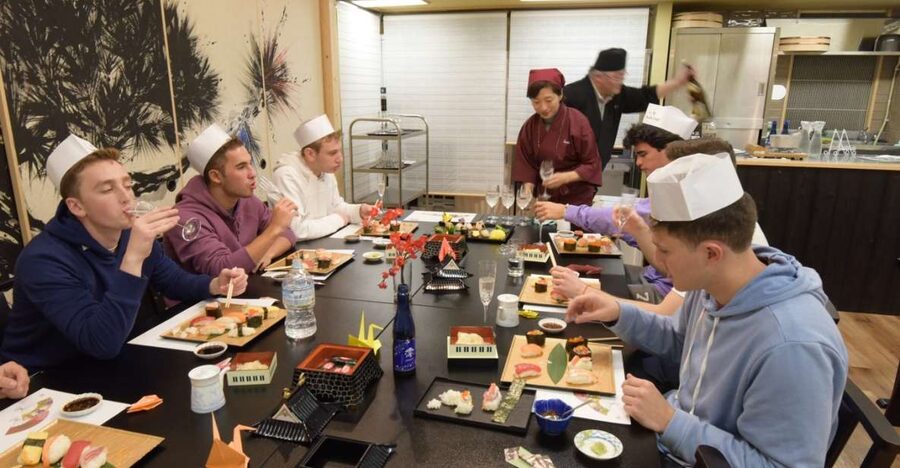
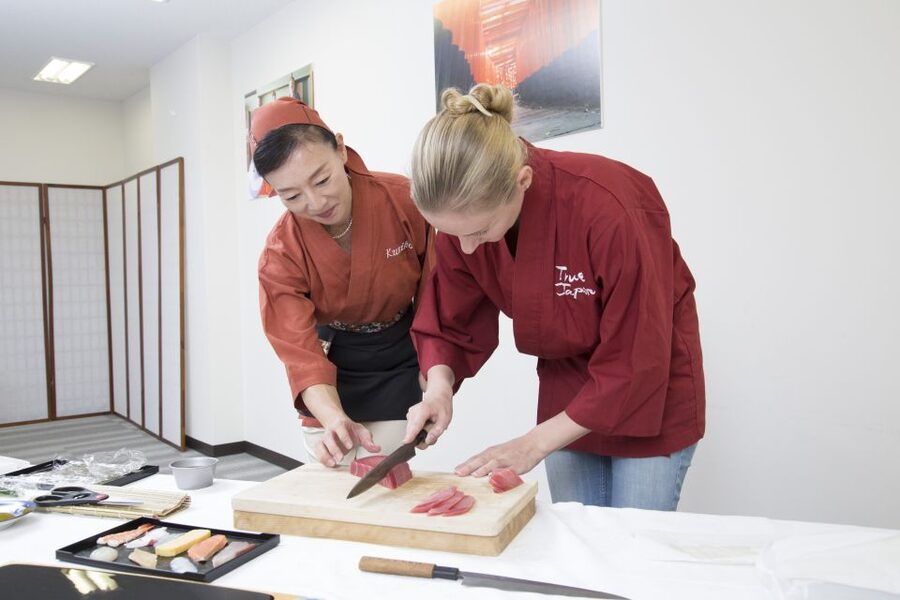
This is a 2-hour workshop, designed to move quickly but not feel rushed. The rhythm goes like this: a short overview, ingredient prep, a demo, hands-on practice, then eating your sushi.
First, you’ll get a brief overview of sushi in Japanese culture. This isn’t meant to be an essay—it sets the context for why certain steps matter, and why sushi isn’t just about flavor. Then you’ll get the ingredients ready and watch a quick demonstration from your instructor.
After that, you practise the basic methods with help from the experts. This is the part that makes the class work for beginners: you’re not left to guess, and you can ask questions in the moment while your hands are learning the motions.
Finally, you make three types of sushi—nigiri zushi, gunkan maki, and hosomaki zushi—finish your photo-worthy creations, and sit down for the meal. You’ll also get sushi condiments and take part in Japanese dining etiquette as you eat.
Three Sushi Styles You’ll Actually Make (Not Just Watch)
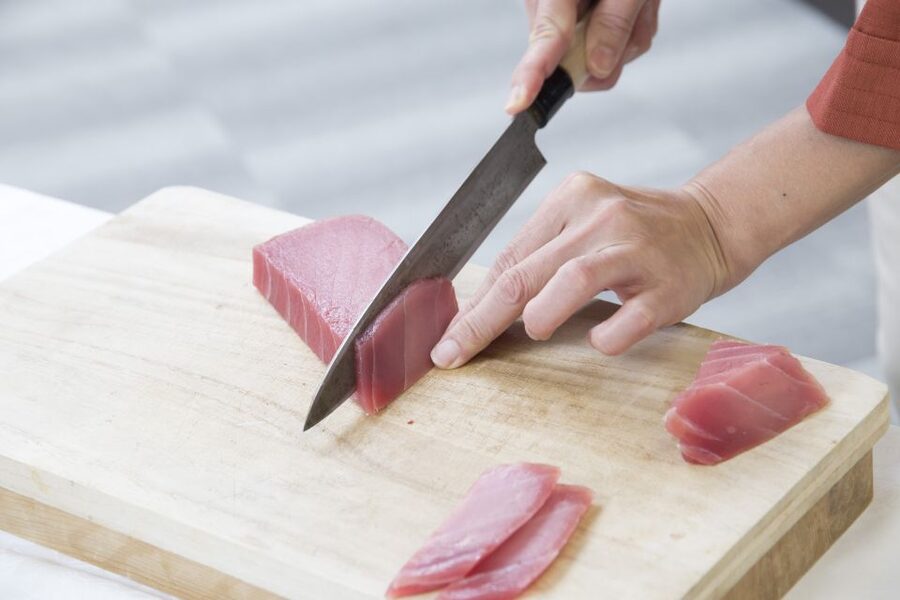
One of the smartest parts of this workshop is the spread of styles. Sushi looks simple until you see how different each format feels and behaves. You’ll learn three, which gives you a real baseline for how sushi is built.
Nigiri Zushi: Simple Shape, Real Technique
Nigiri zushi is all about balance—rice and topping in a neat, handheld form. In class, you practise the basic methods so your nigiri looks intentional, not like a rushed pile.
The value here is learning what makes nigiri feel right, not just how it looks. Once you understand that rice handling matters, you’re already improving your sushi instincts for later.
- Tokyo: Shinjuku Food Tour (13 Dishes at 4 Local Eateries)★ 5.0 · 6,603 reviews
- Tokyo Mt Fuji 5th St & Hakone Cruise Bus Tour w/Bullet Train★ 4.4 · 5,024 reviews
- Flagship 2-Hours Official Street Go-Kart Tour – Tokyo Bay Shop★ 5.0 · 4,974 reviews
- From Tokyo: Mount Fuji Full-Day Sightseeing Trip★ 4.5 · 4,970 reviews
- Tokyo: Hop-On Hop-Off Sightseeing Bus Ticket★ 3.9 · 4,207 reviews
Gunkan Maki: The Rowdy Little Bowl
Gunkan maki is nicknamed the battleship roll for a reason: it has a structure that holds a topping like it belongs there. You’ll learn how this style is assembled so the filling and shape don’t collapse.
This is a great step in the workshop because it teaches you to respect structure. You’ll learn the logic behind why gunkan is built the way it is, rather than treating it like an optional variation.
Hosomaki Zushi: Rolling You Can Repeat
Hosomaki zushi is the classic thin roll. Here, the lesson is about control—how you roll, tighten, and finish so you get clean slices afterward.
If you want something you can practise at home later, this is probably the most transferable. A good hosomaki roll teaches consistency, and consistency is what makes sushi-making less intimidating over time.
Sauces, Condiments, and the Etiquette Lesson You’ll Use
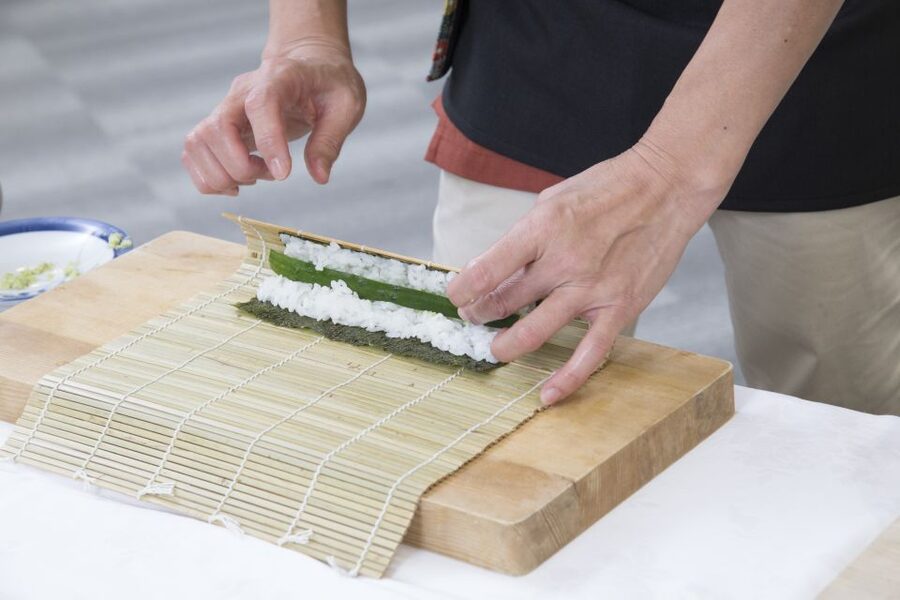
You’ll try different flavors with a variety of sauces and condiments traditionally paired with sushi. That matters because sushi isn’t a one-note experience. The right condiments help you understand how Japanese dining thinks about matching taste and texture.
Then comes the dining etiquette part, taught as part of the meal. It’s practical, not performative. You’ll sit down with your sushi and learn how to handle the eating experience properly—so you can enjoy what you made without second-guessing the basics.
I also like that this etiquette is connected to the workshop, not tacked on as a random lecture. When you eat the sushi you just made, etiquette lessons feel relevant immediately.
The Take-Home Bonus: Two Sushi Kits for Practice
This is where the workshop scores big for value. You receive two easy-to-use sushi-making kits to keep practising at home, which means you’re not limited to what you can produce during a short class.
Think of the kits as a bridge between “learning” and “getting good.” In a lot of classes, you leave with a memory and a nice photo. Here, you leave with tools you can use again, which helps you lock in the methods you tried.
I’d recommend using the kits soon after the class, while the steps are still fresh in your mind. If you wait months, your brain will forget the feel of the motions, and you’ll have to relearn through trial and error.
Price and Value: Is $106 Fair for What You Get?
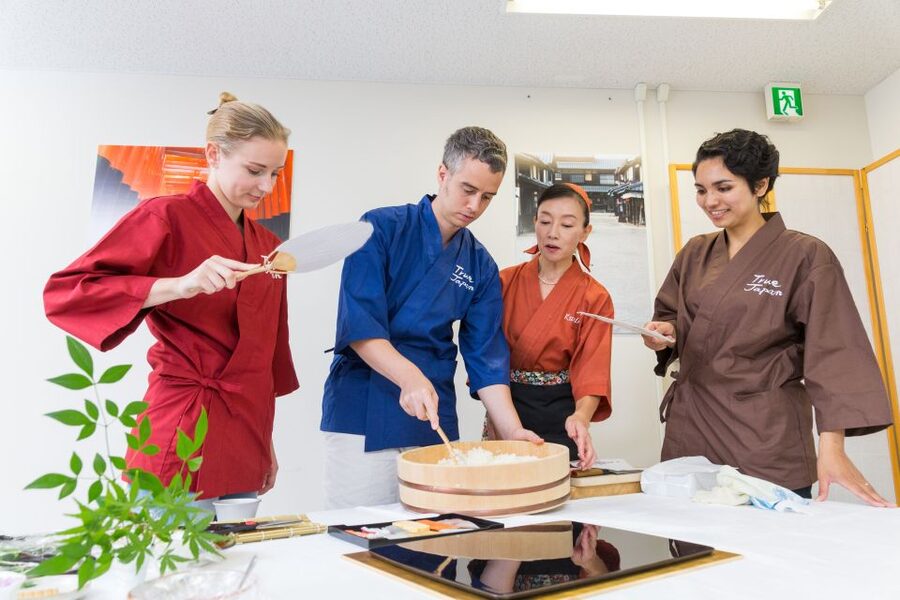
At $106 per person, this isn’t the cheapest thing you can do in Tokyo. But you’re buying more than a meal.
Here’s what’s included:
- Workshop with a nationally-accredited sushi instructor (English)
- Ingredients
- Sushi meal
- Two sushi-making kits
For the money, you’re getting instruction time plus materials plus the meal, and then a take-home practice payoff. If you’re the type of traveler who likes skill-building—cooking classes, hands-on workshops, and learning how things are made—this price starts to look reasonable fast.
If you only want to eat sushi and don’t care about practising later, you might prefer a cheaper meal elsewhere. In other words: match the purchase to your goal. This one is built for learning, not just hunger.
Logistics: What to Plan For Day-of
This workshop is English-instructed and limited to a small group of up to 10 participants, which is great for hands-on help. It’s also wheelchair accessible, so it’s set up to accommodate mobility needs (within the venue’s limits, of course).
Plan to arrive at the meeting point on time so the demo and practice flow stays smooth for everyone. Wear comfortable clothes for a hands-on food activity. Also, keep your phone charged if you want to capture the results—class finishes with your sushi ready to present at the table.
Since hotel pickup and drop-off aren’t included, build your schedule around reaching the Kikai Shinko Kaikan building yourself. The location near Tokyo Tower makes that easier than many indoor activities tucked deep into residential areas.
Who This Workshop Suits Best
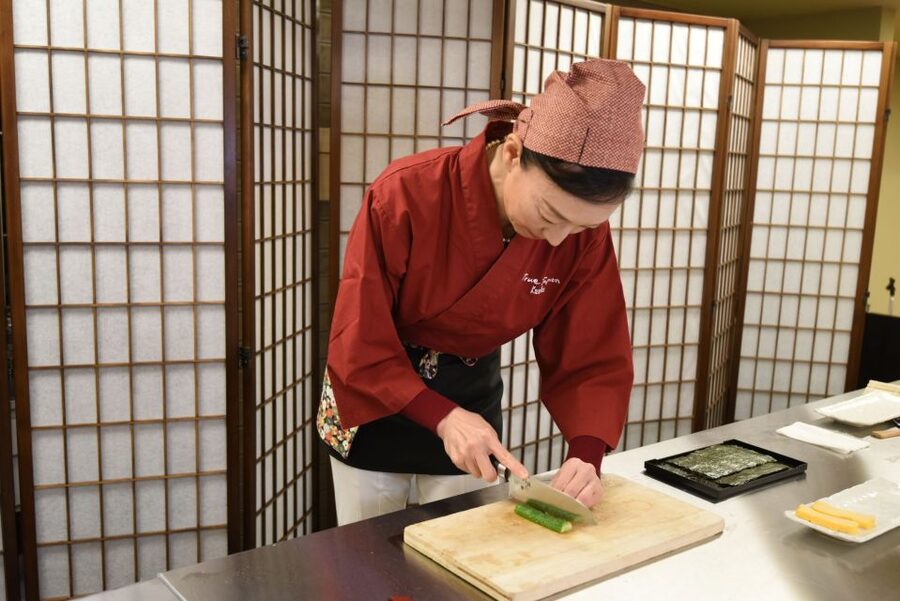
This is a smart choice if you:
- Want a practical Tokyo activity that teaches actual technique
- Enjoy cooking classes and want repeat practice at home
- Like a structured 2-hour experience with a clear end result (three sushi types plus a meal)
- Prefer small-group instruction where you can ask questions
It’s especially good for beginners because the workshop includes demonstration and guided practice, not just standing by. If you’re more experienced, you can still benefit from the baseline methods and the etiquette piece, plus the kits give you a fresh way to practise at home.
Should You Book This Sushi-Making Experience?
If you want a Tokyo experience that turns sightseeing into a skill, I’d book it. The combination of hands-on instruction, a sushi meal, and two take-home kits is what makes it feel worth your time, even if it costs more than a casual meal.
Consider skipping or choosing a different option if your main goal is just to eat sushi with no interest in practising afterward. This workshop is built for learning how to make nigiri, gunkan, and hosomaki—so get it if that’s your kind of travel.
FAQ
How long is the sushi-making workshop?
The workshop lasts 2 hours.
Where do I meet the instructor?
Meet your instructor at the main entrance of the Kikai Shinko Kaikan building on the 1st floor, opposite Tokyo Tower. If you can’t find them, go to True Japan Tour (Room B109) on the B1 floor.
Is the instructor English-speaking?
Yes, the instructor provides instruction in English.
What sushi types will I learn to make?
You’ll learn three types: nigiri zushi, gunkan maki, and hosomaki zushi.
Is a sushi meal included?
Yes, a sushi meal is included as part of the workshop experience.
Do I get kits to take home?
Yes, you receive two easy-to-use sushi-making kits to practise at home.
What is included in the price?
The price includes the workshop with a nationally-accredited sushi instructor, ingredients, a sushi meal, and two sushi-making kits.
Is hotel pickup or drop-off included?
No, hotel pickup and drop-off are not included.
Is this activity wheelchair accessible?
Yes, the activity is wheelchair accessible.
What are the cancellation terms?
You can cancel up to 24 hours in advance for a full refund. You can also reserve now and pay later.
More Tour Reviews in Tokyo
- Mt Fuji and Hakone 1-Day Bus Tour Return by Bullet Train
★ 5.0 · 26,383 reviews - 1-Day Tokyo Bus Tour
★ 5.0 · 14,250 reviews - Tokyo: teamLab Planets TOKYO Digital Art Museum Entry Ticket
★ 4.6 · 9,779 reviews - Mt Fuji & Hakone Cruise, Drum Show Bullet Train 1 Day from Tokyo
★ 4.0 · 7,413 reviews - Tokyo: Shinjuku Food Tour (13 Dishes at 4 Local Eateries)
★ 5.0 · 6,603 reviews
More Sushi Counters to Book
- Sushi Making Tokyo Roll and Authentic Japanese Sushi Class
★ 5.0 · 3,971 reviews - Tokyo: Roll and Authentic Sushi Making Class in Asakusa
★ 4.9 · 1,957 reviews - Make Sushi and Create Unforgettable Memories in Tokyo
★ 5.0 · 1,413 reviews - Tokyo: Sushi Making Class in a Happi Coat near a Famous Spot
★ 4.9 · 1,377 reviews - Tokyo Sushi Making Class in Tsukiji with Professional Chef
★ 5.0 · 1,177 reviews
Latest Tokyo reviews off our desk






Sushi Making Classes, compared.
 ★ 5.0Sushi Making Tokyo Roll and Authentic Japanese Sushi ClassFrom $593,971 reviews
 ★ 4.9Roll and Authentic Sushi Making Class in AsakusaFrom $581,957 reviews
 ★ 5.0Make Sushi and Create Unforgettable Memories in TokyoFrom $791,413 reviews
 ★ 4.9Sushi Making Class in a Happi Coat near a Famous SpotFrom $421,377 reviews
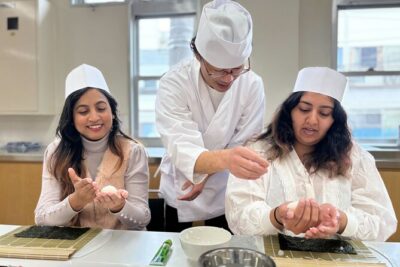 ★ 5.0Tokyo Sushi Making Class in Tsukiji with Professional ChefFrom $491,177 reviews
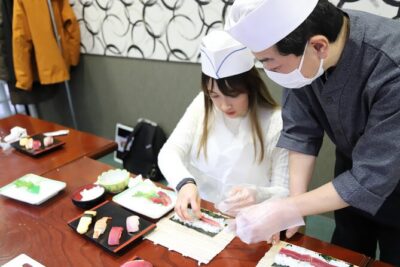 ★ 5.0Tsukiji Fish Market Guided Tour and Sushi Making with Pro ChefFrom $104775 reviews
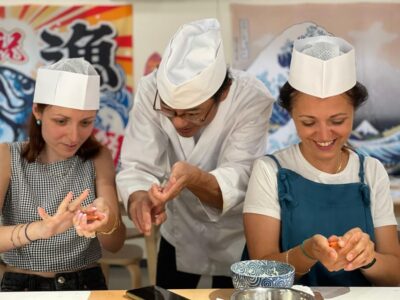 ★ 4.9Tsukiji Fish Market Sushi Making Class with Pro ChefFrom $63506 reviews
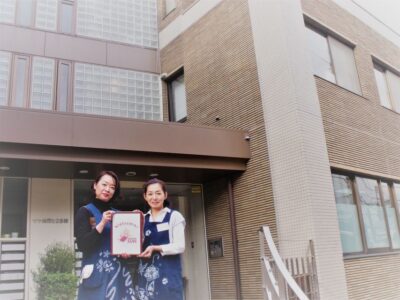 ★ 4.9Sushi Making ClassFrom $67390 reviews
Browse the lists this tour appears in