
Reviewed · SUSHI MAKING CLASSES
Sushi-Making in Nakameguro, Tokyo with a Professional Chef
Tokyo sushi lessons feel different when fish is first. This one in Nakameguro starts with a VR fishing adventure, then shifts to hands-on nigiri guided by a professional chef. You’ll get a real sense of how sushi ingredients go from ocean to knife to plate, without needing any prior skills.
What I like most is the tight focus on technique you can actually use again later—how to handle fresh fish and shape nigiri with confidence. I also love that it’s not just talk: you’ll grate fresh wasabi, watch tamagoyaki made live, and then eat what you make while it’s fresh.
One thing to consider: it’s only about 1.5 hours, so you’ll learn key steps, but you won’t leave with weeks of sushi practice. If you want a long, leisurely meal, this is more workshop than sit-down restaurant.
In This Review
- Key highlights to look for
- Nigiri in Nakameguro: VR fishing plus real technique
- Meeting point in Nakameguro and how the timing feels
- VR fishing: the pre-game that makes the sushi lesson click
- Chef-ready clothing and the small-group advantage
- Hands-on nigiri: fish handling and shaping you can repeat
- Grating fresh wasabi: a flavor skill, not a gimmick
- Live tamagoyaki demo: the rolled-egg lesson
- Taste the nigiri you shaped: the feedback loop
- Price and value for a 1.5-hour sushi workshop
- Who should book this in Nakameguro (and who might not)
- Should you book Sushi Katsu LAB’s Nigiri Sushi Experience?
- FAQ
- How long is the nigiri sushi experience?
- Where is the meeting point, and does it end there too?
- What’s the price per person?
- What’s included in the experience?
- Do I need to know how to make sushi before I go?
- Is the group size limited?
- Is there mobile ticketing?
- Is it near public transportation?
- What’s the cancellation policy?
Key highlights to look for
- VR fishing first so you start with a story about the catch, not just the food
- Professional chef guidance on fish handling and classic nigiri shaping
- Fresh wasabi grating as a hands-on flavor moment (not the bottled stuff)
- Live tamagoyaki demonstration of the rolled egg technique
- You taste your own sushi immediately, while it’s still warm and satisfying
- Small group size (max 6) for more personal help and less waiting
Nigiri in Nakameguro: VR fishing plus real technique
This experience sits in Nakameguro, Tokyo, and it’s built for people who want more than a quick tasting. The flow matters: you begin with VR fishing, then move into making sushi using fresh fish and chef-led instruction. That mix helps you understand the process from ingredient to plate, rather than just copying steps.
If you’re a fan of food details, you’ll like how much attention goes into the basics—knife work, fish handling, and shaping nigiri correctly. And if you’re traveling with kids or non-foodies, the VR part keeps energy up before the cutting and crafting begins.
The tone is practical. You’ll be shown what to do, you’ll do it, and you’ll eat it. That’s a big reason this works well even when your Japanese is limited.
More sushi counters to book, ranked
- Sushi Making Tokyo Roll and Authentic Japanese Sushi Class
★ 5.0 · 3,971 reviews - Tokyo: Roll and Authentic Sushi Making Class in Asakusa
★ 4.9 · 1,957 reviews - Make Sushi and Create Unforgettable Memories in Tokyo
★ 5.0 · 1,413 reviews - Tokyo: Sushi Making Class in a Happi Coat near a Famous Spot
★ 4.9 · 1,377 reviews
Meeting point in Nakameguro and how the timing feels
You meet at GEMS Nakameguro 2-chōme-13-3 Kamimeguro, Meguro City, Tokyo 153-0051. The class ends back at the same place, so you don’t have to figure out a second location while your brain is full of sushi technique.
The tour runs about 1 hour 30 minutes, so it moves at a good pace. You’ll want to arrive a few minutes early so you can settle in before the chef starts guiding you through the steps.
It’s also near public transportation, which helps a lot in Tokyo. You can fit this between sightseeing plans without building your whole day around a single neighborhood.
VR fishing: the pre-game that makes the sushi lesson click
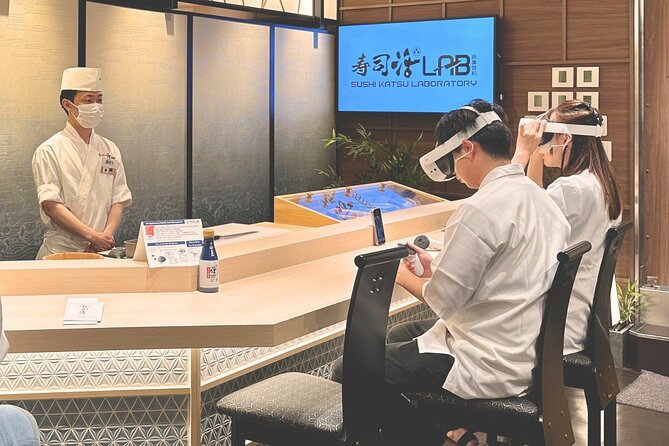
The experience starts with a virtual-reality fishing adventure, and that’s not just a gimmick. It gives you a mental picture of the catch and the idea that sushi begins long before you touch rice.
Here’s what you should expect from the VR portion based on how it’s described: you’ll see how the fish is caught through the virtual experience, then you transition into the hands-on stage. That sequencing matters. When you later handle fresh fish and form nigiri, you’re not just doing tasks—you’re connecting steps.
I like that the VR part also helps reduce that awkward moment some classes have: the quiet start where everyone wonders what’s coming next. Here, you get into the story immediately, which makes the chef’s instructions easier to follow when the real work begins.
Chef-ready clothing and the small-group advantage
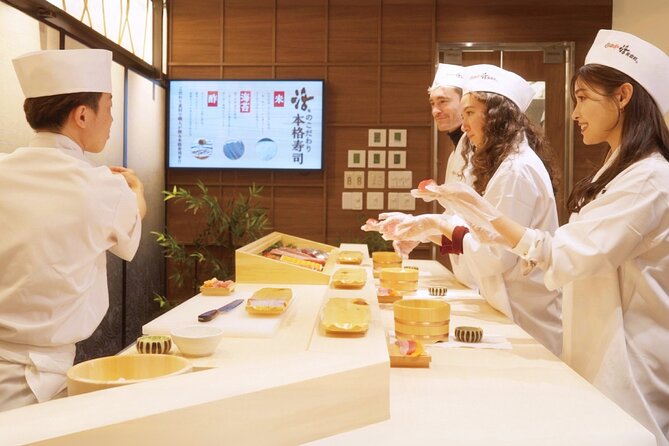
Once you’re there, the staff puts you into appropriate clothing for the lesson. That’s a practical touch. It signals you’ll be actively working, not standing around watching.
The group size is capped at 6 travelers, which changes the experience. With small groups, you’re more likely to get direct feedback on your technique—especially during fish handling and shaping.
You can also tell it’s designed for real participation because the class includes both observation and doing. You’ll watch part of the process, then you’ll jump in to cut and shape. That balance helps you avoid the frustration of feeling like you only watched someone else cook.
Hands-on nigiri: fish handling and shaping you can repeat
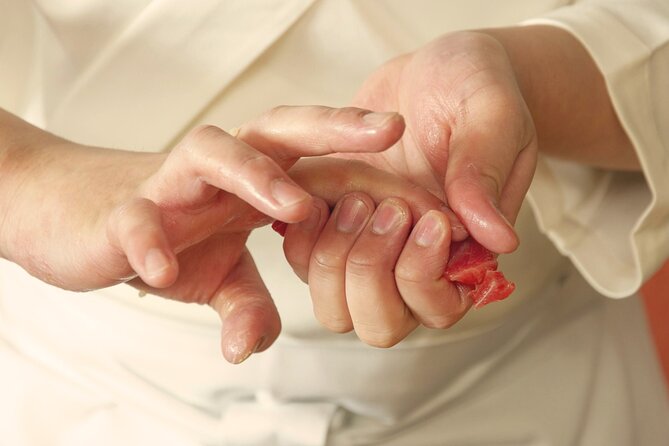
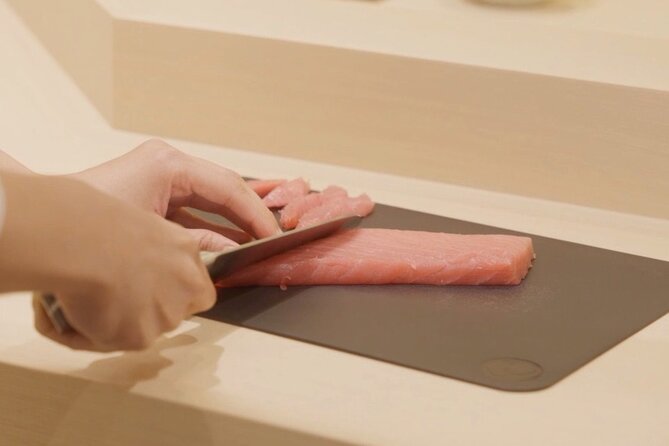
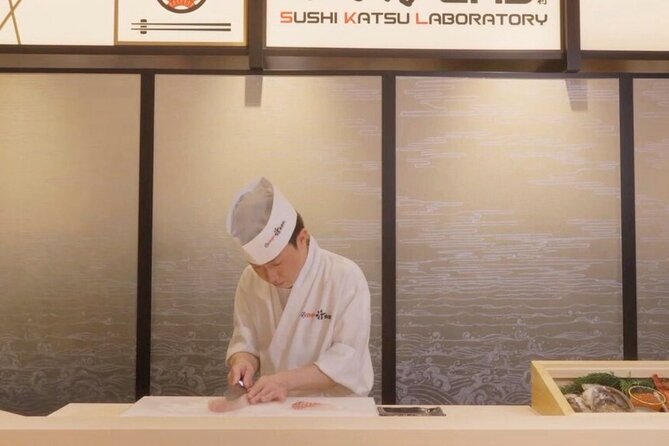
After the VR intro, the main event is the nigiri sushi experience. You’ll learn how to handle fresh fish and how to shape authentic sushi with guidance from the professional chef.
This is the part where you’ll notice the difference between eating sushi and making it. Nigiri isn’t just fish on rice. It’s structure, pressure, and timing. The chef’s guidance is what keeps you from doing everything wrong in your own kitchen later.
What to expect in practice:
- You’ll follow instruction while working with fresh ingredients
- You’ll cut fish during the hands-on segment
- You’ll shape nigiri, then move to tasting right away
Even if your knife skills are rusty, you’re not expected to arrive knowing sushi technique. The point is to learn the core movements and understand why the steps matter.
The “repeatable skill” value here is real. When you learn how nigiri is formed, you stop thinking of sushi as a mystery service and start recognizing it as a set of manageable techniques.
- Tokyo: Shinjuku Food Tour (13 Dishes at 4 Local Eateries)★ 5.0 · 6,603 reviews
- Tokyo Mt Fuji 5th St & Hakone Cruise Bus Tour w/Bullet Train★ 4.4 · 5,024 reviews
- Flagship 2-Hours Official Street Go-Kart Tour – Tokyo Bay Shop★ 5.0 · 4,974 reviews
- From Tokyo: Mount Fuji Full-Day Sightseeing Trip★ 4.5 · 4,970 reviews
- Tokyo: Hop-On Hop-Off Sightseeing Bus Ticket★ 3.9 · 4,207 reviews
Grating fresh wasabi: a flavor skill, not a gimmick
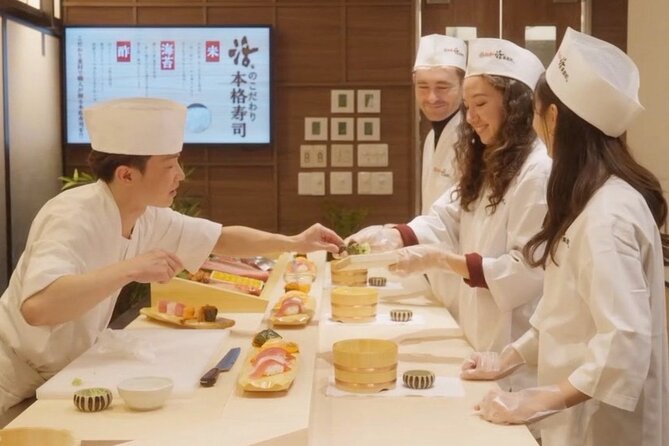
One of the most memorable steps is trying fresh wasabi by grating it. Many people only know wasabi from tubes, powder, or packaged condiments. Here, you get the tactile and sensory experience of fresh wasabi preparation.
Grating fresh wasabi teaches you something simple but useful: the aroma and texture change quickly as you work. You’ll likely pay closer attention to how small ingredient choices affect the bite.
Also, wasabi fits the workshop style perfectly. It’s hands-on, quick to learn, and it connects directly to flavor before you taste what you made.
If you love cooking classes, this is one of those small stations that quietly makes the whole experience feel more authentic.
Live tamagoyaki demo: the rolled-egg lesson
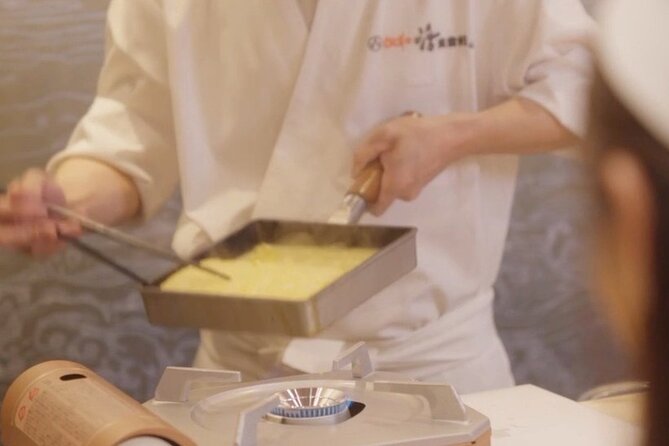
You’ll watch a live demonstration of tamagoyaki, the Japanese rolled omelet. It’s part cooking show, part technique lesson, and it gives your brain a break from constant hands-on work.
Tamagoyaki is a classic Japanese comfort food, but it’s also a skill. Seeing it made live helps you understand that sushi-related food culture includes more than raw fish and rice. It’s a broader craft.
In the feedback from past participants, the tamagoyaki side is often called out positively, including the idea that the rolled eggs come out freshly cooked and very good. That matters because your class isn’t just focused on one element; it’s teaching you how sushi dining connects to other Japanese table staples.
Taste the nigiri you shaped: the feedback loop
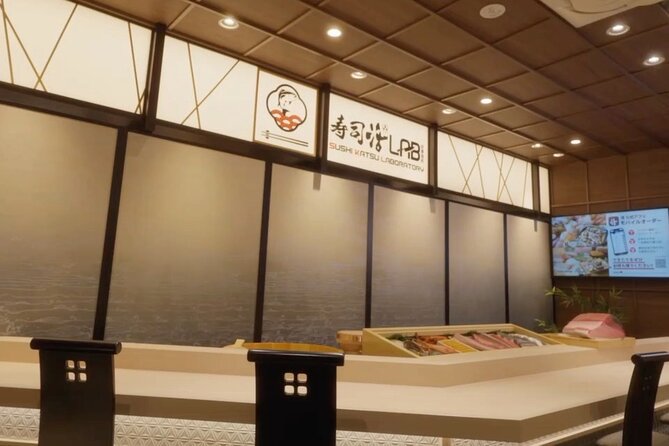
After you make your sushi, you taste the sushi you create yourself on the spot. This is where the workshop format clicks.
I like tasting immediately because it gives you a clean cause-and-effect lesson:
- If your nigiri shape was too loose or too tight, you’ll notice the bite
- If the fish handling changes how the piece feels, you’ll catch it
- If the wasabi hits at the right moment, you’ll feel the difference right away
It’s also a morale boost. In many classes, you work hard and then leave without knowing how it actually tastes. Here, you finish with the payoff while the experience is still fresh in your mind.
And yes, you’ll likely want to take photos. Past participants mention memorable pictures made during the chef-outfit moments. Even if you don’t care about photos, it’s nice to have a visual souvenir of your own technique.
Price and value for a 1.5-hour sushi workshop
The price is $114.45 per person for about 1 hour 30 minutes, with a mobile ticket. In Tokyo terms, you’re paying for a guided workshop, not just a meal.
So where does the value come from?
- You get VR fishing plus food crafting
- You work under a professional chef, not a generic lesson
- You learn multiple components: fish handling, nigiri shaping, fresh wasabi grating, and tamagoyaki viewing
- You eat what you make, which turns the lesson into a full experience
It’s not the cheapest thing you’ll do in Tokyo, but it’s also not a “pay for the view” expense. This is skill-building plus tasting, in a small group with a clear structure.
If your goal is to eat sushi, you can find plenty of restaurants. If your goal is to understand how sushi is made, where it gets its texture and flavor, and to leave with technique you can try at home, this price starts to feel more reasonable.
Who should book this in Nakameguro (and who might not)
This works especially well if you want an activity that blends food education with entertainment. The VR fishing component makes it more playful than a purely technical class, which can be a plus for families or mixed groups.
It’s also a great fit if you like practical travel moments—things you can do, not just watch. The small group size makes it easier to ask questions and get corrected.
It might not be the best choice if you’re looking for a long, unhurried dining experience or a deep, multi-session course. At 1.5 hours, you’ll learn the highlights and taste the results, but you won’t master every nuance of sushi.
Also, if you hate doing hands-on food work, you may find the fish cutting and shaping part tiring. Most people come away excited, but your own comfort level matters.
Should you book Sushi Katsu LAB’s Nigiri Sushi Experience?
I think you should book this if you want a structured, hands-on sushi lesson in Tokyo that includes real preparation steps and immediate tasting. The combination of VR fishing, fresh wasabi grating, and tasting what you make makes it feel complete, not just instructional.
If you’re the type who enjoys learning how food is built—rice texture, fish handling, and shaping—this class gives you that feedback loop fast. The small group size also helps you feel involved instead of rushed.
Skip it only if you’d rather do a traditional sushi meal and call it done. This is workshop-focused, with a clear finish back at the meeting point and a schedule that moves.
If you want one sushi activity that feels fun, hands-on, and genuinely educational, this is a strong pick in Nakameguro.
FAQ
How long is the nigiri sushi experience?
It’s approximately 1 hour 30 minutes.
Where is the meeting point, and does it end there too?
You meet at GEMS Nakameguro 2-chōme-13-3 Kamimeguro, Meguro City, Tokyo, and the activity ends back at the meeting point.
What’s the price per person?
The price is $114.45 per person.
What’s included in the experience?
You start with a VR fishing adventure, then do hands-on sushi making with a professional chef. You also grate fresh wasabi, watch a tamagoyaki demonstration, and taste the sushi you make.
Do I need to know how to make sushi before I go?
No. The sushi is made with guidance from the professional chef, and the experience is designed to be accessible.
Is the group size limited?
Yes. The class has a maximum of 6 travelers.
Is there mobile ticketing?
Yes. The tour includes a mobile ticket.
Is it near public transportation?
Yes, it’s near public transportation.
What’s the cancellation policy?
Free cancellation is available up to 24 hours in advance for a full refund. If you cancel less than 24 hours before the start time, the amount paid isn’t refunded.
More Tour Reviews in Tokyo
- Mt Fuji and Hakone 1-Day Bus Tour Return by Bullet Train
★ 5.0 · 26,383 reviews - 1-Day Tokyo Bus Tour
★ 5.0 · 14,250 reviews - Tokyo: teamLab Planets TOKYO Digital Art Museum Entry Ticket
★ 4.6 · 9,779 reviews - Mt Fuji & Hakone Cruise, Drum Show Bullet Train 1 Day from Tokyo
★ 4.0 · 7,413 reviews - Tokyo: Shinjuku Food Tour (13 Dishes at 4 Local Eateries)
★ 5.0 · 6,603 reviews
More Sushi Counters to Book
- Sushi Making Tokyo Roll and Authentic Japanese Sushi Class
★ 5.0 · 3,971 reviews - Tokyo: Roll and Authentic Sushi Making Class in Asakusa
★ 4.9 · 1,957 reviews - Make Sushi and Create Unforgettable Memories in Tokyo
★ 5.0 · 1,413 reviews - Tokyo: Sushi Making Class in a Happi Coat near a Famous Spot
★ 4.9 · 1,377 reviews - Tokyo Sushi Making Class in Tsukiji with Professional Chef
★ 5.0 · 1,177 reviews
Latest Tokyo reviews off our desk






Sushi Making Classes, compared.
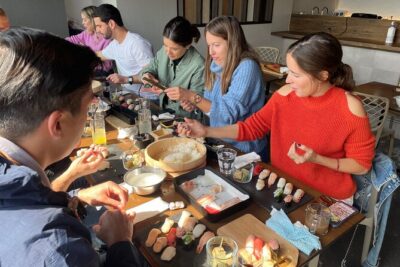 ★ 5.0Sushi Making Tokyo Roll and Authentic Japanese Sushi ClassFrom $593,971 reviews
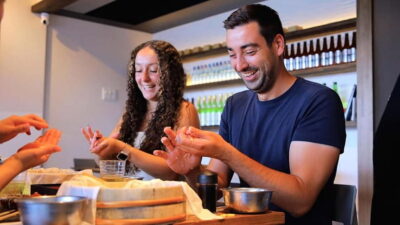 ★ 4.9Roll and Authentic Sushi Making Class in AsakusaFrom $581,957 reviews
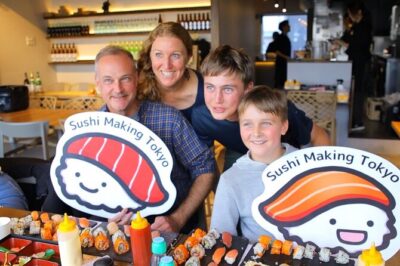 ★ 5.0Make Sushi and Create Unforgettable Memories in TokyoFrom $791,413 reviews
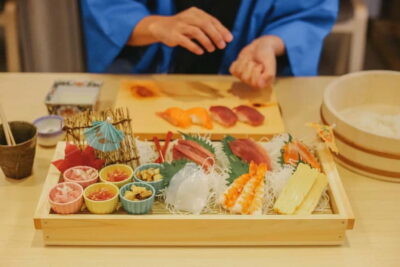 ★ 4.9Sushi Making Class in a Happi Coat near a Famous SpotFrom $421,377 reviews
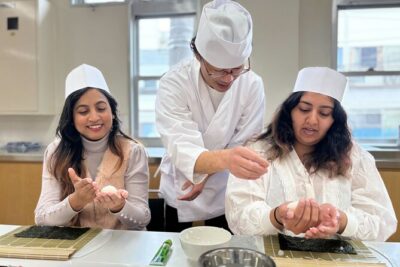 ★ 5.0Tokyo Sushi Making Class in Tsukiji with Professional ChefFrom $491,177 reviews
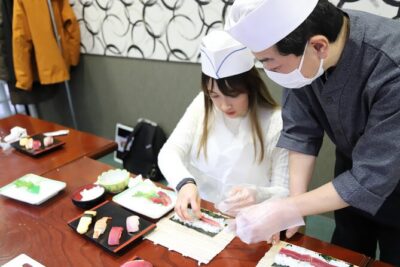 ★ 5.0Tsukiji Fish Market Guided Tour and Sushi Making with Pro ChefFrom $104775 reviews
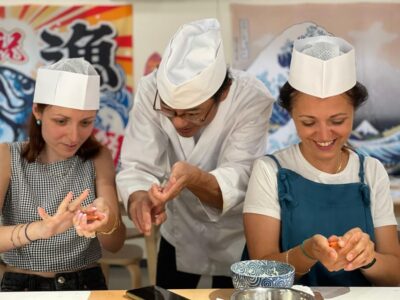 ★ 4.9Tsukiji Fish Market Sushi Making Class with Pro ChefFrom $63506 reviews
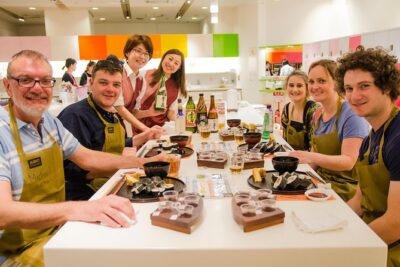 ★ 5.0Tokyo Tsukiji Fish Market Tour and Sushi Making LessonFrom $99390 reviews
Browse the lists this tour appears in