
Reviewed · SUSHI MAKING CLASSES
Taisho Sushi Making Class in Tokyo
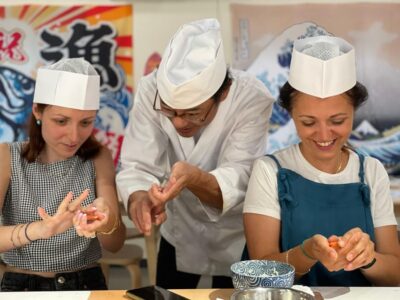
Sushi starts with a grip lesson. I love that you show up empty-handed because they provide the gear and ingredients. I also love the model training before you handle real fish and rice, so you’re not guessing your way through sushi basics.
This is a hands-on workshop where you’ll practice, get coached, and then eat what you make. You can also choose vegan and vegetarian options for non-fish eaters, which makes this class feel genuinely flexible for mixed groups.
One consideration: it’s an express class, so you’ll learn the essentials—expect to leave with solid fundamentals, not full chef-level mastery.
In This Review
- Key highlights you’ll notice right away
- Why this Taisho class feels like training, not a food show
- What you’ll make: nigiri, gunkan, and real fish you can taste
- Nigiri: the core skill
- Gunkan: the nori “warship” shape
- And then you eat it
- Empty-handed sushi in Tokyo: what’s provided and what’s not
- Vegan and vegetarian options that keep you in the game
- The step-by-step flow: model grips, nigiri lectures, then gunkan nori
- 1) Grip procedures on models: learn pressure and placement
- 2) Nigiri lecture: shape the rice and top with real fish
- 3) Gunkan lecture: nori side and rolling tips
- Pacing, group size, and how to actually learn in an express format
- Group size: big enough to meet people, not so big you vanish
- Location and meeting point: Kojimachi access is the whole point
- Mobile ticket keeps it simple
- Price and value: why $109 can be a smart Tokyo food move
- Who should book Taisho Sushi Making Class
- Should you book it? My decision guide
- FAQ
- How long is the Taisho sushi making class?
- What is included if I come empty-handed?
- Do they offer vegan or vegetarian options?
- What sushi types will I learn to make?
- Where do I meet for the class?
- What’s the cancellation window?
Key highlights you’ll notice right away

- Practice grip first on models so making nigiri feels doable in real time
- Nigiri + gunkan in one session, with seasonal fish (neta) and real ingredients
- You eat the sushi you create, so it’s not just technique practice
- Vegan and vegetarian options available for non-fish eaters
- Chef-style emphasis on nori technique, including which side matters
- Small-class feel inside a capped group size (maximum 50)
Why this Taisho class feels like training, not a food show
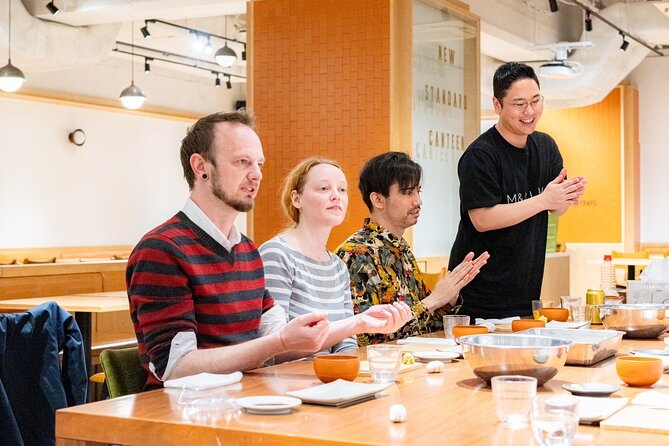
The biggest reason this Taisho Sushi Making Class works is that it doesn’t start with panic. You begin with a practice grip procedure using models, repeating the motions before you ever touch real fish and rice. That simple step changes the whole experience. You’re learning the hand positions and pressure control, not just copying shapes.
I also like the tone of the instruction: it’s structured like sushi education, similar to what you’d find in high-level training schools (the kind that charge serious tuition). In other words, you’re not just making sushi as a souvenir activity. You’re being guided toward repeatable technique.
And yes, you’ll still get the fun part—rolling, shaping, and tasting—but the class doesn’t pretend sushi is instant magic. It gives you a short path to competence.
More sushi counters to book, ranked
- Tokyo: Roll and Authentic Sushi Making Class in Asakusa
★ 4.9 · 1,957 reviews - Make Sushi and Create Unforgettable Memories in Tokyo
★ 5.0 · 1,413 reviews - Tokyo: Sushi Making Class in a Happi Coat near a Famous Spot
★ 4.9 · 1,377 reviews - Tokyo Sushi Making Class in Tsukiji with Professional Chef
★ 5.0 · 1,177 reviews
What you’ll make: nigiri, gunkan, and real fish you can taste
You’re focused on two main things: nigiri and gunkan. That matters, because sushi classes sometimes scatter into too many styles. Here, you get time with the fundamentals that most people miss—how rice and toppings work together, and how to handle the nori correctly.
Nigiri: the core skill
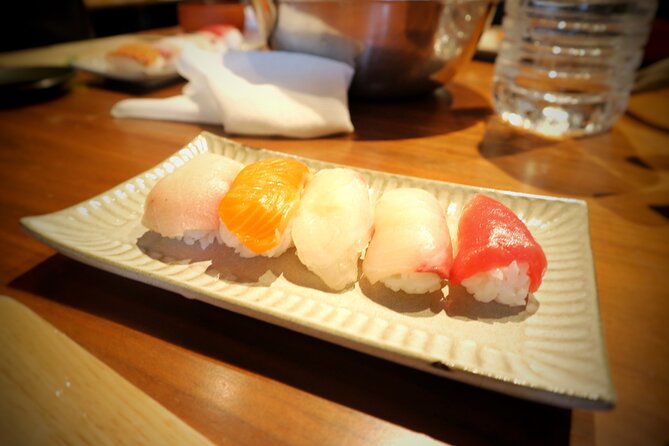
Your session includes a lecture on nigiri, then hands-on practice. You’ll make nigirizushi using real fish and rice. The fish topping (neta) varies depending on the season, and the idea is you’ll get a good variety of what Japan has at that time, in quantities that let you eat until you’re comfortably full.
Gunkan: the nori “warship” shape
After you’ve repeated the nigiri practice a while, the class moves to gunkan, sometimes called a warship shape because of how the nori cups around the topping. You’ll learn what to watch for when rolling the nori, including the fact that there’s a front and back side to the seaweed.
This is one of those details that’s easy to skip in casual sushi experiences. Here, you’re explicitly taught that nori has orientation, not just texture.
And then you eat it
The class ends with you consuming what you make. That’s not a small bonus—it changes how you approach the session. If you know you’ll taste your own nigiri and gunkan, you pay more attention to rice texture, shaping, and the finish.
Readers also shortlisted these Tokyo bookings:
- Sushi Making Tokyo Roll and Authentic Japanese Sushi Class★ 5.0 · 3,971 reviews
- Tokyo: Roll and Authentic Sushi Making Class in Asakusa★ 4.9 · 1,957 reviews
- Tokyo Shinjuku Chopsticks Making Class★ 5.0 · 1,763 reviews
- Tokyo: Sushi Making Class in a Happi Coat near a Famous Spot★ 4.9 · 1,377 reviews
- Chopstick Making Workshop in Ginza★ 4.8 · 1,366 reviews
Empty-handed sushi in Tokyo: what’s provided and what’s not
One of the best things about this workshop is the “come empty-handed” promise. They provide the equipment and materials, so you don’t have to figure out what kind of bag to bring or worry about carrying tools across Tokyo.
That setup is especially valuable if you’re squeezing food experiences between sightseeing plans. You can walk in, follow directions, and focus on learning the technique rather than managing logistics.
Vegan and vegetarian options that keep you in the game
If you don’t eat fish, you’re not stuck watching others. The class offers vegan and vegetarian options, so non-fish eaters can still participate. Practically, this means you can join with confidence even if not everyone in your group eats the same way.
Just remember: the class includes lessons involving real fish and rice for the nigiri portion, so your exact toppings may differ based on your selected option.
The step-by-step flow: model grips, nigiri lectures, then gunkan nori
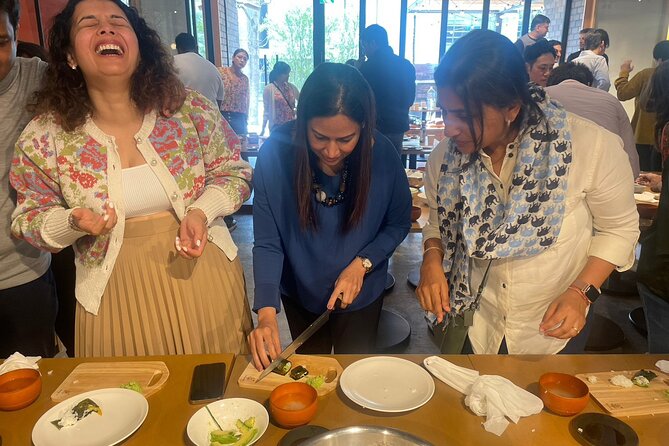
Even without a super detailed minute-by-minute schedule, the structure is clear. Here’s how the experience unfolds and what to pay attention to at each stage.
1) Grip procedures on models: learn pressure and placement
You start with practice grip procedures using models. It’s described as very important because sushi is difficult to make correctly when you’re brand new. You’ll repeat the model step several times, which is exactly what you want in a quick workshop: fewer surprises, more muscle memory.
How to get the most out of this part: watch your hand positioning, then match the instructor’s pressure and timing. If your first attempts feel awkward, that’s normal. This step exists so your real-fish attempt doesn’t feel like you’re improvising.
2) Nigiri lecture: shape the rice and top with real fish
Next comes a lecture on nigiri, followed by making nigirizushi using real fish and rice. The class aims at letting you build real competence quickly, which is why you practice first.
The topping variety can be seasonal, and the class is set up so you can make and eat enough to feel satisfied—not just one bite for the photo.
What makes this practical for you: nigiri is a “few elements done right” kind of food. When you learn the rice handling and the topping placement, you can recognize quality back in a restaurant. You’ll start noticing how the pieces are formed, not just how they taste.
3) Gunkan lecture: nori side and rolling tips
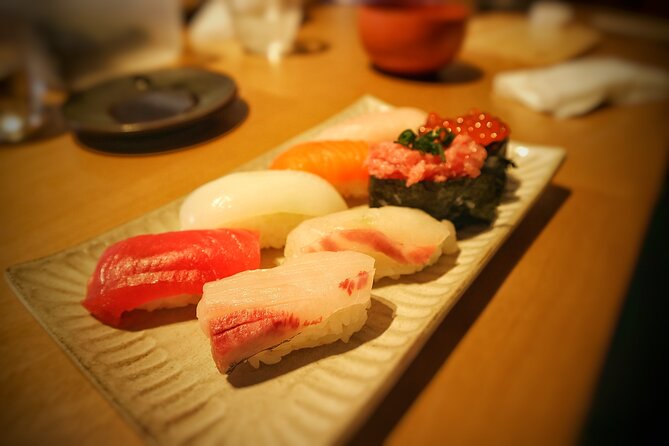
After repeating nigiri for a while, you get the gunkan lecture. You’ll learn about gunkan items such as salmon roe and negitoro (crushed sea urchin), along with the technique for wrapping nori.
A key detail: the instructor explains that nori has a front and back side. You also get tips on rolling the nori so it cups properly.
Why this matters: if the nori isn’t oriented and rolled correctly, the texture and hold change. Gunkan is literally about structure. Once you understand that, the shape becomes easier to reproduce.
Pacing, group size, and how to actually learn in an express format
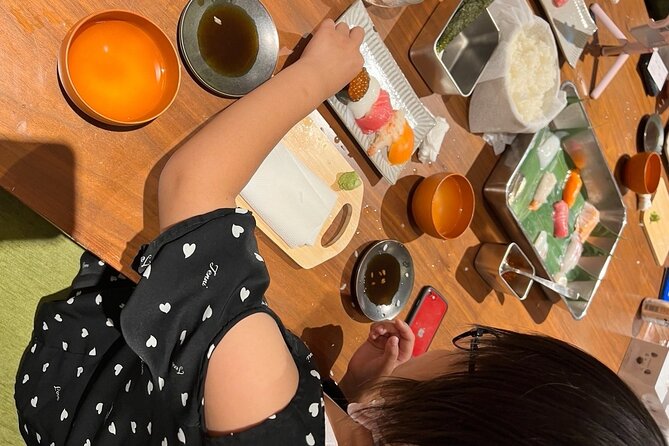
This is designed as an express culinary workshop, and it’s short—listed around 1 hour (approx.), while the experience description also calls it a 90-minute style class. Either way, the class moves quickly.
That speed is the tradeoff: you’ll learn the essentials efficiently, but you won’t have time for a slow, endless repetition session like you might in a longer cooking course.
Group size: big enough to meet people, not so big you vanish
The experience caps at maximum 50 travelers. That’s large on paper, but it also signals the class is organized rather than chaotic. You’ll still likely mingle with other sushi-loving travelers during the session—especially since the class is social by design and includes hands-on work.
How to make it work for you: if you want to learn more, come hungry and stay mentally ready. When you’re excited and focused, the coaching lands faster.
Location and meeting point: Kojimachi access is the whole point
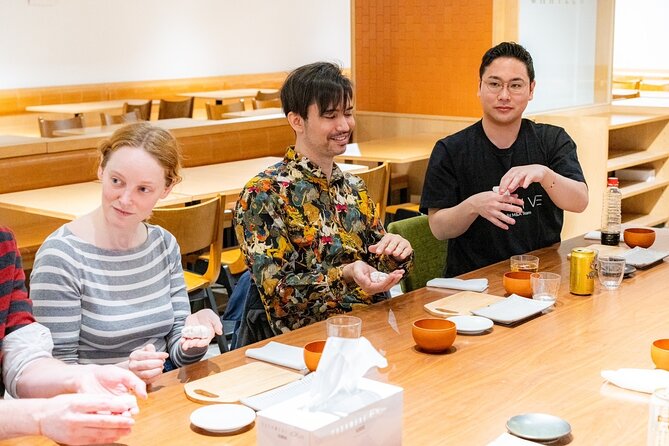
You meet at 1-chōme-4-4 Kōjimachi, Chiyoda City, Tokyo 102-0083 and return back to the meeting point at the end.
The location is noted as near public transportation, which is a big deal in Tokyo. You’ll save time and energy, and you won’t need to plan around long transfers after your meal.
Mobile ticket keeps it simple
You’ll use a mobile ticket, which means less paper, less fuss, and fewer last-minute problems when you’re rushing through the city.
Price and value: why $109 can be a smart Tokyo food move
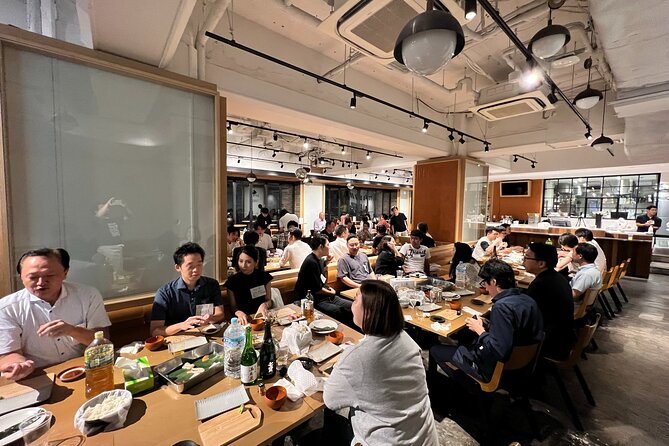
The price is $109.01 per person. To judge value, look at what you get beyond instruction:
- All equipment and materials are provided, so you’re not paying extra for tools
- You work with real fish and rice for the nigiri portion
- You learn gunkan technique, including nori orientation and rolling tips
- You eat what you make, with quantity described as enough to fill you up
- The experience is rated 4.9/5 with 89 reviews, and it’s marked as recommended by 100%
In Tokyo, sushi experiences can vary from simple tastings to very expensive chef courses. This sits in a middle lane that’s built for time-efficient learning: you get hands-on technique plus a real meal.
Also, the class is often booked about 23 days in advance on average. If you’re traveling during a busy period, don’t wait until the last week to lock it in.
Who should book Taisho Sushi Making Class
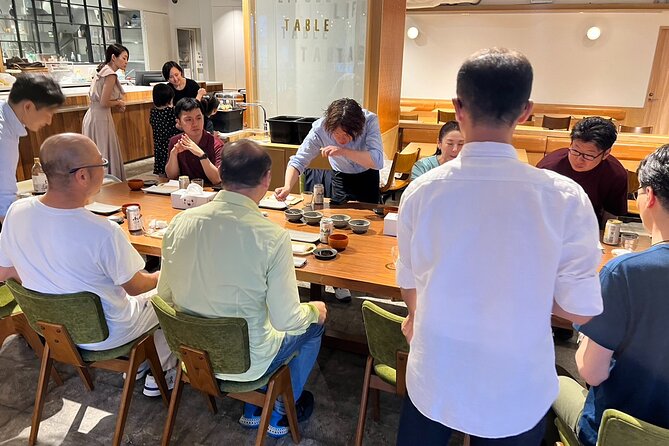
This class is a good match if you:
- Love sushi and want a fast way to learn how nigiri and gunkan come together
- Want hands-on guidance but don’t have time for a long cooking school
- Prefer structured technique, not just a casual demo
- Are traveling with a mixed group, since vegan and vegetarian options are available
- Want a family-friendly activity where everyone can participate and eat the results
You might rethink it if you’re looking for a long, slow, super-deep dive into sushi rice chemistry, sourcing, or long apprenticeship-style practice. This one is about getting you functional quickly.
Should you book it? My decision guide
Book Taisho Sushi Making if you want the best kind of short experience: you learn real technique, you make two classic styles—nigiri and gunkan—and you actually eat your work. The empty-handed format and the model-based training are practical wins, especially if you’re brand new.
Skip it only if you’re craving a longer class where you can repeat each step for hours and refine every tiny detail. For an efficient Tokyo food day, this is a strong choice.
FAQ
How long is the Taisho sushi making class?
The duration is listed as about 1 hour (approx.), and the experience description also references a 90-minute style session.
What is included if I come empty-handed?
You don’t need to bring equipment. The class provides all equipment and materials.
Do they offer vegan or vegetarian options?
Yes. Vegan and vegetarian options are available for non-fish eaters.
What sushi types will I learn to make?
You’ll practice making nigiri and learn gunkan technique, including how to roll nori and the idea that nori has a front and back side.
Where do I meet for the class?
The meeting point is 1-chōme-4-4 Kōjimachi, Chiyoda City, Tokyo 102-0083, Japan, and the activity ends back at the meeting point.
What’s the cancellation window?
You can cancel for a full refund up to 24 hours before the experience’s start time. Mobile confirmation is typically provided within 48 hours of booking (subject to availability).
More Workshops in Tokyo
- Sushi Making Tokyo Roll and Authentic Japanese Sushi Class
★ 5.0 · 3,971 reviews - Tokyo: Roll and Authentic Sushi Making Class in Asakusa
★ 4.9 · 1,957 reviews - Tokyo Shinjuku Chopsticks Making Class
★ 5.0 · 1,763 reviews - Tokyo: Sushi Making Class in a Happi Coat near a Famous Spot
★ 4.9 · 1,377 reviews - Chopstick Making Workshop in Ginza
★ 4.8 · 1,366 reviews
More Tour Reviews in Tokyo
- Mt Fuji and Hakone 1-Day Bus Tour Return by Bullet Train
★ 5.0 · 26,383 reviews - 1-Day Tokyo Bus Tour
★ 5.0 · 14,250 reviews - Tokyo: teamLab Planets TOKYO Digital Art Museum Entry Ticket
★ 4.6 · 9,779 reviews - Mt Fuji & Hakone Cruise, Drum Show Bullet Train 1 Day from Tokyo
★ 4.0 · 7,413 reviews - Tokyo: Shinjuku Food Tour (13 Dishes at 4 Local Eateries)
★ 5.0 · 6,603 reviews
More Sushi Counters to Book
- Sushi Making Tokyo Roll and Authentic Japanese Sushi Class
★ 5.0 · 3,971 reviews - Tokyo: Roll and Authentic Sushi Making Class in Asakusa
★ 4.9 · 1,957 reviews - Make Sushi and Create Unforgettable Memories in Tokyo
★ 5.0 · 1,413 reviews - Tokyo: Sushi Making Class in a Happi Coat near a Famous Spot
★ 4.9 · 1,377 reviews - Tokyo Sushi Making Class in Tsukiji with Professional Chef
★ 5.0 · 1,177 reviews
Latest Tokyo reviews off our desk




Sushi Making Classes, compared.
 ★ 5.0Sushi Making Tokyo Roll and Authentic Japanese Sushi ClassFrom $593,971 reviews
 ★ 4.9Roll and Authentic Sushi Making Class in AsakusaFrom $581,957 reviews
 ★ 5.0Make Sushi and Create Unforgettable Memories in TokyoFrom $791,413 reviews
 ★ 4.9Sushi Making Class in a Happi Coat near a Famous SpotFrom $421,377 reviews
 ★ 5.0Tokyo Sushi Making Class in Tsukiji with Professional ChefFrom $491,177 reviews
 ★ 5.0Tsukiji Fish Market Guided Tour and Sushi Making with Pro ChefFrom $104775 reviews
 ★ 4.9Tsukiji Fish Market Sushi Making Class with Pro ChefFrom $63506 reviews
 ★ 5.0Tokyo Tsukiji Fish Market Tour and Sushi Making LessonFrom $99390 reviews
Browse the lists this tour appears in