
Reviewed · TEA CEREMONY & MATCHA
Tokyo 6 hr Private Guided Tour & Tea Ceremony Experience
Tokyo gets intense fast.
What I like most is the hotel pickup option and the way the day includes an actual tea ceremony, not just quick photo stops. The one thing to watch: you’re limited to 2–3 chosen sites, so you’ll want to pick what fits your mood, not what sounds good on paper.
This is a private guided setup (with a small cap of up to 10 people), led by a licensed local English-speaking guide. You’ll get a flexible route instead of a rigid checklist, which is great when Tokyo’s streets and stations are doing their own thing.
One more practical point: some places on the menu are free to enter, but not all gardens are. Also, the guide doesn’t include entering the Imperial Palace interior, so plan around views from the outside.
In This Review
- Key things to know before you go
- Why This 6-Hour Tokyo Mix Makes Sense
- Choosing Your 2–3 Stops From This Tokyo Menu
- Tea Ceremony: A Cultural Pause
- Old Tokyo Route Options: Jidaiya, Asakusa, and Senso-ji
- Jidaiya
- Asakusa and Senso-ji
- Gardens and Royal Grounds: Imperial Palace Area and Hama Rikyu
- Imperial Palace (outside views only)
- Hama Rikyu Gardens
- Modern Tokyo Route Options: Shibuya, Harajuku, Meiji Jingu, Akihabara, Tsukiji
- Shibuya Scramble Crossing + Takeshita Street (Harajuku)
- Meiji Jingu Shrine
- Akihabara
- Tsukiji Outer Market
- Shinjuku Area Adds: Rikugien, Koishikawa Korakuen, Golden Gai, Shinjuku Gyoen
- Rikugien Garden and Koishikawa Korakuen Garden
- Shinjuku Golden Gai
- Shinjuku Gyoen National Garden
- Price and Logistics: What You’re Paying For (and What You’re Not)
- Guide Quality and Pacing: Your Big Variable
- FAQ
- How many sites do I choose during the 6-hour tour?
- Is the tea ceremony included?
- Do I get to go inside the Imperial Palace?
- Is hotel pickup included?
- Are entrance fees included for all stops?
- How large is the group?
- Should you book this Tokyo 6-hour private guided tour with tea ceremony?
Key things to know before you go
- Pick 2–3 stops from a menu, so you’re not stuck with places you don’t care about
- Tea ceremony is included, giving the day a calmer cultural center
- Hotel pickup may be available in Tokyo’s 23 Special Wards, while other times you meet on foot in a designated area
- Imperial Palace interior is not included, but the surrounding grounds are still worth seeing
- Garden admissions may cost extra, depending on which parks you select
- Small group size (max 10) makes it easier to keep your day moving
Why This 6-Hour Tokyo Mix Makes Sense
A 6-hour private tour in Tokyo can either feel like speed-running or like a smart sampler. This one tends to work because the structure is simple: you choose a few stops, then your guide helps connect them in a logical flow.
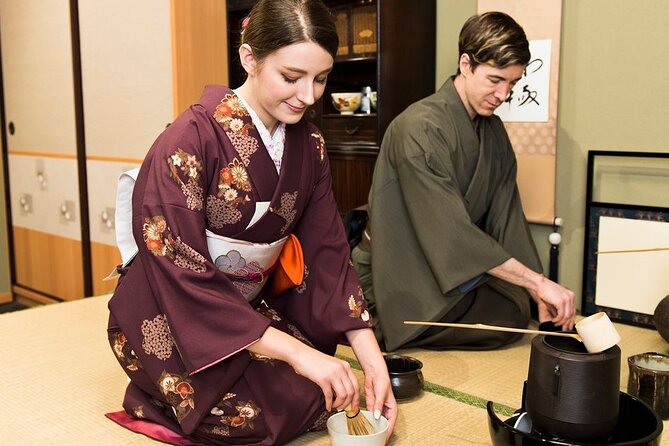
The value here is that you’re not just “seeing Tokyo.” You’re also getting a cultural anchor with the tea ceremony, plus context at each stop so the places click instead of blurring together. If you’re the kind of traveler who hates reading 40 signs on your own, this format helps you get it while you’re walking.
More tea rooms our readers rated
- Matcha Making Class in Tokyo with Authentic Japanese Sweets Set
★ 5.0 · 744 reviews - Tokyo: Traditional Tea Ceremony with a Tea Master
★ 5.0 · 528 reviews - Tokyo: Matcha Making Experience with Mochi Sweets in Asakusa
★ 4.9 · 388 reviews - Tokyo: Matcha and Kimono Experience
★ 4.7 · 219 reviews
Choosing Your 2–3 Stops From This Tokyo Menu
This tour is designed around choice. You customize a route of two to three sites from a list of options, and the guide builds the timing around what you pick.
Here’s the key to making your selections work:
- If you want classic Tokyo + culture, choose Asakusa and one more themed add-on (temple area, gardens, or a modern district).
- If you want modern contrasts, pair Shibuya Crossing/Harajuku with Meiji Jingu for a quick shift from neon to calm.
- If you want quieter scenery, spend your extra slot on a garden like Rikugien or Koishikawa Korakuen (both have admission fees not included).
- If you want “Tokyo characters,” add Akihabara or Golden Gai.
Also, look at where you’re starting from. The tour supports hotel pickup in the 23 Special Wards, but it also notes a meet-up on foot within a designated area. In real life, that means your day could be easier or more complex depending on your exact hotel location.
Tea Ceremony: A Cultural Pause
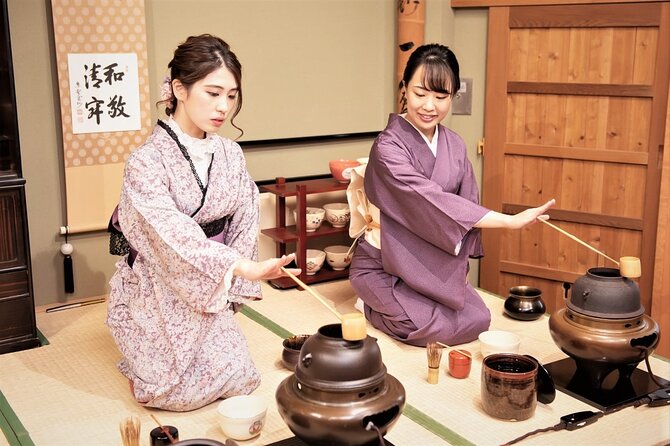
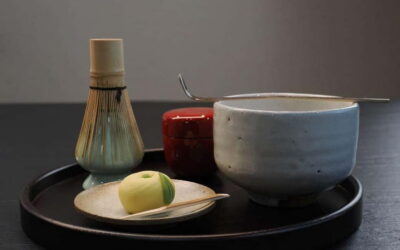
The tea ceremony is included, and it’s the kind of stop that changes how the whole day feels. Tokyo can be loud, fast, and full of sensory overload. A structured cultural break helps you reset, and it gives the guide a chance to explain what you’re seeing in a more grounded way.
Two practical tips:
- Wear comfortable shoes. Even on a “slower” activity, you’ll likely do some walking to get there.
- Don’t plan an extra long meal right before. Build a little breathing room so you enjoy the ceremony instead of rushing through it.
There’s also no mention of kimono rental being included, so if you want that look, treat it as an optional extra, not a guaranteed part of your package.
Old Tokyo Route Options: Jidaiya, Asakusa, and Senso-ji
If you pick a traditional track, the tour menu leans hard into Tokyo’s older, lower-city feel. Asakusa is centered on Shitamachi (the “low city”), where the vibe often feels less like a skyscraper spreadsheet and more like older Tokyo street life.
Jidaiya
One option that’s particularly interesting is Jidaiya, positioned as a deeper cultural alternative to typical Asakusa browsing. If you’re looking for something hands-on or more structured than wandering storefronts, this is a good candidate for one of your chosen sites.
Readers also shortlisted these Tokyo bookings:
- Tokyo 6hr Private Tour with Government-Licensed Guide★ 5.0 · 3,902 reviews
- Tokyo: Shinjuku Local Bar and Izakaya Guided Walking Tour★ 4.9 · 1,794 reviews
- Tokyo: Private City Highlights Tour with Local Guide★ 4.8 · 1,433 reviews
- Tokyo: Tsukiji Fish Market Guided Walking Tour★ 4.9 · 1,397 reviews
- Tokyo 4hr Private Tour with Government-Licensed Guide★ 5.0 · 1,394 reviews
Asakusa and Senso-ji
Most people associate Asakusa with Senso-ji, the famous Buddhist temple area. Here’s what I’d expect in your time window:
- You’ll get a guide’s route through the core temple zone.
- You’ll see why the area is so visually vivid—people, incense atmosphere, and lots of “Tokyo smells” layered together.
The tour also schedules time specifically for Asakusa and Senso-ji, with multiple segments that are free to enter per the menu. That helps you feel like you’re getting real value from your limited 6 hours.
Gardens and Royal Grounds: Imperial Palace Area and Hama Rikyu
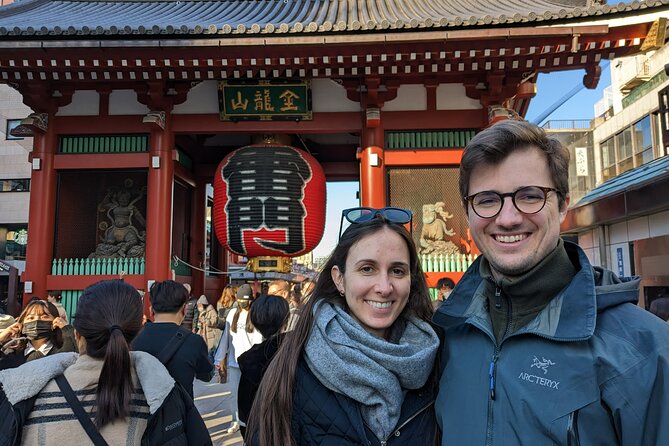
Tokyo has plenty of parks, but the ones on this tour list have specific personalities.
Imperial Palace (outside views only)
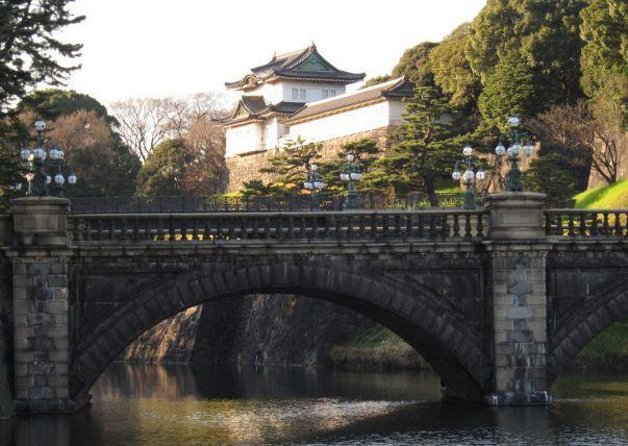
The tour is explicit: you can’t enter the Imperial Palace interior. Still, the current Imperial Palace area sits on the former Edo Castle site, in park-like grounds with moats.
If you choose this stop, treat it like a “walk the edges and soak in scale” experience. It’s less about grand rooms and more about geography and the way Tokyo sets space aside for calm.
Hama Rikyu Gardens
Hama Rikyu is a garden by Tokyo Bay, and the standout detail is the seawater ponds that change level with the tides. That’s not just pretty decoration—it’s the garden’s working feature, so it’s worth choosing if you enjoy places where nature and design are connected.
There’s also mention of a teahouse within Hama Rikyu. Even if you’re already getting a tea ceremony later (or earlier), this is a nice “tea culture by the water” contrast.
One caution: garden admission is listed as not included. If you choose Hama Rikyu, budget for entry fees.
Modern Tokyo Route Options: Shibuya, Harajuku, Meiji Jingu, Akihabara, Tsukiji

Tokyo’s best trick is contrast, and this menu gives you several ways to do it.
Shibuya Scramble Crossing + Takeshita Street (Harajuku)
If you want the iconic Tokyo snapshot, Shibuya Scramble Crossing is there. Then the menu adds Takeshita Street in Harajuku, famous for youth fashion and street energy.
This pairing works best if you’re mentally ready for crowds and quick transitions. In six hours, you won’t linger for long, so use the guide time for navigation and photo timing rather than trying to “fully explore” either area on your own.
Meiji Jingu Shrine
A strong counterbalance is Meiji Jingu, next to Harajuku Station area. You get a huge mood shift: shrine grounds and a calmer pace after the high-volume streets.
Meiji Jingu is also free to enter, so it’s a cost-friendly pick that still feels meaningful.
Akihabara
Akihabara is the tech/electronics district, and it’s described as a center for related culture. If you like gadgets, anime-adjacent shops, or just the “this is its own world” feeling of one Tokyo neighborhood, Akihabara is an easy win.
You’ll get a guided block of time here, likely focused on pointing you toward what’s worth your attention rather than making you wander aimlessly.
Tsukiji Outer Market
The menu includes Tsukiji Outer Market, described as retail and wholesale streets adjacent to the former wholesale market site. If you want something practical for your day—shops, stalls, and classic Tokyo market layout—this is one of the best options.
Just remember: the tour doesn’t include lunch, so if you’re hungry, you’ll need to plan food on your own.
Shinjuku Area Adds: Rikugien, Koishikawa Korakuen, Golden Gai, Shinjuku Gyoen
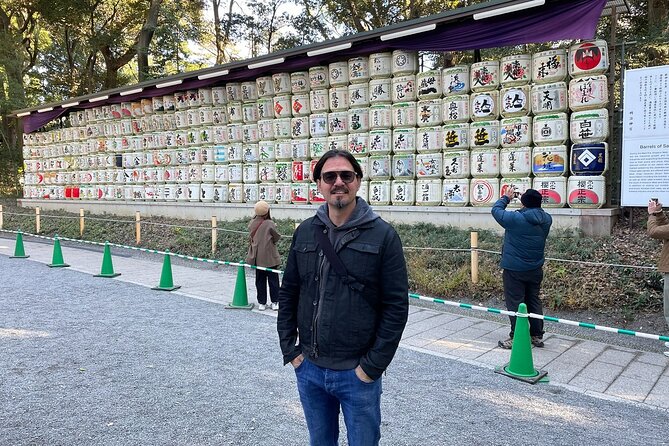
For your third slot (or one of your two), you can pick a quieter scenic option—or go straight for Shinjuku character.
Rikugien Garden and Koishikawa Korakuen Garden
Both Rikugien and Koishikawa Korakuen are on the menu and described as older-style Japanese gardens with real Edo-era roots. That’s the point: if you’ve already seen temple streets and modern districts, these give your day a slower rhythm.
The downside is clear: admission is listed as not included for these gardens.
Shinjuku Golden Gai
Golden Gai is a cluster of tiny bars and alleys in Shinjuku. The menu notes it grew around the early postwar era when a black market moved, and later small drinking spots took over.
This is a great choice if you want a Tokyo that feels human-scale—small doors, short hallways, and places that don’t feel like generic “entertainment blocks.”
Shinjuku Gyoen National Garden
Shinjuku Gyoen is one of Tokyo’s larger parks, with lawns and walking paths. It’s listed as not included for admission, but it’s also a popular place to decompress.
If your feet are taking a beating, this is often the smarter choice than stacking another loud neighborhood.
Price and Logistics: What You’re Paying For (and What You’re Not)
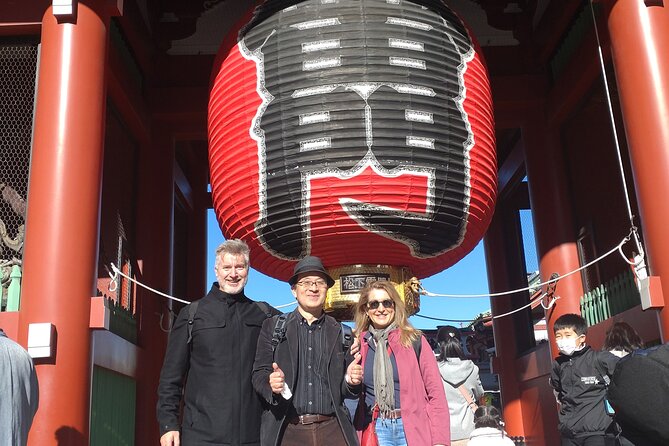
At $161.25 per person for about 6 hours, this is priced like a “one-day plan with a guide” plus a cultural activity. The best part is that it packages a private guided city experience with tea ceremony included, which can easily cost extra if booked separately.
Where you should expect extra costs:
- Transportation fees aren’t included.
- Entrance fees aren’t uniformly included. Some stops are free to enter, while garden admissions like Hama Rikyu, Rikugien, Koishikawa Korakuen, and Shinjuku Gyoen are listed as not included.
- Lunch is not included.
- Kimono rental is not included.
- A private vehicle is not included.
So yes, the tour price is reasonable for what it includes—but it’s not all-inclusive. Think of it as paying for direction, translation, and time optimization, not paying one flat fee and forgetting everything else.
A small bonus: the tour mentions mobile tickets and group discounts, and the experience caps at 10 travelers, which usually helps keep communication clean.
Also, a practical note from the tour’s reality: if you want the day to feel smooth, choose your 2–3 sites with a “theme pairing” mindset. Mixing old temple streets with deep-market shopping and a far garden might be too much.
Guide Quality and Pacing: Your Big Variable
The guide can make or break a short Tokyo day.
In feedback I’ve seen, a guide named Taka gets strong praise for being fun and knowledgeable, and for putting together a terrific itinerary. That’s the best-case scenario: good energy, smooth pacing, and routing that helps you spend time at the right places.
There’s also a contrasting experience tied to a guide named Kris. In that case, the pacing and navigation didn’t meet expectations—getting lost at subway exits and having trouble taking photos well. The key takeaway isn’t to panic; it’s to plan so you’re not dependent on everything going perfectly.
Here’s how you protect your experience:
- Confirm your meeting point and start time clearly on the day.
- Tell your guide your priorities in the first few minutes (photos, quieter areas, shopping vs. sightseeing).
- If you’re photo-focused, ask for small photo breaks rather than expecting long stops.
FAQ
How many sites do I choose during the 6-hour tour?
You can customize the experience with 2–3 sites chosen from the tour’s options.
Is the tea ceremony included?
Yes. The tea ceremony experience is included.
Do I get to go inside the Imperial Palace?
No. The tour does not include access to the inside of the Imperial Palace.
Is hotel pickup included?
Pickup is offered from one of Tokyo’s 23 Special Wards. The tour info also notes meeting on foot within a designated area, so it depends on your location and the specific arrangement.
Are entrance fees included for all stops?
Not all of them. Transportation, entrance fees (and lunch) are not included overall, and some listed gardens also show admission as not included.
How large is the group?
The tour lists a maximum of 10 travelers.
Should you book this Tokyo 6-hour private guided tour with tea ceremony?
If you want a guided day with real cultural content plus classic Tokyo neighborhoods, I’d book it—especially if you’re choosing your 2–3 sites with intention (one “old Tokyo” option, one “modern Tokyo” option, and maybe a garden to slow down).
Skip it if you want to see everything on one route. The format is built for select stops, and the extra costs for gardens and transportation are real. But if you treat it like a smart, guided sampler—with comfortable shoes and a clear plan for which places you’ll choose—it’s a strong value for a first or busy Tokyo visit.
More Tours in Tokyo
- Mt Fuji and Hakone 1-Day Bus Tour Return by Bullet Train
★ 5.0 · 26,383 reviews - 1-Day Tokyo Bus Tour
★ 5.0 · 14,250 reviews - Tokyo: Shinjuku Food Tour (13 Dishes at 4 Local Eateries)
★ 5.0 · 6,603 reviews - Tokyo Mt Fuji 5th St & Hakone Cruise Bus Tour w/Bullet Train
★ 4.4 · 5,024 reviews - Flagship 2-Hours Official Street Go-Kart Tour – Tokyo Bay Shop
★ 5.0 · 4,974 reviews
More Tour Reviews in Tokyo
- Mt Fuji and Hakone 1-Day Bus Tour Return by Bullet Train
★ 5.0 · 26,383 reviews - 1-Day Tokyo Bus Tour
★ 5.0 · 14,250 reviews - Tokyo: teamLab Planets TOKYO Digital Art Museum Entry Ticket
★ 4.6 · 9,779 reviews - Mt Fuji & Hakone Cruise, Drum Show Bullet Train 1 Day from Tokyo
★ 4.0 · 7,413 reviews - Tokyo: Shinjuku Food Tour (13 Dishes at 4 Local Eateries)
★ 5.0 · 6,603 reviews
More Tea and Matcha Rooms
- Matcha Making Class in Tokyo with Authentic Japanese Sweets Set
★ 5.0 · 744 reviews - Tokyo: Traditional Tea Ceremony with a Tea Master
★ 5.0 · 528 reviews - Tokyo: Matcha Making Experience with Mochi Sweets in Asakusa
★ 4.9 · 388 reviews - Tokyo: Matcha and Kimono Experience
★ 4.7 · 219 reviews - Tea Ceremony Workshop in Tokyo by the Experienced Instrucor
★ 5.0 · 189 reviews
Latest Tokyo reviews off our desk






Tea Ceremony & Matcha, compared.
 ★ 5.0Matcha Making Class in Tokyo with Authentic Japanese Sweets SetFrom $21744 reviews
 ★ 5.0Traditional Tea Ceremony with a Tea MasterFrom $38528 reviews
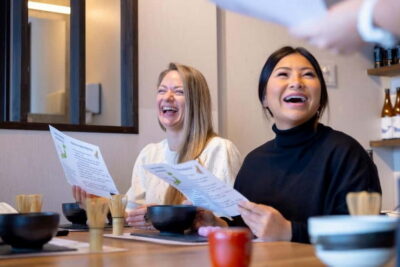 ★ 4.9Matcha Making Experience with Mochi Sweets in AsakusaFrom $22388 reviews
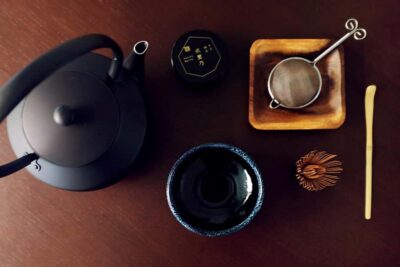 ★ 4.7Matcha and Kimono ExperienceFrom $57219 reviews
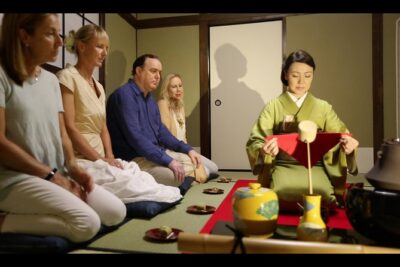 ★ 5.0Tea Ceremony Workshop in Tokyo by the Experienced InstrucorFrom $38189 reviews
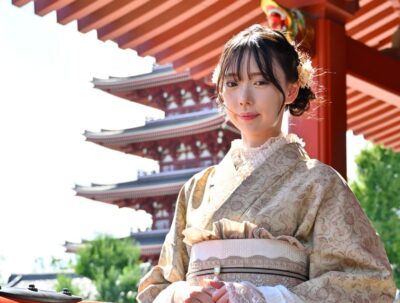 ★ 4.9Asakusa Kimono Dressing and Matcha ExperienceFrom $56173 reviews
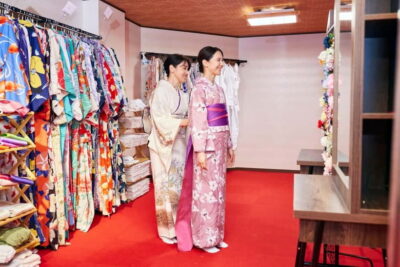 ★ 4.9Asakusa: Kimono Tea Ceremony with Matcha and SweetFrom $66153 reviews
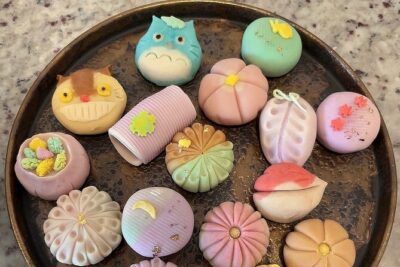 ★ 5.0Make Traditional Nerikiri Sweets & Matcha experience in ShibuyaFrom $60130 reviews
Browse the lists this tour appears in