

Reviewed · WORKSHOPS
Tokyo: Edo Kiriko Traditional Glass Carving Class
Tokyo’s glass craft class in Asakusa is surprisingly hands-on. You’ll learn Edo Kiriko carving techniques with a lecturer, then make a real glass artwork to take home. I especially like the way you can pick your own colors and pattern from lots of samples, and the fact that the class is taught in a beginner-friendly way even though the craft takes real precision. One thing to consider: the cutting is not just for show, so your first attempts may look a little rough until you get the hang of it.
The 90 minutes move fast, and the setup keeps you focused. Starting at Sokichi, a staff member escorts you into the room so you can begin right away. The main drawback is practical: you’ll need to bring a hair tie (and you should be ready to concentrate), since you’ll be working up close at the cutting/etching stations for your design.
In This Review
- Key highlights at a glance
- Edo Kiriko in Asakusa: what you make and why it feels special
- Choosing your glass, colors, and patterns for your final design
- Sokichi meeting point: how to find the class fast from Asakusa Station
- How the 90 minutes actually run: practice, carving, and corrections
- Instructor support and the small-group advantage
- Price and value: what $30 buys you in real souvenir terms
- What to bring (and how to make the class easier on yourself)
- Who should book this Edo Kiriko glass carving class
- Should you book? My practical take
- FAQ
- How long is the Edo Kiriko traditional glass carving class?
- What is included in the price?
- Do I need to arrange transportation to the meeting point?
- Where do I meet for the class?
- What language will the instructor speak?
- What should I bring?
- Can I cancel or change my plans?
Key highlights at a glance

- Choose your design from many pattern samples, then select the specific glass it will be carved on
- Pick from multiple glass types, including colored options like blue, pink, and yellow
- Practice first, so your actual carving session feels more confident and less stressful
- Small-group feel, with enough instructor attention to correct details like line accuracy
- Take-home artwork that’s genuinely Edo Kiriko, not a made-for-tour souvenir
- Easy walking access from Asakusa Station, with a Sokichi meet-up that’s close and straightforward
Edo Kiriko in Asakusa: what you make and why it feels special
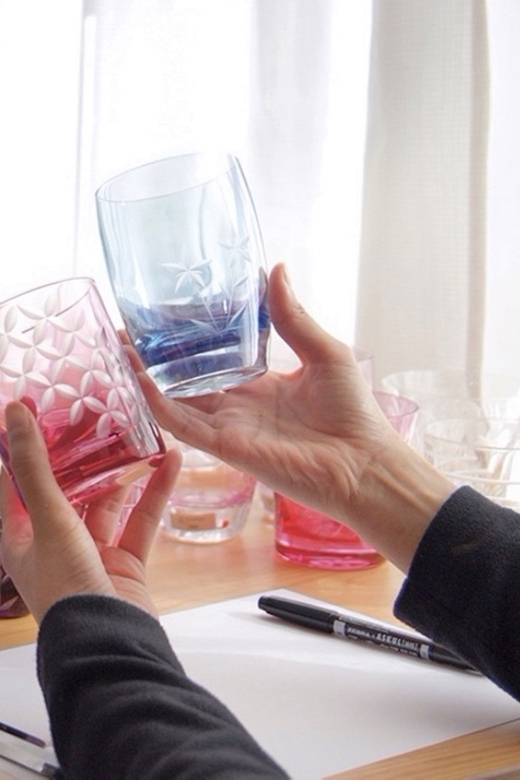
This Edo Kiriko class is built around one clear goal: you leave with your own carved glass piece. Edo Kiriko is a traditional Japanese glass carving craft with more than 180 years of history, and the session is designed to show you the method behind the most well-known look of the craft.
What makes it feel more meaningful than a basic arts-and-crafts workshop is the combination of choice and technique. You don’t just pick a pre-made item, you choose the glass and the pattern plan, then carve it using the traditional approach. You also get the benefit of watching the lecturer’s guidance in real time, which matters because glass carving is all about small, controlled movements.
And yes, you’ll probably notice quickly that it’s not about being an artist already. It’s about following the technique closely and adjusting as your lines form.
Readers also shortlisted these Tokyo bookings:
- Sushi Making Tokyo Roll and Authentic Japanese Sushi Class
★ 5.0 · 3,971 reviews - Tokyo: Roll and Authentic Sushi Making Class in Asakusa
★ 4.9 · 1,957 reviews - Tokyo Shinjuku Chopsticks Making Class
★ 5.0 · 1,763 reviews - Tokyo: Sushi Making Class in a Happi Coat near a Famous Spot
★ 4.9 · 1,377 reviews
Choosing your glass, colors, and patterns for your final design
Before you start cutting, you get options that let you shape the final look. You can select from more than 20 kinds of glasses, and there are dozens of pattern samples to reference while you plan your design.
The class uses six types of glass in total: a mix of clear and colored pieces. The colored glass options listed are blue, pink, and yellow. That’s a big deal, because Edo Kiriko patterns look different depending on whether the glass is clear or tinted—color changes the contrast, and contrast changes how the carved details read at a glance.
You’ll also be able to work at different levels, with the class offering beginner-friendly paths through to more advanced setups. Translation: if your confidence is low, you can still make something you’re proud of. If your confidence is high, the structure is there to push your accuracy.
Practical tip: when you’re choosing a pattern, focus on the lines you can control. Complex patterns are tempting, but clean results come from selecting a design you can execute steadily.
Sokichi meeting point: how to find the class fast from Asakusa Station

You start at Sokichi. The store is about a 30-second walk from Asakusa Station, which is a relief in Tokyo where walking times can feel longer than they should.
When you arrive, talk to a staff member at the shop. They’ll escort you to the room for your class. This matters because the workshop space is not advertised like a big public museum room—you want that quick handoff so you don’t waste time hunting.
A common detail in the experience: the class setting is described as above a glassware shop, and the room is quieter than you might expect given you’re near major Asakusa sights. It’s the kind of setup that helps you focus while you’re carving.
If you’re pairing this with sightseeing, you’ll be close to classic Asakusa landmarks, including Senso-ji and also within easy reach of the Tokyo Skytree area.
How the 90 minutes actually run: practice, carving, and corrections
The class lasts 90 minutes, and the time is used for real instruction plus your own making time. The structure is straightforward: you work with your lecturer, you practice the carving/etching motions, and then you move into your final design on the glass you chose.
A detail I really like is the practice step before the final work. In at least one session, participants started with practice stars, then applied what they learned to their own chosen patterns. That reduces the first-day nerves, because you’re not instantly forced into making your final piece.
During the carving stage, you’ll get hands-on guidance on accuracy. Several examples of instructor feedback include correcting line placement—like addressing crooked etched lines—while still leaving you responsible for your final artwork. This balance is key. You’re not being rescued into a perfect souvenir; you’re being guided into better technique.
The lecturer is described as calm, patient, and thorough, and the instruction is offered in both English and Japanese. If your Japanese is basic, English support makes it feel manageable. If you want Japanese explanation or terminology, that’s available too.
One more practical takeaway: don’t ignore the small adjustments. With glass carving, the difference between okay and great is often just a millimeter of alignment.
Instructor support and the small-group advantage
One of the most praised parts of this class is the level of attention you get while you’re working. The workshop is run in a way that keeps the group small, and in one described session it was four people, which made it easier for the instructor to correct specific issues without rushing.
You may also notice that good instruction doesn’t just mean showing you how to cut. It also means helping you understand how a design will look on different glasses. In one example, the instructor explained how designs change when placed on different glass types, which helps you decide with confidence instead of hoping the result will match your imagination.
Some sessions highlight specific instructor names, including Ze. That’s useful mainly because it signals this is a teaching-focused workshop, not just a staffed storefront experience. If you’re sensitive to slower pacing and careful corrections, a patient instructor style is exactly what you want here.
- Tokyo: Shinjuku Food Tour (13 Dishes at 4 Local Eateries)★ 5.0 · 6,603 reviews
- Tokyo Mt Fuji 5th St & Hakone Cruise Bus Tour w/Bullet Train★ 4.4 · 5,024 reviews
- Flagship 2-Hours Official Street Go-Kart Tour – Tokyo Bay Shop★ 5.0 · 4,974 reviews
- From Tokyo: Mount Fuji Full-Day Sightseeing Trip★ 4.5 · 4,970 reviews
- Tokyo: Hop-On Hop-Off Sightseeing Bus Ticket★ 3.9 · 4,207 reviews
Price and value: what $30 buys you in real souvenir terms
At $30 per person for a 90-minute class, the value comes from three things: time, materials, and a take-home outcome that’s hard to fake.
First, the time is long enough to do more than a quick demo. Ninety minutes gives you space to practice, plan, carve, and finish your own work.
Second, colored glass is included along with the other glass types used for the class. You’re not paying extra just to get color options like blue, pink, or yellow.
Third, you end with an actual carved glass souvenir you designed. That’s a different category than buying a ready-made trinket. It’s also the kind of souvenir you can keep out on a shelf because it looks like craft, not like a craft store kit.
If you want to maximize value, pick a pattern that matches the glass you choose. Contrast matters: clear glass can make carved edges look crisp, while colored glass can make the pattern read with a different mood and emphasis.
What to bring (and how to make the class easier on yourself)
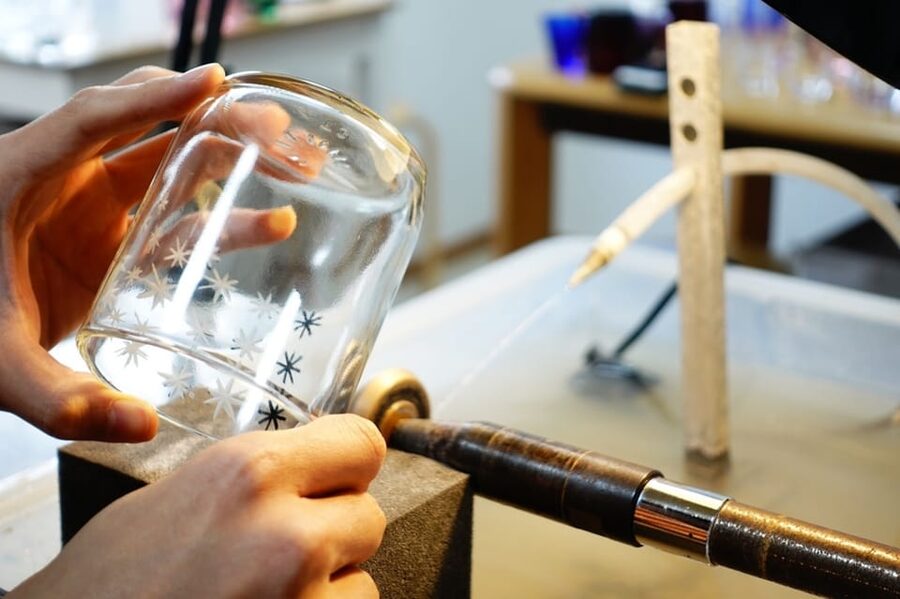
You only have one clearly listed item to bring: a hair tie. Since you’ll be working close to your work surface, hair management helps you see clearly and helps you avoid stray strands near your tools.
Beyond that, treat the class like a focused workshop session. Wear something comfortable, keep your hands steady, and plan to concentrate more than you think you need. Glass carving punishes sloppy movement, not because it’s unfriendly, but because accuracy is the whole point.
If you’re doing this during a sightseeing day, consider scheduling it when you’re not rushing. It’s easier to enjoy the learning when you’re not constantly checking the clock.
Who should book this Edo Kiriko glass carving class
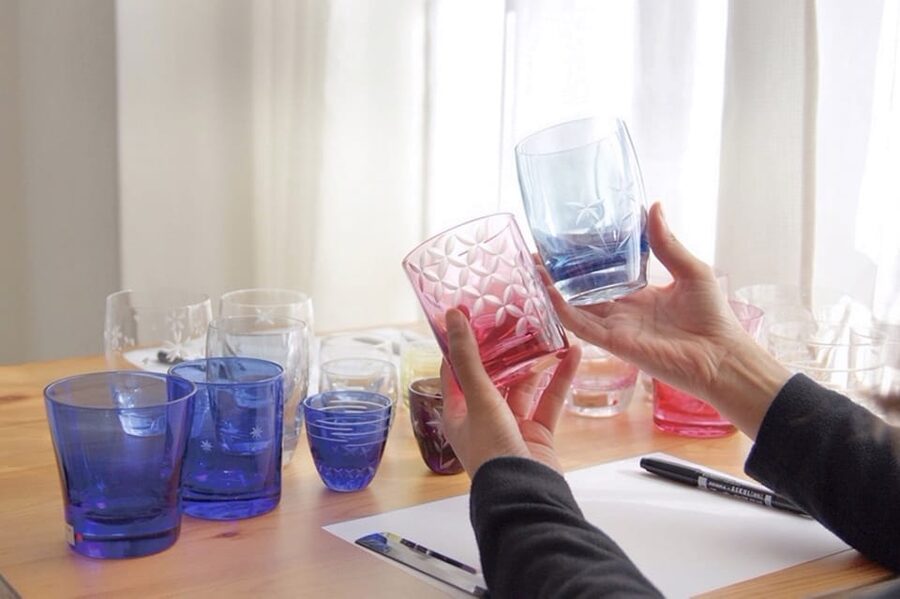
Book this class if you want a hands-on Tokyo activity that still feels genuinely tied to Japanese craft tradition. It’s also a good choice if you like the idea of taking home something personal—your choice of colors and pattern, your carving lines, your final piece.
It’s especially well suited for beginners who still want real instruction. The class is set up to be beginner-friendly, while still offering pathways toward more advanced accuracy if you want that challenge.
You might want to reconsider if you’re looking for a totally effortless activity. Glass carving asks for steady concentration, and the cutting work can feel difficult to master even when the instructor is supportive.
Should you book? My practical take
I’d book this if you want a small-group craft class in Tokyo that’s close to Asakusa Station and ends with a real carved glass keepsake. The strongest reasons are the choice of glass and patterns, the practice-first approach, and the instructor attention that helps you improve without taking over your design.
If you’re the type who gets stressed by detailed handwork, plan to start with a simpler pattern and lean into the practice portion. You’ll get more joy from the process when you treat accuracy as something you build during the class.
If that sounds like your pace, this is a smart use of time in Tokyo.
FAQ
How long is the Edo Kiriko traditional glass carving class?
The class duration is 90 minutes.
What is included in the price?
The class includes the glass carving class, a lecturer, and colored glass.
Do I need to arrange transportation to the meeting point?
Transportation is not included, so you’ll need to get yourself to the Sokichi meeting point.
Where do I meet for the class?
Meet at Sokichi. The shop is about a 30 seconds walk from Asakusa Station, and staff will escort you to the room after you check in.
What language will the instructor speak?
The instructor is available in English and Japanese.
What should I bring?
Bring a hair tie.
Can I cancel or change my plans?
Yes. Free cancellation is available up to 24 hours in advance for a full refund. There is also a reserve now & pay later option listed for flexibility.
More Workshops in Tokyo
- Sushi Making Tokyo Roll and Authentic Japanese Sushi Class
★ 5.0 · 3,971 reviews - Tokyo: Roll and Authentic Sushi Making Class in Asakusa
★ 4.9 · 1,957 reviews - Tokyo Shinjuku Chopsticks Making Class
★ 5.0 · 1,763 reviews - Tokyo: Sushi Making Class in a Happi Coat near a Famous Spot
★ 4.9 · 1,377 reviews - Chopstick Making Workshop in Ginza
★ 4.8 · 1,366 reviews
More Tour Reviews in Tokyo
- Mt Fuji and Hakone 1-Day Bus Tour Return by Bullet Train
★ 5.0 · 26,383 reviews - 1-Day Tokyo Bus Tour
★ 5.0 · 14,250 reviews - Tokyo: teamLab Planets TOKYO Digital Art Museum Entry Ticket
★ 4.6 · 9,779 reviews - Mt Fuji & Hakone Cruise, Drum Show Bullet Train 1 Day from Tokyo
★ 4.0 · 7,413 reviews - Tokyo: Shinjuku Food Tour (13 Dishes at 4 Local Eateries)
★ 5.0 · 6,603 reviews
Latest Tokyo reviews off our desk






Workshops, compared.
 ★ 5.0Sushi Making Tokyo Roll and Authentic Japanese Sushi ClassFrom $593,971 reviews
 ★ 4.9Roll and Authentic Sushi Making Class in AsakusaFrom $581,957 reviews
 ★ 5.0Tokyo Shinjuku Chopsticks Making ClassFrom $201,763 reviews
 ★ 4.9Sushi Making Class in a Happi Coat near a Famous SpotFrom $421,377 reviews
 ★ 4.8Chopstick Making Workshop in GinzaFrom $251,366 reviews
 ★ 5.0Tokyo Sushi Making Class in Tsukiji with Professional ChefFrom $491,177 reviews
 ★ 5.0Ramen & Gyoza Cooking Class in Tokyo with Local Supermarket VisitFrom $122823 reviews
 ★ 5.0Matcha Making Class in Tokyo with Authentic Japanese Sweets SetFrom $21744 reviews
Browse the lists this tour appears in