
Reviewed · WORKSHOPS
Tokyo: Kappodo sushi Live Workshop
Knife skills meet real sushi.
This Tokyo Kappodo workshop focuses on hands-on sushi making, with an English-speaking chef showing step-by-step how to form Nigiri-zushi while explaining the why behind technique. I like that you’re not just tasting: you watch fish cut and decorate right in front of you, then you do the work with real coaching. You’ll also learn what different fish are, plus sushi history, so your meal turns into something you can actually use.
Small group sizing is the big plus, but it also means you should pick your timing carefully and you won’t have a car to get you there.
In This Review
- Key Highlights You Can Plan Around
- A Tokyo Sushi Workshop That Feels Like Real Skill-Building
- Welcome Drink, Then Straight Into Technique Mode
- Watching Fish Get Cut Right in Front of You
- Making Nigiri: Rice, Fish, and the Why Behind the Shape
- Gunkan-Style and Thin Roll: Learning Variety Without Losing Control
- What You Actually Eat: Lunch, Sake Tasting, and Your Own Sushi
- Sushi History in a Kitchen Context
- Price and Value: Is $160 Worth 1 Hour 45 Minutes?
- Who Should Book This Class (and Who Might Skip It)
- Should You Book Kappodo’s Tokyo Sushi Workshop?
- FAQ
- FAQ
- What sushi will I make during the workshop?
- Is lunch included?
- Does the workshop include alcohol?
- How long is the experience?
- Is the class taught in English?
- How many people are in the group?
- Where does the workshop start and end?
- Is private transportation included?
- Do I get anything besides food?
Key Highlights You Can Plan Around
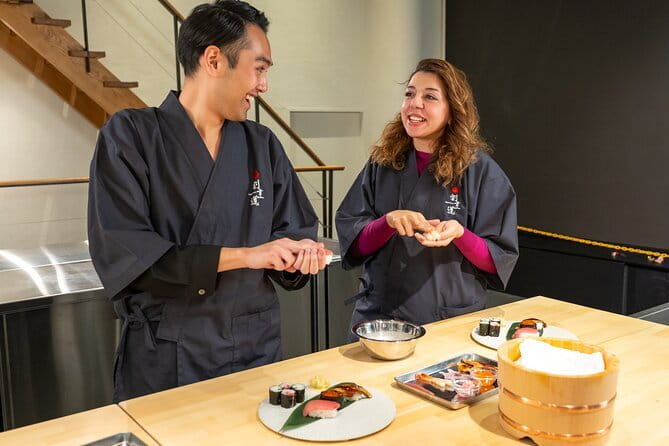
- Limited group size (up to 4) for close guidance while you shape nigiri
- Live fish cutting in front of you, so you can see technique, not just results
- English explanations that connect method to purpose (rice handling, fish cutting, shaping)
- Hands-on output: 7 nigiri plus one gunkan-style and a thin roll
- Meal included, with lunch and an optional original sake tasting
- On-the-day perks: certificate of participation and a 10% shop discount
A Tokyo Sushi Workshop That Feels Like Real Skill-Building
This class runs in a kitchen studio in Nishiazabu, at Kappodo’s Tokyo D kitchen studio at their HQ area in Minato City. The format is compact: about 1 hour 45 minutes, and the class ends back at the same meeting point. With a maximum of 4 travelers, the chef can slow down for questions and adjust your grip or rice pressure while you’re still learning.
What I like about this setup is that you don’t disappear into the background. You get the kind of attention that matters for sushi basics: how rice should feel, how fish should sit, and how a small change in shaping changes the final bite. You also get a welcome drink right away (water or green tea), which keeps things calm before the knives start moving.
The one consideration: this is a workshop, not a sightseeing tour. If you’re hunting for big Tokyo views or long city walking time, you’ll find that the day is mostly about learning and eating in-studio. Pair it with other Tokyo stops on your own schedule.
Readers also shortlisted these Tokyo bookings:
- Sushi Making Tokyo Roll and Authentic Japanese Sushi Class
★ 5.0 · 3,971 reviews - Tokyo: Roll and Authentic Sushi Making Class in Asakusa
★ 4.9 · 1,957 reviews - Tokyo Shinjuku Chopsticks Making Class
★ 5.0 · 1,763 reviews - Tokyo: Sushi Making Class in a Happi Coat near a Famous Spot
★ 4.9 · 1,377 reviews
Welcome Drink, Then Straight Into Technique Mode
You start with a simple welcome drink—either water or green tea—and then the chef shifts into teaching mode. From there, you’re watching cutting and fish prep up close before you start making. That pacing matters: it gives you a visual model of the steps, so when it’s your turn, you’re not guessing.
The class is structured so you understand sushi as a process: fish handling, rice handling, and assembly. The chef doesn’t just show what to do; you get explanations for how and why, which is exactly what helps if you’ve never made sushi at home. Even if you’re comfortable with chopsticks, you’ll likely need a minute to get used to rice texture and knife handling rules.
Also, the workshop includes time for questions. If you’re the kind of person who always wonders what a restaurant is doing differently, this is when you ask.
Watching Fish Get Cut Right in Front of You
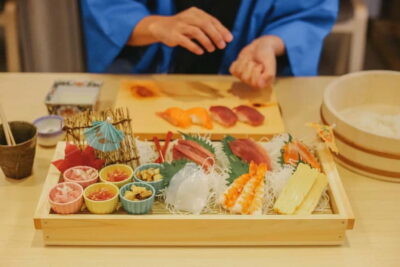
One of the most useful parts is the demonstration where the chef cuts and decorates fish in front of the group. This is where a lot of people’s expectations get corrected—in a good way. Sushi isn’t only about taste. It’s also about how the fish is cut and presented, and how that affects mouthfeel.
The chef covers different fish types and gives you a little on each one’s characteristics and life in the ocean. That may sound like trivia, but it helps you connect fish choice to flavor and texture. Once you understand that different species behave differently and taste differently, sushi stops being one flat category and becomes something you can actually reason about.
You also see how careful cuts look when done properly. The visual helps you mimic the outcome later, even if your first attempt isn’t restaurant-perfect. In a short workshop, watching the cutting first is the fastest way to improve your second attempt.
Making Nigiri: Rice, Fish, and the Why Behind the Shape
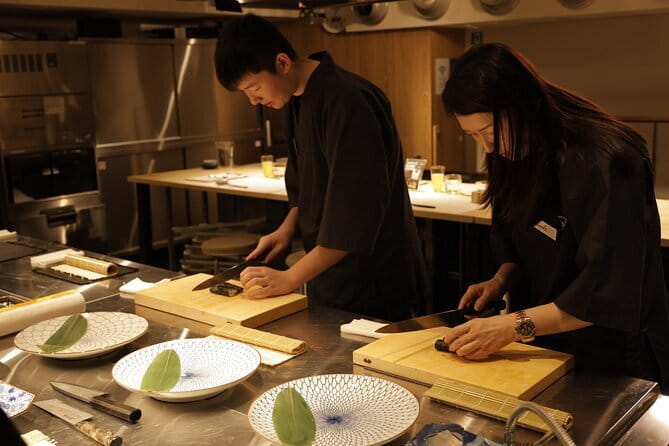
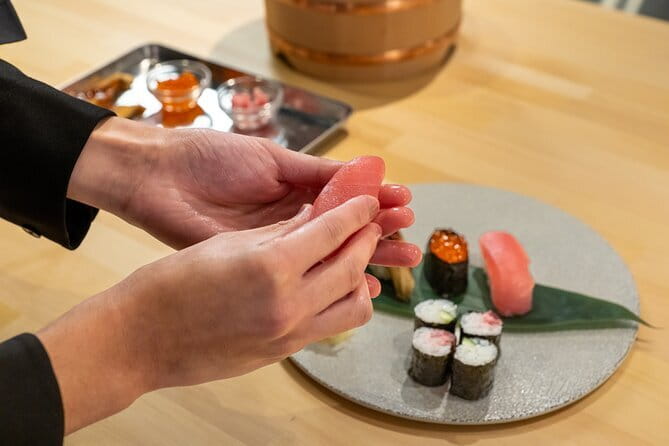
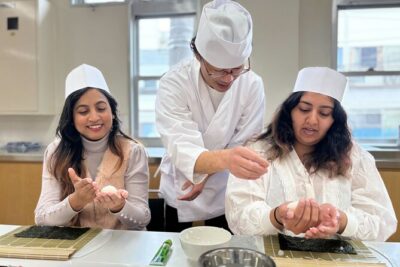
The core of the class is making Nigiri-zushi. First, the chef makes it with live commentary, walking you through the steps and explaining the reasoning behind technique. Then you do it yourself while the chef stands beside you or in front of you to guide you.
This is where the workshop earns its value. Nigiri looks simple, but small things matter: rice temperature, how much rice you use, how you press (or don’t press), and how the fish sits on top. The chef’s explanations about method and purpose help you avoid common beginner mistakes, like making rice too compact or letting the fish slide.
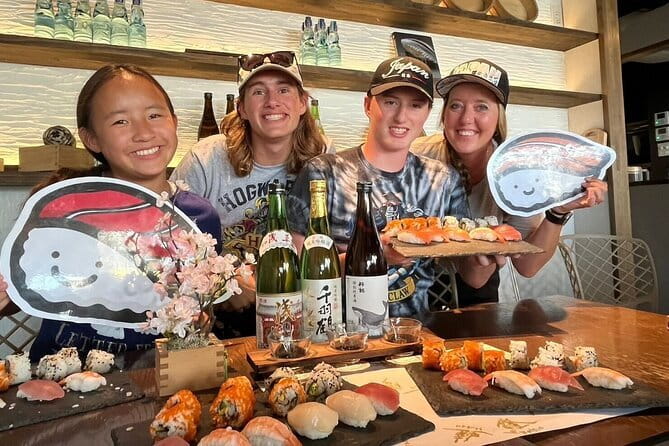
You’ll end up with a set of 7 nigiri you made during the session. You should pay attention to consistency across your own pieces. Aim for repeatable results, not just one good bite. If you learn to rebuild the process, you can do it later at home.
I also like that the chef discusses fish characteristics while you’re assembling. That makes the learning sticky. You’re not only forming sushi; you’re learning to read ingredients.
Gunkan-Style and Thin Roll: Learning Variety Without Losing Control
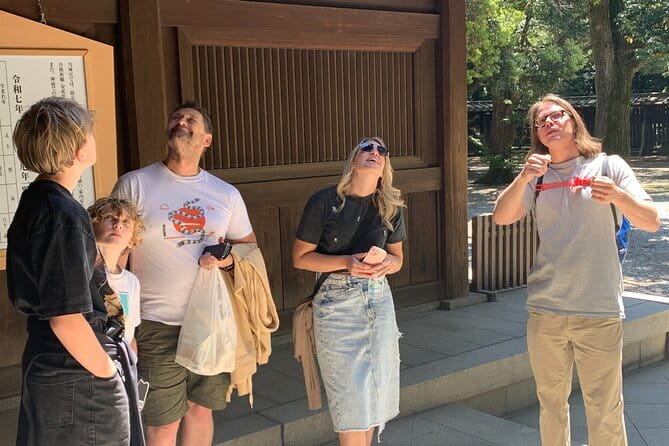
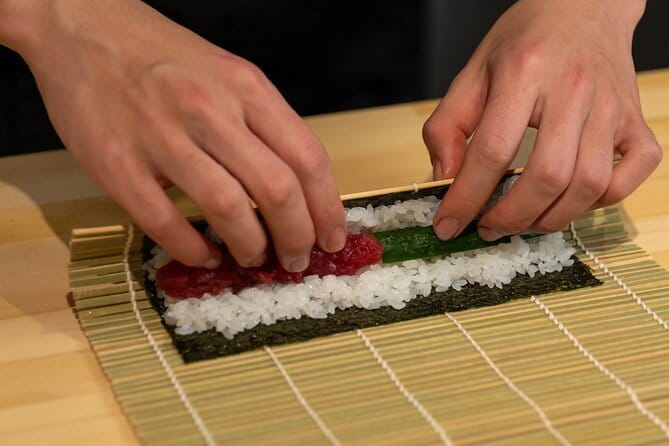
After the nigiri portion, you shift to variety: you make one gunkan-style item and a thin roll. This part is helpful because it shows you that sushi isn’t one single technique. You’ll feel different textures and assembly rules.
Then there’s a small but practical moment: you cut the thin roll into 6 pieces, and it’s time to place the sushi you made. It’s a quick step, but it matters because it teaches presentation and portioning—how restaurants think about serving size.
And yes, you’ll get a commemorative photo moment tied to what you produced. It’s not just for fun; it also gives you a reference point. If you later try to recreate the class at home, it’s easier to remember what finished nigiri should look like.
- Tokyo: Shinjuku Food Tour (13 Dishes at 4 Local Eateries)★ 5.0 · 6,603 reviews
- Tokyo Mt Fuji 5th St & Hakone Cruise Bus Tour w/Bullet Train★ 4.4 · 5,024 reviews
- Flagship 2-Hours Official Street Go-Kart Tour – Tokyo Bay Shop★ 5.0 · 4,974 reviews
- From Tokyo: Mount Fuji Full-Day Sightseeing Trip★ 4.5 · 4,970 reviews
- Tokyo: Hop-On Hop-Off Sightseeing Bus Ticket★ 3.9 · 4,207 reviews
What You Actually Eat: Lunch, Sake Tasting, and Your Own Sushi
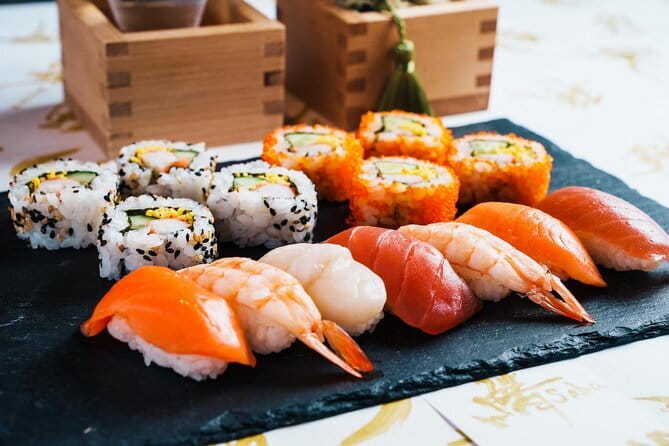
This workshop isn’t a lecture with a side snack. Lunch is included, and the main focus is the sushi you make. After you finish assembling, you enjoy your food with a cool drink.
Alcoholic beverages are available, and there’s an original sake tasting option. If you don’t drink, you can still enjoy the meal; the key is that the class is designed so the food is the center of the experience, not a sales pitch. Also, since you’re eating what you made, you’ll quickly learn what works and what you should adjust next time.
You also leave with a certificate of participation. That’s a small thing, but it’s a nice touch if you like tracking learning milestones on your trip.
Finally, you get 10% off all items at the 1F shop on the same day you attend. That’s genuinely useful if you want sushi tools or ingredients afterward. It’s the kind of perk that turns a one-time lesson into something you can extend.
Sushi History in a Kitchen Context
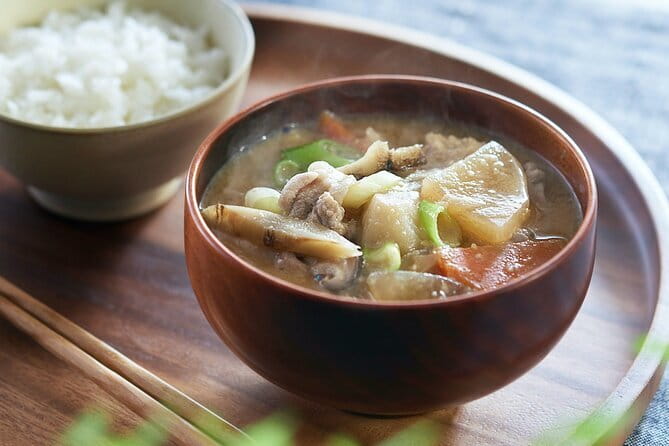
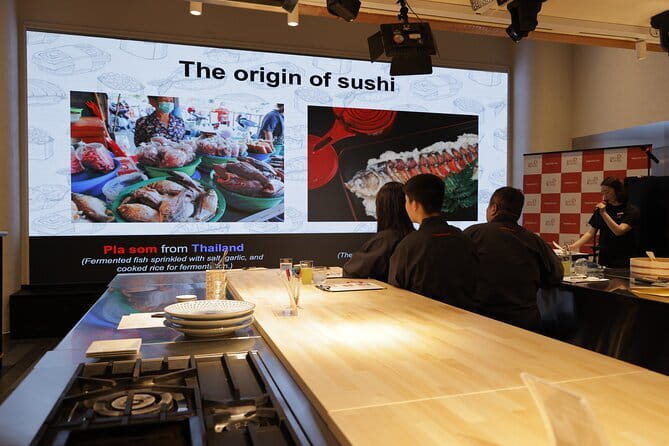
The workshop includes time for history of sushi, but it’s not presented like a textbook. When history is taught alongside technique, it changes how you understand the food. You learn that sushi developed as a method tied to rice and preservation, then evolved into something more refined and ingredient-driven.
Even if you only catch a few key points, it helps you read sushi menus with more confidence. Instead of seeing fancy fish names as random labels, you understand why certain styles exist and why fish handling became part of the craft.
Pair that with the chef’s fish-by-fish explanations—characteristics and ocean life—and you end up with a more grounded picture. It’s the difference between eating sushi as a treat and eating sushi as a craft you can respect.
Price and Value: Is $160 Worth 1 Hour 45 Minutes?
At $160, this isn’t the cheapest sushi activity in Tokyo. The honest question is value: what are you paying for beyond the food?
You’re paying for:
- a compact class length (about 1 hour 45 minutes)
- live instruction while you make multiple pieces
- fish cutting shown in real time
- English explanations so you can actually follow the method
- a meal built around what you produce
- extras like a certificate and a 10% shop discount
For comparison, you might spend a similar amount at a restaurant and still only get a couple bites of each item. Here, you get practice. You leave with more than memory—you leave with repeatable technique you can try again.
If you already know sushi-making basics and only need a quick meal, you might feel the cost is high. But if you’re curious about how sushi is built and you want hands-on coaching in a small group, the price starts looking fair.
Who Should Book This Class (and Who Might Skip It)
I’d point you toward this workshop if you:
- want to learn real sushi basics you can repeat at home
- enjoy kitchen classes and don’t mind getting a little involved
- prefer small groups over big bus-style activities
- want English explanation tied to technique, not just observation
- like the idea of learning fish characteristics as part of the craft
You might skip it if your main goal is sightseeing or if you’d rather spend your time in Tokyo trying a variety of restaurants. This class is about skills and ingredients, so it’s best as a focused stop during your trip.
Should You Book Kappodo’s Tokyo Sushi Workshop?
If you want a practical sushi lesson that goes past eating and into technique, I think yes, it’s worth booking. The small group size, live cutting, and the chance to make 7 nigiri plus additional items give you real output for the time. Add lunch, an optional sake tasting, and a same-day shop discount, and you’ve got more value than a simple dinner splurge.
If you’re excited by the idea of understanding fish, rice, and shaping as one system, this is a smart use of a short Tokyo window.
FAQ
FAQ
What sushi will I make during the workshop?
You’ll make 7 nigiri-zushi, plus one gunkan-style item and a thin roll that you cut into 6 pieces.
Is lunch included?
Yes. Lunch is included, and you’ll enjoy the sushi you make during the session.
Does the workshop include alcohol?
Alcoholic beverages are available. There is an original sake tasting option included.
How long is the experience?
The workshop lasts about 1 hour 45 minutes.
Is the class taught in English?
Yes. The chef provides English-speaking guidance during the demonstrations and while you make sushi.
How many people are in the group?
The maximum group size is 4 travelers.
Where does the workshop start and end?
It starts at Kappodo H.Q / Tokyo D kitchen Studio in Nishiazabu, Minato City, and it ends back at the same meeting point.
Is private transportation included?
No. Private transportation is not included.
Do I get anything besides food?
Yes. You’ll receive a certificate of participation, and you can get 10% off items at the 1F shop on the same day.
More Workshops in Tokyo
- Sushi Making Tokyo Roll and Authentic Japanese Sushi Class
★ 5.0 · 3,971 reviews - Tokyo: Roll and Authentic Sushi Making Class in Asakusa
★ 4.9 · 1,957 reviews - Tokyo Shinjuku Chopsticks Making Class
★ 5.0 · 1,763 reviews - Tokyo: Sushi Making Class in a Happi Coat near a Famous Spot
★ 4.9 · 1,377 reviews - Chopstick Making Workshop in Ginza
★ 4.8 · 1,366 reviews
More Tour Reviews in Tokyo
- Mt Fuji and Hakone 1-Day Bus Tour Return by Bullet Train
★ 5.0 · 26,383 reviews - 1-Day Tokyo Bus Tour
★ 5.0 · 14,250 reviews - Tokyo: teamLab Planets TOKYO Digital Art Museum Entry Ticket
★ 4.6 · 9,779 reviews - Mt Fuji & Hakone Cruise, Drum Show Bullet Train 1 Day from Tokyo
★ 4.0 · 7,413 reviews - Tokyo: Shinjuku Food Tour (13 Dishes at 4 Local Eateries)
★ 5.0 · 6,603 reviews
Latest Tokyo reviews off our desk






Workshops, compared.
 ★ 5.0Sushi Making Tokyo Roll and Authentic Japanese Sushi ClassFrom $593,971 reviews
 ★ 4.9Roll and Authentic Sushi Making Class in AsakusaFrom $581,957 reviews
 ★ 5.0Tokyo Shinjuku Chopsticks Making ClassFrom $201,763 reviews
 ★ 4.9Sushi Making Class in a Happi Coat near a Famous SpotFrom $421,377 reviews
 ★ 4.8Chopstick Making Workshop in GinzaFrom $251,366 reviews
 ★ 5.0Tokyo Sushi Making Class in Tsukiji with Professional ChefFrom $491,177 reviews
 ★ 5.0Ramen & Gyoza Cooking Class in Tokyo with Local Supermarket VisitFrom $122823 reviews
 ★ 5.0Matcha Making Class in Tokyo with Authentic Japanese Sweets SetFrom $21744 reviews
Browse the lists this tour appears in