
Reviewed · WORKSHOPS
Tokyo Keen Japanese Knife and Sashimi Workshop
Knife skills in Japan are all about control.
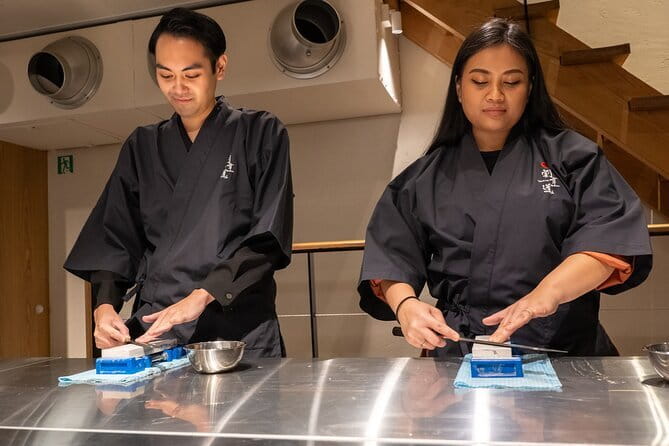
In this small, hands-on Tokyo class, you’ll learn why Japanese knives feel different, then sharpen and use one to cut sashimi. You also get to eat what you make, in the form of zuke-don.
I like that the teaching is practical, not just history talk: you get real time using a knife and practicing cuts. I also love the whetstone sharpening portion, because it’s the one technique you can carry home and keep using.
One consideration: this is a 2-hour format, so you’ll learn a lot fast, but it won’t turn you into a master chopper before lunch.
In This Review
- Key things to know before you go
- Japanese Knife Skills and Sashimi Zuke-don in Two Hours
- Where You Meet in Nishiazabu and What Small-Group Means
- Knife Culture, Custom, and the Demo That Sets the Standard
- Whetstone Sharpening: The Skill You Can Repeat at Home
- Cutting Sashimi and Building Your Own Zuke-don Lunch
- Price and Value: Is $130.78 Worth It?
- Who This Workshop Suits Best (and Who Might Not)
- Should You Book the Tokyo Keen Knife and Sashimi Workshop?
- FAQ
- How long is the Tokyo Keen Japanese Knife and Sashimi Workshop?
- Where does the workshop take place?
- What’s included in the price?
- Do I get to sharpen a knife?
- Do I get to cut sashimi?
- What do you make for lunch?
- How big is the group?
- Is transportation included?
- Do I get a discount at a shop?
- What if my plans change?
Key things to know before you go
- Max 8 travelers means you’ll actually get hands-on time, not just watch from the sidelines
- Chef Naoya + interpreter Hiromi keep the lesson clear and comfortable for foreigners
- You learn both whetsone sharpening and proper sashimi cutting technique
- Lunch is your own tuna zuke-don plus miso soup, with drinks included
- A Kappodo original sake tasting adds a fun, local finish
- You leave with a participation certificate and 10% off shop items on the same day
Japanese Knife Skills and Sashimi Zuke-don in Two Hours
If you’re curious about Japanese knives, this workshop is a smart way to start. You don’t just look at tools—you learn the habits behind the tools, then apply them. That matters, because good slicing is mostly about angle, grip, and patience, not brute force.
The pace is intense in a good way: you begin with knife culture and basics, move into watching expert technique, then get cutting yourself. After that, you sharpen with a whetstone while the fish is marinating, and finish by building a bowl you’ll eat immediately.
For me, the biggest “aha” is how much control shows up even when the task looks simple. Cutting sashimi is delicate work, and you’ll see quickly that Japanese knife skills are about consistency. In two hours, you’ll get enough clarity to understand what you’re doing—and why.
Readers also shortlisted these Tokyo bookings:
- Sushi Making Tokyo Roll and Authentic Japanese Sushi Class
★ 5.0 · 3,971 reviews - Tokyo: Roll and Authentic Sushi Making Class in Asakusa
★ 4.9 · 1,957 reviews - Tokyo Shinjuku Chopsticks Making Class
★ 5.0 · 1,763 reviews - Tokyo: Sushi Making Class in a Happi Coat near a Famous Spot
★ 4.9 · 1,377 reviews
Where You Meet in Nishiazabu and What Small-Group Means
You meet at Kappodo’s HQ area in Nishiazabu (Minato City), at the Tokyo D kitchen studio/cooking workshop space. The address is in the DK building in that neighborhood, and it’s listed as near public transportation—so you won’t need to plan private rides just to get there.
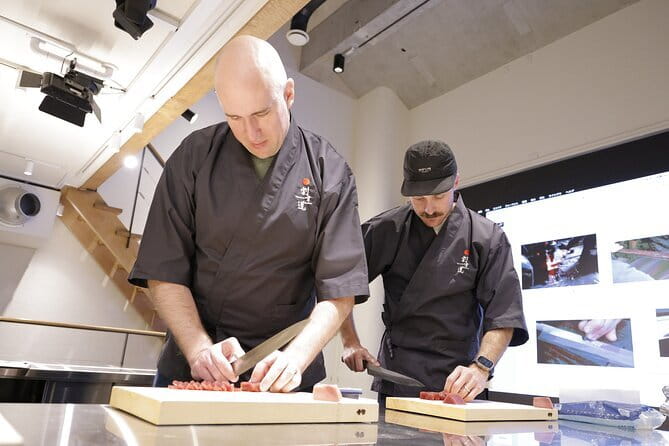
The class caps at 8 people, which changes everything. With a smaller group, instructors can correct your grip and cutting angle on the spot. You also get a less staged feel; it’s not a theater show, it’s a workshop where you practice.
Timing also helps your planning: it runs about 2 hours, and you’ll end back at the start point. For scheduling in Tokyo, that’s a bonus—short enough to fit between other plans, long enough to feel like you learned something real.
Knife Culture, Custom, and the Demo That Sets the Standard
The lesson starts with an explanation of how a Japanese knife is made and what knife culture looks like in Japan. You’ll hear about the customs around these tools and the mindset that goes with them. Even if you don’t plan to buy a knife on this trip, understanding the culture makes the later technique make more sense.
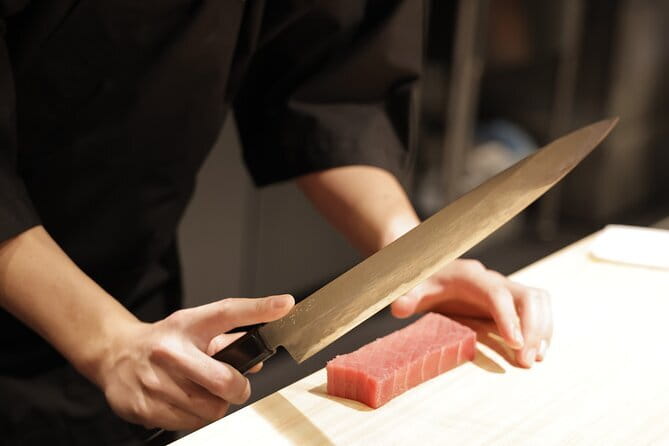
After that foundation, you watch a knife-work demonstration by the instructor. This is where you can observe the “small stuff”—how the blade moves, how the cut is guided, and how the knife is handled without hesitation. Then you get the chance to try it yourself.
Using the knife is the turning point. When you hold a sharp Japanese blade and actually try a controlled cut, you instantly learn why people talk about sharpness differently here. It’s not just that it cuts; it’s that the cutting feels precise.
If you want one clear takeaway from this part, it’s this: the demo isn’t only for entertainment. It sets a standard for what your own practice should aim for.
Whetstone Sharpening: The Skill You Can Repeat at Home
One of the best parts of this workshop is that sharpening isn’t treated like a magic trick. You learn how to sharpen a Japanese knife using a whetstone, and the instructor helps even if it’s your first time.
You sharpen while things are marinating, which makes the class flow well. Instead of waiting around, you’re practicing something useful at the same time you’re learning the food side. That combo—knife care plus knife use—is exactly what makes the course feel complete.
Sharpening is also where the workshop gives you real value after the trip. In Tokyo you can marvel at a chef’s blade, sure. At home, you can still practice the steps: selecting an angle, moving the blade consistently, and understanding how sharpening changes performance.
Just keep expectations grounded: in a two-hour session, you’ll build understanding and confidence, not “master” level consistency overnight. Still, you’ll leave knowing what to focus on, and that’s huge if you’ve never used a whetstone before.
Cutting Sashimi and Building Your Own Zuke-don Lunch
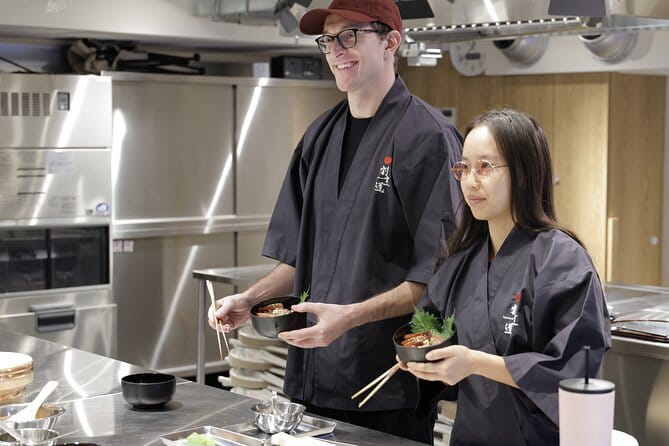
Then comes the part that makes the knife learning feel practical: cutting sashimi. You’ll use a Japanese knife to cut sashimi, and you’ll get a direct sense of how sharpness and technique translate into the final texture.
Zuke-don is next, and it’s a smart learning target because it ties the whole class together. You make a bowl of rice topped with marinated sashimi—often tuna, depending on what’s available. You also learn the structure behind the dish while you’re working toward lunch, so it doesn’t feel like a random cooking detour.
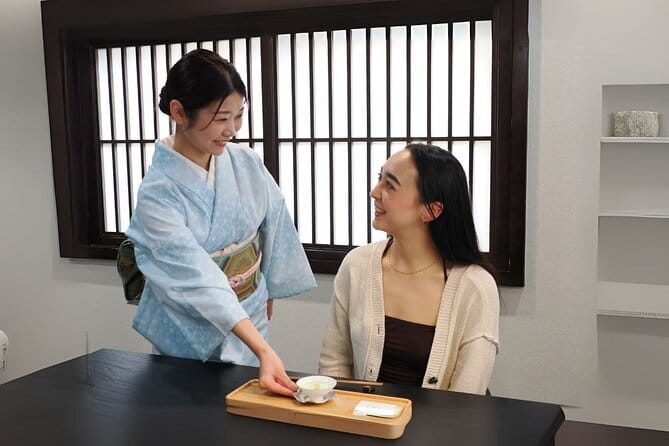
At the end, you eat what you prepared: the tuna bowl you made, miso soup, and drinks are included. There’s also a sake tasting of Kappodo original sake. That’s a nice finishing touch because it turns the class into an actual meal, not a demo you observe and then leave hungry.
If you’re thinking about food value, this is a meal with purpose. You’re not just “getting lunch.” You’re learning why the fish cut matters, then eating it while the lessons are still fresh in your hands and brain.
- Tokyo: Shinjuku Food Tour (13 Dishes at 4 Local Eateries)★ 5.0 · 6,603 reviews
- Tokyo Mt Fuji 5th St & Hakone Cruise Bus Tour w/Bullet Train★ 4.4 · 5,024 reviews
- Flagship 2-Hours Official Street Go-Kart Tour – Tokyo Bay Shop★ 5.0 · 4,974 reviews
- From Tokyo: Mount Fuji Full-Day Sightseeing Trip★ 4.5 · 4,970 reviews
- Tokyo: Hop-On Hop-Off Sightseeing Bus Ticket★ 3.9 · 4,207 reviews
Price and Value: Is $130.78 Worth It?
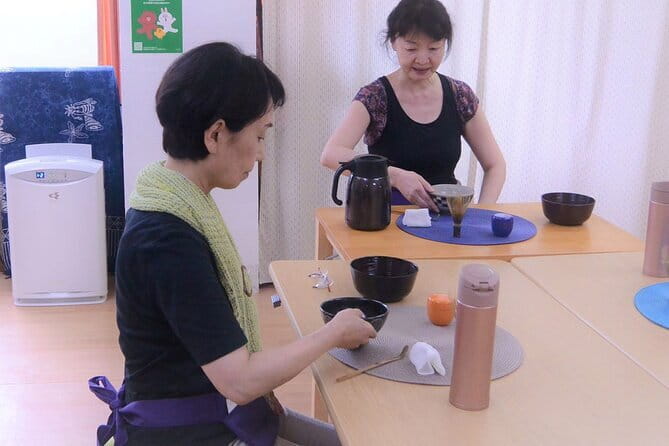
At $130.78 per person for about 2 hours, the price isn’t “cheap,” but it also isn’t just paying for entertainment. You’re paying for tools, instruction, and a structured practice time that most food tours don’t provide.
Here’s what you’re getting that supports the value:
- Tools and aprons are provided
- You get lunch (your zuke-don) plus miso soup and drinks
- You receive a sake tasting
- You get guided sharpening practice and knife cutting practice
- There’s a participation certificate
- You receive 10% off items at the 1F shop on the same day
When I look at workshops like this, I ask one question: do I leave with skills I can use? The answer here is yes—especially the whetstone sharpening guidance and the basics of sashimi cutting control. If you’re already a kitchen tinkerer or you’re shopping for knives later in your trip, this class can sharpen (pun intended) your buying instincts.
One small planning note: the average booking window is about 46 days in advance. That suggests demand is steady, so I’d reserve early if your dates are firm.
Who This Workshop Suits Best (and Who Might Not)
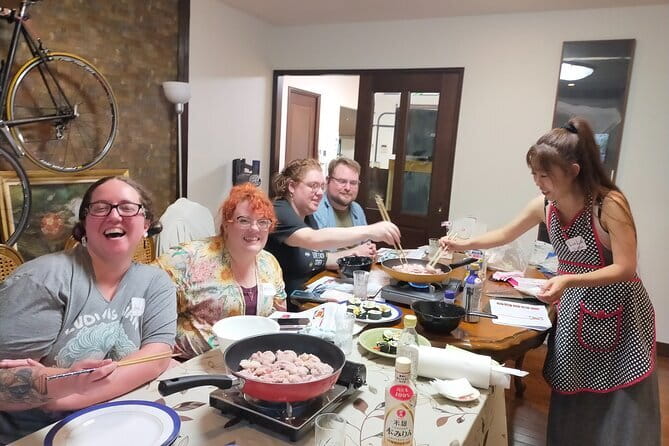
This is a great fit if you want a hands-on Japanese experience that mixes food with tools. It’s also ideal if you learn by doing. You’ll like it if you want to understand what makes Japanese knives special and then put that understanding into practice quickly.
It’s also a strong choice for beginners who are willing to slow down. Many people expect knife courses to be intimidating. The class format, small group size, and the support structure (Chef Naoya with interpreter Hiromi) make it feel manageable.
You might hesitate if you’re only interested in eating and aren’t interested in knife technique. Yes, you’ll enjoy lunch and sake, but the workshop’s core is the knife skills. If you’re looking purely for a restaurant-style sashimi experience, you may get more satisfaction from a meal-focused tour.
Should You Book the Tokyo Keen Knife and Sashimi Workshop?
If you want one Tokyo activity that mixes skills with food, I’d book this. The teaching is hands-on, the group size is small, and you eat the result—zuke-don built from the cutting practice you just learned.
My practical advice: book if you’re curious about Japanese knives, even if you don’t own one yet. The whetstone sharpening piece is the part most people don’t get to try elsewhere. And if you have room in your schedule, the 2-hour format is an easy win.
If you can handle a short, focused session where you practice a lot and ask questions, this is a high-value class for your time in Tokyo.
FAQ
How long is the Tokyo Keen Japanese Knife and Sashimi Workshop?
It runs for about 2 hours.
Where does the workshop take place?
The meeting point is Kappodo HQ / Tokyo D kitchen studio in Nishiazabu, Minato City (DK Building).
What’s included in the price?
Lunch (the zuke-don bowl you make), drinks, a sake tasting, tools and aprons, a tour guide, and a participation certificate are included.
Do I get to sharpen a knife?
Yes. You’ll learn how to sharpen a Japanese knife using a whetstone, with help from the instructor.
Do I get to cut sashimi?
Yes. You’ll watch knife skills demonstrated, then use a Japanese knife to cut sashimi yourself.
What do you make for lunch?
You make zuke-don, a bowl of rice topped with marinated sashimi (often tuna, depending on availability), plus you’ll enjoy miso soup.
How big is the group?
The workshop has a maximum of 8 travelers.
Is transportation included?
Private transportation is not included.
Do I get a discount at a shop?
Yes. You can enjoy 10% off items at the 1F shop on the same day as your workshop visit.
What if my plans change?
You can cancel for a full refund if you cancel at least 24 hours before the experience start time.
More Workshops in Tokyo
- Sushi Making Tokyo Roll and Authentic Japanese Sushi Class
★ 5.0 · 3,971 reviews - Tokyo: Roll and Authentic Sushi Making Class in Asakusa
★ 4.9 · 1,957 reviews - Tokyo Shinjuku Chopsticks Making Class
★ 5.0 · 1,763 reviews - Tokyo: Sushi Making Class in a Happi Coat near a Famous Spot
★ 4.9 · 1,377 reviews - Chopstick Making Workshop in Ginza
★ 4.8 · 1,366 reviews
More Tour Reviews in Tokyo
- Mt Fuji and Hakone 1-Day Bus Tour Return by Bullet Train
★ 5.0 · 26,383 reviews - 1-Day Tokyo Bus Tour
★ 5.0 · 14,250 reviews - Tokyo: teamLab Planets TOKYO Digital Art Museum Entry Ticket
★ 4.6 · 9,779 reviews - Mt Fuji & Hakone Cruise, Drum Show Bullet Train 1 Day from Tokyo
★ 4.0 · 7,413 reviews - Tokyo: Shinjuku Food Tour (13 Dishes at 4 Local Eateries)
★ 5.0 · 6,603 reviews
Latest Tokyo reviews off our desk






Workshops, compared.
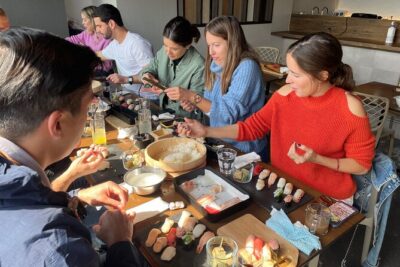 ★ 5.0Sushi Making Tokyo Roll and Authentic Japanese Sushi ClassFrom $593,971 reviews
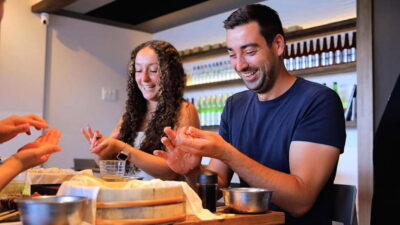 ★ 4.9Roll and Authentic Sushi Making Class in AsakusaFrom $581,957 reviews
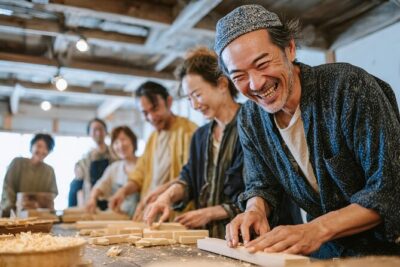 ★ 5.0Tokyo Shinjuku Chopsticks Making ClassFrom $201,763 reviews
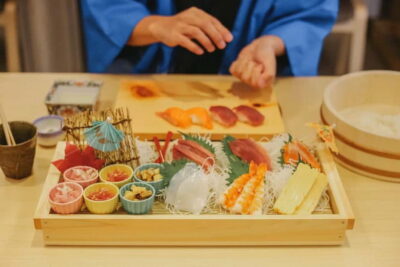 ★ 4.9Sushi Making Class in a Happi Coat near a Famous SpotFrom $421,377 reviews
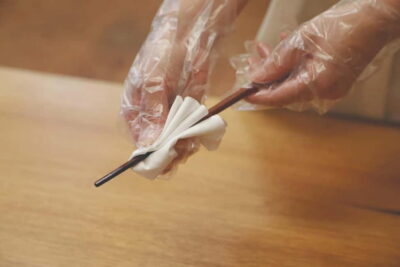 ★ 4.8Chopstick Making Workshop in GinzaFrom $251,366 reviews
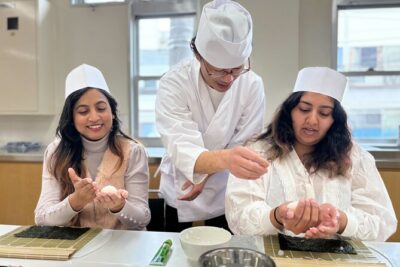 ★ 5.0Tokyo Sushi Making Class in Tsukiji with Professional ChefFrom $491,177 reviews
 ★ 5.0Ramen & Gyoza Cooking Class in Tokyo with Local Supermarket VisitFrom $122823 reviews
 ★ 5.0Matcha Making Class in Tokyo with Authentic Japanese Sweets SetFrom $21744 reviews
Browse the lists this tour appears in