
Reviewed · WORKSHOPS
Tokyo: Knife Making Workshop (Sharpening, Engraving)
Tokyo can be surprisingly practical. This knife workshop turns that practicality into something you can hold, use, and show off. You choose a blade style, grind it with careful technique, and finish with a handle you personalize—while learning how Japanese knives and swords earned their reputation.
I especially like the teaching style. English-speaking guides such as Agata and Mori (and the team that includes Lisa and Joe in some sessions) keep things hands-on, correct your movements politely, and help you get to a real result, not just a souvenir project.
One thing to consider: the class is 90 minutes of focused work, and steeper knife upgrades can add cost if you go for larger styles like usuba, deba, or petit yanagiba.
In This Review
- Key highlights worth your attention
- Finding BUB Activity Center on Asakusa’s Heiwa Building
- Your first 10 minutes: haori, name badge, and tea
- Choosing your knife: up to five options and real kitchen logic
- The history lesson that actually helps your hands
- Sharpening: the meditative part, with corrections that help
- Engraving your name in Japanese, then attaching the handle
- The snacks, packaging, and the “take-home” moment
- Price and value: what $161 buys you, and what costs extra
- Logistics that matter: timing, non-participants, and shipping your knife box
- Who this workshop fits best (and who might hesitate)
- Should you book the Tokyo knife sharpening and engraving workshop?
- FAQ
- How long is the knife making workshop?
- How much does the workshop cost?
- What do I get to take home?
- Can I engrave something on the handle?
- Are there extra charges for certain knives?
- What language is the instruction in?
- Is the workshop beginner-friendly?
- Can someone come to watch instead of participate?
- What should I do with the knife box after the class?
Key highlights worth your attention
- Asakusa location on the 5th floor: easy to reach area, elevator access at the Heiwa Building
- Haori + name badge start: you’re set up right away with a lightweight jacket to protect clothes
- Knife choice from up to 5 styles: select the blade and size that fit your kitchen goals
- Sharpening feels meditative: slow, tactile grinding with guidance and corrections
- Engraving your name in Japanese: a personalized handle you can make truly yours
- Take-home value: you leave with a crafted knife plus aesthetic packaging and snacks
Finding BUB Activity Center on Asakusa’s Heiwa Building
Your session starts at BUB Activity Center in Asakusa (Taito-ku), inside the Heiwa Building. The key practical detail: you’ll take the elevator up to the 5th floor. That matters because Asakusa has plenty of lanes and buildings with similar storefront vibes—elevators and floors are how you avoid wasting time.
Once you’re inside, the experience is designed to get you comfortable fast. You’re not thrown into tools right away. The crew gets you set up and oriented with Japanese basics in a way that doesn’t feel like homework. Staff assistance is part of the package, and the whole point is to make something technical feel doable.
This is also a good location if you’re spending time in central Tokyo. You can fit it into a day that includes sightseeing and food shopping around Asakusa without needing a complicated transfer.
Readers also shortlisted these Tokyo bookings:
- Sushi Making Tokyo Roll and Authentic Japanese Sushi Class
★ 5.0 · 3,971 reviews - Tokyo: Roll and Authentic Sushi Making Class in Asakusa
★ 4.9 · 1,957 reviews - Tokyo Shinjuku Chopsticks Making Class
★ 5.0 · 1,763 reviews - Tokyo: Sushi Making Class in a Happi Coat near a Famous Spot
★ 4.9 · 1,377 reviews
Your first 10 minutes: haori, name badge, and tea
Before sharpening begins, the workshop does a smart thing: it protects your clothes and creates a small ritual. You put on the light version of haori provided by the crew. It’s there for an obvious reason—tiny accidental stains happen around metal and polishing—but it also keeps the mood calm and “you belong here.”
Then you get a unique badge with your name written in Japanese letters. This is a small detail, but it sets the tone for the cultural side of the workshop. The experience isn’t only about grinding and assembling. It’s also about learning what the tools mean and why people care.
After that comes a simple break with tea or juice (soft drinks are available too). You’ll usually get a short cultural introduction during this time, which helps you understand what you’re doing before your hands get busy. It’s the kind of pacing that keeps beginners from feeling behind.
Choosing your knife: up to five options and real kitchen logic
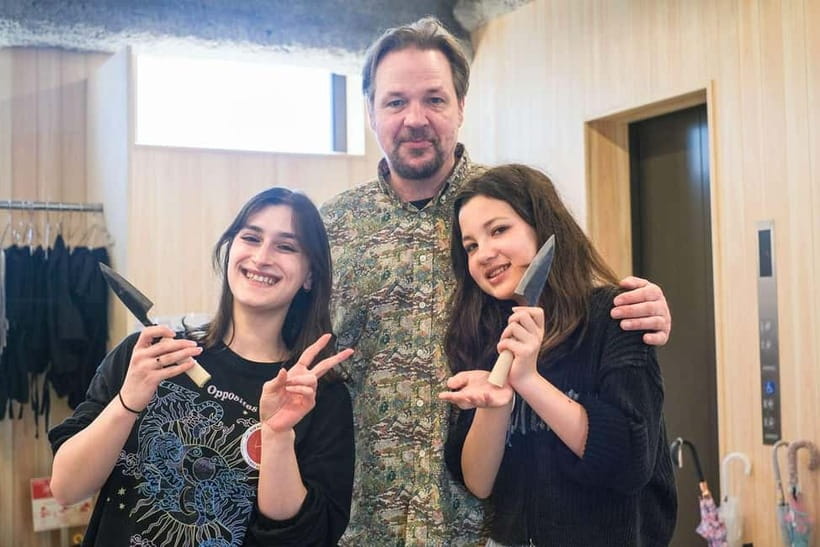
This is where the workshop earns its place in a Tokyo itinerary, because you don’t just sharpen a random blade. You choose the type of knife you want to sharpen that day, and the setup includes standard take-home knife as the base experience.
You can select from up to 5 types of knives. Some of the options may require a small additional charge, which gives you room to match your interests to your budget. If you want to keep it simple, you can stick with the included standard knife concept. If you’re the type who already knows you’ll appreciate a specific form, you can upgrade.
The workshop also guides you through the “why” of different kitchen knives: how they’re shaped, what they’re used for, and how that connects to Japanese knife traditions. In other words, it’s not just sharpening for the sake of sharpening. It’s sharpening with context.
One note for decision-making: if you’re shopping after the class, you’ll understand what to look for in stores. That’s especially helpful in Japan, where it’s easy to see a beautiful knife and not know what difference the design actually makes in the kitchen.
The history lesson that actually helps your hands
Many workshops toss you a quick story at the start. This one gives you enough background to make the sharpening feel intentional.
You learn about the history of Japanese knives and swords, including the distinction between Japanese swords and western sword traditions. It’s not a museum lecture. The goal is to make the materials and methods you’re using feel less mysterious and more grounded.
This matters because technique changes when you know what you’re trying to preserve. When you understand the cultural “why,” the metal work stops feeling like random sanding. You start noticing how small changes in angle and pressure affect the results you see.
English is supported throughout, and the guides are friendly with questions. People with no background in blades leave with a clearer mental map of how Japanese knife culture developed.
Sharpening: the meditative part, with corrections that help
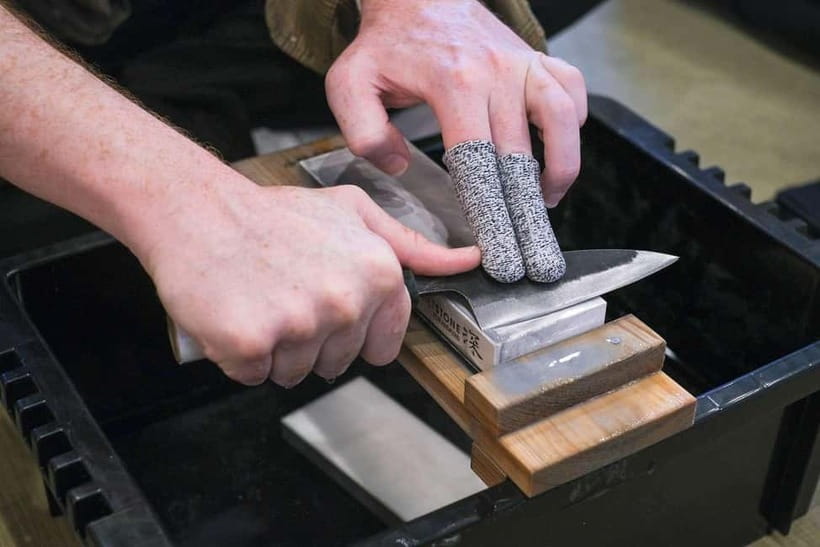
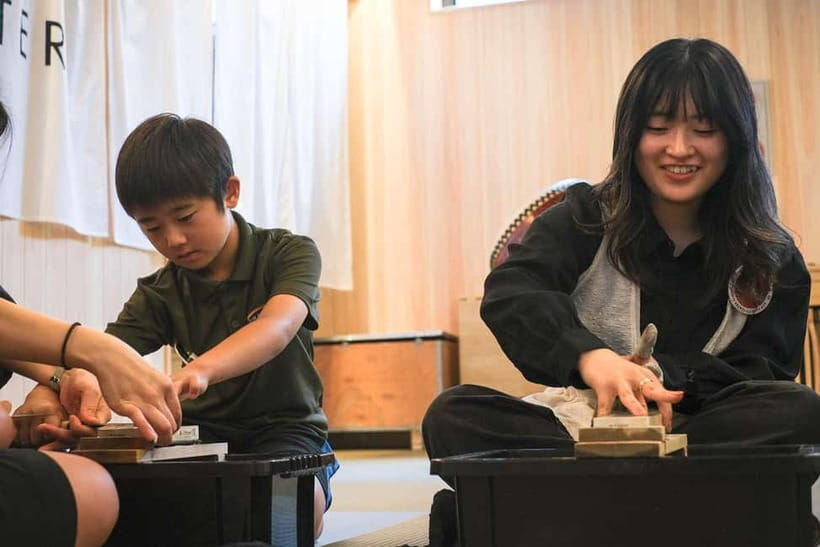
Now the hands-on work begins. You sit down and follow the guides as you sharpen your chosen blade. The process is described best as tactile and meditative—not because it’s effortless, but because it forces attention.
Sharpening is also where you quickly learn that concentration beats speed. Your guides stay close, watch your movements, and help correct technique. That kind of coaching is a big deal for beginners. Without it, sharpening classes can become a frustrating “try your best” exercise where the final result looks random.
In sessions led by staff like Agata or Mori, the energy tends to be upbeat but focused. They encourage you, but they also check what you’re doing and adjust where needed. That combination is why so many people end up feeling proud of their final knife rather than just amused.
Practical expectations:
- You’ll spend time learning the motion and pacing rather than only grinding.
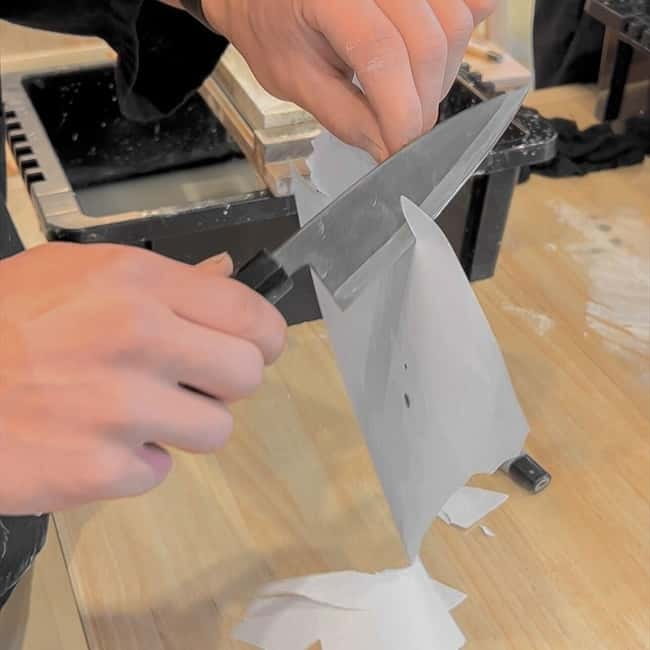
- You’ll see changes in the blade as work progresses, which makes the time feel productive.
- It can be harder work than you expect, especially if you haven’t used steady two-hand tool technique before.
If you’ve ever wanted that calm, handcraft vibe—something between cooking practice and woodworking—this is the portion that delivers.
- Tokyo: Shinjuku Food Tour (13 Dishes at 4 Local Eateries)★ 5.0 · 6,603 reviews
- Tokyo Mt Fuji 5th St & Hakone Cruise Bus Tour w/Bullet Train★ 4.4 · 5,024 reviews
- Flagship 2-Hours Official Street Go-Kart Tour – Tokyo Bay Shop★ 5.0 · 4,974 reviews
- From Tokyo: Mount Fuji Full-Day Sightseeing Trip★ 4.5 · 4,970 reviews
- Tokyo: Hop-On Hop-Off Sightseeing Bus Ticket★ 3.9 · 4,207 reviews
Engraving your name in Japanese, then attaching the handle
Once the sharpening phase creates the foundation, the workshop shifts to personalization. You get to engrave your name in Japanese on the handle. This is not a “stamp it and done” moment. Engraving takes patience, and it’s also where the design becomes personal art.
You can also engrave a picture or something else within what the setup allows. The crew helps if you want to keep it simple or improve what you’re attempting. If you care about calligraphy-style accuracy, the staff instruction makes it much easier than trying to guess character shapes on your own.
After engraving comes a satisfying step: attaching the handle. You’ll assemble it using a traditional hammer method. This is one of those workshop moments where you can hear the work as much as you see it. The result becomes more than a souvenir because you’re building the knife structure yourself.
At this stage, you’ll likely appreciate how the guides balance structure and creativity. They give a path to follow, but they leave room for you to make the knife reflect your name and taste.
The snacks, packaging, and the “take-home” moment
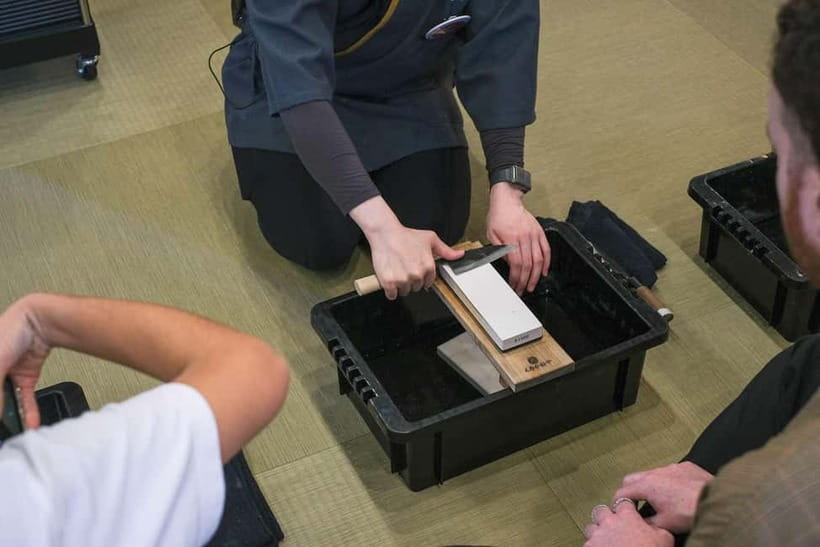
Finishing doesn’t mean you rush out. The workshop wraps with aesthetic packaging, plus Japanese snacks and tea. It’s a small hospitality touch, but it also makes the take-home item feel like something you earned.
Included in the experience are:
- A standard size knife (described as multi-tasking) to take home
- The customized crafting experience
- Japanese snacks and drinks
- Bilingual staff assistance
- Aesthetic packaging
- A customized key-holder with a unique design
That last item is surprisingly thoughtful. If you’re traveling and don’t want a huge second souvenir, a key-holder is easy to pack and easy to use. And it adds another layer of “this felt personal” to the whole day.
Price and value: what $161 buys you, and what costs extra
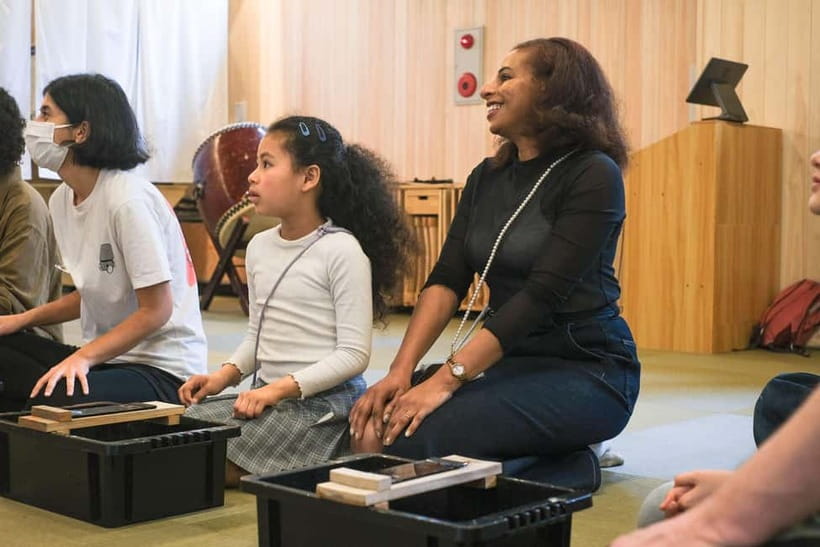
At $161 per person, the price is easiest to judge by what you actually leave with. You’re not paying only for class time. You’re paying for:
- A take-home knife (standard multi-tasking size)
- A guided process that includes sharpening and assembly
- Personal engraving
- Packaging, snacks, drinks, and a customized key-holder
- English-speaking support throughout
That’s why it can feel like good value compared to experiences that give you only a short demo and a tiny craft.
The main cost consideration is optional upgrades. The workshop notes additional fee for bigger knife types, specifically usuba, deba, and petit yanagiba. If you’re the type who wants a specialty knife style, plan for that. If you just want to learn the skills and take home a solid general-purpose tool, you can often keep the spending under control by sticking with the included blade.
Also remember: transportation and meals are not included. In practice, that means you’ll want to plan food outside the workshop time.
Logistics that matter: timing, non-participants, and shipping your knife box
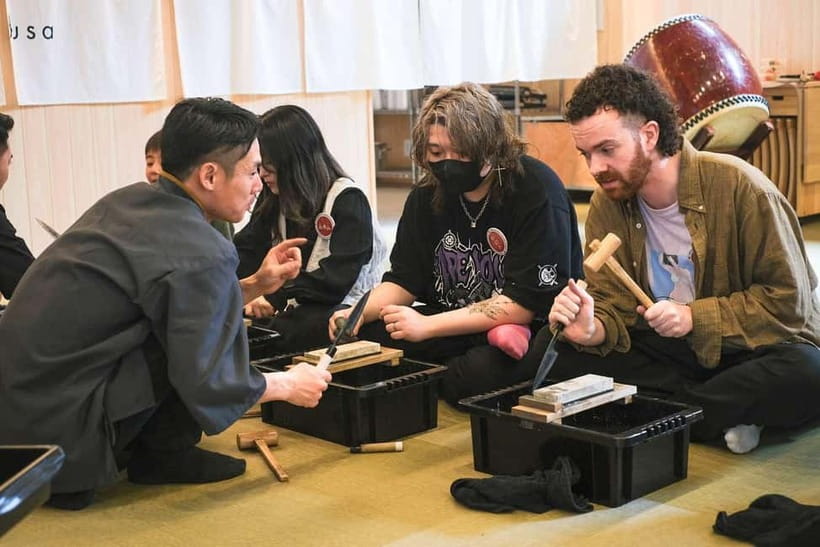
The activity runs about 90 minutes, so treat it as a focused block, not a casual wander-and-pop-in. It’s beginner-friendly, and there’s no prior experience required, but you’ll still want to be mentally present.
If you’re not traveling solo, note that you can bring someone to observe. The workshop has an observation ticket option, and if your friend or family member comes along to watch, there’s an observation fee on site. This is a practical detail. If both people want hands-on learning, you’ll need separate participation bookings.
One logistics detail that travel-saves real headaches: you should put your knife box into check-in luggage or ask the staff to ship it. That’s important. Knives plus airports can get tricky, and this workshop is aware of that risk.
Finally, note the rules: alcohol and drugs aren’t allowed. It keeps the tools environment safer and the class tone more consistent.
Who this workshop fits best (and who might hesitate)
I think this experience is strongest for:
- People who want a hands-on skill they can use later (sharpening technique and basic care)
- Anyone who loves cooking and wants a better understanding of Japanese knife styles
- Beginners who want guidance and corrections rather than self-taught frustration
- Travelers who like cultural depth without long lectures
You might hesitate if:
- You hate focused tasks and prefer sightseeing over hands-on work
- You’re trying to squeeze in the workshop as a last-minute stop without enough time to concentrate
- You’re on a tight budget and want to avoid any potential upgrade fees
That said, even when you keep it within the included standard knife path, you still get personalization through Japanese engraving and the satisfaction of assembly.
Should you book the Tokyo knife sharpening and engraving workshop?
Yes, you should seriously consider booking it if you want a Tokyo souvenir with function. This is the rare class where the end product is a tool, the process teaches you something useful, and the cultural context gives meaning to the metal work.
I’d especially recommend it if you value strong staff support. Multiple sessions highlight guides who speak excellent English, stay attentive, and correct technique politely. Names that come up include Agata and Mori, with other instructors like Lisa and Joe also mentioned, and the common thread is clear: you’re not left to guess.
If you do book, go in with two priorities: choose a knife type you genuinely care about, and plan for the full 90 minutes of focused sharpening. That’s where the stress-relief vibe shows up, and that’s also where the quality of your final knife takes shape.
FAQ
How long is the knife making workshop?
The experience lasts about 90 minutes (about 1.5 hours).
How much does the workshop cost?
The price listed is $161 per person.
What do I get to take home?
You take home a standard size knife (described as multi-tasking), plus an aesthetic package, Japanese snacks and drinks during the class, and a customized key-holder.
Can I engrave something on the handle?
Yes. You can engrave your name in Japanese on the handle. You can also engrave a picture or something else your imagination allows within the workshop guidance.
Are there extra charges for certain knives?
Some larger knife types may have an additional fee, including usuba, deba, and petit yanagiba.
What language is the instruction in?
The instructor and guidance are in English, with bilingual staff assistance available.
Is the workshop beginner-friendly?
Yes. It’s suitable for beginners, and no prior experience is required.
Can someone come to watch instead of participate?
Yes. If a friend or family member comes to observe, there is an observation fee on site.
What should I do with the knife box after the class?
You should put the knife box into check-in luggage, or you can ask the staff to ship it.
More Workshops in Tokyo
- Sushi Making Tokyo Roll and Authentic Japanese Sushi Class
★ 5.0 · 3,971 reviews - Tokyo: Roll and Authentic Sushi Making Class in Asakusa
★ 4.9 · 1,957 reviews - Tokyo Shinjuku Chopsticks Making Class
★ 5.0 · 1,763 reviews - Tokyo: Sushi Making Class in a Happi Coat near a Famous Spot
★ 4.9 · 1,377 reviews - Chopstick Making Workshop in Ginza
★ 4.8 · 1,366 reviews
More Tour Reviews in Tokyo
- Mt Fuji and Hakone 1-Day Bus Tour Return by Bullet Train
★ 5.0 · 26,383 reviews - 1-Day Tokyo Bus Tour
★ 5.0 · 14,250 reviews - Tokyo: teamLab Planets TOKYO Digital Art Museum Entry Ticket
★ 4.6 · 9,779 reviews - Mt Fuji & Hakone Cruise, Drum Show Bullet Train 1 Day from Tokyo
★ 4.0 · 7,413 reviews - Tokyo: Shinjuku Food Tour (13 Dishes at 4 Local Eateries)
★ 5.0 · 6,603 reviews
Latest Tokyo reviews off our desk



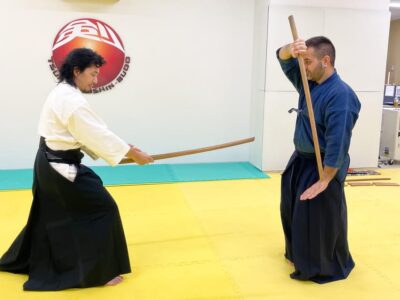

Workshops, compared.
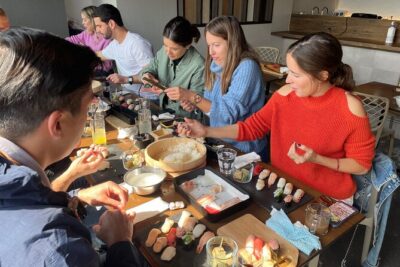 ★ 5.0Sushi Making Tokyo Roll and Authentic Japanese Sushi ClassFrom $593,971 reviews
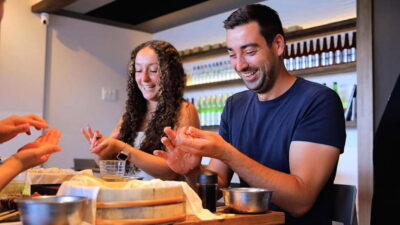 ★ 4.9Roll and Authentic Sushi Making Class in AsakusaFrom $581,957 reviews
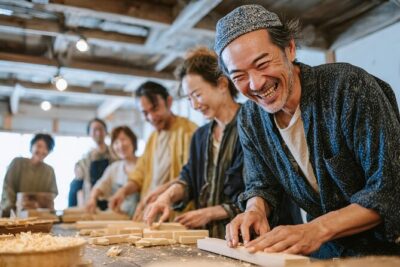 ★ 5.0Tokyo Shinjuku Chopsticks Making ClassFrom $201,763 reviews
 ★ 4.9Sushi Making Class in a Happi Coat near a Famous SpotFrom $421,377 reviews
 ★ 4.8Chopstick Making Workshop in GinzaFrom $251,366 reviews
 ★ 5.0Tokyo Sushi Making Class in Tsukiji with Professional ChefFrom $491,177 reviews
 ★ 5.0Ramen & Gyoza Cooking Class in Tokyo with Local Supermarket VisitFrom $122823 reviews
 ★ 5.0Matcha Making Class in Tokyo with Authentic Japanese Sweets SetFrom $21744 reviews
Browse the lists this tour appears in