
Reviewed · ASAKUSA & SENSOJI TOURS
Tokyo Morning Tour: Meiji Shrine, Asakusa & Fish Market
Tokyo at dawn has a different tempo. This Tokyo Morning Tour strings together Meiji Shrine’s calm, Tsukiji Outer Market’s food energy, and Asakusa’s old-street charm in one 4.5-hour block, and I like how the focus stays on both culture and snacks. I also like that you’re not left guessing—an English guide shares context as you walk through Shinto and temple territory. The one drawback to plan around: it’s a fixed morning route, so you’ll move on before you can linger wherever your curiosity pulls you, and you should expect extra spending beyond the admissions.
You start at IKEA Harajuku (easy to find) and finish in Asakusa, which is a smart way to avoid backtracking. The tour includes entry for Meiji Jingu Shrine, Tsukiji Fish Market, and Senso-ji Temple, plus photos taken during the tour. Guides in this program are known for being active and attentive—people have specifically named guides like Yosuke, Lex, Remu, Ken, and Yo yo—and you may even catch a fire-related ritual depending on timing at the shrine.
In This Review
- Key things to know before you go
- Meeting at IKEA Harajuku: the easiest way to start a Tokyo morning
- Meiji Shrine in the morning: peace, rituals, and Shinto basics
- Tsukiji Outer Market (and the fish market vibe): where your first food lesson happens
- Asakusa for one hour: Senso-ji, shopping strolls, and classic street snacks
- What the included admissions actually buy you
- Price and value: is $83 worth it for 4.5 hours?
- How the guides shape the experience (Yosuke, Lex, Remu, Ken, Yo yo)
- Best for: food lovers, culture seekers, and first-time Tokyo planners
- Should you book this Tokyo Morning Tour?
- FAQ
- What is the duration of the Tokyo Morning Tour: Meiji Shrine, Asakusa & Fish Market?
- Where does the tour start, and where does it end?
- Which stops are included in the itinerary?
- Is the tour offered in English?
- What’s included in the price?
- What is not included?
- Is there free cancellation?
- Can I reserve without paying right away?
- Should You Book This Tokyo Morning Tour?
Key things to know before you go
- Meiji Shrine + Shinto context so the peace isn’t just visual, it’s explained
- Tsukiji Outer Market tastings built around fresh sushi and sashimi opportunities
- Asakusa food stops with classic street bites like croquettes and traditional sweets
- Senso-ji included so you spend time seeing, not queuing for tickets
- Photos + English guide meaning you’ll remember details, not just photos
- Meeting at IKEA Harajuku keeps the start simple and low-stress
Meeting at IKEA Harajuku: the easiest way to start a Tokyo morning
The best Tokyo mornings feel organized without feeling stiff. Starting at IKEA Harajuku is practical because it’s a clear landmark, and you don’t waste your first hour hunting for a meeting point. From there, the schedule is built to move you through three very different parts of the city: shrine calm, market intensity, and Asakusa’s historic lanes.
The total time is 270 minutes (about 4.5 hours). That length matters because it’s long enough to actually experience each stop, not just “photo + sprint.” It’s also short enough that you can still plan the rest of your day without feeling wrecked.
One more practical note: public transportation isn’t included (the tour lists about 550 yen). In Tokyo, that’s usually not the big cost, but it’s worth having cash or a transit card ready so you don’t lose momentum at the start.
More temple mornings in old Asakusa
- Tokyo: Japanese Dance Cabaret Theater Asakusa-Kaguwa Ticket
★ 4.8 · 2,270 reviews - Tokyo: Meiji Shrine, Asakusa, Skytree Bus Tour and Cruise
★ 4.7 · 1,986 reviews - Tokyo: Roll and Authentic Sushi Making Class in Asakusa
★ 4.9 · 1,957 reviews - Tokyo: Asakusa Walking Tour with Sensoji Temple Visit
★ 4.8 · 1,583 reviews
Meiji Shrine in the morning: peace, rituals, and Shinto basics
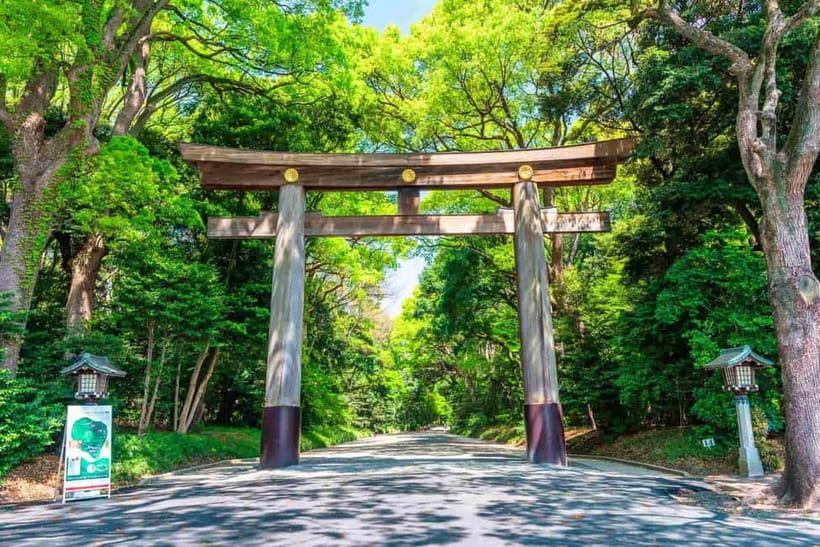
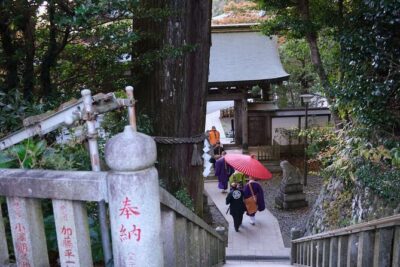
Meiji Shrine is the reset button of the route, and it’s included for admission. You’ll have about one hour here, which is enough time to slow down, take in the setting, and learn what you’re looking at instead of just walking past signs.
What makes this stop especially worthwhile is the cultural framing. Guides have described explaining Shinto practices and the role of spiritual customs during the visit. Some departures also include a chance to watch a fire-related ritual, and if your timing lines up, it’s the kind of moment that makes the whole morning feel more meaningful than a checklist.
Here’s how to make the most of the hour:
- Go with a calm pace. The point is not speed.
- Listen for what your guide says about the shrine setting and etiquette.
- Treat questions as part of the experience—this tour style is built for Q&A.
A short consideration: shrine visits mean you’ll spend your time where sound and movement are naturally controlled. If you prefer constant motion, you may want the rest of the day to be more energetic after this calmer block.
Tsukiji Outer Market (and the fish market vibe): where your first food lesson happens
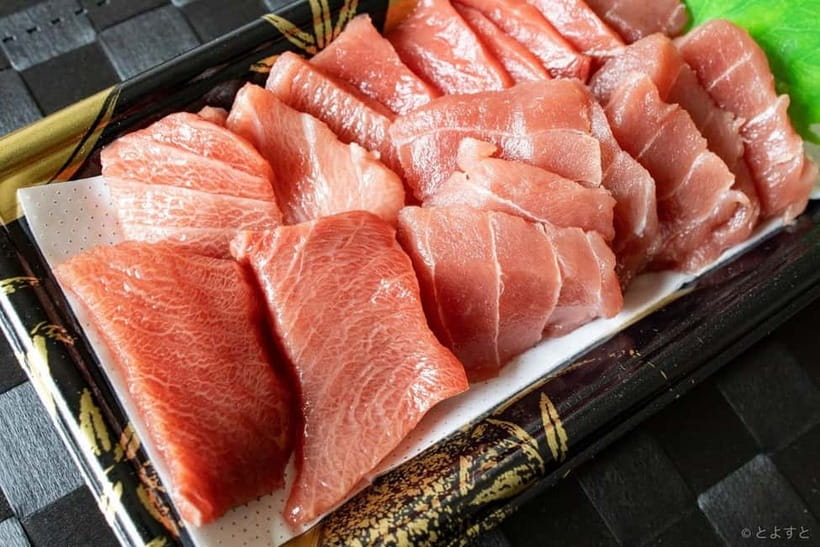
Tsukiji is where Tokyo’s food identity shows up early, and this tour allocates 110 minutes for the Tsukiji Outer Market area. The experience is built around the idea that fresh seafood is best appreciated close to where it moves—so you’ll get chances to taste sushi and sashimi tied to market stalls.
Even if you’re not a seafood superfan, this stop teaches you how to read a market. Your guide’s job here isn’t just pointing at stalls—it’s helping you understand what you’re seeing, what people are buying, and how food culture works in Japan when it’s not wrapped in a restaurant script.
Practical tips for this part:
- Keep your expectations flexible. Market food is fast, varied, and sometimes not everything is offered the same way across stalls.
- Bring an appetite that’s ready to nibble. This is not a single sit-down meal.
- Watch what your group is doing. A guided flow helps you avoid wasted walking.
One more reality check: the tour includes market and shrine admissions, but the money for what you eat depends on what you choose to try. This is the part of the morning where you’ll likely spend extra if you want multiple bites.
Asakusa for one hour: Senso-ji, shopping strolls, and classic street snacks
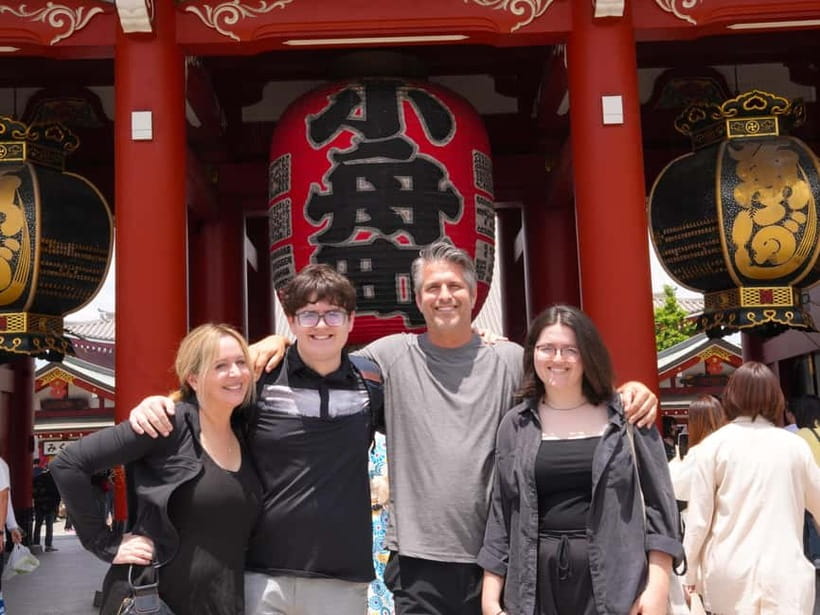
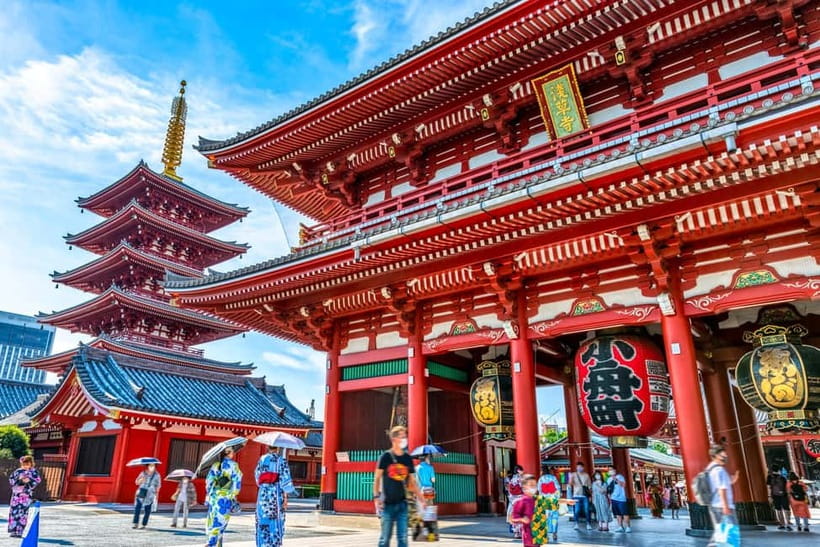
Asakusa is the “Tokyo feels real” stop, and you get about one hour here. Entry is included for Senso-ji Temple, so you can focus on the experience instead of ticket logistics. The guide also gives you historical context so you’re not just treating the area like a theme park.
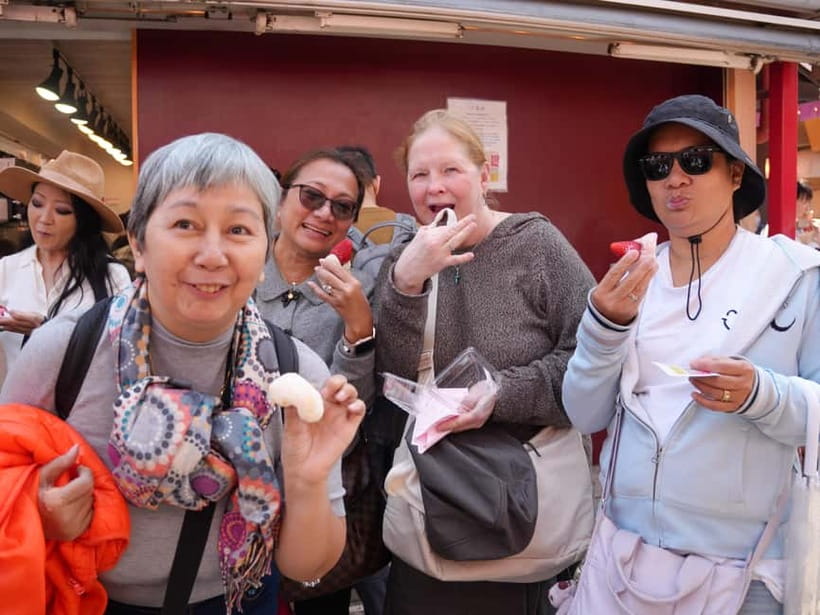
This stop is also food-forward. The highlights call out croquettes and traditional sweets, and that matches how Asakusa shopping streets tend to work: you walk, you snack, you stop when something smells right.
To get value out of a one-hour Asakusa block, I suggest this mindset:
- First, do the temple portion with attention.
- Then switch to browsing mode for food and small purchases.
- Don’t try to see every single corner. Use the guide’s pacing and pick a few things you genuinely want.
Asakusa rewards slower walking and curiosity. If you’re traveling with kids, the pacing usually helps because there are constant sensory stops without requiring a long sit-down meal. Guides on this route have been noted for looking out for families and keeping everyone comfortable, which matters when the route includes both religion and food.
What the included admissions actually buy you
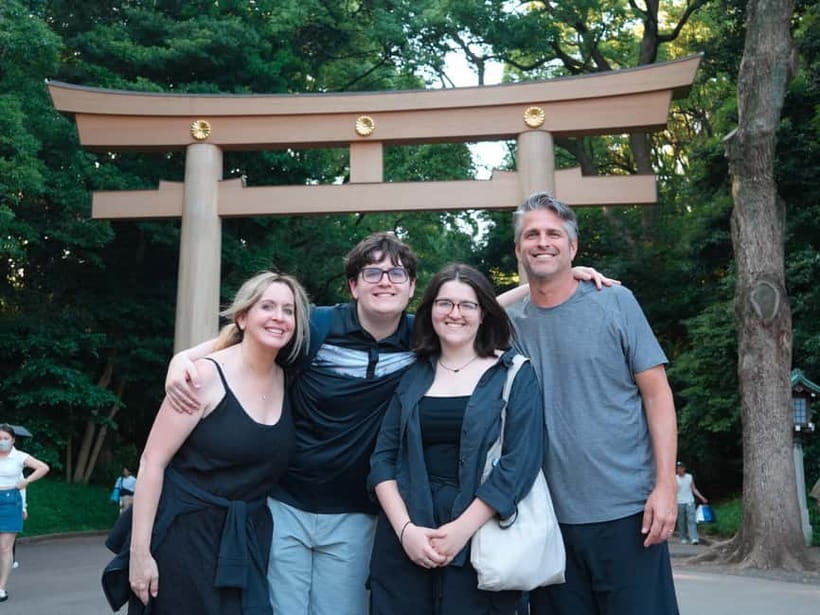
This tour includes entry for three major stops:
- Meiji Jingu Shrine
- Tsukiji Fish Market
- Senso-ji Temple
That’s more valuable than it sounds. In Tokyo, tickets and timed access can add friction. Here, the admissions being handled lets you spend your morning seeing, tasting, and learning instead of worrying about entry costs or whether you’re at the right queue.
Also included:
- An English-speaking guide
- Photos taken during the tour
- Historical insights into the districts
Those “small” inclusions are what turn a wandering morning into a coherent story. Photos help because Tokyo streets can be hard to navigate from memory later. Historical insights help because you’ll recognize patterns: why certain areas became food centers, why shrines are set up the way they are, and how the city’s spiritual geography shows up in daily life.
More quiet hours at Meiji Shrine
- Tokyo: Meiji Shrine Walking Tour — Shinto & Imperial System★ 4.9 · 266 reviews
- Tokyo: Meiji Jingu Shrine and Shinto Culture Walking Tour★ 5.0 · 245 reviews
- Tokyo: Meiji Shrine and Shinto Culture Walking Tour★ 5.0 · 225 reviews
- Tokyo: Meiji Shrine Walking Tour — Shintoism & Imperial System★ 5.0 · 209 reviews
- Tokyo Morning Tour: Asakusa, Meiji Shrine and Tsukiji Fish Market★ 5.0 · 128 reviews
Price and value: is $83 worth it for 4.5 hours?
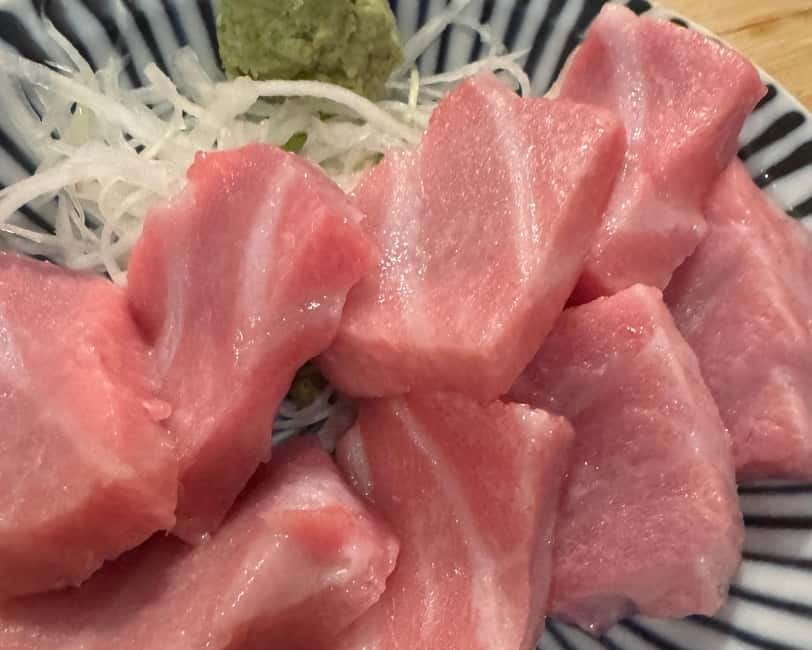
At $83 per person for 270 minutes, the price looks reasonable when you break it down like this: you’re paying for an English guide, multiple admissions, and the structure that links three neighborhoods without forcing you to build a plan from scratch.
What you should expect to add on your own:
- Public transportation (about 550 yen listed)
- Food and drinks during market and street stops (not explicitly included as a set meal)
So, the real question becomes: will you buy at least a couple of bites anyway? If yes, the tour helps you do it with less guesswork. If you plan to eat only a single snack and skip most tasting, you might feel like you paid mainly for walking and explanations.
My practical take: this tour is best value when you want both food and context. If your goal is purely economical sightseeing, you can do parts independently. But if you want a guided morning that feels like Tokyo, the $83 price makes sense.
How the guides shape the experience (Yosuke, Lex, Remu, Ken, Yo yo)
This route lives or dies by the guide energy, and the feedback for this program is strongly focused on that. Names that show up include Yosuke, Lex, Remu, Ken, and Yo yo—and the common thread is clear: they’re active, talk through what you’re seeing, and answer questions without making it feel like a lecture.
You can also get a sense that the guides handle the day with care. People have specifically noted guides taking time with kids, staying patient, and sharing detailed background on religion and culture. That matters because Meiji Shrine and Senso-ji aren’t just pretty stops. If you want to understand how Shinto and Buddhism show up in real-life rituals and spaces, a strong guide turns a short visit into a lasting takeaway.
Also, the guide photo-taking matters. Even if you’re confident with your camera, Tokyo is fast and busy. Getting a few good group shots without stopping the walk is a real quality-of-life perk.
Best for: food lovers, culture seekers, and first-time Tokyo planners
This tour fits best if you want a “morning sampler” of Tokyo:
- You like temples and spiritual context, not just sightseeing photos.
- You want to try sushi and sashimi opportunities in a market setting.
- You enjoy street snacks like croquettes and traditional sweets in historic Asakusa.
It’s also a good choice for first-time planners because it solves the hardest part: sequencing. You’re covering Meiji Shrine, Tsukiji, and Asakusa without stitching together three separate day plans.
Consider skipping (or switching to a different format) if:
- You hate fixed schedules and want long free time at each stop.
- You prefer deep, slow museum-style pacing over quick cultural snapshots.
- You’re trying to keep spending extremely low and don’t want to add any food costs.
Should you book this Tokyo Morning Tour?
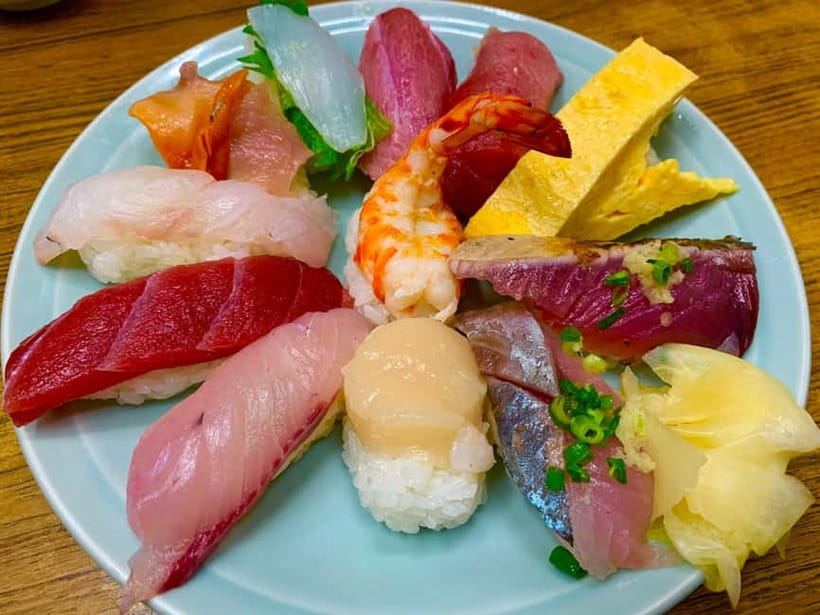
Book it if you want an efficient, guided way to experience Tokyo in layers: spiritual calm at Meiji, market food energy at Tsukiji, and historic street browsing at Asakusa. At $83 with admissions included, it’s strong value if you plan to try a few bites along the way and you appreciate explanations while you walk.
Skip it if you’re the type who prefers to wander with no structure at all. This tour is designed to guide you through a set route—great for first-time visitors, less ideal for people who want total freedom.
FAQ
What is the duration of the Tokyo Morning Tour: Meiji Shrine, Asakusa & Fish Market?
The tour runs for 270 minutes, which is about 4.5 hours.
Where does the tour start, and where does it end?
Meeting is in front of IKEA Harajuku. The tour finishes in Asakusa.
Which stops are included in the itinerary?
You’ll visit Meiji Shrine, Tsukiji Outer Market, and Asakusa, including Senso-ji Temple.
Is the tour offered in English?
Yes. The tour includes an English-speaking guide.
What’s included in the price?
Included are the English guide, photos taken during the tour, historical insights, and entry/admission for Meiji Jingu Shrine, Tsukiji Fish Market, and Senso-ji Temple.
What is not included?
The tour lists that public transportation fare is not included (around 550 yen).
Is there free cancellation?
Yes. You can cancel up to 24 hours in advance for a full refund.
Can I reserve without paying right away?
Yes. It offers a reserve now & pay later option.
Should You Book This Tokyo Morning Tour?
If you want a well-paced morning that mixes meals, temples, and real neighborhood feel, this tour is an easy yes. The included admissions and English guidance do the heavy lifting, and you’ll end in Asakusa ready to keep exploring on your own.
More Tour Reviews in Tokyo
- Mt Fuji and Hakone 1-Day Bus Tour Return by Bullet Train
★ 5.0 · 26,383 reviews - 1-Day Tokyo Bus Tour
★ 5.0 · 14,250 reviews - Tokyo: teamLab Planets TOKYO Digital Art Museum Entry Ticket
★ 4.6 · 9,779 reviews - Mt Fuji & Hakone Cruise, Drum Show Bullet Train 1 Day from Tokyo
★ 4.0 · 7,413 reviews - Tokyo: Shinjuku Food Tour (13 Dishes at 4 Local Eateries)
★ 5.0 · 6,603 reviews
More Meiji Shrine Hours, Rated
- Tokyo: Meiji Shrine, Asakusa, Skytree Bus Tour and Cruise
★ 4.7 · 1,986 reviews - Tokyo Panoramic 1 Day: Meiji Shrine, Asakusa, Odaiba and SKYTREE®
★ 4.5 · 1,222 reviews - Tokyo: Meiji Shrine Walking Tour — Shinto & Imperial System
★ 4.9 · 266 reviews - Tokyo: Meiji Jingu Shrine and Shinto Culture Walking Tour
★ 5.0 · 245 reviews - Tokyo: Meiji Shrine and Shinto Culture Walking Tour
★ 5.0 · 225 reviews
More Mornings in Old Asakusa
- Tokyo: Japanese Dance Cabaret Theater Asakusa-Kaguwa Ticket
★ 4.8 · 2,270 reviews - Tokyo: Meiji Shrine, Asakusa, Skytree Bus Tour and Cruise
★ 4.7 · 1,986 reviews - Tokyo: Roll and Authentic Sushi Making Class in Asakusa
★ 4.9 · 1,957 reviews - Tokyo: Asakusa Walking Tour with Sensoji Temple Visit
★ 4.8 · 1,583 reviews - Tokyo Asakusa Rickshaw Tour
★ 5.0 · 1,375 reviews
Latest Tokyo reviews off our desk

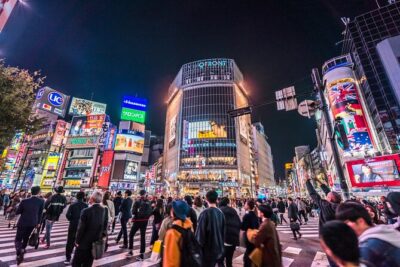
Asakusa & Sensoji Tours, compared.
 ★ 4.8Japanese Dance Cabaret Theater Asakusa-Kaguwa TicketFrom $492,270 reviews
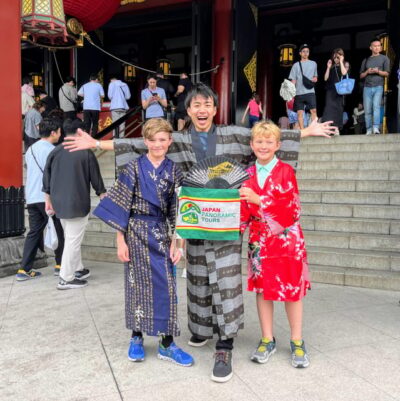 ★ 4.7Meiji Shrine, Asakusa, Skytree Bus Tour and CruiseFrom $1221,986 reviews
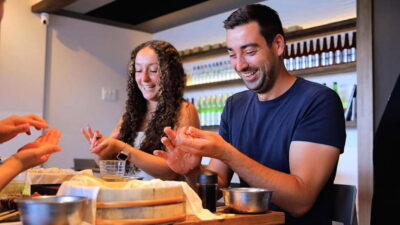 ★ 4.9Roll and Authentic Sushi Making Class in AsakusaFrom $581,957 reviews
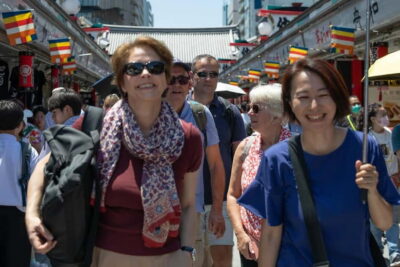 ★ 4.8Asakusa Walking Tour with Sensoji Temple VisitFrom $221,583 reviews
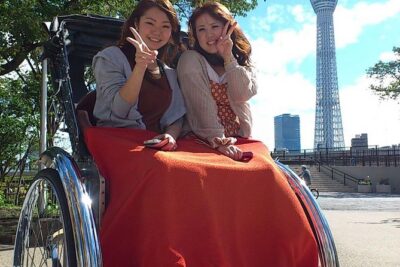 ★ 5.0Tokyo Asakusa Rickshaw TourFrom $421,375 reviews
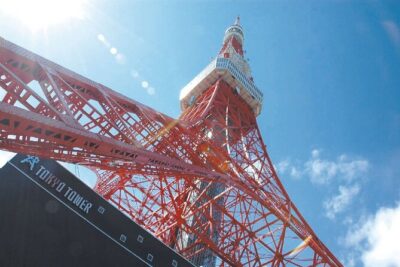 ★ 4.5Tokyo Panoramic 1 Day: Meiji Shrine, Asakusa, Odaiba and SKYTREE®From $851,222 reviews
 ★ 5.0Tokyo Go Kart: Asakusa, Skytree, and Akihabara **IDP MUST**From $99988 reviews
 ★ 4.7Asakusa, Skytree & Akhihabara Go-Kart City ExperienceFrom $96761 reviews
Browse the lists this tour appears in