
Reviewed · SUSHI MAKING CLASSES
Tokyo Professional Sushi Chef Experience
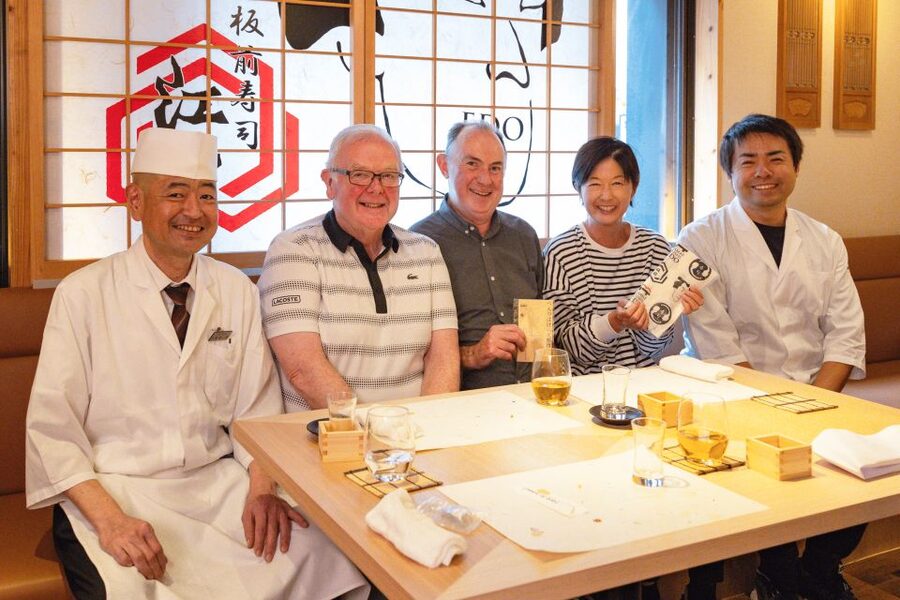
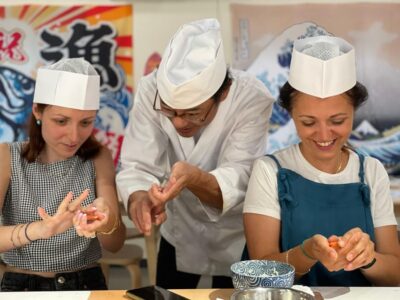
Tokyo sushi lessons move fast. In this 2-hour class with a 30-year itamae, I love learning with fresh wasabi and getting the shari feel for hands-on nigiri. You’re not just watching, you’re making sushi step by step in a real Tokyo setting.
One thing to consider: it’s not suitable for kids under 10, and the restaurant has rules like no smoking indoors and no strong fragrances.
In This Review
- Key points to know before you go
- Why a Tokyo Itamae Class Beats Generic Sushi Lessons
- The 2-hour Flow: From Fresh Wasabi to Perfect Shari
- Your Hands-on Station: Hand-rolled Nori and Nigiri Skills
- Fish Prep Demonstrations and Your Sushi Tastings
- Wakame Udon and a Complimentary Drink That Actually Fits the Meal
- Vegetarian and Allergy-friendly Options Without Losing the Point
- What You’re Really Paying for: $161 for Skills, Not Just Sushi
- Small Group Size and English Guidance That Keep It Enjoyable
- Who Should Book This Sushi Chef Experience
- Practical Tips So You Can Focus on Learning
- Should You Book This Sushi Chef Experience?
- FAQ
- How long is the Tokyo Professional Sushi Chef Experience?
- How many people are in the group?
- Is the class taught in English?
- What sushi techniques and items will I learn or make?
- Do you offer vegetarian or allergy-friendly options?
- Is udon and a drink included?
- What’s included in the price?
- Are there any restrictions inside the restaurant?
Key points to know before you go
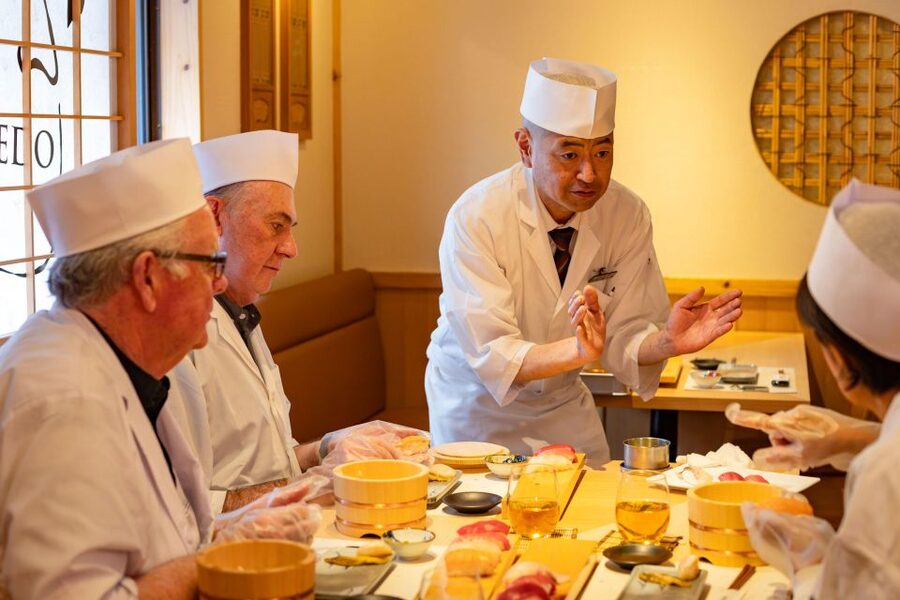
- A true itamae-led class: instruction comes from a master sushi chef with 30 years of experience
- Real wasabi and shari practice: you grate fresh wasabi and learn how to season sushi rice
- You make multiple sushi styles: hand-rolled nori and nigiri-style pieces, plus a full tasting
- Fish prep is shown live: watch professional fish preparation and sushi technique demos
- Udon and a complimentary drink: wakame udon plus a drink like beer, sake, cola, or green tea
- Small group format (max 8): English interpretation support keeps it manageable and interactive
Why a Tokyo Itamae Class Beats Generic Sushi Lessons
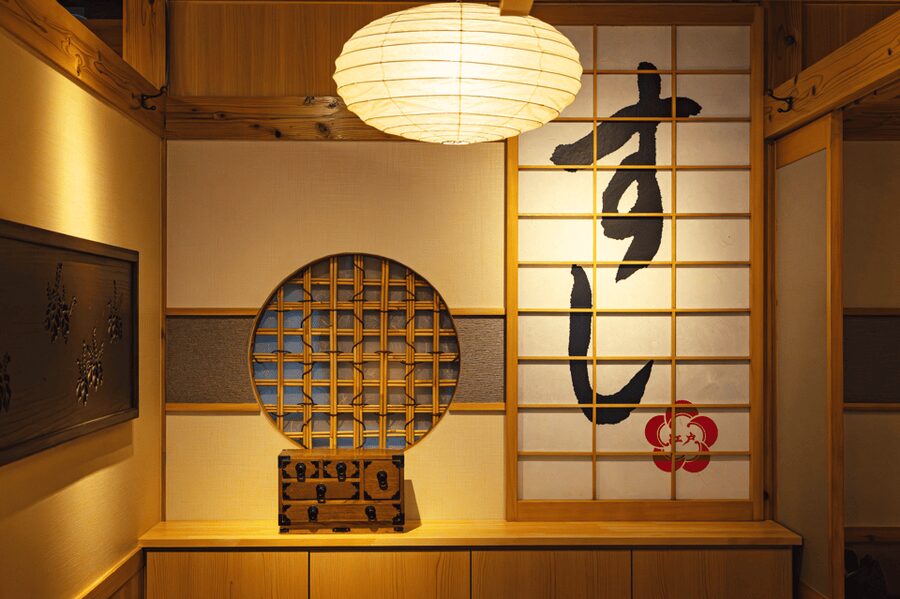
If you want sushi skills that actually stick, this kind of class matters. You’re in a real Tokyo restaurant atmosphere, not a classroom demo. That gives the lesson a sharper focus and a more practical flow.
The biggest win for me is the instructor style. You’re guided by an itamae, a master sushi chef with 30 years of experience, and you get interpretation support in English. In a small group limited to 8 people, you can ask questions and get feedback without feeling lost.
You’ll also notice the pace is designed for learning, not just feeding. The course is built around techniques you can repeat later, from grating wasabi to shaping sushi rice into something that holds together.
More sushi counters to book, ranked
- Tokyo: Roll and Authentic Sushi Making Class in Asakusa
★ 4.9 · 1,957 reviews - Make Sushi and Create Unforgettable Memories in Tokyo
★ 5.0 · 1,413 reviews - Tokyo: Sushi Making Class in a Happi Coat near a Famous Spot
★ 4.9 · 1,377 reviews - Tokyo Sushi Making Class in Tsukiji with Professional Chef
★ 5.0 · 1,177 reviews
The 2-hour Flow: From Fresh Wasabi to Perfect Shari
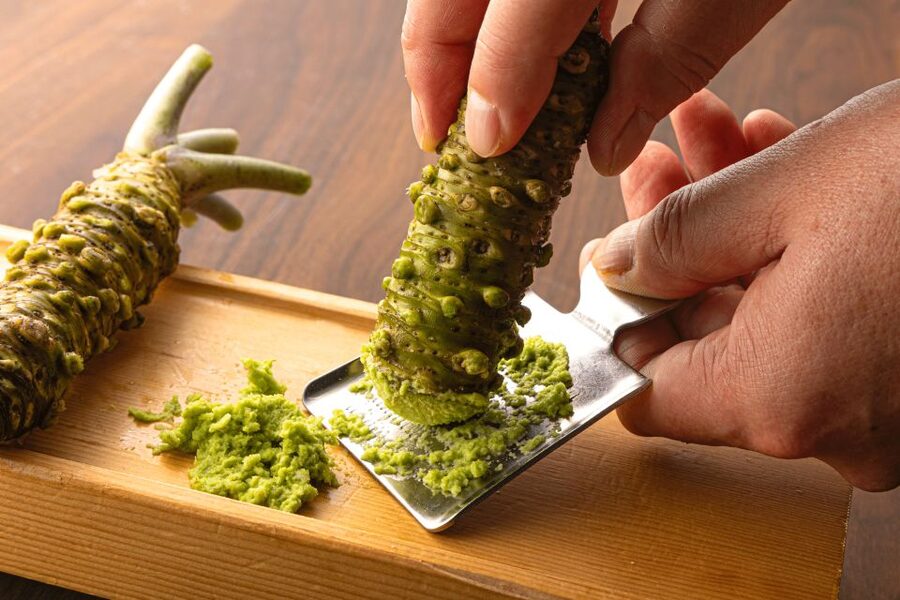
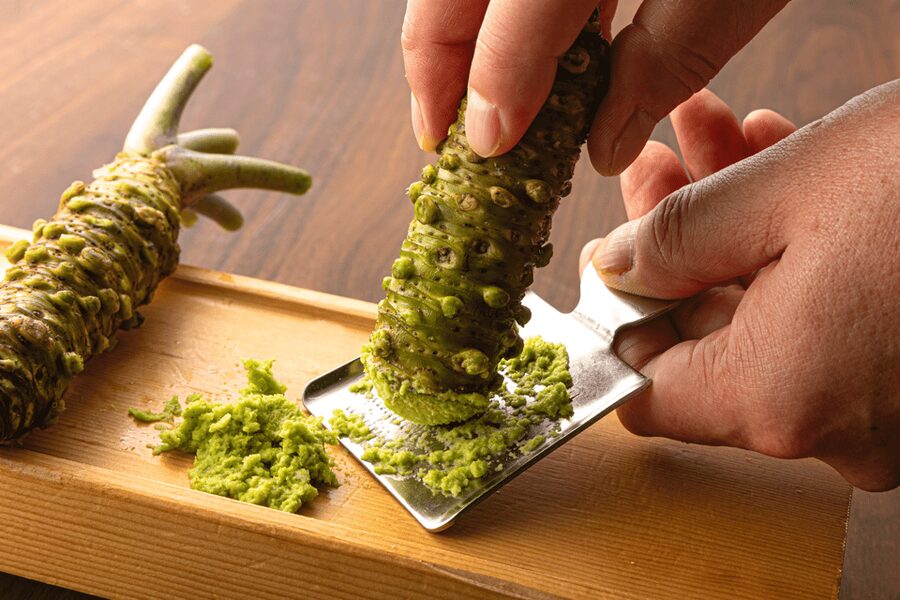
Plan on the session moving in a clear sequence. It starts with a hands-on technique that many people only ever see in photos: grating fresh wasabi. This is one of those skills that instantly changes how you understand sushi. Fresh wasabi has a different bite than what you get in packets, and you’ll taste the difference while you learn.
Next comes the core of sushi: the rice. You’ll prepare sushi rice and learn the secrets of shari, meaning how the rice is seasoned and handled so it stays glossy and cohesive. This part is more important than people think. Great sushi rice makes even simple toppings taste better, and it’s the base you’ll be recreating later.
As you work, you’re also learning the small handling habits that make sushi rice behave. Expect guidance on how to keep the rice texture right while you move through the rest of the class.
Your Hands-on Station: Hand-rolled Nori and Nigiri Skills
After wasabi and shari, the class turns practical. You’ll make hand-rolled sushi using premium nori. This is where the lesson starts turning into muscle memory. Rolling nori isn’t hard, but doing it neatly takes a feel for pressure and alignment, and that’s exactly what a guided class can teach.
Then comes forming sushi pieces in the nigiri style. You’ll practice the technique of shaping and building so the fish sits correctly on the rice. This is also a time when you’ll learn how to correct mistakes before they become a habit.
A nice detail here is that the instruction is not just technique. You also learn the reasoning behind the steps, so you understand why the rice is handled a certain way and why the final form matters for eating.
Fish Prep Demonstrations and Your Sushi Tastings
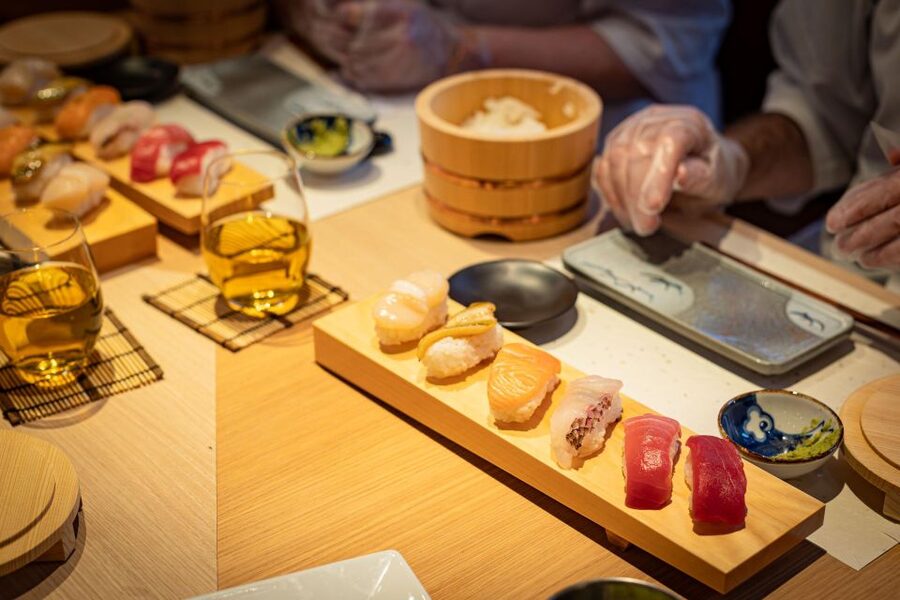
One of the most valuable parts of this experience is that you don’t only work with finished ingredients. You also watch professional demonstrations of fish preparation and sushi techniques. Even if you only plan to cook at home, seeing the process close-up helps you respect what goes into sushi.
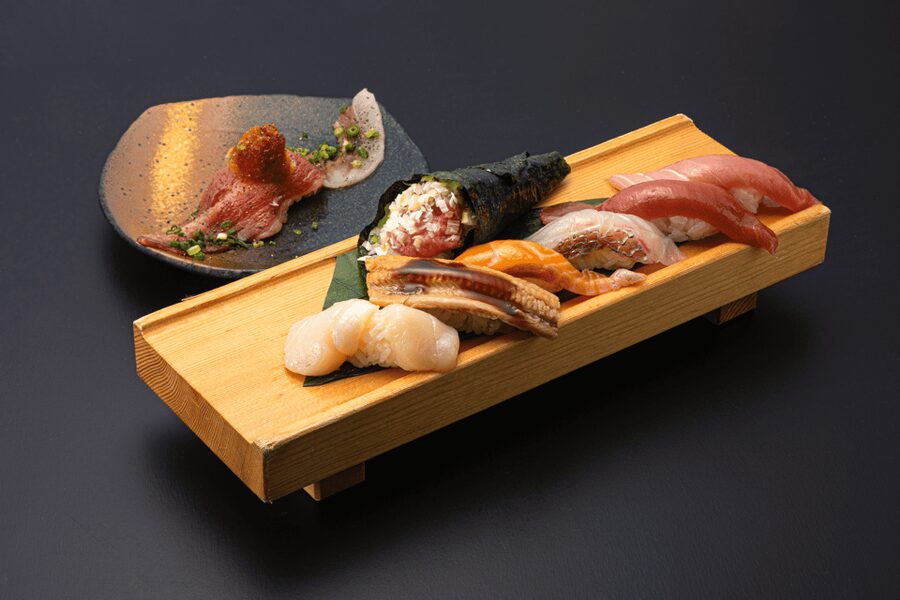
Then you get to put that knowledge into practice through making and tasting a set of classic options, including uni, negitoro, hirame, kuruma-ebi, chutoro, and akami sushi. You’ll taste what you make, which makes the lesson land fast. It also helps you figure out what you genuinely like, instead of relying on menus or guesswork.
If you’re unsure about eating raw fish, you can still enjoy the class for technique and tasting structure, but you should think about your comfort level ahead of time. This isn’t just a cooking workshop with cooked food only.
Also, because the group stays small, the chef can adjust explanations and pace as needed. That’s a big deal when you’re learning several steps in one sitting.
Wakame Udon and a Complimentary Drink That Actually Fits the Meal
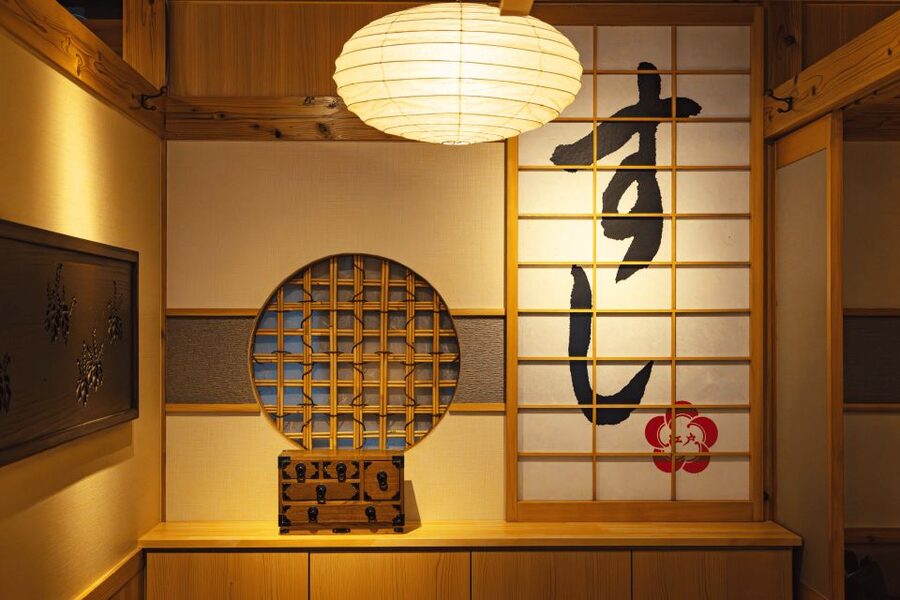
A well-run sushi class doesn’t stop at rice and fish. You’ll also enjoy a special wakame udon, plus a complimentary drink. The drink options listed include beer, sake, cola, or green tea.
This matters for value and for timing. Udon helps balance the meal, and it gives you a chance to relax while you digest what you just learned. You’re not rushing to the next attraction with a full stomach, either, because the lesson food is designed to be part of the experience.
One clarification worth noting: beverages are listed as not included in the general terms, but the class highlights do include a complimentary drink. In plain terms, plan on that included drink, and treat other drinks on the menu as extra if you want them.
- Tokyo: Shinjuku Food Tour (13 Dishes at 4 Local Eateries)★ 5.0 · 6,603 reviews
- Tokyo Mt Fuji 5th St & Hakone Cruise Bus Tour w/Bullet Train★ 4.4 · 5,024 reviews
- Flagship 2-Hours Official Street Go-Kart Tour – Tokyo Bay Shop★ 5.0 · 4,974 reviews
- From Tokyo: Mount Fuji Full-Day Sightseeing Trip★ 4.5 · 4,970 reviews
- Tokyo: Hop-On Hop-Off Sightseeing Bus Ticket★ 3.9 · 4,207 reviews
Vegetarian and Allergy-friendly Options Without Losing the Point
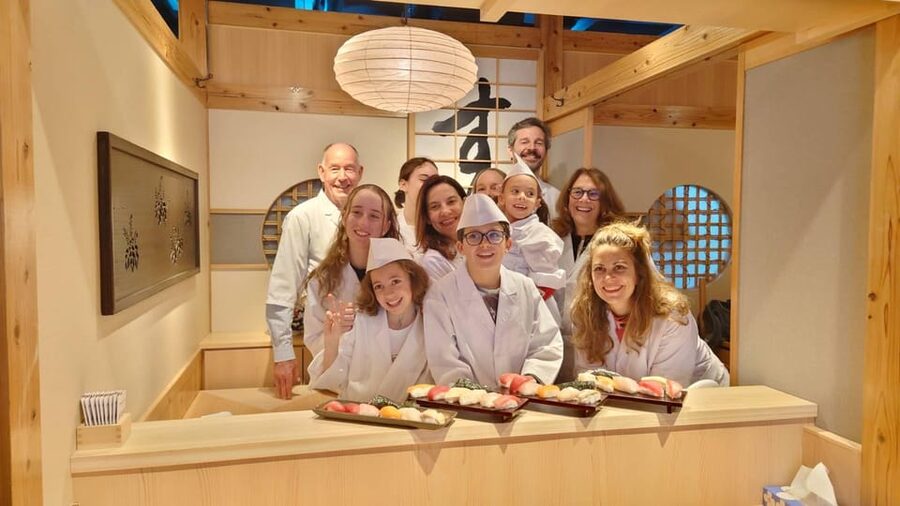
Not everyone eats the same way, and that shouldn’t ruin the experience. This class offers vegetarian options and allergy-friendly options, so you’re not forced into a one-size-fits-all menu.
In a hands-on format, this is especially important. You need ingredients and steps that still let you practice the techniques, not just sit at the side. Vegetarian and allergy-friendly options help make sure you can participate in the building and tasting moments instead of watching.
Practical advice: if you have allergies, make sure you communicate them before you arrive. In a small group, that kind of clarity helps the kitchen keep things safe and organized.
What You’re Really Paying for: $161 for Skills, Not Just Sushi
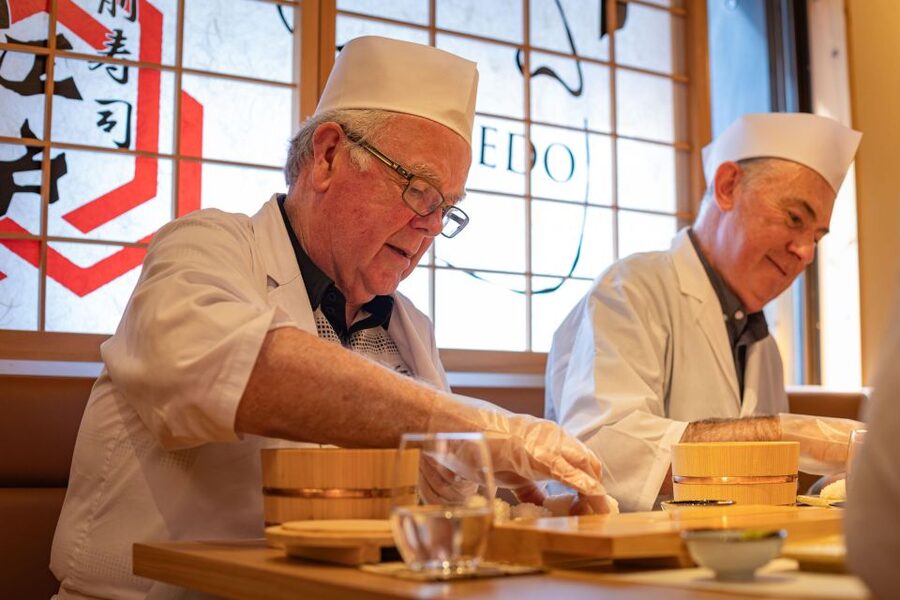
At $161 per person for a 2-hour session, it can feel like a splurge at first glance. The value only makes sense when you look at what’s included and what you learn.
You’re paying for:
- tuition and instruction from an itamae with 30 years of experience
- food and ingredients used in the making and tasting
- tools and equipment needed for the class
You’re also getting a full lesson sequence: wasabi, sushi rice shari, nori rolls, nigiri skills, fish prep demonstrations, and a tasting spread across multiple sushi styles. Then you finish with wakame udon and that complimentary drink.
If you were only buying sushi, you’d spend money on food with no take-home skills. Here, you’re leaving with technique you can apply at home to impress friends and family. That’s the real reason the price works, especially if you’re the type of person who likes to recreate travel experiences later.
Small Group Size and English Guidance That Keep It Enjoyable
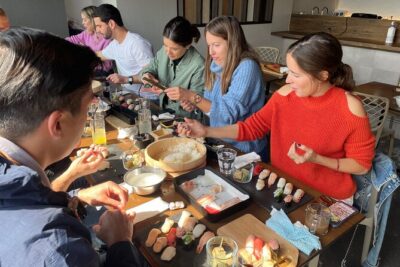
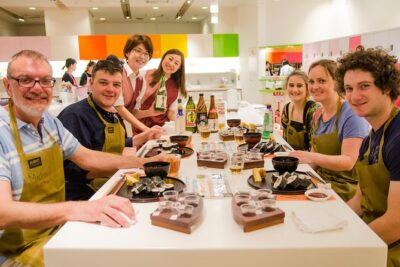
This is a small group class limited to 8 participants. That size is more than a comfort detail. It changes how learning happens. In a crowd, you get rushed or you wait. In a small group, you get more time at your station and more direct feedback.
The class is taught with English interpretation support, and the instructor is English. That matters for sushi techniques because the difference between good and great often lives in tiny instructions. You want to hear those clearly, not guess.
From the reviews, the tone of the team is consistently friendly and patient. People describe explanations that are clear and a setting that feels clean and cozy, with good organization. That combination is exactly what you want when knives, rice, and fish preparation are part of the lesson.
Who Should Book This Sushi Chef Experience
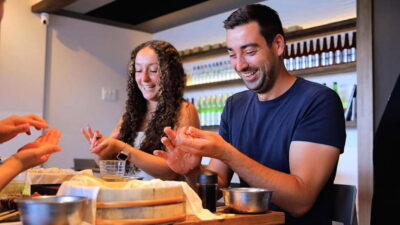
This experience is a strong match if you’re:
- a food lover who wants real technique, not just a meal
- someone who enjoys learning by doing
- visiting Tokyo and want a memorable activity beyond walking around
It also fits families, with an important boundary. It’s available for elementary school students and up, but it’s not suitable for children under 10. If you’re traveling with kids, make sure everyone meets the age guidance so you’re not disappointed later.
It’s also a good choice if you care about English access. The class is built for English-speaking visitors, with interpretation support and a structured teaching format.
Practical Tips So You Can Focus on Learning
A few details can make your experience smoother.
First, follow the restaurant rules: no smoking indoors and no strong fragrances. The point is simple. Restaurants are tight spaces, and these rules protect everyone’s comfort.
Second, plan for a hands-on session with food and technique. Wear comfortable clothes you don’t mind getting a little messy around the station. Sushi rice can be sticky, and you’re learning by touching.
Third, come ready to taste what you make. The class includes tasting several sushi types, and that’s part of the learning loop. If you’re selective, think about what you’re comfortable with before the class starts.
Finally, since the meeting point can vary depending on the option booked, double-check your exact location details so you arrive without stress. In a technique class, arriving late can shrink your learning time.
Should You Book This Sushi Chef Experience?
If your goal is to learn sushi you can actually make again, I think this is worth booking. The biggest reasons are the itamae instruction, the hands-on sequence from wasabi to shari to shaping, and the fact that you taste what you build. It’s not a quick show. It’s a structured class built for repeatable skill.
If you’re mainly looking for an affordable meal, you might prefer a different food experience. At $161, you’re paying for teaching, tools, and multiple sushi styles plus udon and a drink. This is best when you want the lesson.
If you want a fun, focused, small-group food activity that feels like Tokyo, book it. If your group includes kids under 10 or anyone who can’t handle the restaurant rules around fragrance, you may want to pick another option.
FAQ
How long is the Tokyo Professional Sushi Chef Experience?
The experience lasts 2 hours.
How many people are in the group?
It’s a small group limited to 8 participants.
Is the class taught in English?
Yes. The instructor is English and there is interpretation support.
What sushi techniques and items will I learn or make?
You’ll grate real wasabi, prepare sushi rice (shari), and make hand-rolled sushi with premium nori. You’ll also try making and tasting uni, negitoro, hirame, kuruma-ebi, chutoro, and akami sushi, plus watch fish preparation and sushi technique demonstrations.
Do you offer vegetarian or allergy-friendly options?
Yes. Vegetarian and allergy-friendly options are available.
Is udon and a drink included?
You’ll enjoy special wakame udon and a complimentary drink such as beer, sake, cola, or green tea.
What’s included in the price?
The price includes tuition, food, and the tools and equipment needed for the experience.
Are there any restrictions inside the restaurant?
Smoking indoors is not allowed, and strong fragrances are not allowed.
More Tour Reviews in Tokyo
- Mt Fuji and Hakone 1-Day Bus Tour Return by Bullet Train
★ 5.0 · 26,383 reviews - 1-Day Tokyo Bus Tour
★ 5.0 · 14,250 reviews - Tokyo: teamLab Planets TOKYO Digital Art Museum Entry Ticket
★ 4.6 · 9,779 reviews - Mt Fuji & Hakone Cruise, Drum Show Bullet Train 1 Day from Tokyo
★ 4.0 · 7,413 reviews - Tokyo: Shinjuku Food Tour (13 Dishes at 4 Local Eateries)
★ 5.0 · 6,603 reviews
More Sushi Counters to Book
- Sushi Making Tokyo Roll and Authentic Japanese Sushi Class
★ 5.0 · 3,971 reviews - Tokyo: Roll and Authentic Sushi Making Class in Asakusa
★ 4.9 · 1,957 reviews - Make Sushi and Create Unforgettable Memories in Tokyo
★ 5.0 · 1,413 reviews - Tokyo: Sushi Making Class in a Happi Coat near a Famous Spot
★ 4.9 · 1,377 reviews - Tokyo Sushi Making Class in Tsukiji with Professional Chef
★ 5.0 · 1,177 reviews
Latest Tokyo reviews off our desk






Sushi Making Classes, compared.
 ★ 5.0Sushi Making Tokyo Roll and Authentic Japanese Sushi ClassFrom $593,971 reviews
 ★ 4.9Roll and Authentic Sushi Making Class in AsakusaFrom $581,957 reviews
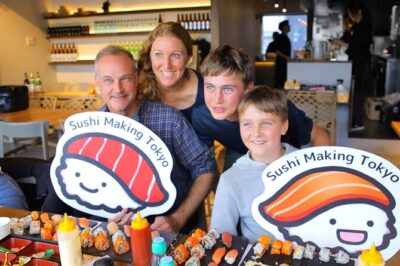 ★ 5.0Make Sushi and Create Unforgettable Memories in TokyoFrom $791,413 reviews
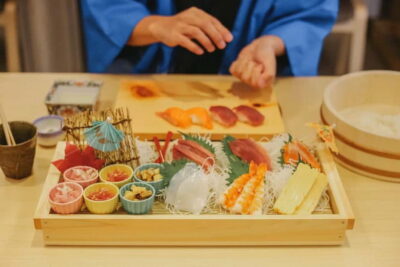 ★ 4.9Sushi Making Class in a Happi Coat near a Famous SpotFrom $421,377 reviews
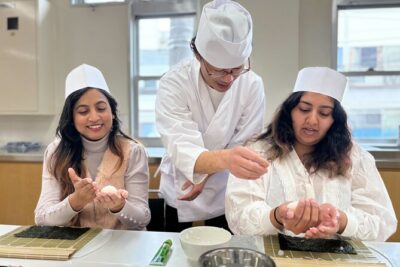 ★ 5.0Tokyo Sushi Making Class in Tsukiji with Professional ChefFrom $491,177 reviews
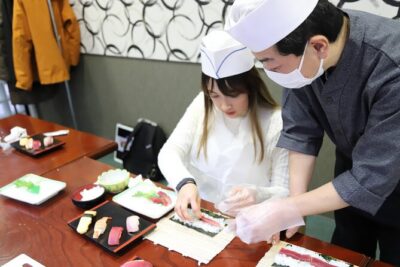 ★ 5.0Tsukiji Fish Market Guided Tour and Sushi Making with Pro ChefFrom $104775 reviews
 ★ 4.9Tsukiji Fish Market Sushi Making Class with Pro ChefFrom $63506 reviews
 ★ 5.0Tokyo Tsukiji Fish Market Tour and Sushi Making LessonFrom $99390 reviews
Browse the lists this tour appears in