
Reviewed · WORKSHOPS
Tokyo: Rice Ball Making Class by an Expert
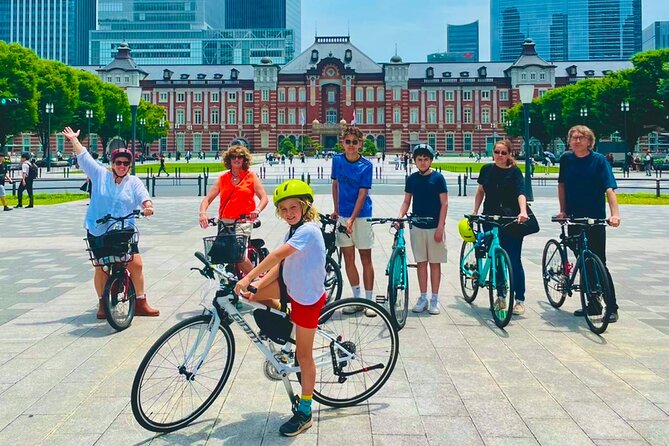
That triangle of rice can change your whole view of Japan. This 3-hour Tokyo tour pairs an expert onigiri class with a bike ride near Tokyo Tower and a picnic-style break in famous gardens. You’ll shape your own rice balls, add fillings you choose, and then eat what you make right there.
I especially like how the experience is built around real food skills, not just watching from the sidelines. And the route mixes big-name landmarks with small, local-feeling streets so you get variety without feeling rushed all morning.
One possible drawback: it’s a cycling tour, so you should feel comfortable riding at a moderate pace. It also runs best in good weather, since the plan depends on you being out on the bike for most of the morning.
In This Review
- Key Points at a Glance
- How Onigiri + Biking Turns Tokyo Tower From Postcard to Place
- Stop 1: Amazake Cafe KomeDreaming and the Art of Shaping Onigiri
- A practical note before you go
- Stop 2: Cycling to Hamarikyu Wharf for a Picnic-Style Garden Break
- Stops 3–5: Italian Town, Sumiyoshi Jinja, and Tsukishima Monja Street
- Italian Town: a quick change of scenery
- Sumiyoshi Jinja: a local shrine visit without the crowds overload
- Tsukishima Monja Street: Monja culture in a compact slice
- The downside of short stops
- Stop 6: Tsukiji Fish Market for Tokyo’s Working-Food Energy
- The Ride Toward Tokyo Tower and the Zojo-ji Temple Finale
- Price and Value: Why $39.19 Can Make Sense Here
- Who This Tour Fits Best (and Who Might Want a Different Plan)
- Cycling Comfort, Timing, and Weather Reality
- Should You Book This Onigiri and Bike Tour?
Key Points at a Glance
- Hands-on onigiri making with a step-by-step expert at Amazake Cafe KomeDreaming
- Picnic time in Hamarikyu Gardens using the rice balls you made
- A tight, photo-friendly set of neighborhood stops including shrine streets and Tsukishima Monja alleyways
- Tsukiji Fish Market visit for a quick look at Tokyo’s working-food energy
- Tokyo Tower framed at Zojo-ji Temple at the end of the ride
- Small group limit of 6 for a calmer pace and more personal attention
How Onigiri + Biking Turns Tokyo Tower From Postcard to Place
Tokyo Tower is easy to see from far away. What’s harder is making it feel like part of your day in the city. This tour is designed to do that by tying the landmark to everyday Tokyo experiences: making comfort food, eating it outside, and pedaling through neighborhood streets that don’t belong to the usual souvenir loop.
The onigiri part matters. Japanese food is often easier to appreciate when you understand the basic technique—how rice is handled, how fillings are portioned, and how you get that firm, neat shape. Here, you’re taught in a practical way that gets you producing edible results quickly.
And then you’re not stuck. The bike tour keeps your momentum, and the route includes both a famous garden and several shorter stops that help you learn the feel of different areas around the water and the downtown core.
Readers also shortlisted these Tokyo bookings:
- Sushi Making Tokyo Roll and Authentic Japanese Sushi Class
★ 5.0 · 3,971 reviews - Tokyo: Roll and Authentic Sushi Making Class in Asakusa
★ 4.9 · 1,957 reviews - Tokyo Shinjuku Chopsticks Making Class
★ 5.0 · 1,763 reviews - Tokyo: Sushi Making Class in a Happi Coat near a Famous Spot
★ 4.9 · 1,377 reviews
Stop 1: Amazake Cafe KomeDreaming and the Art of Shaping Onigiri
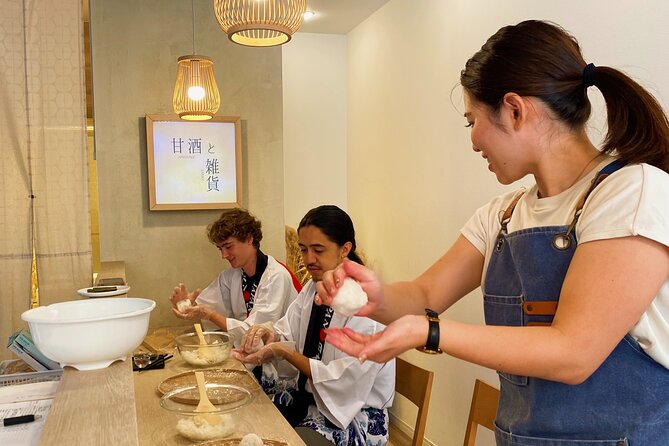
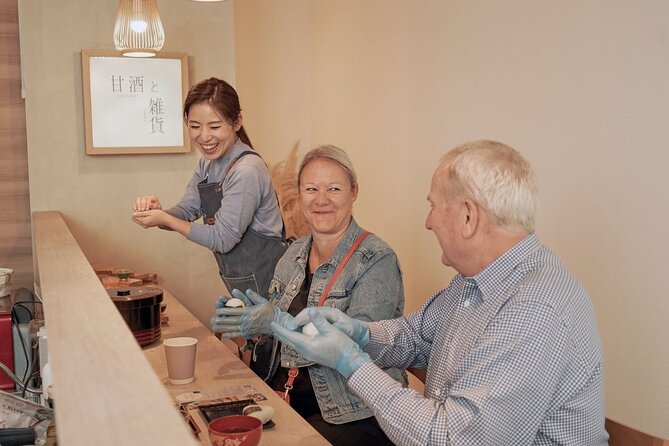
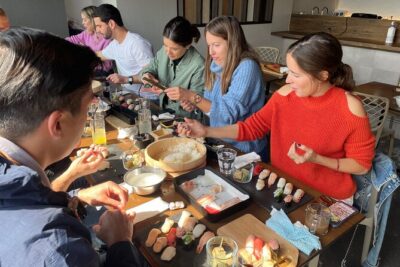
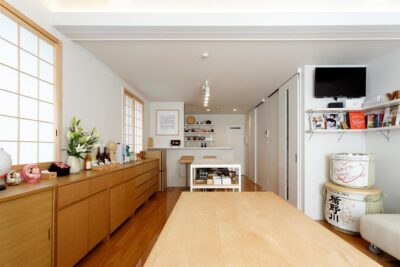
You start at AMAZAKE CAFE KomeDreaming -Japanese Gift & Souvenirs- in Minato City (Shibakoen). The timing is set for a relaxed morning: the tour starts at 11:00 am and lasts about 3 hours total. You’ll begin with an onigiri making class that includes the ingredients and the instruction from the expert.
What I like about this first stop is that it treats onigiri like a real skill, not a gimmick. You’re guided through the basics and then put it into practice—making your own rice balls, adding ingredients, and finishing with something you can eat. In the experience, the host explains clearly and takes things step by step, and the results are actually delicious enough to enjoy right after.
Several details from the experience stand out as “this is why it works”:
- You personalize fillings with the ingredients you choose.
- You get to eat what you make, so the class isn’t just a craft session.
- The host Sho is specifically mentioned as kind and clear, which matters when you’re learning hand technique.
If you’ve never made onigiri before, that’s fine. The whole flow is built to get you there without making it complicated.
A practical note before you go
Onigiri is simple, but shaping rice can get messy—expect a little rice-handling reality. It’s part of the charm. I’d also plan to eat the finished rice balls during the tour (that’s the point), so keep your stomach open for the picnic and cycling.
Stop 2: Cycling to Hamarikyu Wharf for a Picnic-Style Garden Break
After you make your rice balls, you hop on the bike and ride to Hamarikyu Wharf and the gardens. This is where the tour shifts from “class” to “Tokyo day out.”
The gardens stop is about atmosphere and pause. You enjoy the onigiri you made, turning a cooking class into a simple picnic moment. Admission to the gardens is included, so you aren’t doing extra budgeting or ticket searching mid-tour.
Why this is a smart pairing:
- Onigiri tastes best when it’s fresh and eaten soon after shaping.
- A garden break helps you reset your energy before the ride continues.
- The timing keeps the experience balanced—something hands-on, then something calm.
You’ll also get the fun contrast: you’re cycling through city movement and then switching to a quieter garden setting. That’s a great way to feel like you changed scenes without changing cities.
Stops 3–5: Italian Town, Sumiyoshi Jinja, and Tsukishima Monja Street
Between the major anchor moments, the tour adds three shorter neighborhood stops. Each one is brief—around 10 minutes each—but they’re useful for learning how Tokyo can flip themes block to block.
- Tokyo: Shinjuku Food Tour (13 Dishes at 4 Local Eateries)★ 5.0 · 6,603 reviews
- Tokyo Mt Fuji 5th St & Hakone Cruise Bus Tour w/Bullet Train★ 4.4 · 5,024 reviews
- Flagship 2-Hours Official Street Go-Kart Tour – Tokyo Bay Shop★ 5.0 · 4,974 reviews
- From Tokyo: Mount Fuji Full-Day Sightseeing Trip★ 4.5 · 4,970 reviews
- Tokyo: Hop-On Hop-Off Sightseeing Bus Ticket★ 3.9 · 4,207 reviews
Italian Town: a quick change of scenery
You cycle through Italian Town and feel like you’re in another country for a moment. It’s a short stop, but it’s a great breather from Japanese-only sights. Use this time for quick photos and a reset before the next street culture moment.
Sumiyoshi Jinja: a local shrine visit without the crowds overload
Next is Sumiyoshi Jinja, a local shrine in a traditional town area. Again, it’s short, but the value is in seeing how shrines fit into everyday streets rather than being an isolated destination. If you’re hoping to understand Japan beyond the “top 10 list,” this type of stop helps.
Tsukishima Monja Street: Monja culture in a compact slice
Then you ride through Tsukishima Monja Street, which is known for its distinct street identity. The tour keeps the stop short (about 10 minutes), so think of this as a taste: a chance to walk the area briefly, pick up the vibe, and move on while the morning still feels light.
The downside of short stops
The obvious tradeoff is time. You won’t have an hour at each place, so if you’re the type who wants deep exploration, treat these as “orientation + atmosphere.” If you want a tour that’s more about variety in limited time, that’s exactly what these quick hits do well.
Stop 6: Tsukiji Fish Market for Tokyo’s Working-Food Energy
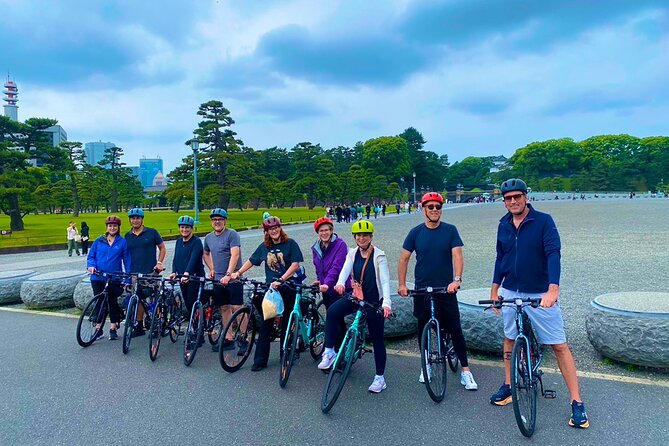
The next stop is Tsukiji Fish Market. You’ll visit for about 15 minutes—long enough to see the action, not long enough to become a full market day.
This is the kind of stop that works best when your goal is sensory understanding: the movement, the food focus, and the sense that this is a place people come for work and buying. Even if you’re not doing a big shopping spree (extra snacks and drinks aren’t included), the visit helps you connect the dots between Japan-as-culture and Japan-as-food industry.
If your idea of travel includes food systems—not just food photos—this is a great pocket of time.
The Ride Toward Tokyo Tower and the Zojo-ji Temple Finale
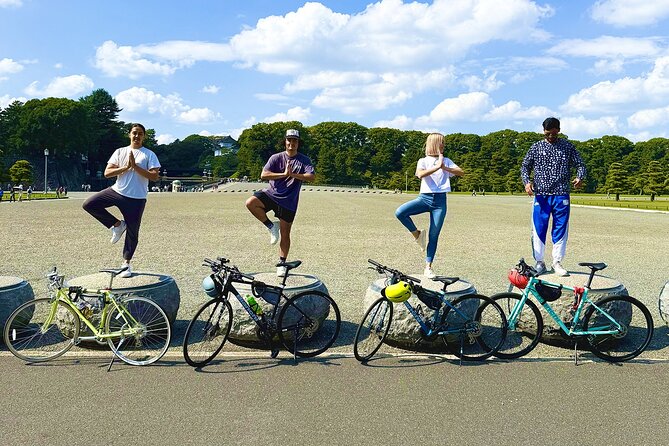
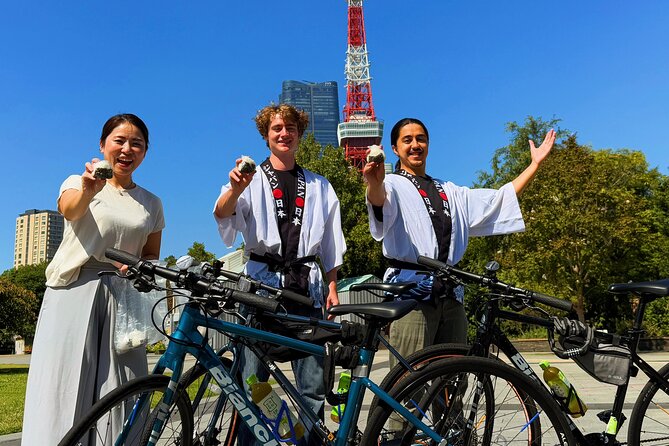
The tour finishes with an approach to Tokyo Tower and a visit to Zojo-ji Temple. The temple stop is about 15 minutes, and the best part is the view setup: Tokyo Tower in the background while you’re at a traditional site.
This pairing is worth it because it gives you what Tokyo posters rarely do: a sense of scale and coexistence. You get old and modern in the same frame—one of Japan’s recurring themes—without needing extra transportation or time-consuming sightseeing sprawl.
Also, the end-of-tour timing matters. You’re not ending the day at a random point. The tour brings you back to the original meeting spot afterward, so you don’t have to solve the “where do we go next” puzzle when you’re already tired from cycling.
Price and Value: Why $39.19 Can Make Sense Here
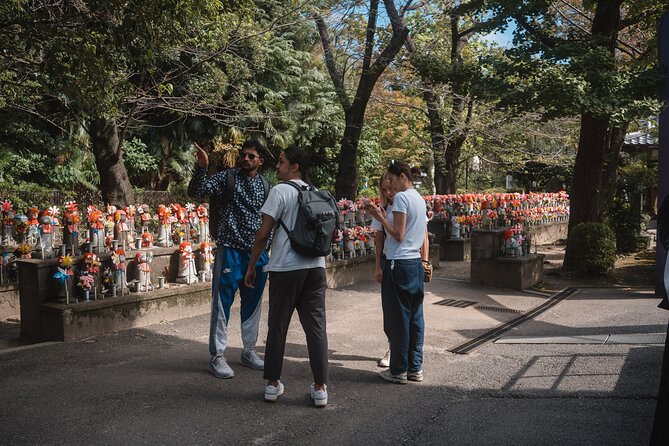
The price is listed at $39.19 per person, with about 8 days advance booking on average. On paper, that’s a reasonable ticket for Tokyo. In practice, the value comes from what you actually receive:
Included:
- Onigiri making class with an expert
- Onigiri ingredients
- Local bike tour guide
- Bike
- Entrance fee for Hamarikyu Gardens
Not included:
- Extra snacks and drinks from shops
- Tips/gratitudes
So you’re paying for a package that combines a hands-on cooking lesson, transport (bike), guided movement, and a paid admission stop. If you priced those separately—especially the bike + guide part—you’d likely spend more than a single attraction ticket.
The small group limit of up to 6 travelers also affects value. In a small group, you’re more likely to get answers quickly and keep things moving at a comfortable pace.
Who This Tour Fits Best (and Who Might Want a Different Plan)
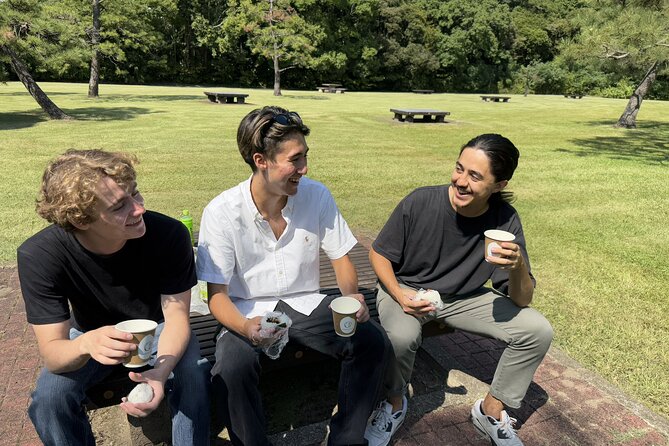
This is a strong fit for you if:
- You want a hands-on food experience and not just a tasting menu.
- You like the mix of major sights and smaller neighborhood streets.
- You’re comfortable cycling at a moderate level for about a morning’s worth of riding.
- You’d enjoy a relaxed group size rather than a large crowd.
It may not be ideal if:
- You want long stays at just one or two places.
- You’re not comfortable riding a bike in city conditions.
- You’re traveling at a time you expect rain or poor weather, since the tour requires good weather.
Solo travelers should feel fine here. The format includes a short class and then guided riding with a small group, so you’re not left alone for hours.
Cycling Comfort, Timing, and Weather Reality
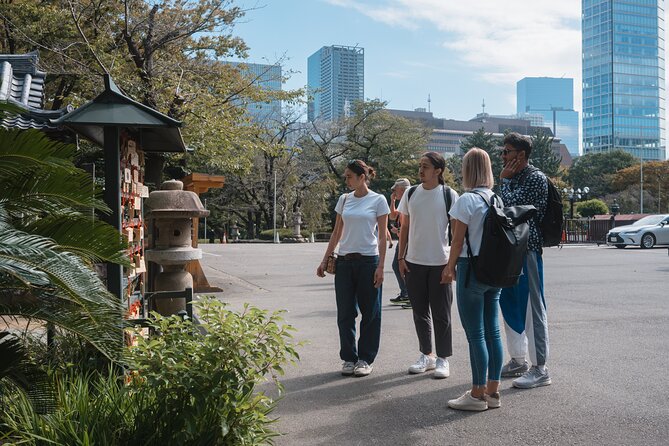
A lot of Tokyo tours look great on paper, but you still have to live the day. This one runs about 3 hours, starts at 11:00 am, and is built around short timed segments. That keeps it digestible.
It’s also clearly planned around practical logistics:
- You use a mobile ticket.
- The meeting point is near public transportation.
- The bike and guide are included.
- The group max is 6, so the ride doesn’t feel like a moving herd.
Weather matters here. If it gets canceled due to poor weather, you’ll be offered another date or a full refund. That’s the right kind of safety for an outdoor cycling plan.
If you’re someone who gets cold easily or hates sun, plan for it. The tour data doesn’t spell out gear, so think like a cyclist: wear layers you can handle and keep your energy steady for the full route.
Should You Book This Onigiri and Bike Tour?
If you want Tokyo Tower vibes plus something real to take home—a skill and a meal—this is a great choice. The onigiri class is the heart of the tour, and the route doesn’t waste it. You make the rice balls and then actually eat them in a garden setting, which turns the morning into more than a checklist.
Book it if you like learning through doing, enjoy cycling, and want a tour that mixes landmark views (Tokyo Tower and Zojo-ji) with city texture (shrines, street areas, and a fish market stop).
Skip or consider something else if you’re not comfortable riding a bike, or if you need more time at fewer stops. Short segments are part of the format; they’re meant to help you sample a lot without turning the day into a sprint.
If your travel style is hands-on, food-focused, and a little bit playful, this one is worth the reservation.
More Workshops in Tokyo
- Sushi Making Tokyo Roll and Authentic Japanese Sushi Class
★ 5.0 · 3,971 reviews - Tokyo: Roll and Authentic Sushi Making Class in Asakusa
★ 4.9 · 1,957 reviews - Tokyo Shinjuku Chopsticks Making Class
★ 5.0 · 1,763 reviews - Tokyo: Sushi Making Class in a Happi Coat near a Famous Spot
★ 4.9 · 1,377 reviews - Chopstick Making Workshop in Ginza
★ 4.8 · 1,366 reviews
More Tour Reviews in Tokyo
- Mt Fuji and Hakone 1-Day Bus Tour Return by Bullet Train
★ 5.0 · 26,383 reviews - 1-Day Tokyo Bus Tour
★ 5.0 · 14,250 reviews - Tokyo: teamLab Planets TOKYO Digital Art Museum Entry Ticket
★ 4.6 · 9,779 reviews - Mt Fuji & Hakone Cruise, Drum Show Bullet Train 1 Day from Tokyo
★ 4.0 · 7,413 reviews - Tokyo: Shinjuku Food Tour (13 Dishes at 4 Local Eateries)
★ 5.0 · 6,603 reviews
Latest Tokyo reviews off our desk

Workshops, compared.
 ★ 5.0Sushi Making Tokyo Roll and Authentic Japanese Sushi ClassFrom $593,971 reviews
 ★ 4.9Roll and Authentic Sushi Making Class in AsakusaFrom $581,957 reviews
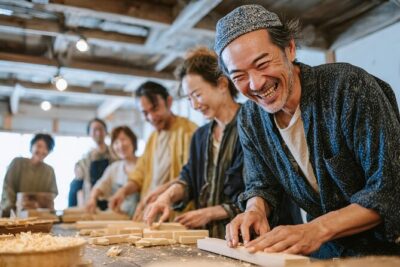 ★ 5.0Tokyo Shinjuku Chopsticks Making ClassFrom $201,763 reviews
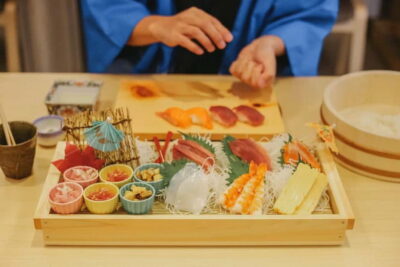 ★ 4.9Sushi Making Class in a Happi Coat near a Famous SpotFrom $421,377 reviews
 ★ 4.8Chopstick Making Workshop in GinzaFrom $251,366 reviews
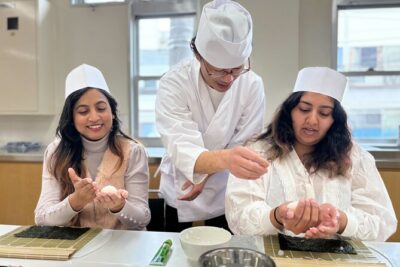 ★ 5.0Tokyo Sushi Making Class in Tsukiji with Professional ChefFrom $491,177 reviews
 ★ 5.0Ramen & Gyoza Cooking Class in Tokyo with Local Supermarket VisitFrom $122823 reviews
 ★ 5.0Matcha Making Class in Tokyo with Authentic Japanese Sweets SetFrom $21744 reviews
Browse the lists this tour appears in