
Reviewed · WORKSHOPS
Tokyo: Traditional foot-kneaded Udon noodles class
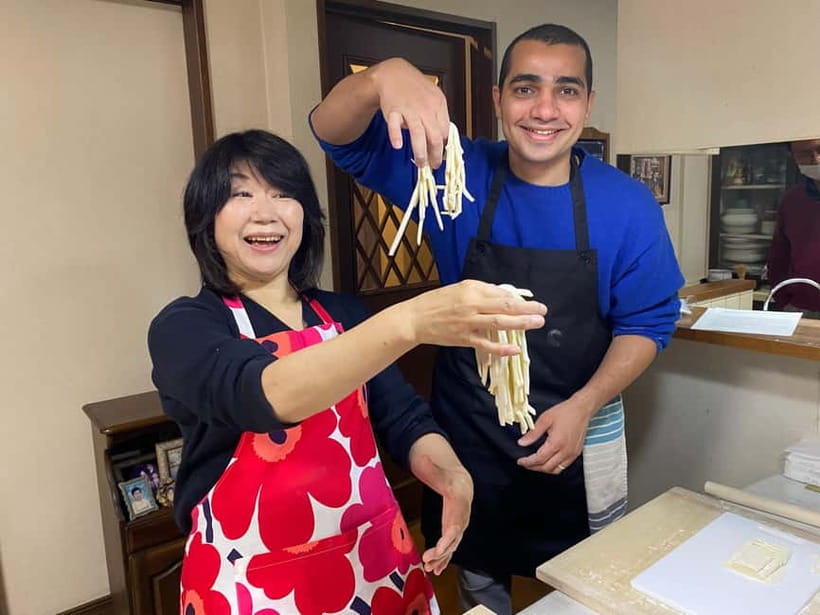
Stepping on dough in Tokyo sounds odd. This foot-kneaded udon class in Musashino turns that weird idea into a tasty, memorable cooking lesson. You’ll make noodles at the instructor’s home, using traditional tools and a process that’s been local for centuries.
Two things I really like: you’ll learn how to make dashi from scratch, and you’ll finish with a laid-back matcha + wagashi tea moment. It’s hands-on cooking, then calm down with something sweet and Japanese.
One possible drawback: the meal centers on a pork-based dipping soup, so if you don’t eat pork, you’ll need to choose the vegetarian option and share dietary limits ahead of time.
In This Review
- Key things to know before you go
- A West Tokyo home in Musashino (and why that matters)
- From dough to noodles: how the foot-kneading works
- Dashi basics: the stock that makes Japanese cooking click
- Rolling and cutting Musashino-style udon
- Eating your work: cold noodles, hot soup dip
- Matcha and wagashi: a short tea ceremony moment
- Vegetarian and vegan planning: what’s offered, what to do
- Price and value: is $70 worth 150 minutes?
- Who this class is for (and who may prefer something else)
- Should you book Izumi’s foot-kneaded udon class?
- FAQ
- How long is the udon class?
- What group size is this class?
- What is included in the price?
- Is there a vegetarian or vegan option?
- What languages does the instructor speak?
- Should I tell the host about allergies or dietary restrictions?
Key things to know before you go
- Foot-kneaded Musashino udon: You press and work the dough with your feet as part of the method.
- Home-kitchen cooking: The class happens in an ordinary Japanese house in Musashino, not a studio.
- Dashi training: You learn to prepare the stock that anchors a lot of Japanese flavor.
- Rolling and cutting with proper tools: You’ll use a long rolling pin and a dedicated udon knife.
- Cold noodles + hot soup contrast: You eat your fresh noodles with a warm pork soup dip.
- Small group: Limited to 4 participants, so you’re not stuck watching.
A West Tokyo home in Musashino (and why that matters)
This is the kind of Tokyo food experience that’s hard to fake. You’re not in a flashy “cooking school.” You’re in Musashino, a greener suburb in western Tokyo, and the instructor runs the class from her own kitchen. That changes the vibe fast.
First, you get a more ordinary, comfortable atmosphere. You’ll see how Japanese home kitchens work when someone is teaching real technique, not performing for a crowd. Second, Musashino matters because the udon style here is local—connected to wheat farming in the area and made for about four centuries. When you’re kneading dough and cutting noodles, that context makes the food feel more rooted and less like a one-off activity.
You also get practical support. Pickup is included from Higashimurayama station, and you’re provided with ingredients, kitchenware, and even an apron. So your focus can stay on learning, not logistics.
Readers also shortlisted these Tokyo bookings:
- Sushi Making Tokyo Roll and Authentic Japanese Sushi Class
★ 5.0 · 3,971 reviews - Tokyo: Roll and Authentic Sushi Making Class in Asakusa
★ 4.9 · 1,957 reviews - Tokyo Shinjuku Chopsticks Making Class
★ 5.0 · 1,763 reviews - Tokyo: Sushi Making Class in a Happi Coat near a Famous Spot
★ 4.9 · 1,377 reviews
From dough to noodles: how the foot-kneading works
The class starts with dough. You’ll learn to handle and shape it into something that can become Musashino-style udon noodles. Then comes the part you’ll probably be thinking about the whole way there: foot-kneading.
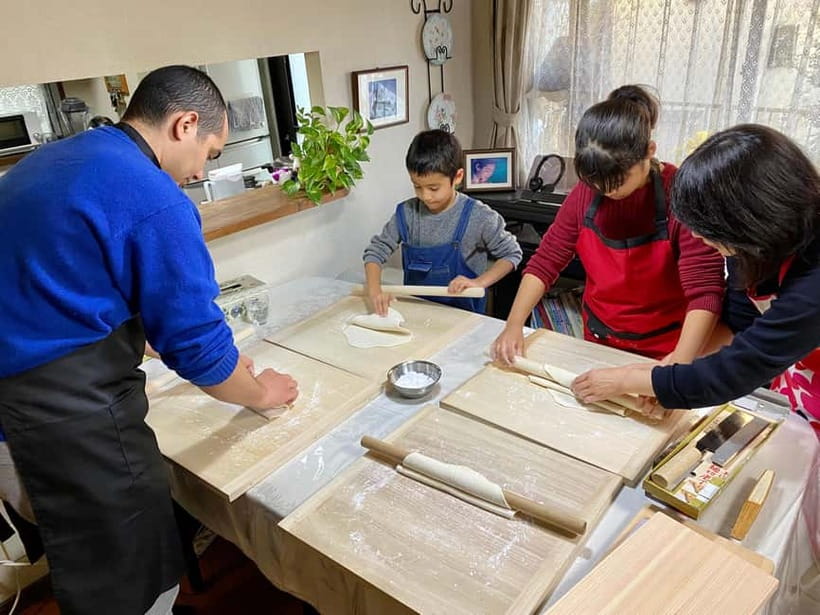
This isn’t a gimmick where you do a quick step and move on. The process is built around working the dough until it has the right feel and structure. You’ll use special udon-making tools: a large wooden kneading board, a long rolling pin, and a big bowl used for making the noodles. Those details matter because traditional udon is a texture game. The dough needs to be worked in a way that a machine can’t quite replicate.
In a small group of up to 4, you get your own hands-on turn. That’s a big deal for first-timers. You don’t just watch someone else do the hard part. You actually make your own udon.
If you’re squeamish about getting your feet involved, you’ll still be okay if you’re willing to follow the instructor’s lead. This class is designed around that method, and the teaching style feels light, fun, and step-by-step.
Dashi basics: the stock that makes Japanese cooking click
After you’ve handled the noodle dough, you shift gears to one of the most important flavors in Japanese cuisine: dashi. The class teaches you how to prepare it as a traditional stock. This is where the lesson turns from “cool food activity” into “useful cooking knowledge.”
Dashi shows up in countless dishes, and it’s often the difference between bland and genuinely Japanese taste. Learning it here gives you a reference point you can reuse later. Even if you never remake udon at home, you’ll understand the logic behind building flavor with a simple base.
Then you use that dashi to make a pork soup that’s served as a dipper for the noodles. In other words, you don’t just learn a stock recipe in isolation. You see the whole chain: dough → noodles → stock → final meal.
That flow is great for your brain. You can connect the ingredients you made to what you actually eat.
Rolling and cutting Musashino-style udon
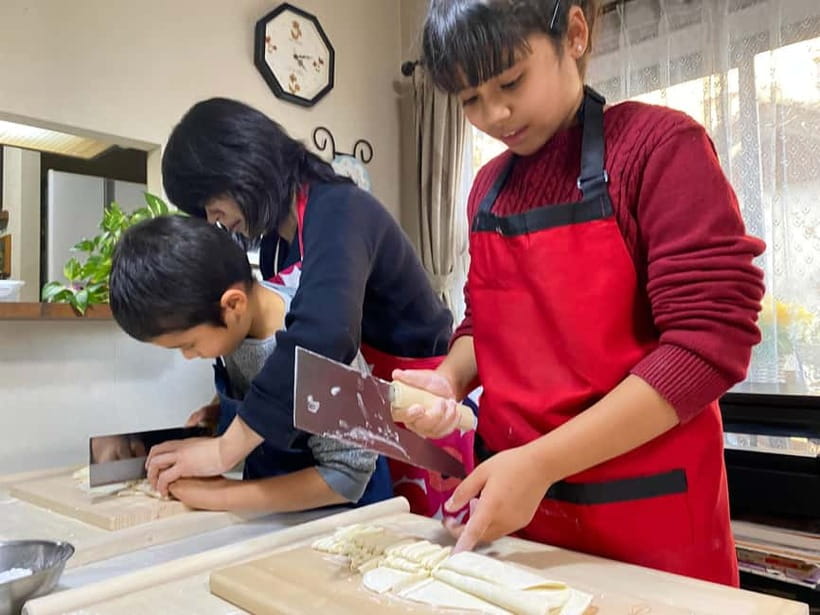
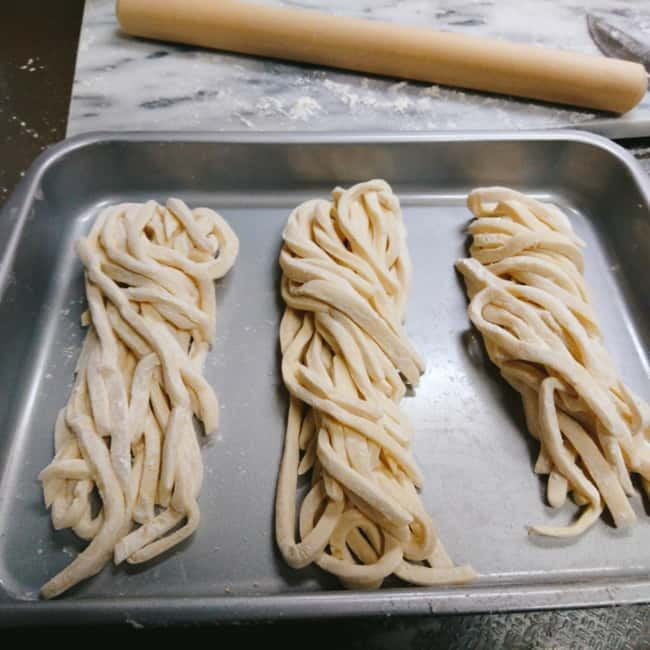
Now you move from dough work to shaping. You’ll learn the traditional way of rolling the dough into a sheet and then cutting it into noodles using a special udon knife.
Rolling sounds simple until you try it with dough that you just worked and kneaded. The class gives you the technique so you get consistent thickness and proper noodle shape. Consistency matters because udon texture isn’t just about taste. It’s about mouthfeel—how the noodles bend, how they cook, and how they pair with the soup.
Then comes the knife work. Cutting noodles is part precision, part confidence. In a group capped at 4, you’re not left to struggle alone. You can ask questions, get guidance, and keep going without the pressure of a fast commercial class pace.
By the time the noodles are cut, you’ve already done most of the “real cooking” in this experience. What’s left is the payoff: eating noodles you made yourself, still fresh-feeling and full of that just-made character.
Eating your work: cold noodles, hot soup dip
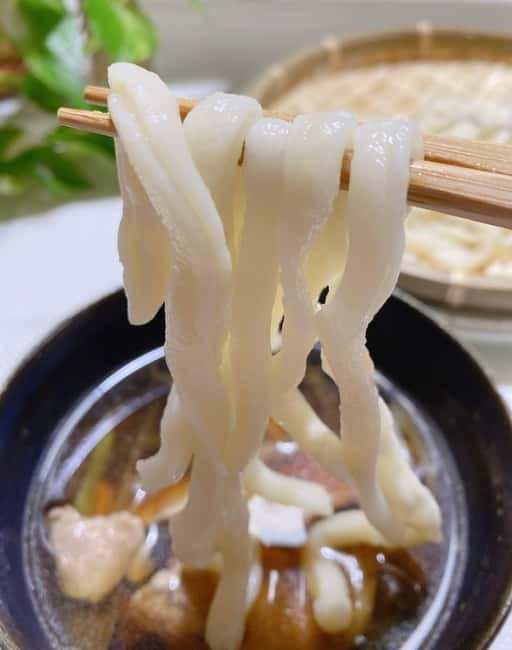
The reward is eating your Musashino udon meal. What makes the plate interesting is the contrast. You’ll enjoy freshly made cold noodles alongside a rich hot soup made with dashi and pork.
That cold-hot difference is a classic move in Japanese eating. It keeps the noodles refreshing while the hot soup adds depth and warmth. In practice, it means each bite can shift from chewy and cool to savory and hot depending on how you dip.
The soup is not just gravy-on-the-side. It’s served specifically as a dipping partner for the noodles, so you get to taste both components together. If you like food that’s interactive—where you control the balance with each dip—this setup is satisfying.
And yes, the class is designed to keep the mood enjoyable while you cook. The vibe tends to be relaxed, with a lot of laughs as you work through the steps, including the feet portion.
- Tokyo: Shinjuku Food Tour (13 Dishes at 4 Local Eateries)★ 5.0 · 6,603 reviews
- Tokyo Mt Fuji 5th St & Hakone Cruise Bus Tour w/Bullet Train★ 4.4 · 5,024 reviews
- Flagship 2-Hours Official Street Go-Kart Tour – Tokyo Bay Shop★ 5.0 · 4,974 reviews
- From Tokyo: Mount Fuji Full-Day Sightseeing Trip★ 4.5 · 4,970 reviews
- Tokyo: Hop-On Hop-Off Sightseeing Bus Ticket★ 3.9 · 4,207 reviews
Matcha and wagashi: a short tea ceremony moment
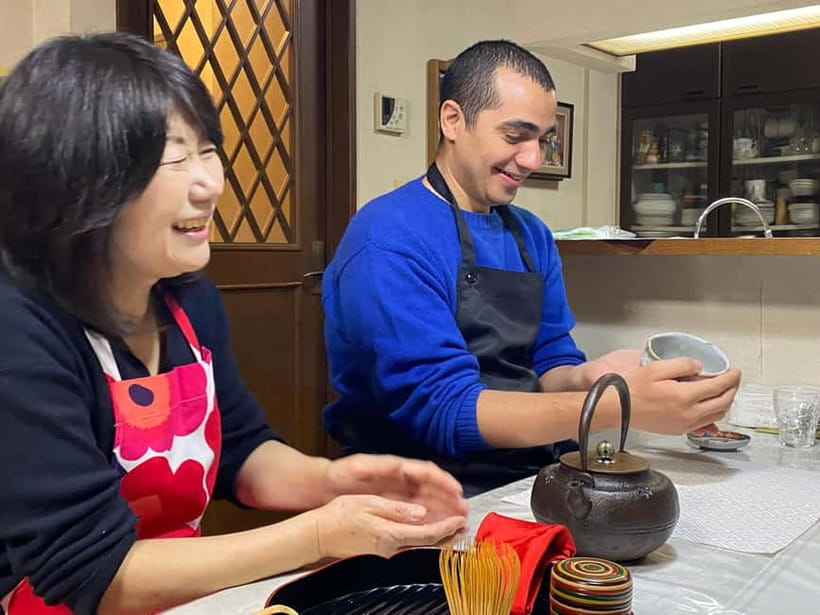
After the meal, you slow down with a casual Japanese tea ceremony. You’ll have matcha and wagashi (traditional Japanese sweets). This isn’t a long formal event. It’s more like a thoughtful pause—time to digest what you made and enjoy a calmer pace.
Why it works: after kneading dough, cooking stock, and cutting noodles, you need sensory reset. Matcha’s bitterness and roasted-sweet balance pair well with starchy noodles and salty soup. Wagashi also gives you texture variety, not just a second taste of sweetness.
The tea segment also feels like part of the cultural context. You don’t only leave with recipes. You leave with a sense of how everyday Japanese meals close out—comfortably, with small rituals.
Vegetarian and vegan planning: what’s offered, what to do
If you’re vegetarian or vegan, you’re not stuck asking for modifications at the last second. A vegetarian udon lesson is offered as an option, and you can plan your menu ahead of time.
That said, the standard meal includes pork soup as the dipping component. So the best move is simple: choose the vegetarian option if you need it, and tell the host about your diet early.
The experience also asks you to let them know in advance about allergies or foods you can’t eat. This matters because the class includes all ingredients and recipes, and the instructor needs time to adjust.
I like that the class is upfront about dietary needs. It makes it easier for you to enjoy the experience without worrying that you’ll be stuck with something you can’t eat.
Price and value: is $70 worth 150 minutes?
$70 for a 150-minute class might sound steep until you look at what’s included. You’re not paying only for a recipe. You’re paying for access: a small group class, a home kitchen setting, pickup included from Higashimurayama station, and all ingredients and kitchenware.
You also get:
- A hands-on session making your own udon dough and noodles
- Dashi preparation instruction
- The full meal you cook (cold noodles + hot soup dip)
- Matcha tea ceremony with wagashi
- Recipes, an apron, and real guidance from the instructor
For me, the value comes from the combination of skills. Lots of food classes teach one thing—maybe noodles, maybe stock. Here, you get the noodle craft plus the flavor base. If you’re going to spend time learning Japanese cooking, this structure makes your time feel “earned.”
And the small group size matters too. Limited to 4 participants, you’re more likely to get the kind of attention that helps you actually improve, not just complete the activity.
Who this class is for (and who may prefer something else)
This Tokyo udon class fits best if you:
- Want a true hands-on cooking experience in a small group
- Like learning flavor foundations like dashi
- Enjoy quirky, memorable food techniques (like kneading with your feet)
- Prefer an authentic home setting over a big-group restaurant show
It’s also a strong choice for people taking their first cooking class. The pace and the small group make it feel approachable, and the teaching style tends to be patient and fun. You’ll likely feel comfortable asking questions, and you’ll probably laugh along the way.
If you mainly want a quiet, observation-only tasting, this might feel too active. This is cooking work. You’ll be rolling, cutting, mixing, and stepping on dough.
Should you book Izumi’s foot-kneaded udon class?
Yes—if you want a Tokyo food experience that feels local and skills-based, not just a meal you eat. The best reason to book is that you leave with more than a photo. You’ll understand how udon dough becomes noodles, how dashi drives flavor, and how Japanese eating can mix cold and hot textures in one satisfying bite.
Before you go, make sure you’re comfortable with the feet-kneading step and plan your diet in advance. If you eat pork, great—the standard soup is part of the experience. If you don’t, choose the vegetarian option and message the host about ingredients you can’t eat.
If you’re craving something genuinely different in West Tokyo—something that feels like you joined a real home cooking day—this class is an easy yes.
FAQ
How long is the udon class?
The experience lasts about 150 minutes (2.5 hours).
What group size is this class?
It’s a small group limited to 4 participants.
What is included in the price?
The price includes all ingredients and kitchenwares, recipes, the matcha tea ceremony experience, an apron, and pickup from the meeting point.
Is there a vegetarian or vegan option?
A vegetarian udon lesson is available as an option.
What languages does the instructor speak?
The instructor teaches in English and Japanese.
Should I tell the host about allergies or dietary restrictions?
Yes. You should let the host know in advance if you have any allergies or cannot eat certain ingredients.
More Workshops in Tokyo
- Sushi Making Tokyo Roll and Authentic Japanese Sushi Class
★ 5.0 · 3,971 reviews - Tokyo: Roll and Authentic Sushi Making Class in Asakusa
★ 4.9 · 1,957 reviews - Tokyo Shinjuku Chopsticks Making Class
★ 5.0 · 1,763 reviews - Tokyo: Sushi Making Class in a Happi Coat near a Famous Spot
★ 4.9 · 1,377 reviews - Chopstick Making Workshop in Ginza
★ 4.8 · 1,366 reviews
More Tour Reviews in Tokyo
- Mt Fuji and Hakone 1-Day Bus Tour Return by Bullet Train
★ 5.0 · 26,383 reviews - 1-Day Tokyo Bus Tour
★ 5.0 · 14,250 reviews - Tokyo: teamLab Planets TOKYO Digital Art Museum Entry Ticket
★ 4.6 · 9,779 reviews - Mt Fuji & Hakone Cruise, Drum Show Bullet Train 1 Day from Tokyo
★ 4.0 · 7,413 reviews - Tokyo: Shinjuku Food Tour (13 Dishes at 4 Local Eateries)
★ 5.0 · 6,603 reviews
Latest Tokyo reviews off our desk






Workshops, compared.
 ★ 5.0Sushi Making Tokyo Roll and Authentic Japanese Sushi ClassFrom $593,971 reviews
 ★ 4.9Roll and Authentic Sushi Making Class in AsakusaFrom $581,957 reviews
 ★ 5.0Tokyo Shinjuku Chopsticks Making ClassFrom $201,763 reviews
 ★ 4.9Sushi Making Class in a Happi Coat near a Famous SpotFrom $421,377 reviews
 ★ 4.8Chopstick Making Workshop in GinzaFrom $251,366 reviews
 ★ 5.0Tokyo Sushi Making Class in Tsukiji with Professional ChefFrom $491,177 reviews
 ★ 5.0Ramen & Gyoza Cooking Class in Tokyo with Local Supermarket VisitFrom $122823 reviews
 ★ 5.0Matcha Making Class in Tokyo with Authentic Japanese Sweets SetFrom $21744 reviews
Browse the lists this tour appears in