
Reviewed · TSUKIJI MARKET FOOD TOURS
Tokyo: Tsukiji Market Guided Tour & Sushi-Making Experience
Tsukiji can feel like sensory overload in the best way. This tour pairs a guided walk through Tsukiji Outer Market with a real sushi-making class near Tokyo Tower, so you leave with both context and skills. You’ll get the aromas, the fish-counter action, and the behind-the-scenes logic of how Japanese cooks build flavor.
I especially love how the market portion focuses on what matters: where top chefs shop, how merchants work day-to-day, and how to spot ingredients worth learning about. The sushi lesson is the other big win for me: you make three styles—nigiri, hosomaki, and gunkanmaki—so it’s not just watching, it’s doing.
One possible drawback to plan for: the tour promises that you’ll hunt for tuna in the market, but some people may come in expecting hands-on steps like selecting or purchasing fish. If that’s your priority, I’d ask the operator up front what’s included during the market walk.
In This Review
- Key Highlights You’ll Actually Care About
- Tsukiji Outer Market Starts at Tsukiji Hongwanji Temple
- What You See and Learn in the Outer Market (and Why It Matters)
- How the Market Tour Transitions to Sushi Class Near Tokyo Tower
- Sushi-Making Masterclass: Nigiri, Hosomaki, and Gunkanmaki
- Hygiene, Knife/Hand Skills, and Sushi Etiquette (Not Just a Recipe)
- The Meal You Eat, and What You Still Need to Plan For
- Price and Value: Is $177 a Good Deal in Tokyo?
- Who This Tsukiji + Sushi Combo Suits Best
- Practical Tips Before You Go
- Should You Book This Tsukiji Market Guided Tour and Sushi-Making Experience?
Key Highlights You’ll Actually Care About
- Tsukiji Outer Market walk with history and practical shopping-course context
- Small group (max 10) so your questions don’t disappear into the crowd
- 3 sushi styles you’ll make: nigiri, hosomaki, and gunkanmaki
- All ingredients + a sushi souvenir kit included, so you’re not hunting down supplies
- Transport is built in: public transit from Tsukiji to the kitchen near Tokyo Tower
- Ask about tuna buying/selection if you were expecting that specific hands-on step
Tsukiji Outer Market Starts at Tsukiji Hongwanji Temple
The meeting point is easy to find if you know one thing: look for Tsukiji Hongwanji Temple and aim for its entrance. It’s a very short walk—about 30 seconds—from Exit 1 of Tsukiji Metro Station on the Hibiya Line. That’s helpful in Tokyo, where one wrong turn can turn a smooth morning into a scavenger hunt.
From the start, you’re geared for walking. You’ll want comfortable shoes, because the experience leans on narrow alleys and market lanes where you’re close to the action. This is exactly the kind of place where “cute sneakers” meet reality. I’d also plan for a sensory first minute: the whole area is built on food smells, seafood displays, and that fast, practical energy of merchants who move all day.
The tour is timed at about 225 minutes (a little over three and a half hours), and that matters because it shapes your pace. You’re not doing a quick drive-by. You’re getting enough time to look, ask questions, and then transition into the kitchen part without feeling totally rushed.
More market breakfasts our reviewers scored
- Tokyo Tsukiji Fish Market Food and Culture Walking Tour
★ 5.0 · 3,184 reviews - Tokyo: Tsukiji Fish Market Food and Walking tour
★ 5.0 · 1,724 reviews - Tokyo: Tsukiji Fish Market Guided Walking Tour
★ 4.9 · 1,397 reviews - Tokyo Sushi Making Class in Tsukiji with Professional Chef
★ 5.0 · 1,177 reviews
What You See and Learn in the Outer Market (and Why It Matters)
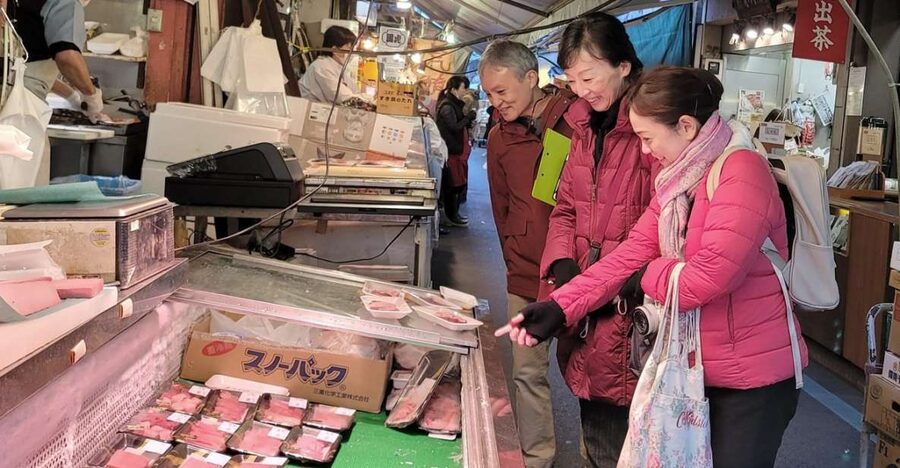
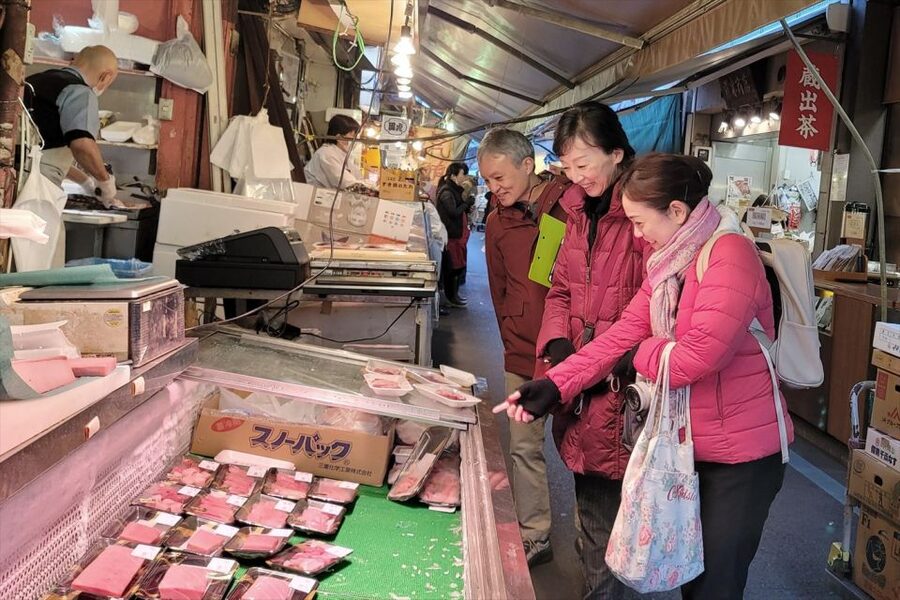
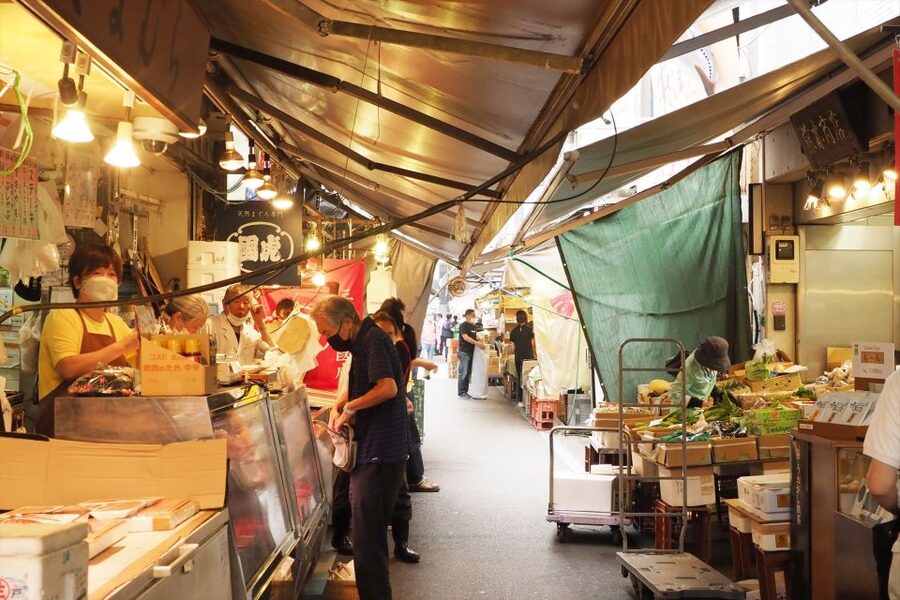
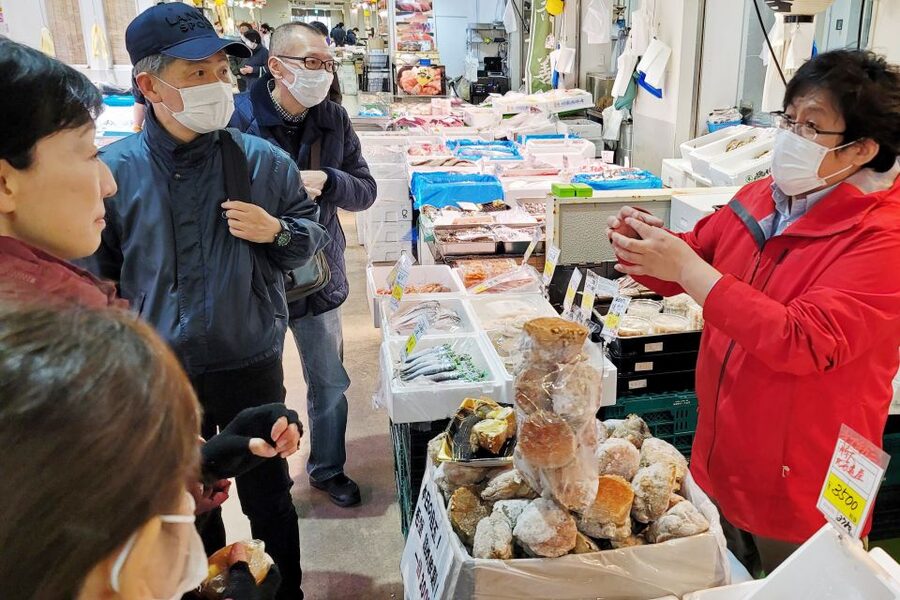
Tsukiji Outer Market isn’t the same thing as the old inner wholesale auctions, but it still hits hard as a food landscape. During your guided walk, you’ll take in the sights and aromas of the seafood stalls and surrounding shops. The market is loaded with freshly sliced sashimi, dried seaweed, fruits, vegetables, tuna, and general cooking items.
Here’s what I like about this part of the experience: the guide doesn’t just point at products. You’re also learning where top chefs go shopping and how the wholesalers and merchants fit into the bigger story of Tsukiji. That helps you understand why ingredients look the way they do, how sellers think, and what “fresh” means in a practical, not poetic, way.
You’ll also hear history about the famous wholesale market area in central Tokyo. Even if you’ve read about Tsukiji, a guided explanation helps connect the dots: why the neighborhood became famous, how the market culture formed, and why seafood remains the center of gravity here.
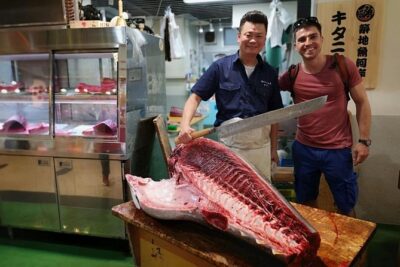
One small but meaningful detail: the tour includes time to follow your guide through tight lanes and hunt for freshly-caught tuna. Whether you’re a seafood person or not, that hunt gives you a job. It turns the market from sightseeing into an intentional ingredient-focused route.
How the Market Tour Transitions to Sushi Class Near Tokyo Tower
After the market, you shift gears. The tour uses public transportation to get you from Tsukiji to the sushi kitchen near Tokyo Tower. That’s smart in two ways. First, it keeps the experience moving without adding expensive logistics. Second, it gives you a real Tokyo moment: you experience the city between food stops rather than just riding in a private bubble.
The timing also helps. You don’t get to the kitchen and forget what you just learned. The market portion leaves you primed to notice ingredients, textures, and how fish and seaweed are treated. Then the class starts with the idea that sushi is part technique, part hygiene, and part respect for ingredients.
The group stays small—limited to 10 participants. That makes a difference during the transfer and once you’re in the kitchen. In larger groups, the “lesson” part can turn into a factory line. Here, you’re more likely to get feedback when your hands are doing the wrong thing.
Sushi-Making Masterclass: Nigiri, Hosomaki, and Gunkanmaki
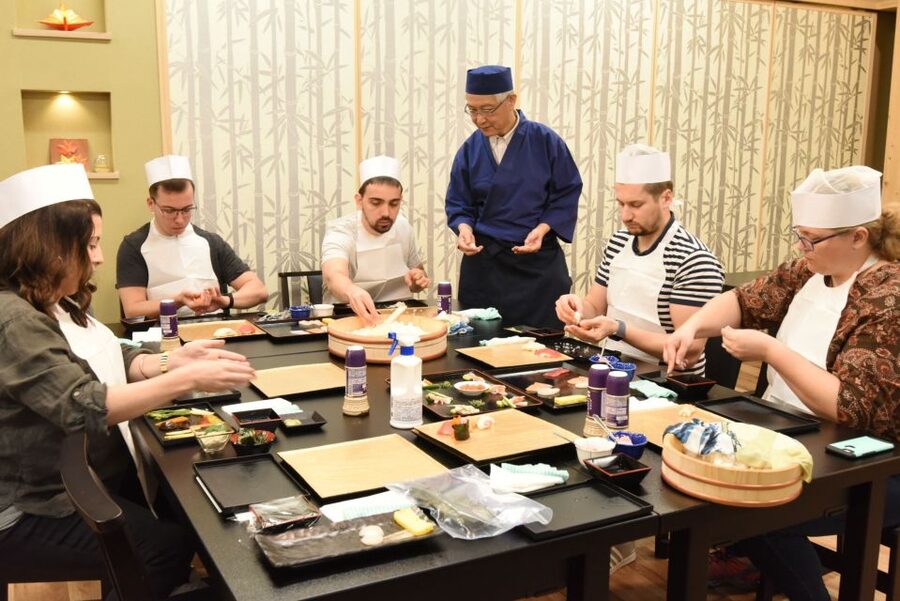
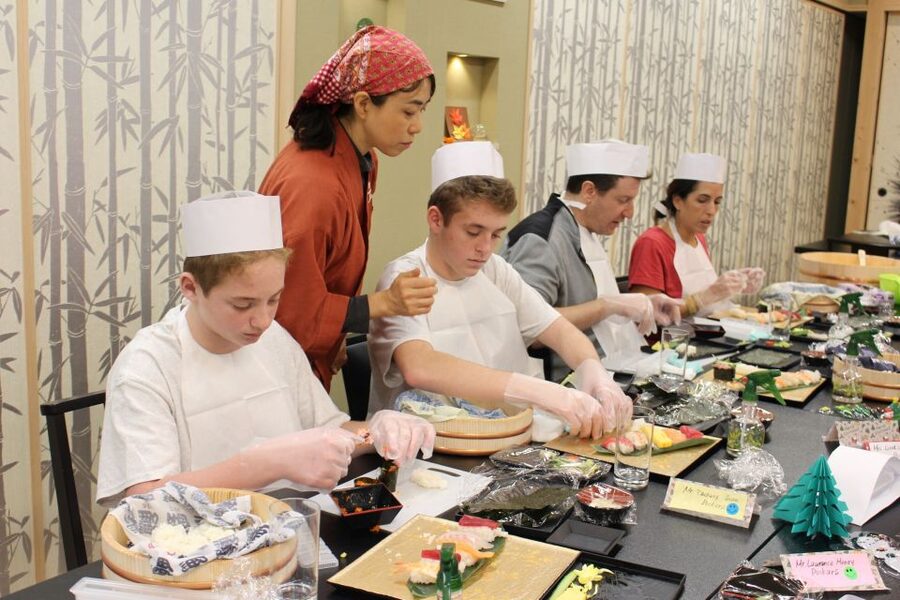
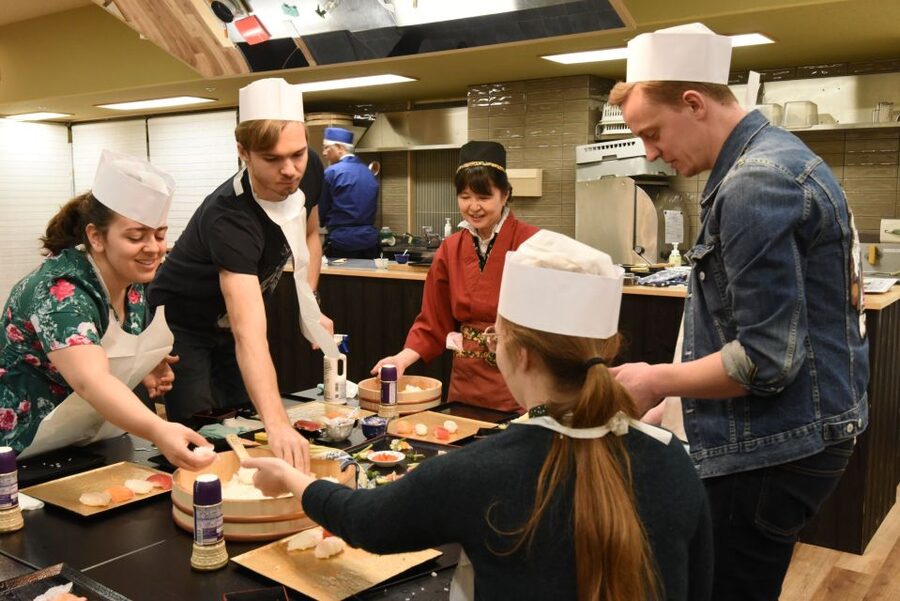
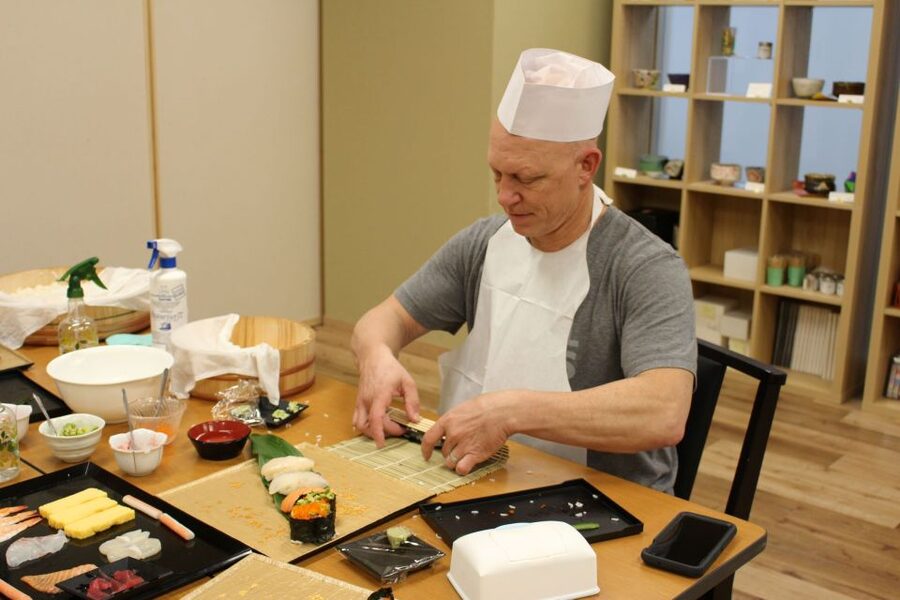
This is where the tour earns its keep. You’ll learn to make three types of sushi, each with a different shape and role on the plate:
1) Nigiri sushi (hand-rolled)
Nigiri is the classic: rice plus fish, built by hand. The important part isn’t just making it pretty. It’s learning how the rice is handled and how the topping should sit so you’re not crumbling the bite.
2) Hosomaki sushi (thin sushi rolls)
Hosomaki is the roll that teaches control. You learn how to pack and shape without making something too thick or too loose. It also forces you to think about how ingredients line up inside the roll.
3) Gunkanmaki sushi (nori with a soft topping)
Gunkanmaki is the “ship” shape—seaweed wrapped around rice with a topping that behaves differently than a flat fish slice. This part helps you see how sushi changes depending on texture and how toppings hold their place.
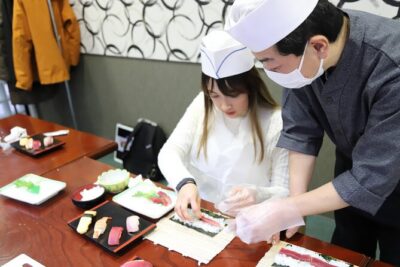
The class includes instruction from a licensed instructor, and you’ll also get guidance on hygiene techniques. That may sound basic, but in sushi, small handling habits matter. You’ll also learn Japanese dining etiquette before you sit down to eat what you made.
One practical note: the tour description emphasizes sushi-making with ingredients included, not you bringing supplies. That’s a big deal because it reduces friction. You’re not spending time, money, or energy figuring out what to buy. You just show up and cook.
Hygiene, Knife/Hand Skills, and Sushi Etiquette (Not Just a Recipe)
A good sushi class teaches technique. A great sushi class teaches why the technique exists. This one includes background on the cuisine and hygiene techniques, which is a real asset if you want to do more than replicate a roll once.
You’ll learn about how sushi is approached as an everyday craft: cleanliness, careful handling, and the idea that presentation is part of the experience. And because you’re going to sit down afterward, etiquette matters. You’ll get introduced to dining etiquette—helpful for first-timers who don’t want to worry about what’s “wrong.”
This is also one of the reasons the market part blends well with the class. The market gives you ingredients and context; the kitchen part gives you method. Together, they make the final meal feel like something you earned, not something you bought.
More sushi counters to book, ranked
- Sushi Making Tokyo Roll and Authentic Japanese Sushi Class★ 5.0 · 3,971 reviews
- Tokyo: Roll and Authentic Sushi Making Class in Asakusa★ 4.9 · 1,957 reviews
- Make Sushi and Create Unforgettable Memories in Tokyo★ 5.0 · 1,413 reviews
- Tokyo: Sushi Making Class in a Happi Coat near a Famous Spot★ 4.9 · 1,377 reviews
- Tokyo: Tsukiji Fish Market Sushi Making Class with Pro Chef★ 4.9 · 506 reviews
The Meal You Eat, and What You Still Need to Plan For
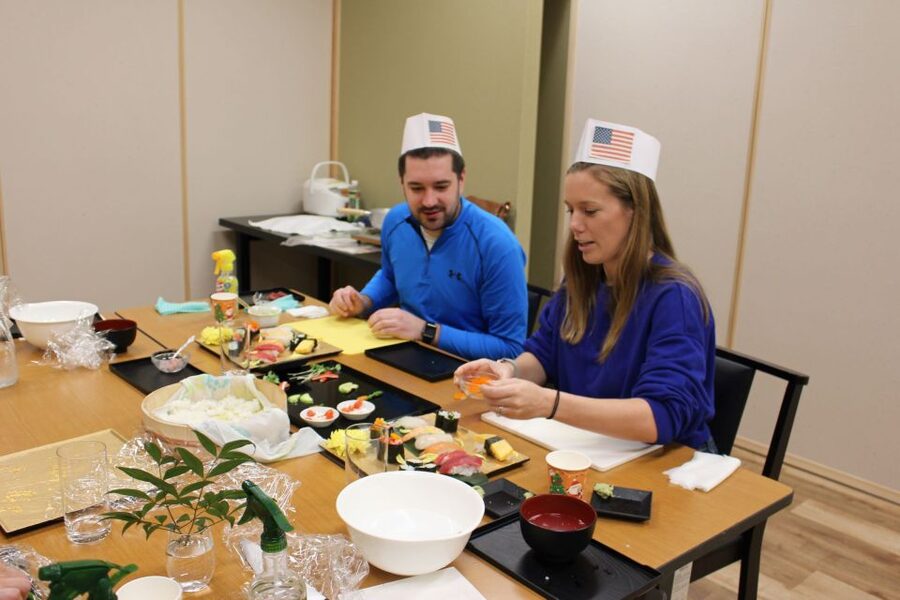
At the end, you sit down and enjoy the sushi you made. That’s the main pay-off: you get to compare how your bites look to how they’re supposed to taste, and you learn by doing, not by watching a demo.
What’s not included is just as important. Any other food or drinks are not included. So while your sushi and ingredients are covered, you should plan for hunger outside that portion. If your stomach runs fast, eat a light breakfast and don’t arrive famished.
Also, the tour can be canceled in bad weather. Tokyo can switch conditions quickly—especially if you’re near the water and open market spaces. If your schedule is tight, keep an eye on day-of weather and have Plan B energy.
Price and Value: Is $177 a Good Deal in Tokyo?
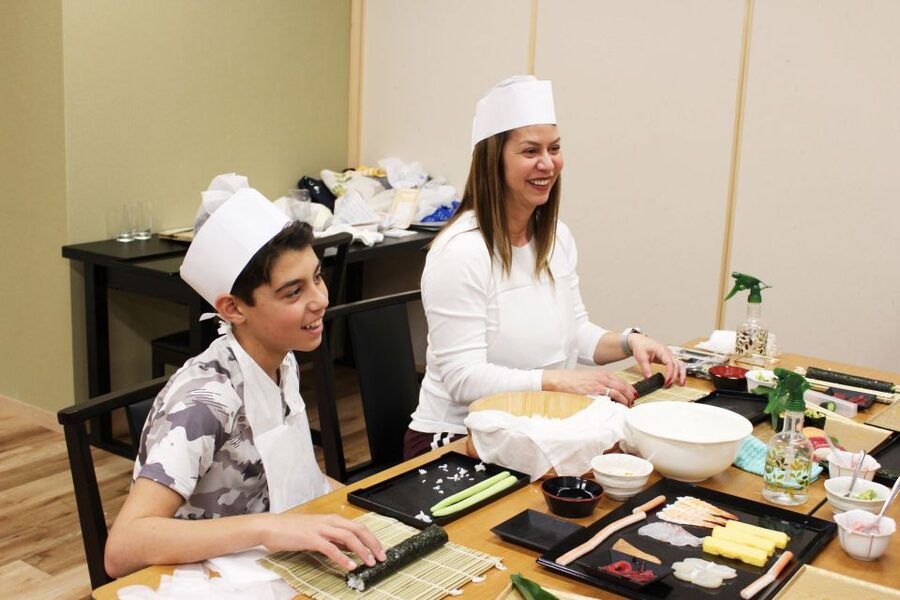
$177 per person sounds steep until you map it to what you’re actually getting. Here’s what that price buys you in this experience:
- A guided market tour through Tsukiji Outer Market
- A licensed guide and a guided hunt for tuna and ingredients
- Included public transportation from Tsukiji to the kitchen near Tokyo Tower
- A hands-on sushi masterclass
- A licensed instructor at the facility
- Sushi ingredients included
- A sushi souvenir kit
So you’re paying not only for the cooking, but for the whole chain: expert guidance, curated market time, and a structured class with built-in materials. That’s different from doing a market walk on your own and then separately booking a class.
Now for balance. One downside shows up in real-world expectations. If you’re specifically hoping for a tour where you select or purchase tuna at the market, make sure it’s truly part of what you’ll do. One participant felt the fish selection and purchasing aspect didn’t happen as described at booking time, and they also felt the sushi quality didn’t match their past high-end experiences. That doesn’t mean the class is bad. It means your money-to-expectation match depends on what you’re picturing.
A smart move: treat this as a skill-and-sight experience first. If your main goal is getting fish-grade tuna at luxury levels, you may want to compare this against an omakase dinner. If your main goal is learning sushi technique with a guided market foundation, the $177 price is easier to justify.
Who This Tsukiji + Sushi Combo Suits Best
This tour fits best if you’re the kind of visitor who likes to connect dots. You want to see where ingredients come from and then learn how they’re used. It’s also ideal if you want to avoid guesswork in Tsukiji—Tokyo’s food neighborhoods can be intimidating if you don’t know how to look.
You’ll likely enjoy it if you:
- Want a market guide who explains what matters, not just where to stand for photos
- Are excited to make three sushi styles, not one basic roll
- Prefer a small group setting with room for questions
- Want a structured experience lasting about 225 minutes rather than an all-day commitment
It may not be the best choice if you:
- Came specifically for hands-on tuna purchasing or selection and that’s non-negotiable
- Only care about top-tier seafood quality for a high-end meal comparison
Practical Tips Before You Go
Here’s how to get the most out of your time:
- Wear comfortable shoes. The market portion involves walking through narrow lanes.
- Keep your expectations realistic about food. You’ll make sushi, but you’re not getting extra meals or drinks beyond what’s included.
- If you have mobility concerns, double-check details. The activity lists wheelchair accessibility, but it also says it’s not suitable for people with mobility impairments. Contact the provider to confirm what that means for your specific needs.
- Language is English, and the guide is part of the value—plan to ask questions about ingredients and technique.
Also note: it’s not suitable for babies under 1 year. If you’re traveling with young kids, confirm suitability before you book.
Should You Book This Tsukiji Market Guided Tour and Sushi-Making Experience?
I’d book it if you want a well-paced combo of Tsukiji Outer Market guidance plus a hands-on sushi class where you make three types of sushi and get to eat your work. The small-group size and the included ingredients and kit make it feel practical, not like an overpriced ticket to a confusing neighborhood.
Skip or at least ask more questions before booking if your top priority is fish selection/purchasing in the market or if you’re chasing the best possible tuna you’ve had in Tokyo. One participant’s experience highlights that mismatch can happen.
My rule of thumb: book this for the learning experience—market context plus technique. If you’re hunting for a pure luxury seafood meal, you may be happier putting your money toward an omakase style dinner instead.
More Tour Reviews in Tokyo
- Mt Fuji and Hakone 1-Day Bus Tour Return by Bullet Train
★ 5.0 · 26,383 reviews - 1-Day Tokyo Bus Tour
★ 5.0 · 14,250 reviews - Tokyo: teamLab Planets TOKYO Digital Art Museum Entry Ticket
★ 4.6 · 9,779 reviews - Mt Fuji & Hakone Cruise, Drum Show Bullet Train 1 Day from Tokyo
★ 4.0 · 7,413 reviews - Tokyo: Shinjuku Food Tour (13 Dishes at 4 Local Eateries)
★ 5.0 · 6,603 reviews
More Sushi Counters to Book
- Sushi Making Tokyo Roll and Authentic Japanese Sushi Class
★ 5.0 · 3,971 reviews - Tokyo: Roll and Authentic Sushi Making Class in Asakusa
★ 4.9 · 1,957 reviews - Make Sushi and Create Unforgettable Memories in Tokyo
★ 5.0 · 1,413 reviews - Tokyo: Sushi Making Class in a Happi Coat near a Famous Spot
★ 4.9 · 1,377 reviews - Tokyo Sushi Making Class in Tsukiji with Professional Chef
★ 5.0 · 1,177 reviews
More Tsukiji Market Breakfasts
- Tokyo Tsukiji Fish Market Food and Culture Walking Tour
★ 5.0 · 3,184 reviews - Tokyo: Tsukiji Fish Market Food and Walking tour
★ 5.0 · 1,724 reviews - Tokyo: Tsukiji Fish Market Guided Walking Tour
★ 4.9 · 1,397 reviews - Tokyo Sushi Making Class in Tsukiji with Professional Chef
★ 5.0 · 1,177 reviews - Tsukiji Fish Market Guided Tour and Sushi Making with Pro Chef
★ 5.0 · 775 reviews
Latest Tokyo reviews off our desk




Tsukiji Market Food Tours, compared.
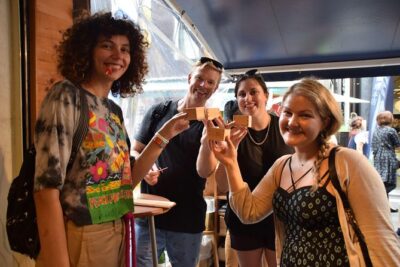 ★ 5.0Tokyo Tsukiji Fish Market Food and Culture Walking TourFrom $993,184 reviews
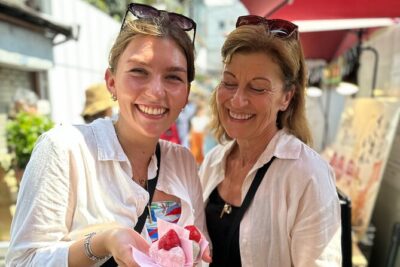 ★ 5.0Tsukiji Fish Market Food and Walking tourFrom $301,724 reviews
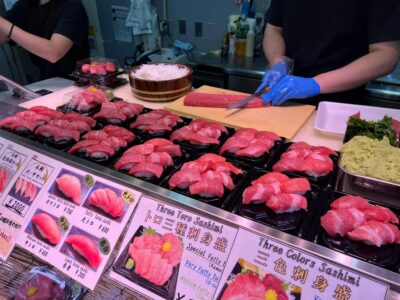 ★ 4.9Tsukiji Fish Market Guided Walking TourFrom $221,397 reviews
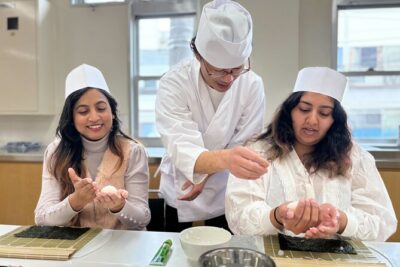 ★ 5.0Tokyo Sushi Making Class in Tsukiji with Professional ChefFrom $491,177 reviews
 ★ 5.0Tsukiji Fish Market Guided Tour and Sushi Making with Pro ChefFrom $104775 reviews
★ 4.7Tsukiji Fish Market Food and Culture Walking TourFrom $96757 reviews
★ 5.0Tsukiji Fish Market Guided Tour and Sushi Making with Pro ChefFrom $104775 reviews
★ 4.7Tsukiji Fish Market Food and Culture Walking TourFrom $96757 reviews
 ★ 5.0Tsukiji Fish Market: Street Food & Culture Walking TourFrom $33669 reviews
 ★ 5.0Tsukiji Fish Market Small-Group Food Walking TourFrom $87621 reviews
Browse the lists this tour appears in