
Reviewed · ASAKUSA & SENSOJI TOURS
Tokyo’s Past & Present: Asakusa, Skytree & Sushi Class
Asakusa and Skytree in one day feels like time travel. You start under the giant red lantern at Kaminarimon, then end up 360 degrees above Tokyo. The real payoff is the mix: Senso-ji old-school atmosphere and Skytree big-city views, plus a sushi class you can actually taste.
Two things I like a lot are the hands-on hand roll sushi workshop and the hassle-saving Skytree fast pass entry. You also get a private-feeling guide who helps you move through the busy areas with purpose, not just wandering around hungry.
One drawback to plan for: you’ll walk. Nakamise Street, the temple complex, Skytree approach, and Kappabashi add up, so comfortable shoes matter.
In This Review
- Key highlights to look forward to
- Meeting at Kaminarimon: the easiest way to start Asakusa right
- Nakamise Street: snacks, souvenirs, and how to choose without stress
- Senso-ji: oldest temple energy, with rituals that feel optional not forced
- Tokyo Skytree at 350 m: the fast pass part you’ll actually appreciate
- Kappabashi: where Japan’s food tools turn into souvenirs
- Hand Roll Tokyo Asakusa: the 30-minute sushi class that actually works
- Small-group pacing, guide stories, and the photo-friendly route
- Budget check: why $113 can make sense for this mix
- Who this tour is best for
- Should you book Tokyo’s Past & Present: Asakusa, Skytree & Sushi Class?
Key highlights to look forward to
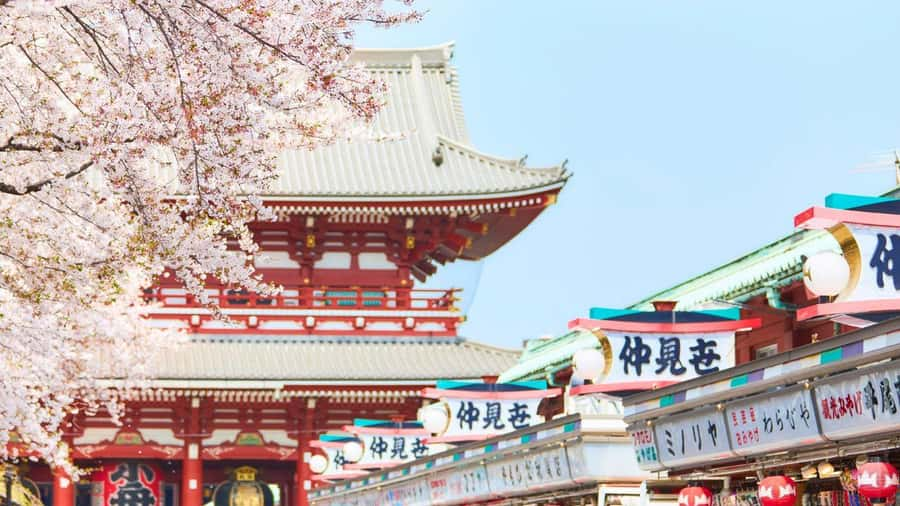
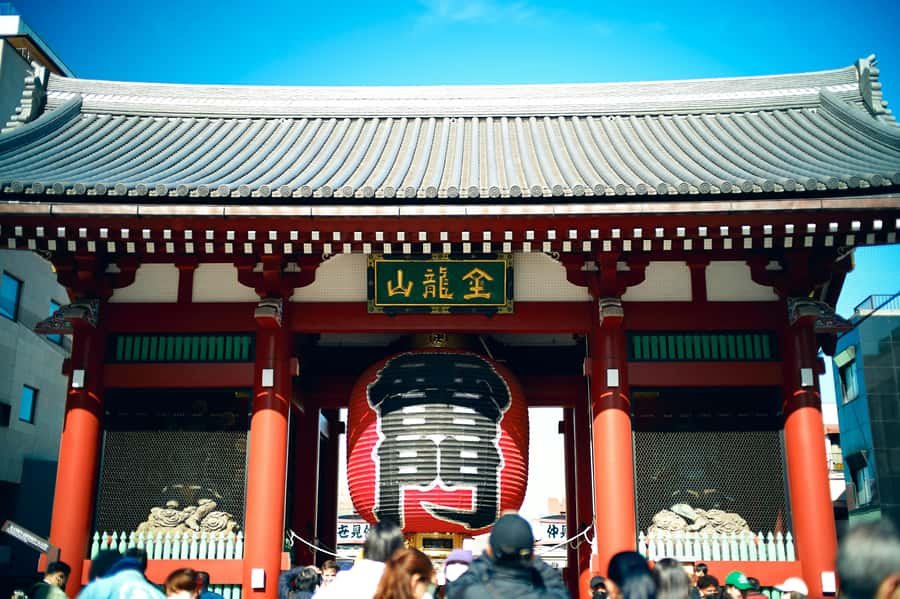
- Kaminarimon start point at the huge red lantern, with wind and thunder gods for easy first-photo vibes
- Senso-ji rituals made practical, including options like incense burning, omikuji, and the temizuya purification
- Tokyo Skytree fast pass to the 350 m deck, with panoramic views and a glass-floor moment if you want
- Kappabashi kitchen tool browsing, from pro knives to ultra-realistic food replicas
- Hand roll sushi workshop (about 30 minutes) using a rolling machine, then you cut and eat what you made
Meeting at Kaminarimon: the easiest way to start Asakusa right
The day begins at Kaminarimon Gate, the iconic entrance to Senso-ji. You meet your guide by the giant red lantern, flanked by the statues of the wind and thunder gods. It’s a great anchor point because everyone can find it fast, and you can grab your first clear photo without circling for help.
Right away, your guide sets expectations for the day. That sounds small, but it changes how the rest feels. You’re not guessing where to go, how long things take, or what’s worth your attention once you hit the crowds around Asakusa.
One more smart detail: this is a small group, capped at 5 people. That makes it easier to ask questions, slow down when you find a shop you like, and actually hear the stories about what you’re seeing.
More temple mornings in old Asakusa
- Tokyo: Japanese Dance Cabaret Theater Asakusa-Kaguwa Ticket
★ 4.8 · 2,270 reviews - Tokyo: Meiji Shrine, Asakusa, Skytree Bus Tour and Cruise
★ 4.7 · 1,986 reviews - Tokyo: Roll and Authentic Sushi Making Class in Asakusa
★ 4.9 · 1,957 reviews - Tokyo: Asakusa Walking Tour with Sensoji Temple Visit
★ 4.8 · 1,583 reviews
Nakamise Street: snacks, souvenirs, and how to choose without stress
After Kaminarimon, you walk down Nakamise Street, a roughly 250-meter stretch lined with shops and snack stalls. This is one of those places where you can easily end up buying something you don’t really want. A guide helps here by pointing you toward local favorites and explaining what the food and souvenirs usually mean in everyday Japanese culture.
The shop lineup is a mix of Edo-period style tradition and classic tourist merch. Your best use of Nakamise isn’t rushing through it. Instead, treat it like a tasting and browsing lane. Walk with your guide, note what smells good, and pick a souvenir while you’re still in “first-time Asakusa mode,” not at the end when your feet and wallet are both tired.
Practical tip: go in expecting snacks to be part of the experience. The tour doesn’t list specific snacks as included, but you’ll get guidance on what to look for, and you’ll know where your taste fits. If you’re picky, you’ll appreciate that the guide can help you narrow choices quickly.
Senso-ji: oldest temple energy, with rituals that feel optional not forced
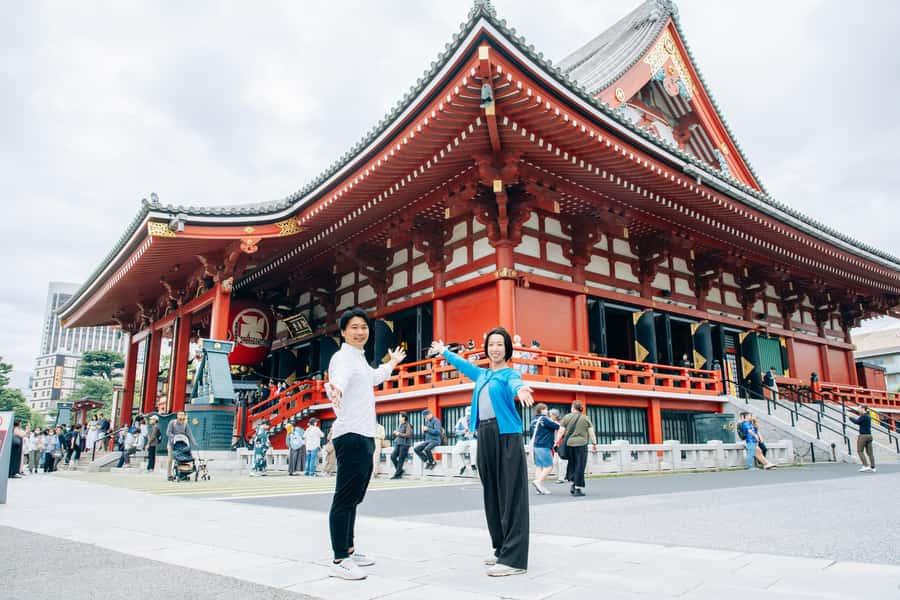
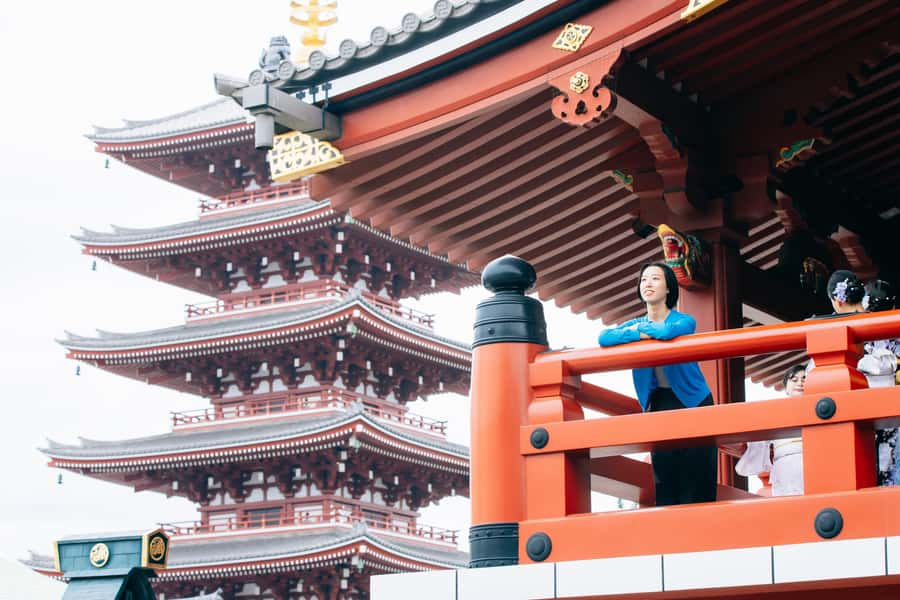
Senso-ji is Tokyo’s oldest Buddhist temple, founded in 645 AD. You’ll head to the main hall area and take in the historic buildings that make the place so recognizable on postcards: the five-story pagoda and the Hozomon Gate are usually the star photo angles.
Here’s what makes this stop more satisfying with a guide: you get context. It’s not just look and keep moving. Your guide can also help you try traditional rituals if you want, including incense burning, drawing omikuji (fortune-telling paper strips), and purification at the temizuya water pavilion.
If you’re the type who worries about doing things wrong, this is where the tour earns its keep. These rituals are optional, but having someone explain them reduces awkwardness. You also get a story about the legend of the Kannon statue, and it’s shared in a way that even many people in Japan may not have heard explained clearly.
One more note: Senso-ji can get busy. That’s normal. The value is in having someone help you time your photos and keep the day flowing so you’re not stuck waiting in the same bottleneck twice.
Tokyo Skytree at 350 m: the fast pass part you’ll actually appreciate
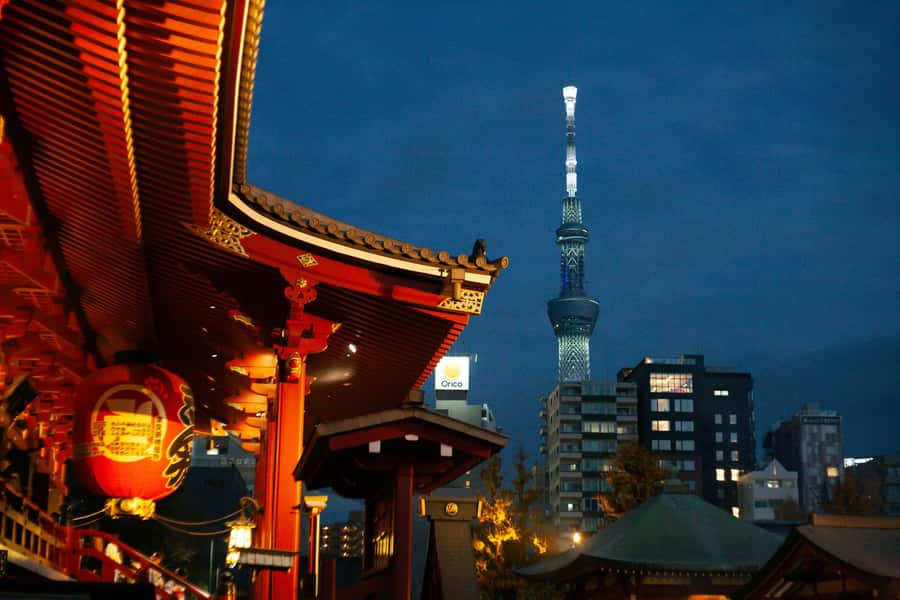
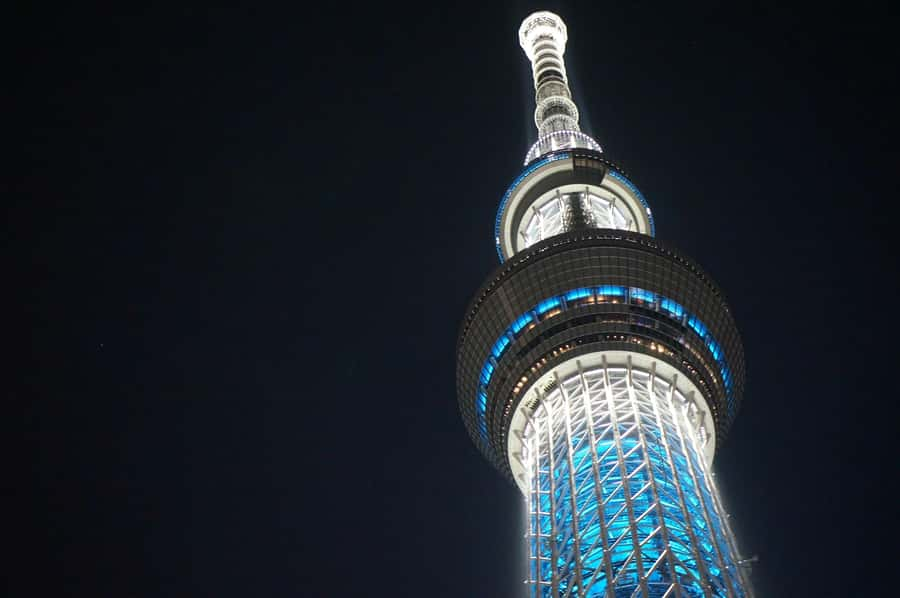
Next you head to Tokyo Skytree, where the structure grows more impressive as you approach. The tower isn’t subtle, and the first view makes you understand why it’s such a landmark.
Your tour includes fast pass entry, which helps you move smoothly onto the observation deck. You’ll go up to 350 meters for panoramic views. From up there, Tokyo stops feeling like a map and starts feeling like a living grid. On clear days, you might even see Mount Fuji and Tokyo Bay, which turns the view into a real “today is special” moment.
For a thrill, you can step onto the glass floor. If you’re cautious, you can watch others do it and still enjoy the wider panorama without committing.
There’s also an option to go higher to an observation deck at 450 meters if you’d like. The tour gives you the choice rather than locking you into one height.
After the views, you head back toward Asakusa. If time allows, your guide can take you to Azumabashi Bridge for photos with the Skytree in the background. It’s a nice way to reconnect the “top of Tokyo” feeling with the street-level world you started in.
Kappabashi: where Japan’s food tools turn into souvenirs
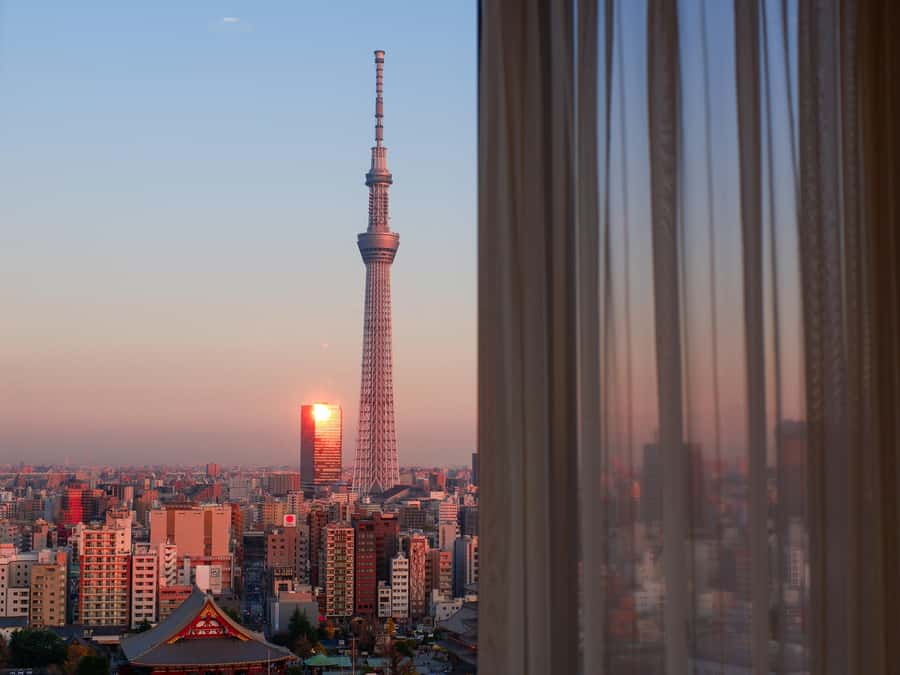
From Asakusa toward Ueno, you’ll visit Kappabashi, sometimes described as a kitchen tool wonderland. This is where you can browse professional-grade knives, tableware, cooking tools, and highly realistic food replica models.
What makes Kappabashi practical on a short tour is that it gives you a focused kind of shopping. Instead of random souvenirs, this is the real craft side of Japanese daily life. You’ll see the kind of tools chefs use and the types of materials behind Japanese food presentation.
The stop also includes experiences connected to food replicas and custom engraving. If you’re into souvenirs that feel personal, a custom-engraved knife is the kind of item that actually carries a story. And those realistic food samples can be fun even if you’re just looking.
A small caution: anything that involves making or customizing items could mean extra cost. Personal expenses aren’t included, so bring a little buffer if you see something you want to take home.
Other Skytree entries readers booked
- Tokyo Panoramic 1 Day: Meiji Shrine, Asakusa, Odaiba and SKYTREE®★ 4.5 · 1,222 reviews
- Tokyo Go Kart: Asakusa, Skytree, and Akihabara **IDP MUST**★ 5.0 · 988 reviews
- Tokyo: Asakusa, Skytree & Akhihabara Go-Kart City Experience★ 4.7 · 761 reviews
- Tokyo Skytree Admission Ticket with Tembo Deck and Galleria★ 4.0 · 589 reviews
- Tokyo: 1 Day Bus Tour with Meiji-Jingu,Odaiba,lunch&Skytree★ 4.6 · 156 reviews
Hand Roll Tokyo Asakusa: the 30-minute sushi class that actually works
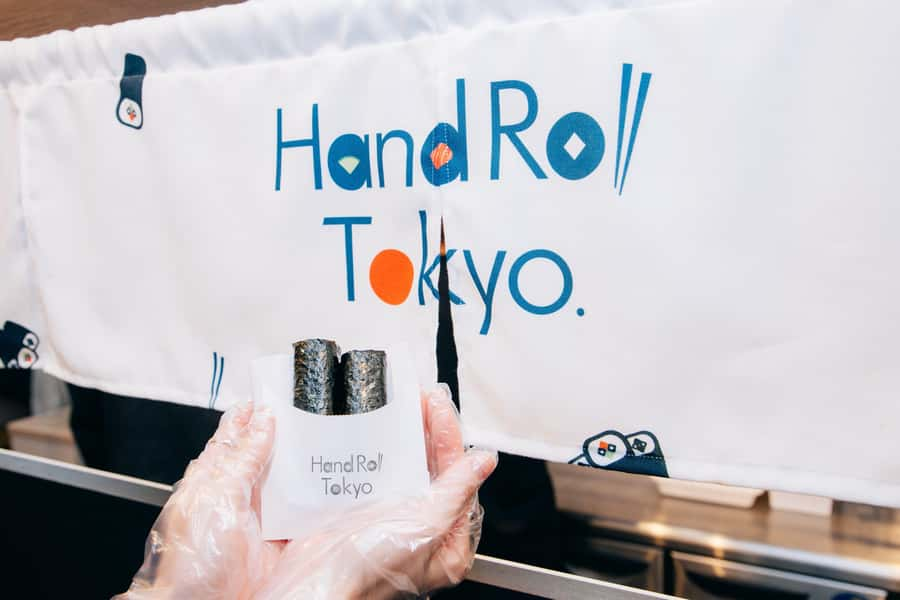
The day ends with a sushi-making workshop at Hand Roll Tokyo Asakusa. It’s designed for beginners and busy schedules, and the total time is about 30 minutes. That time window matters: you get enough instruction to succeed, but not so long you lose the energy that started this day.
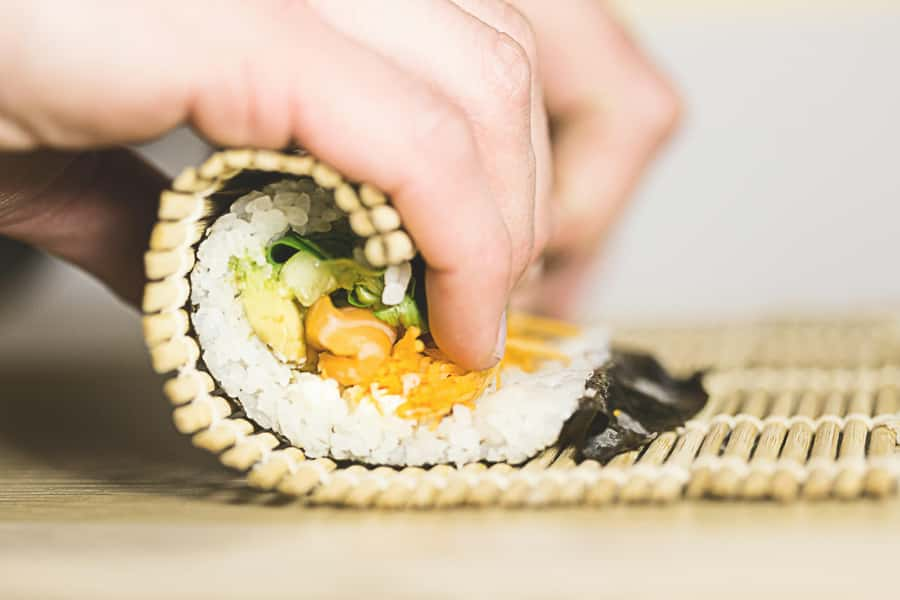
You choose ingredients for your hand rolls, with popular combinations like salmon and avocado or tuna and cucumber. Then you use a special sushi rolling machine to shape the rolls. That’s the clever part for most people. It removes the hardest part of the process while still giving you hands-on ownership.
After rolling, you cut the sushi with a knife. If you’re nervous about knife skills, don’t worry too much. You’re doing it during a guided workshop in an eat-in space, and your creation stays simple and satisfying rather than technical.
Finally, you eat what you made. That’s not a “class ends and you leave” situation. It’s more like a fun cooking reset that closes the day on something tangible.
A bonus detail: you’ll receive photos taken during the tour as a souvenir. One review also mentioned photographers creating special 3D-style pictures during the walk, so if photography is a priority for you, this tour fits that goal.
Small-group pacing, guide stories, and the photo-friendly route
This tour feels built for people who want structure but don’t want a rigid script. With a maximum group size of 5, your guide can tailor the pace to your preferences. One guest specifically praised Seira for making the tour more individual and for sharing lots of interesting information at the spots you’d otherwise skim past.
You’re also getting a guide who can handle the “what am I supposed to do here” questions. That’s especially helpful at Senso-ji where rituals and etiquette can be confusing if you’re winging it.
The itinerary has natural rhythm:
- Asakusa starts with easy visual landmarks (Kaminarimon).
- Nakamise gives you shopping and snack moments.
- Senso-ji shifts from street energy to temple atmosphere.
- Skytree provides the payoff view.
- Kappabashi adds craft browsing and souvenir options.
- Sushi workshop finishes the day with food you make yourself.
If you like your sightseeing with a plan and you want meaningful stops instead of checkboxes, the flow is strong.
Budget check: why $113 can make sense for this mix
At $113 per person, this isn’t the cheapest way to do Asakusa and Skytree. But the cost-to-value math looks better once you count what’s included: the guided portion of Asakusa and Skytree, the hand roll sushi workshop, and fast pass entry to Tokyo Skytree.
Skip those included parts and you quickly see why the price adds up. The Skytree ticket and timed-entry benefit are usually the kind of things that cost extra and cause stress if you handle them alone. The sushi class is also the type of activity that takes time to coordinate and can be intimidating if you don’t know what to expect.
So if you’re the type who values smooth entry, a guided experience through Senso-ji, and a fun food-making activity at the end, this price reads as fair. If you already have plans to go to Skytree and Senso-ji on your own and you’re only looking for quick shopping, you might find cheaper options elsewhere. This one earns its keep by bundling the day into a guided, timed, small-group format.
Who this tour is best for
This experience fits best if you’re:
- On a first trip to Tokyo and want past and present in one day
- Interested in a hands-on food activity, not just museum-style viewing
- Nervous about temple rituals and want help doing them correctly
- Prefer smaller groups where you can ask questions and get photo help
- Short on time but still want more than a single neighborhood
It may be less ideal if you:
- Hate walking (the day includes walking through multiple areas)
- Want totally independent exploration with no guidance at all
- Only want free sights and already planned sushi somewhere else
Should you book Tokyo’s Past & Present: Asakusa, Skytree & Sushi Class?
If you want a Tokyo day that feels curated without feeling scripted, I’d book it. The combination is smart: Senso-ji for grounded tradition, Skytree for the skyline payoff, Kappabashi for practical craft shopping, and a sushi workshop that ends with food you made.
The key reason to choose this over a DIY plan is not just convenience. It’s the way the guide turns “famous stops” into a connected story and helps you handle the parts that can be awkward, like temple rituals and snack/souvenir choices. With a small group size, plus included fast pass entry and the sushi class, you get a day that runs on rails, but still leaves room for personal interests.
More Sushi Counters to Book
- Sushi Making Tokyo Roll and Authentic Japanese Sushi Class
★ 5.0 · 3,971 reviews - Tokyo: Roll and Authentic Sushi Making Class in Asakusa
★ 4.9 · 1,957 reviews - Make Sushi and Create Unforgettable Memories in Tokyo
★ 5.0 · 1,413 reviews - Tokyo: Sushi Making Class in a Happi Coat near a Famous Spot
★ 4.9 · 1,377 reviews - Tokyo Sushi Making Class in Tsukiji with Professional Chef
★ 5.0 · 1,177 reviews
More Skytree Entries
- Tokyo: Meiji Shrine, Asakusa, Skytree Bus Tour and Cruise
★ 4.7 · 1,986 reviews - Tokyo Panoramic 1 Day: Meiji Shrine, Asakusa, Odaiba and SKYTREE®
★ 4.5 · 1,222 reviews - Tokyo Go Kart: Asakusa, Skytree, and Akihabara **IDP MUST**
★ 5.0 · 988 reviews - Tokyo: Asakusa, Skytree & Akhihabara Go-Kart City Experience
★ 4.7 · 761 reviews - Tokyo Skytree Admission Ticket with Tembo Deck and Galleria
★ 4.0 · 589 reviews
More Mornings in Old Asakusa
- Tokyo: Japanese Dance Cabaret Theater Asakusa-Kaguwa Ticket
★ 4.8 · 2,270 reviews - Tokyo: Meiji Shrine, Asakusa, Skytree Bus Tour and Cruise
★ 4.7 · 1,986 reviews - Tokyo: Roll and Authentic Sushi Making Class in Asakusa
★ 4.9 · 1,957 reviews - Tokyo: Asakusa Walking Tour with Sensoji Temple Visit
★ 4.8 · 1,583 reviews - Tokyo Asakusa Rickshaw Tour
★ 5.0 · 1,375 reviews
Latest Tokyo reviews off our desk






Asakusa & Sensoji Tours, compared.
 ★ 4.8Japanese Dance Cabaret Theater Asakusa-Kaguwa TicketFrom $492,270 reviews
 ★ 4.7Meiji Shrine, Asakusa, Skytree Bus Tour and CruiseFrom $1221,986 reviews
 ★ 4.9Roll and Authentic Sushi Making Class in AsakusaFrom $581,957 reviews
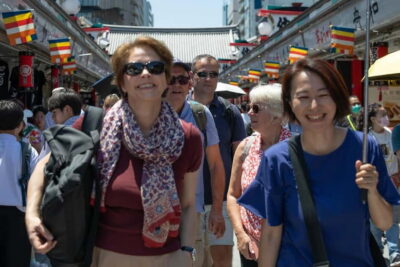 ★ 4.8Asakusa Walking Tour with Sensoji Temple VisitFrom $221,583 reviews
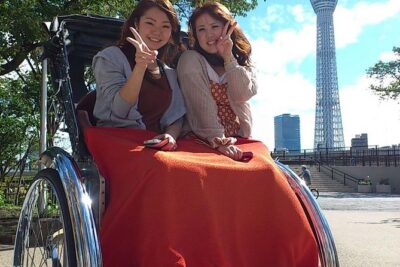 ★ 5.0Tokyo Asakusa Rickshaw TourFrom $421,375 reviews
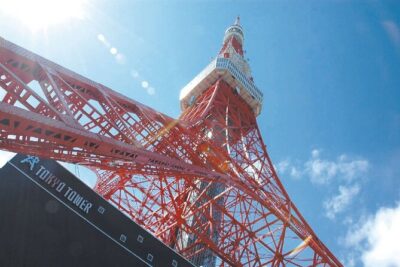 ★ 4.5Tokyo Panoramic 1 Day: Meiji Shrine, Asakusa, Odaiba and SKYTREE®From $851,222 reviews
 ★ 5.0Tokyo Go Kart: Asakusa, Skytree, and Akihabara **IDP MUST**From $99988 reviews
 ★ 4.7Asakusa, Skytree & Akhihabara Go-Kart City ExperienceFrom $96761 reviews
Browse the lists this tour appears in