Reviewed · TOKYO
When Emperors Reigned and Shoguns Ruled
Shogun-era Kamakura on foot, with photo help. This private Kamakura Period walk (1185–1333) pairs classic shrine stops with contemporary Kamakura life, guided by a professional photographer guide who can frame shots as you go. It’s a smart way to connect what you see to how the shogunate government, samurai culture, and Zen Buddhism shaped the town.
I also love the mix of big cultural landmarks and everyday street energy, especially the time along Komachidori snacks and souvenirs. One consideration: admissions for Kotoku-in and Hasedera are not included, and food drinks plus transportation to and from sites are on you.
In This Review
- Key things that make this tour work
- Why Kamakura Period History Feels Real (Not Lecture-Mode)
- Price and What You Actually Get for $108.99
- Your 4-Hour Route: From Kamakura Station to Hase Station
- Wakamiya Main Street: The Scenic Warm-Up Before the Shrines
- Tsurugaoka Hachimangu: Minamoto Yoritomo and the Power Shift
- Komachidori Shopping Street: Modern Kamakura in Full Color
- Kotoku-in (Great Buddha): The One-Stop Statue Moment
- Hasedera Temple: Terraced Gardens, Ponds, Caves, and Kannon
- The Photographer Guide Advantage: Better Photos Without Being Awkward
- Group Size, Pacing, and Language: Who Will Enjoy This Most
- Should You Book This Kamakura Photo and History Tour?
- FAQ
- How long is the Kamakura tour?
- Where do we meet and where does the tour end?
- Is this tour private?
- What’s included in the price?
- Are entrance fees included for all stops?
- Is there food included?
- Can I cancel for a full refund?
Key things that make this tour work
- Private group up to eight people, so you can ask questions without a crowd bottleneck
- Professional photographer guide who helps you get better pictures, not just travel snapshots
- A focused Kamakura Period storyline tied to shogun rule, samurai life, and Zen’s rise
- Free entry for the first three stops, keeping most of your time cost-friendly
- Modern Kamakura street time on Komachidori, so it doesn’t feel like a museum visit
- End at Hase Station for an easy continuation of your day
Why Kamakura Period History Feels Real (Not Lecture-Mode)
Kamakura is one of those places where history isn’t sealed behind glass. It’s right there in the stone paths, the shrine atmosphere, and the sheer presence of the Great Buddha. What makes this tour appealing is the way it links each stop to the Kamakura Period—roughly 1185 to 1333—when the shogunate system and samurai power were reshaping Japan. And it doesn’t stop at politics. You’ll also get the cultural thread of Zen Buddhism, which helps explain why certain temple spaces feel the way they do.
I like the balance of major landmarks plus street-level Kamakura. You’re not only walking past monuments; you’re also seeing the everyday town rhythm along the main boulevard and shopping street. That’s the kind of mix that helps the day feel like travel, not a checklist.
Readers booked these Kamakura options in the same breath. Here is how each one scored:
- Tokyo: Kamakura & Enoshima Day Trip including Temple Tickets
★ 4.5 · 1,375 reviews - From Tokyo: Kamakura & Enoshima 1-Day Bus Tour
★ 4.5 · 189 reviews - Kamakura Historical Walking Tour with the Great Buddha
★ 5.0 · 129 reviews - Kamakura Private Tour: Temples, Nature, and the Great Buddha
★ 5.0 · 121 reviews
Price and What You Actually Get for $108.99
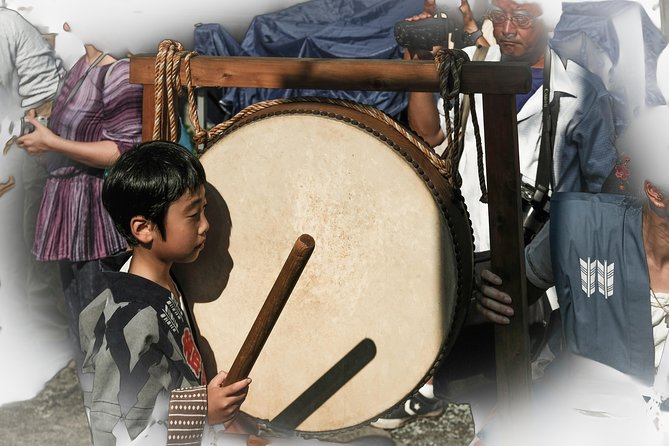
At $108.99 per person, the value depends on what you want out of the time. This isn’t a bare-bones “guide meets you, you walk, goodbye” format. You get a local guide plus a professional photographer guide, along with a tour escort/host. For many people, that photographer component is the difference between blurry vacation photos and actually usable pictures you’ll keep.
A second value point: the schedule is tight but not rushed. The tour is designed to cover key highlights in about 4 hours, while still letting you ask questions and move at your pace. That matters if you prefer to stop and look, or if you’re traveling with a group dynamic that needs flexibility.
The main cost caveat is predictable: Kotoku-in and Hasedera Temple entrance fees are not included, and food and drinks aren’t provided. Also, there’s no hotel pickup or drop-off. In practice, that means you should budget a little extra if you’re paying entries at those two stops, and plan to eat on your own before or after.
Your 4-Hour Route: From Kamakura Station to Hase Station
This tour starts at Kamakura Station and ends at Hase Station (Enoden Line). That’s convenient because Kamakura is a transit hub, and ending at Hase Station is useful if you want to keep exploring without retracing your steps.
The day is built around five stops, with time set aside for both sights and walking:
- A scenic start on Wakamiya Main Street
- Tsurugaoka Hachimangu Shrine
- Komachidori shopping street
- Kotoku-in (Great Buddha)
- Hasedera Temple and its tiered grounds
You’ll feel a clear shift as the route progresses. The first part is shrine-centered and historical. Then Komachidori brings you into modern Kamakura. Finally, the temple stops deliver the larger spiritual and visual “wow” moments.
Wakamiya Main Street: The Scenic Warm-Up Before the Shrines
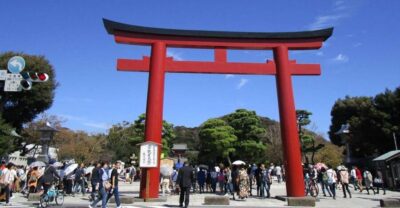
You begin with Wakamiya Main Street, a scenic walk toward the main shrine area. Even though this stop is short (about 20 minutes), it does important work: it gets you oriented. Kamakura can feel a little tricky if you arrive with no plan. A gentle warm-up walk helps you understand how the town funnels you from everyday streets toward religious sites.
Since the admission here is free, this is also a low-pressure start. You can pay attention to the atmosphere—what locals are doing, how the street opens up near shrine grounds, and how the “old meets new” feeling shows up immediately.
Practical tip: if you’re sensitive to hills or long walks, this is the moment to slow down and get comfortable. The tour pacing tends to stay natural, but your legs will decide how much you enjoy the later stairs at Hasedera.
Tsurugaoka Hachimangu: Minamoto Yoritomo and the Power Shift
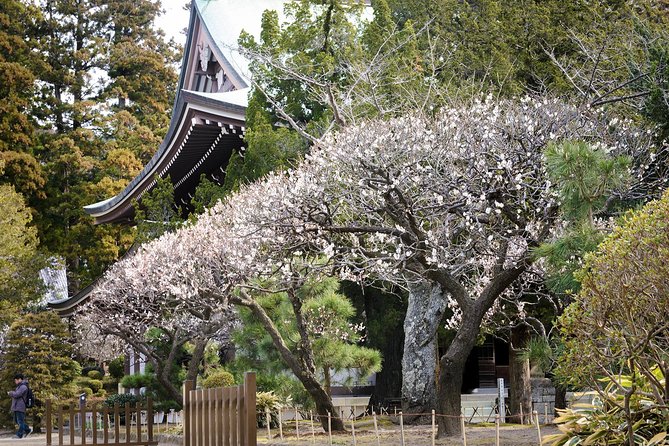
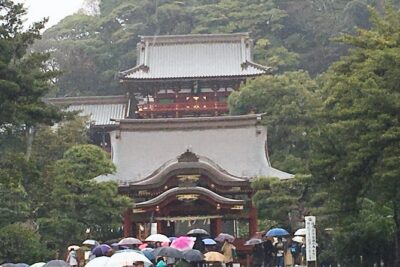
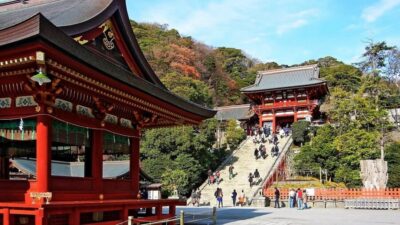
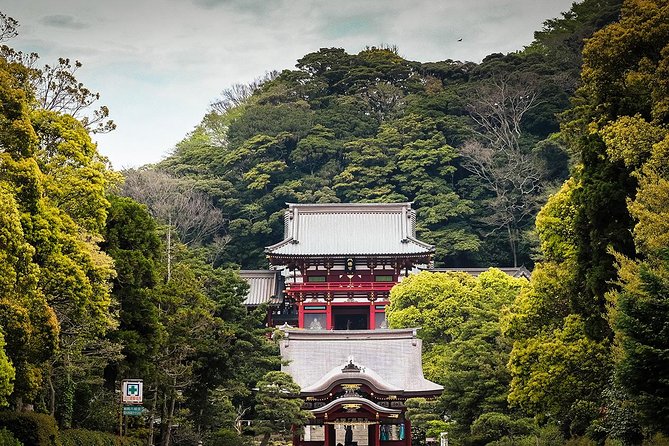
Next comes Tsurugaoka Hachimangu Shrine (about 50 minutes). This is one of Japan’s three most important Shinto shrines, and it matters for a very specific reason: it was built by the first shogun, Minamoto Yoritomo, in the 12th century. That connection turns the site from “nice shrine photos” into a place where you can picture political power changing hands.
Because the stop is free, you can focus on the experience instead of worrying about entry fees. The real value is how the guide frames what you’re seeing—how the shrine relates to the broader rise of the samurai-led government and why that era’s influence still feels physical in Kamakura.
What to watch for: your eyes will naturally move between architecture, pathways, and the flow of visitors. Take a moment to notice how the layout guides you. This is one of the easiest places on the route to get your bearings fast, and that helps the rest of the day feel smoother.
- Kamakura Walking Tour – The City of Shogun★ 5.0 · 100 reviews
- Kamakura: Private Guided Walking Tour with Local Guide★ 4.8 · 60 reviews
- Kamakura 4hr Private Trip with Government-Licensed Guide★ 5.0 · 58 reviews
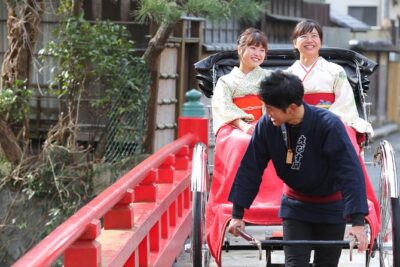
- Kamakura Rickshaw Tour★ 5.0 · 53 reviews
- From Tokyo: Kamakura Full Day Tour with a Local Expert Guide★ 4.6 · 43 reviews
Komachidori Shopping Street: Modern Kamakura in Full Color
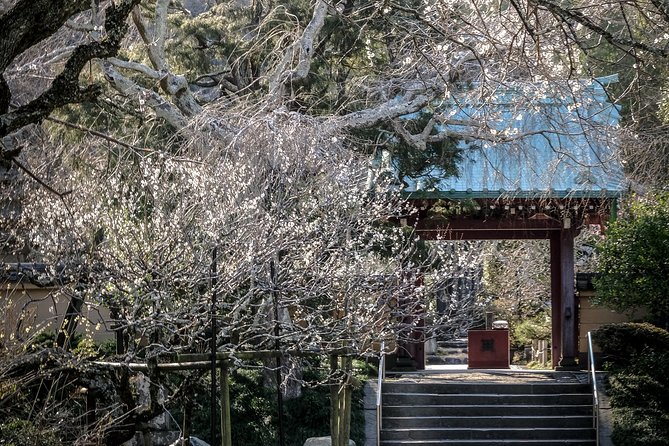
Then you hit Kamakura Komachidori, the famous shopping street lined on both sides with stalls and shops. You’ll spend about 50 minutes here, and admission is free because it’s not a paid attraction—it’s town life.
This stop is more than a break. It’s how you remind yourself that Kamakura isn’t only temples. You get sweets, snacks, and souvenir shopping energy right in the middle of your historical story. If you’re traveling with kids, teenagers, or anyone who gets tired of “quiet places,” this stop helps reset the day without breaking your momentum.
I like using this kind of street time strategically. If you want something small to snack on, it’s the easiest moment to do it before you move into longer temple stairways later. Also, since Sundays and long weekends can be busy anywhere, this is the place where you learn how to navigate crowds with a plan: look, pick one or two things, then keep moving.
Kotoku-in (Great Buddha): The One-Stop Statue Moment
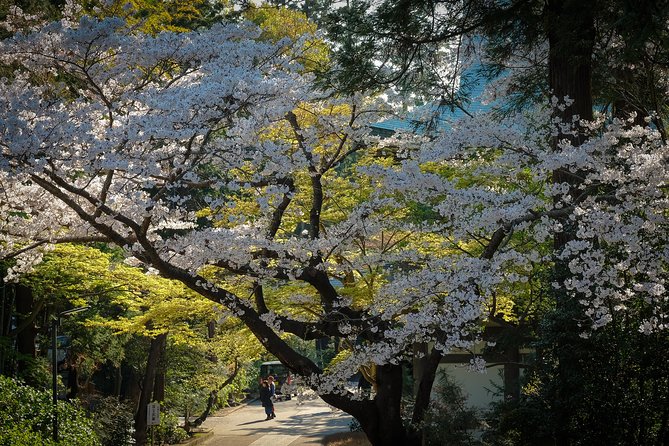
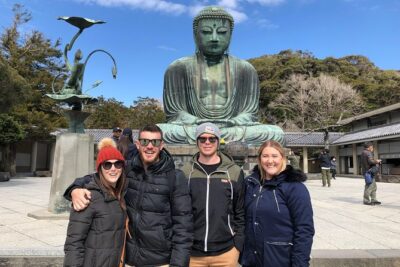
At Kotoku-in, you’re going to the Great Buddha of Kamakura, a centuries-old giant bronze statue of the Amida Buddha dating back to the 13th century. This stop is about 40 minutes, and admission is not included, so be ready for that extra cost.
Even if you’ve seen other big Buddha statues, this one has a particular draw: scale plus simplicity. You’re not chasing details across many buildings. You’re meeting one major form, which makes the experience feel clear and focused.
One practical consideration: bronze statues and open-air temple areas can feel hot or damp depending on weather. If you’re sensitive to glare, bring sunglasses or position yourself for shade when you can. And if you’re taking photos, be mindful that crowd flow can change quickly. The tour’s photographer component is a plus here because it helps you avoid “everyone is standing, and nobody gets the shot” moments.
Hasedera Temple: Terraced Gardens, Ponds, Caves, and Kannon
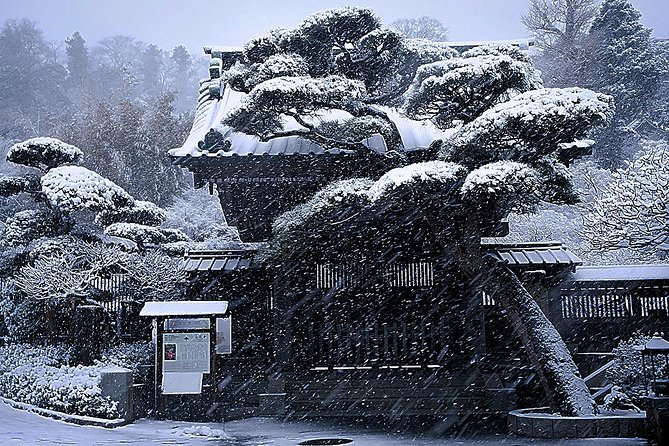
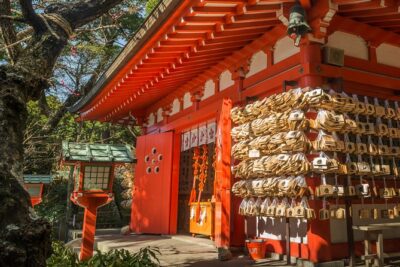
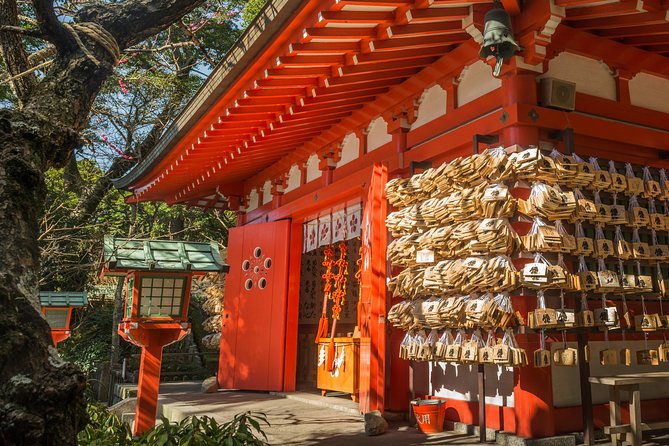
The tour’s final major stop is Hasedera Temple, about 1 hour 20 minutes. This is the longest stop, and it’s packed with things to notice: multiple levels, gardens, ponds, caves, and an ancient 11-headed statue of Kannon, the Goddess of Mercy.
Admissions here are not included, so plan for that cost. But the payoff is the time. Hasedera is one of those places where even if you’re moving efficiently, you’ll still want to pause. The layout encourages slow walking: you go up levels, see different angles of the gardens, and pick up a sense of the temple as a full property rather than a single courtyard.
If you want one tip for enjoying Hasedera: treat it like a series of mini-scenes. Instead of rushing to the main statue and moving on, stop at natural transitions between levels and let your eyes reset. This is where the “own pace” feel of the tour helps, because you can ask questions and then spend a little extra time in the spot that caught your attention.
The Photographer Guide Advantage: Better Photos Without Being Awkward
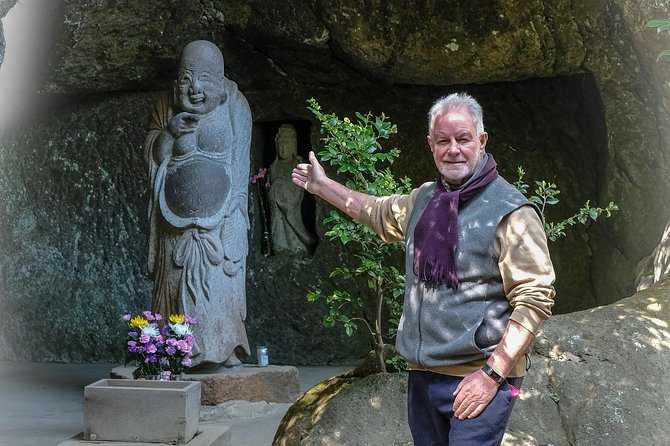
A big part of why this tour gets strong results is the professional photographer guide. You’re not just left with a phone and hope. The guide can help with framing, timing, and positioning while still keeping the day on track.
In practice, that means:
- You get photo help even when you’re walking between stops
- You’re less likely to miss a good angle because you’re too busy concentrating on where to go next
- You can take pictures with confidence while staying respectful in shrine and temple spaces
I also like how this setup reduces awkwardness. When you’re with a group, someone always wants a photo but doesn’t know how to ask. Here, the photo support is built into the tour flow.
And since the tour is private, the day can be shaped around you. If it’s a rainy afternoon, it still works because the route is planned around key outdoor and temple areas, and you’re not stuck waiting for others to catch up. Bring a compact umbrella or rain layer if your forecast looks iffy; Kamakura weather can surprise you.
Group Size, Pacing, and Language: Who Will Enjoy This Most
This is a private tour/activity—only your group participates. The tour is described as a great fit for single travelers, and the group size stays within up to eight people. That small-number structure is what makes it feel personal. You’re not competing for the guide’s attention, and you’re not forced into a rigid tempo.
Language support is also a strong point from real-world experience shared by past participants. The guide is comfortable with English, and Spanish is available as well. That matters if you’re traveling with someone who wants help understanding details rather than just seeing sites.
Who this fits best:
- You want Kamakura highlights without getting lost
- You care about story behind the shrines and temples, not only photos
- You want an easy plan for a half-day that ends at a useful station
Who might not love it:
- If you want a free-roaming day with zero structure, you may feel “guided” even though you can ask questions and go at your pace
- If you only want one or two sites and don’t care about the narrative thread, you could build a cheaper DIY route
Should You Book This Kamakura Photo and History Tour?
If you want a smart half-day in Kamakura with a guide who connects the places to the shogunate era, this is an excellent way to spend it. The value is strongest when you want both sides of Kamakura: the shrine-and-temple core plus the modern street feel on Komachidori. Add the photographer help, and you’re not just collecting memories—you’re collecting photos you’ll actually use.
Book it if:
- you’re interested in Kamakura Period history and how Zen culture fits into the story
- you want a structured route that still allows questions and a comfortable walking pace
- you want to leave with strong photos, not just scenic blur
Consider passing if:
- you’re trying to minimize extra spending, since Kotoku-in and Hasedera entry fees aren’t included
- you’d rather spend the whole day eating, wandering, and deciding on the fly with no stop sequence
FAQ
How long is the Kamakura tour?
It runs for about 4 hours.
Where do we meet and where does the tour end?
You meet at Kamakura Station and end at Hase Station.
Is this tour private?
Yes. It’s a private tour/activity, and only your group participates.
What’s included in the price?
The tour includes a local guide, a professional photographer guide, and a tour escort/host.
Are entrance fees included for all stops?
No. Admission tickets are free for Wakamiya Main Street, Tsurugaoka Hachimangu Shrine, and Kamakura Komachidori. Admission for Kotoku-in (Great Buddha) and Hasedera Temple is not included.
Is there food included?
No. Food and drinks are not included.
Can I cancel for a full refund?
Yes. You can cancel for a full refund if you cancel at least 24 hours in advance of the experience start time.
More Tour Reviews in Kamakura
- Tokyo: Kamakura & Enoshima Day Trip including Temple Tickets
★ 4.5 · 1,375 reviews - From Tokyo: Kamakura & Enoshima 1-Day Bus Tour
★ 4.5 · 189 reviews - Kamakura Historical Walking Tour with the Great Buddha
★ 5.0 · 129 reviews - Kamakura Private Tour: Temples, Nature, and the Great Buddha
★ 5.0 · 121 reviews - Kamakura Walking Tour – The City of Shogun
★ 5.0 · 100 reviews