
Reviewed · KAMAKURA DAY TRIPS
Kamakura: Private Guided Walking Tour with Local Guide
Kamakura history feels close when you walk it. This private guided tour runs 4–6 hours and lets you see the major sights (plus calmer corners) with a nationally licensed local guide who can tailor the day. I especially like the way the route can flex, and the fact that you can go inside the giant Great Buddha rather than just admire it from afar.
What I love most is the pacing: you’re not stuck in a rigid bus schedule, and you can swap in or out stops based on what you care about that day—temples, gardens, photos, even a quick Mt. Fuji break when conditions allow. I also like the practical cultural context you get at each stop, so the shrines and temple names start making sense fast.
One drawback to plan around: entrance fees and local transportation between sites cost extra, so you’ll want a little cash budget ready even though the tour itself is straightforward.
In This Review
- Key highlights that make this Kamakura tour worth it
- Kamakura on foot: why a private day beats the generic route
- Start smart: pickup, walking transfers, and having yen ready
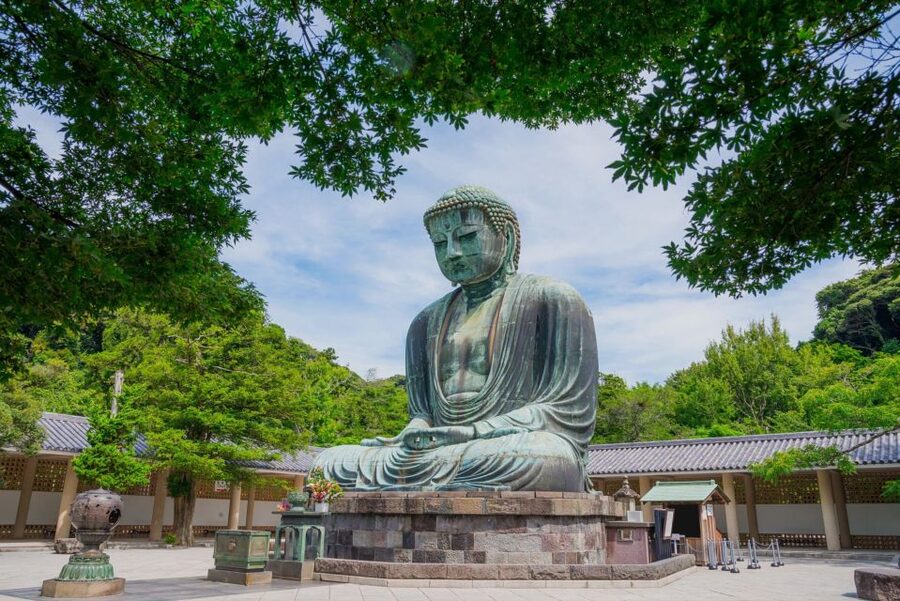
- The Great Buddha stop: inside access changes how you see Kamakura
- Hase-dera gardens: when hydrangeas turn the temple into a show
- Zeniarai Benten: a shrine story you can actually feel
- Hokoku-ji bamboo forest and matcha: the calm part of the day
- Other temples your guide can weave in: from Tsurugapka to Engaku-ji
- Customizing the route: how guides actually make the day feel personal
- Price and value: what you’re really paying for at $106
- Who this tour fits best (and who may want a different plan)
- Should you book this Kamakura guided walking tour?
- FAQ
- How long is the Kamakura private guided walking tour?
- Is this tour private?
- Can I customize the itinerary?
- What is included in the price?
- Are entrance fees included?
- Do I need Japanese yen during the tour?
- Does the tour run in bad weather?
- Is the tour wheelchair accessible?
Key highlights that make this Kamakura tour worth it
- Nationally licensed guide with English or Japanese, built for cultural and historical explanations
- Great Buddha interior access, a big difference from look-only sightseeing
- Hase-dera gardens and hydrangeas: about 2,500 blooms across 40 varieties in the rainy season
- Zeniarai Benten Shrine, tied to the money-washing legend
- Hokoku-ji bamboo forest plus a matcha tea break
- Route flexibility, with guides who often help you avoid crowds and adjust for closures
Kamakura on foot: why a private day beats the generic route
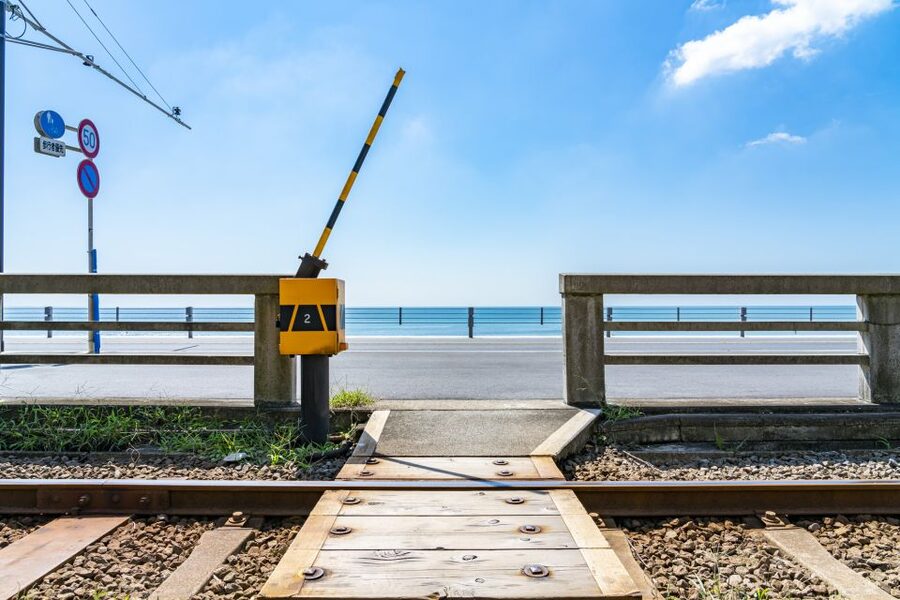
Kamakura is only about an hour from Tokyo, but it’s not a “quick stop and done” kind of place. The best version of Kamakura is a slow, deliberate walk through compounds of shrines and temples, with time to look up, step aside, and read what’s carved into stone. A private format helps because you’re not negotiating with a group’s pace or preferences.
This is a walking day tour, not a vehicle tour. That matters because the distance between sights is part of the experience: you’ll move through old neighborhoods and approach each site at the right rhythm, instead of arriving already tired from transit. It also helps your guide steer you toward the calmer streets and better photo angles.
The tour length is 4 to 6 hours, so it fits both a short Tokyo side trip and a half-day buffer. If you’re short on time, you’ll want a tighter loop (fewer sites, more depth). If you have more room, your guide can add additional temples and viewpoints to round out the story of Kamakura.
Coast-and-Buddha days near Kamakura, rated
- Tokyo: Kamakura & Enoshima Day Trip including Temple Tickets
★ 4.5 · 1,375 reviews - From Tokyo: Kamakura & Enoshima 1-Day Bus Tour
★ 4.5 · 189 reviews - Kamakura Historical Walking Tour with the Great Buddha
★ 5.0 · 129 reviews - Kamakura Private Tour: Temples, Nature, and the Great Buddha
★ 5.0 · 121 reviews
Start smart: pickup, walking transfers, and having yen ready
Pickup is included, but it’s on foot if you’re within a reasonable distance. That’s convenient in theory, but it also means your exact meeting point can affect how easy the start feels. If you’re coming from farther away, expect that you might need a quick public transit hop or a taxi transfer before the walking portion starts.
Between stops, the tour notes that public transportation or local taxis may be used. The exact transfer costs can be discussed with your guide after your reservation is finalized, and you should have Japanese yen on hand. In plain terms: this is easy to handle, but don’t show up thinking everything is bundled.
Also, the tour is described as rain or shine. Japan’s rainy season can be real work on open paths, so bring a compact rain layer and shoes that can handle wet stone. A good guide will still keep things moving, but you’ll enjoy the day more if you’re comfortable under changing weather.
The Great Buddha stop: inside access changes how you see Kamakura
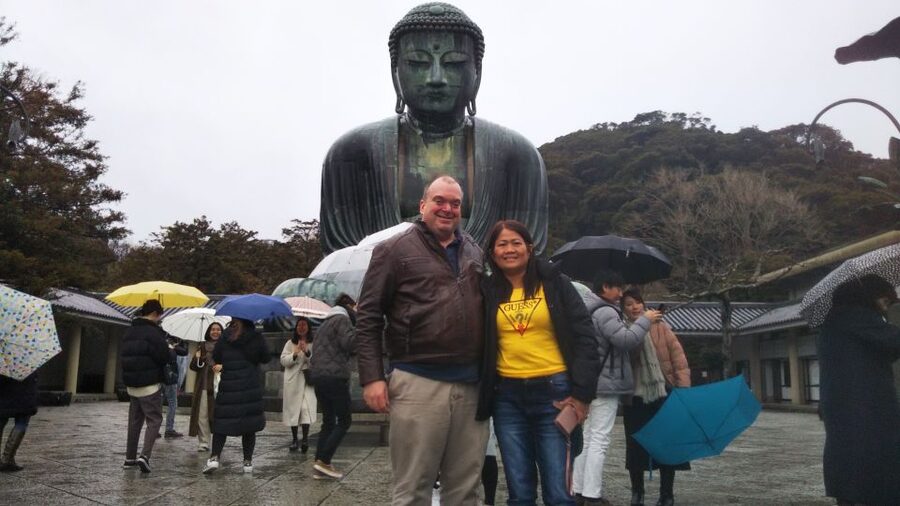
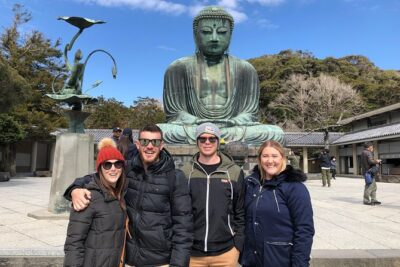
The big anchor of the day is Kamakura’s huge Great Buddha—and the tour aims to get you inside the statue. That’s a meaningful detail. Seeing the Buddha from outside gives you scale; going inside helps you feel the craftsmanship and the weight of tradition in a way photos can’t.
This stop also tends to reset your understanding of Kamakura. It’s the kind of place where the architecture and the religious purpose click all at once, especially when your guide explains the context in clear, practical terms. If you care about Japanese history but don’t want lectures, this is a great starting point.
A quick caution: interior visits can feel cramped or busy depending on the time of day. That’s one reason private touring helps—your guide can often time transitions to keep the day from becoming a shuffle. If crowds bother you, tell your guide early, and your route can usually be adjusted.
Hase-dera gardens: when hydrangeas turn the temple into a show
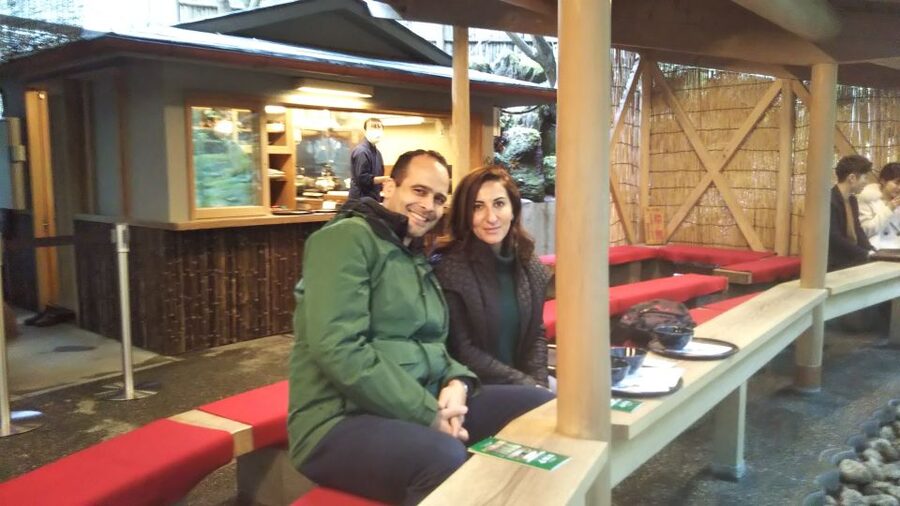
One of Kamakura’s most famous garden experiences is Hase-dera, and it’s particularly special in the rainy season. Around June, about 2,500 hydrangeas across 40 varieties bloom around the temple grounds, creating a dense, colorful scene.
Even if you’re not visiting in June, Hase-dera is still worth it because temple gardens in Japan aren’t just decoration. They’re arranged to guide your eyes—stepping from view to view, with quiet pauses where you naturally slow down. With a guide, you’ll know what you’re looking at and why it’s arranged that way.
Drawback-wise, Hase-dera can be a popular destination. The best advice is simple: plan to arrive when your guide thinks the light and timing are best, and be ready to walk a bit more than you think. If you dislike big crowds, tell your guide you want more breathing room, and you’ll likely get a smarter routing strategy.
Zeniarai Benten: a shrine story you can actually feel
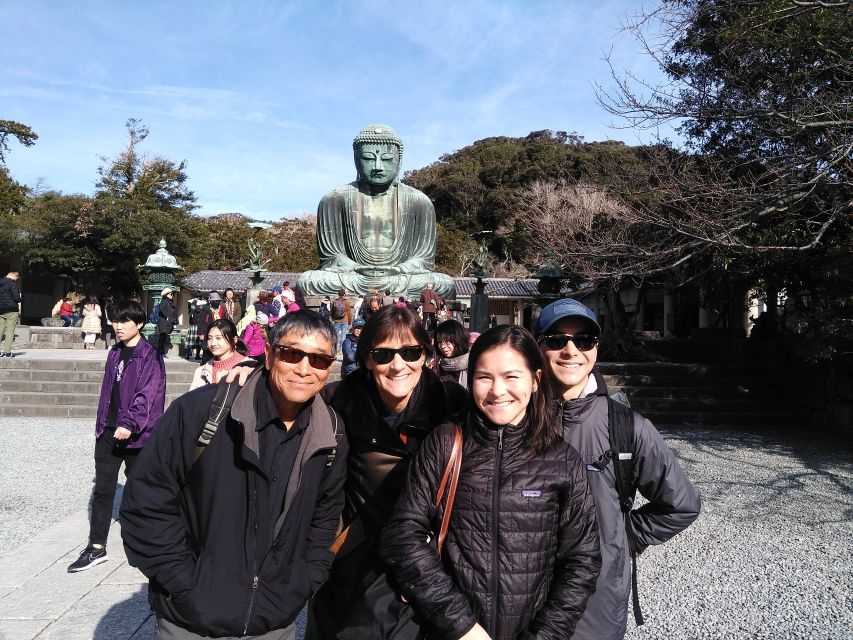
Next up is the Zeniarai Benten Shrine, famous for a legend tied to money. The story says that when money is washed in the shrine’s holy water, you can earn more money. It’s not just a quirky tale—this is the kind of shrine tradition that reflects how faith, daily life, and hope mix in Japan.
On a private tour, this stop becomes more than a quick photo stop. Your guide can explain what the practice means locally and how people understand prosperity and luck in that context. That turns the shrine into a living cultural moment instead of a checkbox.
What to expect practically: shrines like this can have small flows of visitors, so you’ll want to move respectfully and follow your guide’s pace. It’s usually a quick stop, but it can still be memorable if you treat it like a story moment rather than a sprint.
Readers also shortlisted these Kamakura bookings:
- Kamakura Walking Tour – The City of Shogun★ 5.0 · 100 reviews
- Buddha, Bamboo & Zen – Bespoke Kamakura Private Walking Tours★ 5.0 · 25 reviews
- Kamakura: Walking Tour through the City of Samurai★ 4.9 · 12 reviews
- Kamakura: Half day Walking tour & Japanese sweets★ 5.0 · 11 reviews
- Kamakura Heritage Bike or Walk Tour with ex-Rickshaw guide★ 5.0 · 11 reviews
Hokoku-ji bamboo forest and matcha: the calm part of the day
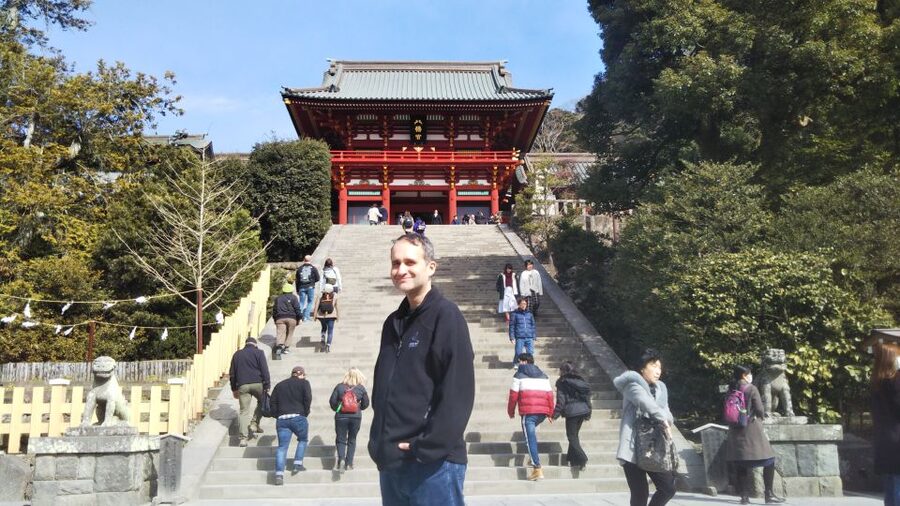
If Kamakura feels like “busy temples,” Hokoku-ji is often the reset. This temple is known for its bamboo forest garden, which has that signature quiet, straight-line rhythm that makes you slow down without trying.
The tour includes the chance to sample matcha tea while admiring the forest views. That matters because it gives your body a break and lets the scenery sink in. A tea pause also helps you shift from sightseeing mode to noticing mode—sounds, textures, and small details you’ll otherwise miss while rushing.
There’s also a practical benefit: bamboo gardens can be cooler and shaded. If you hit the hottest part of the day on open streets, this stop can genuinely save your energy. Bring a water bottle when you can, and let your guide decide the best order so you’re not overheating between sites.
Other temples your guide can weave in: from Tsurugapka to Engaku-ji
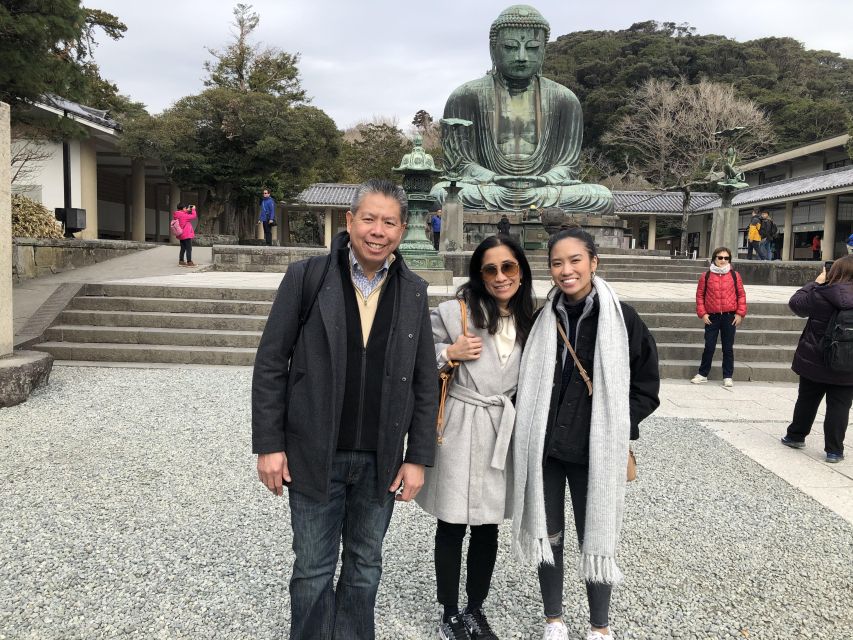
A big selling point of this tour is flexibility. You can customize your route, and many guides handle it smoothly. For example, people have done longer 6-hour versions and packed in several shrines and temples like Tsurugapka-Hachiman-gu, Jenchō-ji, and Engaku-ji.
Those names are more than impressive labels. In Kamakura, they connect to the city’s role as a center of power and religious culture. When your guide explains each stop, you start seeing patterns—how different temples relate to eras of leadership, what symbols mean, and why certain gates or halls get treated with reverence.
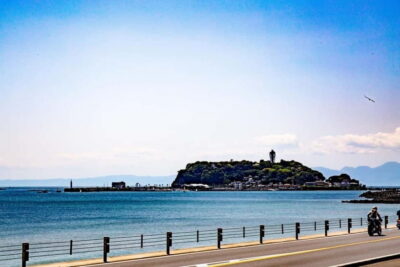
Some itineraries also include the cave on Engoshima Island, depending on what you want to see and how your day is shaped. That’s a good choice if you like a nature-or-coast angle alongside the temple theme. It’s also a reminder that Kamakura isn’t only “temples on hills”—there’s ocean and rock character too.
One fun possibility: one guide reportedly adjusted the plan to catch a rare Mt. Fuji glimpse. That’s not guaranteed, but it’s exactly the kind of thoughtful routing that private touring can do well. If views matter to you, ask your guide about timing and whether there’s a best shot for distant scenery.
Customizing the route: how guides actually make the day feel personal
Customization is the heart of this experience. Your guide can take care of itinerary planning, but you can also request specific targets up front. That’s valuable because “best of Kamakura” depends on you.
If you’re photo-focused, you’ll want to tell your guide you care about angles and light. Several guides on this tour are praised for pointing out photo opportunities and helping with pictures throughout the route. That turns the day into a set of intentional moments, not just a sequence of stops.
If you’re historically minded but want clarity over trivia, you’ll appreciate the guide explanations that connect the dots quickly. Names like Shinji, An, Yuki, Kei, and Emiko show up repeatedly in guide feedback, and the theme is consistent: clear explanations, friendly pacing, and a willingness to answer questions.
Also, good guides pay attention to closures and timing. One itinerary reportedly worked around holiday closures, and that kind of hands-on adjustment saves you from wasting time. Another guide even reportedly changed the plan so you could fit train timing back to Tokyo with little stress—another reason private touring beats rolling the dice.
Price and value: what you’re really paying for at $106
At $106 per person for a private 4–6 hour walking tour, the price isn’t “cheap,” but it can be fair value because you’re buying two things: time and human guidance. You’re not paying for a seat on a bus. You’re paying for a nationally licensed guide, route planning, and a day that can flex with your interests.
Included elements:
- Private and personalized walking tour
- Licensed local guide
- Pickup on foot if you’re within reasonable distance
Not included:
- Food and drinks
- Entrance fees
- Public/private transportation costs during the tour
So where does the value show up? It shows up when you’d otherwise be spending time researching which temples matter most to you, mapping transit between them, and translating what you’re seeing. With a guide, you can spend your energy looking at Kamakura instead of decoding it.
Entrance fees and transit vary by exact stops, so the best money move is to budget a bit extra. But if you’re selecting major highlights like Great Buddha interior, Hase-dera, and Hokoku-ji, you’re already spending time in places where admission can add up. The private guide helps you get the most out of those paid entries by steering order and giving context.
Who this tour fits best (and who may want a different plan)
This is a great fit if you:
- Want a private day rather than a group shuffle
- Like walking and don’t mind mixing stairs and temple paths
- Want real explanations at each stop (history, culture, meaning)
- Prefer route flexibility—whether that’s adding a temple or skipping one
It’s less ideal if you:
- Want everything fully bundled with no extra costs (entrance fees and transfers are not included)
- Need a very car-based route (this is a walking day tour; a private vehicle is only possible if arranged in advance)
- Are trying to cover Kamakura with zero walking. Even with a guide, temple sightseeing is still active sightseeing.
If you’re traveling as a couple, this often works especially well. Two people get the full benefit of private guidance, and you can share the pace. Families can also work well, as long as everyone can handle walking time and uneven temple grounds.
Should you book this Kamakura guided walking tour?
Yes, if your goal is a high-quality Kamakura day with minimal stress and strong context. The tour’s biggest wins are the private format, nationally licensed guide, and key experiences like going inside the Great Buddha and taking in Hokoku-ji’s bamboo forest with matcha. Add the optional garden spectacle at Hase-dera in June, and you’ve got a plan that can feel both meaningful and visually memorable.
Book it with confidence if you like the idea of customizing your route. Just budget for entrance fees and any local transit between stops, and bring yen so nothing slows you down.
FAQ
How long is the Kamakura private guided walking tour?
The tour runs for 4 to 6 hours. Starting times depend on availability.
Is this tour private?
Yes. It is a private group experience, so you tour with your own party rather than mixing with strangers.
Can I customize the itinerary?
Yes. The tour can be personalized to fit your requests and preferences, including letting your guide take care of itinerary planning.
What is included in the price?
The price includes the private personalized walking tour, a licensed local guide, and pickup on foot if you are within a reasonable distance.
Are entrance fees included?
No. Entrance fees are not included.
Do I need Japanese yen during the tour?
Yes. Since public transportation or local taxis may be used between sites, the tour advises having Japanese yen on hand for transportation costs.
Does the tour run in bad weather?
Yes. The experience takes place rain or shine.
Is the tour wheelchair accessible?
The tour is listed as wheelchair accessible.
More Tours in Kamakura
- From Tokyo: Kamakura & Enoshima 1-Day Bus Tour
★ 4.5 · 189 reviews - Kamakura Historical Walking Tour with the Great Buddha
★ 5.0 · 129 reviews - Kamakura Private Tour: Temples, Nature, and the Great Buddha
★ 5.0 · 121 reviews - Kamakura Walking Tour – The City of Shogun
★ 5.0 · 100 reviews - Kamakura Rickshaw Tour
★ 5.0 · 53 reviews
More Tour Reviews in Kamakura
- Tokyo: Kamakura & Enoshima Day Trip including Temple Tickets
★ 4.5 · 1,375 reviews - From Tokyo: Kamakura & Enoshima 1-Day Bus Tour
★ 4.5 · 189 reviews - Kamakura Historical Walking Tour with the Great Buddha
★ 5.0 · 129 reviews - Kamakura Private Tour: Temples, Nature, and the Great Buddha
★ 5.0 · 121 reviews - Kamakura Walking Tour – The City of Shogun
★ 5.0 · 100 reviews
More Kamakura and Enoshima Days
- Tokyo: Kamakura & Enoshima Day Trip including Temple Tickets
★ 4.5 · 1,375 reviews - From Tokyo: Kamakura & Enoshima 1-Day Bus Tour
★ 4.5 · 189 reviews - Kamakura Historical Walking Tour with the Great Buddha
★ 5.0 · 129 reviews - Kamakura Private Tour: Temples, Nature, and the Great Buddha
★ 5.0 · 121 reviews - Kamakura Walking Tour – The City of Shogun
★ 5.0 · 100 reviews
Latest Kamakura reviews off our desk

Kamakura Day Trips, compared.
 ★ 4.5Kamakura & Enoshima Day Trip including Temple TicketsFrom $581,375 reviews
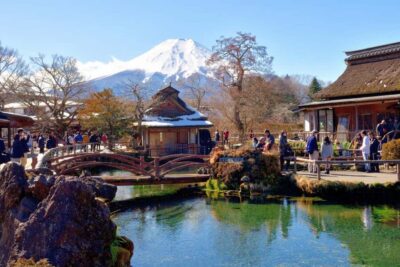 ★ 4.5Mt. Fuji, Kamakura, Big Buddha, & Lake Ashi Day TripFrom $49867 reviews
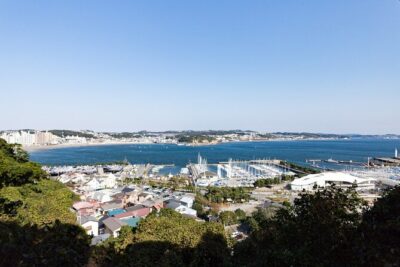 ★ 4.5From Tokyo: Kamakura & Enoshima 1-Day Bus TourFrom $66189 reviews
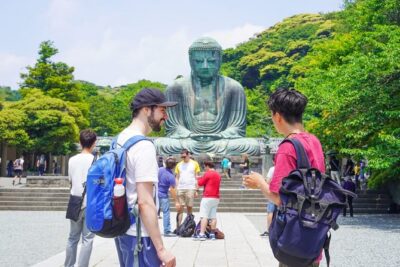 ★ 5.0Kamakura Historical Walking Tour with the Great BuddhaFrom $98129 reviews
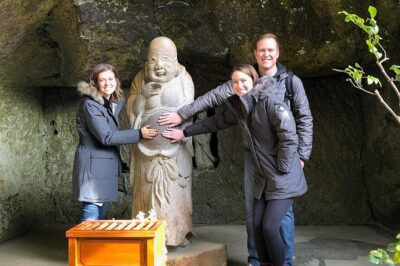 ★ 5.0Kamakura Private Tour: Temples, Nature, and the Great BuddhaFrom $98121 reviews
 ★ 5.0Kamakura Walking Tour – The City of ShogunFrom $35100 reviews
 ★ 4.9Sea of Mount Fuji, Hakone Ropeway, Ōwakudani, EnoshimaFrom $5084 reviews
 ★ 5.0Kamakura 8 hr Private Walking Tour with Licensed Guide from TokyoFrom $20180 reviews
Browse the lists this tour appears in