
Reviewed · KAMAKURA DAY TRIPS
Kamakura 4hr Private Trip with Government-Licensed Guide
Kamakura feels old-school fast, especially when you have a guide holding the map. This private 4-hour trip is built around choosing 2–3 highlights, then moving by public transportation and on foot without the stress of hunting down routes. You get to see big names like the Great Buddha and Hasedera, plus calmer corners like bamboo and Zen gardens.
I especially like two things about how this works. First, you’re not stuck in a rigid checklist. You can steer the day toward what you care about, from Tsurugaoka Hachimangu to Enoshima Island, so the temples feel personal instead of rushed. Second, the human part matters: guides such as Shinji and Hiro stood out for being flexible, patient, and great at practical help like train guidance and pacing for families.
One possible drawback: this is a walking-focused half-day, and entrance fees and transit costs are not included for you. If you hate stairs, long ramps, or cool evening walks, you’ll want to plan your picks carefully.
In This Review
- Key things to know before you go
- Why this private Kamakura format feels easier than planning alone
- Price and value: what you’re really paying for
- Meeting at Kamakura Station, then walking with purpose
- How to choose 2–3 stops that actually fit 4 hours
- Entering Kamakura’s highlights: what each stop gives you
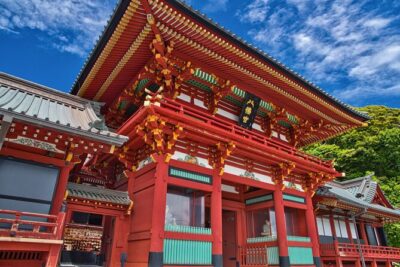
- Tsurugaoka Hachimangu Shrine: start with samurai energy
- Kotoku-in (Great Buddha of Kamakura): the big icon you came for
- Hasedera Temple: high views and the eleven-headed Kannon
- Hokoku-ji Temple bamboo grove: quiet paths through the stalks
- Kamakura hiking trails: connect temples without feeling lost
- Enoshima Island: add the ocean in one short detour
- Engaku-ji and Kencho-ji: Zen temples with centuries behind them
- Zeniarai Benten Shrine: wash your money, at least for the story
- Meigetsuin (Hydrangea Temple): flowers as a Zen backdrop
- Nichiren and other temple options: pick by theme
- Public transportation, train help, and keeping your day on schedule
- A realistic half-day rhythm: what the walking feels like
- Guides who make it personal: why their style shows up in the temples
- Who should book this Kamakura private trip, and who shouldn’t
- Should you book this Kamakura tour?
- FAQ
- How long is the Kamakura private trip?
- Where will I meet the guide?
- Is this a group tour or truly private?
- Can I choose which attractions to visit?
- Are entrance tickets included in the price?
- Will I travel by car?
- Is pickup available?
- Is free cancellation available?
- Are service animals allowed?
Key things to know before you go
- Government-licensed English guide to help you avoid wrong turns and missed highlights
- Choose 2–3 sites from a menu that ranges from big icons to quieter Zen spots
- Meet at Kamakura Station for an easy start, with pickup handled on foot in the designated area
- Walking tour with short stops, so timing is tight and shoe choice matters
- Some famous sights cost extra, like the Great Buddha and Hasedera, so check what you select
- Your guide can adjust on the fly for crowds, weather, and your pace
Why this private Kamakura format feels easier than planning alone
Kamakura is one of those places where a little guidance changes everything. The attractions are famous, but they’re also scattered across hills, temple paths, and ocean-adjacent neighborhoods. With this trip, you start with your guide at Kamakura Station and then let the day flow around your interests.
What makes it work for real life is the balance between structure and freedom. You’ll have a focused time window (about 4 hours), but you’re not forced to see every single landmark. Instead, you pick 2–3 from the options—so you can aim for the Great Buddha and a Zen temple, or pair Hasedera with the bamboo grove, or add Enoshima for ocean air.
And because it’s private, you don’t get swallowed by big group energy. Reviews repeatedly mention guides being friendly, patient, and willing to adjust timing—like Shinji being flexible for a last-minute booking, or Masako tailoring the itinerary to what her guests wanted.
Coast-and-Buddha days near Kamakura, rated
- Tokyo: Kamakura & Enoshima Day Trip including Temple Tickets
★ 4.5 · 1,375 reviews - From Tokyo: Kamakura & Enoshima 1-Day Bus Tour
★ 4.5 · 189 reviews - Kamakura Historical Walking Tour with the Great Buddha
★ 5.0 · 129 reviews - Kamakura Private Tour: Temples, Nature, and the Great Buddha
★ 5.0 · 121 reviews
Price and value: what you’re really paying for
At $108.99 per person for a private, licensed-guided half-day, this isn’t the cheapest way to do Kamakura. But it can be a very fair deal when you look at what you gain.
You’re paying for:
- a licensed local guide (not just a generic ticket add-on)
- the ability to customize 2–3 stops to match your interests
- help navigating public transportation and on-foot routing
- a pacing plan that keeps you from spending your time trapped in lines or getting lost
Also, you’re not paying to sit. This is movement with meaning. When the guide understands what you want—say, Zen atmosphere, big Buddha photos, or a quick ocean detour—they can shape the day so your time counts.
Budget note: entrance fees and local transit costs are not included. The tour lists some stops as free (like Tsurugaoka Hachimangu and certain walking/trail areas), while other major sights aren’t free (the Great Buddha and several temples). So your total day cost depends on what you choose.
If you’re the type who would otherwise spend hours researching routes, this can save energy. If you already love DIY planning and don’t mind backtracking, you might not feel the same value.
Meeting at Kamakura Station, then walking with purpose
The start is simple. You meet your guide at Kamakura Station and begin on foot within the designated area. That matters because the station is the hub where you can actually make your day work. From there, you’re not guessing which side to exit or whether you’re about to take the long way up a hill.
Pickup can be offered, but this tour is described as a walking tour, with pickup handled on foot. So the best fit is someone who can comfortably gather near the station meeting zone and start walking.
Timing is also your friend here. Many stops are short—think 5 to 15 minutes in the plan—so you’ll want to choose stops that match your energy level. If you pick three sites that all require a lot of stair climbing, you may feel it by the end.
One practical tip from how guides handled real-world situations: trains and schedules can get thrown off, especially in Japan when accidents happen. Multiple reviews mention guides meeting guests despite delays and then adjusting the day. That’s the value of having a human who can re-plan instead of you staring at your phone.
How to choose 2–3 stops that actually fit 4 hours
Kamakura can tempt you into over-ordering. Resist that. The tour is designed for focus: 2–3 chosen sites, then an efficient flow.
Here’s the way I’d think about picking:
- If you want iconic photos fast: pair Kotoku-in Great Buddha with Tsurugaoka Hachimangu.
- If you want views and calm: pick Hasedera plus a Zen temple like Engaku-ji or Kencho-ji.
- If you like nature details: add Hokoku-ji bamboo grove and one of the temple-hill spots.
- If you want a coastal break: include Enoshima Island.
The itinerary also includes Kamakura hiking trails connecting temples around hills. That’s a great add if you enjoy walking outdoors and don’t mind that paths can feel uneven. It’s also a good way to get between temple clusters without your day feeling like only staircases and buildings.
You’ll also see optional stops tied to seasons or specific themes, like Meigetsuin (Hydrangea Temple), known for hydrangea blooming on the grounds. If you’re visiting around a major bloom period, this stop can be extra rewarding.
Entering Kamakura’s highlights: what each stop gives you
Below is a practical feel for what each big option is like, plus the catch for each one.
Readers also shortlisted these Kamakura bookings:
- Kamakura: Private Guided Walking Tour with Local Guide★ 4.8 · 60 reviews
- From Tokyo: Kamakura Full Day Tour with a Local Expert Guide★ 4.6 · 43 reviews
- Kamakura Half Day Tour with a Local Expert Guide★ 4.4 · 23 reviews
- Kamakura Tours Half Day or Full Day Tours with a local guide.★ 5.0 · 12 reviews
- Kamakura Private & Customized Half-Day Tour with Local Guide★ 5.0 · 11 reviews
Tsurugaoka Hachimangu Shrine: start with samurai energy
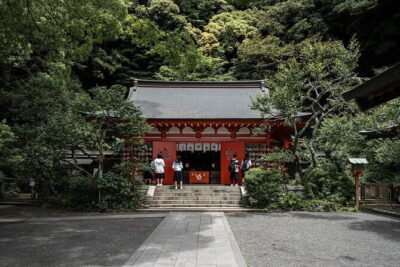
Tsurugaoka Hachimangu is the shrine dedicated to Hachiman, the patron god of the Minamoto family and samurai in general. It’s a good first stop because it sets the historical tone and anchors you in the Kamakura vibe quickly.
A real-world tip from how guides handled crowds: when there are special busy times (like New Year), visiting this early can help you avoid the long wait. One guide noted that the long lines came later after their early visit, and also mentioned Wakamiya-oji becoming pedestrian during New Year days, which makes walking nicer.
This stop is listed as free in the plan, and it’s a short visit, so it works well as your anchor.
Kotoku-in (Great Buddha of Kamakura): the big icon you came for
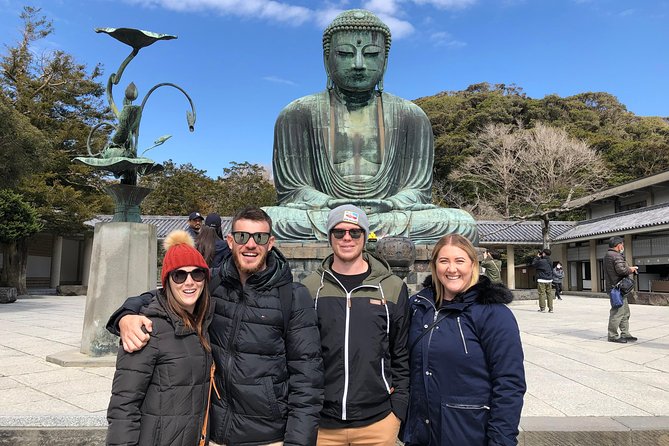
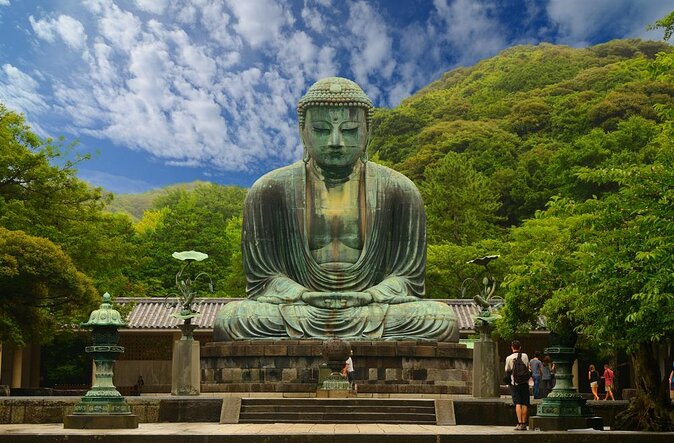
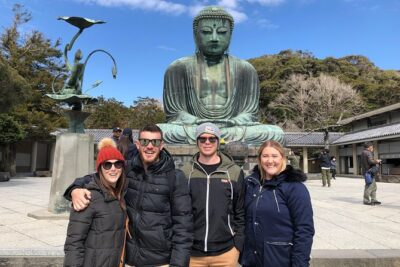
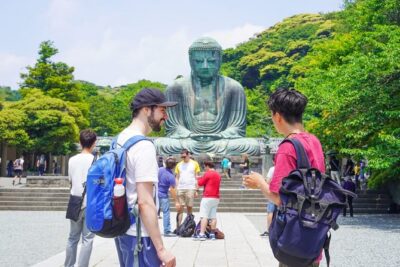
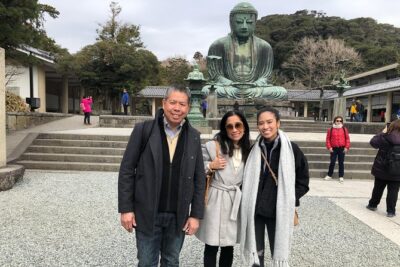
The Great Buddha is the star. The bronze statue of Amida Buddha stands about 11.4 meters tall on the grounds of Kotokuin Temple. It’s the kind of sight that instantly changes your sense of scale—especially if you’ve only seen smaller statues back home.
In the tour plan, entry for this is not included, so if this is one of your 2–3 picks, expect extra cost. The time listed is short, so don’t plan on lingering for hours. Think: look, photo, breathe, move on.
Hasedera Temple: high views and the eleven-headed Kannon
Hasedera is famous for a gilded wooden Kannon statue—the plan notes it as 9.18 meters tall and with eleven heads. It’s listed as not included for admission, but the reason it’s popular is simple: you get a mix of spiritual detail and serious viewpoint payoff.
This is the stop I’d choose if you want a feel-good combo: artful religious sculpture plus a position that gives you views from a higher point. In a short half-day, that can make Hasedera feel like your best photo and your best moment, not just another temple.
Hokoku-ji Temple bamboo grove: quiet paths through the stalks
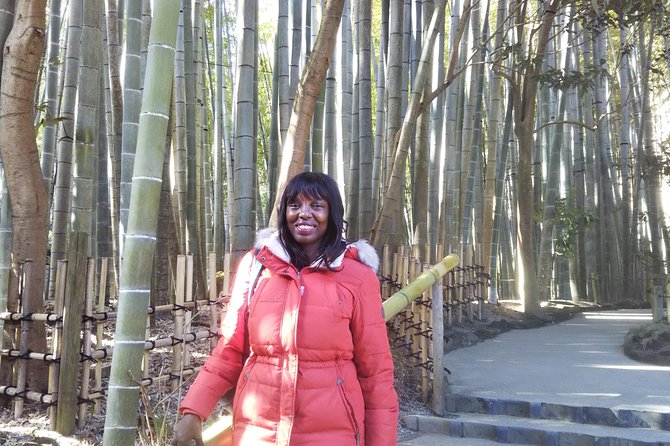
Behind the main hall is the bamboo grove, thick with over 2000 dark green bamboo stalks. The plan notes narrow pathways and that it’s a standout nature moment tucked into temple grounds.
This stop is a great counterweight to the more famous icon sites. It’s also a good “reset” when your group energy is getting tired. Expect a short visit, good for looking up and walking slowly for a few minutes.
Kamakura hiking trails: connect temples without feeling lost
Kamakura sits near the ocean and hills, and the trails link temples in atmospheric ways. The plan includes a hiking trails segment with free admission.
If you like walking outside and you’re okay with moderate foot travel, this can make the day feel more local. But if you’re prone to foot fatigue, choose it carefully because it’s one more layer of movement.
Enoshima Island: add the ocean in one short detour
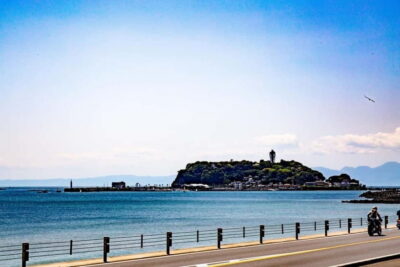
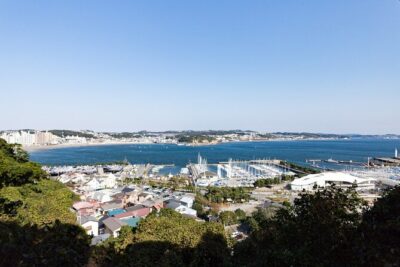
Enoshima is just a short train ride west of Kamakura. The island is described as pleasantly touristy and connected by bridge to the mainland, and it includes multiple attractions like a shrine and viewpoints.
The tour plan lists it as free for this segment. If you’re choosing 2–3 sites, Enoshima is a smart add if you want your Kamakura day to end with sea air instead of only temple stone and incense.
Engaku-ji and Kencho-ji: Zen temples with centuries behind them
Two of Kamakura’s five great Zen temples are in the mix:
- Engaku-ji: described as one of the leading Zen temples in Eastern Japan and the number two of Kamakura’s five great Zen temples.
- Kencho-ji: number one of the five, and noted as the oldest Zen temple in Kamakura, founded in 1253.
These are not quick-skip stops if you’re even a little interested in Zen design and the calm feel of temple compounds. The tour keeps visits short in the plan, so use the time well: pause where you can see gardens or view axes, then let the silence do its job.
Zeniarai Benten Shrine: wash your money, at least for the story
At Zeniarai Benten Shrine, people wash money in a spring. The plan includes the meaning: zeniarai is coin washing, and it’s said the money washed there will double.
This is a fun stop because it’s specific and memorable. It’s also listed as free. Spend 10 to 15 minutes, follow the flow respectfully, and you’ll likely leave with a good conversation starter.
Meigetsuin (Hydrangea Temple): flowers as a Zen backdrop
Meigetsuin is known as Hydrangea Temple because hydrangeas bloom abundantly on the grounds. If you’re visiting during a bloom peak, it’s an easy choice. If not, it can still be worth it because you get the Rinzai Zen setting plus seasonal identity.
The plan lists it as not included for admission. So treat it as one of your paid picks if you care about it.
Nichiren and other temple options: pick by theme
The tour list also includes Nichiren-linked temples in the hills, plus multiple Zen branch temples. For example:
- Ankokuronji: linked to Nichiren founding around 1253 when he first came to Kamakura.
- Myohonji: Nichiren sect, founded 1260.
- Jomyo-ji: a Zen temple founded by the Ashikaga family.
- Zuisen-ji: in a narrow valley, surrounded by wooded hills, described as a branch temple of Engakuji.
- Eishoji: noted as the only surviving nunnery in Kamakura, near Tsurugaoka Hachimangu.
Because you’re only picking 2–3, don’t try to sample everything. Choose based on what theme you want that day: samurai shrine, big Buddha, Kannon focus, bamboo nature, Zen calm, coin-washing ritual, or a coastal finish.
Public transportation, train help, and keeping your day on schedule
The tour travels by public transport and on foot. That sounds simple, but in Kamakura it can save you a lot of stress if you trust your guide to handle the routing.
In reviews, guides were praised for helping with trains and giving restaurant recommendations. One review even mentioned a guide meeting someone at a Yokohama hotel and taking subway and train into Kamakura, then returning them at the end of the day. That suggests these guides tend to think practically about your actual start point and end point.
What you should do: decide your must-haves first, then let the guide match your route to those stops. If you’re coming from Tokyo, a guide can also help you avoid time-wasting transfers and keep you within the half-day plan.
A realistic half-day rhythm: what the walking feels like
A 4-hour plan with multiple temple stops means short visits and constant repositioning. You’ll likely spend more time walking between places than sitting.
Weather can matter a lot. One review described rain conditions and still having a wonderful time. Another mentioned a chilly wind and walking on a darker road later in the day. So if you’re planning a late start, pack a layer you can wear outdoors.
Shoes matter more than you think. Bamboo paths, temple stairs, and hill turns add up. If you’re traveling with kids or grandparents, choose sites that fit their pace. Several reviews praised guides for patience and adapting to family needs, including one guide teaching a child Japanese while walking.
Guides who make it personal: why their style shows up in the temples
The most praised aspect here is how much the guide shapes the experience beyond the landmarks.
You see it in flexible scheduling. Shinji was praised for being accommodating on a very last-minute booking. Another guide, An, was highlighted for helping with trains and restaurant recommendations. Hiro stood out for being personable and even helping a son practice Japanese. Masako was praised for customizing an itinerary and for giving follow-up answers after the tour.
Even when guests didn’t ask for deep cultural lessons, guides were often able to connect what you’re looking at to Shinto and Buddhist practice basics. That’s a subtle but powerful difference: you see temples, but you also understand what those details are for.
One guide, Mr. Goto, was praised for excellent English and for bringing a booklet with images and explanations of religious symbolism. Not every guide may bring something like that, but the theme is clear: they bring more than directions.
If you like asking questions, this private format makes it easier. You can stop, ask, and keep going without slowing down strangers.
Who should book this Kamakura private trip, and who shouldn’t
This is a great fit if:
- you want licensed guidance in English and a smooth route
- you like choosing 2–3 highlights instead of doing a long checklist
- you’re visiting for a short time and want to avoid missing the big sights
- you’re traveling with family and want patience and pacing
It might not be the best choice if:
- you want meals and entrance fees included in the price (they are not)
- you hate walking and stairs
- you’re hoping for a long, slow temple marathon or a full-day beach-and-temple mix beyond 4 hours
If you’re in the middle—curious, active, and open to temples plus a nature break—this tour is a strong use of your time.
Should you book this Kamakura tour?
If you want Kamakura’s top sights without turning your day into route-planning math, I’d book it. The private format and the licensed guide make a short 4 hours feel intentional, not frantic. The ability to pick 2–3 stops is also a big win because it prevents the classic half-day mistake: trying to do too much and remembering only stairs.
My advice: before you book, decide your top 2–3 themes. Big icon (Great Buddha), viewpoint (Hasedera), nature moment (Hokoku-ji bamboo), calm temples (Engaku-ji or Kencho-ji), or a coastal finish (Enoshima). Then let the guide build the cleanest path between them.
FAQ
How long is the Kamakura private trip?
It runs for about 4 hours.
Where will I meet the guide?
You meet your licensed local English-speaking guide at Kamakura Station, within a designated on-foot meeting area.
Is this a group tour or truly private?
It’s private. Only your group participates.
Can I choose which attractions to visit?
Yes. You can customize the tour by choosing 2–3 sites from the available options.
Are entrance tickets included in the price?
No. Transportation fees, entrance fees, and lunch are not included. Some stops listed in the plan are free, but several temple and shrine visits are not included.
Will I travel by car?
No. Travel is by public transportation and on foot, and private transportation is not included.
Is pickup available?
Pickup is offered, and the tour is described as a walking tour. The guide meets you on foot within the designated area.
Is free cancellation available?
Yes. You can cancel up to 24 hours in advance for a full refund.
Are service animals allowed?
Yes. Service animals are allowed.
More Guided in Kamakura
- Kamakura: Private Guided Walking Tour with Local Guide
★ 4.8 · 60 reviews - From Tokyo: Kamakura Full Day Tour with a Local Expert Guide
★ 4.6 · 43 reviews - Kamakura Half Day Tour with a Local Expert Guide
★ 4.4 · 23 reviews - Kamakura Tours Half Day or Full Day Tours with a local guide.
★ 5.0 · 12 reviews - Kamakura Private & Customized Half-Day Tour with Local Guide
★ 5.0 · 11 reviews
More Tour Reviews in Kamakura
- Tokyo: Kamakura & Enoshima Day Trip including Temple Tickets
★ 4.5 · 1,375 reviews - From Tokyo: Kamakura & Enoshima 1-Day Bus Tour
★ 4.5 · 189 reviews - Kamakura Historical Walking Tour with the Great Buddha
★ 5.0 · 129 reviews - Kamakura Private Tour: Temples, Nature, and the Great Buddha
★ 5.0 · 121 reviews - Kamakura Walking Tour – The City of Shogun
★ 5.0 · 100 reviews
More Kamakura and Enoshima Days
- Tokyo: Kamakura & Enoshima Day Trip including Temple Tickets
★ 4.5 · 1,375 reviews - From Tokyo: Kamakura & Enoshima 1-Day Bus Tour
★ 4.5 · 189 reviews - Kamakura Historical Walking Tour with the Great Buddha
★ 5.0 · 129 reviews - Kamakura Private Tour: Temples, Nature, and the Great Buddha
★ 5.0 · 121 reviews - Kamakura Walking Tour – The City of Shogun
★ 5.0 · 100 reviews
Latest Kamakura reviews off our desk

Kamakura Day Trips, compared.
 ★ 4.5Kamakura & Enoshima Day Trip including Temple TicketsFrom $581,375 reviews
 ★ 4.5Mt. Fuji, Kamakura, Big Buddha, & Lake Ashi Day TripFrom $49867 reviews
 ★ 4.5From Tokyo: Kamakura & Enoshima 1-Day Bus TourFrom $66189 reviews
 ★ 5.0Kamakura Historical Walking Tour with the Great BuddhaFrom $98129 reviews
 ★ 5.0Kamakura Private Tour: Temples, Nature, and the Great BuddhaFrom $98121 reviews
 ★ 5.0Kamakura Walking Tour – The City of ShogunFrom $35100 reviews
 ★ 4.9Sea of Mount Fuji, Hakone Ropeway, Ōwakudani, EnoshimaFrom $5084 reviews
 ★ 5.0Kamakura 8 hr Private Walking Tour with Licensed Guide from TokyoFrom $20180 reviews
Browse the lists this tour appears in