
Reviewed · TEA CEREMONY & MATCHA
【NEW】Matcha Making Experience and Matcha Comparison in Tokyo
Real matcha is not what you think.
In Tokyo, this hands-on session lines up 10 matcha samples from 5 production areas so you can actually taste the differences, not just read about them. You’ll learn what matcha really means, why cultivation and processing matter, and how to spot the gap between ceremonial-style matcha and what gets marketed as matcha overseas.
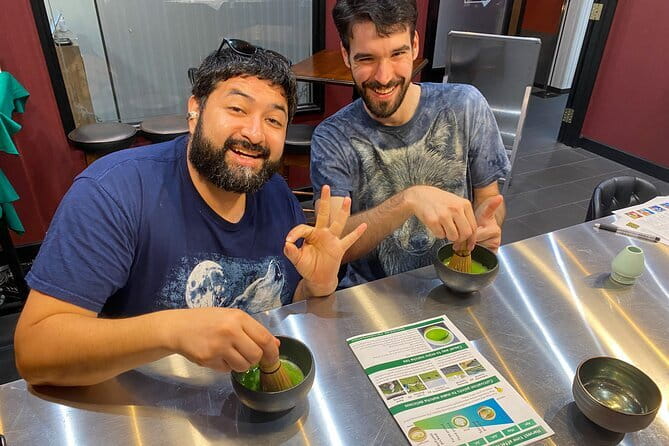
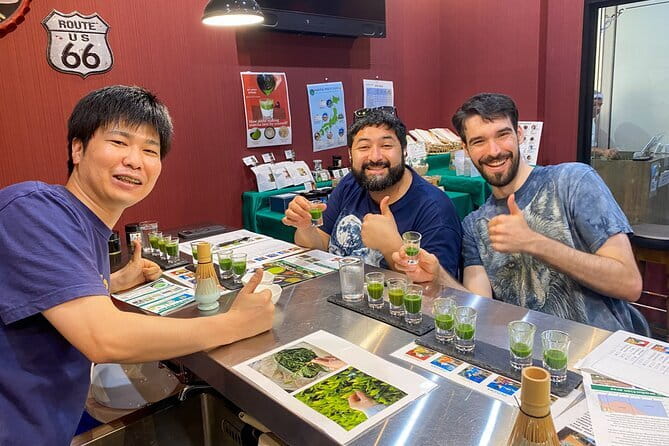
One of my favorite parts is the small group format (max 5), which makes it easier to ask questions and compare notes while the flavors are fresh in your mouth. Another big win: you’re not only tasting—you’ll make your own matcha (including making Ousucha with a bamboo whisk), then you get to relax with matcha latte and sweets using their original blend.
A possible drawback: it’s short (about 1 hour 30 minutes), so if you want a long, deep class on tea history or obsessive step-by-step whisking practice, you’ll need to follow up after.
In This Review
- Key Highlights You’ll Remember
- Matcha 101 Meets the Real World in Tokyo
- Where You Start: Henn Na Hotel, Sports Bar Leaf, 9:30 AM
- The Welcome Drink That Sets the Tone
- The Matcha Comparison Flight: 10 Samples, 5 Regions, One Clear Goal
- What You Should Watch For (Practical, Not Pretend)
- The Small Portions Strategy
- Choosing Your Favorite and Whisking Your Own Matcha
- Why Making It Yourself Changes Everything
- Matcha Latte and Sweets: The “How I’d Actually Drink This” Moment
- Price and Value: Is $62.12 Worth It?
- Who This Experience Fits Best
- A Small Note on the Tea Talk Energy
- Should You Book This Matcha Making and Comparison Tour?
- FAQ
- What is the duration of the matcha experience?
- How much does it cost?
- Where is the meeting point?
- What time does the tour start?
- How many people are in the group?
- What matcha regions are included in the comparison?
- What does the tour include?
- Are tips included?
- Is there a mobile ticket?
- Do I need to speak Japanese?
Key Highlights You’ll Remember
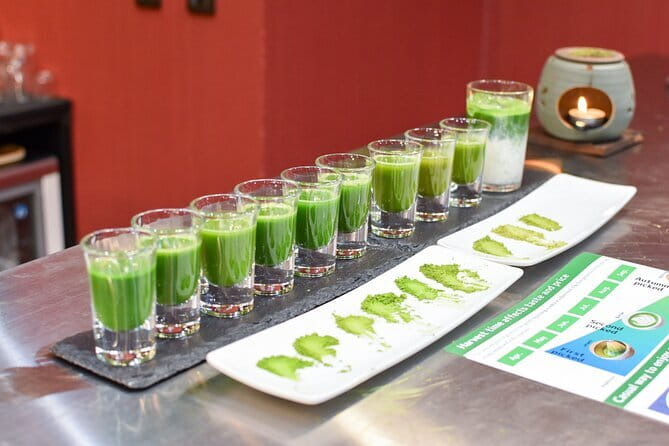
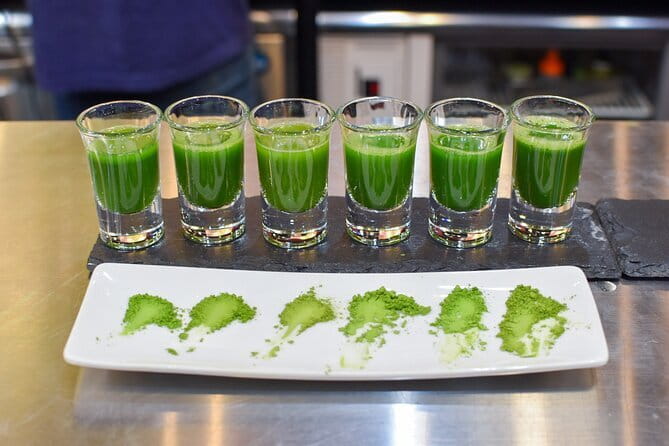
- 10 matcha tastings from Kyoto, Shizuoka, Aichi, Fukuoka, and Kagoshima, served in small portions so you can compare in one sitting
- Color-first tasting during the comparison: you look at the tea, then taste its fragrance and flavor
- Ceremonial-grade vs. marketed-as-matcha samples, including types not defined as matcha that are sold around the world
- Guided matcha making, where you choose your favorite and whisk it yourself
- Ousucha preparation with a bamboo whisk, then take-home practice guidance
- Matcha latte and sweets made with the tour’s original blend designed for milk and sugar
Matcha 101 Meets the Real World in Tokyo
If you only know matcha from Western bottles or café powders, this experience can feel like a reset button. The goal isn’t to say one style is better across the board. It’s to help you understand what people mean by real matcha, why it tastes different from region to region, and why fake or misleading products exist.
Tokyo is a fitting place for this kind of tea education. You get the full cross-section: traditional culture, modern marketing, and the ingredients themselves—all in one afternoon.
More tea rooms our readers rated
- Matcha Making Class in Tokyo with Authentic Japanese Sweets Set
★ 5.0 · 744 reviews - Tokyo: Traditional Tea Ceremony with a Tea Master
★ 5.0 · 528 reviews - Tokyo: Matcha Making Experience with Mochi Sweets in Asakusa
★ 4.9 · 388 reviews - Tokyo: Matcha and Kimono Experience
★ 4.7 · 219 reviews
Where You Start: Henn Na Hotel, Sports Bar Leaf, 9:30 AM
You meet at matcha trip at Henn Na Hotel (2F), Sports Bar Leaf, at 111-0042 Tokyo, Taito City, Kotobuki 3-chōme 19-8. The start time is 9:30 am, and the tour ends back at the meeting point.
This matters more than you might think. Tea tastings work best when you’re not sprinting between stops or trying to find the place while you’re hungry. The setup here is straightforward: one location, a clear start, and a short session you can slot into a Tokyo day without major scheduling headaches.
The tour also runs near public transportation, and it’s capped at 5 travelers, which tends to make the experience feel focused instead of rushed.
The Welcome Drink That Sets the Tone
Before the comparison begins, you get a welcome drink and an explanation timed to match what you’re about to taste. That’s a smart approach. It’s easier to understand matcha cultivation and history when your senses are already engaged—before you’ve learned it, you can taste it.
This tour is taught by a team with serious academic and practical backgrounds. The main instructor has a bachelor’s degree in agricultural science and particularly deep knowledge of soil science. He’s a former tea farmer who worked hands-on with tea cultivation and processing in Kyoto. The assistant has a bachelor’s degree in pharmacy and is a practicing pharmacist.
You don’t need to know science to enjoy the lesson. But the advantage is that the teaching connects flavor to how tea is grown and handled—especially the idea that the soil and cultivation choices show up in the cup.
The Matcha Comparison Flight: 10 Samples, 5 Regions, One Clear Goal
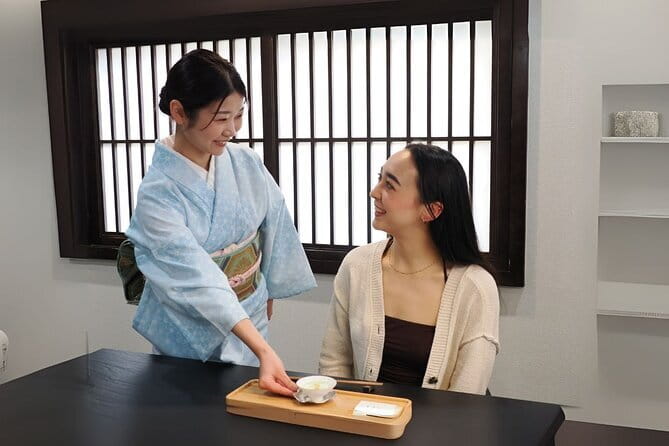
This is the core of the experience: a structured tasting that makes differences obvious.
You’ll compare matcha from five production areas: Kyoto, Shizuoka, Aichi, Fukuoka, and Kagoshima. In the comparison portion, they serve 8 types of matcha for tasting—6 that are ceremonial grade and 2 that aren’t defined as matcha but are sold as matcha around the world.
That ceremonial-grade vs. marketed-as-matcha split is where many people learn the most. It’s not about arguing online or worrying about labels. It’s about learning to taste the gap: color, aroma, and flavor balance can shift a lot when something is made for a specific style of drinking versus made to fit a broader market name.
What You Should Watch For (Practical, Not Pretend)
During the tasting, you first look at the color of the matcha, then you’ll have it prepared and served so you can compare fragrance and taste.
When you’re doing your own comparisons later at home, this sequence helps. Color can give you quick clues, but aroma and flavor are where you decide what you actually like.
- Tokyo: Shinjuku Food Tour (13 Dishes at 4 Local Eateries)★ 5.0 · 6,603 reviews
- Tokyo Mt Fuji 5th St & Hakone Cruise Bus Tour w/Bullet Train★ 4.4 · 5,024 reviews
- Flagship 2-Hours Official Street Go-Kart Tour – Tokyo Bay Shop★ 5.0 · 4,974 reviews
- From Tokyo: Mount Fuji Full-Day Sightseeing Trip★ 4.5 · 4,970 reviews
- Tokyo: Hop-On Hop-Off Sightseeing Bus Ticket★ 3.9 · 4,207 reviews
The Small Portions Strategy
You’re offered small portions at once for a reason. If you try to taste too slowly, you lose nuance. If you taste too fast, you miss patterns. Small portions keep the whole thing readable: you can compare calmly and still feel excited instead of overwhelmed.
Choosing Your Favorite and Whisking Your Own Matcha
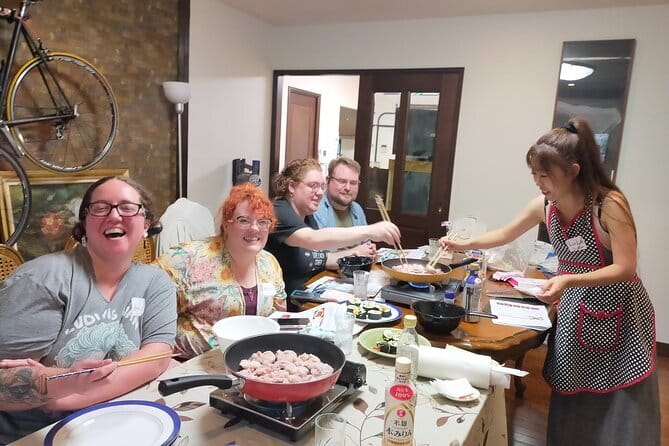
After tasting and comparing, you pick the matcha you like best from what you tried. Then you make it yourself.
This part is valuable because it turns the experience into a skill. You’ll use a bamboo tea whisk and make Ousucha (matcha) as part of the session. They also tell you that you’ll still be able to make matcha at home after this—so your takeaway isn’t just memories of tasting.
Why Making It Yourself Changes Everything
Tasting is passive. Whisking is active. When you whisk, you pay attention in a totally different way. You notice texture, mixing, and how the drink behaves as you prepare it. Even if you don’t become a full tea expert on the spot, you’ll leave understanding the process behind the cup.
Also, since the group is small, you’re more likely to get help adjusting your method if something doesn’t seem right.
Matcha Latte and Sweets: The “How I’d Actually Drink This” Moment
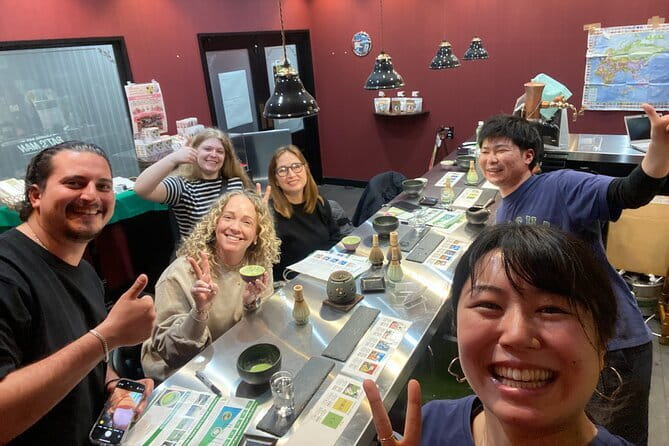
Once the comparison and making are done, you get matcha latte and matcha sweets. The tour uses an original blend that’s described as perfect with milk and sugar.
This is a smart follow-up. It answers a real question: If you like a matcha for sipping straight, does it still work when mixed? Many people love one style for the traditional ritual but prefer a different flavor balance for everyday cafés. This tasting-with-food stage makes that decision easier.
The latte and sweets also make the session feel complete. You learn the serious side, then you enjoy the practical side.
Price and Value: Is $62.12 Worth It?
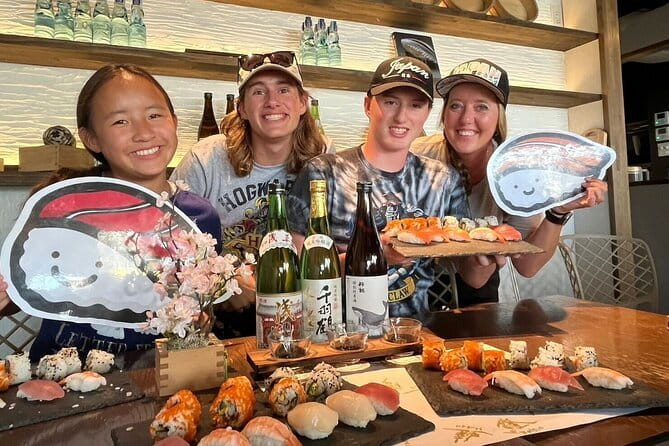
At $62.12 per person for about 1 hour 30 minutes, it’s not a cheap snack stop. But for what you get here, the value can make sense—especially compared with a random café tasting where you might try a couple drinks and call it a day.
You’re paying for:
- a guided lesson on what matcha means and how cultivation affects it
- tasting multiple types from five regions in one go
- ceremonial-grade vs. other marketed-as-matcha comparisons
- hands-on instruction where you make your own matcha
- included matcha latte and sweets at the end
- English/Japanese local guiding
It’s also booked fairly ahead on average (around 20 days in advance), which usually suggests demand for this kind of focused, small-group food experience.
One more value point: the max group size of 5 travelers. In Tokyo, that kind of personal attention often matters more than people expect.
If your only goal is to drink a sweet matcha latte, you may feel it’s overkill. If you want to understand what you’re actually tasting—and learn how to make it—you’re in the right place.
Who This Experience Fits Best
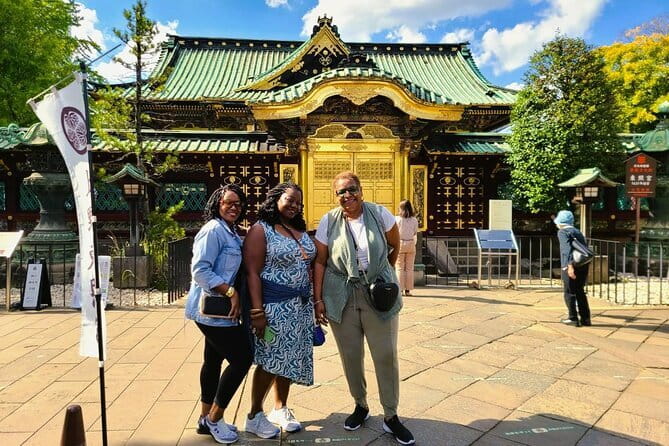
This works especially well if you:
- want to taste the difference between regions without doing a tea crawl
- care about learning what people mean by real matcha
- enjoy hands-on food experiences, not just watching and listening
- like structured tastings where you compare multiple options in one session
- want to talk tea with guides who know their stuff and can answer questions
It may feel less ideal if you:
- only want a quick coffee-style café stop
- dislike tasting lots of versions of the same drink, even in small portions
- are looking for a very long workshop (this is about 90 minutes)
A Small Note on the Tea Talk Energy
One neat thing that comes through from the tour’s teaching vibe is that the guides don’t just recite facts. The experience can expand if you ask questions, and you might find yourself discussing tea from other parts of the world too. With guides like Chisei and Rina and their crew, the tone tends to stay human, not rigid.
That’s worth it. Learning sticks better when it feels like conversation.
Should You Book This Matcha Making and Comparison Tour?
I’d book it if you want a Tokyo experience that’s genuinely about food literacy: understanding what matcha is, why it tastes different, and how to make it yourself. The combination of region-to-region comparison, ceremonial-grade vs. marketed-as-matcha contrasts, and the hands-on bamboo whisk + Ousucha step makes it more than a tasting.
Skip it if you’re just collecting casual café experiences or you already feel confident about matcha sourcing and preparation. In that case, you might prefer buying a few teas at a specialty shop and doing your own tasting.
If you do book, come with an open mind about what matcha can be. Some of what you’ll taste may not match the matcha you know. That’s the point.
FAQ
What is the duration of the matcha experience?
It lasts about 1 hour 30 minutes.
How much does it cost?
The price is $62.12 per person.
Where is the meeting point?
You meet at matcha trip at Henn Na Hotel, 2F Sports Bar Leaf in Taito City, Tokyo.
What time does the tour start?
The start time is 9:30 am.
How many people are in the group?
The tour has a maximum of 5 travelers.
What matcha regions are included in the comparison?
You compare matcha from Kyoto, Shizuoka, Aichi, Fukuoka, and Kagoshima.
What does the tour include?
You’ll receive welcome and tasting drinks, you can enjoy 10 kinds of matcha (small portions) and make one matcha by yourself, plus matcha latte and matcha sweets. A local guide is included.
Are tips included?
Tips are not included.
Is there a mobile ticket?
Yes, you’ll receive a mobile ticket.
Do I need to speak Japanese?
No. The local guide is provided in English and Japanese.
If you tell me your travel dates and whether you’re more of a straight-matcha person or a latte/sweet matcha person, I can help you decide if the timing and format fit your style.
More Tour Reviews in Tokyo
- Mt Fuji and Hakone 1-Day Bus Tour Return by Bullet Train
★ 5.0 · 26,383 reviews - 1-Day Tokyo Bus Tour
★ 5.0 · 14,250 reviews - Tokyo: teamLab Planets TOKYO Digital Art Museum Entry Ticket
★ 4.6 · 9,779 reviews - Mt Fuji & Hakone Cruise, Drum Show Bullet Train 1 Day from Tokyo
★ 4.0 · 7,413 reviews - Tokyo: Shinjuku Food Tour (13 Dishes at 4 Local Eateries)
★ 5.0 · 6,603 reviews
More Tea and Matcha Rooms
- Matcha Making Class in Tokyo with Authentic Japanese Sweets Set
★ 5.0 · 744 reviews - Tokyo: Traditional Tea Ceremony with a Tea Master
★ 5.0 · 528 reviews - Tokyo: Matcha Making Experience with Mochi Sweets in Asakusa
★ 4.9 · 388 reviews - Tokyo: Matcha and Kimono Experience
★ 4.7 · 219 reviews - Tea Ceremony Workshop in Tokyo by the Experienced Instrucor
★ 5.0 · 189 reviews
Latest Tokyo reviews off our desk

Tea Ceremony & Matcha, compared.
 ★ 5.0Matcha Making Class in Tokyo with Authentic Japanese Sweets SetFrom $21744 reviews
 ★ 5.0Traditional Tea Ceremony with a Tea MasterFrom $38528 reviews
 ★ 4.9Matcha Making Experience with Mochi Sweets in AsakusaFrom $22388 reviews
 ★ 4.7Matcha and Kimono ExperienceFrom $57219 reviews
 ★ 5.0Tea Ceremony Workshop in Tokyo by the Experienced InstrucorFrom $38189 reviews
 ★ 4.9Asakusa Kimono Dressing and Matcha ExperienceFrom $56173 reviews
 ★ 4.9Asakusa: Kimono Tea Ceremony with Matcha and SweetFrom $66153 reviews
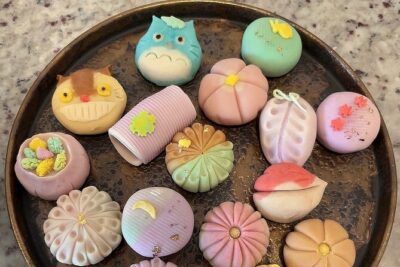 ★ 5.0Make Traditional Nerikiri Sweets & Matcha experience in ShibuyaFrom $60130 reviews
Browse the lists this tour appears in