
Reviewed · TEA CEREMONY & MATCHA
A perfect Japanese experience: Tea Ceremony and Mochi Forming
Tokyo can be loud. This class is calm.
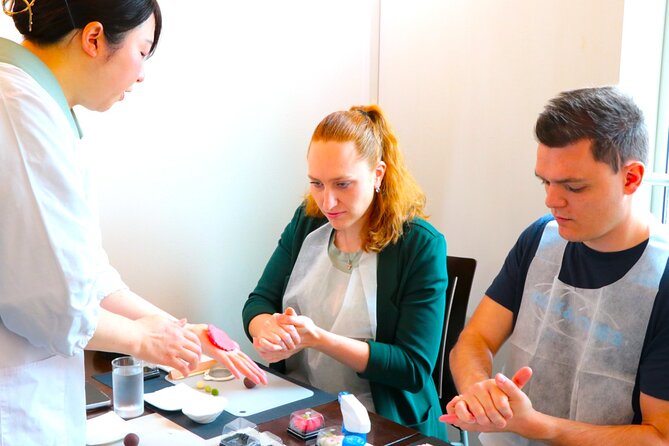
What makes this experience special is that it mixes seasonal Wagashi crafting with a real tea ceremony inside a century-old antique store, not a generic workshop room. You start by looking over antique tableware, then form colorful nerikiri (mochi-flour sweets) with a chef who teaches the craft by hand. After that, you move into a dedicated tea space and enjoy a tea moment built around what you made.
I especially like how hands-on it is: you practice shaping, not just watching. And I like the payoff: you learn multiple styles, you get a sweet tasting, and you’re served Japanese tea with your confection.
One thing to consider: this is led by a Japanese artisan, and English isn’t guaranteed in the way it would be with a large, corporate tour guide. The experience team will do their best, but go in with patience and a smile.
In This Review
- Key highlights to know before you go
- Entering the Antique Store in Yanaka: Atmosphere First
- Nerikiri Wagashi: Shaping Mochi Flour Like Colorful Clay
- Four Seasonal Sweets: Why Variety Makes This Worth It
- The Tea Ceremony Moment: Your Confection Meets Matcha
- Timing and Flow: A Tight 1 Hour 40 Minutes
- What You Take Home: How Long It Keeps and How to Store It
- Price and Value: Is $55.38 Worth It for Nerikiri + Tea?
- Who Should Book This Wagashi + Tea Class?
- Booking Tips, Practical Stuff, and How to Prep
- Should You Book? My Practical Recommendation
- FAQ
- How long is the tea ceremony and mochi-forming experience?
- Where does the tour start?
- Is this a small-group activity?
- What will I make during the class?
- Do I need to bring any tools or ingredients?
- What’s included besides the sweets?
- Does the tea ceremony involve sitting on the floor?
- What’s the minimum age to participate?
- How long will the Wagashi last after the class?
- Can I enter the venue without participating in the workshop?
- Is it refundable if I cancel?
Key highlights to know before you go
- Antique store setting in Yanaka: you craft in a place that feels like someone’s carefully kept world.
- Nerikiri made from mochi flour: you mold it like colorful clay and shape it into sweets.
- Four different Wagashi styles: more practice, more variety, and less chance it all feels repetitive.
- Tea ceremony in a chair-based room: a structured experience without the full-on floor-mat setup.
- Small group size (up to 5): easier pacing and more chance to get individual help.
Entering the Antique Store in Yanaka: Atmosphere First
This is one of those Tokyo experiences where the setting actually matters. You meet in Yanaka, Taito City (at 6-chōme-2-40 Yanaka). Then you step into a storefront that feels old in a good way: an antique shop with tableware you can actually take in before you start making sweets.
That first moment does two things. It slows you down, and it gives you context for the craft. Wagashi isn’t just about sugar. It’s about form, season, and restraint. Looking around at the antiques first helps your brain switch from sightseeing mode into craft mode.
A practical tip: arrive a little early so you’re not rushing through that pre-class window. Even if the class runs on schedule, you’ll enjoy it more when you can look around and settle in before tools and dough appear.
More tea rooms our readers rated
- Matcha Making Class in Tokyo with Authentic Japanese Sweets Set
★ 5.0 · 744 reviews - Tokyo: Traditional Tea Ceremony with a Tea Master
★ 5.0 · 528 reviews - Tokyo: Matcha Making Experience with Mochi Sweets in Asakusa
★ 4.9 · 388 reviews - Tokyo: Matcha and Kimono Experience
★ 4.7 · 219 reviews
Nerikiri Wagashi: Shaping Mochi Flour Like Colorful Clay
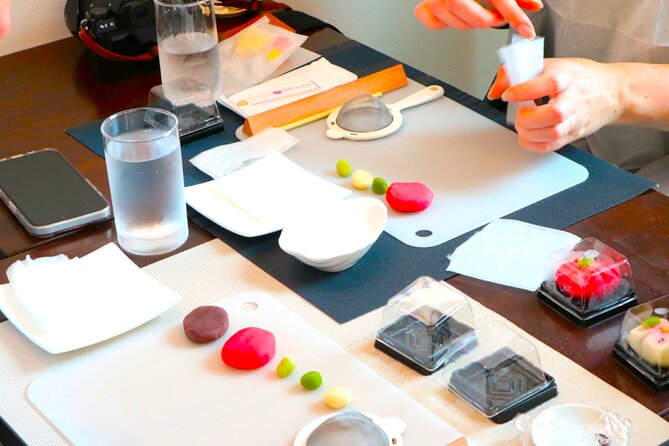
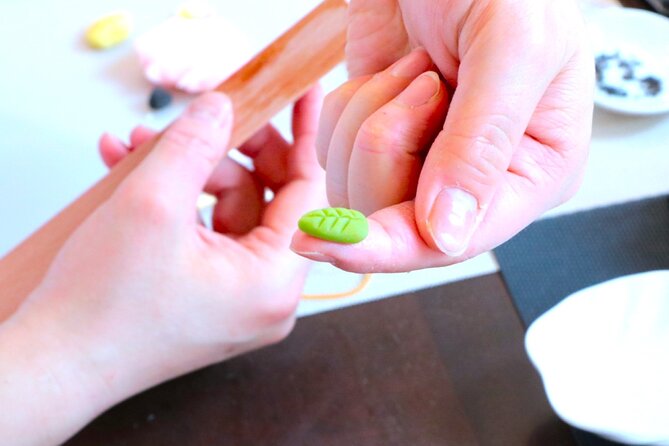
Your main task is nerikiri, a type of Wagashi made using mochi flour. Think of it as the dough that lets you sculpt details. The chef’s approach is to treat it almost like modeling clay—except edible, and meant to reflect a seasonal theme.
In class, you form colored materials and then shape them into a target figure. If you’ve ever done a craft where you combine colors and press them into something recognizable, you’ll get the idea fast. The texture is forgiving enough to learn quickly, but still precise enough that you’ll feel real progress once you start shaping.
And yes, the results look almost too pretty to eat. That’s normal with Wagashi. But don’t worry—you do get to taste what you make. Still, it helps to mentally plan a quick photo session before the first bite.
Four Seasonal Sweets: Why Variety Makes This Worth It
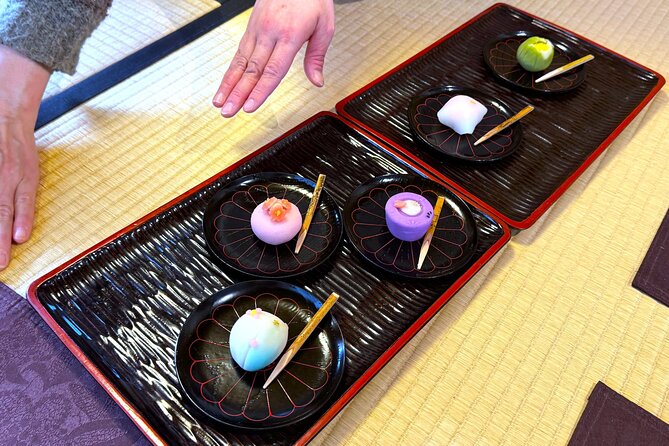
The biggest advantage here is that you learn multiple styles, not just one quick “here’s your final shape” trick. The structure is built around making four seasonally inspired sweets.
From past classes, I’ve seen patterns: spring themes often show up as blossoms and soft, rounded shapes—then you might make something floral like a hydrangea or something symbolic like a plum. Some sessions focus on bean-paste flavors (red and white are common), and the final look is all about how the dough is layered and pressed.
Why this variety matters for you:
- You practice more than one technique, so your skills transfer to the next shape.
- You get more chances to ask questions without feeling rushed.
- You come away with a better sense of what Wagashi chefs are doing beyond appearances.
In other words, you’re not just collecting a souvenir. You’re learning how a craft thinks.
The Tea Ceremony Moment: Your Confection Meets Matcha
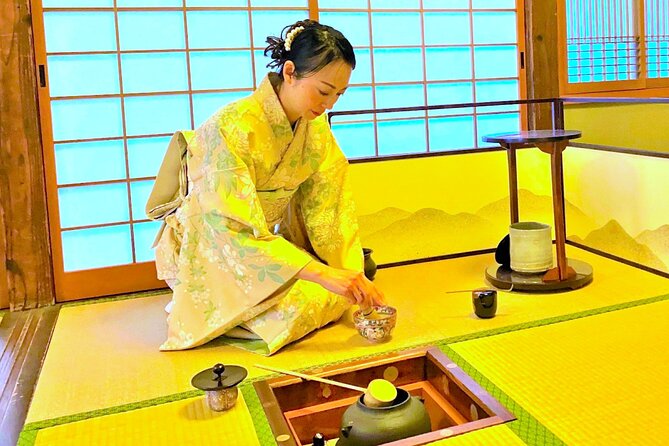
After the forming stage, you shift to a dedicated tea room. The room design supports the experience with chairs, not a full kneeling floor setup. That’s a real comfort factor if you want the ceremony without the extra physical challenge.
What you’ll get follows a clear flow. Your host serves you confection first, then you try real Matcha that is not sweet on its own. That detail matters. Unsweet matcha makes the sweetness of your Wagashi taste more intentional, not like an accidental sugar overload.
Also, don’t treat tea time as a pause between activities. It’s part of the lesson. Wagashi is often chosen to complement the tea, not compete with it. When you eat something you made yourself, the flavor hits differently—you notice texture, and you understand why chefs care about shape and season so much.
One more practical note: since the host is described as an artisan (not a typical commercial-style English speaker), you’ll get the best experience by staying relaxed, listening for key words, and letting the actions do the explaining. A smile goes a long way.
Timing and Flow: A Tight 1 Hour 40 Minutes
The total duration is about 1 hour 40 minutes, and the class ends back at the meeting point. There isn’t a long buffer, so treat it like a focused workshop.
The rhythm usually feels like this:
- Arrive, settle in, and look around at antique tableware.
- Learn and shape nerikiri dough at your station.
- Move into the tea room.
- Enjoy your tea ceremony setup with your confection and tea.
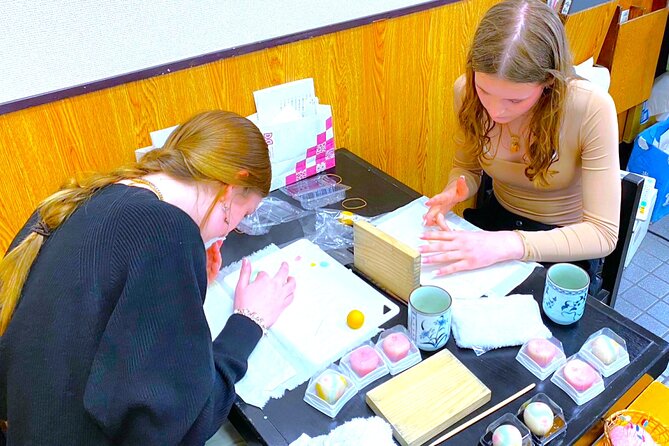
Because it’s a small group (maximum of 5), you’re not stuck waiting behind a crowd. Still, the pace is steady. If you’re the type who needs slow, unplanned time to think, you may want to schedule this earlier in your day so you don’t feel rushed before or after.
- Tokyo: Shinjuku Food Tour (13 Dishes at 4 Local Eateries)★ 5.0 · 6,603 reviews
- Tokyo Mt Fuji 5th St & Hakone Cruise Bus Tour w/Bullet Train★ 4.4 · 5,024 reviews
- Flagship 2-Hours Official Street Go-Kart Tour – Tokyo Bay Shop★ 5.0 · 4,974 reviews
- From Tokyo: Mount Fuji Full-Day Sightseeing Trip★ 4.5 · 4,970 reviews
- Tokyo: Hop-On Hop-Off Sightseeing Bus Ticket★ 3.9 · 4,207 reviews
What You Take Home: How Long It Keeps and How to Store It
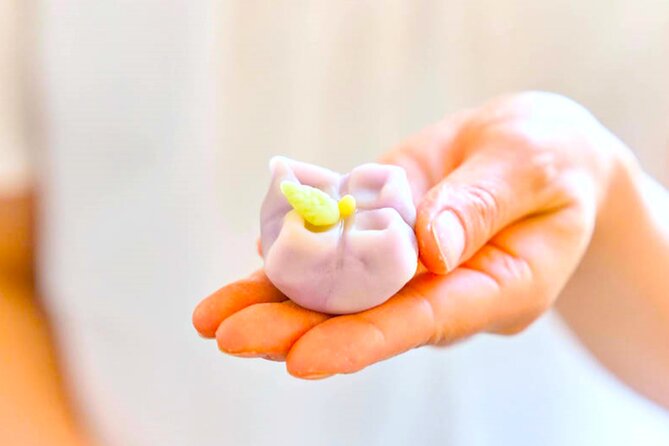
You’ll likely leave with your finished sweets. Just don’t assume they’ll keep forever.
Your Wagashi works don’t have artificial additives, and they last only about 2 days if kept refrigerated. That’s a good thing to know up front because it helps you plan what to do with leftovers (if you have any).
If you’re staying nearby: great. You can refrigerate and enjoy within that window. If you’re on the move across cities: you might want to plan the timing so you’re not trying to keep nerikiri fresh for travel days.
Also, since there’s a note that those wishing to enter without participating must still pay the fee, you should think of this as a true workshop experience, not a “watch from the side” scenario.
Price and Value: Is $55.38 Worth It for Nerikiri + Tea?
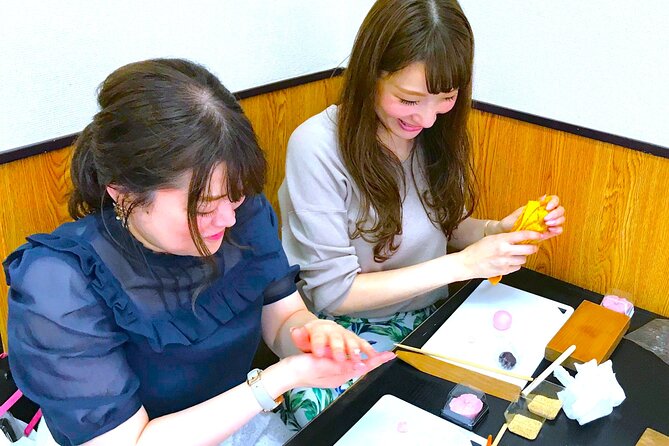
At $55.38 per person, this isn’t a budget “snack class.” But it also isn’t overpriced for what you get.
Here’s what you’re actually paying for:
- Ingredient time and craft instruction from a Wagashi chef.
- Materials and tools (you don’t need to bring anything).
- Multiple sweets (four styles), not just one quick outcome.
- A sweet tasting plus a tea ceremony with real Matcha.
The value shows up in the hands-on practice and the small group size. If you’ve done larger food tours before, you may know what happens: you spend half the time waiting, and you come away with photos, not skills. Here, the class is designed for making, and you’re limited to a small number of participants.
And the setting adds value too. A century-old antique store changes the vibe. It turns the workshop into an experience that feels rooted in place, not staged.
One more value angle: this is the kind of activity you can’t replicate at home easily. Sure, you can buy Wagashi, but making nerikiri the way it’s taught here—then pairing it with tea—has a different quality.
Who Should Book This Wagashi + Tea Class?
This class is a strong fit if you:
- Have a sweet tooth, but also care about craftsmanship.
- Enjoy arts-and-crafts work and want something more detailed than a simple cookie-cutter activity.
- Want a Japanese cultural experience that’s not only sightseeing.
It’s also a good “Toky0 day-break” option. If your schedule has temples, markets, and long train rides, this gives you a quieter, more tactile break.
Who might find it less ideal:
- If you need fully bilingual instruction at every moment, language can be a factor. The team will help, but the host is described as an artisan who doesn’t always speak English well.
- If you’re uncomfortable with sitting through a structured ceremony segment, note that the room uses chairs, but it is still a formal tea experience.
Booking Tips, Practical Stuff, and How to Prep
This uses a mobile ticket, and you can confirm within 48 hours of booking (subject to availability). It’s near public transportation, so you shouldn’t need a car or complicated logistics.
It’s also booked about 16 days in advance on average, which tells you it’s popular enough that you shouldn’t wait until the last minute.
What to bring? Nothing special for the workshop part. The class notes that tools and ingredients are included, and you don’t need to bring anything with you.
One more practical reality: even if you’re sick or under the influence of alcohol, you won’t be permitted to participate and there’s no refund. If you’re on a tight itinerary and your health is shaky, be honest with yourself before you lock it in.
Should You Book? My Practical Recommendation
If you want a memorable Tokyo experience that combines nerikiri Wagashi shaping with a tea ceremony in a proper tea setting, this is an easy yes. The small group size, the multiple sweets, and the included tea moment make it feel like more than a one-off sugar activity.
It’s also a smart choice for travelers who like learning through their hands. You get a clear craft outcome, not just a tasting platter. And because the sweets last about two days in the fridge, you can plan to enjoy them soon after.
Book it if you’re excited to take your time, follow directions, and treat the tea ceremony as part of the lesson—not just a bonus.
Don’t book it only if you strongly require fluent English instruction throughout, or if you’d rather spend your time on a high-energy neighborhood walk than sitting and crafting.
FAQ
How long is the tea ceremony and mochi-forming experience?
It lasts about 1 hour 40 minutes.
Where does the tour start?
The start point is 6-chōme-2-40 Yanaka, Taito City, Tokyo 110-0001, Japan.
Is this a small-group activity?
Yes. The maximum group size is 5 travelers.
What will I make during the class?
You’ll learn Wagashi called nerikiri, a mochi-flour sweet, and make multiple seasonally inspired sweets.
Do I need to bring any tools or ingredients?
No. The tools and ingredients are included, and you don’t need to bring anything with you.
What’s included besides the sweets?
You’ll also get a sweet tasting and participate in a Japanese tea ceremony with Matcha.
Does the tea ceremony involve sitting on the floor?
The tea room is designed for you to experience the ceremony sitting in chairs.
What’s the minimum age to participate?
Participants must be at least 13 years old, and anyone under 18 must be accompanied by an adult.
How long will the Wagashi last after the class?
Because it has no artificial additives, it lasts only about 2 days if kept refrigerated.
Can I enter the venue without participating in the workshop?
If you want to enter the venue without participating, you still need to pay the fee.
Is it refundable if I cancel?
No. The experience is non-refundable and cannot be changed for any reason.
More Tour Reviews in Tokyo
- Mt Fuji and Hakone 1-Day Bus Tour Return by Bullet Train
★ 5.0 · 26,383 reviews - 1-Day Tokyo Bus Tour
★ 5.0 · 14,250 reviews - Tokyo: teamLab Planets TOKYO Digital Art Museum Entry Ticket
★ 4.6 · 9,779 reviews - Mt Fuji & Hakone Cruise, Drum Show Bullet Train 1 Day from Tokyo
★ 4.0 · 7,413 reviews - Tokyo: Shinjuku Food Tour (13 Dishes at 4 Local Eateries)
★ 5.0 · 6,603 reviews
More Tea and Matcha Rooms
- Matcha Making Class in Tokyo with Authentic Japanese Sweets Set
★ 5.0 · 744 reviews - Tokyo: Traditional Tea Ceremony with a Tea Master
★ 5.0 · 528 reviews - Tokyo: Matcha Making Experience with Mochi Sweets in Asakusa
★ 4.9 · 388 reviews - Tokyo: Matcha and Kimono Experience
★ 4.7 · 219 reviews - Tea Ceremony Workshop in Tokyo by the Experienced Instrucor
★ 5.0 · 189 reviews
Latest Tokyo reviews off our desk




Tea Ceremony & Matcha, compared.
 ★ 5.0Matcha Making Class in Tokyo with Authentic Japanese Sweets SetFrom $21744 reviews
 ★ 5.0Traditional Tea Ceremony with a Tea MasterFrom $38528 reviews
 ★ 4.9Matcha Making Experience with Mochi Sweets in AsakusaFrom $22388 reviews
 ★ 4.7Matcha and Kimono ExperienceFrom $57219 reviews
 ★ 5.0Tea Ceremony Workshop in Tokyo by the Experienced InstrucorFrom $38189 reviews
 ★ 4.9Asakusa Kimono Dressing and Matcha ExperienceFrom $56173 reviews
 ★ 4.9Asakusa: Kimono Tea Ceremony with Matcha and SweetFrom $66153 reviews
 ★ 5.0Make Traditional Nerikiri Sweets & Matcha experience in ShibuyaFrom $60130 reviews
Browse the lists this tour appears in