
A folding fan says volumes. In Asakusa, you get to watch Nihon Buyo dance up close, then learn a few graceful fan movements even if you are brand new to Japanese dance.
I especially like the classic performance moment in full costume and the follow-up hands-on workshop led with patience. One catch to plan around: matcha is served only until 5 minutes before the performance, so you will want to arrive early.
In This Review
- Key moments worth knowing
- Asakusa Is a Great Stage for Nihon Buyo
- The 45-Minute Flow: Matcha, Show, Fan Lesson, Photos
- What You See in the Pro Performance: Kimono, Story, and Shironuri Makeup
- Your Turn With the Folding Fan: Beginner-Friendly and Actually Doable
- Photo Time in Kimono: How to Make Your Pictures Look Worth It
- Price and Value: Is $25 Worth 45 Minutes?
- Who Should Book This Workshop (and Who Might Skip It)
- Practical Tips Before You Go (So You Do Not Miss Anything)
- Should You Book It?
- FAQ
- How long is the Japanese dance workshop?
- What is included in the $25 per person price?
- Do I need to wear a kimono?
- Is this workshop beginner-friendly?
- Where is the meeting point?
- When do I need to arrive to get the matcha?
- What languages does the instructor speak?
- Is the experience wheelchair accessible?
Key moments worth knowing
- Nihon Buyo in a short, beginner-friendly format rooted in Edo-period dance traditions
- Shironuri white stage makeup during the performance climax
- Folding fan basics taught gently by an instructor
- Matcha welcome drink with a strict cutoff right before showtime
- Photo time with the dancer after the workshop
Asakusa Is a Great Stage for Nihon Buyo
Asakusa is one of the easiest places in Tokyo to soak up old-town Japan without needing advanced planning. You are near the Kaminarimon Gate, so before and after your session you can wander around at a human pace and still feel connected to the culture you just saw.
What makes this workshop special is the focus. This is not a long class, and it is not a performance-only show. You get a live kimono dance by a professional, then you try a few simple fan moves yourself, and you finish with photos that make the whole thing feel personal instead of rushed.
More temple mornings in old Asakusa
- Tokyo: Japanese Dance Cabaret Theater Asakusa-Kaguwa Ticket
★ 4.8 · 2,270 reviews - Tokyo: Meiji Shrine, Asakusa, Skytree Bus Tour and Cruise
★ 4.7 · 1,986 reviews - Tokyo: Roll and Authentic Sushi Making Class in Asakusa
★ 4.9 · 1,957 reviews - Tokyo: Asakusa Walking Tour with Sensoji Temple Visit
★ 4.8 · 1,583 reviews
The 45-Minute Flow: Matcha, Show, Fan Lesson, Photos
The whole experience is 45 minutes, which is ideal if you want something meaningful but do not want to lose half a day. The pacing is clear: you arrive, have a welcome matcha, watch the pro dancer, then transition into your own beginner practice, and finally wrap up with a photo session.
Here is how it typically feels in real time:
You will start with the welcome drink (matcha) served before the performance begins. Right after that, the professional dancer takes the stage in full traditional dress.
Then comes the part most first-timers appreciate: the workshop. You learn basic, controlled fan movements with guidance, so you are not guessing or trying to copy complicated choreography.
Finally, you meet the dancer for a commemorative photo session. You also get a moment to chat, which is where the experience turns from entertainment into a real cultural exchange.
What You See in the Pro Performance: Kimono, Story, and Shironuri Makeup
Nihon Buyo is a classical dance form with roots going back centuries, and you can feel that tradition in how it is performed. The movements are slow, controlled, and storytelling-forward. Instead of fast tricks, the dancer uses posture and gestures to express emotion and narrative, which is a big part of why it feels so elegant.
One highlight you should watch for is the white makeup tradition called shironuri. At the climax of the show, the dancer appears with the white stage makeup used in traditional Japanese theater and dance. It adds a dramatic, theatrical layer that makes the final moments look almost like a living portrait.
A nice detail from the experience itself is how the dance connects to seasonal expression. If the dancer is performing a set that highlights the four seasons, you will notice how the elegance shifts with mood and motion. Even if you do not know the meaning of every gesture, you will still catch the emotional logic through the pacing and form.
Your Turn With the Folding Fan: Beginner-Friendly and Actually Doable
The workshop is built for first-timers. You do not need prior dance experience, and you do not need a costume. That matters, because fan dance is often taught in a way that makes people feel clumsy. Here, the goal is graceful basics and comfort, not performance perfection.
A folding fan is different from other instruments because it changes the whole shape of your body. Small arm angles and wrist control suddenly look like choreography. With instruction, you will learn a handful of fan movements and the timing behind them, which helps you avoid doing random waving.
The instructor is listed for English and Japanese, and that bilingual support makes a real difference for beginners. When you can understand what to do quickly, you spend more time enjoying the motion and less time mentally translating everything.
And yes, you will likely feel a bit awkward at the start. That is normal. The workshop is gentler than you might expect, and it is set up so you can finish feeling proud instead of embarrassed. If you are bringing a kid, this is also the kind of activity where they can follow along without needing years of training.
Photo Time in Kimono: How to Make Your Pictures Look Worth It
The photo session is one of the main reasons this workshop feels complete. You are not just learning a few moves and leaving. You get to step into the moment with the dancer in full kimono and makeup, and you leave with a commemorative set of photos.
To get the most out of it, think about what makes Japanese performance photos work well:
1) Keep your posture tall and calm. The whole style is about controlled lines.
2) Coordinate your facial expression with your stance. You do not need to over-smile; a relaxed, present look often works best.
3) Listen closely right before the photo moment. Quick guidance will help you avoid awkward timing.
Also, the experience includes a short chance to chat afterward. That human moment can turn a photo into a memory with context, especially if you ask something simple like which fan movement they want you to practice again.
Readers also shortlisted these Tokyo bookings:
- Sushi Making Tokyo Roll and Authentic Japanese Sushi Class★ 5.0 · 3,971 reviews
- Tokyo: Roll and Authentic Sushi Making Class in Asakusa★ 4.9 · 1,957 reviews
- Tokyo Shinjuku Chopsticks Making Class★ 5.0 · 1,763 reviews
- Tokyo: Sushi Making Class in a Happi Coat near a Famous Spot★ 4.9 · 1,377 reviews
- Chopstick Making Workshop in Ginza★ 4.8 · 1,366 reviews
Price and Value: Is $25 Worth 45 Minutes?
At $25 per person, this is priced like a focused, high-value cultural activity. The value is not just that you are paying for entertainment. You are paying for three things that are harder to find together in Tokyo in such a short slot: a live professional Nihon Buyo performance, a hands-on fan workshop, and a photo session with the dancer.
You also get a welcome matcha, which sounds small until you realize it sets the tone. It is a soft landing right before the show, and it also makes the experience feel more like a ceremony than a quick stop.
Are there cheaper options in Asakusa? Sure. But if you want something you can do in under an hour that still feels culturally real, this hits the sweet spot. For many people, the photo session alone is worth the price because it gives you a tangible souvenir you cannot easily buy in a shop.
Who Should Book This Workshop (and Who Might Skip It)
I think this fits best if you:
- are a first-time Japan classic-culture fan
- want something short and structured while in Asakusa
- enjoy watching performance art and like learning by doing
- are traveling with family and want an activity kids can handle
- prefer guided instruction over figuring it out on your own
If you are already a dancer and want a deep, technique-heavy class, this may feel too brief. The workshop is designed to be approachable, not advanced training. You are there for a taste of Nihon Buyo and a few key fan movements, plus photos and atmosphere.
Practical Tips Before You Go (So You Do Not Miss Anything)
Start with timing. The matcha service ends 5 minutes before the performance begins, so if you arrive late, you will miss that welcome drink. Build in a little buffer, even if you are already near Kaminarimon Gate.
Next, know where to go once you arrive. The meeting point instruction is straightforward: go to the 6th floor directly. If you are the type who hates wasting time hunting for a staircase, this kind of clear instruction is your friend.
Dress code is easy. You do not need to wear a kimono. Wear comfortable clothes you can move in and shoes that are practical for short indoor steps.
The session is also listed as wheelchair accessible, which is a meaningful advantage if you need a step-friendly plan without the uncertainty of improvised venues.
Finally, bring curiosity. This is a cultural experience that is meant to be enjoyed even if you do not know all the background. The choreography communicates a lot through form and control, and the workshop helps you feel the basics in your own body.
Should You Book It?
I would book this if you want a compact, beginner-friendly taste of Japanese classical dance in Asakusa, with a real professional performance and a hands-on moment you can take home in photos.
I would skip it if you only want sightseeing and you are not interested in performance art, because the whole point here is watching and trying the dance. Also, if you are the kind of traveler who always arrives at the last second, plan better. The matcha cutoff is the one detail that can turn a smooth visit into a mild disappointment.
FAQ
How long is the Japanese dance workshop?
The experience lasts 45 minutes.
What is included in the $25 per person price?
You get a live performance by a professional Nihon Buyo dancer, a basic folding fan dance workshop, a photo session with the dancer, and a welcome drink.
Do I need to wear a kimono?
No. There is no requirement to wear a kimono for this experience.
Is this workshop beginner-friendly?
Yes. No dance or costume experience is needed, and it is designed for first-timers.
Where is the meeting point?
You should go directly to the 6th floor.
When do I need to arrive to get the matcha?
Matcha is served until 5 minutes before the performance starts, so arrive early to ensure you do not miss it.
What languages does the instructor speak?
The instructor supports English and Japanese.
Is the experience wheelchair accessible?
Yes, it is listed as wheelchair accessible.
If you want, tell me your travel dates and whether you are pairing this with other Asakusa stops. I can suggest a simple order for your day around it.
More Workshops in Tokyo
- Sushi Making Tokyo Roll and Authentic Japanese Sushi Class
★ 5.0 · 3,971 reviews - Tokyo: Roll and Authentic Sushi Making Class in Asakusa
★ 4.9 · 1,957 reviews - Tokyo Shinjuku Chopsticks Making Class
★ 5.0 · 1,763 reviews - Tokyo: Sushi Making Class in a Happi Coat near a Famous Spot
★ 4.9 · 1,377 reviews - Chopstick Making Workshop in Ginza
★ 4.8 · 1,366 reviews
More Tour Reviews in Tokyo
- Mt Fuji and Hakone 1-Day Bus Tour Return by Bullet Train
★ 5.0 · 26,383 reviews - 1-Day Tokyo Bus Tour
★ 5.0 · 14,250 reviews - Tokyo: teamLab Planets TOKYO Digital Art Museum Entry Ticket
★ 4.6 · 9,779 reviews - Mt Fuji & Hakone Cruise, Drum Show Bullet Train 1 Day from Tokyo
★ 4.0 · 7,413 reviews - Tokyo: Shinjuku Food Tour (13 Dishes at 4 Local Eateries)
★ 5.0 · 6,603 reviews
More Mornings in Old Asakusa
- Tokyo: Japanese Dance Cabaret Theater Asakusa-Kaguwa Ticket
★ 4.8 · 2,270 reviews - Tokyo: Meiji Shrine, Asakusa, Skytree Bus Tour and Cruise
★ 4.7 · 1,986 reviews - Tokyo: Roll and Authentic Sushi Making Class in Asakusa
★ 4.9 · 1,957 reviews - Tokyo: Asakusa Walking Tour with Sensoji Temple Visit
★ 4.8 · 1,583 reviews - Tokyo Asakusa Rickshaw Tour
★ 5.0 · 1,375 reviews
Latest Tokyo reviews off our desk






Asakusa & Sensoji Tours, compared.
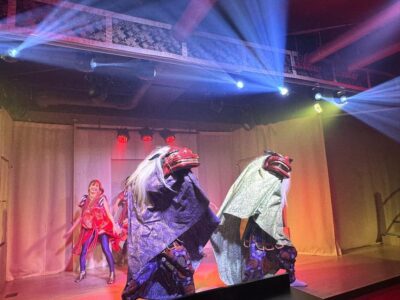 ★ 4.8Japanese Dance Cabaret Theater Asakusa-Kaguwa TicketFrom $492,270 reviews
 ★ 4.7Meiji Shrine, Asakusa, Skytree Bus Tour and CruiseFrom $1221,986 reviews
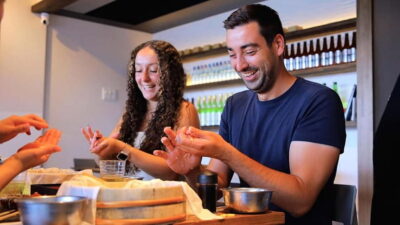 ★ 4.9Roll and Authentic Sushi Making Class in AsakusaFrom $581,957 reviews
 ★ 4.8Asakusa Walking Tour with Sensoji Temple VisitFrom $221,583 reviews
 ★ 5.0Tokyo Asakusa Rickshaw TourFrom $421,375 reviews
 ★ 4.5Tokyo Panoramic 1 Day: Meiji Shrine, Asakusa, Odaiba and SKYTREE®From $851,222 reviews
 ★ 5.0Tokyo Go Kart: Asakusa, Skytree, and Akihabara **IDP MUST**From $99988 reviews
 ★ 4.7Asakusa, Skytree & Akhihabara Go-Kart City ExperienceFrom $96761 reviews
Browse the lists this tour appears in