
Reviewed · ASAKUSA & SENSOJI TOURS
Asakusa, Tokyo: Rickshaw Experience and Highlights Walking tour
First time you see a rickshaw, it feels like Tokyo forgot time. This Asakusa tour blends a guided walk past the big sights with a 20-minute rickshaw ride designed for easy photos. You’ll cover classic temple streets, then finish with streets where locals actually eat and drink.
I love how the route is paced: temple icons for sightseeing, then shopping lanes for browsing, then food-drink streets for atmosphere. I also like the small group size, max 8 travelers, which keeps things manageable in tight streets.
One thing to consider: the rickshaw route can’t be chosen, and rickshaw operation may change with weather or traffic. If you have a strict appointment right after, build in buffer time.
In This Review
- Key highlights you’ll feel right away
- Why a 20-Minute Rickshaw Ride in Asakusa Makes the Whole Trip Work
- Meeting Point and a 3.5-Hour Schedule You Can Actually Plan Around
- Kaminarimon Thunder Gate: The Photo Stop That Sets the Tone
- Nakamise Shopping Street: Snacks, Souvenirs, and Easy People-Watching
- Senso-ji Temple Time: Guided Sightseeing at a Comfortable Pace
- Hanayashiki Street and Asakusa Nishisando: Old-Tokyo Flavor Beyond the Main Gate
- Hoppy Street: The Local-Pub Side of Asakusa (Without Feeling Lost)
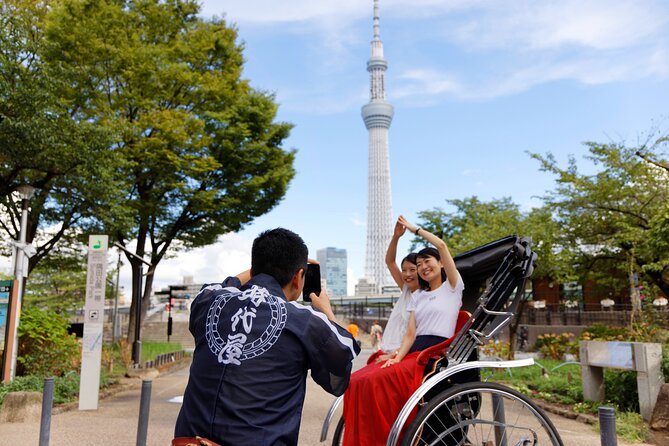
- The Rickshaw Photo Loop: Getting Skytree in the Background
- Price and Value: Why $35 Can Make Sense Here
- Who This Tour Fits Best (And Who Might Want Something Different)
- A Real-World Guide Style You’ll Appreciate
- Should You Book This Asakusa Rickshaw Tour?
- FAQ
- Where does the tour start?
- How long is the tour?
- How much does it cost?
- Is the tour a walking tour, a rickshaw ride, or both?
- How many people are in a group?
- If I book alone, do I share a rickshaw?
- Can I choose the exact rickshaw route?
- What if the weather or traffic prevents rickshaw operation?
- What should I know about timing the day of the tour?
- How do I get the ticket?
Key highlights you’ll feel right away
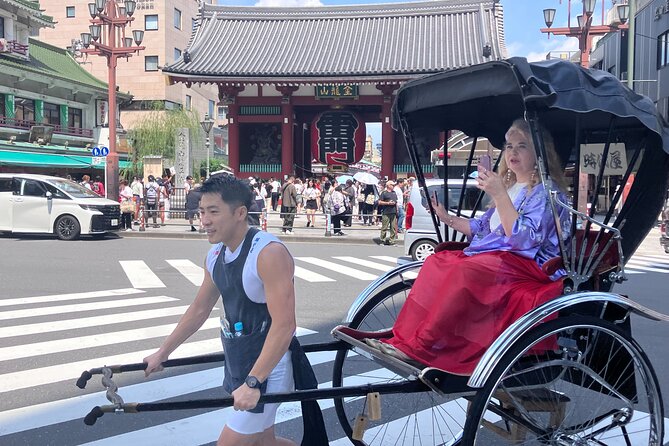
- 20-minute rickshaw ride through Asakusa’s east side with a Sky Tree photo background
- Senso-ji Temple time in a guided window that’s long enough to actually look around
- Kaminarimon Thunder Gate photos with Fujin and Raijin statues and the famous red lantern
- Snack-and-shop lanes like Nakamise, Asakusa Nishisando, and Hanayashiki Street
- Hoppy Street food and drink energy with izakayas serving hoppy, yakitori, and oden
- Small group touring (up to 8) for a more personal pace
Why a 20-Minute Rickshaw Ride in Asakusa Makes the Whole Trip Work
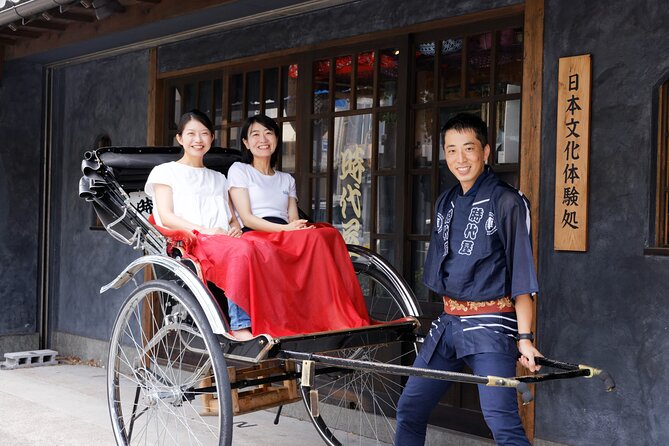
Asakusa is one of those neighborhoods where walking is great, but a rickshaw adds a different angle fast. You’re not just moving through town; you’re getting positioned for classic views and a slower pace that makes photos easier.
The ride is about 20 minutes, which is a sweet spot. Long enough to feel special, short enough that you won’t lose the day to logistics. And the tour is built around photo moments, including getting shots with the Tokyo Skytree in the background.
If you’re thinking, Is a rickshaw worth it? I’d say yes here, mainly because it’s timed inside a sightseeing plan. You won’t spend the whole tour waiting for the ride or scrambling to find the right streets.
More temple mornings in old Asakusa
- Tokyo: Japanese Dance Cabaret Theater Asakusa-Kaguwa Ticket
★ 4.8 · 2,270 reviews - Tokyo: Meiji Shrine, Asakusa, Skytree Bus Tour and Cruise
★ 4.7 · 1,986 reviews - Tokyo: Roll and Authentic Sushi Making Class in Asakusa
★ 4.9 · 1,957 reviews - Tokyo: Asakusa Walking Tour with Sensoji Temple Visit
★ 4.8 · 1,583 reviews
Meeting Point and a 3.5-Hour Schedule You Can Actually Plan Around
This tour meets at 2-chōme-18-9 Kaminarimon, Taito City, Tokyo 111-0034 and ends back at the meeting area. It’s a group tour with a total duration of about 3 hours 30 minutes, so you’ll want to treat it as a half-day anchor.
The pace matters in Asakusa. Streets are walkable, but they can get crowded near temple gates and popular shopping streets. A guided flow helps you avoid the “wait, where do we go next?” problem and keeps you moving at a comfortable walking rhythm.
Two practical notes that can change your experience: you should arrive on time because the group leaves at departure time, and the tour may run a bit late at the end. If you’ve got an appointment right after, tell the operator in advance so you can plan around any delay.
Kaminarimon Thunder Gate: The Photo Stop That Sets the Tone
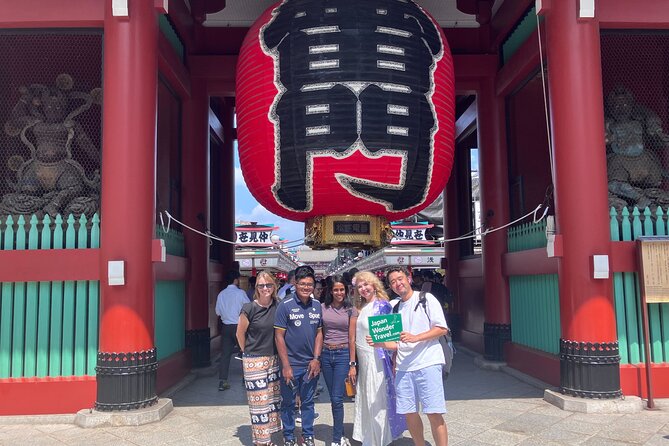
You start at Kaminarimon Gate, also known as the Thunder Gate. This is the iconic entrance to Senso-ji Temple, and it’s built for pictures. On either side of the gate are statues of Fujin and Raijin, the gods of wind and thunder.
The center lantern is the visual headline: a large red lantern that naturally draws your eye. Even if you’ve seen photos online, seeing it in person hits different because the scale and framing are real-world.
You’ll spend about 10 minutes here. That’s enough time to snap photos, orient yourself, and then step into the flow of the shopping street that feeds directly into the temple area. If you’re the type who waits for the perfect shot, go for it, but keep an eye on the group time so you don’t slow everyone down.
Nakamise Shopping Street: Snacks, Souvenirs, and Easy People-Watching
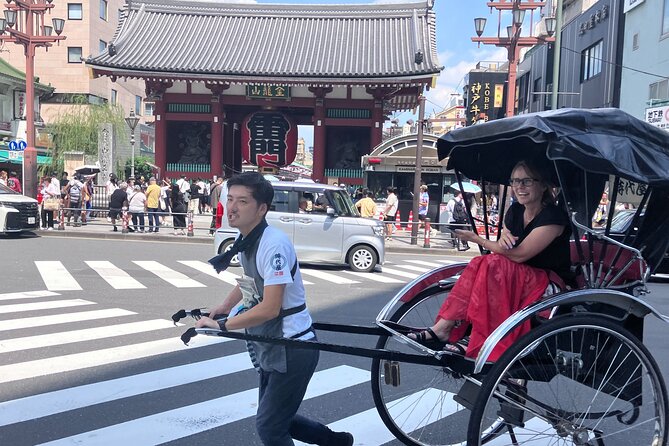
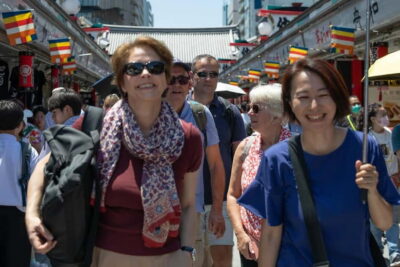
After Kaminarimon, you walk through Nakamise Shopping Street, the lane that leads you toward Senso-ji. This is where the whole Asakusa mood kicks in: lots of shops selling traditional snacks, souvenirs, and crafts.
You get about 30 minutes here, which is a good length. It’s long enough to browse, pick up a small gift, and grab a snack if you want. It’s also short enough that you won’t feel like you’re trapped shopping before you even reach the temple.
One tip for getting value out of this stop: don’t try to do everything. Decide early what you want most—something edible, something small to bring home, or a craft you can actually carry. Then spend the rest of the time wandering instead of hunting.
Senso-ji Temple Time: Guided Sightseeing at a Comfortable Pace
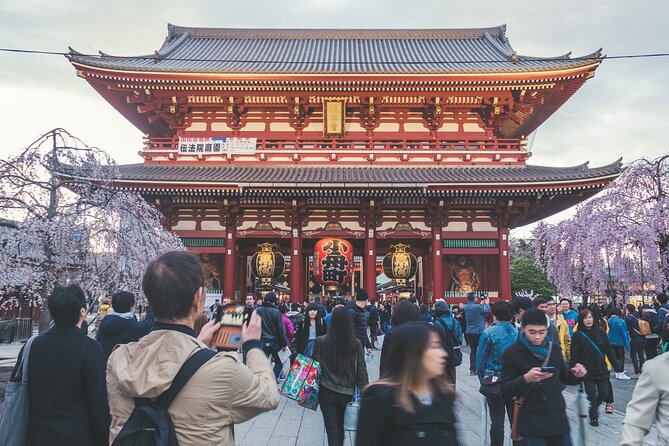
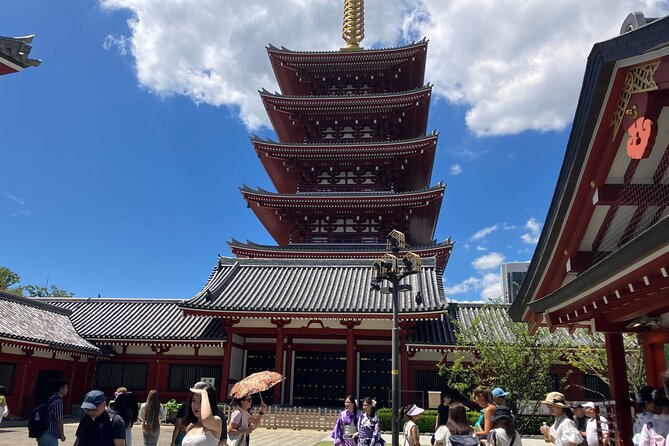
Senso-ji is one of Tokyo’s most famous temples, dedicated to the goddess of mercy, Kannon. This is the core of the experience, and you’ll have about 50 minutes for it.
That time block matters. With a shorter stop, you’d be rushing between gates and photo angles. With a longer stop, you’d risk getting fatigued in crowds. Fifty minutes is a balanced window where you can see what’s important, look up and around, and still step away without feeling like you missed things.
The main gate here—Kaminarimon—is again a key reference point. You’ll already have that visual in mind from the start, so Senso-ji feels more connected as you move through the complex. You get the sense of a place with layers, not just one big picture.
More rickshaw runs through the old town
- Tokyo: Asakusa Sightseeing Tour by Rickshaw★ 4.9 · 195 reviews
- Asakusa, Tokyo: Rickshaw Experience and Highlights Walking tour★ 5.0 · 47 reviews
- Ride a rickshaw wearing a kimono in Asakusa! Enjoy authentic traditional culture!★ 5.0 · 14 reviews
- Sushi Making Tokyo with Traditional Rickshaw Ride Tour in Asakusa★ 5.0 · 12 reviews
- Tokyo: Asakusa tour by rickshaw★ 4.9 · 11 reviews
Hanayashiki Street and Asakusa Nishisando: Old-Tokyo Flavor Beyond the Main Gate
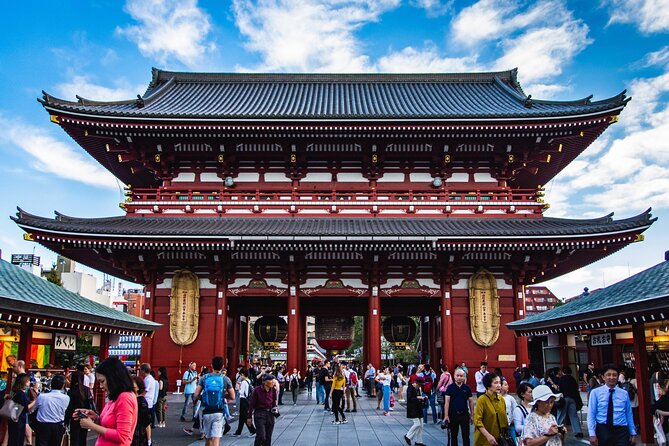
Not every Asakusa highlight is a single landmark. Two of the tour stops help you understand the neighborhood as a living place.
First is Hanayashiki Street, named after Hanayashiki, which is described as Japan’s oldest amusement park nearby. Even if you’re not going into the amusement park itself, this street gives you that nostalgic, “old Tokyo” vibe through shops, restaurants, and cafes. You’ll get about 20 minutes, which works well for a wander, a snack break, and browsing without overcommitting.
Then comes Asakusa Nishisando, the west approach area. This lane is known for lantern-lit atmosphere and wooden storefronts, plus shops selling local snacks and souvenirs. You’ll have about 30 minutes here, giving you time to slow down and enjoy the look and feel of the streets rather than just chasing photos.
If you like travel days that mix monuments with everyday scenes, these stops are a big reason the tour feels satisfying. You’re not leaving Asakusa with only temple photos. You’re also leaving with the texture of the streets.
Hoppy Street: The Local-Pub Side of Asakusa (Without Feeling Lost)
One of my favorite parts of this plan is that it includes Hoppy Street, where you can experience a more local-style nighttime energy even during the day. The street is known for numerous izakayas serving a drink called hoppy.
You’ll spend about 20 minutes here. That may sound short, but it’s enough time to feel the atmosphere and see what people order. The tour context also points you toward typical menu items like yakitori and oden—both very easy to recognize and share as food.
Practical angle: if you want to use this as a lead-in for dinner, treat Hoppy Street like a sampler. Look around at what’s served and how the place feels. Then decide where you want to go when the tour ends (or grab a light bite if you’re still hungry).
The Rickshaw Photo Loop: Getting Skytree in the Background
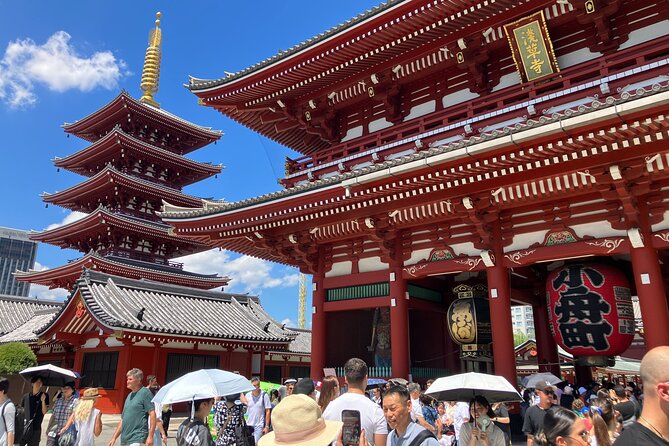
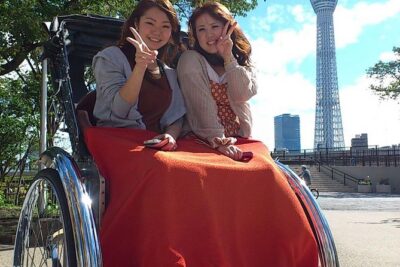
The rickshaw portion is the signature experience: about 20 minutes riding through the east area of Asakusa. The plan is set so you can take pictures with Sky Tree in the background, which is the kind of “one photo, done” moment that’s hard to recreate on foot.
A few details you should know so expectations stay realistic:
- The rickshaw route can’t be specified, so the exact streets and sight lines are arranged by the operator.
- The ride is provided as a two-person vehicle, and if you book alone, you ride alone rather than sharing with other guests.
- The operator arranges rickshaws based on reservation count, and service may change with weather or traffic.
For photos, this is your best mindset: aim for the background shot, then let the rest be fun. If you’re chasing a specific viewpoint, you may end up disappointed because routes aren’t guaranteed. But if you’re flexible, you’ll likely come away with a great mix of temple-street texture plus a modern skyline reference.
Price and Value: Why $35 Can Make Sense Here
At $35 per person, this tour can feel like a bargain because you’re getting more than a walk. You’re paying for guided time through major Asakusa sights plus the included 20-minute rickshaw ride.
Also, a lot of the key stops are presented as admission ticket free within the tour context. That reduces the risk of budget surprises and lets your money go toward experience and guiding instead of entrance fees.
There’s another value lever: the tour has a strong track record, with an average rating of 4.9 and a recommendation rate of 98%. High satisfaction usually means the pacing works and the guide approach is helpful, not just a rushed checklist.
One more angle: booking is typically done around 47 days in advance on average. If you’re traveling on a busy season weekend, booking earlier tends to be the smart move.
Who This Tour Fits Best (And Who Might Want Something Different)
This experience is a good fit if you want an easy first Asakusa day. You’ll get the “big names” like Kaminarimon and Senso-ji, plus street time for shopping and local food atmosphere on Hoppy Street.
It also suits travelers who prefer structure. The group size is capped at 8, so you’re not lost in a crowd of dozens. The route ties everything together so you don’t have to connect the dots yourself.
You should think twice if you’re extremely sensitive to schedule changes. The rickshaw can’t be operated due to weather or traffic in some cases, and you should avoid tight timing right after the tour because the end time may shift.
Physical note: the tour asks for moderate fitness, which makes sense because you’ll be walking between stops while also pausing for guided time.
If you’re traveling solo, you still get a private rickshaw ride because the vehicle is two-person and solo riders don’t share. That’s a nice detail for comfort and photo control.
A Real-World Guide Style You’ll Appreciate
One of the standout themes tied to the guide experience is how adaptive it can feel. A guide named Yoko is mentioned as fantastic and knowledgeable, with the ability to tailor the tour to your needs.
Even without changing the core sights, a good guide makes a difference in how you experience crowded places. You’ll get help with pacing, photo timing, and how to look at what you’re seeing without feeling like you’re being herded.
That tailoring is especially valuable in Asakusa, where the “best” angle or route can depend on where crowds cluster at that moment.
Should You Book This Asakusa Rickshaw Tour?
Book it if you want a smooth, first-timer-friendly Asakusa plan that mixes icons, shopping streets, and a proper 20-minute rickshaw ride with Skytree photo potential. At $35, the value lands best when you actually want both the guided walk and the ride, not just one or the other.
Skip it or consider alternatives if you’re trying to lock in a strict schedule with no buffer, or if you’re only interested in one single landmark. This tour is a balanced sampler, and its best results come when you’re okay with a set route and photo focus rather than customizing everything.
FAQ
Where does the tour start?
The meeting point is 2-chōme-18-9 Kaminarimon, Taito City, Tokyo 111-0034, Japan, and the activity ends back at the meeting point.
How long is the tour?
The tour duration is about 3 hours 30 minutes.
How much does it cost?
It costs $35.00 per person.
Is the tour a walking tour, a rickshaw ride, or both?
It’s both. You’ll do guided walking through key Asakusa areas, plus a rickshaw ride option for about 20 minutes.
How many people are in a group?
The tour has a maximum of 8 travelers.
If I book alone, do I share a rickshaw?
No. The rickshaw is a two-person vehicle. If you participate alone, you ride alone and will not share with other guests.
Can I choose the exact rickshaw route?
No. The route cannot be specified. The operator arranges rickshaws according to reservation number.
What if the weather or traffic prevents rickshaw operation?
The rickshaw may not be able to operate due to weather or traffic. In that case, the tour may be cancelled.
What should I know about timing the day of the tour?
The group leaves at the departure time, so you should arrive on time. When you arrive late, the tour cannot be extended, and the tour may end later than planned.
How do I get the ticket?
You receive a mobile ticket, and confirmation is received at the time of booking.
More Tour Reviews in Tokyo
- Mt Fuji and Hakone 1-Day Bus Tour Return by Bullet Train
★ 5.0 · 26,383 reviews - 1-Day Tokyo Bus Tour
★ 5.0 · 14,250 reviews - Tokyo: teamLab Planets TOKYO Digital Art Museum Entry Ticket
★ 4.6 · 9,779 reviews - Mt Fuji & Hakone Cruise, Drum Show Bullet Train 1 Day from Tokyo
★ 4.0 · 7,413 reviews - Tokyo: Shinjuku Food Tour (13 Dishes at 4 Local Eateries)
★ 5.0 · 6,603 reviews
More Rickshaw Rides in Tokyo
- Tokyo Asakusa Rickshaw Tour
★ 5.0 · 1,375 reviews - Tokyo: Asakusa Sightseeing Tour by Rickshaw
★ 4.9 · 195 reviews - Ride a rickshaw wearing a kimono in Asakusa! Enjoy authentic traditional culture!
★ 5.0 · 14 reviews - Sushi Making Tokyo with Traditional Rickshaw Ride Tour in Asakusa
★ 5.0 · 12 reviews - Tokyo: Asakusa tour by rickshaw
★ 4.9 · 11 reviews
More Mornings in Old Asakusa
- Tokyo: Japanese Dance Cabaret Theater Asakusa-Kaguwa Ticket
★ 4.8 · 2,270 reviews - Tokyo: Meiji Shrine, Asakusa, Skytree Bus Tour and Cruise
★ 4.7 · 1,986 reviews - Tokyo: Roll and Authentic Sushi Making Class in Asakusa
★ 4.9 · 1,957 reviews - Tokyo: Asakusa Walking Tour with Sensoji Temple Visit
★ 4.8 · 1,583 reviews - Tokyo Asakusa Rickshaw Tour
★ 5.0 · 1,375 reviews
Latest Tokyo reviews off our desk






Asakusa & Sensoji Tours, compared.
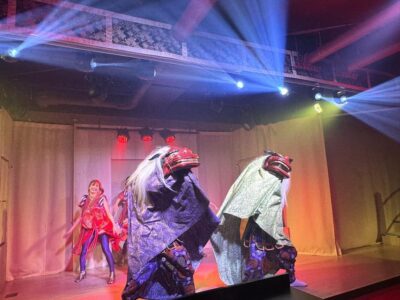 ★ 4.8Japanese Dance Cabaret Theater Asakusa-Kaguwa TicketFrom $492,270 reviews
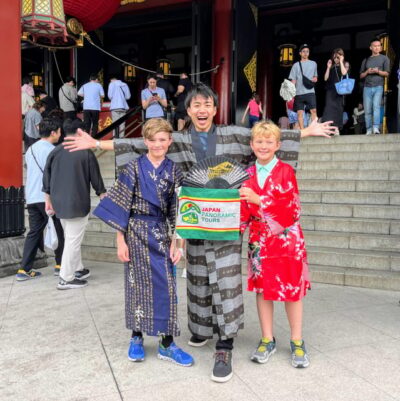 ★ 4.7Meiji Shrine, Asakusa, Skytree Bus Tour and CruiseFrom $1221,986 reviews
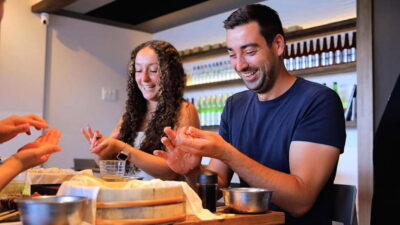 ★ 4.9Roll and Authentic Sushi Making Class in AsakusaFrom $581,957 reviews
 ★ 4.8Asakusa Walking Tour with Sensoji Temple VisitFrom $221,583 reviews
 ★ 5.0Tokyo Asakusa Rickshaw TourFrom $421,375 reviews
 ★ 4.5Tokyo Panoramic 1 Day: Meiji Shrine, Asakusa, Odaiba and SKYTREE®From $851,222 reviews
 ★ 5.0Tokyo Go Kart: Asakusa, Skytree, and Akihabara **IDP MUST**From $99988 reviews
 ★ 4.7Asakusa, Skytree & Akhihabara Go-Kart City ExperienceFrom $96761 reviews
Browse the lists this tour appears in