
Reviewed · ASAKUSA & SENSOJI TOURS
Tokyo: Asakusa Sightseeing Tour by Rickshaw
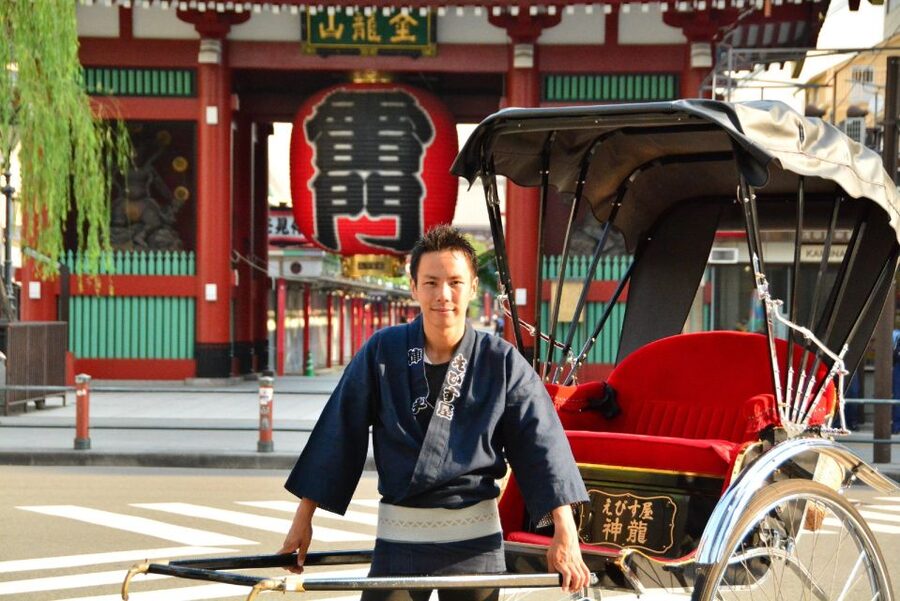
Rickshaws turn Asakusa into a movie set. This private ride strings together temples, shrines, and old neighborhoods with guide storytelling that makes the sights click fast. I especially like the photo-friendly pacing and the chance to float past places most people only see from sidewalks. One consideration: rickshaws fit a small group—up to two adults—so families might want separate carts for comfort.
You’ll start near Asakusa Station and cruise through the area at a human speed, where you can actually notice the details: lanterns, incense rituals, shopfronts, and those side streets that feel unchanged. The tour isn’t a marathon, but the stop choices hit the mix of classic Tokyo (shrines and halls like Bentendo) and quirky everyday life in places like Tanuki-doori and Denpoin Street.
In This Review
- Key things to know before you go
- Why a rickshaw through Asakusa feels different
- Price and value: what $35 really buys
- Finding the rickshaw stand by Asakusa Station
- The route you’ll follow: Asakusa Shrine, Bentendo Hall, and temple-side streets
- Hanakawado shoe district and daily street life you can actually notice
- Sumida Park and the cherry-tree season glow
- Rokku Ward, Tanuki-doori, and the fun quirks of Asakusa
- Hanayashiki photo time and Denpoin Street on the way back
- Guides, comfort, and how to get the best photos
- Custom stops and pacing that can match your priorities
- Who should book this Asakusa rickshaw tour
- Should you book this tour
- FAQ
- How long is the Asakusa rickshaw sightseeing tour?
- Where is the meeting point near Asakusa Station?
- What’s included in the price?
- Are snacks and drinks provided?
- Is this a private tour?
- Can kids ride for free?
- Is the tour wheelchair accessible?
- Are selfie sticks allowed?
- Is it suitable during pregnancy?
Key things to know before you go
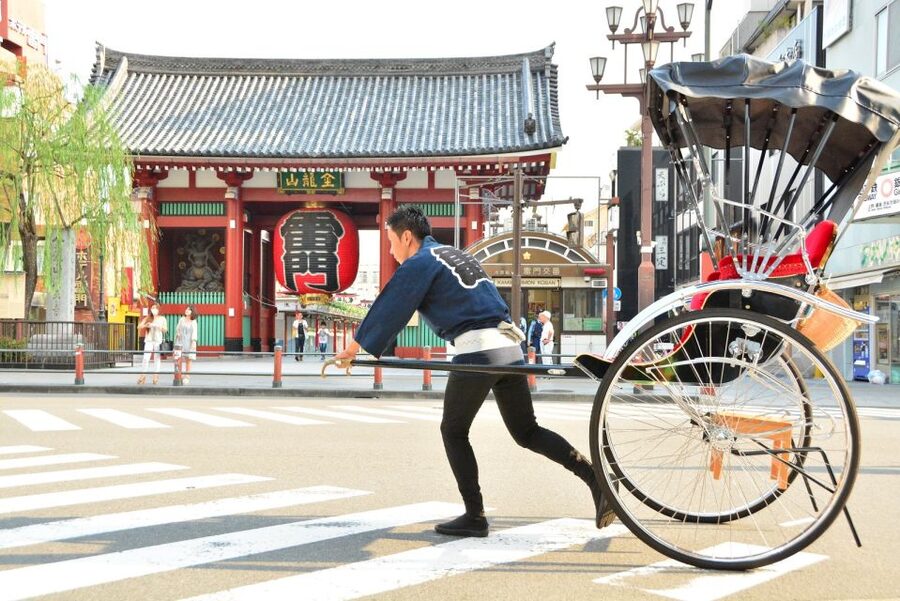
- Private chariot feel: it’s your own rickshaw experience in Asakusa, not a cramped group bus ride.
- Big-photo impact in a short time: you’ll pass major landmarks plus fun photo stops along the way.
- Temples, shrines, and specific Asakusa pockets: Bentendo Hall, Sumida Park, Hanakawado, Rokku Ward, and more.
- Spring upgrade: Sumida Park can be stunning when cherry trees are in bloom.
- Small seating rules: max two adults per rickshaw; the width is narrow, so comfort can depend on how you’re booked.
- Guide energy matters: many guides are known for humor, strong navigation, and taking excellent photos.
Why a rickshaw through Asakusa feels different
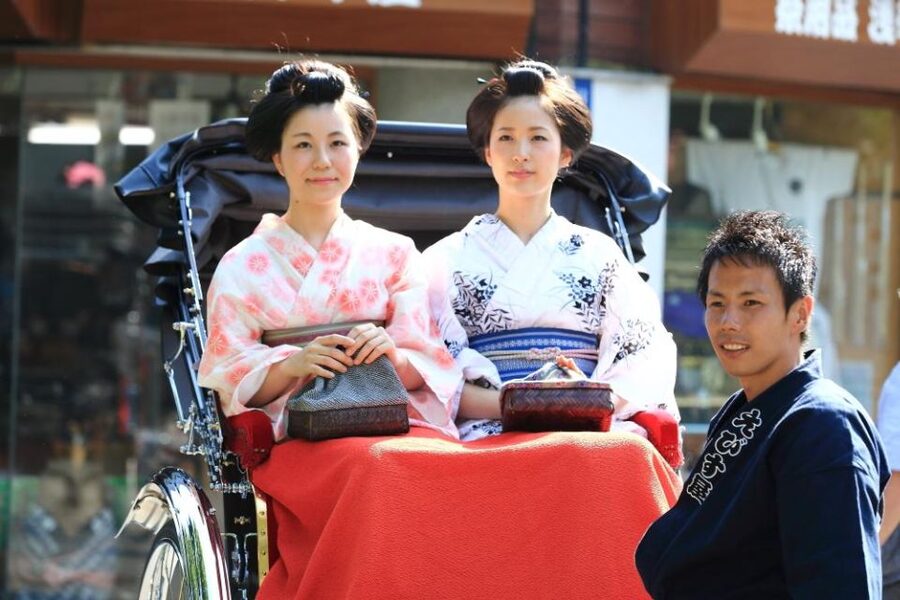
Asakusa is famous, sure. But a rickshaw changes what “famous” means. Instead of rushing between big gates and souvenir stalls, you glide through the district and let the neighborhood show you its pace—quiet side moments, then busier streets, then a calmer bend toward a temple hall.
I also like that this is a guided ride. The route isn’t just sightseeing. It’s paired with explanations of what you’re seeing—like why rituals happen at smaller temple stops, or what incense and water rituals mean as you pass through worship areas. On rides, guides such as Shima, Matcha, and Taku have been praised for making those details understandable (and not boring), which is exactly what you want when you only have a limited window in Tokyo.
One more practical win: you’re not fighting crowds to turn your head. The rickshaw posture naturally slows you down, so you can actually take in Bentendo Hall and the surrounding temple atmosphere without feeling like you’re missing the next thing.
More temple mornings in old Asakusa
- Tokyo: Japanese Dance Cabaret Theater Asakusa-Kaguwa Ticket
★ 4.8 · 2,270 reviews - Tokyo: Meiji Shrine, Asakusa, Skytree Bus Tour and Cruise
★ 4.7 · 1,986 reviews - Tokyo: Roll and Authentic Sushi Making Class in Asakusa
★ 4.9 · 1,957 reviews - Tokyo: Asakusa Walking Tour with Sensoji Temple Visit
★ 4.8 · 1,583 reviews
Price and value: what $35 really buys
The tour is listed at $35 per person, with durations ranging from 30 to 190 minutes. At this price, you’re paying for three things: a live local guide, a private rickshaw ride, and a route that hits multiple Asakusa zones instead of repeating the same street twice.
What’s not included is snacks and drinks, so bring water plans (or buy as you go). Also, because it’s private, the value depends on how you group up. Two people splitting one rickshaw often feels like a sweet spot. If you’re traveling with three or four people, the narrow cart width (about 74 cm / 29.1 inches) is a hint to consider booking individual rickshaws for maximum comfort.
I’d treat this as a high-impact first-day move. If Asakusa is on your list, a rickshaw helps you learn the “shape” of the district fast—then you can wander on foot with way more confidence later.
Finding the rickshaw stand by Asakusa Station
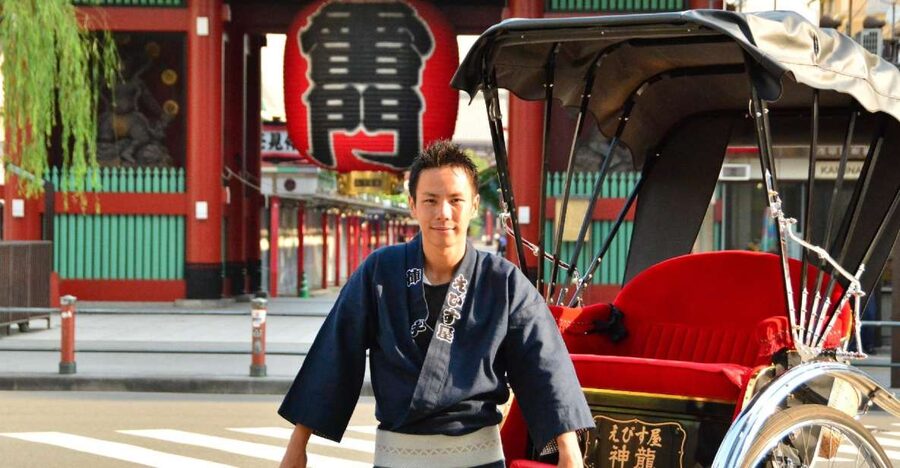
Your meeting point is simple, but it’s easy to mess up if you choose the wrong train line.
Go to Asakusa Station on the Tokyo Metro Ginza Line and use Exit #1. There are two stations with the same name, but on different subway lines, so double-check your route before you surface. From Exit #1, you still need a short walk to the rickshaw stand along the street.
In practice, I recommend building in a few extra minutes. Even with a clear starting point, Asakusa can be a maze of nearby exits. A few guides have even helped guests who picked the wrong exit, but you don’t want your ride to start on a scramble.
The route you’ll follow: Asakusa Shrine, Bentendo Hall, and temple-side streets
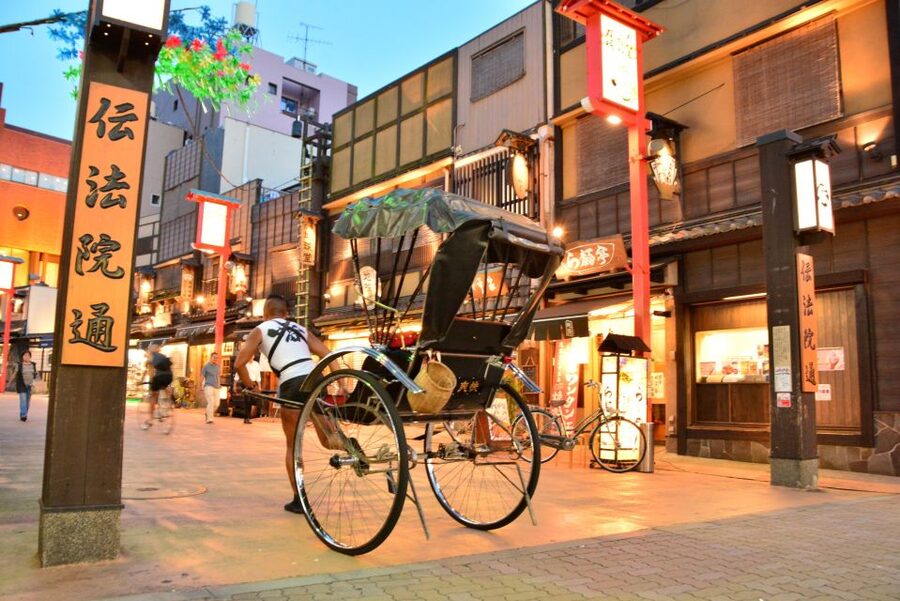
The heart of the tour is the transition from shrine-and-temple classics into the everyday streets that make Asakusa feel lived-in.
Early on, you’ll admire Asakusa Shrine next to Tokyo’s oldest temple—a pairing that instantly gives you context for why the area matters. This is also the kind of start that helps you shift from tourist mode to curiosity mode. You’re not just collecting photos; you’re learning what you’re looking at.
Then you pass Bentendo Hall, one of the iconic images people associate with Asakusa. From a rickshaw, it’s easier to appreciate how the buildings relate to the river and surrounding paths, rather than viewing it as a single framed postcard.
A key detail: the ride includes explanations about Buddhist and Shinto spaces as you go by. Some guides have been especially praised for clarifying rituals at smaller spots, including hand- and mouth-washing customs and the logic behind incense burning. That kind of explanation makes the whole district feel more coherent.
Hanakawado shoe district and daily street life you can actually notice
One of the smartest aspects of the ride is that it doesn’t stay only in the postcard zone. You head toward Hanakawado, described here as a shoe shopping district, which gives you a contrast from the temple crowd.
This is where the rickshaw shines. Streets that feel too narrow or too chaotic on foot become manageable from the seat, and you get a “slow pass” view of shopfronts and street textures.
You also travel through areas like Nishi Shitamachi and get a feel for local neighborhood character beyond the biggest temples. The tour’s value is that you’re moving with a guide who can point out what’s old, what’s practical, and what’s just fun to notice.
If you like Tokyo that feels real—chalkboard menus, side-street rhythms, local signage—this part matters more than it sounds.
More rickshaw runs through the old town
- Tokyo: Asakusa Sightseeing Tour by Rickshaw★ 4.9 · 195 reviews
- Asakusa, Tokyo: Rickshaw Experience and Highlights Walking tour★ 5.0 · 47 reviews
- Ride a rickshaw wearing a kimono in Asakusa! Enjoy authentic traditional culture!★ 5.0 · 14 reviews
- Sushi Making Tokyo with Traditional Rickshaw Ride Tour in Asakusa★ 5.0 · 12 reviews
- Tokyo: Asakusa tour by rickshaw★ 4.9 · 11 reviews
Sumida Park and the cherry-tree season glow
If you visit in spring, Sumida Park is a standout segment. It’s most resplendent when thousands of cherry trees are in bloom, turning the park area into a seasonal highlight that feels tailor-made for photos and calm strolling.
Even outside peak blossom season, the park stop matters because it offers a break in the density of temples and shopping streets. You get a different tempo: more space, more greenery, and a chance to look toward the river corridor.
The Sumida River itself is part of the sightseeing feel here, too. You’ll see the district’s relationship to water, which helps explain why some temple scenes look the way they do from the pathways near the river.
Rokku Ward, Tanuki-doori, and the fun quirks of Asakusa
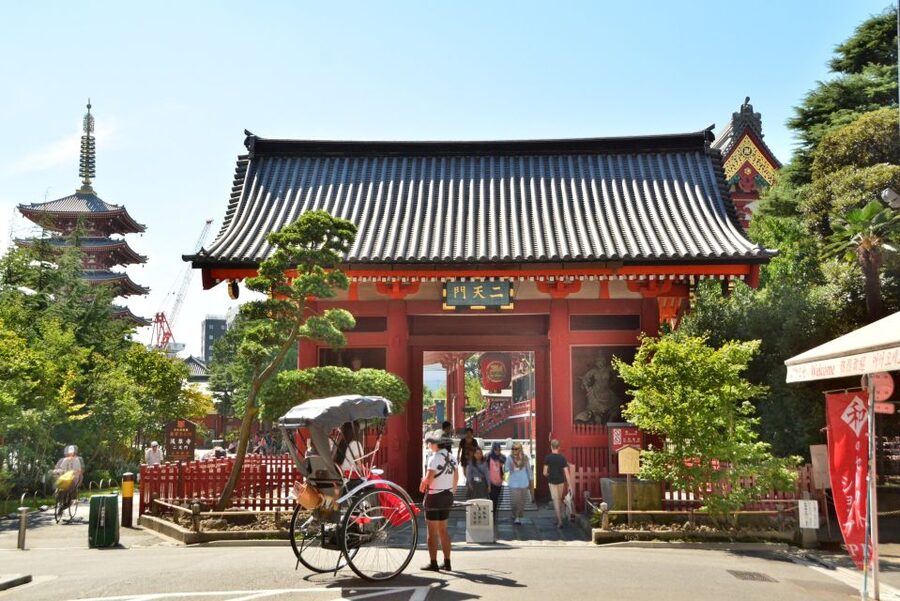
Asakusa has a playful side that many visitors miss if they only follow the main approach routes. This tour includes that angle on purpose.
You’ll check out Tanuki-doori, known for its quirky character, and you’ll also pass through areas like the Rokku Ward, including adult theaters that reflect the district’s older entertainment layers. It’s not just history as a museum label; it’s history as street texture.
Guides have been praised for turning these streets into stories—often mixing humor with useful context. Names that have come up in strong ways include Yusuke, Nene, Kazu, and others, and guests have specifically noted guides who use jokes or pop-culture references to keep the ride entertaining without losing the point.
For me, this is the difference between a “see the landmark” tour and a “understand the neighborhood” tour. The rickshaw makes the in-between streets legible.
Hanayashiki photo time and Denpoin Street on the way back
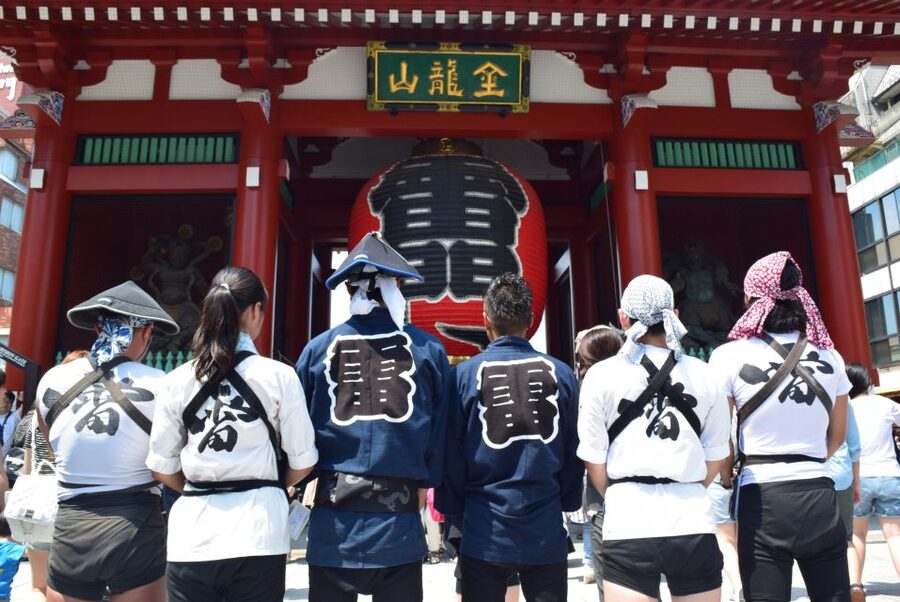
On the return stretch, you’ll encounter Hanayashiki, described here as the oldest amusement park in Japan. Even if you don’t ride anything, the point is a photo stop that connects Asakusa’s temple culture to older entertainment nostalgia.
Then you ride down Denpoin Street, noted for being a street where little has changed since World War II. That’s a powerful idea to experience from a rickshaw seat. You’re not just staring at buildings; you’re moving along them at the speed that lets you notice continuity and small differences.
And those last minutes matter. You’ll feel like you’ve done more than check boxes—you’ve traced a line through Asakusa’s layers, from worship areas to shopping pockets to streets that carry older Tokyo.
Guides, comfort, and how to get the best photos
The guides are the main reason this experience keeps landing high ratings. Many guests highlight guide personality, strong English support, and the way guides handle the street navigation.
You might hear stories and see personal styles from different guides. Names that have been mentioned in standout ways include Tashi and Taisei, Shima, Issy and Shin, Matcha, Taku, and MASA. Across them, the common theme is a friendly, upbeat approach and a real interest in guiding the ride.
You can also benefit from their photo skills. Some guides are known for taking great photos on your phone or camera, and several guests call out that the guides help with angles during stops. So bring your camera like you’re planning a photo set, not a quick snapshot.
Comfort notes you should take seriously:
- The cart is narrow, so booking individual rickshaws for each passenger can feel more comfortable.
- The ride is wheelchair and stroller friendly, but the space is still small—plan for how your group fits.
- Some cold-weather rides included blankets and heated seat pads in snowy/rainy conditions, which is a bonus if you’re visiting outside summer.
One important rule: no selfie sticks. If you’re bringing one for other parts of Tokyo, leave it off this tour day.
Custom stops and pacing that can match your priorities
The tour can be customized according to your interests, which is a big deal for a small-area tour. If you’re more into shrines and rituals, you’ll want the guide to spend extra time on those moments. If you’re more into neighborhood texture and street life, you’ll want more attention on spots like Tanuki-doori and the Nishi Shitamachi feel.
Also, duration options let you choose your time commitment. A 30-minute ride can be a quick intro. A longer option gives you more breathing room between major photo stops and allows the guide stories to land.
Who should book this Asakusa rickshaw tour
This is ideal if you want:
- A private introduction to Asakusa without walking nonstop
- A guide who can explain what you’re seeing (temple rituals, shrine context, street history)
- A mix of landmarks and neighborhood quirks
It may not be ideal if:
- You’re traveling with a group that doesn’t fit well in a small cart. The maximum is two adults per rickshaw, and the width is narrow.
- You’re pregnant. The tour data says it’s not recommended for people in their first 16 weeks and also not suitable for pregnant women. If that applies to you, skip this one.
Should you book this tour
I’d book this if Asakusa is a must-do and you want to understand the neighborhood quickly. For the money, you get a guided ride through major spiritual sites like Bentendo Hall, plus practical local texture in places like Hanakawado, Tanuki-doori, and Denpoin Street.
If you like a classic Tokyo checklist but also want the “how it feels” version of the district, a rickshaw is a smart use of time. Just plan your group seating early, and don’t show up with a selfie stick.
FAQ
How long is the Asakusa rickshaw sightseeing tour?
The duration ranges from 30 to 190 minutes. Specific starting times depend on availability.
Where is the meeting point near Asakusa Station?
You meet at the rickshaw stand just outside Exit #1 of Asakusa Station on the Tokyo Metro Ginza Line. You’ll walk a few meters from the exit to reach the stand.
What’s included in the price?
The tour includes the rickshaw ride and a local guide.
Are snacks and drinks provided?
No. Snacks and drinks are not included.
Is this a private tour?
Yes. It’s a private group rickshaw experience.
Can kids ride for free?
Yes, children 5 and under can ride for free if they sit on an adult’s lap (one child per adult). Adult pricing applies to everyone aged 6 and over.
Is the tour wheelchair accessible?
Yes. It’s listed as wheelchair and stroller friendly.
Are selfie sticks allowed?
No. Selfie sticks are not allowed.
Is it suitable during pregnancy?
The tour data says it’s not recommended for people in their first 16 weeks of pregnancy, and it’s also marked not suitable for pregnant women.
More Tour Reviews in Tokyo
- Mt Fuji and Hakone 1-Day Bus Tour Return by Bullet Train
★ 5.0 · 26,383 reviews - 1-Day Tokyo Bus Tour
★ 5.0 · 14,250 reviews - Tokyo: teamLab Planets TOKYO Digital Art Museum Entry Ticket
★ 4.6 · 9,779 reviews - Mt Fuji & Hakone Cruise, Drum Show Bullet Train 1 Day from Tokyo
★ 4.0 · 7,413 reviews - Tokyo: Shinjuku Food Tour (13 Dishes at 4 Local Eateries)
★ 5.0 · 6,603 reviews
More Rickshaw Rides in Tokyo
- Tokyo Asakusa Rickshaw Tour
★ 5.0 · 1,375 reviews - Asakusa, Tokyo: Rickshaw Experience and Highlights Walking tour
★ 5.0 · 47 reviews - Ride a rickshaw wearing a kimono in Asakusa! Enjoy authentic traditional culture!
★ 5.0 · 14 reviews - Sushi Making Tokyo with Traditional Rickshaw Ride Tour in Asakusa
★ 5.0 · 12 reviews - Tokyo: Asakusa tour by rickshaw
★ 4.9 · 11 reviews
More Mornings in Old Asakusa
- Tokyo: Japanese Dance Cabaret Theater Asakusa-Kaguwa Ticket
★ 4.8 · 2,270 reviews - Tokyo: Meiji Shrine, Asakusa, Skytree Bus Tour and Cruise
★ 4.7 · 1,986 reviews - Tokyo: Roll and Authentic Sushi Making Class in Asakusa
★ 4.9 · 1,957 reviews - Tokyo: Asakusa Walking Tour with Sensoji Temple Visit
★ 4.8 · 1,583 reviews - Tokyo Asakusa Rickshaw Tour
★ 5.0 · 1,375 reviews
Latest Tokyo reviews off our desk

Asakusa & Sensoji Tours, compared.
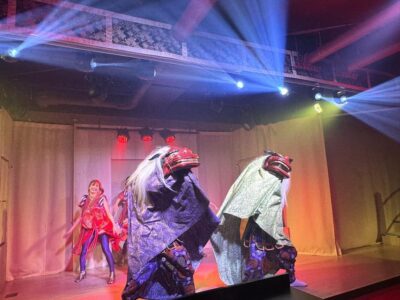 ★ 4.8Japanese Dance Cabaret Theater Asakusa-Kaguwa TicketFrom $492,270 reviews
 ★ 4.7Meiji Shrine, Asakusa, Skytree Bus Tour and CruiseFrom $1221,986 reviews
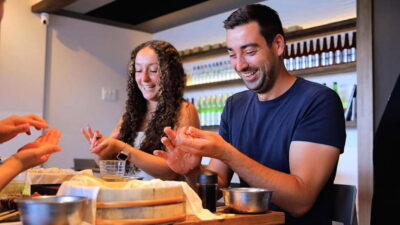 ★ 4.9Roll and Authentic Sushi Making Class in AsakusaFrom $581,957 reviews
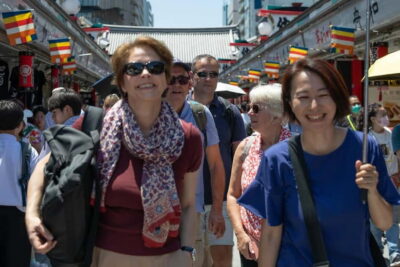 ★ 4.8Asakusa Walking Tour with Sensoji Temple VisitFrom $221,583 reviews
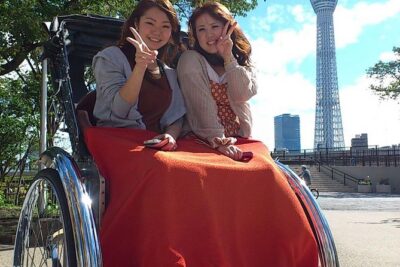 ★ 5.0Tokyo Asakusa Rickshaw TourFrom $421,375 reviews
 ★ 4.5Tokyo Panoramic 1 Day: Meiji Shrine, Asakusa, Odaiba and SKYTREE®From $851,222 reviews
 ★ 5.0Tokyo Go Kart: Asakusa, Skytree, and Akihabara **IDP MUST**From $99988 reviews
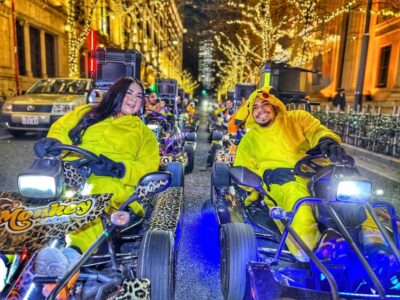 ★ 4.7Asakusa, Skytree & Akhihabara Go-Kart City ExperienceFrom $96761 reviews
Browse the lists this tour appears in