
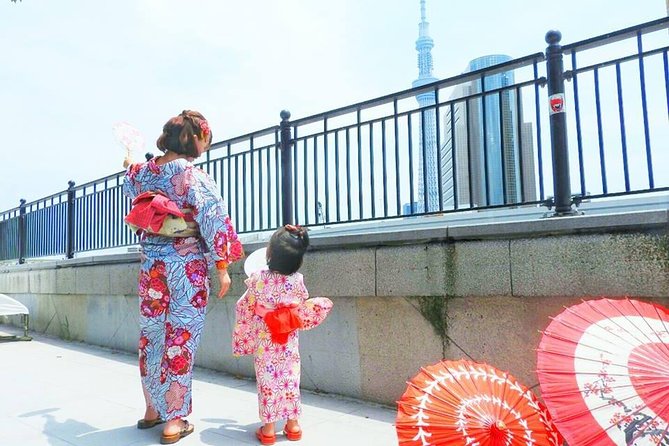
Reviewed · ASAKUSA & SENSOJI TOURS
Ride a rickshaw wearing a kimono in Asakusa! Enjoy authentic traditional culture!
Kimono day in Asakusa feels like time travel. Start at HANAKAJapan, get dressed in a kimono with a proper hair set, then slide into a classic rickshaw ride with a commemorative photo.
The two best parts for me are the quick, guided prep and how it hands you a ready-to-walk costume for the Sensoji area. One thing to plan for: if you need a larger kimono, there can be extra fees.
You’re also not left to figure it out alone. The shop is set up like a real service operation (including hygiene care), and the rickshaw driver lets you talk through where you want to get off near Kaminarimon and Sensoji Temple. The main drawback is that the dressing can feel rushed, and English support may be limited.
In This Review
- Quick hits before you commit
- Why Asakusa, and why do the kimono part first
- Meeting point at HANAKAJapan: find it, check your footwear rules
- The kimono dressing and hair set: what the 30 minutes feels like
- Picking the right kimono: standard sizes vs extra fees
- Rickshaw pickup: photo moment and choosing where to get off
- The rest of your day: Asakusa on foot until 6pm
- Price and value: what $52.17 really buys you
- Practical comfort tips (so the day stays fun)
- Who should book this, and who should hesitate
- Should you book this Asakusa kimono and rickshaw experience?
- FAQ
- What is included in the kimono and rickshaw package?
- How long does the experience last, and when does it end?
- Do I need to bring anything for the dressing?
- What if I need a larger kimono size?
- Where do I meet and when is the shop open?
- Is cancellation free?
Quick hits before you commit
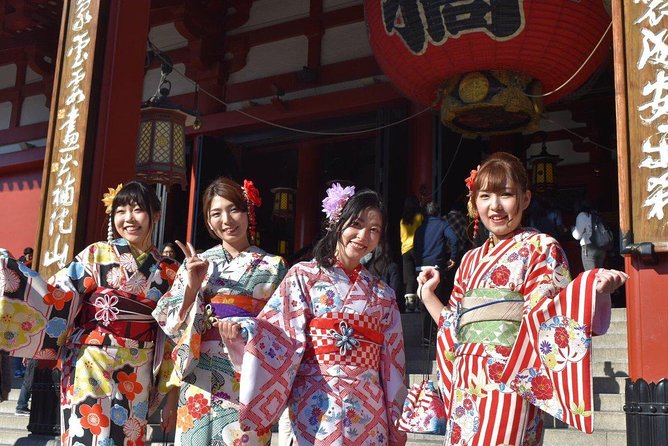
- Kimono + hair set included: you don’t just rent fabric; you get styled.
- A rickshaw segment, then freedom on foot: ride first, then explore Asakusa Shimomachi your way.
- Small group size: capped at 5 travelers, so attention is more likely than in mass tours.
- A real photo moment: you’ll take a commemorative shot during the pickup.
- Plan for fit: standard kimono sizing can mean extra cost for some body shapes.
Why Asakusa, and why do the kimono part first
Asakusa is one of the easiest places in Tokyo to “see Japan” without chasing a bus schedule across the metropolis. The area around Kaminarimon and Sensoji has that classic street-and-temple rhythm, and wearing a kimono in the middle of it makes everything feel more intentional.
I like that this experience is structured so the costume comes before the sightseeing. That means you’re not wasting your visit trying to get ready in between stops. You change at the rental shop (Asakusa Kimono Rental HANAKA), get styled, then get picked up right away.
Also, it helps that the hairdresser has a national qualification and the shop runs like a full-time business with firm hygiene management. That matters when you’re in a small fitting space and sharing tools, combs, or accessories.
More temple mornings in old Asakusa
- Tokyo: Japanese Dance Cabaret Theater Asakusa-Kaguwa Ticket
★ 4.8 · 2,270 reviews - Tokyo: Meiji Shrine, Asakusa, Skytree Bus Tour and Cruise
★ 4.7 · 1,986 reviews - Tokyo: Roll and Authentic Sushi Making Class in Asakusa
★ 4.9 · 1,957 reviews - Tokyo: Asakusa Walking Tour with Sensoji Temple Visit
★ 4.8 · 1,583 reviews
Meeting point at HANAKAJapan: find it, check your footwear rules
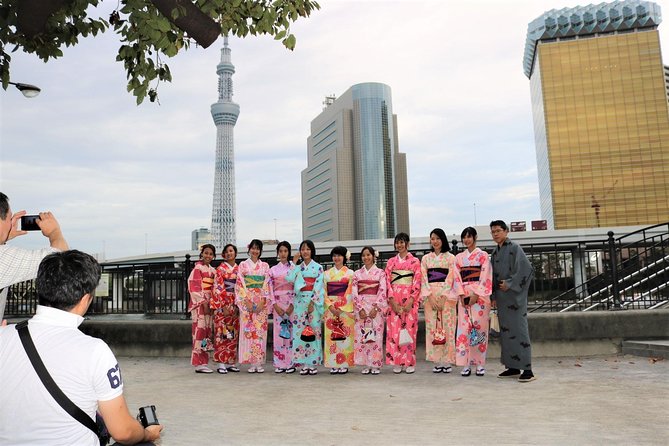
You’ll meet at HANAKAJapan (Taito City, Kaminarimon area), at the address listed for the activity. The good news is that it’s near public transportation, and it’s in a visible spot once you’re at the right subway exit (helpful if you hate hunting through tiny alleyways).
One practical detail: you can’t bring your shoes inside the shop. You’ll switch into provided sandals for getting ready, and the staff will handle your shoe storage. This is one of those “small” rules that actually changes your stress level, because you won’t be juggling footwear in a busy dressing room.
Plan to arrive a bit early so your 30 minutes of dressing doesn’t get squeezed. If you’re late, you’ll feel it quickly since the process is time-managed.
The kimono dressing and hair set: what the 30 minutes feels like
This part is built to be efficient. The whole dressing-and-hair portion runs about 30 minutes, including everything from getting you into the kimono to adding hair accessories. Your basic package includes a drawstring bag and sandals, and it’s designed so you don’t need to bring anything.
Expect a step-by-step fitting process with a professional setup. The shop selection is part of the experience: you can choose a kimono with peace of mind, and you’re not stuck with one pre-assigned outfit.
One name that stands out in the experience quality is Kai. In one account, Kai took incredible photos, and that kind of attention to detail tends to match what you hope for from the dressing phase too—someone who knows what looks good from multiple angles.
A possible drawback: some people find the dressing process a bit rushed and notice limited English from staff. If you’re the kind of person who likes to chat and linger during getting ready, you may feel the time pressure. If you’re okay following directions and doing your best with quick communication, you’ll likely be fine.
Picking the right kimono: standard sizes vs extra fees
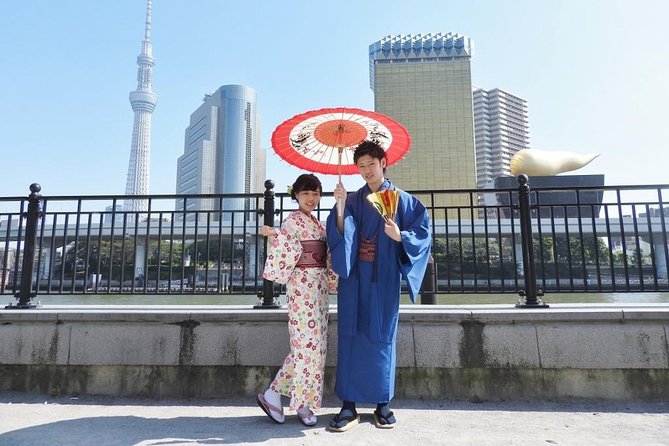
This is the section you want to treat seriously, because fit changes comfort and appearance.
The kimono program uses standard Japanese sizing, and larger sizes can require an additional fee paid directly on the day. The amount is listed as 1,000 to 2,000 yen for a larger kimono if you need it due to body size. You pay at the shop.
There are also stated height guidelines tied to larger sizing needs: women should be at least 168 cm and men should be at least 175 cm for the larger size path. The program also notes that larger needs can depend on more than just height and weight—things like bust and waist proportions can affect fit.
Here’s my practical advice: if you’re between sizes, don’t assume the kimono will still work comfortably. Build in a little budget buffer for the possibility of extra cost. That’s the most realistic way to avoid feeling surprised on the day.
If you want a shortcut mindset: standard kimono looks best when it fits the body shape the way the garment is made. If it’s stretched or forced, it can look less flattering and feel less comfortable during your hours of walking.
Rickshaw pickup: photo moment and choosing where to get off
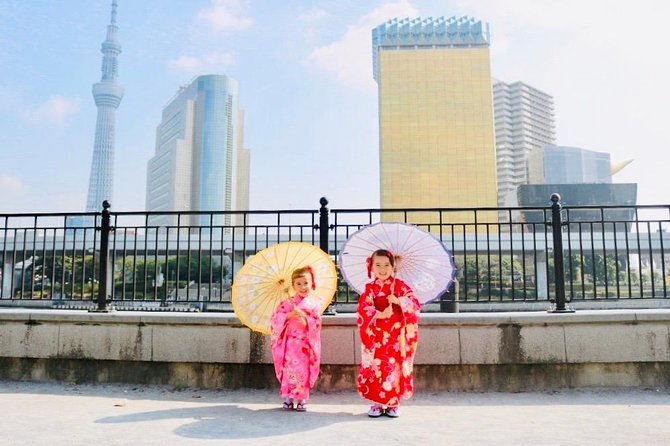
After dressing, a rickshaw comes to pick you up in front of the shop. First there’s a commemorative photo opportunity, then you board the rickshaw.
The listed pickup/boarding time is about 12 minutes. That’s not your whole rickshaw adventure—think of it as the start of the experience, getting you into the sightseeing mode quickly.
The key advantage is that you can discuss where you want to get off with the driver. The usual plan places you near Kaminarimon and Sensoji Temple, which puts you right where you want to be to start exploring on foot.
Also, the rickshaw experience includes tourist information from the car. In other words, you’re not just sitting and bouncing—you’re getting context for what you’re passing and heading toward. The rickshaw driver can make the ride feel personal, and one account even calls the rickshaw driver awesome.
If you want a longer ride segment, there’s an example of adding extra time: one family opted for an extra 30 minutes and was quoted 10,000 yen for two rickshaws. That’s not guaranteed for everyone, but it shows the kind of flexible add-on that can exist if the driver and schedule allow.
More kimono shoots, compared
- Tokyo: Kimono Dressing, Walking, and Photography Session★ 4.9 · 427 reviews
- Let’s make kimono !(Kimono is a gift for you★ 5.0 · 252 reviews
- Tokyo: Matcha and Kimono Experience★ 4.7 · 219 reviews
- Tokyo: Asakusa Kimono Dressing and Matcha Experience★ 4.9 · 173 reviews
- Asakusa: Kimono Tea Ceremony with Matcha and Sweet★ 4.9 · 153 reviews
The rest of your day: Asakusa on foot until 6pm
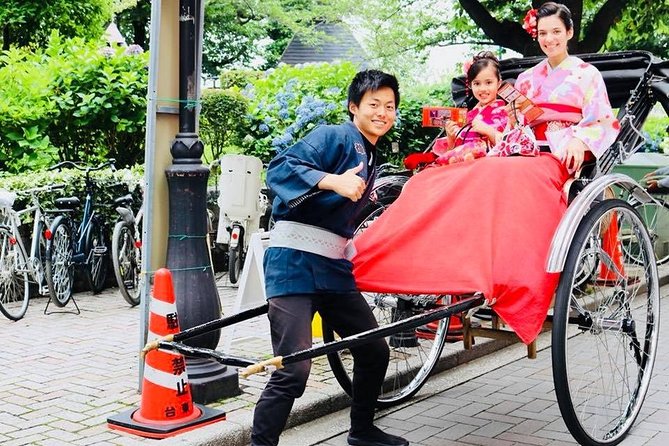
Total duration is about 6 hours, and the experience ends back at the meeting point. You’ll have time to roam after getting off near Kaminarimon and Sensoji Temple.
This is where the kimono pays off. You’re dressed for photos, you blend into the atmosphere, and you can take your time at the sights and around the Shimomachi area. You’ll want to slow down and plan for stopping—because that’s where the costume shines.
A smart move: treat the day like a photo-and-snack loop. You’ll be in the right setting to eat and snack while walking, and the kimono makes even ordinary street moments look like a memory.
You also get to enjoy the experience until the return time at 6pm. That gives you a buffer to handle crowds, change your plan, and still meet the schedule without racing.
Price and value: what $52.17 really buys you
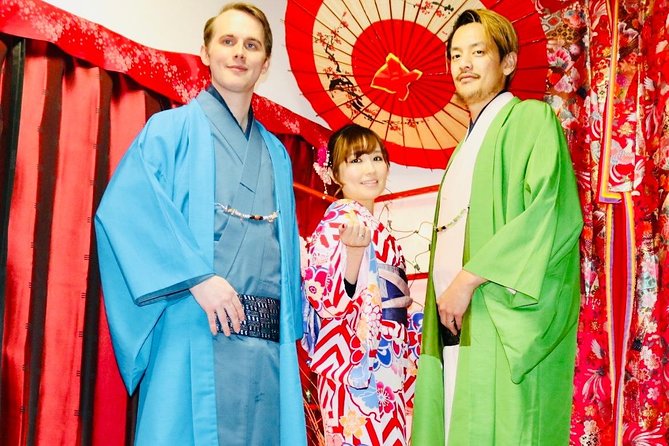
At about $52.17 per person, this is priced as a “real experience,” not just a rental.
What you get included:
- Kimono rental and full styling (kimono + hair setup)
- Drawstring bag and sandals (and summer clogs in summer)
- Rickshaw ride segment with a commemorative photo
What you don’t get included:
- Private transportation
- Photo equipment or accessories for photos
- Rain gear and cold protection
- Potential extra cost for larger kimono sizing
Here’s how I see the value. If you try to recreate this on your own—find a reputable kimono rental, pay for hair styling, then arrange a rickshaw—you usually end up spending more time and more money. The bundled approach is what makes the price feel fair, especially since the shop is set up for hygiene management and professional styling.
The price is also easier to accept because you’re in a tight time window (about 6 hours total). That means you buy convenience, not just clothing.
The only “value risk” is fit-related extras. If you end up needing a larger kimono, you’ll pay on the day. Still, that’s clearly part of the program logic, not a hidden fee.
Practical comfort tips (so the day stays fun)
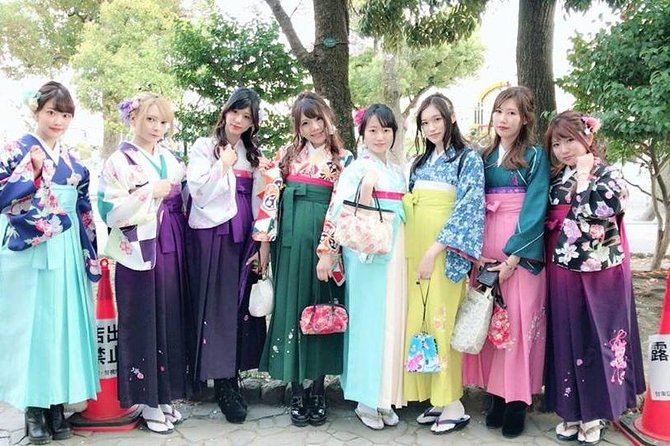
A kimono day can be one of the best Tokyo memories, but only if you treat comfort as seriously as the look.
- Wear appropriate innerwear for the kimono style. The rental process is set up so you don’t bring much, but you should still think about comfort under layers.
- Plan for walking. After the rickshaw drop-off, you’ll explore for hours. Sandals are included, so your feet will be your only real limiting factor.
- Follow the shop’s instructions during dressing. The process is efficient, and staff guidance helps you avoid re-adjustments.
- Use a practical photo strategy. You’ll be dressed and ready for photos immediately. Focus on a few planned spots rather than snapping every two steps; it keeps the experience relaxing.
If you’re going in hotter months, note that the program uses yukata from June through September. That’s a good match for warm weather, and the provided summer clogs help you stay moving.
If weather turns, you’ll want to bring your own rain or cold protection since it’s not included. Even in Tokyo, getting caught without a layer can ruin comfort fast once you’re dressed for a full afternoon.
Who should book this, and who should hesitate
This is a great fit if you:
- Want an easy, structured way to experience traditional style in Asakusa
- Like having your outfit handled by professionals, including hair
- Enjoy photos and want a built-in commemorative moment
- Are visiting as a couple or with family and want a “special day” activity
One standout detail: the shop staff are known for working with families, including a 5-year-old. If you’re traveling with kids, it’s worth knowing that they’ve handled younger guests.
It may be less ideal if:
- You strongly dislike the idea that kimono fit may require additional payment on the day
- You prefer a long, unhurried dressing session with lots of conversation
- You expect strong English support throughout the dressing process
If you’re sensitive to discomfort or worried about sizing, it’s worth messaging your height/body shape needs ahead of time when booking (only if the platform allows it), so there’s less uncertainty on the day.
Should you book this Asakusa kimono and rickshaw experience?
I’d book it if you want the classic Asakusa feeling without doing logistics gymnastics. The combination of professional kimono styling, a rickshaw pickup with a photo moment, and hours of free exploration around Kaminarimon and Sensoji makes this feel like a complete “day in costume,” not a rushed add-on.
Skip it or rethink it if you’re worried about fit surprises. The extra kimono cost for larger needs is part of the program, and some people have found the dressing pace or communication style not to their liking. If you can accept that possibility and you’ll be comfortable following instructions quickly, this is a strong value way to spend your time in Asakusa.
FAQ
What is included in the kimono and rickshaw package?
The package includes the kimono rental experience with hair setup, plus a drawstring bag and sandals (summer clogs in summer). The rickshaw pickup includes a commemorative photo moment, and you can explore on your own after you’re dropped off.
How long does the experience last, and when does it end?
The experience runs for about 6 hours. It ends back at the meeting point, with free time to explore until the return time at 6pm.
Do I need to bring anything for the dressing?
No. It’s described as a complete rental, so you don’t need to bring anything for the kimono and hair accessories.
What if I need a larger kimono size?
If you need a larger kimono due to body size, an additional fee of 1,000 to 2,000 yen may apply, paid directly on the day. Larger sizing can depend on more than height and weight.
Where do I meet and when is the shop open?
You meet at HANAKAJapan in the Kaminarimon area (listed address for the activity). The opening hours shown are 11:00 AM to 2:00 PM.
Is cancellation free?
Yes. You can cancel for a full refund up to 24 hours in advance. If you cancel less than 24 hours before the experience start time, the amount paid is not refunded.
More Rickshaw Rides in Tokyo
- Tokyo Asakusa Rickshaw Tour
★ 5.0 · 1,375 reviews - Tokyo: Asakusa Sightseeing Tour by Rickshaw
★ 4.9 · 195 reviews - Asakusa, Tokyo: Rickshaw Experience and Highlights Walking tour
★ 5.0 · 47 reviews - Sushi Making Tokyo with Traditional Rickshaw Ride Tour in Asakusa
★ 5.0 · 12 reviews - Tokyo: Asakusa tour by rickshaw
★ 4.9 · 11 reviews
More Kimono Photo Shoots
- Tokyo: Kimono Dressing, Walking, and Photography Session
★ 4.9 · 427 reviews - Let’s make kimono !(Kimono is a gift for you
★ 5.0 · 252 reviews - Tokyo: Matcha and Kimono Experience
★ 4.7 · 219 reviews - Tokyo: Asakusa Kimono Dressing and Matcha Experience
★ 4.9 · 173 reviews - Asakusa: Kimono Tea Ceremony with Matcha and Sweet
★ 4.9 · 153 reviews
More Mornings in Old Asakusa
- Tokyo: Japanese Dance Cabaret Theater Asakusa-Kaguwa Ticket
★ 4.8 · 2,270 reviews - Tokyo: Meiji Shrine, Asakusa, Skytree Bus Tour and Cruise
★ 4.7 · 1,986 reviews - Tokyo: Roll and Authentic Sushi Making Class in Asakusa
★ 4.9 · 1,957 reviews - Tokyo: Asakusa Walking Tour with Sensoji Temple Visit
★ 4.8 · 1,583 reviews - Tokyo Asakusa Rickshaw Tour
★ 5.0 · 1,375 reviews
Latest Tokyo reviews off our desk






Asakusa & Sensoji Tours, compared.
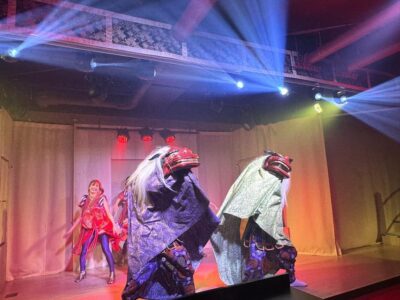 ★ 4.8Japanese Dance Cabaret Theater Asakusa-Kaguwa TicketFrom $492,270 reviews
 ★ 4.7Meiji Shrine, Asakusa, Skytree Bus Tour and CruiseFrom $1221,986 reviews
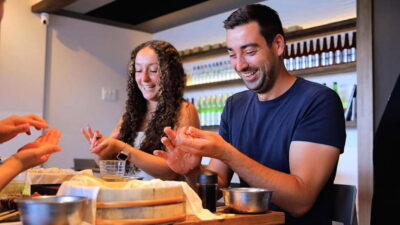 ★ 4.9Roll and Authentic Sushi Making Class in AsakusaFrom $581,957 reviews
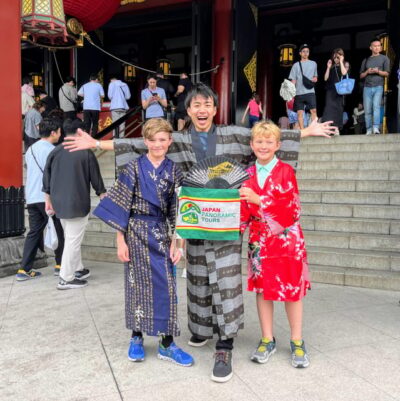
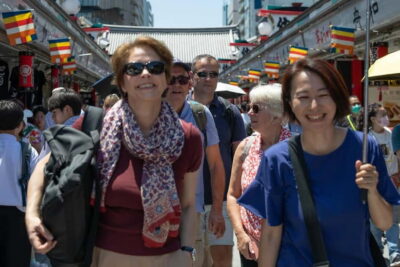 ★ 4.8Asakusa Walking Tour with Sensoji Temple VisitFrom $221,583 reviews
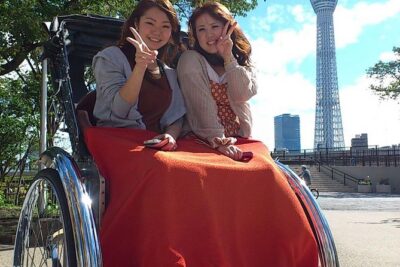 ★ 5.0Tokyo Asakusa Rickshaw TourFrom $421,375 reviews
 ★ 4.5Tokyo Panoramic 1 Day: Meiji Shrine, Asakusa, Odaiba and SKYTREE®From $851,222 reviews
 ★ 5.0Tokyo Go Kart: Asakusa, Skytree, and Akihabara **IDP MUST**From $99988 reviews
 ★ 4.7Asakusa, Skytree & Akhihabara Go-Kart City ExperienceFrom $96761 reviews
Browse the lists this tour appears in