
Reviewed · ASAKUSA & SENSOJI TOURS
Sushi Making Tokyo with Traditional Rickshaw Ride Tour in Asakusa
Old streets, fresh sushi, and a rickshaw ride. This Tokyo experience mixes hands-on sushi making with a traditional rickshaw tour through Asakusa, where the atmosphere feels tied to the Edo era. I like that the whole thing runs in English with a welcoming local staff, and I also like how the rickshaw portion turns sightseeing into something slower, story-filled, and genuinely fun. The main thing to consider is logistics: there’s no hotel pickup or drop-off, and the tour needs good weather to run smoothly.
You start at Kaminarimon in Taito City, then move from cooking to sightseeing without having to plan extra stops. The group stays small (up to 30), and the instruction covers ingredients and the meal, so you’re not stuck hunting for tools or extra add-ons. One more practical note: it’s a fixed-length 3.5-hour block, so come hungry and with time to enjoy both the kitchen work and the ride.
Key Points at a Glance
- English-led sushi class with ingredients and meal included
- Traditional rickshaw ride through Asakusa’s Edo-style streets
- Small group feel with a maximum of 30 travelers
- Meeting at Kaminarimon (Taito City) and returning back there
- Guided by staff with overseas experience, including guides like Shogo and Hero (names shared in feedback)
- Weather matters, since the experience requires good conditions to proceed
In This Review
- Sushi and Rickshaw in Asakusa: What This Combo Gets Right
- Starting at Kaminarimon: Easy to Find, Easy to Start
- Stop 1: Sushi Making Tokyo—Hands-On Cooking You Can Actually Do Again
- Stop 2: Asakusa by Rickshaw—A Slow Tour with Storytelling
- English-First Hosting: Staff Who Make It Feel Personal
- Value and Price: Is $156.77 Worth It?
- What You’ll Actually Be Doing (Not Just Watching)
- Timing and Pacing: Why 3.5 Hours Works
- Weather Reality: A Tour That Wants Good Conditions
- Who This Tour Suits Best
- Tips to Make It Better
- Should You Book This Sushi Making Tokyo + Rickshaw Ride?
- FAQ
- FAQ
- How long is the sushi making Tokyo and rickshaw experience?
- Is the tour conducted in English?
- What’s included in the price?
- Is hotel pickup or drop-off included?
- Where do I meet and where does the tour end?
- Is there a limit on group size?
- Do I need good weather for the tour?
- Can I cancel for a full refund?
Sushi and Rickshaw in Asakusa: What This Combo Gets Right
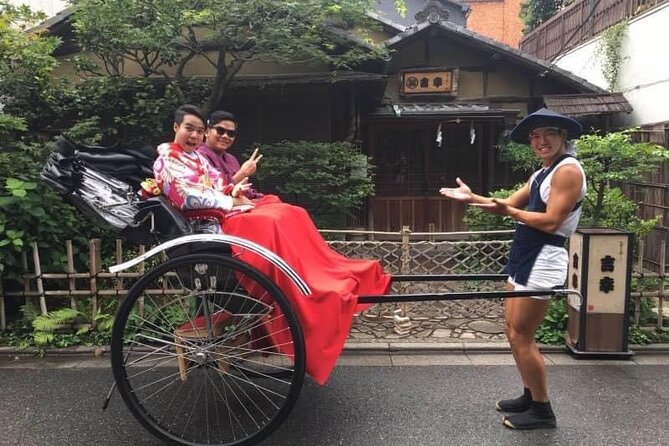
If your Tokyo plan includes both food and classic neighborhoods, this one hits the sweet spot. You get a real cooking class, not a demo, and then you slow down for a traditional rickshaw ride afterward. Asakusa has a way of making even a short walk feel like you stepped into an older Tokyo, and the ride simply extends that effect.
The best part is the balance. Sushi making gives you something tangible you can take home as skill and memory, and the rickshaw takes care of the “what do I do next?” problem. You’re guided through the area so you’re not just staring at pretty streets while trying to figure out where to go.
Starting at Kaminarimon: Easy to Find, Easy to Start
The meeting point is 2-chōme-17-9 Kaminarimon, Taito City, Tokyo 111-0034, Japan. You’ll end back at the same meeting place, which keeps the day tidy and reduces travel stress afterward. The tour is near public transportation, so you’re not dependent on a taxi—just plan to arrive a few minutes early so you can settle in.
One thing I appreciate about meeting here: Kaminarimon is part of the Asakusa area that people come to see. It means you’re starting close to the atmosphere you’re about to experience, rather than commuting for an hour first. Also, there’s a mobile ticket, which is convenient if you’re already using your phone for transit and entry tickets.
More temple mornings in old Asakusa
- Tokyo: Japanese Dance Cabaret Theater Asakusa-Kaguwa Ticket
★ 4.8 · 2,270 reviews - Tokyo: Meiji Shrine, Asakusa, Skytree Bus Tour and Cruise
★ 4.7 · 1,986 reviews - Tokyo: Roll and Authentic Sushi Making Class in Asakusa
★ 4.9 · 1,957 reviews - Tokyo: Asakusa Walking Tour with Sensoji Temple Visit
★ 4.8 · 1,583 reviews
Stop 1: Sushi Making Tokyo—Hands-On Cooking You Can Actually Do Again
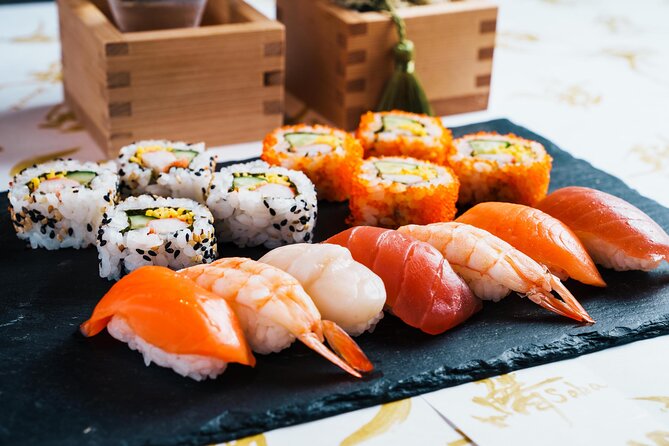
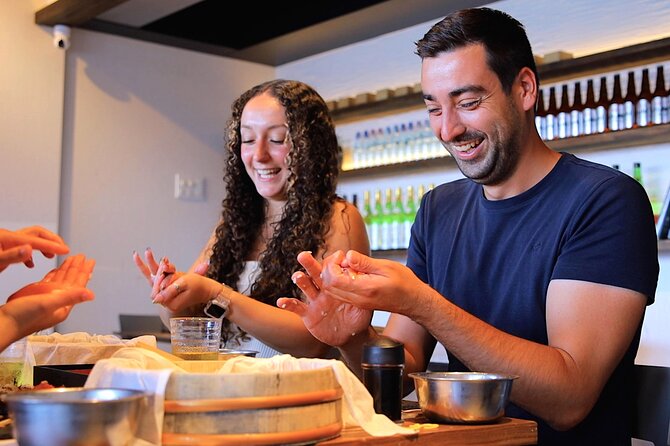
Your sushi class is the core of the experience, and it’s designed for real participation. The key promise here is simple: an English-speaking instructor leads the class, and you get the ingredients plus the meal as part of what you pay. That matters because it removes the usual Tokyo “where do I buy this?” headaches. You show up, follow the steps, and get to eat what you make.
Timing-wise, this portion runs about 1 hour 50 minutes. In that window, you’re not going to learn every sushi style ever created, but you will learn the practical fundamentals that make sushi feel doable—especially if it’s your first time. Expect a step-by-step flow where your instructor explains what you’re doing and why, not just what the final product should look like.
What stands out in the feedback is how welcoming the instructors feel while staying organized. People mention learning as well as enjoying it, and the sushi itself is described as fresh and satisfying. If you’re the type who enjoys food as a craft, this is the kind of class where you leave with a clearer sense of how sushi comes together.
Stop 2: Asakusa by Rickshaw—A Slow Tour with Storytelling
After the kitchen time, the day shifts gears. You’ll take a traditional rickshaw ride through Asakusa, with a local staff member guiding you as you move through streets that echo the Edo period. The rickshaw portion is about 1.5 hours, and it’s staged so you get both the ride and the sightseeing time.
The “Edo period” style isn’t just marketing language. Asakusa’s older streets, temple area energy, and the way foot traffic moves create a strong sense of place. Sitting in a rickshaw changes the tempo: you notice details you might skip when walking, and the driver’s pace turns the area into something you can actually watch.
In the feedback, the rickshaw ride is a major highlight, often praised for the driver’s stories about Asakusa’s history. That storytelling is more than entertainment. It helps you connect landmarks and streets to meaning, so the sights aren’t just visual—they feel explained.
English-First Hosting: Staff Who Make It Feel Personal
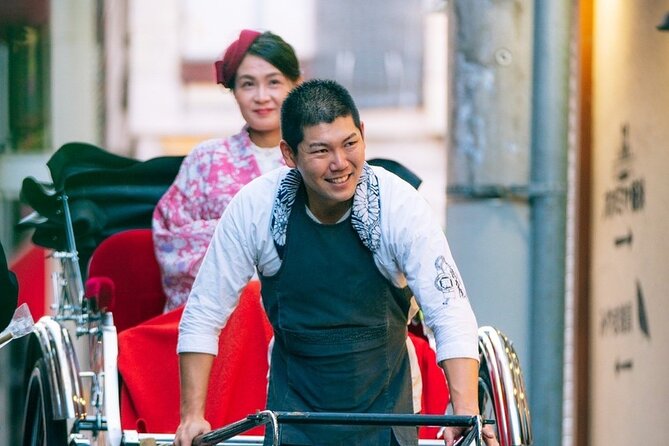
This entire tour runs in English, which is a big deal if your Japanese is limited. The instructor and local staff are set up to guide you through both the cooking process and the neighborhood walk/ride without losing you in translation.
Two guide names show up in the feedback: Shogo and Hero. When a guide’s name repeats in compliments, it usually means you’re getting the kind of person who pays attention—explaining well, checking in, and keeping the mood friendly. That kind of hosting is what makes a cooking class feel less like an assembly line and more like a shared experience.
Also, the staff are described as having overseas experience. In practice, that often means they know how to handle different comfort levels with food, knives, sticky rice, and questions. If you worry you’ll feel awkward asking basic questions, the English-led setup is a strong reason to pick this.
Value and Price: Is $156.77 Worth It?
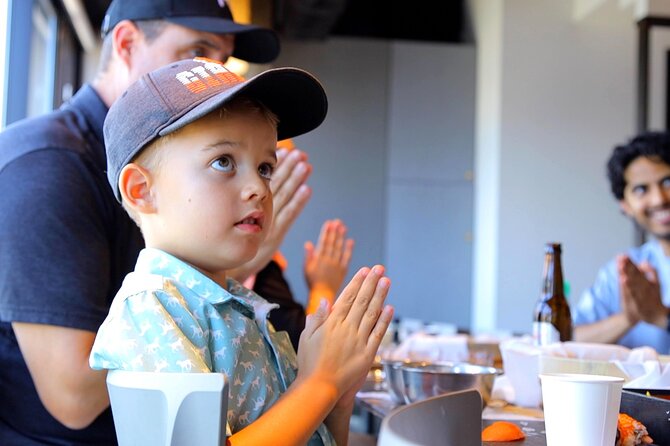
Let’s talk money plainly. At $156.77 per person for about 3.5 hours, this isn’t the cheapest thing you can do in Tokyo. But it’s not just a restaurant meal or a quick photo stop either. You’re paying for instruction in English, plus the ingredients and meal, and you’re also paying for a traditional rickshaw segment with guided interpretation.
So where the value comes from is this: you’re getting two experiences that are often separate and add up quickly. If you were to do a standalone sushi class plus a guided rickshaw tour later in the day, you’d likely spend more time coordinating—and more money—than you would here.
The small-group cap (maximum 30) also helps with value. It doesn’t mean you get private instruction, but it does suggest the class and the ride won’t feel like a large-scale cattle call.
In short: it’s a good value if you want food plus culture in one block, and you care about being guided in English.
More sushi counters to book, ranked
- Sushi Making Tokyo Roll and Authentic Japanese Sushi Class★ 5.0 · 3,971 reviews
- Tokyo: Roll and Authentic Sushi Making Class in Asakusa★ 4.9 · 1,957 reviews
- Make Sushi and Create Unforgettable Memories in Tokyo★ 5.0 · 1,413 reviews
- Tokyo: Sushi Making Class in a Happi Coat near a Famous Spot★ 4.9 · 1,377 reviews
- Tokyo: Tsukiji Fish Market Sushi Making Class with Pro Chef★ 4.9 · 506 reviews
What You’ll Actually Be Doing (Not Just Watching)
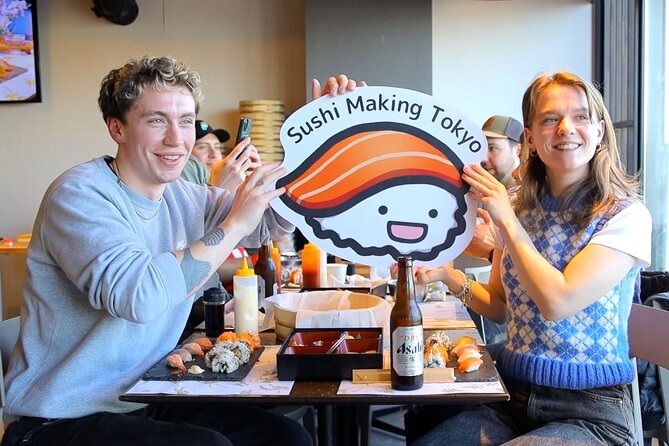
This isn’t a passive experience where you sit and watch someone else cook. You’re actively making sushi, which is why the class time is meaningful. You’ll also be moving through Asakusa with a guide, not just wandering randomly.
That active format changes how you remember Tokyo. Instead of only taking photos of streets and dishes, you’ll have a sensory memory from the food and a mental map of the neighborhood from the ride. It’s a rare pairing: craft learning plus place learning.
Timing and Pacing: Why 3.5 Hours Works
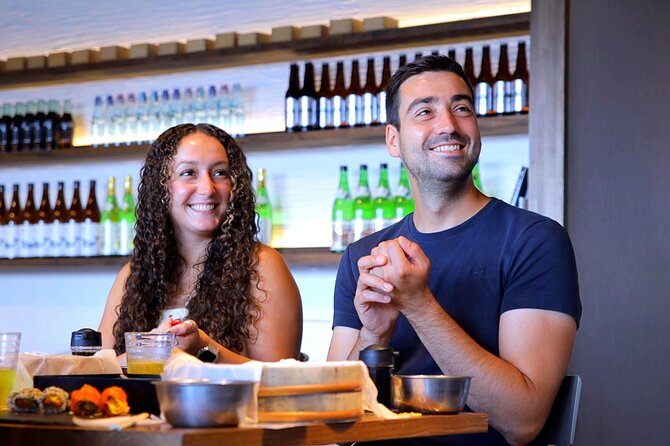
The experience is about 3 hours 30 minutes. That length is long enough to do real sushi work without rushing, and short enough that you can still plan other Asakusa stops the same day.
A practical tip: start with a light meal before the class if you’re prone to getting shaky, but don’t fully stuff yourself. You want energy for the cooking session and the included meal. Also, plan your day so you’re not late—because the tour doesn’t include hotel pickup.
Weather Reality: A Tour That Wants Good Conditions

This experience requires good weather. That’s especially important for the rickshaw ride, since it’s outdoors. If you’re traveling in a season with frequent rain or sudden storms, keep flexibility in your schedule.
If conditions aren’t right, the tour may be adjusted or refunded, but the key takeaway for you is simple: don’t put this at the very end of your Tokyo trip unless you’re okay with moving plans around.
Who This Tour Suits Best
This is a strong fit if:
- You want an English-led sushi class in Tokyo, not a language barrier exercise
- You like old neighborhoods and want a guided route, not a DIY guess
- You’d enjoy a rickshaw ride that comes with context and stories
It may feel less ideal if:
- You need hotel pickup and don’t want to walk through the Asakusa area to meet up
- You’re traveling on a very tight schedule with no room for weather-related changes
Tips to Make It Better
A few practical moves can improve the whole day:
- Wear comfortable shoes for the parts where you may be on your feet before or after the cooking
- Keep your schedule clean around the start time since the tour ends back at the meeting point
- Come with basic curiosity. The guide’s job is to explain, but questions help a lot
- If you’re a first-timer with sushi, lean into that. Sushi making is often more about technique than prior experience
And one more thing: take a moment during the rickshaw ride to look up and around. It’s easy to focus on the route, but the value is in noticing how Asakusa feels when you’re moving slower than walking speed.
Should You Book This Sushi Making Tokyo + Rickshaw Ride?
If you want one ticket that delivers both hands-on food learning and guided traditional Tokyo neighborhood time, I’d book it. The class includes ingredients and your meal, it runs in English, and the rickshaw ride adds a fun, old-school layer that you won’t get from a typical walking tour.
Choose it with confidence if Asakusa is high on your list and you’re okay meeting at Kaminarimon on your own. Skip or reconsider only if your weather luck is questionable or you absolutely need door-to-door pickup.
FAQ
FAQ
How long is the sushi making Tokyo and rickshaw experience?
The experience is about 3 hours 30 minutes.
Is the tour conducted in English?
Yes. The tour is conducted in English.
What’s included in the price?
You get an English speaking instructor, plus the ingredients for the cooking class and the meal.
Is hotel pickup or drop-off included?
No. Hotel pickup and drop-off are not included.
Where do I meet and where does the tour end?
You meet at 2-chōme-17-9 Kaminarimon, Taito City, Tokyo 111-0034, Japan, and the tour ends back at the same meeting point.
Is there a limit on group size?
Yes. The tour has a maximum of 30 travelers.
Do I need good weather for the tour?
Yes. The experience requires good weather, and if it’s canceled due to poor weather, you’ll be offered a different date or a full refund.
Can I cancel for a full refund?
Yes. You can cancel up to 24 hours in advance of the experience for a full refund.
More Rickshaw Rides in Tokyo
- Tokyo Asakusa Rickshaw Tour
★ 5.0 · 1,375 reviews - Tokyo: Asakusa Sightseeing Tour by Rickshaw
★ 4.9 · 195 reviews - Asakusa, Tokyo: Rickshaw Experience and Highlights Walking tour
★ 5.0 · 47 reviews - Ride a rickshaw wearing a kimono in Asakusa! Enjoy authentic traditional culture!
★ 5.0 · 14 reviews - Tokyo: Asakusa tour by rickshaw
★ 4.9 · 11 reviews
More Sushi Counters to Book
- Sushi Making Tokyo Roll and Authentic Japanese Sushi Class
★ 5.0 · 3,971 reviews - Tokyo: Roll and Authentic Sushi Making Class in Asakusa
★ 4.9 · 1,957 reviews - Make Sushi and Create Unforgettable Memories in Tokyo
★ 5.0 · 1,413 reviews - Tokyo: Sushi Making Class in a Happi Coat near a Famous Spot
★ 4.9 · 1,377 reviews - Tokyo Sushi Making Class in Tsukiji with Professional Chef
★ 5.0 · 1,177 reviews
More Mornings in Old Asakusa
- Tokyo: Japanese Dance Cabaret Theater Asakusa-Kaguwa Ticket
★ 4.8 · 2,270 reviews - Tokyo: Meiji Shrine, Asakusa, Skytree Bus Tour and Cruise
★ 4.7 · 1,986 reviews - Tokyo: Roll and Authentic Sushi Making Class in Asakusa
★ 4.9 · 1,957 reviews - Tokyo: Asakusa Walking Tour with Sensoji Temple Visit
★ 4.8 · 1,583 reviews - Tokyo Asakusa Rickshaw Tour
★ 5.0 · 1,375 reviews
Latest Tokyo reviews off our desk


Asakusa & Sensoji Tours, compared.
 ★ 4.8Japanese Dance Cabaret Theater Asakusa-Kaguwa TicketFrom $492,270 reviews
 ★ 4.7Meiji Shrine, Asakusa, Skytree Bus Tour and CruiseFrom $1221,986 reviews
 ★ 4.9Roll and Authentic Sushi Making Class in AsakusaFrom $581,957 reviews
 ★ 4.8Asakusa Walking Tour with Sensoji Temple VisitFrom $221,583 reviews
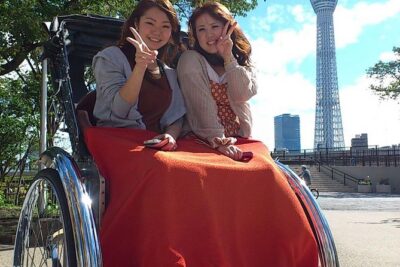 ★ 5.0Tokyo Asakusa Rickshaw TourFrom $421,375 reviews
 ★ 4.5Tokyo Panoramic 1 Day: Meiji Shrine, Asakusa, Odaiba and SKYTREE®From $851,222 reviews
 ★ 5.0Tokyo Go Kart: Asakusa, Skytree, and Akihabara **IDP MUST**From $99988 reviews
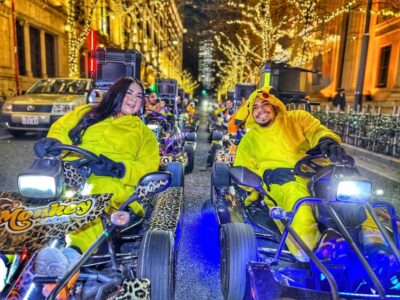 ★ 4.7Asakusa, Skytree & Akhihabara Go-Kart City ExperienceFrom $96761 reviews
Browse the lists this tour appears in