
Reviewed · TEA CEREMONY & MATCHA
At an Antique Shop, Tea Ceremony and Japanese Sweets Forming
Antique tea feels different. This 100-year-old roadside antique shop setting and the chance to pick teacups that can be centuries old make this Tokyo class feel real, not staged. The one thing to consider: it is not suitable for wheelchair users, and it’s also a no-go if you’re dealing with a cold or vertigo.
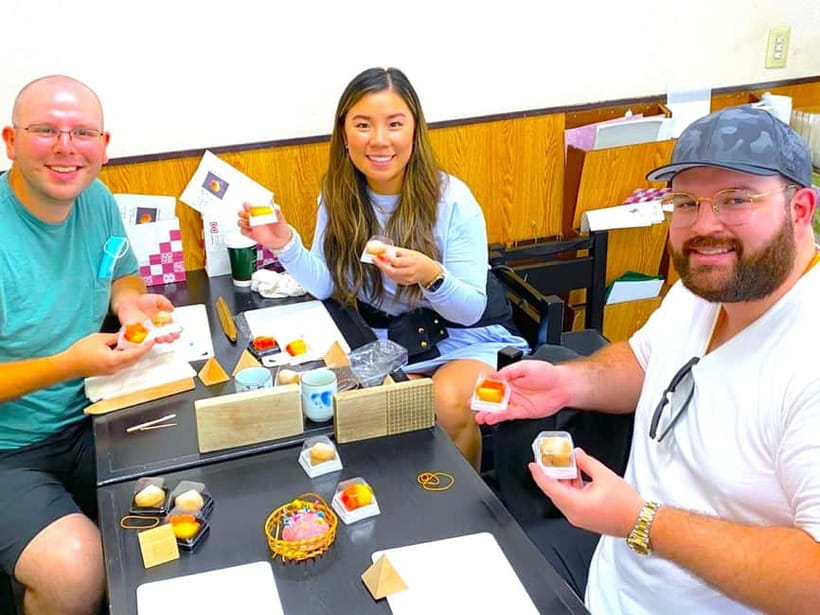
I also like that the host-led tea ceremony leans on conversation, not performance. You’ll shape colorful Wagashi by hand as if you’re working with clay, then sit down in a dedicated tea space for matcha and the sweets you made.
In This Review
- Key highlights to know before you go
- Why this Tokyo tea ceremony happens in an antique shop
- Getting there from Nippori and what to do when you arrive
- Nerikiri Wagashi forming: colorful clay, but make it edible
- Tea ceremony in a dedicated room: matcha, chair seating, and talk
- Choosing teacups from an antique shop: etiquette without the stiffness
- What you’ll actually do, step by step
- Price and value: is $57 worth it?
- Who should book, and who should skip
- Practical tips to enjoy the artisan-led pace
- Should you book this tea ceremony and Nerikiri class?
- FAQ
- How far is the meeting point from Nippori Station?
- What do I make during the Wagashi session?
- Do I get matcha with the tea ceremony?
- What language is offered?
- What is the minimum age to join?
- Is this suitable for wheelchair users?
- Can I bring a baby stroller?
- Can I buy antique tableware at the shop?
- Is anyone allowed to enter the venue without joining the activity?
Key highlights to know before you go
- A century-old roadside antique shop sets the mood before the first sip
- Choose your teacup from a selection that can include very old pieces
- Nerikiri Wagashi forming feels hands-on and beginner-friendly
- Seasonal designs by hand, with guidance on tools and details
- Tea room seating on chairs, so you’re not wrestling with floor seating
- English support is available, but the artisan host’s English may be limited
Why this Tokyo tea ceremony happens in an antique shop
Most Tokyo tea ceremony experiences are either tucked into a polished studio or folded into a modern activity room. This one starts with a different kind of attention to detail: it takes place in a roadside antique tableware shop that’s about 100 years old.
That matters. You’re not learning Japanese sweets and tea in a generic “class” environment. You’re learning them in a place where old objects are already part of daily life. The shop vibe also helps your brain switch modes quickly: slow down, look closely, and notice small things.
Even better, you’re not stuck staring at a tray while someone else does everything. You get to shape Wagashi and then experience the tea ceremony afterward, using the teacups you selected.
More tea rooms our readers rated
- Matcha Making Class in Tokyo with Authentic Japanese Sweets Set
★ 5.0 · 744 reviews - Tokyo: Traditional Tea Ceremony with a Tea Master
★ 5.0 · 528 reviews - Tokyo: Matcha Making Experience with Mochi Sweets in Asakusa
★ 4.9 · 388 reviews - Tokyo: Matcha and Kimono Experience
★ 4.7 · 219 reviews
Getting there from Nippori and what to do when you arrive
The meeting point is about 10 minutes from Nippori Station. After you reserve, you’ll receive more detailed location info, which helps you find the right stretch without guessing.
When you arrive, don’t rush straight into the workshop. You’re encouraged to take your time looking at the antique tableware first. That simple step is more than waiting politely. It sets expectations for the rest of the experience, so when you later choose your teacup, it feels like part of the ritual instead of a random activity prop.
Also read the basic rules before you go. This experience bans smoking, intoxication, alcohol and drugs, and it doesn’t allow unaccompanied minors. There’s also a no for baby strollers and bare feet. If you show up prepared, you’ll waste less time with logistics and more time enjoying the session.
Nerikiri Wagashi forming: colorful clay, but make it edible
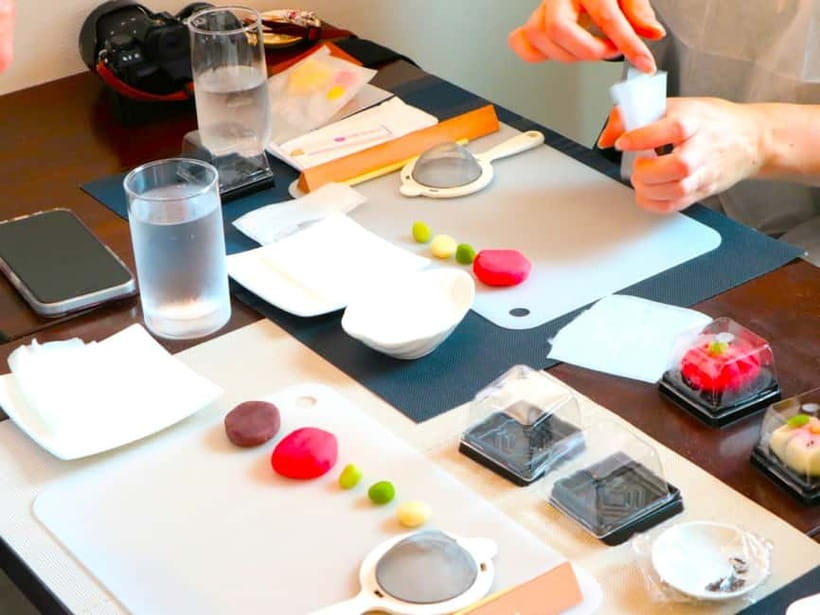
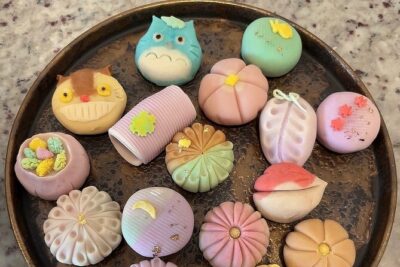
The sweets part of this class focuses on Wagashi called Nerikiri. It’s described as a kind of mochi-based sweet, with mochi flour as the main ingredient.
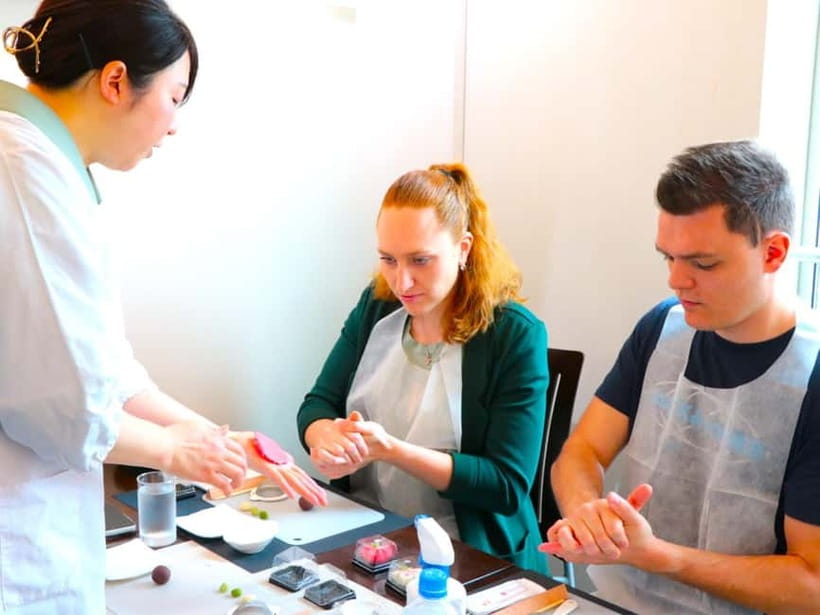
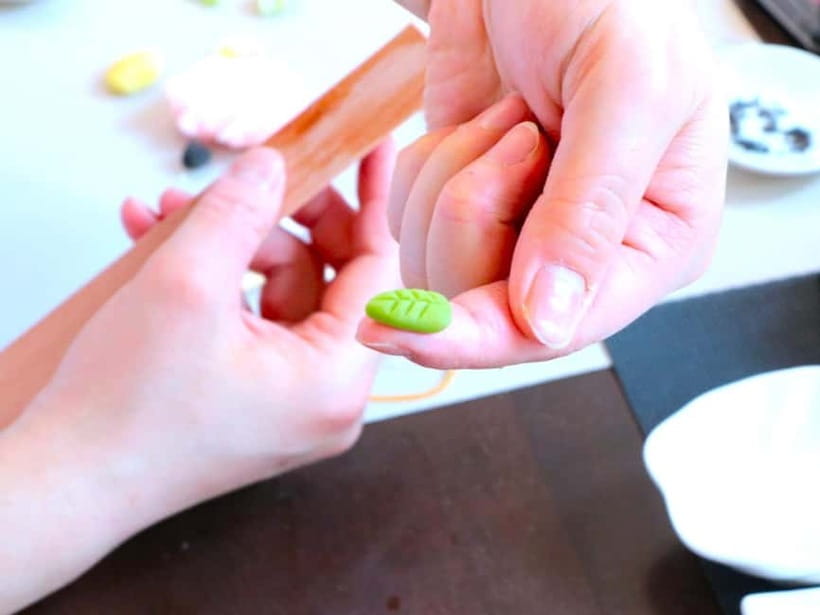
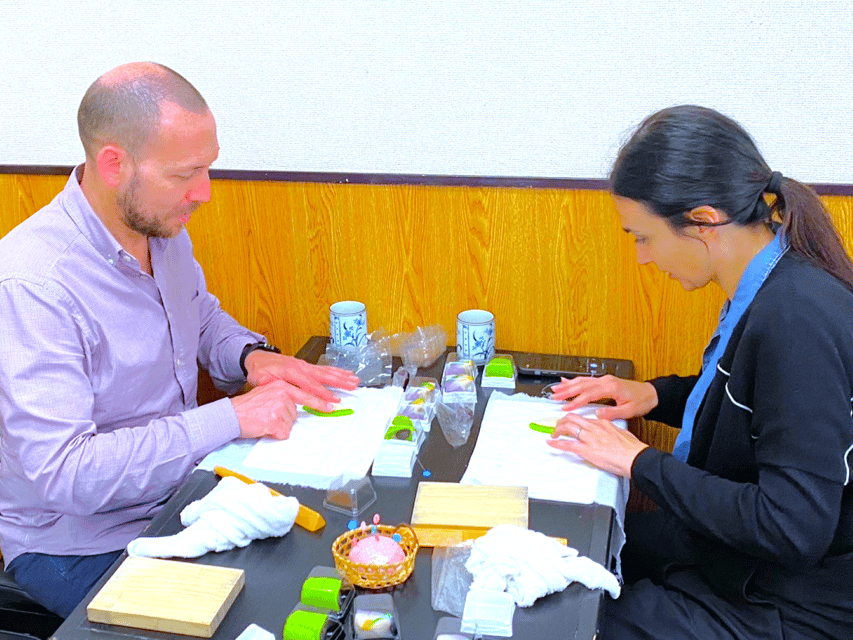
You’ll form your Nerikiri from colored materials, guided through the process even if you don’t have experience with crafts or cooking. The workshop is set up so your hands learn the steps: you’ll shape the dough and then add lines using tools to bring out the design.
Here’s what makes Nerikiri special for first-timers: it’s not just “make a sweet.” You’re trying to create the day’s theme design and capture seasonal beauty through careful shaping. That’s why the tools matter and why the instructor’s pacing matters too.
Expect the class to feel a bit like clay work, only you’ll be eating the result. The calm part is real: hands busy, mind focused, and you’re building something small but detailed.
One practical tip: wear clothes you don’t mind getting a little work-dough energy on. Nothing about the experience promises a spotless craft studio vibe, so plan like you’re doing hands-on shaping.
Tea ceremony in a dedicated room: matcha, chair seating, and talk
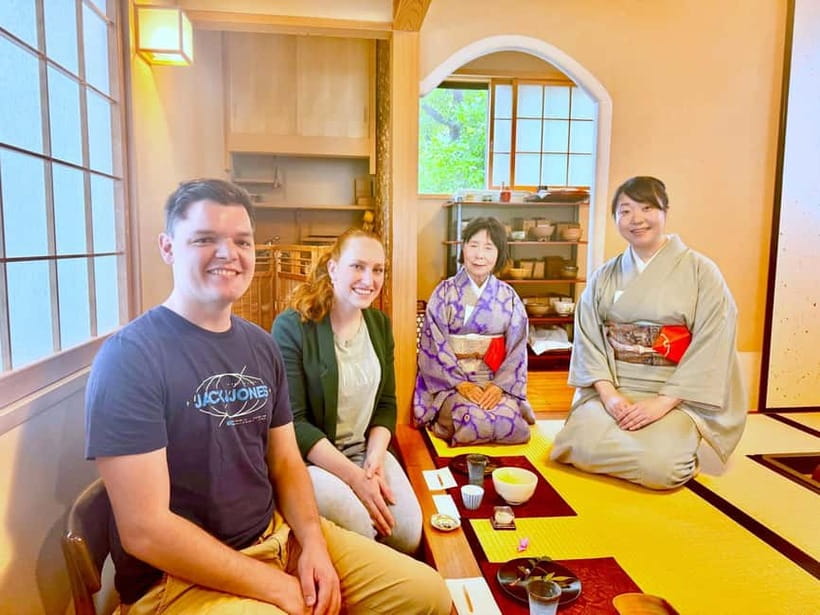
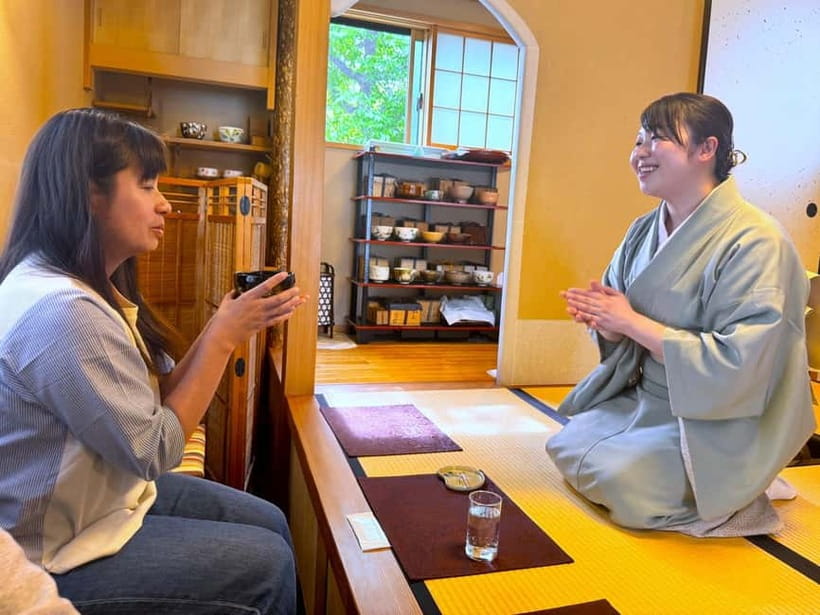
After Wagashi forming, you move to a dedicated tea space for the tea ceremony. You’ll be served in a room designed for chair seating, which can make a huge difference if you’re not comfortable with floor-style sitting.
The flow is straightforward:
- You’ll be served confection first (the sweets part)
- Then you’ll be served real matcha, described as matcha that is not sweet
What I like most about this tea ceremony setup is the emphasis on conversation. You’re encouraged to ask questions, and the experience is designed so that the more you ask, the more your tea ritual “fills in.” That’s the opposite of a scripted performance. It turns the ceremony into a two-way cultural moment.
One note you should take seriously: the host is a Japanese artisan, and English may not be his first language. The provided English-language support is there to help you enjoy the session, but you may still find communication is more about tone and gentle help than perfect translation. If that doesn’t bother you, the experience can feel warmer and more human.
Choosing teacups from an antique shop: etiquette without the stiffness
A standout detail here is that you can choose the teacups you’ll use, including some cups that are several hundred years old. That alone changes the mood. You’re not using a modern souvenir set. You’re holding something that carries age and intent.
Because the activity is hosted in an antique shop, I’d treat the teacups with extra care:
- Handle them slowly and keep your grip steady
- Don’t rush through photos
- Follow the host’s guidance exactly when it comes to drinking and placement
There’s no need to act overly formal. In fact, the whole experience is described as welcoming for foreigners, and it’s built for relaxation. But it’s worth remembering that you’re inside a working antique environment, not a theme park prop room.
Also, if you’re an antique lover, you might like this extra option: you can purchase antique tableware from the shop. The experience data doesn’t say it’s required, just that it’s available.
Readers also shortlisted these Tokyo bookings:
- Make Traditional Nerikiri Sweets & Matcha experience in Shibuya★ 5.0 · 130 reviews
- Private Mochi Sweets Making class near Shibuya area★ 5.0 · 93 reviews
- Japanese Traditional Sweets making and Tea Ceremony★ 4.7 · 50 reviews
- Tokyo Local Food Tour: Noodles, Skewers, Dumplings, Sweets★ 5.0 · 48 reviews
- Mochi Matcha Gluten Free Japanese Sweets Class near Shibuya area★ 5.0 · 26 reviews
What you’ll actually do, step by step
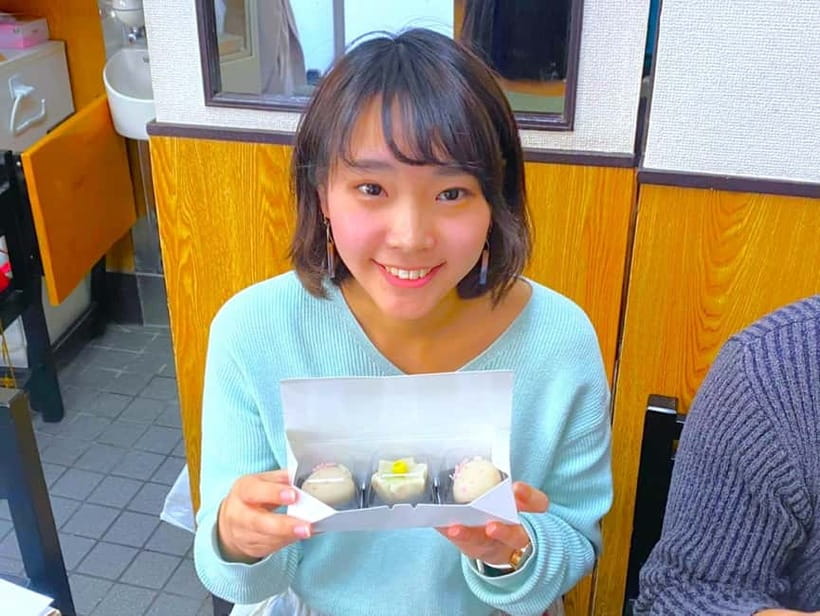
From start to finish, this experience is built as one continuous cultural thread: sweets, then tea, in an antique setting.
1) Arrival and antique browsing
You arrive near Nippori, get oriented, and take time to look around at antique tableware.
2) Nerikiri Wagashi forming
You’ll work with colored materials to shape your Nerikiri to the day’s seasonal theme. You’ll form by hand, then add detail lines using tools.
3) Move to the tea room
You shift from workshop energy to calmer sitting.
4) Tea ceremony with your sweets
You’ll receive confection first, then real matcha. You’ll also have chances to ask questions and talk with the host, with English support as needed.
5) End back at the meeting point
The activity ends back at the original meeting area.
That sequence is nice because it prevents the “do one thing, then wait” feeling. You’re constantly transitioning, but never being rushed out of the moment.
Price and value: is $57 worth it?
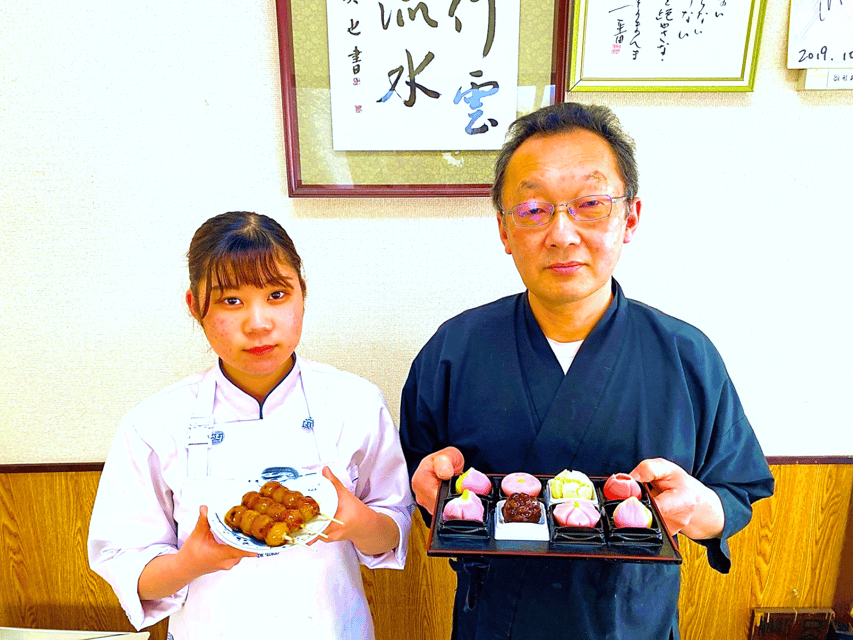
At $57 per person, the value comes down to what’s included, not just the base rate. This fee covers:
- Experience fee
- Facility usage fee
- Tool usage fee
- Matcha and Wagashi materials
- Consumption tax
In other words, you’re not paying extra on-site for materials or tea. For a hands-on Nerikiri class plus a tea ceremony, that package structure matters. It keeps the experience predictable, which is a big deal when you’re comparing Tokyo activities that sometimes split costs into multiple line items.
You may also find emotional value matters here as much as material value. Spending time in a century-old antique shop changes the entire tone of the day. Even if you’ve done tea experiences elsewhere, the antique setting and the teacup choice can make this one feel more personal.
Who should book, and who should skip
This experience is very specific about who it fits well.
It requires:
- Minimum age: 13 years old
- Under 18 must be accompanied by an adult
- No unaccompanied minors
- Not allowed if you’re unwell or under the influence of alcohol (and there’s no refund if that affects participation)
It is also marked as not suitable for:
- Wheelchair users
- People with vertigo
- People with epilepsy
- People with a cold
If you’re in any of those categories, I’d skip rather than hope conditions will be okay. Tea ceremonies are calm, but they still involve a real physical setting and a real schedule.
Who’s it for?
- You want a hands-on craft without needing cooking skills
- You care about Japanese sweets beyond the basics
- You like learning through conversation
- You’re comfortable with some language limitations, since the artisan host may not speak English fluently
Practical tips to enjoy the artisan-led pace
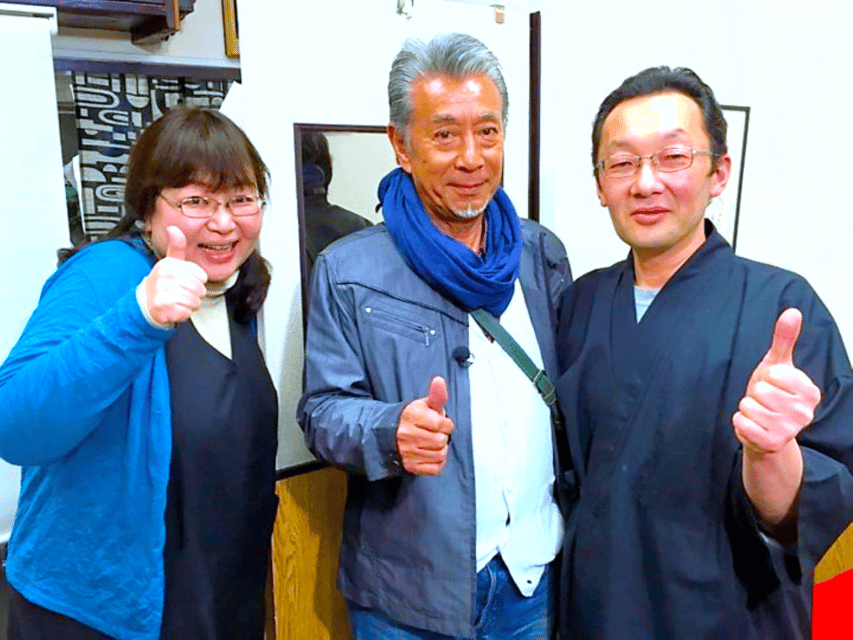
A great part of this experience is that it’s guided and supportive. Even so, your preparation affects how smooth it feels.
- Plan to arrive on time. Even if you’re late, the experience ends as scheduled.
- Bring a curious attitude. The format is conversation-friendly, and questions are encouraged.
- Expect that the artisan host may communicate differently than a scripted, corporate guide. The provided support is there to help you enjoy it anyway.
- Don’t plan to bring children under 13, strollers, or smoke breaks. These rules are part of the atmosphere.
One more small mindset shift helps: treat the teacup choice and the sweets making as steps in the same ritual. If you do that, the class feels connected, not like two separate activities stitched together.
Should you book this tea ceremony and Nerikiri class?
Book it if you want a Tokyo tea experience that feels grounded in real objects and real craft. The 100-year-old antique shop setting, the ability to choose very old teacups, and the hands-on Nerikiri Wagashi forming are the big reasons this is worth your time.
Skip it if you need wheelchair access, you have vertigo/epilepsy concerns, or you’re currently sick. Also skip if you dislike experiences where conversation is part of the point, and you need everything fully scripted and perfectly translated.
If you fit the target audience, this is the kind of activity that leaves you with more than photos. You’ll remember the feel of shaping the sweet, then sipping matcha in the calm tea room afterward.
FAQ
How far is the meeting point from Nippori Station?
The experience site is approximately 10 minutes from Nippori Station. Detailed location information is provided after you make a reservation.
What do I make during the Wagashi session?
You make Nerikiri, a type of Wagashi, using mochi flour and colored materials. You’ll shape and detail your design by hand.
Do I get matcha with the tea ceremony?
Yes. During the tea ceremony, you’ll be served real matcha (described as not sweet), along with confection.
What language is offered?
The experience is available in English.
What is the minimum age to join?
Participants must be at least 13 years old. Anyone under 18 must be accompanied by an adult.
Is this suitable for wheelchair users?
No. It is not suitable for wheelchair users.
Can I bring a baby stroller?
No. Baby strollers are not allowed.
Can I buy antique tableware at the shop?
Yes. If you are an antique lover, you can purchase antique tableware from the shop.
Is anyone allowed to enter the venue without joining the activity?
No. If someone wants to enter the venue without participating, they still must pay the required fee at the time of request.
More Dessert Tours in Tokyo
- Matcha Making Class in Tokyo with Authentic Japanese Sweets Set
★ 5.0 · 744 reviews - Tokyo: Matcha Making Experience with Mochi Sweets in Asakusa
★ 4.9 · 388 reviews - Make Traditional Nerikiri Sweets & Matcha experience in Shibuya
★ 5.0 · 130 reviews - Private Mochi Sweets Making class near Shibuya area
★ 5.0 · 93 reviews - Japanese Traditional Sweets making and Tea Ceremony
★ 4.7 · 50 reviews
More Tour Reviews in Tokyo
- Mt Fuji and Hakone 1-Day Bus Tour Return by Bullet Train
★ 5.0 · 26,383 reviews - 1-Day Tokyo Bus Tour
★ 5.0 · 14,250 reviews - Tokyo: teamLab Planets TOKYO Digital Art Museum Entry Ticket
★ 4.6 · 9,779 reviews - Mt Fuji & Hakone Cruise, Drum Show Bullet Train 1 Day from Tokyo
★ 4.0 · 7,413 reviews - Tokyo: Shinjuku Food Tour (13 Dishes at 4 Local Eateries)
★ 5.0 · 6,603 reviews
More Tea and Matcha Rooms
- Matcha Making Class in Tokyo with Authentic Japanese Sweets Set
★ 5.0 · 744 reviews - Tokyo: Traditional Tea Ceremony with a Tea Master
★ 5.0 · 528 reviews - Tokyo: Matcha Making Experience with Mochi Sweets in Asakusa
★ 4.9 · 388 reviews - Tokyo: Matcha and Kimono Experience
★ 4.7 · 219 reviews - Tea Ceremony Workshop in Tokyo by the Experienced Instrucor
★ 5.0 · 189 reviews
Latest Tokyo reviews off our desk






Tea Ceremony & Matcha, compared.
 ★ 5.0Matcha Making Class in Tokyo with Authentic Japanese Sweets SetFrom $21744 reviews
 ★ 5.0Traditional Tea Ceremony with a Tea MasterFrom $38528 reviews
 ★ 4.9Matcha Making Experience with Mochi Sweets in AsakusaFrom $22388 reviews
 ★ 4.7Matcha and Kimono ExperienceFrom $57219 reviews
 ★ 5.0Tea Ceremony Workshop in Tokyo by the Experienced InstrucorFrom $38189 reviews
 ★ 4.9Asakusa Kimono Dressing and Matcha ExperienceFrom $56173 reviews
 ★ 4.9Asakusa: Kimono Tea Ceremony with Matcha and SweetFrom $66153 reviews
 ★ 5.0Make Traditional Nerikiri Sweets & Matcha experience in ShibuyaFrom $60130 reviews
Browse the lists this tour appears in