
Reviewed · TEA CEREMONY & MATCHA
Authentic Japanese tea tasting: sencha, matcha and gyokuro
One of the fastest ways to understand Japanese taste is with tea. In a cozy apartment in downtown Tokyo, you’ll sample 12 authentic Japanese teas—including sencha, matcha, and premium gyokuro—and learn what makes each one tick. I loved the chance to compare multiple grades side by side and hear the story from an English-speaking tea expert, but a note for you: because this is a focused tasting, it may feel a bit slow if you’re looking for lots of sightseeing.
This is also a genuinely social setup without being crowded—limited to 4 participants—so you can ask questions and actually notice the differences. My one small caution: the session isn’t suitable for everyone, since it’s not recommended for pregnant women or children under 18.
In This Review
- Key takeaways before you taste
- Why a Japanese tea tasting in Tokyo beats a typical food stop
- Sencha vs matcha vs gyokuro: what you’re really tasting
- The cozy downtown Tokyo apartment setup (and why it helps)
- A practical walk-through: how the 12 teas are structured
- Seven senchas: learning within one category
- Four matchas: powder differences you can actually taste
- One premium gyokuro: the high point
- Family-farm sourcing and “grade” tasting: the real value
- The matcha-and-confectionary pairing: where sweetness meets umami
- What makes this session so relaxing (without making it boring)
- English instruction and small-group Q&A: how to get more out of it
- Price and value: is $87 per person reasonable?
- Who should book this tea tasting (and who should skip it)
- You’ll probably love it if:
- Consider skipping if:
- Quick tips before you go
- Should you book this Authentic Japanese Tea tasting in Tokyo?
- FAQ
- How long is the Japanese tea tasting?
- How many people are in the group?
- What teas are included in the tasting?
- Is there any food pairing?
- Where does it take place?
- What language is the instruction in?
- How much does it cost?
- Is it suitable for kids or pregnant travelers?
- What’s the cancellation and booking flexibility?
- Where is the meeting point?
Key takeaways before you taste
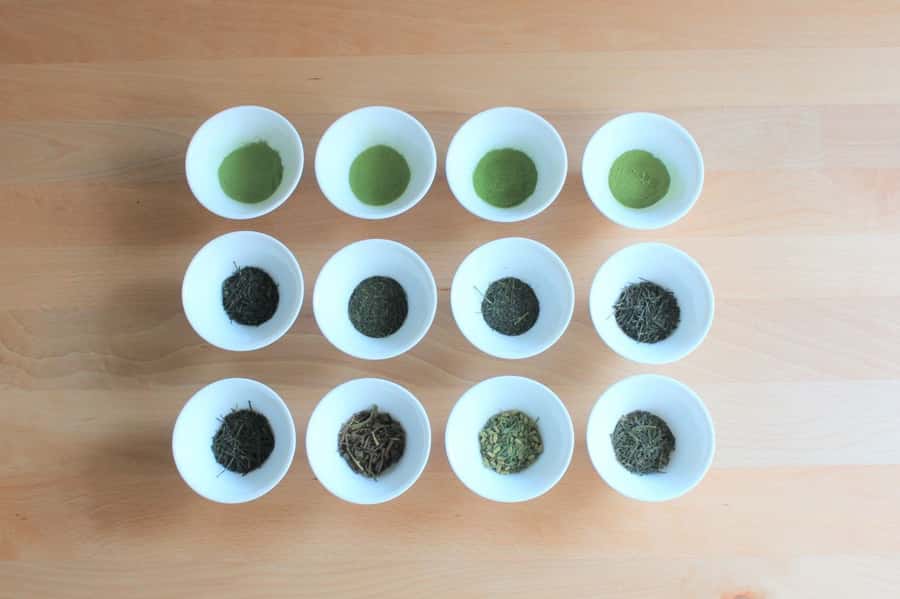
- 12 teas in 90 minutes: 7 senchas, 4 matchas, and 1 premium gyokuro, plus guidance on how to taste them
- Family-farm sourcing: you’ll sample teas from family farms with an expert infusion method that matches the tea
- Grade matters: you go from everyday styles to premium hand-picked grades, so you learn what changes in the cup
- Sweet pairing included: matcha powder is paired with small portions of traditional Japanese confectionary
- Small group pace: cozy apartment setting, English instruction, and room for questions
- A take-home bonus: some participants report receiving tea to take home, so you might want to ask about that
Why a Japanese tea tasting in Tokyo beats a typical food stop
Tokyo can overload your senses fast. This experience is the opposite. It slows you down on purpose.
Over 90 minutes, I like that you’re not just sipping one tea and calling it a day. You’re learning how Japanese tea can vary—by type, grade, and how it’s prepared—so the differences make sense, not random.
Also, this isn’t in a big hall where you can’t hear yourself think. The workshop happens in a cozy apartment room in downtown Tokyo, which makes the whole thing feel personal and calm.
More tea rooms our readers rated
- Matcha Making Class in Tokyo with Authentic Japanese Sweets Set
★ 5.0 · 744 reviews - Tokyo: Traditional Tea Ceremony with a Tea Master
★ 5.0 · 528 reviews - Tokyo: Matcha Making Experience with Mochi Sweets in Asakusa
★ 4.9 · 388 reviews - Tokyo: Matcha and Kimono Experience
★ 4.7 · 219 reviews
Sencha vs matcha vs gyokuro: what you’re really tasting
You’ll taste three major categories, and the heart of the lesson is comparison.
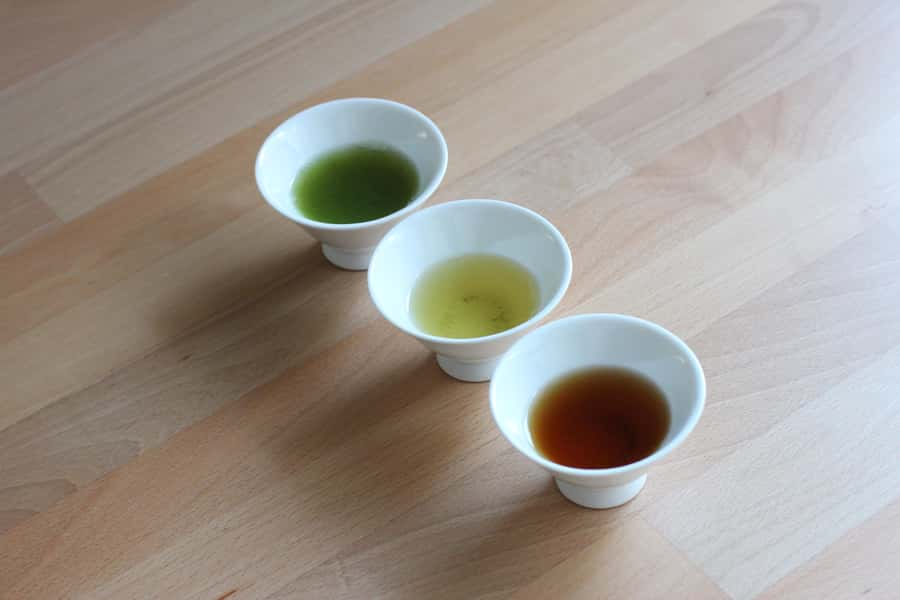
- Sencha: you’ll try 7 different types, so you can notice how flavor shifts even within the same broad category.
- Matcha: you’ll taste 4 matcha green tea powders, which lets you compare styles and intensities rather than treating matcha as one thing.
- Gyokuro: you’ll finish with 1 premium grade gyokuro, which is the “what’s possible” moment of the session.
One of the best parts of this setup is that it’s not just about naming teas. You’ll learn the story and history of Japanese tea as it evolved, then connect that background to what you taste in front of you. That link—history to flavor—turns tea from a vibe into a skill.
The cozy downtown Tokyo apartment setup (and why it helps)
This is a small-group tasting with a hard cap of 4 participants. That matters more than you’d think.
With fewer people, you can:
- hear the tea expert clearly (English instruction)
- ask follow-up questions without feeling rushed
- taste at a steady pace, instead of speed-running cups
The meeting point is simple but very specific: at the apartment entrance, you push 202, then press the bottom right button. Do that, and you’ll be in the right spot fast.
If you’re the type who likes calm experiences in Tokyo—markets can wait—this apartment format is a strong fit.
A practical walk-through: how the 12 teas are structured
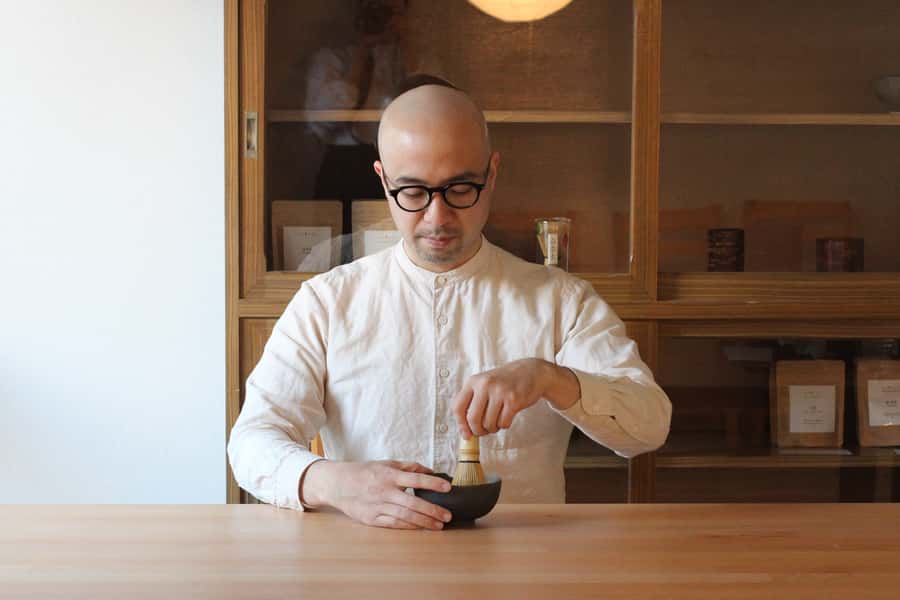
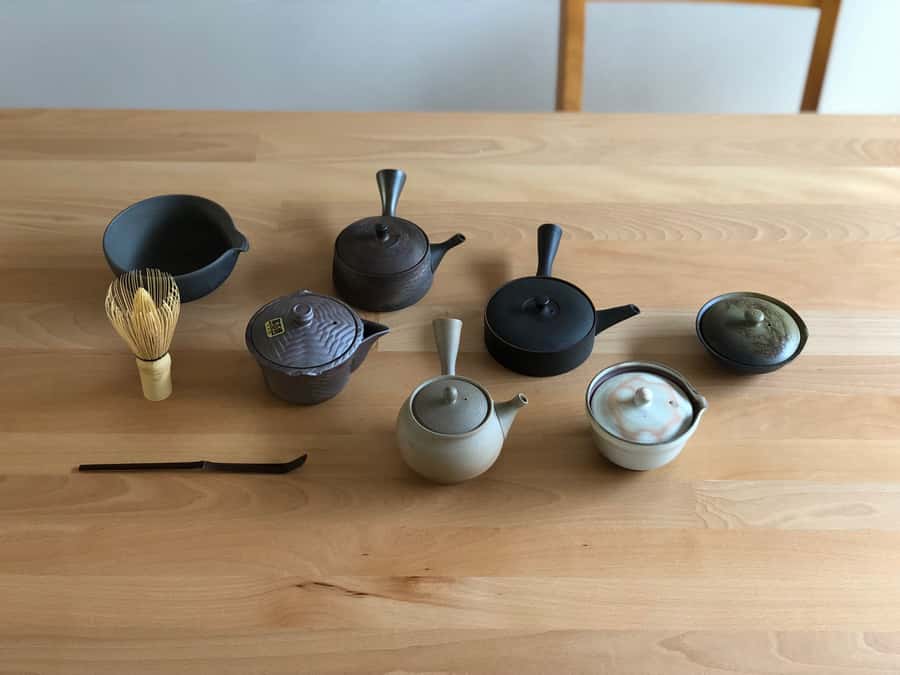
The tasting is built around 12 authentic Japanese tea samples, sourced from family farms and infused in an appropriate way by the tea expert.
Here’s how the structure helps you learn:
Seven senchas: learning within one category
Trying 7 senchas is the best way to see that sencha isn’t one flavor. You’ll taste daily to premium levels, and the differences you notice will teach you what changes with quality and grade.
What you’re likely to care about most:
- how each cup feels on your palate
- how the aroma shifts between samples
- how umami shows up and lingers
Readers also shortlisted these Tokyo bookings:
- Tokyo: Shinjuku Food Tour (13 Dishes at 4 Local Eateries)★ 5.0 · 6,603 reviews
- Tokyo Tsukiji Fish Market Food and Culture Walking Tour★ 5.0 · 3,184 reviews
- Tokyo: Shinjuku Food Tour (15 Dishes and 4 Eateries)★ 4.9 · 2,033 reviews
- Best of Shinjuku: Izakaya Food Tour (4 Stops, 14+ Tastings)★ 5.0 · 1,863 reviews
- Tokyo: Tsukiji Fish Market Food and Walking tour★ 5.0 · 1,724 reviews
Four matchas: powder differences you can actually taste
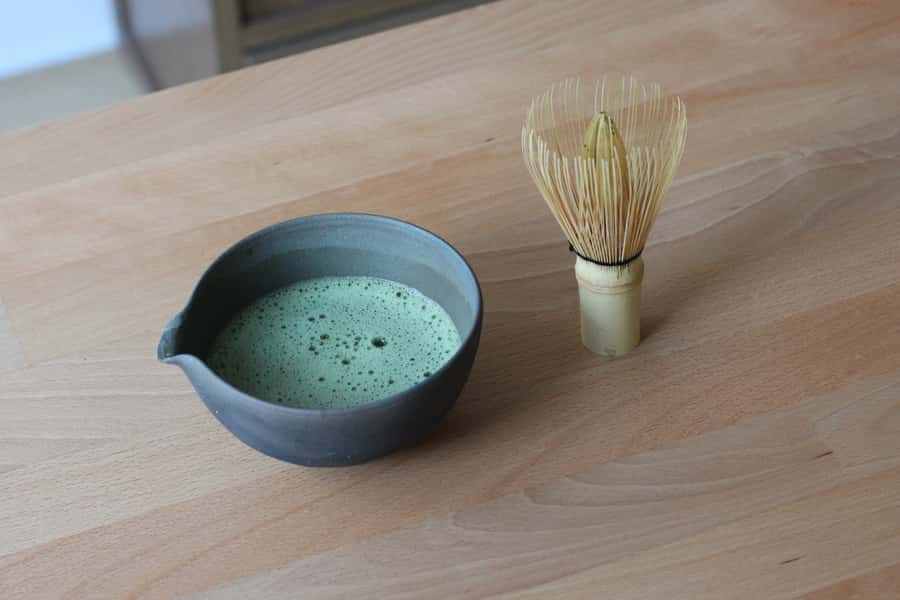
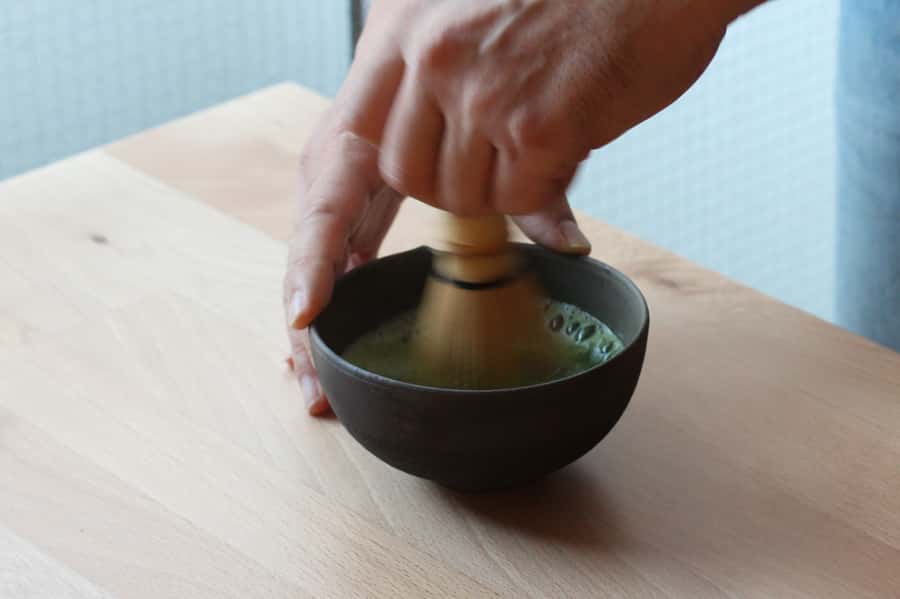
Matcha is where the session gets fun, because you’re dealing with green tea powder. You’ll taste 4 matcha types and learn how to approach them properly, based on what the expert teaches about infusion.
And yes, you’ll also get a food pairing here.
One premium gyokuro: the high point
Ending with premium grade gyokuro gives you a clear contrast point. Even if you’re not chasing luxury purchases, this is where your palate gets a “before and after” lesson: you’ll likely feel a bigger shift in depth than you did in the earlier comparisons.
Family-farm sourcing and “grade” tasting: the real value
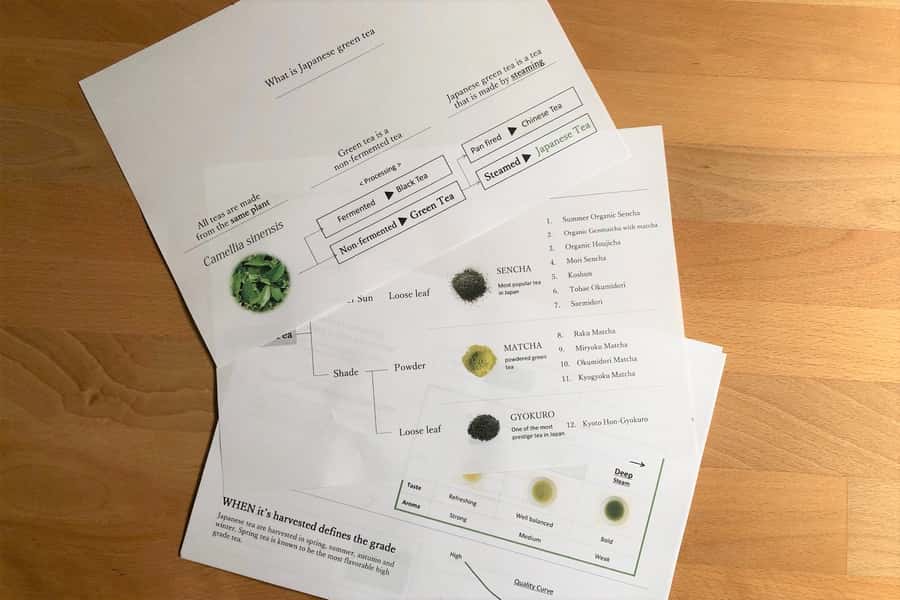
Most tea experiences stop at flavor. This one also teaches you how to think about quality.
The tour includes teas from family farms and covers a range of grades, from daily options to premium hand pick tea. That range is key for two reasons:
- You learn what you’ll actually buy
If you ever wondered why two senchas or two matchas taste different in a store, this kind of side-by-side testing helps you sort out what matters to you.
- You get a clear target for future shopping
By the time you reach the premium samples, you’re not just reacting—you’re comparing with a baseline. That makes it easier to choose what fits your budget back home.
One practical takeaway: once you start tasting by grade and not just by name, you’ll read tea labels differently. That’s the kind of skill that lasts.
The matcha-and-confectionary pairing: where sweetness meets umami
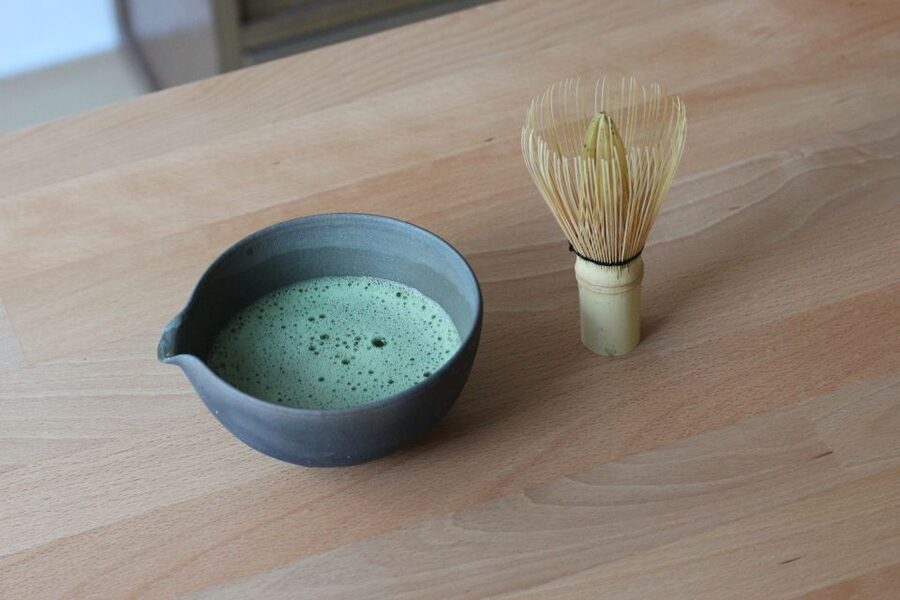
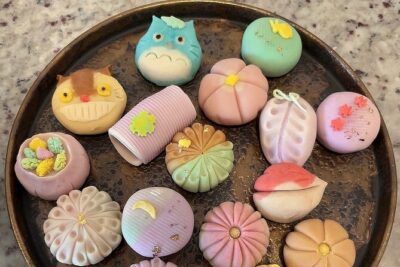
You’ll pair the matcha powder with small portions of Japanese traditional confectionary. This part works well because it teaches you how flavor changes when you add something sweet.
Even if you’re not a dessert person, the pairing matters:
- Sweetness can soften certain edges you might notice in plain tea
- Matcha’s character can shift when matched with the right confectionary
- You get a more rounded sense of what matcha can do beyond just sipping
It’s a smart move for a tea class. It turns the tasting from a lab into something you’d actually want to recreate.
What makes this session so relaxing (without making it boring)
The highlights mention an extremely relaxing feel, and I get why. Tea tasting done right is slow. It asks you to focus on small changes instead of chasing the next stop.
The session also stays light on stress because:
- it’s a small group
- the setting is a cozy apartment room
- the tea expert guides you through the tasting and the background story
One thing to keep in mind: taste is subjective. Even with great teaching and high-quality tea, you’ll still find some cups more to your liking than others. That’s normal. Think of it as calibration, not a test.
English instruction and small-group Q&A: how to get more out of it
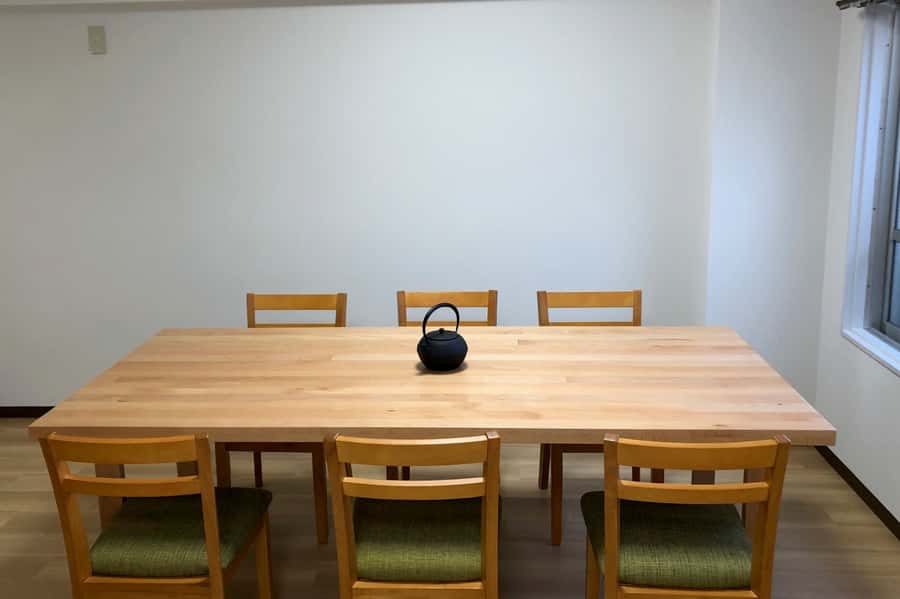
This workshop is taught in English, and it’s limited to 4 participants, so you can actually interact.
To make the most of it, come with one or two questions in mind. For example:
- Which tea types tend to suit my palate—smoother, more umami, or more intense?
- What grade would you recommend if I want something for daily sipping?
- How should I approach matcha at home so it tastes right?
You don’t need to be a tea nerd. If you ask simple questions, you’ll still walk away with useful guidance.
Also, try to pace yourself. Sip, pause, then compare. The goal isn’t to finish cups. It’s to notice differences between the 7 senchas, 4 matchas, and the premium gyokuro.
Price and value: is $87 per person reasonable?
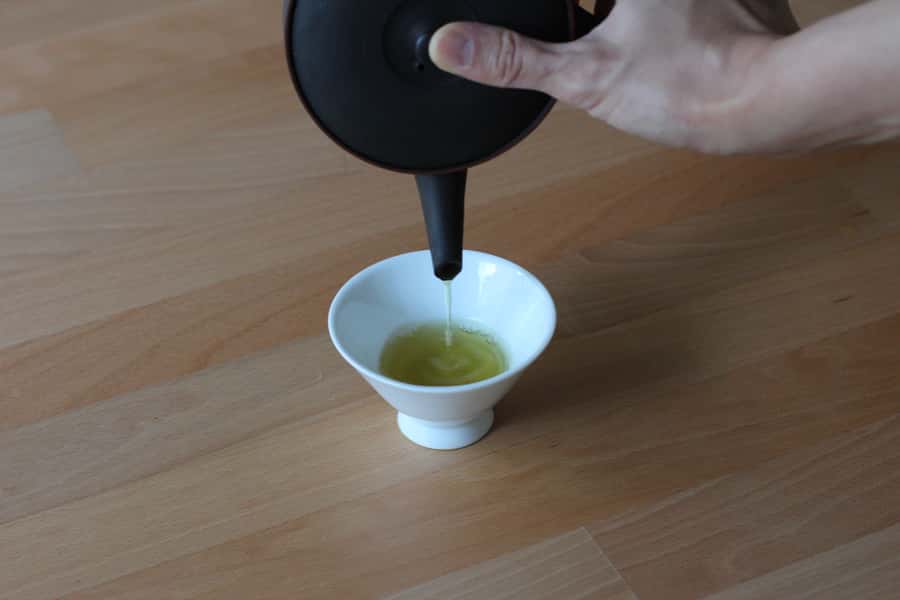
At $87 per person, this isn’t a cheap snack. But it can feel fair if you compare it to what you’re getting in one sitting.
You’re paying for:
- 12 authentic Japanese tea samples
- guidance from a tea expert who infuses teas appropriately
- background on the history and evolution of Japanese tea
- matcha + traditional confectionary pairing
- a small-group experience in a downtown Tokyo apartment
- English instruction
Here’s the value logic I like: if you genuinely enjoy tea (or want to buy better tea later), comparing that many types and grades is hard to replicate on your own. You’ll likely spend more than $87 just guessing at what’s worth buying.
If you’re not interested in tea beyond one or two cups, then it may feel like too much. But for tea lovers—or curious food travelers who like learning by tasting—this format has strong payoff.
Who should book this tea tasting (and who should skip it)
You’ll probably love it if:
- you enjoy tasting experiences with a teacher
- you like food and drink that rewards attention
- you’re curious about differences across tea types and grades
- you want a calm, indoor Tokyo activity that still feels authentic
Consider skipping if:
- you’re traveling with kids under 18
- you’re pregnant (this activity specifies it’s not suitable)
- you want big-ticket sightseeing or lots of walking
Quick tips before you go
- Plan for a 90-minute session. Give it your focus time.
- Go in with a light appetite. You’ll be tasting multiple teas and pairing matcha with confectionary.
- Bring curiosity, not expertise. The expert is there to help you connect the story to the cup.
- If you like souvenirs, ask whether you can take tea home. Some participants report a take-home tea perk, so it’s worth confirming on the day.
Should you book this Authentic Japanese Tea tasting in Tokyo?
If you want an experience that feels genuinely Japanese—slow, focused, and guided by real tea expertise—this one is a strong choice. The combination of 12 teas, family-farm sourcing, and grade comparisons makes it more than a basic tasting. And the small-group apartment setting is ideal when you’re craving something calmer than the usual Tokyo rush.
I’d book it if tea interests you at all, or if you want to bring better tea shopping instincts back home. I wouldn’t book it if you only want a quick snack and zero learning. This is for people who like to taste, compare, and learn—one cup at a time.
FAQ
How long is the Japanese tea tasting?
The experience lasts 90 minutes.
How many people are in the group?
It’s a small group limited to 4 participants.
What teas are included in the tasting?
You’ll taste 12 authentic Japanese teas: 7 sencha, 4 matcha green tea powders, and 1 premium grade gyokuro.
Is there any food pairing?
Yes. You’ll pair matcha green tea powder with small portions of Japanese traditional confectionary.
Where does it take place?
It takes place in a cozy apartment room in downtown Tokyo (Honshu, Japan).
What language is the instruction in?
The instructor speaks English.
How much does it cost?
The price is $87 per person.
Is it suitable for kids or pregnant travelers?
It is not suitable for pregnant women and children under 18.
What’s the cancellation and booking flexibility?
There is free cancellation up to 24 hours in advance for a full refund, and you can reserve now & pay later.
Where is the meeting point?
Meet at the apartment entrance, then push 202 and press the bottom right button.
More Food & Drink in Tokyo
- Tokyo: Shinjuku Food Tour (13 Dishes at 4 Local Eateries)
★ 5.0 · 6,603 reviews - Tokyo Tsukiji Fish Market Food and Culture Walking Tour
★ 5.0 · 3,184 reviews - Tokyo: Shinjuku Food Tour (15 Dishes and 4 Eateries)
★ 4.9 · 2,033 reviews - Best of Shinjuku: Izakaya Food Tour (4 Stops, 14+ Tastings)
★ 5.0 · 1,863 reviews - Tokyo: Tsukiji Fish Market Food and Walking tour
★ 5.0 · 1,724 reviews
More Tour Reviews in Tokyo
- Mt Fuji and Hakone 1-Day Bus Tour Return by Bullet Train
★ 5.0 · 26,383 reviews - 1-Day Tokyo Bus Tour
★ 5.0 · 14,250 reviews - Tokyo: teamLab Planets TOKYO Digital Art Museum Entry Ticket
★ 4.6 · 9,779 reviews - Mt Fuji & Hakone Cruise, Drum Show Bullet Train 1 Day from Tokyo
★ 4.0 · 7,413 reviews - Tokyo: Shinjuku Food Tour (13 Dishes at 4 Local Eateries)
★ 5.0 · 6,603 reviews
More Tea and Matcha Rooms
- Matcha Making Class in Tokyo with Authentic Japanese Sweets Set
★ 5.0 · 744 reviews - Tokyo: Traditional Tea Ceremony with a Tea Master
★ 5.0 · 528 reviews - Tokyo: Matcha Making Experience with Mochi Sweets in Asakusa
★ 4.9 · 388 reviews - Tokyo: Matcha and Kimono Experience
★ 4.7 · 219 reviews - Tea Ceremony Workshop in Tokyo by the Experienced Instrucor
★ 5.0 · 189 reviews
Latest Tokyo reviews off our desk






Tea Ceremony & Matcha, compared.
 ★ 5.0Matcha Making Class in Tokyo with Authentic Japanese Sweets SetFrom $21744 reviews
 ★ 5.0Traditional Tea Ceremony with a Tea MasterFrom $38528 reviews
 ★ 4.9Matcha Making Experience with Mochi Sweets in AsakusaFrom $22388 reviews
 ★ 4.7Matcha and Kimono ExperienceFrom $57219 reviews
 ★ 5.0Tea Ceremony Workshop in Tokyo by the Experienced InstrucorFrom $38189 reviews
 ★ 4.9Asakusa Kimono Dressing and Matcha ExperienceFrom $56173 reviews
 ★ 4.9Asakusa: Kimono Tea Ceremony with Matcha and SweetFrom $66153 reviews
 ★ 5.0Make Traditional Nerikiri Sweets & Matcha experience in ShibuyaFrom $60130 reviews
Browse the lists this tour appears in