
Reviewed · TEA CEREMONY & MATCHA
Authentic Japanese tea tasting session: sencha, matcha, gyokuro
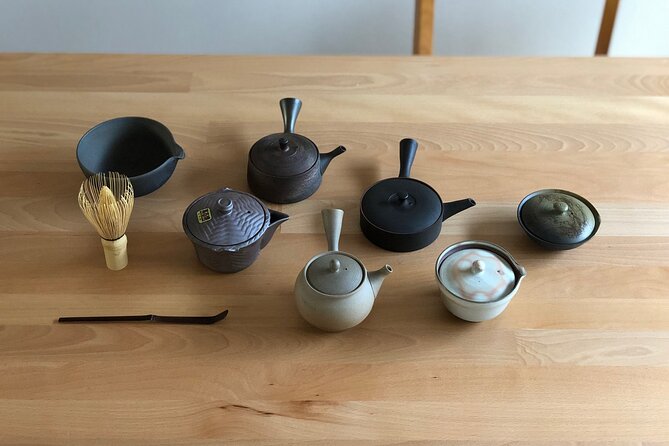
Tea tasting beats guessing every time. This Tokyo class at ShiZen Tea turns Japanese green tea into something you can actually compare—by taste, by production, and by the history behind each cup. You’ll learn how the teas are made and why they taste the way they do, and you’ll do it without a formal ceremony.
I like the side-by-side structure of tasting multiple teas back-to-back. You get clear explanations as each tea shows up, so the differences stop being confusing and start being obvious. The session also mixes everyday styles with premium picks, so you can understand the range instead of sampling only the safe stuff.
One thing to note: it’s only about 1 hour 30 minutes, so this isn’t a slow, lingering ritual. If you want a long, watch-every-move tea ceremony vibe, you may find the pace a bit practical.
In This Review
- Key things that make this tea session work
- A 90-minute tea tasting class in Morishita, Tokyo
- Not a tea ceremony: what to expect instead
- The tea lineup: sencha, matcha, gyokuro, plus more
- How the guide explains production and history (without getting stuffy)
- The tasting flow: how to make the session click
- Price and logistics: does $90.80 make sense?
- Who should book this tea experience
- Should you book ShiZen Tea Experience?
- FAQ
- What teas will I taste?
- Is this a tea ceremony?
- How long is the session?
- Where does the tour start?
- What group size should I expect?
- I’m caffeine sensitive. What should I do?
- What is the cancellation policy?
Key things that make this tea session work
- Up to 4 people means your questions don’t get swallowed.
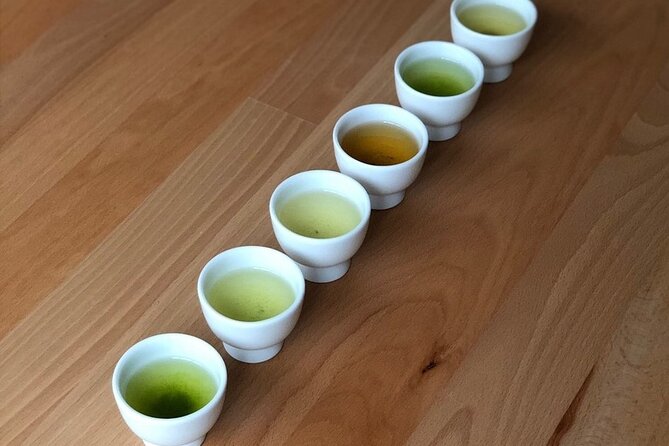
- 12 teas included, with sencha, matcha, and gyokuro on the lineup.
- Not a ceremony: the focus stays on taste, production, and history.
- Water temperature and plantation details come up so you can understand what you’re drinking.
- A handout for following along helps you track what you’re tasting.
- Near public transportation and a mobile ticket make it easy to fit into an afternoon.
A 90-minute tea tasting class in Morishita, Tokyo
This is a straightforward Tokyo afternoon plan: meet at ShiZen Tea Experience in Morishita, taste your way through Japanese green teas, and walk out with a clearer sense of what you actually like. The location is in the Koto City area (Morishita), and the meeting point is easy to find once you’ve got your bearings. You’ll start at 1:30 pm, and you’ll end back at the same place.
The session runs about 1 hour 30 minutes, which is a good length for people who want depth without turning their day into a half-day project. It’s also capped at 4 travelers, so it doesn’t feel like you’re squeezed into a group where nobody can ask questions. This small-group size matters because tea tasting is sensory work. The differences can be subtle, and you’ll do better when you can raise questions as you go.
You’ll also want to know this is not advertised as a ceremony. The vibe is closer to a tasting class: you taste, you learn why, then you taste again with that context in your head.
More tea rooms our readers rated
- Matcha Making Class in Tokyo with Authentic Japanese Sweets Set
★ 5.0 · 744 reviews - Tokyo: Traditional Tea Ceremony with a Tea Master
★ 5.0 · 528 reviews - Tokyo: Matcha Making Experience with Mochi Sweets in Asakusa
★ 4.9 · 388 reviews - Tokyo: Matcha and Kimono Experience
★ 4.7 · 219 reviews
Not a tea ceremony: what to expect instead
If you’re expecting the full traditional ceremony sequence—slow motions, formal choreography, and lots of silence—this is not that. The whole point here is that the experience stays taste-first, then explains production and history behind what you’re sipping.
In practice, that means you’ll spend your time in a guided format where each tea is treated like a distinct lesson. You won’t just drink and hope it makes sense. You’ll get an explanation for each tea type about how it’s made and where it fits in Japan’s tea story. The idea is that learning through contrast works better than learning from a lecture.
I also like that the session is designed to answer real questions people have before they even book. What’s the difference between daily green tea and premium green tea? Why does matcha feel different from typical loose-leaf green teas? What makes gyokuro special? The structure is built to help you leave with a bigger picture, not just a list of names.
And because it’s a tasting focused on production, you should expect some practical details—like what to pay attention to in the cup, and why brewing conditions matter. One review mentioned water temperature guidance for the different teas, which fits the general teaching goal: taste is easier to understand when you know what variables the brewer is controlling.
The tea lineup: sencha, matcha, gyokuro, plus more
The program highlights 12 different types of Japanese tea, including sencha, matcha, and gyokuro. That trio alone tells you the session isn’t trying to be casual. Sencha is the everyday anchor most people start with. Matcha is the powder you whisk, not brew like typical green tea. Gyokuro is often associated with higher-end cultivation and a more refined style.
Beyond those three, the session is built to cover both common, everyday styles and premium teas that are genuinely special. The experience description calls out that you’ll taste premium tea that’s unique even for locals—not just the most famous names.
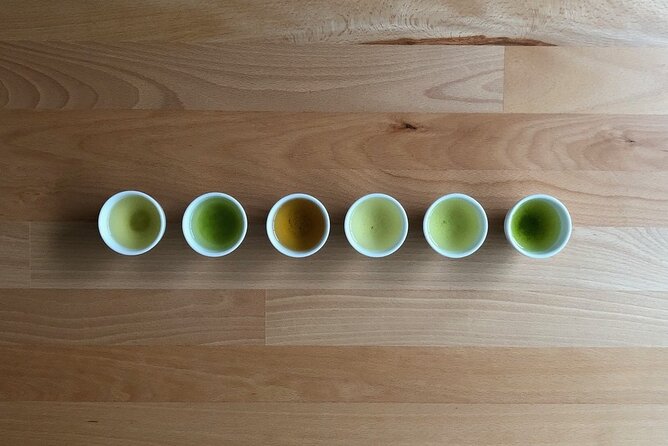
There’s also a smart learning method here: tasting different teas in the same session. It helps you build a mental map fast. If you drink one tea on one day and another on a different day, your brain files the memories separately. Back-to-back tasting forces comparisons. You start noticing the patterns: aroma, bitterness level, body, aftertaste length, and how the cup changes from one step to the next.
One participant mentioned trying nine different teas and getting a 9-page handout to follow. Even if the exact count you experience depends on how the tasting flows, the key takeaway is the same: you’re not left to guess. You get a structured set of reference points so the lineup lands in your memory.
How the guide explains production and history (without getting stuffy)
Tea gets personal fast in Japan, because growers, regions, and styles all matter. The session uses that idea. You’ll learn not only what you’re drinking, but how it’s produced and how it connects to Japan’s tea background.
For you, that’s useful because Japanese tea can feel like a maze if you only see it in shops. You might see different grades, different labels, and different cultivation styles, but not understand what those terms mean in real-life flavor.
What helps here is the balance. The class is described as both history-focused and production-focused. But it stays practical: each tea comes with an explanation that links the method to the taste. That’s the difference between reading about tea and actually tasting the result of that process.
A review also mentioned plantation locations coming into the conversation. I like that because it pushes tea beyond a single sensory description. When you hear where it’s grown, it’s easier to understand why one tea tastes more delicate and another more robust. Even if you don’t memorize every detail, you’ll get better at asking the right questions in shops later.
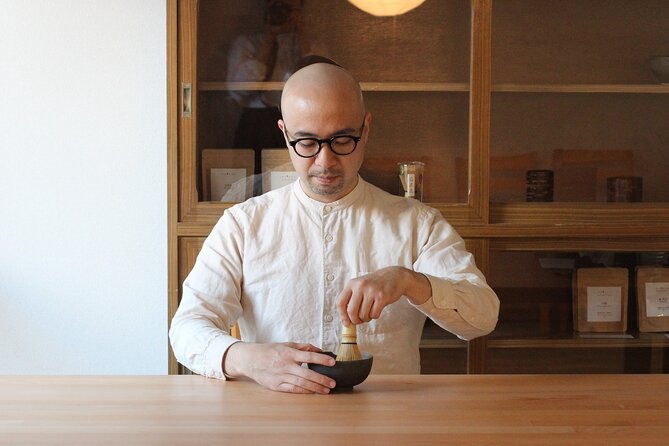
And yes, the guide—Yosuke—is repeatedly mentioned for how he runs the session: organized, clear communication, and comfortable answering questions. If you’ve ever done wine tastings, you’ll recognize the approach: structured pours, focused guidance, and time to notice what matters.
The tasting flow: how to make the session click
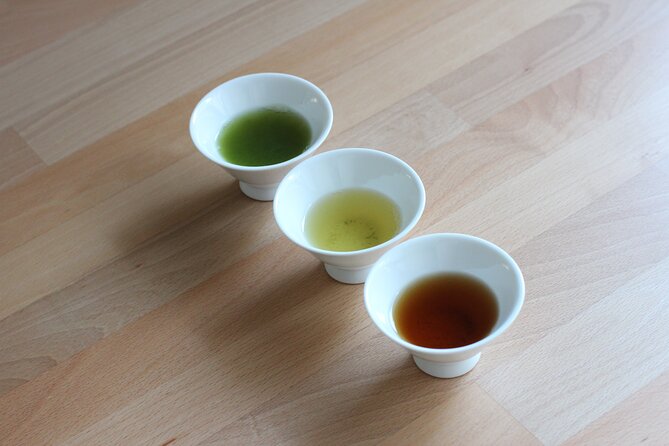
In this kind of tasting class, the difference between a fun hour and real learning is how you approach your senses. The session is built for that. The handout and the guided preparation help you follow along, and the order of teas is meant to highlight the differences.
Here’s how I suggest you get the most out of it:
1) Use the explanations as a tasting lens. Don’t wait until the end to start thinking. When the guide explains how a tea is made, you’ll naturally start tasting for those effects—aroma style, bitterness, body, and finish.
2) Pay attention to brewing conditions. One review specifically noted temperature for each tea. That matters because green teas can taste dull or harsh if brewed outside their ideal range. Even if you don’t remember the exact numbers, you’ll learn that brewing is part of the tea, not just the water.
3) Take notes on what you like, not what you think you should like. Premium tea can be smoother or more refined, but “better” isn’t always the same as “your favorite.” The session’s stated goal is that by the end you understand the big picture and can figure out what type you personally enjoy.
4) Ask questions while the taste is fresh. With a small group, you should get chances to clarify anything that doesn’t click. That’s where the class format pays off. It’s way easier to ask in the moment than to research later with half-remembered flavors.
Also, the pace sounds intentionally balanced. One review used the wine-tasting comparison, basically saying it works because it’s well-paced and structured. That matters because tea tasting can feel repetitive if the guide rushes or repeats without contrast. Here, the promise is contrast and explanation.
Readers also shortlisted these Tokyo bookings:
- Tokyo: Shinjuku Food Tour (13 Dishes at 4 Local Eateries)★ 5.0 · 6,603 reviews
- Tokyo Tsukiji Fish Market Food and Culture Walking Tour★ 5.0 · 3,184 reviews
- Tokyo: Shinjuku Food Tour (15 Dishes and 4 Eateries)★ 4.9 · 2,033 reviews
- Best of Shinjuku: Izakaya Food Tour (4 Stops, 14+ Tastings)★ 5.0 · 1,863 reviews
- Tokyo: Tsukiji Fish Market Food and Walking tour★ 5.0 · 1,724 reviews
Price and logistics: does $90.80 make sense?
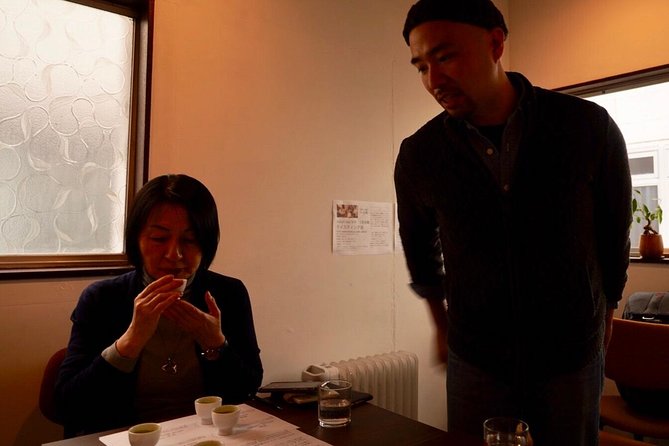
Let’s talk value honestly. At $90.80 per person for about 1 hour 30 minutes, this is not a cheap add-on. But you’re not just paying for someone to pour tea. You’re paying for guided expertise, structured comparisons across multiple tea types, and the teaching materials that help you understand what you’re drinking.
The value hinges on a few things you should care about:
- 12 teas (sencha, matcha, gyokuro included) means you’re tasting range, not one specialty.
- Premium teas are part of the lineup, so you’re getting exposure to higher-end styles that many people would never buy casually.
- Small group size (max 4) keeps it interactive.
- A handout means you’re not walking away with vague memories.
Another practical plus: confirmation is received at booking, and you get a mobile ticket. The session ends back at the starting point, so you don’t need to plan extra transportation.
For most people, this fits best as an afternoon activity when you want culture with a tangible result: your palate gets educated. If you’re the type who loves food science, farming context, and real-world comparison, this cost starts to feel reasonable. If you just want a casual tea sip and don’t care about production or history, it might feel pricey.
Who should book this tea experience
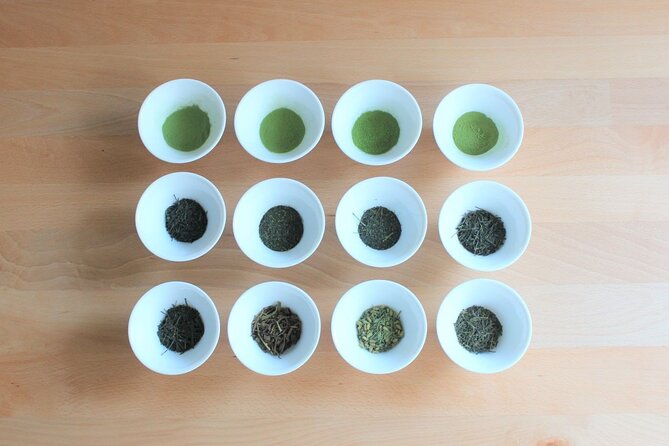
This experience is ideal if you’re curious about Japanese green tea and want more than a quick sampler. It’s also a good fit if you enjoy learning through tasting—like you might enjoy wine tastings, but with Japan’s green tea universe instead.
You’ll probably enjoy it most if:
- you want to compare daily vs premium teas in the same session
- you care about how teas are made, not only how they taste
- you want a guided path to figure out what you like (and what you’ll buy later)
- you appreciate Q&A and explanations, especially in a small group
If you’re caffeine sensitive, the session asks you to inform the provider before the session. That’s a good sign: they’re thinking ahead about how the tasting affects you. Tea includes caffeine, so make sure you communicate clearly so the experience can be adjusted if needed.
Should you book ShiZen Tea Experience?
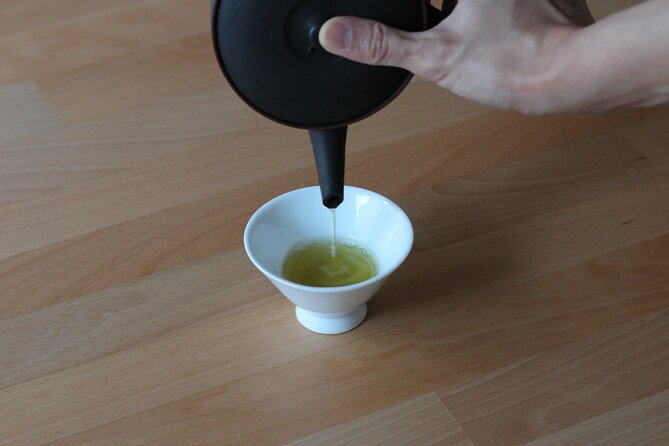
I’d say book it if you want a structured tea education you can actually taste and remember. The mix of sencha, matcha, gyokuro, plus multiple other teas, gives you contrast right away. The fact that it’s not a ceremony makes it easier to commit if you want clarity and explanation, not formal procedure.
I’d skip it if you’re looking for a long, traditional ritual or you only care about one tea style. The session is designed to teach the big picture through tasting, and that means you’ll sample widely rather than focusing on just one cup.
If you’re trying to decide whether tea tasting belongs in your Tokyo plan, this one is a strong choice because it’s practical, small-group, and built around real differences—not just polite sipping.
FAQ
What teas will I taste?
The experience focuses on tasting 12 different types of Japanese tea, including sencha, matcha, and gyokuro.
Is this a tea ceremony?
No. It is not a tea ceremony. The session is more focused on taste, how the tea is produced, and history.
How long is the session?
The duration is about 1 hour 30 minutes.
Where does the tour start?
You meet at ShiZen Tea Experience, 135-0004 Tokyo, Koto City, Morishita, 2-chōme 283 森下TMマンション 202.
What group size should I expect?
The experience has a maximum of 4 travelers.
I’m caffeine sensitive. What should I do?
If you’re caffeine sensitive, you should inform the provider before the session.
What is the cancellation policy?
You can cancel for a full refund up to 24 hours before the experience starts. Cancellations made less than 24 hours before the start time are not refunded.
More Food & Drink in Tokyo
- Tokyo: Shinjuku Food Tour (13 Dishes at 4 Local Eateries)
★ 5.0 · 6,603 reviews - Tokyo Tsukiji Fish Market Food and Culture Walking Tour
★ 5.0 · 3,184 reviews - Tokyo: Shinjuku Food Tour (15 Dishes and 4 Eateries)
★ 4.9 · 2,033 reviews - Best of Shinjuku: Izakaya Food Tour (4 Stops, 14+ Tastings)
★ 5.0 · 1,863 reviews - Tokyo: Tsukiji Fish Market Food and Walking tour
★ 5.0 · 1,724 reviews
More Tour Reviews in Tokyo
- Mt Fuji and Hakone 1-Day Bus Tour Return by Bullet Train
★ 5.0 · 26,383 reviews - 1-Day Tokyo Bus Tour
★ 5.0 · 14,250 reviews - Tokyo: teamLab Planets TOKYO Digital Art Museum Entry Ticket
★ 4.6 · 9,779 reviews - Mt Fuji & Hakone Cruise, Drum Show Bullet Train 1 Day from Tokyo
★ 4.0 · 7,413 reviews - Tokyo: Shinjuku Food Tour (13 Dishes at 4 Local Eateries)
★ 5.0 · 6,603 reviews
More Tea and Matcha Rooms
- Matcha Making Class in Tokyo with Authentic Japanese Sweets Set
★ 5.0 · 744 reviews - Tokyo: Traditional Tea Ceremony with a Tea Master
★ 5.0 · 528 reviews - Tokyo: Matcha Making Experience with Mochi Sweets in Asakusa
★ 4.9 · 388 reviews - Tokyo: Matcha and Kimono Experience
★ 4.7 · 219 reviews - Tea Ceremony Workshop in Tokyo by the Experienced Instrucor
★ 5.0 · 189 reviews
Latest Tokyo reviews off our desk






Tea Ceremony & Matcha, compared.
 ★ 5.0Matcha Making Class in Tokyo with Authentic Japanese Sweets SetFrom $21744 reviews
 ★ 5.0Traditional Tea Ceremony with a Tea MasterFrom $38528 reviews
 ★ 4.9Matcha Making Experience with Mochi Sweets in AsakusaFrom $22388 reviews
 ★ 4.7Matcha and Kimono ExperienceFrom $57219 reviews
 ★ 5.0Tea Ceremony Workshop in Tokyo by the Experienced InstrucorFrom $38189 reviews
 ★ 4.9Asakusa Kimono Dressing and Matcha ExperienceFrom $56173 reviews
 ★ 4.9Asakusa: Kimono Tea Ceremony with Matcha and SweetFrom $66153 reviews
 ★ 5.0Make Traditional Nerikiri Sweets & Matcha experience in ShibuyaFrom $60130 reviews
Browse the lists this tour appears in