
Reviewed · COOKING CLASSES
Beauty Vegan Dessert Cooking Class + Sake Kasu Hand Mask Trial!
Fermentation tastes like dessert and beauty. In Tokyo, this class uses amazake and sake kasu to teach food, health, and culture in a hands-on way. You get a sweet afternoon that feels genuinely Japanese, not like a generic cooking demo.
I especially like two things. First, the vegan menu is built around fermentation ingredients you may not see in everyday sightseeing food stops. Second, the beauty element is practical and fun: you make the desserts and then try a sake kasu hand mask as part of the experience.
One consideration: sake kasu contains around 8% alcohol, and the class notes you should not drive after. If you’re sensitive to alcohol or have strict restrictions, plan accordingly and ask about alternatives.
In This Review
- Key highlights at a glance
- Getting Oriented in Akasaka-Mitsuke (Easy from Shibuya)
- The Fermentation Lesson: Amazake + Sake Kasu, Explained Simply
- Cooking the Vegan Dessert: What You’ll Actually Make
- Sakura Tea and Japanese Beauty Afternoon Tea
- The Sake Kasu Hand Mask Trial: Beauty, But With Guardrails
- What You Take Home: Recipes, Handout, and a Real Plan
- Price and Value in a 2-Hour Tokyo Class
- The Optional Combo: Add the Fermented Food Lunch Class
- Who Should Book (and Who Should Consider Skipping)
- Should You Book This Vegan Fermented Dessert + Mask Class?
- FAQ
- What time does the class start, and how long is it?
- Are the dishes vegan?
- What ingredients are used?
- Is sake kasu alcohol-free?
- Can I choose an alternative if I don’t want alcohol?
- What’s included besides cooking?
- Is the hand mask trial safe for sensitive skin?
Key highlights at a glance
- A vegan dessert class powered by Japanese fermentation (amazake and sake kasu)
- Sake kasu hand mask trial tied directly to the lesson on fermented foods
- Seasonal dessert menu, so what you make is adapted to the time of year
- Small group size (up to 6) with a lecture handout and recipes
- Convenient Tokyo location near Akasaka-Mitsuke, about 10 minutes from Shibuya
- Beauty afternoon tea including sakura tea plus coffee and/or tea
Getting Oriented in Akasaka-Mitsuke (Easy from Shibuya)
This experience starts at 2:00 pm and runs about two hours. The meeting point is Akasaka-Mitsuke Station, with the address listed as 3-chōme-1-6 Akasaka, Minato City, Tokyo. In practical terms, that’s a solid base: you can get there without fighting long cross-town transfers.
What I like about this location is that it fits into a real Tokyo itinerary. It’s close enough to Shibuya (about 10 minutes away) that you can pair it with shopping, cafes, or a neighborhood walk before dinner. And since it’s a cooking class, you’re not at the mercy of weather in the open air.
There’s also a small comfort factor here: you receive a mobile ticket, and the class is scheduled with a clear start time. That matters when you’ve got trains to catch and limited energy for complicated meetups.
Readers also shortlisted these Tokyo bookings:
- Tokyo: Shinjuku Food Tour (13 Dishes at 4 Local Eateries)
★ 5.0 · 6,603 reviews - Tokyo Tsukiji Fish Market Food and Culture Walking Tour
★ 5.0 · 3,184 reviews - Tokyo: Shinjuku Food Tour (15 Dishes and 4 Eateries)
★ 4.9 · 2,033 reviews - Best of Shinjuku: Izakaya Food Tour (4 Stops, 14+ Tastings)
★ 5.0 · 1,863 reviews
The Fermentation Lesson: Amazake + Sake Kasu, Explained Simply
The core of the class is fermentation, taught through ingredients that Japanese cooks actually use. You’ll work with amazake and sake kasu, and you’ll connect them to gut health and beauty—without it turning into a science lecture that feels out of reach.
Amazake is described as a traditional fermented rice paste that’s very sweet without sugar. That’s a big deal for dessert lovers because it means sweetness comes from the fermentation process itself, not from dumping in sugar. In other words, it can help you understand why Japanese fermentation is both practical and tasty.
Sake kasu are sake lees: the nutrient-rich byproduct left after pressing sake. The class frames it as a beauty-focused ingredient as well, and the texture and flavor are different enough from typical baking ingredients that you’ll learn by doing rather than just hearing facts.
Important realism: sake kasu contains alcohol, around 8%. That’s why the class asks you not to drive a car after. If you’re planning day-to-night logistics, keep that note in mind.
Cooking the Vegan Dessert: What You’ll Actually Make
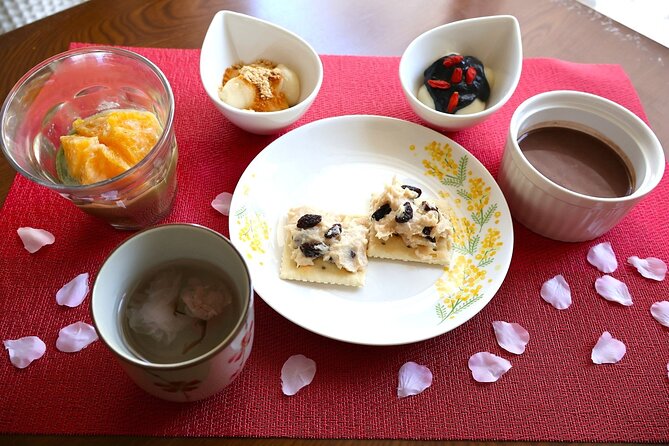
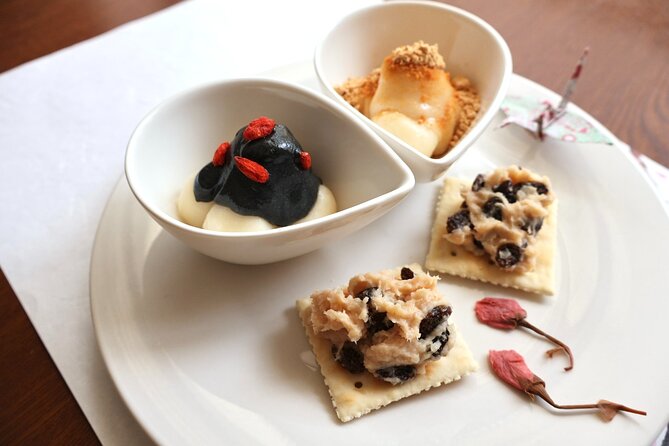
This isn’t a long sit-and-watch workshop. You’ll cook together, and you’ll get the apron too. The menu changes depending on the season, so the exact desserts aren’t fixed—but the theme is consistent: fermented ingredients plus Japanese “superfood” style wellness.
Because the menu varies, you should expect the class to stay flexible. You might find that the technique is the real constant. The desserts are vegan, and they’re built around amazake and/or sake kasu, so you’re learning how to incorporate fermentation into sweets rather than just reproducing one set recipe forever.
You’ll also get snacks and desserts you make together, which helps the class feel complete. Instead of leaving hungry, you’re part of the process and then you get to enjoy what you made.
And based on people’s feedback from classes like this, the experience tends to stick because you’re not only tasting—you’re learning how to think about flavor. One participant said the class was fun, tasty, and educational and that they felt excited about making amazake back home. That’s the real value: you walk away with a method you can reuse.
Sakura Tea and Japanese Beauty Afternoon Tea
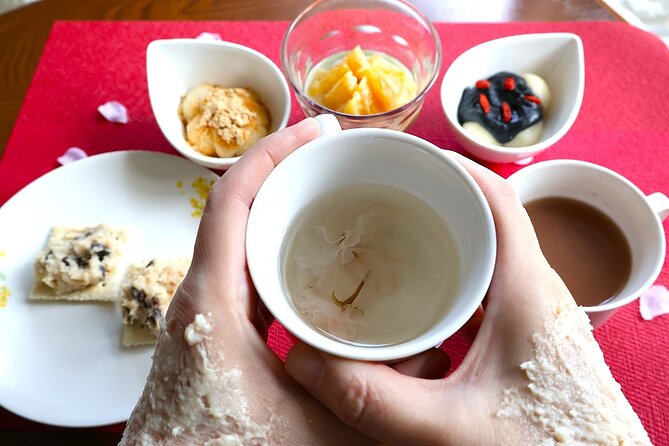
Between the cooking and the mask trial, you’ll enjoy an afternoon tea setup. The class includes sakura tea, plus coffee and/or tea (green tea or other Japanese tea, depending on what’s offered). It’s a small touch, but it makes the whole session feel like an experience rather than a rushed workshop.
Sakura tea also ties into the beauty framing of the class. Even if you don’t care about the symbolism, it’s still a nice way to slow down in Tokyo for a couple of hours. You’re not just moving from one stop to another; you’re eating, learning, and then winding down with tea.
This kind of pairing—food + tea + lesson—also makes it easier for you to remember what you learned. You get a flavor reference for amazake sweetness and the different role fermented ingredients can play in dessert.
The Sake Kasu Hand Mask Trial: Beauty, But With Guardrails
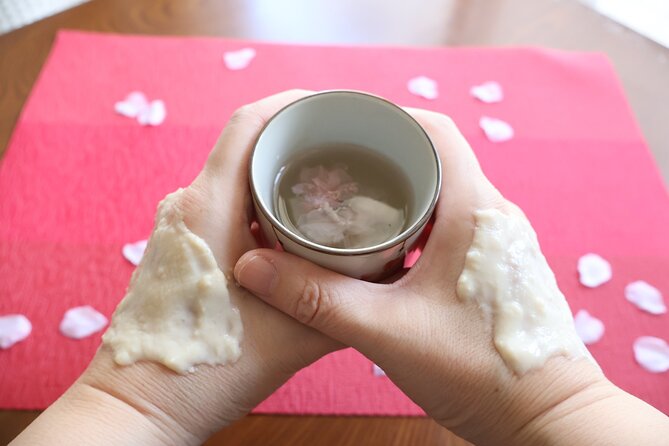
The most unusual part is the hand mask trial with sake kasu. This is where the class goes beyond cooking. You’re not only learning about fermentation for your “inside health”—you’re also seeing how the ingredient is used in a beauty context.
A few practical guardrails are clearly stated:
- Sake kasu may not suit everyone’s skin and can cause irritation for those with sensitive skin.
- The experience isn’t available if you have any cuts or wounds on your hands.
- If you’re under 20 or you don’t drink alcohol, the class notes they can use banana instead.
I like that this is spelled out. In a beauty add-on, a lot of classes blur the line between fun and safety. Here, you’re warned ahead of time, so you can decide honestly.
Also, because the ingredient includes alcohol (even if it’s in an ingredient context), the class emphasizes that you should not drive after. If you’re riding transit, fine—but if you planned to drive, adjust your plan before you book.
Readers also shortlisted these Tokyo bookings:
- Tokyo: Tsukiji Fish Market Food and Walking tour★ 5.0 · 1,724 reviews
- Tokyo Night Foodie Tour in Shinjuku – Seasonal Sushi, Wagyu Beef★ 5.0 · 1,161 reviews
- Eat and Drink Like a Local: Tokyo Ueno Food Tour-Taverns&Ramen★ 5.0 · 957 reviews
- Tokyo: Shibuya Food Tour (13 dishes and 4 Eateries)★ 5.0 · 770 reviews
- Tokyo: Tsukiji Fish Market Food and Culture Walking Tour★ 4.7 · 757 reviews
What You Take Home: Recipes, Handout, and a Real Plan
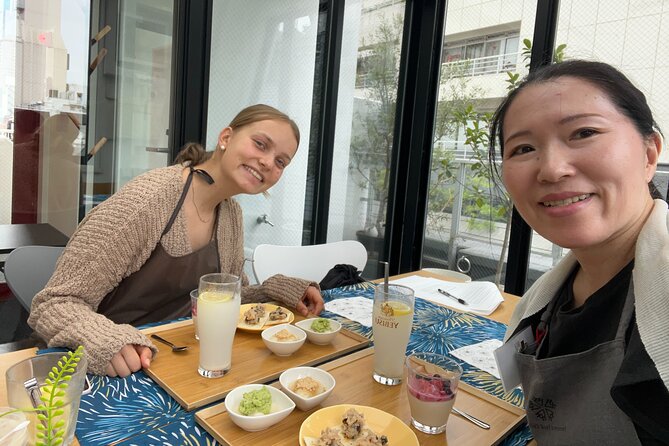
You’ll get several tangible items:
- An apron
- Snacks and desserts included
- Coffee and/or tea, including sakura tea
- A lecture handout with recipe/presentation material
- The sake kasu hand mask trial
The handout matters more than you might think. Cooking classes can be fun and still forgettable if you don’t leave with something concrete. Here, you’re meant to have recipe and presentation notes, so you can recreate at home without guessing.
If you’ve ever bought a recipe card in Tokyo and then couldn’t find the main ingredient, this class is still useful. The method—how amazake and sake kasu are used in dessert making—can guide you even when you’re sourcing ingredients later. One review noted that after the class, they looked forward to making amazake when they returned from their trip, and they felt motivated to find rice koji or amazake. That motivation is real value.
Price and Value in a 2-Hour Tokyo Class
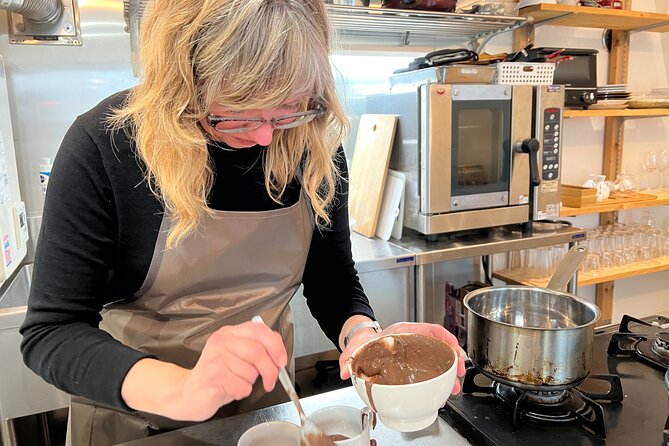
At $64.09 per person for about two hours, this isn’t the cheapest option in Tokyo. But it also isn’t trying to be generic. You’re paying for:
- A specialized theme (fermented ingredients are niche)
- Hands-on vegan dessert cooking
- A beauty add-on (sake kasu hand mask trial)
- Tea service (including sakura tea) plus coffee/tea
- A lecture handout with recipes
A class like this tends to be more expensive than basic cookie-making because fermented ingredients require specific knowledge and because not many classes focus on fermentation techniques in desserts. That specialization is what you’re buying.
Small group size (maximum 6 travelers) also affects value. You’re more likely to get attention and clearer guidance than you would in a large class where people queue for the same station.
If you’re the type who wants a “Tokyo story” you can repeat later—like using amazake in desserts or understanding how sake lees work in a beauty context—then the price starts to make sense. If you only want a quick sweet bite and don’t care about fermentation, you might find a standard dessert workshop cheaper and easier. But if you’re curious, this class is a smart use of time.
The Optional Combo: Add the Fermented Food Lunch Class
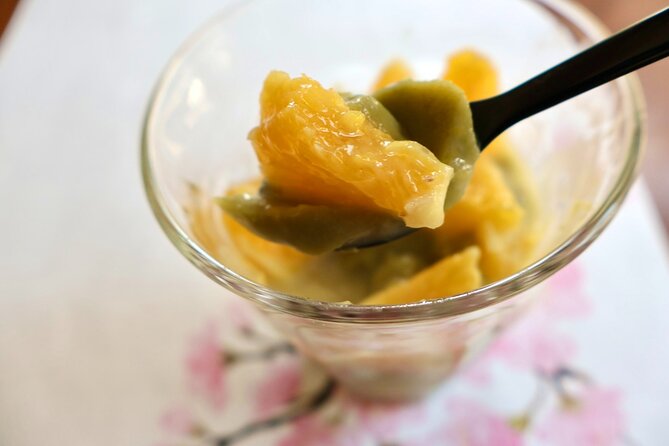
There’s a promotion if you want to stack learning in one day. The provider offers another class at 11am: a Fermented Food Lunch Class. If you join both classes on the same day, you’ll receive a special gift: rice koji amazake, the one used in the dessert class.
If you like the idea of learning fermentation from multiple angles (lunch and desserts), this is a strong value boost. It also gives you an excuse to stay in the same area and reduce travel friction between two separate experiences.
Even if you don’t do both, you still get enough to feel “connected” to the topic. The desserts and the hand mask trial reinforce each other, so the message doesn’t feel random.
Who Should Book (and Who Should Consider Skipping)
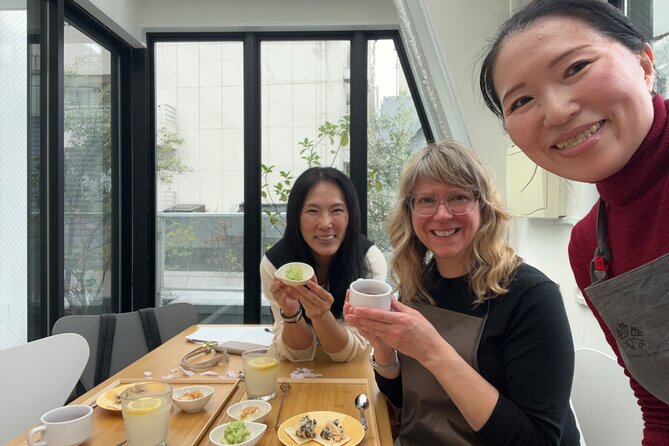
This experience fits you well if:
- You eat vegan and want a vegan cooking class that isn’t just “swap butter for oil”
- You’re curious about Japanese fermented foods beyond miso and soy sauce
- You want a beauty-focused angle without it being purely cosmetic
- You prefer a short, focused class (about two hours) in a convenient central location
Consider skipping or at least asking questions before booking if:
- You have sensitive skin or you’re worried about irritation from sake kasu on hands
- You have cuts or wounds on your hands (the class won’t run mask trial in that case)
- You need to drive right after the class (the class states not to drive due to the ingredient alcohol content)
- You’re traveling with children under 6 (the class notes it may not be suitable due to lecture difficulty)
If you’re under 20 or you don’t drink alcohol, the class can use banana instead. That’s a big help if you want to participate fully without alcohol-related concerns.
Should You Book This Vegan Fermented Dessert + Mask Class?
Book it if you want something that feels both practical and different from the usual Tokyo food tour. You’ll make vegan desserts, learn how fermentation ingredients work in Japanese sweets, and get a sake kasu hand mask trial that turns the topic into something you can actually experience.
Don’t book it if your main goal is cheap food or if the beauty/skin aspect is a dealbreaker for you. The hand mask trial has clear cautions for irritation, and the ingredient’s alcohol content means you should plan your transport carefully.
My simple rule: if you’re the type who likes learning a technique you can use later, this class is worth your time. It’s short, small-group, and built around ingredients you’ll remember long after the last bite.
FAQ
What time does the class start, and how long is it?
The class starts at 2:00 pm and lasts about 2 hours.
Are the dishes vegan?
Yes. All dishes in the class are vegan.
What ingredients are used?
The class uses amazake (traditional fermented rice paste) and sake kasu (sake lees). The menu changes depending on the season.
Is sake kasu alcohol-free?
No. Sake kasu contains around 8% alcohol, and the class notes you should not drive after the class.
Can I choose an alternative if I don’t want alcohol?
If you are under 20 or you do not drink alcohol, the class uses banana instead. You should note your preference when booking.
What’s included besides cooking?
You get an apron, snacks/desserts you make together, coffee and/or tea (including sakura tea), and a lecture handout with recipes. You also try a sake kasu hand mask.
Is the hand mask trial safe for sensitive skin?
The class warns that sake kasu may not suit everyone’s skin and can cause irritation for people with sensitive skin. It’s also not available if you have cuts or wounds on your hands.
More Food in Tokyo
- Tokyo: Shinjuku Food Tour (13 Dishes at 4 Local Eateries)
★ 5.0 · 6,603 reviews - Tokyo Tsukiji Fish Market Food and Culture Walking Tour
★ 5.0 · 3,184 reviews - Tokyo: Shinjuku Food Tour (15 Dishes and 4 Eateries)
★ 4.9 · 2,033 reviews - Best of Shinjuku: Izakaya Food Tour (4 Stops, 14+ Tastings)
★ 5.0 · 1,863 reviews - Tokyo: Tsukiji Fish Market Food and Walking tour
★ 5.0 · 1,724 reviews
More Food & Drink in Tokyo
- Tokyo: Shinjuku Food Tour (13 Dishes at 4 Local Eateries)
★ 5.0 · 6,603 reviews - Tokyo Tsukiji Fish Market Food and Culture Walking Tour
★ 5.0 · 3,184 reviews - Tokyo: Shinjuku Food Tour (15 Dishes and 4 Eateries)
★ 4.9 · 2,033 reviews - Best of Shinjuku: Izakaya Food Tour (4 Stops, 14+ Tastings)
★ 5.0 · 1,863 reviews - Tokyo: Tsukiji Fish Market Food and Walking tour
★ 5.0 · 1,724 reviews
More Tour Reviews in Tokyo
- Mt Fuji and Hakone 1-Day Bus Tour Return by Bullet Train
★ 5.0 · 26,383 reviews - 1-Day Tokyo Bus Tour
★ 5.0 · 14,250 reviews - Tokyo: teamLab Planets TOKYO Digital Art Museum Entry Ticket
★ 4.6 · 9,779 reviews - Mt Fuji & Hakone Cruise, Drum Show Bullet Train 1 Day from Tokyo
★ 4.0 · 7,413 reviews - Tokyo: Shinjuku Food Tour (13 Dishes at 4 Local Eateries)
★ 5.0 · 6,603 reviews
Latest Tokyo reviews off our desk






Cooking Classes, compared.
 ★ 5.0Ramen & Gyoza Cooking Class in Tokyo with Local Supermarket VisitFrom $122823 reviews
 ★ 4.6Easy Ramen Cooking Experience in Kabukicho, ShinjukuFrom $29321 reviews
 ★ 5.0Ramen and Sushi Cooking Class with Sake Pairing Set in TokyoFrom $79291 reviews
 ★ 4.9Wagyu and 7 Japanese Dishes Cooking ClassFrom $67273 reviews
 ★ 5.0Tokyo Washoku 4-hour Cooking Class: From Market to TableFrom $79253 reviews
 ★ 5.0Small-Group Wagyu Beef and 7 Japanese Dishes Tokyo Cooking ClassFrom $72190 reviews
 ★ 5.0Private Home Cooking in Yanaka – Local Flavors in a Warm SettingFrom $122173 reviews
 ★ 5.0Tokyo Sushi Making Experience & Japanese Cooking ClassFrom $59150 reviews
Browse the lists this tour appears in