
Reviewed · TSUKIJI MARKET FOOD TOURS
Calligraphy Experience at Tokyo Ginza and Tsukiji Area
Tokyo calligraphy hits different.
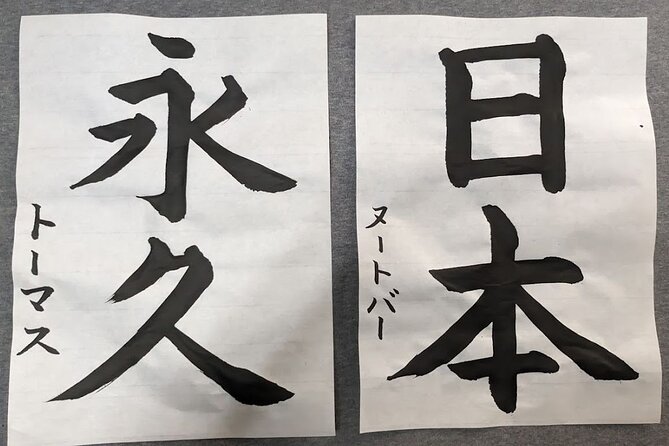
This private lesson turns a blank sheet into a personal piece of Japanese writing, with patient guidance from a real calligraphy professional. I especially like the private, question-friendly format and the step-by-step path from basic patterns to your own favorite Japanese word. One possible drawback: it’s not a quick photo-op. You’ll do real writing, and you’ll need a little patience for learning strokes.
The setting helps, too. You start in Tsukiji, then the day naturally flows toward Ginza shopping and food around Tsukiji’s food street. At $51.24 for about 1 hour 30 minutes, it’s a good value if you want something more memorable than another city wander.
In This Review
- Key reasons this class works
- Enter Tsukiji: Why This Calligraphy Lesson Fits the Neighborhood
- Where You Meet and How the Day Flows
- The 90-Minute Plan: Patterns, a Tough Character, Then Your Own Word
- Step 1: Basic pattern writing
- Step 2: A difficult character challenge
- Step 3: Choose your favorite word(s) and finish your piece
- Your Instructor and Assistant: Patient, Hands-On Teaching
- Tools and What You Take Home
- Price and Value: Why $51.24 Can Be a Deal
- Adding Ginza Shopping and Tsukiji Dinner After Class
- Who Should Book This Private Calligraphy Class
- How to Get the Best Results on Your Piece
- FAQ
- FAQ
- How long is the calligraphy experience?
- Is this class private?
- Where does the experience start?
- What do I create during the class?
- What materials are included?
- Do I need to bring my own calligraphy tools?
- Is transportation included?
- Is there shopping and dinner involved?
- Are photos included?
- What is the cancellation policy?
- Should You Book This Calligraphy Experience in Ginza and Tsukiji?
Key reasons this class works
- Private instruction that stays personal: only your group participates, and you can ask as many questions as you like.
- A clear skill ladder: basic pattern writing first, then a tougher character challenge.
- You leave with something to display: you finish your piece based on your chosen Japanese word(s).
- Professional-grade teaching: the lead instructor is authorized by the Japan Educational Calligraphy Federation and is a professional calligraphy writer.
- Tokyo’s best pairing, planned in: Ginza shopping nearby plus Tsukiji food street dinner after the class.
- Photos for the memory: the class includes photos that get shared with you so you don’t rely only on your phone.
Enter Tsukiji: Why This Calligraphy Lesson Fits the Neighborhood
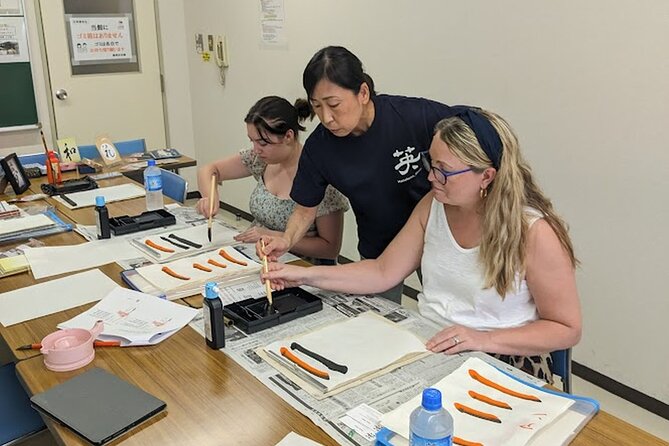
Tsukiji and Ginza are a fun combo for a hands-on cultural experience. You get the grounded, local feel of Tsukiji around the start point, then you can pivot into Ginza’s shopping energy afterward without needing extra transit planning.
The biggest practical win is that the experience isn’t trapped inside a studio bubble. The outline of the day is built to keep you moving from craft to city life: learn the strokes, then use the rest of the time to wander shops and eat nearby.
More market breakfasts our reviewers scored
- Tokyo Tsukiji Fish Market Food and Culture Walking Tour
★ 5.0 · 3,184 reviews - Tokyo: Tsukiji Fish Market Food and Walking tour
★ 5.0 · 1,724 reviews - Tokyo: Tsukiji Fish Market Guided Walking Tour
★ 4.9 · 1,397 reviews - Tokyo Sushi Making Class in Tsukiji with Professional Chef
★ 5.0 · 1,177 reviews
Where You Meet and How the Day Flows
You meet at 3-chōme-15-1 Tsukiji, Chuo City, Tokyo 104-0045, Japan. The activity ends back at the meeting point, so you don’t have to stitch together a long route home afterward.
It runs about 1 hour 30 minutes, and you receive a mobile ticket. That matters in Tokyo, where you want things simple and predictable when you’re switching between subway lines and street walks.
Most travelers can participate. That’s important because calligraphy can feel intimidating from afar, especially if your Japanese reading skill is limited. This lesson is designed for beginners as well as people who want a structured challenge.
And yes, it’s truly private. No other group joins, so your instructor can slow down for your questions and your pace instead of rushing through a schedule meant for strangers.
The 90-Minute Plan: Patterns, a Tough Character, Then Your Own Word
Here’s the course in plain steps, and why it’s such a smart way to teach calligraphy.
Step 1: Basic pattern writing
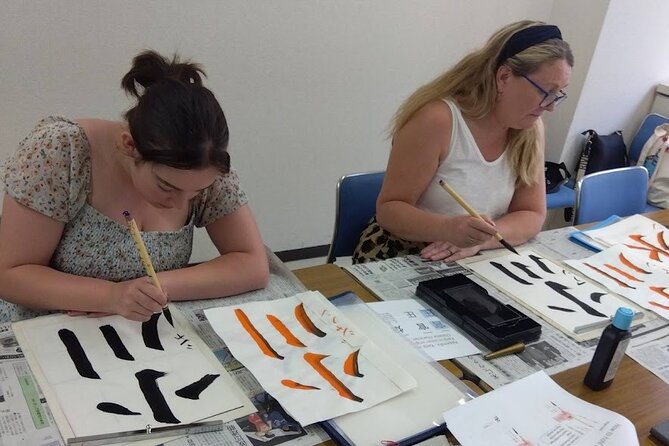
You start with basic pattern writing. This is where you learn how to control the brush. Think less about spelling and more about shape, pressure, and stroke direction.
This step is also calming. When you begin with patterns, your hand gets used to the motion before you attempt a character that feels complicated.
Step 2: A difficult character challenge
Then comes the challenge character. The idea is to build on what you just practiced, but raise the difficulty so you leave with real progress.
This is a good place to ask questions. If you notice a stroke isn’t landing right, you can get corrections immediately and understand what to fix next time.
More hands-on studios our readers booked
- Tokyo Shinjuku Chopsticks Making Class★ 5.0 · 1,763 reviews
- Chopstick Making Workshop in Ginza★ 4.8 · 1,366 reviews
- Kintsugi Experience: Art of Golden Joinery in Tokyo★ 5.0 · 467 reviews
- Tokyo Chopstick Making Workshop with Artisan★ 5.0 · 466 reviews
- Tokyo: Shinjuku Chopstick Making Class★ 4.9 · 440 reviews
Step 3: Choose your favorite word(s) and finish your piece
Finally, you choose your favorite Japanese word(s) and complete the product. That part is the payoff. You’re not just copying examples; you’re creating something with meaning for your trip.
In the same way a souvenir photo freezes a moment, this freezes a personal choice. When you hang it at home, you’ll remember why you picked that word, not just that you visited Tokyo.
Your Instructor and Assistant: Patient, Hands-On Teaching
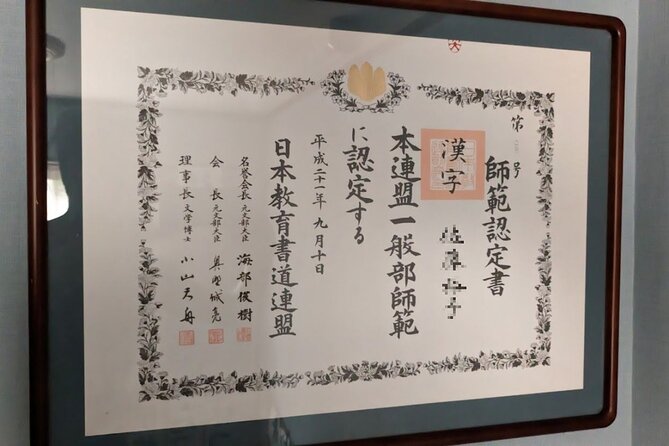
The lead instructor is authorized by the Japan Educational Calligraphy Federation and is a professional calligraphy writer. That matters because calligraphy has technique. Good teaching isn’t just about writing correctly once; it’s about building muscle memory and stroke awareness.
From the way the class is described and supported by feedback, the vibe is also human. The teaching style is patient and supportive, and an assistant (named Kenji) helps keep things moving. The instructor (often referenced as Yuko-sensei) explains and demonstrates, then guides your hand through the steps.
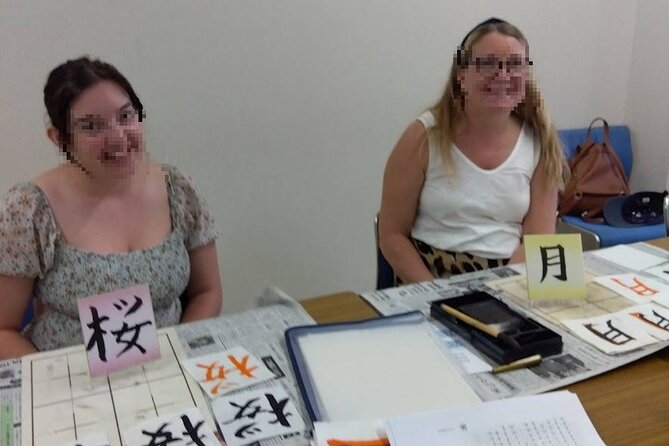
Another helpful detail: photos are taken during the class and shared afterward. That’s great if you want to focus on writing in the moment without constantly checking your phone.
Tools and What You Take Home
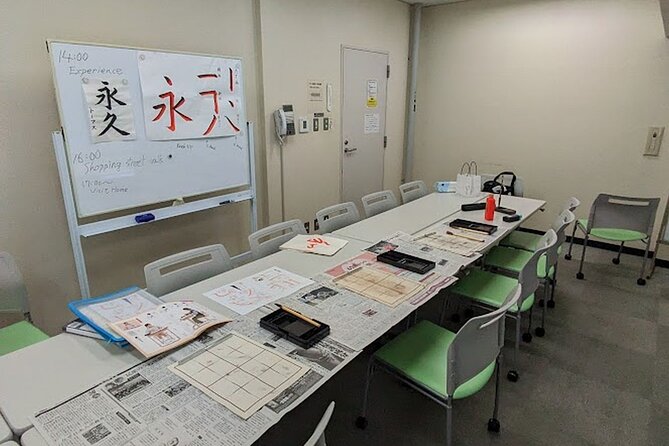
Everything you need is prepared. That means you don’t arrive worrying about supplies.
Included tools are:
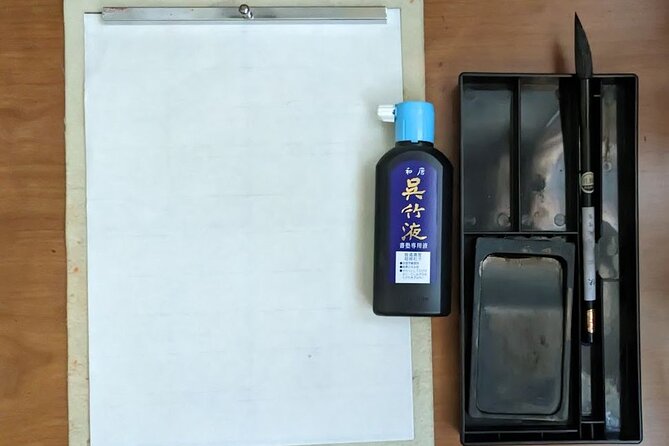
- Brush and ink
- Paper and other materials like a paper stone
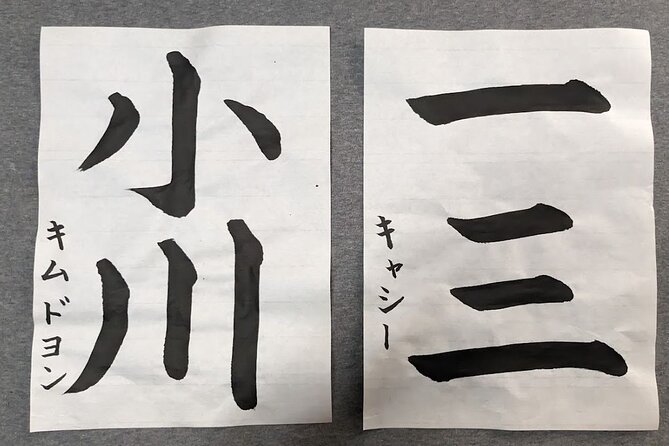
The end result is designed for display at home. You’re making a finished calligraphy product based on the Japanese word(s) you select, plus the practice you do along the way.
A quick consideration: because you’re working with brush and ink, you’ll want to treat your materials with care once you’re done. Don’t pack it like a t-shirt that can get crushed.
Price and Value: Why $51.24 Can Be a Deal
At $51.24 per person, this isn’t bargain-basement, but it is fairly priced for a private, instructor-led art session in central Tokyo.
Here’s what you’re really paying for:
- Private time with a professional calligrapher (not a crowded group class)
- Real instruction through multiple skill stages: patterns, a harder character, then your own word
- Included materials (brush, ink, paper, and the setup tools)
- A product you can keep, meant for display
If you’ve ever paid for a museum ticket plus a generic workshop with no real coaching, this feels different. You get guided feedback while you’re learning strokes. That’s the part that makes it worth it.
If you’re on a tight schedule, watch the value from the other angle. This is 1 hour 30 minutes. You’re spending focused time writing, not browsing. For some people that’s exactly the point.
Adding Ginza Shopping and Tsukiji Dinner After Class
The experience is designed to layer in the neighborhood after your lesson. You’re headed for some shopping in the nearby Ginza shopping district, and then you can enjoy dinner after at the Tsukiji food street area.
This matters because you’ll likely have decisions to make right away: Do you want to shop lightly and eat sooner, or shop longer and treat dinner like the main event? Since the class ends back at the meeting point, you’re starting your walk from a convenient base.
Practical tip: plan your word choice before you start buying things. If you’ve already picked a Japanese word that feels personal, shopping later becomes fun instead of stressful. If you haven’t, let the lesson guide you—your instructor helps you choose and complete your piece.
Who Should Book This Private Calligraphy Class
I’d point you toward this experience if you want a Tokyo memory that’s hands-on. It’s a great fit for:
- First-timers who feel intimidated by Japanese culture but want something structured
- Families who want a private moment of learning and creativity together
- Travelers who like making a souvenir with real effort behind it
- Anyone who enjoys crafts and wants to understand how writing works beyond letters on a screen
It may be less ideal if you only want quick sightseeing, or if you strongly dislike activities that require quiet focus and fine-motor work.
How to Get the Best Results on Your Piece
You’ll get the most out of the class if you treat it like a skill-building session, not a pass/fail test.
Here are the habits that usually pay off in calligraphy lessons like this:
- Ask questions early when you see a stroke go off-course. The class is built for that.
- Go slow on basics. The pattern writing isn’t filler. It’s how your hand learns the feel.
- Pick a word you actually want to live with. Since you’re taking it home for display, meaning matters more than choosing something that looks impressive.
- Embrace the difficult character step. That’s where you learn the most, and it’s the part that turns the class into more than a simple craft.
And if you’re bringing family members: tell them up front that the goal is learning. The instructions are supportive, and the teaching style is described as step-by-step, which helps everyone stay relaxed.
FAQ
FAQ
How long is the calligraphy experience?
It runs for about 1 hour 30 minutes.
Is this class private?
Yes. It’s a private tour/activity, and only your group participates.
Where does the experience start?
The meeting point is 3-chōme-15-1 Tsukiji, Chuo City, Tokyo 104-0045, Japan.
What do I create during the class?
You start with basic pattern writing, then practice a more difficult character, and finally choose your favorite Japanese word(s) to complete a calligraphy product intended for display at home.
What materials are included?
Tools are prepared for you, including brush, ink, paper, and paper stone (plus related supplies).
Do I need to bring my own calligraphy tools?
No. The class provides the tools and materials.
Is transportation included?
No. Private transportation is not included.
Is there shopping and dinner involved?
The experience description includes going to the nearby Ginza shopping district for shopping and enjoying dinner after the class at the nearby Tsukiji food street. Meals and shopping costs are not listed as included.
Are photos included?
Photos are taken during the class and shared with you.
What is the cancellation policy?
You can cancel for free up to 24 hours in advance for a full refund. If you cancel less than 24 hours before the start time, the amount paid is not refunded.
Should You Book This Calligraphy Experience in Ginza and Tsukiji?
Book it if you want a Tokyo souvenir with actual learning behind it. This is the kind of private class that turns calligraphy from something you admire into something you can understand—stroke by stroke—while also leaving with a finished piece you can display at home.
Skip it if you want a purely passive activity or if you’re only looking for quick photos. This is hands-on writing, guided in a calm, supportive way, and that works best when you’re ready to slow down and practice.
If your ideal day in Tokyo includes craft plus neighborhood wandering, this is a smart match. You learn your characters in Tsukiji, then you move on to Ginza shopping and Tsukiji food afterward with a story you can hold in your hands.
More Tour Reviews in Tokyo
- Mt Fuji and Hakone 1-Day Bus Tour Return by Bullet Train
★ 5.0 · 26,383 reviews - 1-Day Tokyo Bus Tour
★ 5.0 · 14,250 reviews - Tokyo: teamLab Planets TOKYO Digital Art Museum Entry Ticket
★ 4.6 · 9,779 reviews - Mt Fuji & Hakone Cruise, Drum Show Bullet Train 1 Day from Tokyo
★ 4.0 · 7,413 reviews - Tokyo: Shinjuku Food Tour (13 Dishes at 4 Local Eateries)
★ 5.0 · 6,603 reviews
More Artisan Workshops in Tokyo
- Tokyo Shinjuku Chopsticks Making Class
★ 5.0 · 1,763 reviews - Chopstick Making Workshop in Ginza
★ 4.8 · 1,366 reviews - Kintsugi Experience: Art of Golden Joinery in Tokyo
★ 5.0 · 467 reviews - Tokyo Chopstick Making Workshop with Artisan
★ 5.0 · 466 reviews - Tokyo: Shinjuku Chopstick Making Class
★ 4.9 · 440 reviews
More Tsukiji Market Breakfasts
- Tokyo Tsukiji Fish Market Food and Culture Walking Tour
★ 5.0 · 3,184 reviews - Tokyo: Tsukiji Fish Market Food and Walking tour
★ 5.0 · 1,724 reviews - Tokyo: Tsukiji Fish Market Guided Walking Tour
★ 4.9 · 1,397 reviews - Tokyo Sushi Making Class in Tsukiji with Professional Chef
★ 5.0 · 1,177 reviews - Tsukiji Fish Market Guided Tour and Sushi Making with Pro Chef
★ 5.0 · 775 reviews
Latest Tokyo reviews off our desk






Tsukiji Market Food Tours, compared.
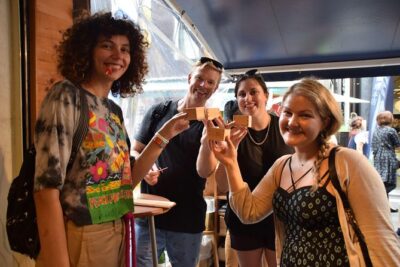 ★ 5.0Tokyo Tsukiji Fish Market Food and Culture Walking TourFrom $993,184 reviews
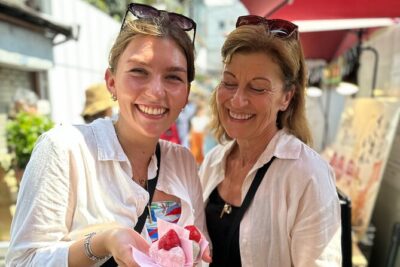 ★ 5.0Tsukiji Fish Market Food and Walking tourFrom $301,724 reviews
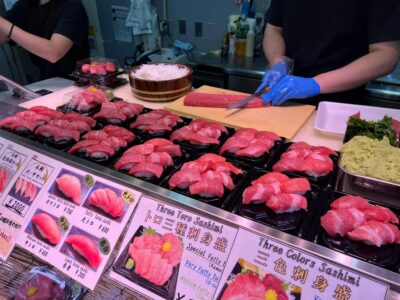 ★ 4.9Tsukiji Fish Market Guided Walking TourFrom $221,397 reviews
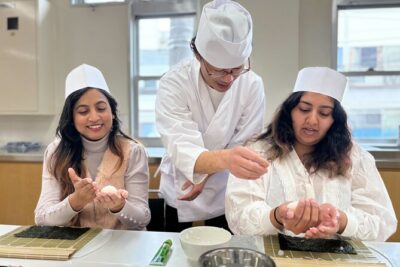 ★ 5.0Tokyo Sushi Making Class in Tsukiji with Professional ChefFrom $491,177 reviews
 ★ 5.0Tsukiji Fish Market Guided Tour and Sushi Making with Pro ChefFrom $104775 reviews
★ 4.7Tsukiji Fish Market Food and Culture Walking TourFrom $96757 reviews
★ 5.0Tsukiji Fish Market Guided Tour and Sushi Making with Pro ChefFrom $104775 reviews
★ 4.7Tsukiji Fish Market Food and Culture Walking TourFrom $96757 reviews
 ★ 5.0Tsukiji Fish Market: Street Food & Culture Walking TourFrom $33669 reviews
 ★ 5.0Tsukiji Fish Market Small-Group Food Walking TourFrom $87621 reviews
Browse the lists this tour appears in