
Reviewed · ASAKUSA & SENSOJI TOURS
Cherry Blossom Highlights, Asakusa, Ueno, Imperial Palace Garden
Cherry blossoms plus markets, all in one day. I like how this tour mixes peaceful garden time with hands-on food culture in Tsukiji, and you also get real support using public transportation. I’ve seen that guides such as Hiroko and Nobuko Akimoto can be especially helpful with cultural questions. One possible drawback: communication level can vary, so if you rely heavily on English, it’s worth confirming how your guide prefers to explain things.
A big idea here is timing. Cherry blossoms in Tokyo can peak early, so the guide may swap locations to keep you seeing flowers, including options known for later blooms like Hama-Rikyu.
In This Review
- Key highlights and what matters
- Why this Cherry Blossom and Asakusa-to-Ueno route makes sense
- Getting around Tokyo with a guide (and not turning it into a stressful day)
- Imperial Palace East Gardens: Edo Castle ruins and a free, quiet start
- Tsukiji Outer Market: traditional food culture plus a sushi meal
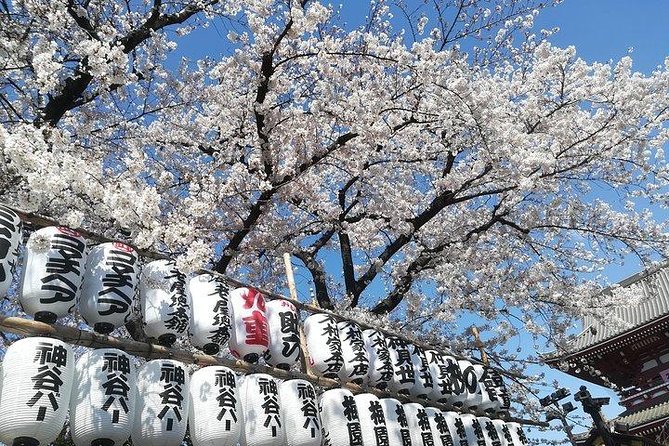
- Senso-ji Temple and Nakamise Street: classic Asakusa cherry viewing
- Ueno Park: thousand-plus cherry blossoms and temple landmarks
- Ameyoko Shopping Street: local food, everyday goods, and souvenir odds
- Price and value: what you’re really paying for
- Seasonal swaps when the blossoms are already fading
- Who should book this (and who might prefer something else)
- Should you book this cherry blossom and Tsukiji tour?
- FAQ
- What time does the tour start?
- How long is the cherry blossom tour?
- Is pickup offered, or do I meet at a specific location?
- Is lunch included in the price?
- Are admission fees included for the main sights?
- Is this a private tour?
- What happens if the weather is bad?
Key highlights and what matters
- Private, only-your-group experience: you get a licensed guide who can adjust the pace and focus.
- Public transit coaching: you learn the practical route logic, not just the sights.
- Imperial Palace East Gardens start: a calm morning walk with Edo Castle context and free entry.
- Tsukiji Outer Market for a sushi meal: guidance through the food lanes where lines form fast.
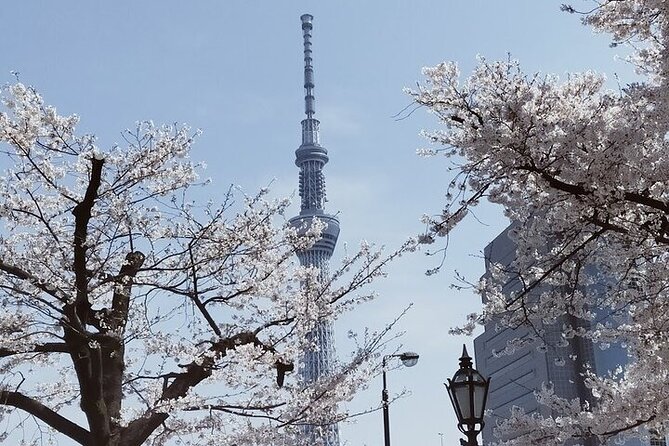
- Asakusa + Senso-ji cherry views: temple steps, Nakamise Street, and classic old-town Tokyo.
- Ueno Park and Ameyoko: blossoms around major temple sites, then local shopping and street-food style snacks.
Why this Cherry Blossom and Asakusa-to-Ueno route makes sense
Tokyo cherry blossom tours can fall into two types: either you see flowers, or you see real city life. This one tries to do both in a smooth, logical path. You start with the Imperial Palace East Gardens, then head toward Tsukiji for food, and finish with temple and park cherry viewing around Asakusa and Ueno.
What I like most for you is the structure. You don’t spend your whole day hopping randomly between places, and the guide can help you move efficiently using public transportation. The day also has built-in variety: gardens, market energy, temple streets, and then shopping at a place locals actually eat and drink.
More temple mornings in old Asakusa
- Tokyo: Japanese Dance Cabaret Theater Asakusa-Kaguwa Ticket
★ 4.8 · 2,270 reviews - Tokyo: Meiji Shrine, Asakusa, Skytree Bus Tour and Cruise
★ 4.7 · 1,986 reviews - Tokyo: Roll and Authentic Sushi Making Class in Asakusa
★ 4.9 · 1,957 reviews - Tokyo: Asakusa Walking Tour with Sensoji Temple Visit
★ 4.8 · 1,583 reviews
Getting around Tokyo with a guide (and not turning it into a stressful day)
This is a private tour, but it’s not private transportation. That matters. You’ll likely rely on Japan’s public transit with your licensed guide helping you understand how to get from place to place and what to look for along the way.
That’s the real value for many visitors: Japan’s transit system is good, but it can still feel like a puzzle when you’re tired and the station signs are in a sea of kanji and kana. Having someone show you the route logic and keep the day on track can save time and reduce frustration.
Also note the day runs about 6 to 7 hours starting at 9:00 am. With that start time, you’ll get the best odds for calmer walking in the morning and better cherry blossom light later in the day. You should also expect a moderate amount of walking, especially around temple grounds and shopping streets, so plan shoes you can handle for hours.
Imperial Palace East Gardens: Edo Castle ruins and a free, quiet start
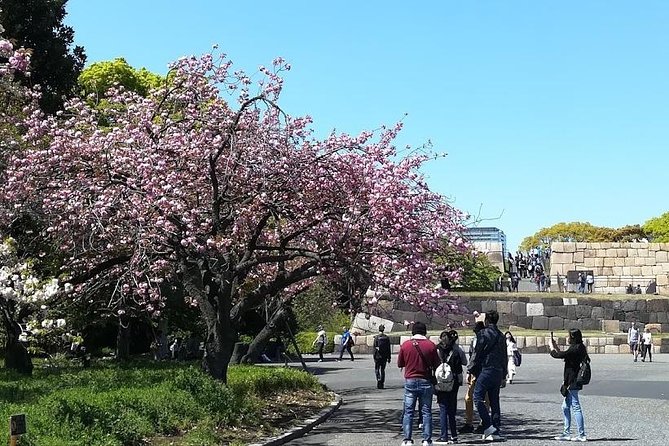
The East Gardens of the Imperial Palace are a smart opening act. You’re on the old site of Edo Castle ruins, and the grounds are surrounded by moats and stone walls. That mix of greenery and historic geometry gives you something you don’t always get at busier cherry blossom spots.
This stop is also a practical win: it’s listed as free admission, so you’re not spending extra money just to get started. The guide’s job here is usually to help you connect what you’re seeing—moats, walls, pathways—with the Edo-era context, so the stroll feels more meaningful than just scenic.
One more thing: cherry blossom timing can be tricky in this area. If blossoms have already started dropping where you expected to see them, the guide may adjust the plan to protect the flower experience. That’s not a problem with the tour idea; it’s Tokyo in spring. The key is that the day is designed to respond to timing.
Tsukiji Outer Market: traditional food culture plus a sushi meal
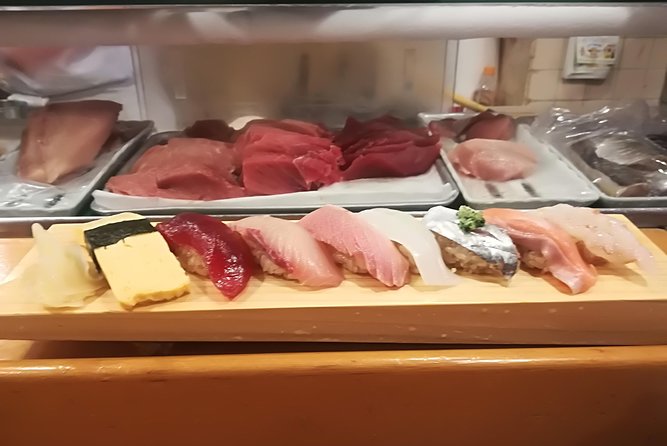
Tsukiji is one of those places where you either wing it and lose time, or go with someone who helps you read the crowd. Here, the tour treats Tsukiji like a living food park where you can smell grilling seafood and see stall life up close.
At noon, the Outer Market lanes can get packed. That’s exactly when your guide’s help matters: you’ll get a sense of where to look for bite-size treats, how to handle long lines, and how to order without feeling lost. The experience highlights include Tsukiji and sushi options, which is a great pairing because you’re already doing cherry viewing, then switching gears to eat.
Important practical note: lunch is not included. That means you’ll want to budget extra for what you choose to eat. The upside is freedom: you can spend more if you want sushi as a full meal, or you can keep it lighter and do more tasting.
Senso-ji Temple and Nakamise Street: classic Asakusa cherry viewing
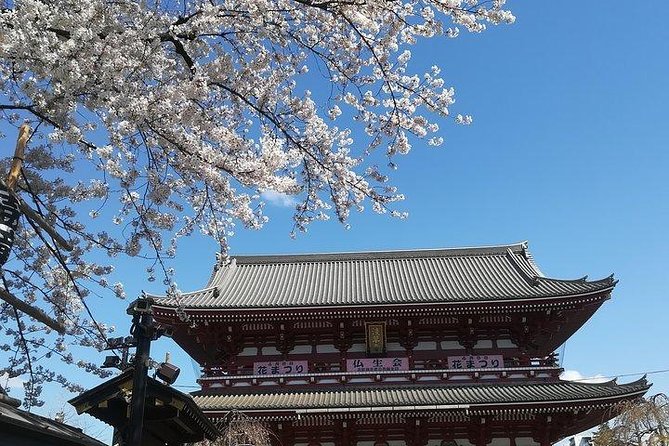
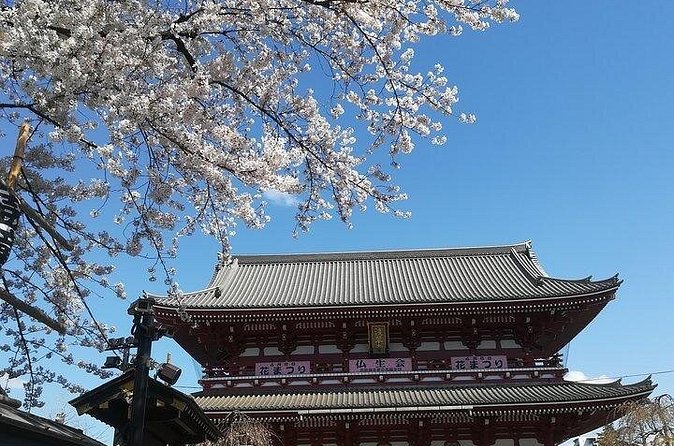
Senso-ji is old Tokyo at full volume. Even if you’ve seen photos, standing near the temple in cherry season feels different because the crowds move in waves and the street textures are real: stone steps, souvenir stalls, and that long walk down Nakamise Street from the Thunder Gate.
Cherry blossoms add a softer layer to the same scene. This stop is listed as about 2 hours, which is a good length for both slow looking and practical shopping. You’ll have time to pause for blossom views without feeling rushed, then still wander and pick up small traditional items along the way.
One drawback to plan for: Asakusa can be crowded, especially around peak bloom times. If you’re sensitive to noise or dense crowds, pick times to slow down—let your guide know when you want quieter corners, and focus on shorter photo pauses rather than trying to stop everywhere at once.
More Ueno tastings on our list
- Eat and Drink Like a Local: Tokyo Ueno Food Tour-Taverns&Ramen★ 5.0 · 957 reviews
- Tokyo: Food Tour in Ueno with 10+ Tastings of Japanese Classics★ 5.0 · 303 reviews
- Tokyo Ueno Food Tour Sushi Ramen and Local Favorites★ 5.0 · 54 reviews
- Japanese Food Experience Night Tour in Ueno★ 5.0 · 47 reviews
- Tokyo Ueno Food & Nature & Localtown Tour: 10Dishes+ Drinks★ 5.0 · 34 reviews
Ueno Park: thousand-plus cherry blossoms and temple landmarks
Ueno Park is famous for cherry viewing for a reason. It’s lined with more than a thousand cherry blossoms, and the park area includes major temple remnants connected to the Tokugawa family. That means you’re not just looking at trees—you’re looking at a whole historical setting.
This stop is also a nice break from the more intense market streets. With about 1 hour here, you can do a loop at a comfortable pace, see blossoms, and still have time for the rest of the day. Two specific landmarks called out in the tour description are Ueno Toshogu and Kiyomizu Kannon, plus the Shinobazu pond area.
If you’re the type who likes to understand what you’re seeing, ask your guide to point out how those temple sites relate to the broader Tokugawa legacy. It helps the scene click in your head, especially if you’re only in Tokyo for a few days.
Ameyoko Shopping Street: local food, everyday goods, and souvenir odds
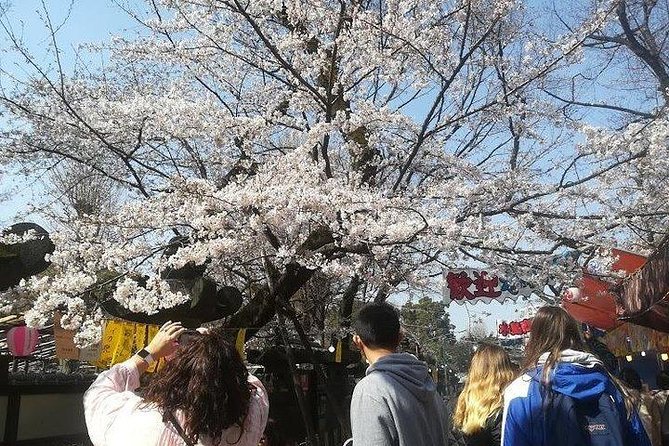
After the parks and temples, Ameyoko (Ameya Yokocho) brings you back to daily life. This shopping arcade is lined with shops selling fresh fish, food, daily goods, and souvenirs. The big difference from many tourist-only streets is that local people also eat and drink at the small food stands.
Your tour time here is about 1 hour. That’s usually enough to:
- grab a snack,
- browse a few blocks,
- and buy anything small you missed earlier.
It’s also a good place for a final cherry-season vibe check. By the time you reach Ameyoko, you’ve usually walked past multiple blossoms and temple views, so the shopping street becomes your “Tokyo reality” moment.
Price and value: what you’re really paying for
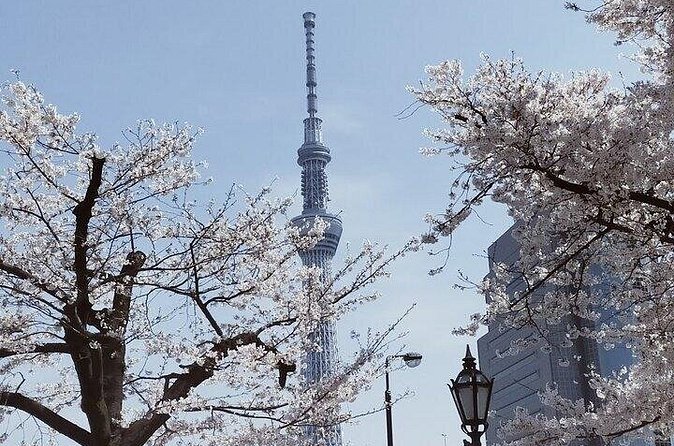
At $221.12 per person for a 6 to 7 hour private guided day, you’re not just paying for cherry blossoms. You’re paying for a licensed guide, planning flexibility based on seasonal timing, and help with public transportation.
Here’s the value equation for your budget:
- Admission at the stops listed is free, which helps keep direct costs down.
- Your guide can reduce time-waste between distant neighborhoods.
- You get Tsukiji guidance in a place where crowds can eat your schedule if you’re not ready.
But you should still plan for extra spending. Lunch is not included, and food at Tsukiji and snacks at Ameyoko will likely be out-of-pocket. If you want sushi as a full meal, budget for it rather than assuming it’s covered.
Also consider tipping. Gratuities are not included, but tipping is expected as an expression of satisfaction. The suggested amounts given are based on the tour price, so plan around that if you want to do the math ahead of time.
Seasonal swaps when the blossoms are already fading
Cherry blossom tours succeed or fail on timing. One important detail from the experience is that the guide may choose a different cherry location if your first option is past peak.
For example, there’s mention of a case where cherry blossoms were almost over in the Imperial Palace area, and the guide adjusted by selecting Hama-Rikyu instead. Hama-Rikyu is known for later cherry blooms, which can keep the flower day alive even when spring arrives early.
So if you book this around a period when blossoms might be already moving along, don’t assume you’re stuck with a single fixed plan. The structure is meant to shift with what’s actually blooming.
Who should book this (and who might prefer something else)
This tour is a strong fit if you want:
- a cherry blossom day that also includes Tokyo food culture,
- help with public transit so you don’t waste time between neighborhoods,
- and a guide who can answer questions and adjust what matters most to you.
It’s especially good if you’re the kind of traveler who likes stepping into a place and understanding how it works—what you’re looking at, why it matters, and how the daily routines show up in markets and shopping streets.
If your main goal is only the biggest cherry photo spots with zero crowd friction, you might prefer a strictly focused blossom itinerary. This one adds market and shopping time, which is fun, but it also means you’ll share space with spring-season crowds.
Should you book this cherry blossom and Tsukiji tour?
I think this is a book-worthy choice if you want a well-paced Tokyo spring day that blends iconic sights with real food moments. The mix of Imperial Palace East Gardens, Tsukiji market, Senso-ji, Ueno Park, and Ameyoko gives you a rounded Tokyo snapshot rather than a single-spot photo mission.
One more decision tip: if English support is important to you, treat that as a key selection factor. The best versions of this tour feel effortless because the guide can explain and adjust. If communication is weaker, you can still enjoy the sights, but you’ll miss some of the cultural context.
If you’re flexible on timing and you’re happy to spend money on lunch and snacks, this tour offers good value for a private, guided spring day with cherry blossoms and food culture in the same sweep.
FAQ
What time does the tour start?
The tour starts at 9:00 am.
How long is the cherry blossom tour?
It runs about 6 to 7 hours.
Is pickup offered, or do I meet at a specific location?
Pickup is offered, and the meeting points are near public transportation.
Is lunch included in the price?
No. Lunch is not included, though you can enjoy food options at stops like Tsukiji.
Are admission fees included for the main sights?
The itinerary’s listed stops include admission tickets marked as free.
Is this a private tour?
Yes. It’s private, and only your group will participate.
What happens if the weather is bad?
The experience requires good weather. If it’s canceled due to poor weather, you’ll be offered a different date or a full refund. You can cancel up to 24 hours in advance for a full refund.
More Imperial Palace Walks
- Tokyo: Imperial Palace and Shogun Historical Walking Tour
★ 5.0 · 2,251 reviews - Tokyo: Imperial Palace Japanese History Walking Tour
★ 4.9 · 987 reviews - Tokyo: Imperial Palace and Shogun Walking Tour
★ 4.9 · 935 reviews - Imperial Palace East Garden and Edo Castle Walking Tour in Tokyo
★ 5.0 · 510 reviews - Tokyo: Imperial Palace East Gardens Walking Tour
★ 4.8 · 353 reviews
More Ueno Tastings
- Eat and Drink Like a Local: Tokyo Ueno Food Tour-Taverns&Ramen
★ 5.0 · 957 reviews - Tokyo: Food Tour in Ueno with 10+ Tastings of Japanese Classics
★ 5.0 · 303 reviews - Tokyo Ueno Food Tour Sushi Ramen and Local Favorites
★ 5.0 · 54 reviews - Japanese Food Experience Night Tour in Ueno
★ 5.0 · 47 reviews - Tokyo Ueno Food & Nature & Localtown Tour: 10Dishes+ Drinks
★ 5.0 · 34 reviews
More Mornings in Old Asakusa
- Tokyo: Japanese Dance Cabaret Theater Asakusa-Kaguwa Ticket
★ 4.8 · 2,270 reviews - Tokyo: Meiji Shrine, Asakusa, Skytree Bus Tour and Cruise
★ 4.7 · 1,986 reviews - Tokyo: Roll and Authentic Sushi Making Class in Asakusa
★ 4.9 · 1,957 reviews - Tokyo: Asakusa Walking Tour with Sensoji Temple Visit
★ 4.8 · 1,583 reviews - Tokyo Asakusa Rickshaw Tour
★ 5.0 · 1,375 reviews
Latest Tokyo reviews off our desk






Asakusa & Sensoji Tours, compared.
 ★ 4.8Japanese Dance Cabaret Theater Asakusa-Kaguwa TicketFrom $492,270 reviews
 ★ 4.7Meiji Shrine, Asakusa, Skytree Bus Tour and CruiseFrom $1221,986 reviews
 ★ 4.9Roll and Authentic Sushi Making Class in AsakusaFrom $581,957 reviews
 ★ 4.8Asakusa Walking Tour with Sensoji Temple VisitFrom $221,583 reviews
 ★ 5.0Tokyo Asakusa Rickshaw TourFrom $421,375 reviews
 ★ 4.5Tokyo Panoramic 1 Day: Meiji Shrine, Asakusa, Odaiba and SKYTREE®From $851,222 reviews
 ★ 5.0Tokyo Go Kart: Asakusa, Skytree, and Akihabara **IDP MUST**From $99988 reviews
 ★ 4.7Asakusa, Skytree & Akhihabara Go-Kart City ExperienceFrom $96761 reviews
Browse the lists this tour appears in