
Reviewed · CRAFT & ARTISAN WORKSHOPS
Craft Your Own Elegant Handmade Chopsticks from Scratch
Hand tools, quiet wood scent, your own chopsticks. This Tokyo workshop in Sasazuka turns you from chopstick user into chopstick maker, using hinoki/cypress wood and finishing with oil to match how you hold food. Two things I really liked: you get step-by-step guidance while still shaping your own style, and the optional lacquer-coating part lets you see how Japanese crafts move beyond daily utensils. One possible drawback: it’s a short, hands-on session, so if you’re hoping for a long deep study of lacquer or want a private class, this probably won’t feel long enough.
I also appreciated how practical it felt. The shop is in a residential area, the pace is calm, and the staff keep things easy to follow—especially if your English is limited (in one group, the guide named Amy handled translation and teaching history). If you’re the type who gets bored by “museum talk,” this is more about your hands and your decisions than lectures.
In This Review
- Key things that make this experience worth your time
- Entering The Sasazuka Workshop: Why This Chopstick Class Feels Different
- Price and What You Actually Get: Is $97.98 Good Value?
- Getting There: Sasazuka Station Meet-Up and How the Timing Works
- The Chopstick-Making Session: Tools, Cypress/Hinoki, and Creative Control
- Refining to the Right Feel: Sanding and the Camellia Oil Finish
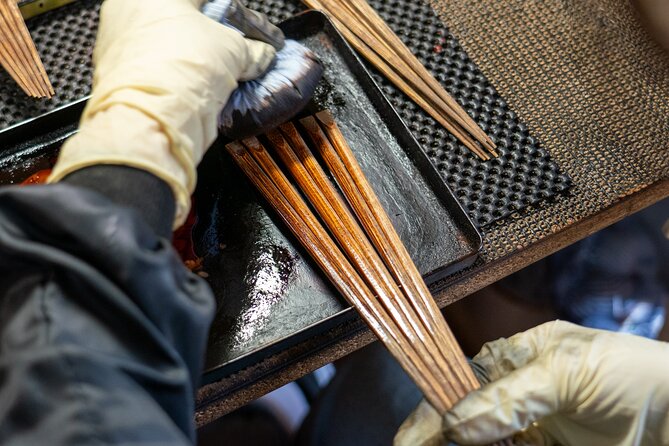
- Optional Lacquer Coating: A Rare Look at Workshop Culture
- Learning With an English-Speaking Guide: What to Expect
- What the Workshop Teaches Beyond Chopsticks
- Group Size, Pace, and Practical Expectations
- Who Should Book This Chopstick Workshop
- Tips to Make Your 2 Hours Go Smoothly
- Should You Book? My Honest Take
- FAQ
- How long is the chopstick-making experience?
- Where do I meet for the workshop?
- What do I make and take home?
- Is lacquer coating included or optional?
- Is there an English-speaking guide?
- What is the group size?
- Can I get a full refund if I change my plans?
Key things that make this experience worth your time
- Carve from hinoki/cypress with a craftsman’s tools, not just a craft demo
- Make chopsticks tailored to you, including how they feel in your grip
- Small group size (up to 6) means more attention as you work
- Optional lacquer coating workshop access, including a look at lacquer process
- Oil finishing with camellia oil, so the tools feel good from day one
- English-speaking support helps you understand choices and techniques
Entering The Sasazuka Workshop: Why This Chopstick Class Feels Different
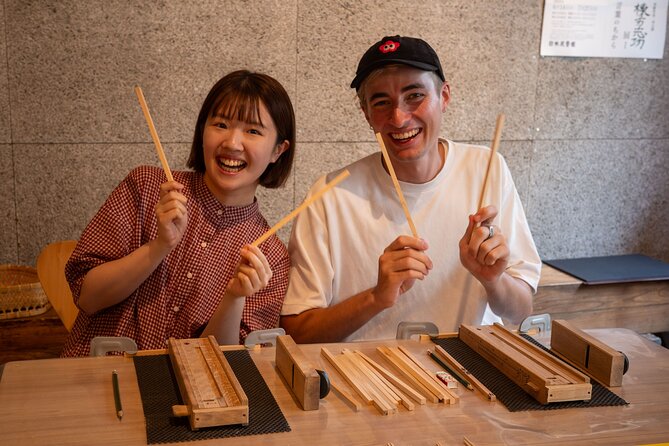
Tokyo has plenty of craft experiences where you leave with something pretty and forget about it a week later. This one has a more “real life” energy: you’re making eating tools that you’ll actually use, and you’re learning why different shapes exist in the first place.
The location matters, too. Sasazuka is a calm pocket near Shinjuku, and the workshop sits in a quieter neighborhood vibe rather than a tourist-heavy corridor. That calm setting helps you focus, especially once the tools come out and you’re shaping wood by hand.
You also get a peek at how Japan thinks about small design details. Chopsticks aren’t treated as one-size-fits-all there; they’re treated like functional tools, chosen for different foods and different hands.
More hands-on studios our readers booked
- Tokyo Shinjuku Chopsticks Making Class
★ 5.0 · 1,763 reviews - Chopstick Making Workshop in Ginza
★ 4.8 · 1,366 reviews - Kintsugi Experience: Art of Golden Joinery in Tokyo
★ 5.0 · 467 reviews - Tokyo Chopstick Making Workshop with Artisan
★ 5.0 · 466 reviews
Price and What You Actually Get: Is $97.98 Good Value?
At $97.98 per person, this isn’t the cheapest “make a souvenir” activity in Tokyo. But it’s also not trying to compete with mass-produced kits, and that’s where the value comes from.
What you receive is the point: the experience includes custom made chopsticks that you take home. You’re not painting a ceramic plate and leaving it at that; you’re carving, refining, and finishing a pair designed for your grip and your preferred use.
The other value factor is the optional add-on. If you choose the lacquer-coating experience, you’re paying for access to a normally off-limits lacquer workshop area and hands-on process time. That’s the kind of craft culture detail that’s hard to find on your own.
Getting There: Sasazuka Station Meet-Up and How the Timing Works
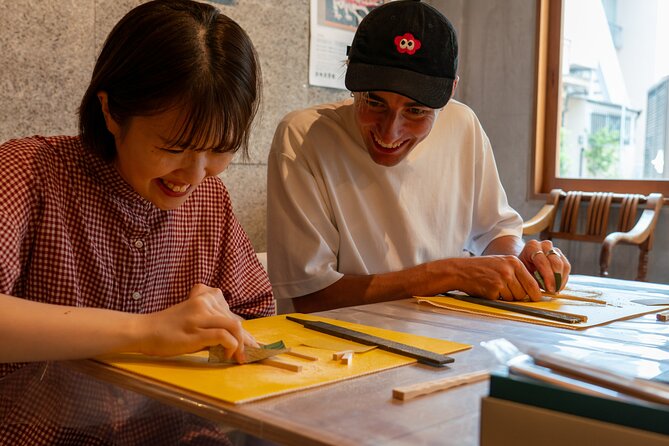
You meet at Sasazuka Station, then head to the store/workshop (about a short transfer). The whole activity runs about 2 hours total, and the schedule is structured so the main part of your time is actually working.
Once you arrive, you don’t get stuck waiting. The flow is pretty direct: brief move with the guide, then your hands-on chopstick-making session, and if you opt in, the lacquer-coating segment follows.
Because it’s near public transportation, you can fit this into a normal Tokyo day without planning a whole logistics map. Still, I’d suggest you build in a little extra time around the meeting point so you’re not rushing right before you start carving.
The Chopstick-Making Session: Tools, Cypress/Hinoki, and Creative Control
This is where the class wins hearts. You learn how to carve chopsticks from hinoki/cypress wood using a craftsman’s tools in a quiet workshop setting. It’s hands-on from early on, and you’ll get guidance while still being allowed to make choices.
A big plus is how the instruction balances technique with personal preference. You’re shaping the form, refining it with sandpaper, and working toward chopsticks that fit how you handle them. That’s not just “be creative”—it’s creative within functional limits.
You’ll also learn why chopsticks come in different types. Japan uses different chopsticks depending on what you’re eating, including foods like sushi, tempura, and ramen. The point isn’t trivia for trivia’s sake; it helps you understand why the shape you make matters.
If you’ve ever thought, My chopsticks feel awkward, this session makes you realize that awkwardness usually has a cause. It’s often grip geometry, length, and subtle taper details—not random bad luck.
Refining to the Right Feel: Sanding and the Camellia Oil Finish
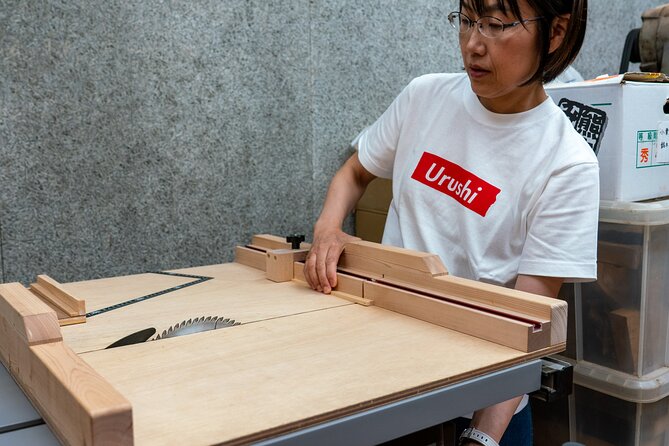
After carving, the work turns into refinement. You refine the form with sandpaper, which is where your chopsticks start to feel smooth instead of merely shaped. This is also the phase where you can notice small differences in how the wood sits in your hand.
Then comes the finishing step with camellia oil. This matters because it changes the feel. Wood that’s been shaped and treated properly is more pleasant to hold and more satisfying to use at the table.
I like that the oil step doesn’t feel like decoration. It feels like preparation—like the craftsman’s final touch so your chopsticks are ready for real meals, not just for photos.
- Tokyo: Shinjuku Food Tour (13 Dishes at 4 Local Eateries)★ 5.0 · 6,603 reviews
- Tokyo Mt Fuji 5th St & Hakone Cruise Bus Tour w/Bullet Train★ 4.4 · 5,024 reviews
- Flagship 2-Hours Official Street Go-Kart Tour – Tokyo Bay Shop★ 5.0 · 4,974 reviews
- From Tokyo: Mount Fuji Full-Day Sightseeing Trip★ 4.5 · 4,970 reviews
- Tokyo: Hop-On Hop-Off Sightseeing Bus Ticket★ 3.9 · 4,207 reviews
Optional Lacquer Coating: A Rare Look at Workshop Culture
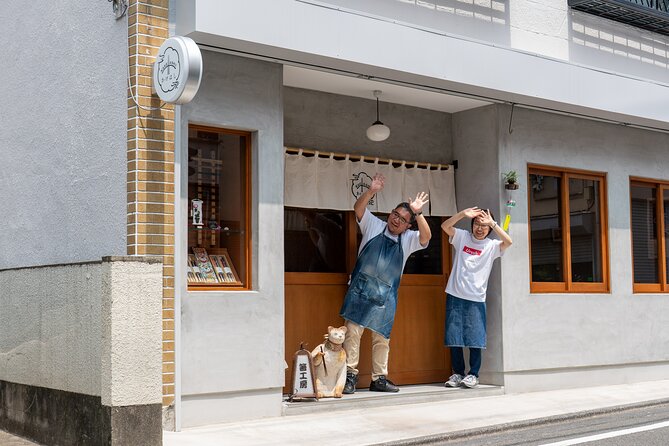
Here’s the part that makes this experience stand out when you compare it to standard “craft souvenir” classes: the optional lacquer-coating experience.
If you choose it, you don’t just do a quick surface treatment. You also get a tour of a normally off-limits lacquer workshop, which gives context for how lacquerware is part of daily life and used in settings tied to Japanese culture like shrines and temples.
During the lacquer segment, you’ll be guided through the process while being able to sense the material in a very direct way. The experience description highlights the unique scent, which is a reminder that lacquer isn’t just visual. It’s an atmosphere and a craft tradition with its own feel.
A practical thought: since lacquer work can require careful timing and attention, the extra segment is best if you’re comfortable slowing down. If you’re the type who always wants to move on to the next thing, you might find the lacquer part more mentally demanding than the carving.
Learning With an English-Speaking Guide: What to Expect
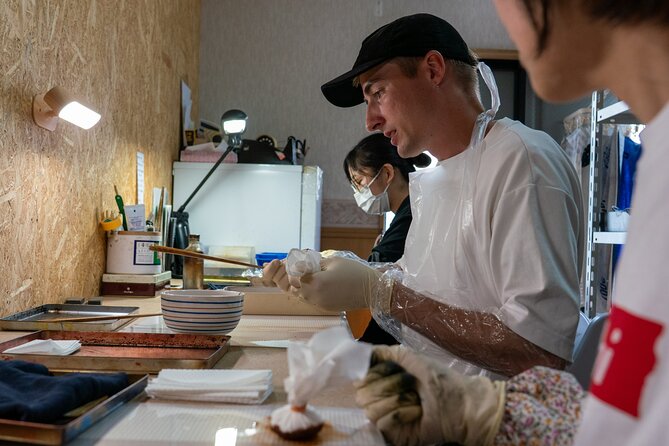
Communication is one of the most consistently praised parts of the experience. The format includes an English-speaking guide, and the workshop is set up so you can follow along step by step rather than guessing what to do with tools.
In the reviews you provided, the translator and teacher Amy is specifically mentioned as handling translation and teaching the history behind the chopsticks. Even without knowing every word of Japanese, that kind of guided explanation makes a big difference because you understand why each step exists.
You’ll also hear background on chopstick history and why the workshop shows multiple chopstick types on display. Seeing different styles in a shop space helps you connect craft details to real-life use.
What the Workshop Teaches Beyond Chopsticks
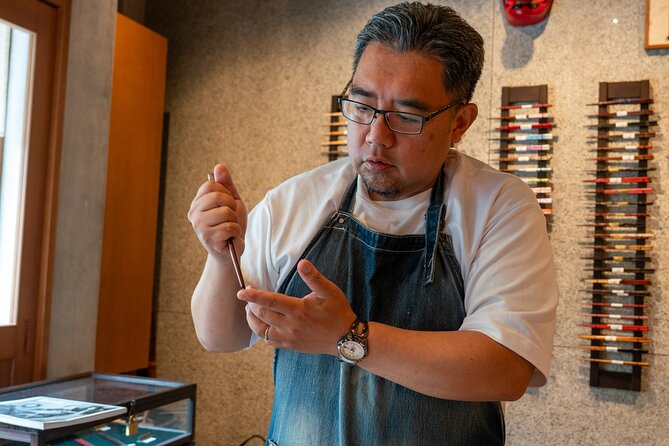
This isn’t just carving time. You’ll learn about chopsticks as tools with purpose, and you’ll see how craft shops operate in Japan.
For example, the workshop isn’t presented as a sterile classroom. It’s also a place where chopsticks are sold, so you can look at different styles while you’re learning. That makes the learning feel less theoretical.
The same idea applies to lacquer. When you’re allowed to see the lacquer workshop area, it turns lacquer from an abstract cultural concept into a process you can understand with your senses and your questions.
If you like experiences that leave you with more than a souvenir—something you can explain and appreciate—this one has that.
Group Size, Pace, and Practical Expectations
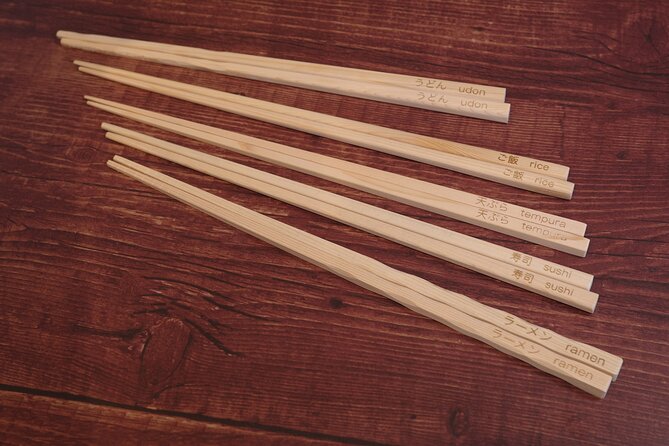
With a maximum of 6 travelers and a minimum of 2, you’re not going to feel like a number in a factory line. The small group size supports patience as you learn hand movements and handle tools safely.
The pace is also built around learning without rushing. The chopstick-making block is about 55 minutes, and the optional lacquer segment is about 25 minutes. Together with the transfer time, you get the full ~2-hour experience.
One practical note: since this is hands-on, you should assume your hands will get a little work done on them—wood dust and sanding residue can happen. Wear clothes you don’t mind keeping casual for the rest of the day.
Who Should Book This Chopstick Workshop
This experience is ideal if you:
- Want a Tokyo activity that results in a take-home custom item you’ll actually use
- Like crafts where skill + personal choice both matter
- Prefer smaller, calmer settings over crowded, high-speed sightseeing
- Want English support so you can connect with the process, not just perform it
It’s also a good match for gift-givers. Handcrafted chopsticks carry a different kind of meaning than most souvenirs because you made the pair yourself.
If you’re only looking for a quick photo spot, this may feel too hands-on and too quiet. But if you’re willing to sit with the work, it’s a strong use of your time.
Tips to Make Your 2 Hours Go Smoothly
Here’s how I’d set yourself up for the best session:
- Arrive a few minutes early at Sasazuka Station so you’re calm when you meet the guide
- Decide in advance if you want the optional lacquer part, since it affects pacing
- Pay attention to how the chopsticks feel in your grip while you’re shaping them
- Ask questions about food types like sushi, tempura, and ramen if you eat those at home
- Wear comfortable clothing, and keep your schedule flexible enough to enjoy the experience without rushing
Also, bring the right mindset. This is a “do it with guidance” class, not a performance where you’re expected to master everything instantly. The workshop format is set up for learning at your pace.
Should You Book? My Honest Take
Book this workshop if you want a craft experience with real output: custom handmade chopsticks, plus the chance to see how lacquer culture works when you opt for that extra session. The small group size, patient instruction, and English support are strong reasons it works well for many visitors.
Skip it only if you’re chasing a fast, low-effort activity or you want a longer, deeper tour structure. This is short by design—focused on making—and that’s a benefit when you like practical handiwork.
If you’re in Tokyo and you care about Japanese craftsmanship beyond the usual shopping run, this is one of the rare classes that gives you something meaningful enough to keep.
FAQ
How long is the chopstick-making experience?
The experience lasts about 2 hours total.
Where do I meet for the workshop?
You meet at Sasazuka Station (Sasazuka, Shibuya, Tokyo). The activity ends back at the meeting point.
What do I make and take home?
You make a custom pair of chopsticks. The wood used is hinoki/cypress, and the process includes finishing with camellia oil.
Is lacquer coating included or optional?
Lacquer coating is optional. If you choose it, you can also tour the normally off-limits lacquer workshop area.
Is there an English-speaking guide?
Yes. An English-speaking guide is available for greater accessibility.
What is the group size?
It runs with a maximum of 6 travelers and a minimum number of participants of 2.
Can I get a full refund if I change my plans?
Yes. You can cancel up to 24 hours in advance for a full refund.
More Tour Reviews in Tokyo
- Mt Fuji and Hakone 1-Day Bus Tour Return by Bullet Train
★ 5.0 · 26,383 reviews - 1-Day Tokyo Bus Tour
★ 5.0 · 14,250 reviews - Tokyo: teamLab Planets TOKYO Digital Art Museum Entry Ticket
★ 4.6 · 9,779 reviews - Mt Fuji & Hakone Cruise, Drum Show Bullet Train 1 Day from Tokyo
★ 4.0 · 7,413 reviews - Tokyo: Shinjuku Food Tour (13 Dishes at 4 Local Eateries)
★ 5.0 · 6,603 reviews
More Artisan Workshops in Tokyo
- Tokyo Shinjuku Chopsticks Making Class
★ 5.0 · 1,763 reviews - Chopstick Making Workshop in Ginza
★ 4.8 · 1,366 reviews - Kintsugi Experience: Art of Golden Joinery in Tokyo
★ 5.0 · 467 reviews - Tokyo Chopstick Making Workshop with Artisan
★ 5.0 · 466 reviews - Tokyo: Shinjuku Chopstick Making Class
★ 4.9 · 440 reviews
Latest Tokyo reviews off our desk






Craft & Artisan Workshops, compared.
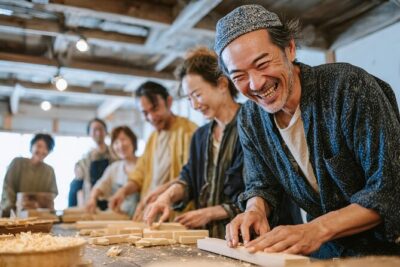 ★ 5.0Tokyo Shinjuku Chopsticks Making ClassFrom $201,763 reviews
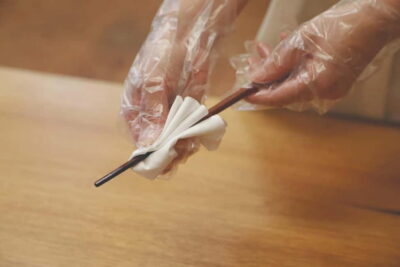 ★ 4.8Chopstick Making Workshop in GinzaFrom $251,366 reviews
 ★ 5.0Kintsugi Experience: Art of Golden Joinery in TokyoFrom $59467 reviews
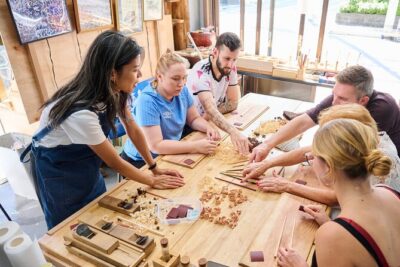 ★ 5.0Tokyo Chopstick Making Workshop with ArtisanFrom $26466 reviews
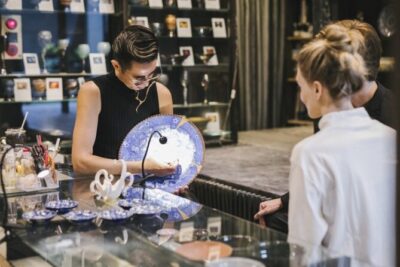 ★ 5.0Authentic Pure Gold Kintsugi Workshop with Master Taku in TokyoFrom $142217 reviews
 ★ 5.0Calligraphy on Kanji Fan & Scroll with DrinkFrom $53210 reviews
Browse the lists this tour appears in