
Reviewed · CRAFT & ARTISAN WORKSHOPS
Deep Dive into the World of Daruma Dolls
A wish becomes a lucky doll. In Chofu, you make your own daruma charm in a small shop by Jindaiji Temple, then take home something you actually created. It’s the kind of hands-on cultural activity that feels personal fast, even if your Japanese is still getting up to speed.
I especially like two parts of the class: the fabric-picking process (it’s harder than it sounds, in a good way) and the way the workshop keeps moving with short steps and clear guidance. You’ll also get a built-in break with tea/coffee and daruma-themed fun while the glue dries.
One consideration: Chofu is about an hour from central Tokyo by train and bus, so plan your timing like a day trip, not a casual hop. If you only want to graze Tokyo for 30 minutes, this may feel like more travel than you expected.
In This Review
- Key highlights you’ll care about
- Why a Chofu Daruma Workshop Beats Another Souvenir Stop
- Finding Daru-chan No Ouchi Near Jindaiji Temple
- Picking Fabric Like It’s the Main Event
- Writing Your Wish and Painting the Face
- Cutting and Pasting: Making It Truly Yours
- The Mid-Session Break: Tea, Daruma Senbei, and Games
- What to Do With Your Finished Daruma
- Price and Time: Getting Real Value in About 90 Minutes
- Who This Workshop Fits Best
- Quick Tips to Make Your Session Stress-Free
- Should You Book the Daruma Workshop in Chofu?
- FAQ
- FAQ
- Where do I meet, and where does the class end?
- How long does the daruma workshop take?
- How many people are in a session?
- What’s included in the price?
- Can children participate?
- Is it refundable if I cancel?
Key highlights you’ll care about
- Chufo-style daruma making with hands-on steps, not just watching
- Fabric choice is the hardest fun part, with lots of traditional patterns
- Write your wish and form the face, so your doll feels truly yours
- Glue-drying games + photos paired with tea and daruma senbei
- Small group size (max 4) means more attention from the instructor
- Keiko-san’s patient teaching helps you get unstuck when things get fiddly
Why a Chofu Daruma Workshop Beats Another Souvenir Stop
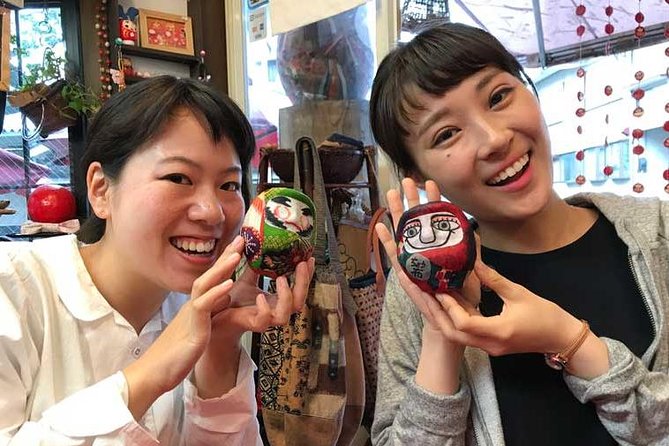
Tokyo has plenty of gift shops. This one gives you a souvenir with a backstory that’s yours. You’re not just buying a charm. You’re making the round, wide-eyed doll that people associate with good luck and steady effort.
The workshop format matters. You start with materials, then build up the daruma piece by piece. That structure is what turns culture into something you can feel in your hands. And since you’re choosing fabric prints and placing cut pieces on the body, you get real creative control rather than following a single fixed pattern.
Value-wise, the listed price shows $0.00, and that’s rare. The important part is that the experience still covers what you actually need: the instructor, material fee, refreshments, and tax. So you’re paying for the class and all basics, not getting hit with surprise add-ons for the craft supplies.
More hands-on studios our readers booked
- Tokyo Shinjuku Chopsticks Making Class
★ 5.0 · 1,763 reviews - Chopstick Making Workshop in Ginza
★ 4.8 · 1,366 reviews - Kintsugi Experience: Art of Golden Joinery in Tokyo
★ 5.0 · 467 reviews - Tokyo: Shinjuku Chopstick Making Class
★ 4.9 · 440 reviews
Finding Daru-chan No Ouchi Near Jindaiji Temple
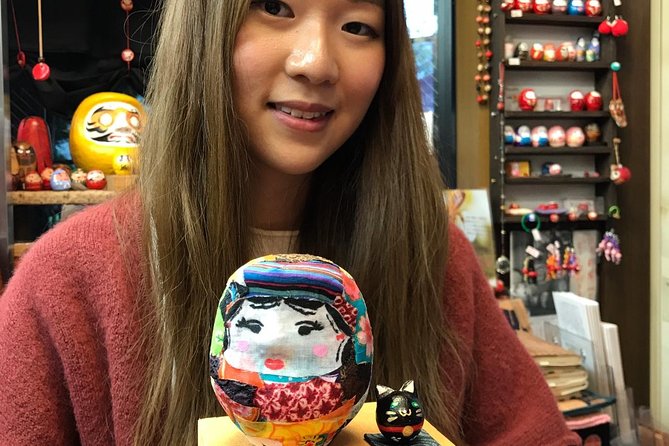
You meet at だるチャンのおうち (Daru-chan No Ouchi) at 5-chōme-5-1 Jindaiji Motomachi, Chofu, Tokyo 182-0017. The start point is near the entrance of Jindaiji Temple, which helps because you can orient yourself around a real landmark instead of searching in the wrong side streets.
Allow about 10 minutes for meeting and getting settled with the instructor. Sessions are small, with a maximum of 4 travelers, so you’ll likely get a quick check-in and then move into materials right away.
Logistically, Chofu is not “central Tokyo.” One review noted it’s about an hour away from central Tokyo by train and bus. That’s totally workable, but it changes how you should plan your day. Do this early or mid-day so you’re not rushing across town after.
Picking Fabric Like It’s the Main Event
Step one after you meet: you choose a fabric. This is probably the toughest part of the process, and not because it’s complicated. It’s because there are a lot of beautiful options and your brain will want to decide perfectly.
In the workshop, you’re not selecting just one small strip. You’re choosing something that will influence the look of the entire daruma. Fabric patterns and prints also affect how you cut and where pieces go later. So yes, it can feel like decision overload. That’s also why it’s fun.
Here’s what to do if you want the experience to feel smooth: pick a fabric you can recognize from across the room. Then choose a style that matches your mood for a good-luck charm. If you want a calmer look, go for patterned fabric with consistent color blocks. If you want playful energy, look for bolder prints.
And since the class includes materials, you don’t have to worry about bringing anything except your willingness to cut and paste.
Writing Your Wish and Painting the Face
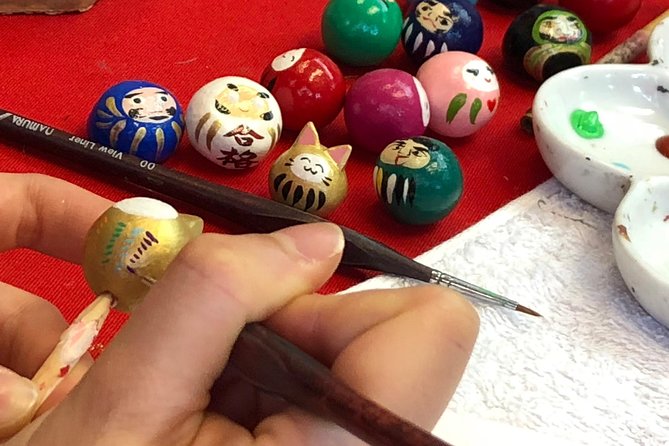
Next comes the symbolic part. You’ll write your wish on the body of the daruma and then paint the daruma’s face on the fabric. This is where the charm stops being just a craft project and becomes a personal good-luck item.
The class approach is practical: you write directly on the daruma body, so your wish is part of the structure, not something you add later. Then you paint the face so the eyes and expression become the focus.
If you’re worried about writing clearly, keep it simple. A short wish reads better and also avoids crowding the design. And if you’re unsure what to write, think in categories: health, work, relationships, travel, calmer days. The goal is meaning, not calligraphy perfection.
The face is also the part people notice first when the doll is finished. You’re creating that sharp-eyed look people believe helps repel bad luck, so it’s fitting you do it yourself.
Cutting and Pasting: Making It Truly Yours
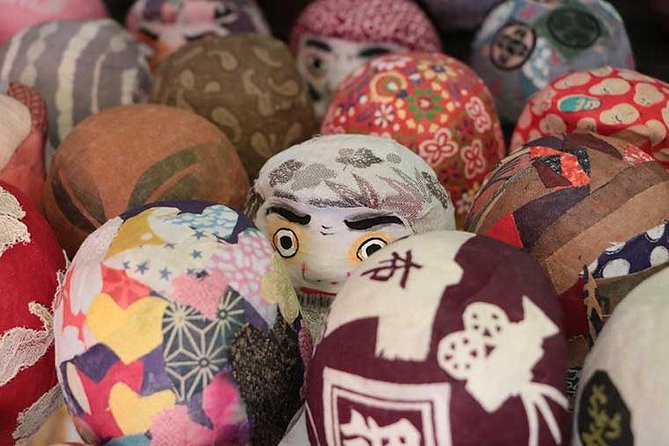
Once the wish and face are set, you start the construction work. You cut the fabric into various-sized pieces depending on the print and pattern, then paste the pieces onto the daruma’s body.
This is the step where your patience gets tested—in the best way. Cutting fabric for a rounded charm means you’ll likely adjust your approach as you go. Some pieces will be easy. Others will take a second try. That’s normal. The small-group setup helps because you can get guidance when you’re stuck.
What you’re really learning here is why regional daruma styles feel different. Chufo-style daruma isn’t just a generic concept. The design comes from how materials are chosen, how patterns are arranged, and how the pieces are placed to create balance on a round shape.
One more practical note: glue drying is part of the process, so don’t treat every minute like you need a final masterpiece right away. You’re building in stages, and that’s exactly how this workshop stays fun instead of stressful.
- Tokyo: Shinjuku Food Tour (13 Dishes at 4 Local Eateries)★ 5.0 · 6,603 reviews
- Tokyo Mt Fuji 5th St & Hakone Cruise Bus Tour w/Bullet Train★ 4.4 · 5,024 reviews
- Flagship 2-Hours Official Street Go-Kart Tour – Tokyo Bay Shop★ 5.0 · 4,974 reviews
- From Tokyo: Mount Fuji Full-Day Sightseeing Trip★ 4.5 · 4,970 reviews
- Tokyo: Hop-On Hop-Off Sightseeing Bus Ticket★ 3.9 · 4,207 reviews
The Mid-Session Break: Tea, Daruma Senbei, and Games
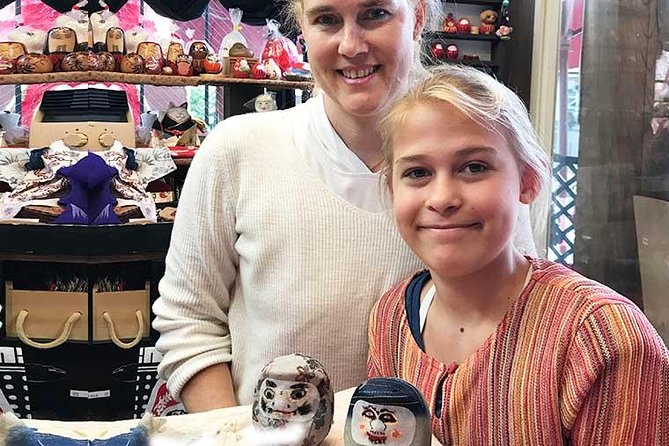
After you paste the fabric pieces, you leave the glue to dry. This is not dead time. It’s when you switch from crafting mode to “learn and play” mode.
During the break, you’ll enjoy Japanese tea (and the class includes refreshments like tea or coffee). You’ll also have daruma senbei, which adds a snack element that keeps the energy up while you wait for the glue to set.
And then there are daruma-themed games and time to take pictures. This is one of those smart workshop choices that makes the whole experience feel like more than a craft table. You’re not just sitting there. You’re still participating.
If you’re photographing, take a quick set of shots before the dry time ends. Your doll will look different at each stage—fabric scattered vs. fabric arranged. Those “in-progress” pics are often the ones you’ll remember when you’re back home.
What to Do With Your Finished Daruma
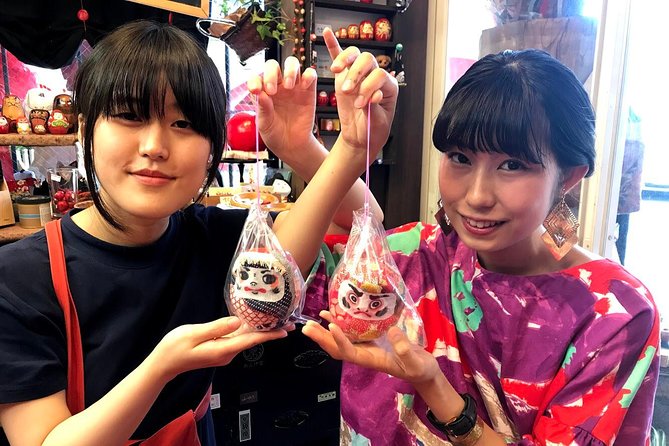
When the session wraps up, you’ll have a completed daruma you can take home. The practical idea is simple: the doll’s sharp glance is believed to repel bad luck, so place it somewhere it can always watch over you and protect you.
This is part of why the workshop hits emotionally. You’re not treating the doll as a one-day souvenir. You’re creating a charm with an intended role in daily life.
I also like that the workshop connects craft to meaning instead of just calling it tradition. In the class, you’ll get context about the daruma tradition and Chufo-style specifics. That background makes your finished doll feel like it belongs to a real place, not just a generic craft trend.
Price and Time: Getting Real Value in About 90 Minutes
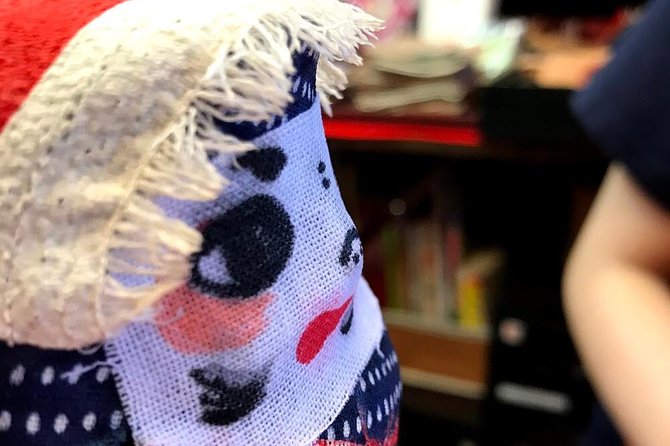
The listed duration is about 1 hour 30 minutes. For a craft workshop, that’s a tight window, and it’s also why the step-by-step structure works. The instructor doesn’t pile everything on your lap at once. You’re guided through selecting fabric, writing a wish, painting a face, then cutting and pasting.
The price is shown as $0.00, which is unusual. Since the experience includes the instructor, material fee, refreshments, and tax, you should feel confident this isn’t a “pay later for supplies” situation. In other words, the value comes from having everything you need handled upfront.
Small group size (max 4) is another value multiplier. You’re less likely to get ignored when you’re trying to paste tiny pieces in place. That’s important in a hands-on activity, especially if you don’t have much craft experience.
Who This Workshop Fits Best
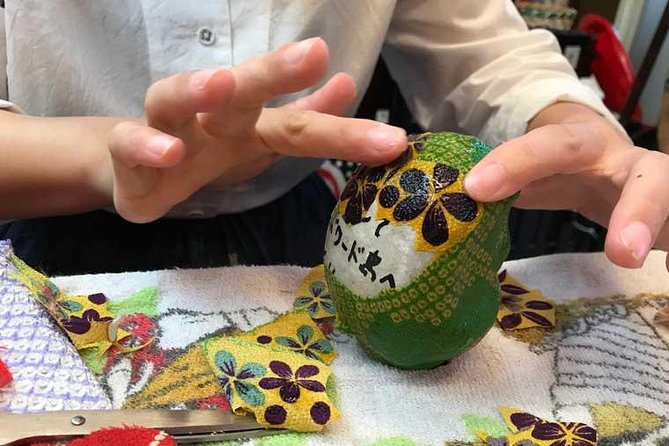
This is a great choice if you like creative tasks you can finish within a short time. It’s also a good group activity. The class description and overall setup make it easy for friends to do something together without needing advanced language skills.
I think it’s especially good for:
- Couples who want a shared activity that produces an actual object
- Small friend groups who like hands-on crafts and want a unique Tokyo souvenir
- Culture-minded visitors who want craft context, not just photos
It may be less ideal if:
- You’re visiting Chofu only for a quick meal stop and don’t want to plan for the travel time
- You dislike any cutting/gluing tasks, even for short periods
Also, if you’re bringing kids: children under 13 must be accompanied by an adult. Most people can participate, but the process is hands-on, so bring the right expectations for supervision.
Quick Tips to Make Your Session Stress-Free
You don’t need special tools. Still, a few habits will make the workshop smoother:
- Choose your fabric confidently. If you agonize too long, your final choice may feel “wrong.” Pick one that you’ll enjoy looking at for years.
- Keep your wish short. You’ll fit it better and it will look cleaner on the body.
- Expect the glue stage to take time. Use that time for tea, daruma senbei, games, and photos rather than trying to rush ahead.
- Plan for Chofu travel. Give yourself buffer time. The workshop is only about 90 minutes, but getting there isn’t instantaneous from central Tokyo.
- Bring curiosity, not perfection. This is a craft class, not an art contest. The point is a charm you made.
And if you’re the type who needs to know exactly what you’ll do next, you’re in luck. The workshop runs with clear steps and built-in transitions, so you’re never left wondering what happens after you cut your first pieces.
Should You Book the Daruma Workshop in Chofu?
If you want one Tokyo experience that creates an object with meaning, book this. It’s practical, short, and structured, with enough flexibility for creativity through fabric choice. You also get the best kind of souvenir: the kind that shows your decisions, your patience, and your wish.
Skip it only if Chofu travel time is a deal-breaker for your schedule, or if you strongly dislike hands-on crafting tasks. Otherwise, this is exactly the kind of small, focused class that turns “I saw Tokyo” into “I made something in Tokyo.”
FAQ
FAQ
Where do I meet, and where does the class end?
You meet at だるチャンのおうち (Daru-chan No Ouchi), 5-chōme-5-1 Jindaiji Motomachi, Chofu, Tokyo 182-0017, near the entrance of Jindaiji Temple. The activity ends back at the meeting point.
How long does the daruma workshop take?
The workshop is about 1 hour 30 minutes.
How many people are in a session?
The experience has a maximum of 4 travelers.
What’s included in the price?
You get the instructor, material fee, tea (or other refreshments like coffee), and tax.
Can children participate?
Children under 13 must be accompanied by an adult. Most travelers can participate.
Is it refundable if I cancel?
No. The experience is non-refundable and cannot be changed for any reason. If you cancel or ask for an amendment, the amount you paid will not be refunded.
More Tour Reviews in Tokyo
- Mt Fuji and Hakone 1-Day Bus Tour Return by Bullet Train
★ 5.0 · 26,383 reviews - 1-Day Tokyo Bus Tour
★ 5.0 · 14,250 reviews - Tokyo: teamLab Planets TOKYO Digital Art Museum Entry Ticket
★ 4.6 · 9,779 reviews - Mt Fuji & Hakone Cruise, Drum Show Bullet Train 1 Day from Tokyo
★ 4.0 · 7,413 reviews - Tokyo: Shinjuku Food Tour (13 Dishes at 4 Local Eateries)
★ 5.0 · 6,603 reviews
More Artisan Workshops in Tokyo
- Tokyo Shinjuku Chopsticks Making Class
★ 5.0 · 1,763 reviews - Chopstick Making Workshop in Ginza
★ 4.8 · 1,366 reviews - Kintsugi Experience: Art of Golden Joinery in Tokyo
★ 5.0 · 467 reviews - Tokyo Chopstick Making Workshop with Artisan
★ 5.0 · 466 reviews - Tokyo: Shinjuku Chopstick Making Class
★ 4.9 · 440 reviews
Latest Tokyo reviews off our desk






Craft & Artisan Workshops, compared.
 ★ 5.0Tokyo Shinjuku Chopsticks Making ClassFrom $201,763 reviews
 ★ 4.8Chopstick Making Workshop in GinzaFrom $251,366 reviews
 ★ 5.0Kintsugi Experience: Art of Golden Joinery in TokyoFrom $59467 reviews
 ★ 5.0Tokyo Chopstick Making Workshop with ArtisanFrom $26466 reviews
 ★ 5.0Authentic Pure Gold Kintsugi Workshop with Master Taku in TokyoFrom $142217 reviews
 ★ 5.0Calligraphy on Kanji Fan & Scroll with DrinkFrom $53210 reviews
Browse the lists this tour appears in