
Reviewed · CRAFT & ARTISAN WORKSHOPS
Exclusive Pearl Jewelry Making Activity in Tokyo
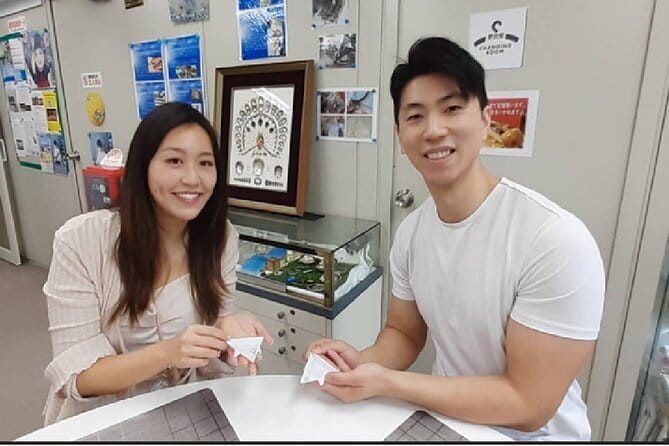
A pearl, picked by you, in Tokyo. This private Akoya pearl jewelry class is built around real pearls in their shells and hands-on making, with one-to-one help from start to finish. I like that it turns a pretty souvenir into something personal, and I also love the calm, welcoming pace that keeps beginners from feeling rushed.
The main thing to plan for is cost creep: the pearl is included, but the fitting parts accessory you use to finish the jewelry isn’t. It can cost extra up to $50 USD, so your final total may be higher than the headline price.
In This Review
- Key Highlights You’ll Feel Right Away
- Pearl Jewelry Making in Ueno: What This 1-Hour Class Really Feels Like
- What You Actually Make: Akoya Pearl Jewelry That Matches Your Style
- The Pearl Moment: Seeing Akoya Pearls in Their Shells
- One-to-One Guidance: The Calm Advantage of a Private Class
- Choosing Ring vs Necklace: How to Think About Your Final Piece
- Timing and Flow: How the Class Fits Into Your Day
- Price and Value: Is $19.55 Worth It?
- Who This Workshop Is Best For (and Who Might Skip It)
- Should You Book This Tokyo Pearl Jewelry Class?
- FAQ
- How long does the pearl jewelry making activity take?
- Is this experience private?
- What does the price include?
- Are jewelry finishing parts included?
- Where is the meeting point in Tokyo?
- Is the meeting point easy to reach with public transport?
- What’s the cancellation policy?
Key Highlights You’ll Feel Right Away
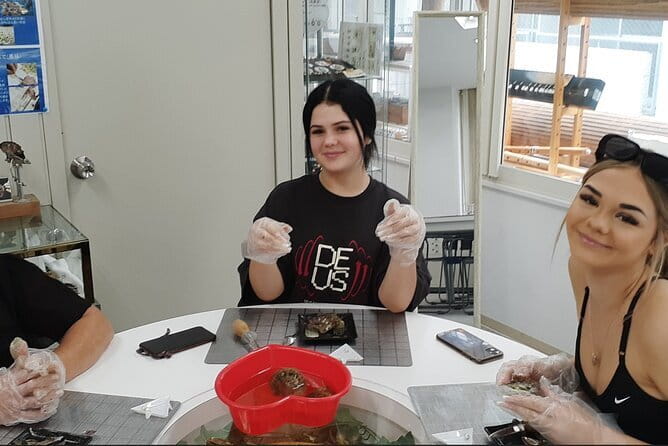
- Pick an Akoya pearl from its shell in a Tokyo workshop setting
- One-to-one guidance so you’re not stuck figuring things out alone
- Choose your jewelry type on the spot, such as a ring or necklace
- Learn with real pearls sourced in southern Japan
- Private group experience designed for your own pace and attention
Pearl Jewelry Making in Ueno: What This 1-Hour Class Really Feels Like
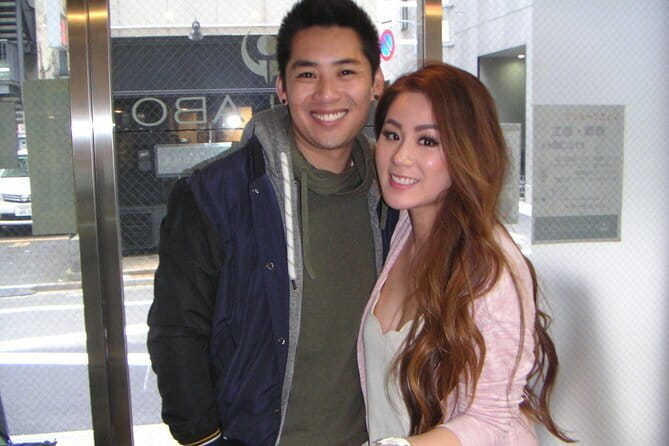
This experience takes place in Ueno, at PICOLABO, in Taito City. You’ll start at 5-chōme-4-1 Ueno, Taito City, Tokyo, and the session ends back at the same meeting point, so you’re not scrambling across town after the workshop.
The class runs about 1 hour, which is a sweet length for a craft in a city like Tokyo. Long enough to do real work—pick your pearl and assemble the jewelry—yet short enough that you can still fit it into a normal day of sightseeing. You also get a mobile ticket, and it’s near public transportation, which matters if you don’t want to burn time coordinating buses or trains.
One more practical note: it’s a private activity. That means it’s just your group, not a rotating crowd. For this kind of hands-on making, that private format is a big deal. You get more direct guidance instead of sharing attention with strangers.
More hands-on studios our readers booked
- Tokyo Shinjuku Chopsticks Making Class
★ 5.0 · 1,763 reviews - Chopstick Making Workshop in Ginza
★ 4.8 · 1,366 reviews - Kintsugi Experience: Art of Golden Joinery in Tokyo
★ 5.0 · 467 reviews - Tokyo Chopstick Making Workshop with Artisan
★ 5.0 · 466 reviews
What You Actually Make: Akoya Pearl Jewelry That Matches Your Style
The core “product” here is simple: you leave with a piece of pearl jewelry you helped create, using an AkOYA (Akoya) pearl with shell that’s included. You’re not just watching. You’re picking, fitting, and making choices.
You’ll be able to decide what type of jewelry to create—examples given include a ring or a necklace. That flexibility is important because people have different ideas of what they want to wear (or give). A necklace often feels like a classic travel gift. A ring can be more personal but also more dependent on size and how you like jewelry on your hand.
Here’s the key detail to understand upfront: the included pearl is only part of the final piece. The information provided is that fitting parts accessory for the Akoya pearl are not included, and they cost no more than $50 USD. In other words, your final price is basically:
- the class fee (listed as $19.55 per person)
- plus whatever accessory parts you choose, capped at $50 USD
Why that matters for value: for many souvenir shops, you pay for the look, not the meaning. In this class, you pay for the pearl plus the instruction, and you only add accessory costs as needed to finish the piece you want.
The Pearl Moment: Seeing Akoya Pearls in Their Shells
This workshop is centered on a very specific experience: seeing and selecting an Akoya pearl from its shell, sourced in southern Japan. That’s more than a cute story for photos. It changes how you think about what you’re buying.
Handling something real—especially something like pearls that people usually see already polished and finished—makes it easier to appreciate why the end product looks the way it does. You’re not buying an anonymous strand from a rack. You’re choosing a specific pearl that becomes the star of your jewelry.
The “shell” part also makes the experience feel more like craftsmanship than retail. It’s closer to a guided discovery: you learn what the pearl looks like in a natural state, then you work forward toward a wearable piece. Even if you don’t consider yourself a craft person, that kind of step-by-step transformation is satisfying.
And because the session is private and guided, you don’t have to worry about keeping up. If you take a little longer to look or decide, the pace is meant to support you.
One-to-One Guidance: The Calm Advantage of a Private Class
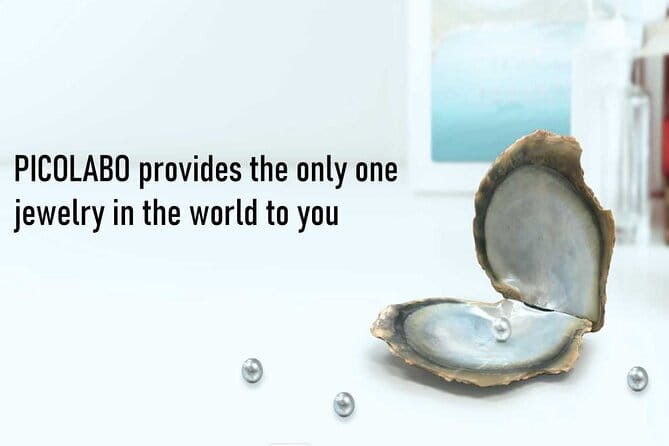
Hands-on classes can go one of two ways. They can feel chaotic, or they can feel focused. This one is designed to be calm and welcoming, with one-to-one attention throughout.
That matters because pearl jewelry making isn’t a “press a button” activity. You’re working with small components, and the difference between a finished piece you like and one you don’t often comes down to tiny decisions. Having direct help makes those decisions feel easy instead of stressful.
You also get guidance while you choose what to make. If your group has different tastes—say, one person wants a ring and another wants a necklace—you’re not forcing everyone into the same outcome. The class format is built to support your choices.
From what you’re told about the experience, the hosts are set up to explain the process clearly and help you complete the jewelry. This is especially helpful if you’re traveling with kids or you’re the type of adult who usually ends up doing all the “figure it out” work at home. Here, the support is part of the package.
Choosing Ring vs Necklace: How to Think About Your Final Piece
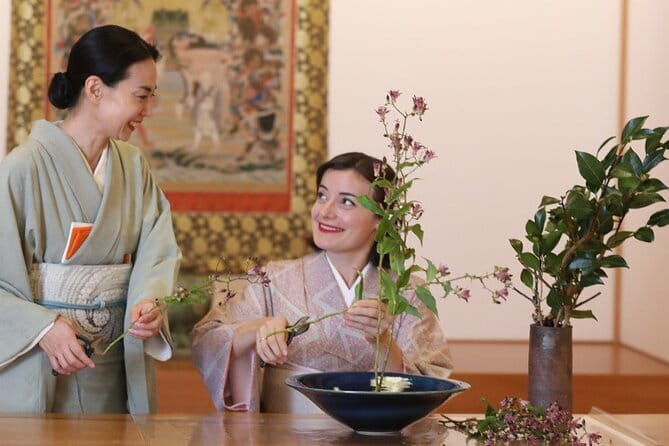
You’ll have a choice in what type of jewelry you want to create. The examples provided are a ring or a necklace. Before you start fitting parts, it helps to think about what you want this pearl to become in your real life after the trip.
Ask yourself two quick questions:
- Will you wear it more often as a necklace or a ring?
- Do you want something closer to everyday style or something more special-occasion?
A necklace tends to be easier to style across outfits. A ring can be more personal and can feel like a stronger “I made this” souvenir. But rings also depend on comfort and how jewelry feels on your hand, so it’s smart to choose based on how you normally wear rings.
Because the fitting parts aren’t included and can add cost up to $50 USD, your decision can also affect your final total. You don’t need to guess blindly. The right move is to be ready to choose the type of piece you actually want, then accept that finishing details may come with a separate accessories cost.
Either way, the point is that your jewelry isn’t a cookie-cutter item. The idea is that you’ll end with a piece that feels unique to your choices—based on the pearl you pick and the style you make.
- Tokyo: Shinjuku Food Tour (13 Dishes at 4 Local Eateries)★ 5.0 · 6,603 reviews
- Tokyo Mt Fuji 5th St & Hakone Cruise Bus Tour w/Bullet Train★ 4.4 · 5,024 reviews
- Flagship 2-Hours Official Street Go-Kart Tour – Tokyo Bay Shop★ 5.0 · 4,974 reviews
- From Tokyo: Mount Fuji Full-Day Sightseeing Trip★ 4.5 · 4,970 reviews
- Tokyo: Hop-On Hop-Off Sightseeing Bus Ticket★ 3.9 · 4,207 reviews
Timing and Flow: How the Class Fits Into Your Day
This is a 1-hour workshop that starts at PICOLABO in Ueno and ends right back there. That “return to start” setup is convenient in Tokyo. You can plan the rest of your day without building in extra travel time.
Because the time window is tight, I’d treat it like a focused appointment. Give yourself a little buffer to arrive comfortably and settle in. You’ll likely want to have your attention available for the steps—choosing the pearl, deciding on jewelry type, and completing the fitting.
Also, because you’re traveling with a finished item at the end, you might want to plan something that doesn’t involve heavy weather, crowded crush, or complicated logistics right after. Even if the class is only an hour, the goal is to walk away with something you’re proud of.
Price and Value: Is $19.55 Worth It?
Let’s talk value in a real, practical way.
The class is listed at $19.55 per person, and you get an Akoya pearl with shell included. That’s not nothing. A real pearl (and one sourced from southern Japan) plus the instruction and time to turn it into jewelry is a very different deal than a basic craft activity where you provide all the materials and you leave with something decorative but generic.
Then there’s the extra cost: fitting parts accessories aren’t included and can cost up to $50 USD. So what’s the “fair” expectation?
If you’re trying to keep your budget tight, know that your final amount isn’t strictly the $19.55 headline price. But if your goal is a wearable pearl piece you made yourself, then the structure still feels fair. You’re paying for:
- the pearl you pick
- the guided process to transform it
- the ability to choose your jewelry type
You don’t have to overpay for a finished souvenir you didn’t design. You pay to make it.
Who This Workshop Is Best For (and Who Might Skip It)
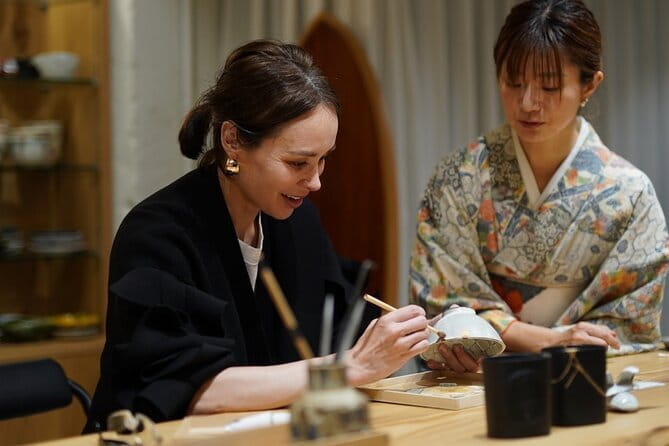
This is a great fit if you like hands-on activities and want a meaningful souvenir. It’s also ideal if you enjoy “real materials” experiences: pearls in shells are not the kind of thing you typically get to examine closely in Tokyo.
It’s also a strong choice if you want a private setting. The one-to-one attention and calm pace are built into how the session runs. If you’re traveling with family, that private format can make a craft time feel less like a classroom and more like a supportive workshop.
You might consider skipping if:
- you’re only interested in a zero-add-on budget (because accessory parts can add up to $50 USD)
- you don’t want to handle small items or choose between styles
- you’re looking for a big, scenic multi-stop day (this is compact and focused)
Should You Book This Tokyo Pearl Jewelry Class?
If you want a Tokyo experience that feels personal, this one makes sense. The combination of real Akoya pearls, a private setting, and one-to-one guidance gives you something most souvenirs can’t: a clear story and a piece of jewelry you helped create.
I’d book it if you’re happy to treat the final accessories as part of the total cost and you want a wearable memento. I’d pass if you only want a cheap, finished item without extra choices.
If you do book, I’d plan your time so you can arrive a bit relaxed. This is the kind of activity where you’ll enjoy the process more when you’re not rushing in. And when you choose your pearl, slow down for a moment. Picking the pearl is half the memory.
FAQ
How long does the pearl jewelry making activity take?
It lasts about 1 hour (approx.).
Is this experience private?
Yes. It’s a private activity, and only your group will participate.
What does the price include?
The included item is an AkOYA pearl with shell.
Are jewelry finishing parts included?
No. The fitting parts accessory for the Akoya pearl is not included, and it costs no more than $50 USD.
Where is the meeting point in Tokyo?
You meet at PICOLABO, 5-chōme-4-1 Ueno, Taito City, Tokyo 110-0005, Japan.
Is the meeting point easy to reach with public transport?
Yes. The meeting point is described as near public transportation.
What’s the cancellation policy?
This experience is non-refundable and cannot be changed for any reason. If you cancel or request an amendment, the amount paid will not be refunded.
More Tour Reviews in Tokyo
- Mt Fuji and Hakone 1-Day Bus Tour Return by Bullet Train
★ 5.0 · 26,383 reviews - 1-Day Tokyo Bus Tour
★ 5.0 · 14,250 reviews - Tokyo: teamLab Planets TOKYO Digital Art Museum Entry Ticket
★ 4.6 · 9,779 reviews - Mt Fuji & Hakone Cruise, Drum Show Bullet Train 1 Day from Tokyo
★ 4.0 · 7,413 reviews - Tokyo: Shinjuku Food Tour (13 Dishes at 4 Local Eateries)
★ 5.0 · 6,603 reviews
More Artisan Workshops in Tokyo
- Tokyo Shinjuku Chopsticks Making Class
★ 5.0 · 1,763 reviews - Chopstick Making Workshop in Ginza
★ 4.8 · 1,366 reviews - Kintsugi Experience: Art of Golden Joinery in Tokyo
★ 5.0 · 467 reviews - Tokyo Chopstick Making Workshop with Artisan
★ 5.0 · 466 reviews - Tokyo: Shinjuku Chopstick Making Class
★ 4.9 · 440 reviews
Latest Tokyo reviews off our desk






Craft & Artisan Workshops, compared.
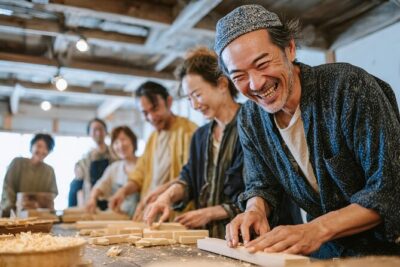 ★ 5.0Tokyo Shinjuku Chopsticks Making ClassFrom $201,763 reviews
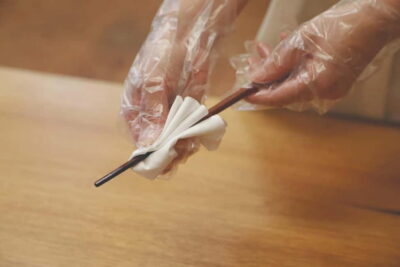 ★ 4.8Chopstick Making Workshop in GinzaFrom $251,366 reviews
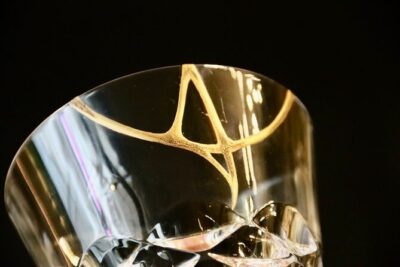 ★ 5.0Kintsugi Experience: Art of Golden Joinery in TokyoFrom $59467 reviews
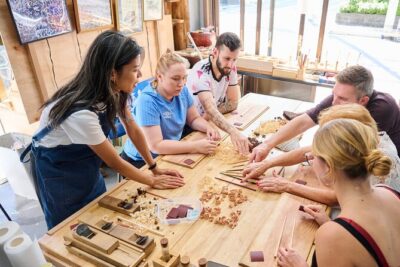 ★ 5.0Tokyo Chopstick Making Workshop with ArtisanFrom $26466 reviews
 ★ 5.0Authentic Pure Gold Kintsugi Workshop with Master Taku in TokyoFrom $142217 reviews
 ★ 5.0Calligraphy on Kanji Fan & Scroll with DrinkFrom $53210 reviews
Browse the lists this tour appears in