
Reviewed · SUMO TOURNAMENTS & SHOWS
Exclusive Sumo Morning Practice in Tokyo with Photo Opportunity
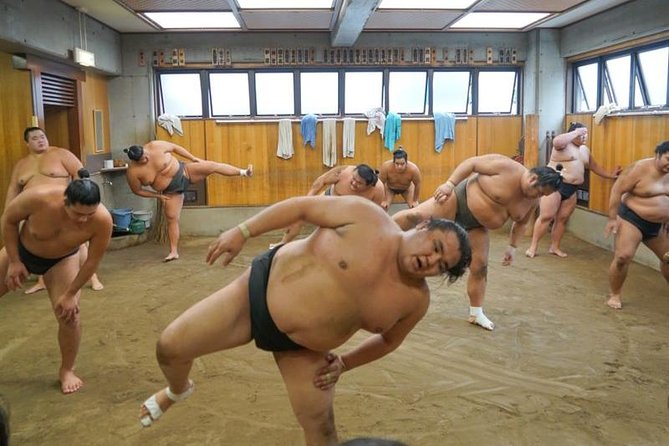
Sumo in the morning feels unreal. This experience lets you watch exclusive stable practice up close, learn what you’re seeing as the wrestlers warm up and spar, and finish with a photo opportunity. I love the small-group feel, where your guide can actually explain what matters, and I love that you’re watching real training, not a staged show. One thing to consider: seating is first come, first served, so if you arrive late you may end up a few rows back.
The tour is built around one clear goal: get you into a sumo stable for the early routine, with just a handful of people. You’ll meet at the Oshiage Station taxi stand at 8:00 am, visit a stable around Tokyo Skytree, and spend about two hours total. Just be ready for rules inside the stable and plan for Japan’s hot, humid summer mornings with water and a hat.
In This Review
- Key highlights you’ll care about
- The real draw: seeing sumo training, not just spectacle
- Meeting at Oshiage Station at 8:00 am (and why it matters)
- Getting your spot: first-come seating inside the stable
- Inside the sumo stable: what you can see and where you can’t go
- The photo opportunity: how to turn it into more than a quick snapshot
- Your guide and the explanations that make it click
- Timing, comfort, and what to bring for a hot Tokyo morning
- Price and value: why $99.10 can be a bargain
- Who should book this sumo morning practice
- Should you book? My take
- FAQ
- What time does the sumo practice tour start, and how long is it?
- Where do I meet for the tour?
- How many people are in the group?
- How does seating work inside the sumo stable?
- Are there any restrictions inside the stable?
- What should I bring in hot weather, and is cancellation refundable?
Key highlights you’ll care about
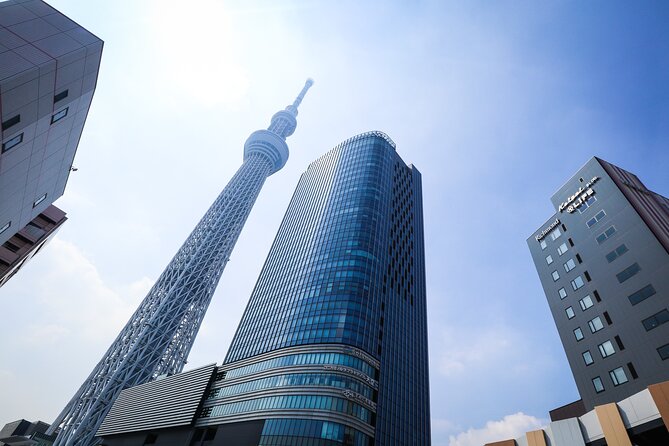
- Small-group access (max 10 people) makes it easier to hear explanations and see details
- Oshiage Station meeting point at 8:00 am keeps the timing tight and convenient
- Tatami-only viewing areas mean you’ll watch from the allowed spots, not wander
- Photo time with wrestlers includes chances to pose and take pictures
- First-come seating affects where you sit if you’re not early
- Clear context from the guide helps you understand the purpose behind the drills
The real draw: seeing sumo training, not just spectacle
A sumo tournament is dramatic, bright, and loud. Morning practice is a different world. You’re catching the quieter work that builds everything you see later on the big stage: warmups, rhythm, sparring, and the focused concentration that comes from doing the same discipline again and again.
What makes this tour especially fun is that it’s short and purposeful. You’re not spending half a day getting to and from far-flung sites. You meet, you go into a Tokyo stable near the Skytree area, and you watch the day start the way these athletes start it.
I also like that the experience comes with explanations, so the practice isn’t just shapes moving on a ring. When your guide breaks down what’s happening, you begin to notice the details: how the wrestlers shift, how they test distance, and how serious their mindset is during training.
Other ringside bookings readers scored
- Tokyo: Sumo Show and Dining Experience
★ 4.8 · 2,742 reviews - the SUMO show
★ 5.0 · 1,960 reviews - Tokyo Shinjuku Sumo Show & Experience with Photo
★ 5.0 · 1,750 reviews - Tokyo: Sumo Show and Experience in Shinjuku
★ 4.8 · 1,001 reviews
Meeting at Oshiage Station at 8:00 am (and why it matters)
Your day starts early, and that’s part of the point. The meeting place is at the taxi stand inside the Japan, Oshiage Station rotary (Sumida City, Oshiage, 1-chōme). Start time is 8:00 am, and the activity runs about 2 hours in total.
This timing is practical. Morning is when stables are active, and it’s also when the day is often more comfortable before full-on summer heat. Still, Japan can jump from warm to sticky fast, so treat this as a real morning outing, not a casual walk.
And yes, it can be a little confusing to find the exact spot inside a station area the first time. Give yourself a little buffer so you’re not rushing. The tour is capped at 10 people, and you want to settle in early.
Getting your spot: first-come seating inside the stable
Here’s the biggest logistics detail: seating is first come, first served. If you’re late, you may be seated 2 to 3 rows from the front.
That’s not a deal-breaker, but it does change the experience. From closer seats, you’ll catch more of the footwork and posture. From farther back, you’ll still understand what’s going on, but some of the fine details become harder to see.
So plan like a pro:
- Arrive a bit early at the Oshiage Station taxi stand.
- Stay with your group when you move toward the stable.
- Don’t assume there will be plenty of time to wander and settle.
If you’re the type who hates losing a view, early arrival is the simplest upgrade you can make.
Inside the sumo stable: what you can see and where you can’t go
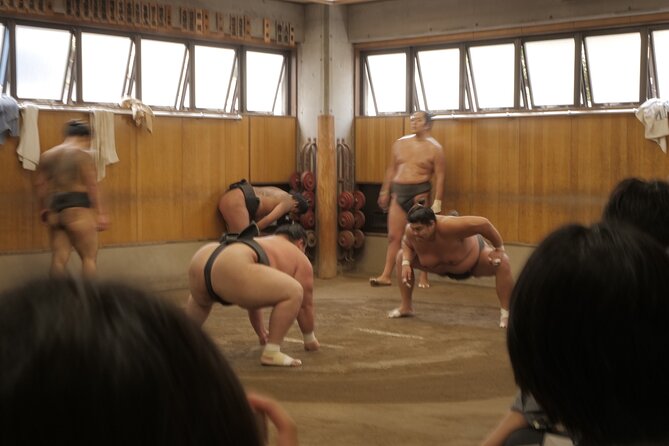
Once you’re inside, you’ll be following stable rules. All areas are off-limits except the tatami (straw flooring) areas. That means you won’t be able to roam where you want, and you won’t be treated like you’re exploring a museum.
I like this boundary because it keeps the experience respectful and focused. You’re there to watch and learn from the allowed viewing area, not to turn the stable into a photo booth for random angles.
What you can expect to watch:
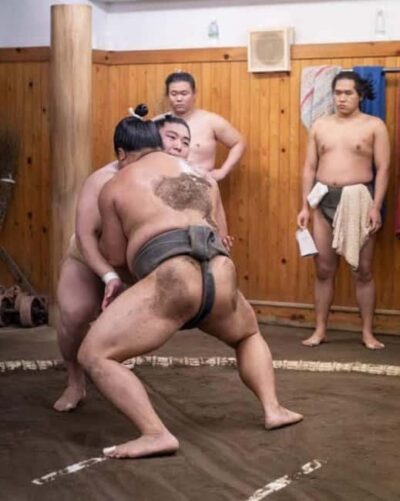
- Wrestlers warm up
- Sparring and practice drills
- A steady pace of training with real intensity
Some people expect every minute to feel totally new. Practice can be repetitive by nature, because training is training. But that repetition is also what makes it meaningful: you start to see how technique is built, not performed.
A key point from the experience: you’re not just watching them fight. You’re seeing their discipline—how concentrated they are, and how serious the work is even when it’s not a tournament day.
The photo opportunity: how to turn it into more than a quick snapshot
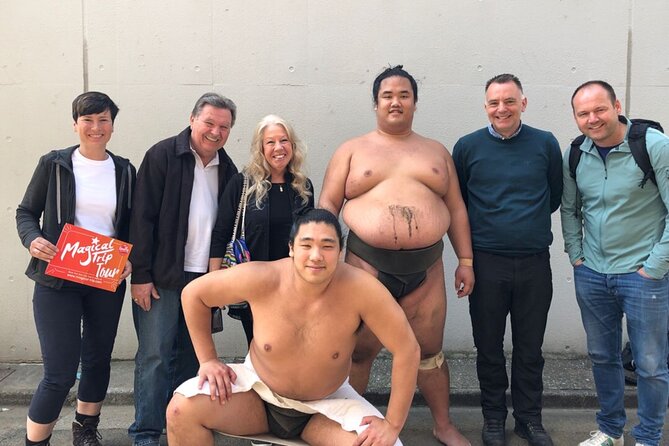
This tour includes a clear payoff for camera lovers: photograph the wrestlers, plus chances to pose for pictures with them.
Photo moments in Japan work best when you’re ready and respectful. That means:
- Have your camera/phone charged and set up before the photo time.
- Listen for your guide’s cues on timing and where to stand.
- Don’t block sightlines for others.
One of the nicest touches is that the experience can include a group moment at the end, such as a picture with the whole stable and the senior instructor. That sort of photo is valuable because it feels like a real connection to the stable, not just a one-off encounter.
If you’ve ever wished you could photograph an athlete without feeling intrusive, this is the kind of setup that tries to make that possible in a structured way.
Readers also shortlisted these Tokyo bookings:
- Tokyo: Sumo Morning Practice Viewing Tour★ 4.8 · 570 reviews
- Tokyo: Sumo Morning Training Visit★ 4.4 · 370 reviews
- Tokyo: Visit Sumo Morning Practice with English Guide★ 4.7 · 343 reviews
- Tokyo: Sumo Morning Practice Tour at Sumida City★ 4.8 · 308 reviews
- Tokyo Sumo Morning Practice Tour at Stable★ 5.0 · 298 reviews
Your guide and the explanations that make it click
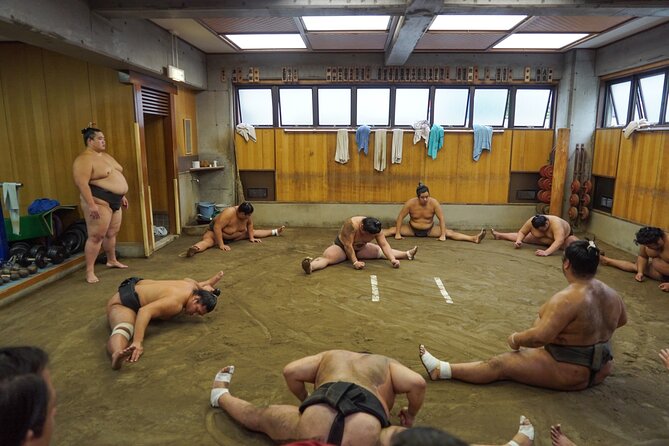
This experience works well because the tour isn’t just a silent sit-and-stare. You get a guide who explains the ancient sport and the cultural significance behind what you’re seeing.
In the practical sense, this helps you understand:
- why certain drills matter
- what’s happening during warmups and sparring
- how sumo training builds mindset and body control
You may meet guides with names like Hana, Kentake, or Yuki, and English communication shows up as a strong point based on past experiences. Even if you’re not a sumo expert, that language support makes it much easier to follow along.
One of my favorite types of tour guides is the one who doesn’t just recite facts. They explain the why behind the movement. When the guide does that, you start noticing things on your own: stance, timing, focus, and how quickly intensity shows up when they spar.
Timing, comfort, and what to bring for a hot Tokyo morning
The tour runs about 2 hours and starts at 8:00 am, so it’s short enough for tight schedules. That said, summer in Japan is no joke—hot and humid. The tour includes a simple but important warning: bring water and wear a hat to help prevent heat stroke.
I’d add one more practical tip: wear breathable layers. Even if the stable is mostly indoors or shaded, waiting around before you go in, plus walking inside and out of station areas, can add up.
Since you’ll be spending time on viewing areas (including tatami zones), comfortable footwear and clothing are a must. The rules mean you’ll be stationary at times, so plan to be comfortable in your clothes.
Price and value: why $99.10 can be a bargain
At $99.10 per person, this isn’t a budget food tour. But it doesn’t try to be either. The value is in access.
Most tourists never see a sumo stable practice firsthand. This tour gives you:
- a stable visit (not just a photo stop from outside)
- small-group attention (max 10)
- guide context that makes the practice understandable
- photo time and the chance to pose
- a focused schedule that fits into a busy Tokyo day
If you compare it to the cost of doing a bunch of separate activities just to learn a little and see a little, this stacks up better than you might expect. You’re paying for a rare experience with clear components and a time limit that prevents it from dragging.
Could it be pricey if you only want a quick look? Sure. But if you’re into sports culture, and you care about seeing training up close, this price starts to make sense fast.
Who should book this sumo morning practice
This tour fits best if you:
- love sports and want something more personal than a generic city walk
- enjoy understanding culture through real practice
- want a short morning activity you can plug into a Tokyo itinerary
- care about photos but prefer structured, respectful access
It’s also a great choice if you know you’ll never catch a tournament during your dates. You’ll miss the tournament spotlight, but you won’t miss the intensity of training.
If you don’t like early mornings or you hate the idea of following strict viewing rules, you might find it less comfortable than expected. For most people, though, the format is straightforward and worth the effort.
Should you book? My take
Book it if you want a real, structured look at sumo practice with a guide who helps you make sense of what’s happening. The small-group size and tatami-only viewing keep it focused, and the photo opportunity adds a fun, memorable finish.
Skip it if you’re mainly chasing a full tournament atmosphere, or if you’re the kind of person who refuses to arrive early for a good seat. Seating affects your view, and the stable rules are firm.
If you’re on the fence, here’s the deciding thought: you’re not paying for a show. You’re paying for access to the training that makes sumo what it is. For the right mood, that’s exactly what you came to Japan for.
FAQ
What time does the sumo practice tour start, and how long is it?
The tour starts at 8:00 am and lasts about 2 hours (approx.).
Where do I meet for the tour?
Meet at the taxi stand in the Oshiage Station area (inside the station rotary). The start address is in Sumida City, Oshiage, 1-chōme.
How many people are in the group?
This activity has a maximum of 10 travelers.
How does seating work inside the sumo stable?
Seating is first come, first served. If you arrive late, you may be seated 2–3 rows from the front.
Are there any restrictions inside the stable?
Yes. All areas in the sumo stable are off-limits except the tatami (straw flooring) areas.
What should I bring in hot weather, and is cancellation refundable?
Bring water and wear a hat due to hot, humid summer conditions. Cancellation is free if you cancel up to 24 hours in advance for a full refund. If you cancel less than 24 hours before the start time, the amount paid is not refunded.
More Morning in Tokyo
- Tokyo: Sumo Morning Practice Viewing Tour
★ 4.8 · 570 reviews - Tokyo: Sumo Morning Training Visit
★ 4.4 · 370 reviews - Tokyo: Visit Sumo Morning Practice with English Guide
★ 4.7 · 343 reviews - Tokyo: Sumo Morning Practice Tour at Sumida City
★ 4.8 · 308 reviews - Tokyo Sumo Morning Practice Tour at Stable
★ 5.0 · 298 reviews
More Tour Reviews in Tokyo
- Mt Fuji and Hakone 1-Day Bus Tour Return by Bullet Train
★ 5.0 · 26,383 reviews - 1-Day Tokyo Bus Tour
★ 5.0 · 14,250 reviews - Tokyo: teamLab Planets TOKYO Digital Art Museum Entry Ticket
★ 4.6 · 9,779 reviews - Mt Fuji & Hakone Cruise, Drum Show Bullet Train 1 Day from Tokyo
★ 4.0 · 7,413 reviews - Tokyo: Shinjuku Food Tour (13 Dishes at 4 Local Eateries)
★ 5.0 · 6,603 reviews
More Sumo, Ringside and Rated
- Tokyo: Sumo Show and Dining Experience
★ 4.8 · 2,742 reviews - the SUMO show
★ 5.0 · 1,960 reviews - Tokyo Shinjuku Sumo Show & Experience with Photo
★ 5.0 · 1,750 reviews - Tokyo: Sumo Show and Experience in Shinjuku
★ 4.8 · 1,001 reviews - Tokyo Grand Sumo Tournament Viewing Tour with Tickets
★ 5.0 · 692 reviews
Latest Tokyo reviews off our desk






Sumo Tournaments & Shows, compared.
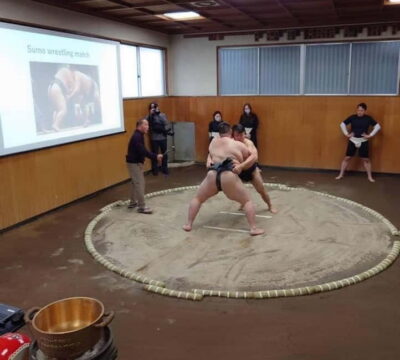 ★ 4.8Sumo Show and Dining ExperienceFrom $792,742 reviews
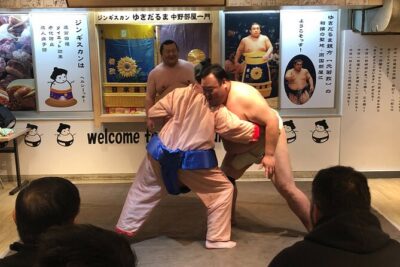 ★ 5.0the SUMO showFrom $891,960 reviews
 ★ 5.0Tokyo Shinjuku Sumo Show & Experience with PhotoFrom $791,750 reviews
 ★ 4.8Sumo Show and Experience in ShinjukuFrom $691,001 reviews
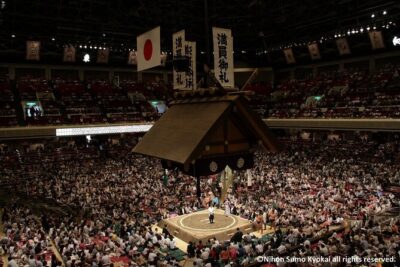 ★ 5.0Tokyo Grand Sumo Tournament Viewing Tour with TicketsFrom $124692 reviews
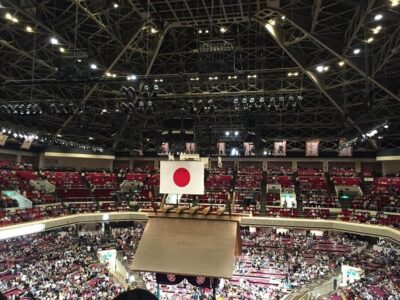 ★ 5.0Tokyo Sumo Wrestling Tournament ExperienceFrom $124660 reviews
 ★ 4.7Luxury Sumo Show Experience & Japanese cuisine & DrinkFrom $103577 reviews
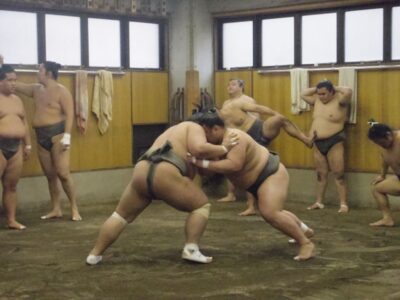 ★ 4.8Sumo Morning Practice Viewing TourFrom $81570 reviews
Browse the lists this tour appears in