
Reviewed · SUMO TOURNAMENTS & SHOWS
Tokyo: Sumo Morning Training Visit
Tokyo sumo is best seen early.
This sumo morning training visit lets you watch active pros practice in a real stable, not a staged performance, and you finish with a group picture that feels surprisingly meaningful. I love that it’s up-close and hands-on in the best way, and that you get to see the day-to-day rhythm of training rather than just the big bouts. One drawback to plan for: you’ll be sitting quietly for a while on the floor, and in tournament weeks the session can run shorter.
The biggest value here is access: you’re allowed inside to observe a working stable session, and you get guided entry with clear rules. Still, don’t expect it to feel like a tour with lots of narration; some visits are guide-light, so you’ll want to go in knowing this is first and foremost a real training watch.
In This Review
- Key Things I’d Notice Before You Go
- A Real Sumo Stable Up Close (And Why That’s the Point)
- How the Morning Training Visit Typically Runs
- Entering the Stable: Your Rules for Standing Out (Politely)
- The Meeting-Place Email Trap (And How to Avoid Missing Training)
- Seating, Comfort, and the Reality of Floor-Time
- What You’ll See in Training (So You Know What to Look For)
- The Group Photo at the End: Timing You Can’t Rush
- Price and Value: Does $77 Make Sense for This Style of Access?
- Who This Tour Fits Best (And Who Might Want to Pass)
- Should You Book This Sumo Morning Training Visit?
- FAQ
- How long is the sumo training session?
- Where do I meet, and will the address be correct on Google Maps?
- Is hotel pickup included?
- What’s included in the price?
- Can I bring food, drinks, or luggage?
- Are flash photos allowed?
- Do I need to wear a face mask?
- Is there a guide with English support?
- What happens if I leave early?
- What if I cancel?
Key Things I’d Notice Before You Go
- Professional keiko, not a show: expect drills, warm-ups, and training rhythm rather than guaranteed tournament bouts.
- Limited session length on tournament weeks: normally about 60 minutes, but can be around 30 in January/May/September.
- Quiet, floor seating rules: you’ll be asked to sit still; bringing comfort for kneeling is smart.
- Stable entry is guided only: you won’t just wander in on your own.
- Photo rules are strict: flash is forbidden; videos may require prior permission.
- The meeting point is real-world specific: the exact stable address is emailed close to the date.
A Real Sumo Stable Up Close (And Why That’s the Point)
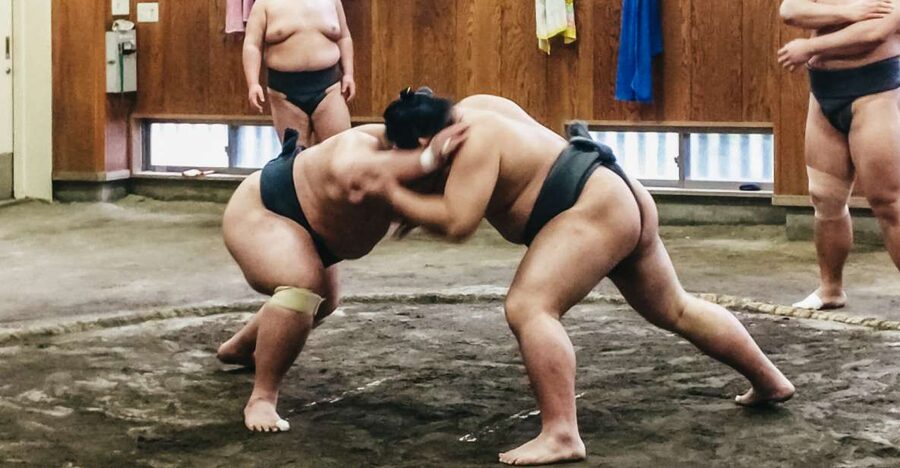
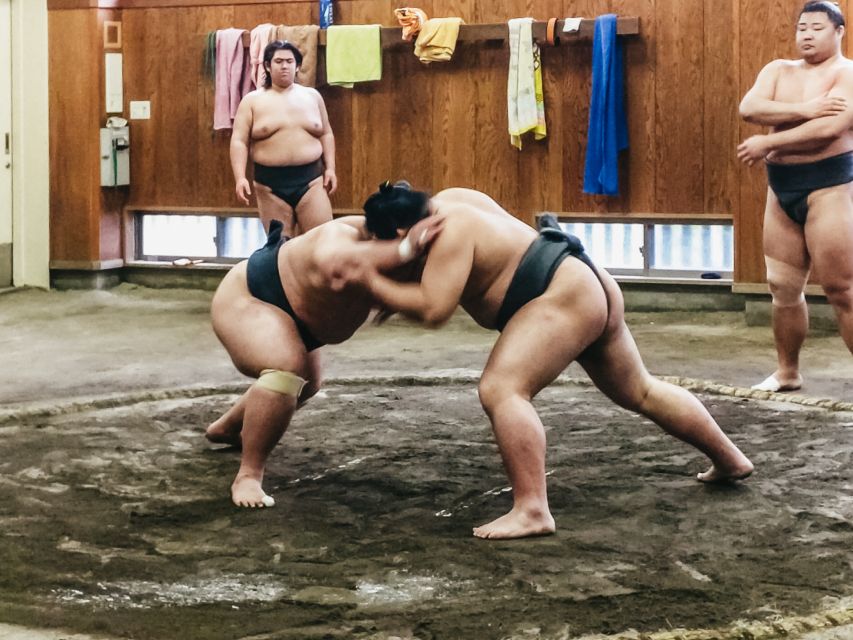
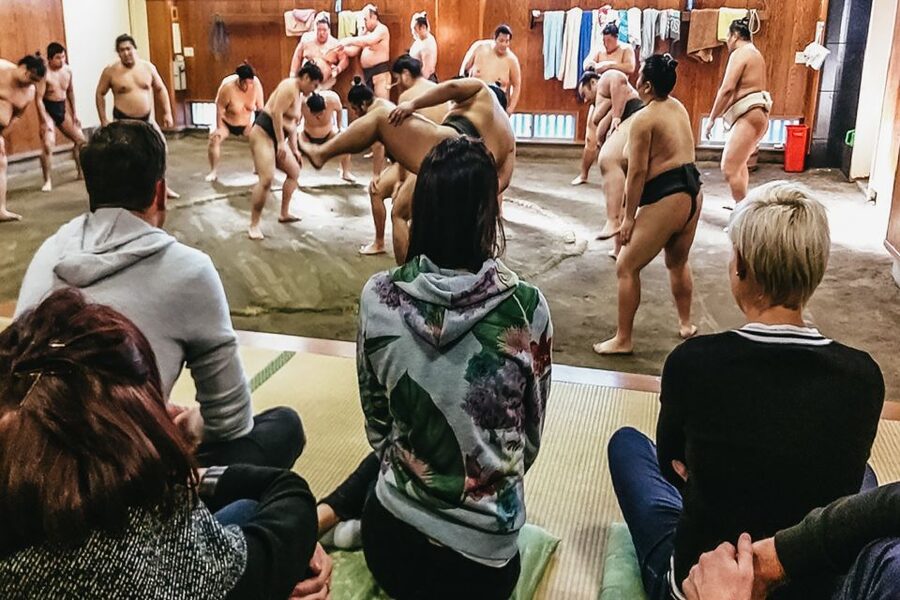
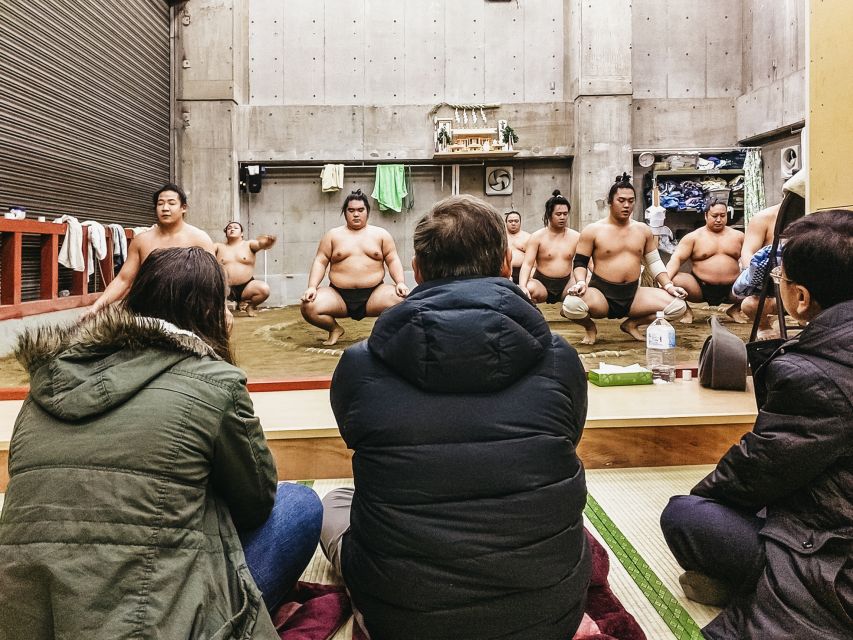
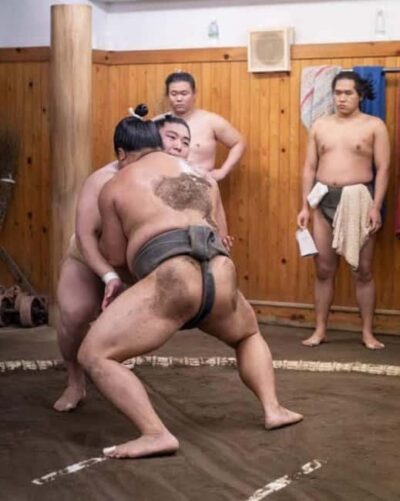
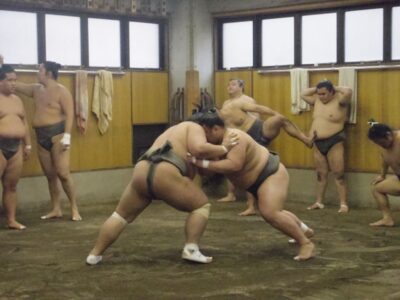
If your mental image of sumo comes from tournament TV angles, this is the antidote. Instead of watching from stands with a screen between you and the action, you’re observing a working sumo stable from close range while wrestlers warm up, drill, and spar as part of their schedule.
What makes this experience special is that it’s not built around spectacle. You’re seeing how training actually looks: heavy repetition, focused bodywork, and the intense physical effort that explains why sumo is as much about discipline as raw strength. It also gives you a chance to understand the culture of sumo—how seriously rules and routines are treated, even during an everyday training morning.
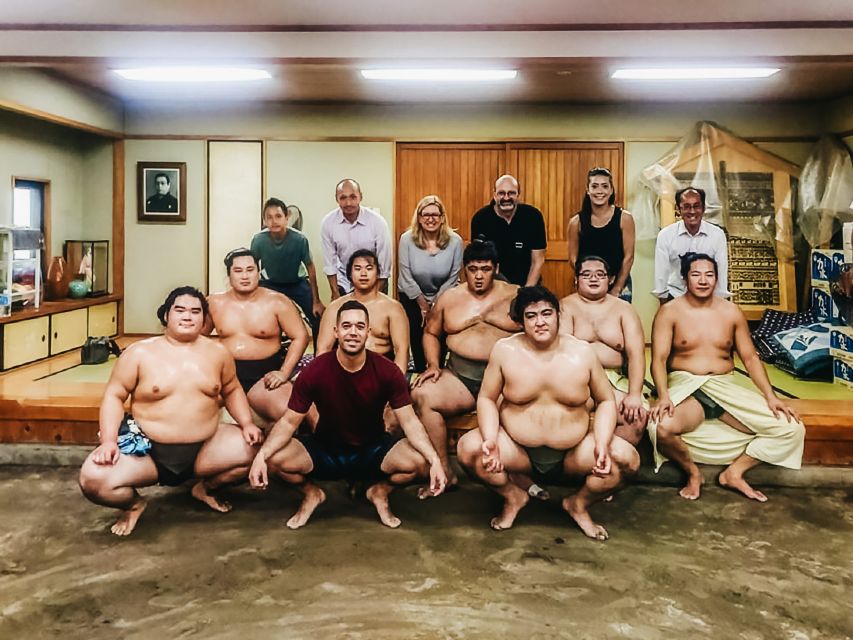
I also like that the experience ends with a group picture with the wrestlers. Even if you don’t know much about the sport going in, that moment gives you a clear memory of being there on the training floor, not just around the perimeter.
Other ringside bookings readers scored
- Tokyo: Sumo Show and Dining Experience
★ 4.8 · 2,742 reviews - the SUMO show
★ 5.0 · 1,960 reviews - Tokyo Shinjuku Sumo Show & Experience with Photo
★ 5.0 · 1,750 reviews - Tokyo: Sumo Show and Experience in Shinjuku
★ 4.8 · 1,001 reviews
How the Morning Training Visit Typically Runs
The booking is listed as about 1 hour, and the usual in-stable training runs around 60 minutes. During the Tokyo Grand Sumo Tournaments (January, May, and September), training sessions can be shortened to about 30 minutes, and there’s no refund if the session is shorter than normal.
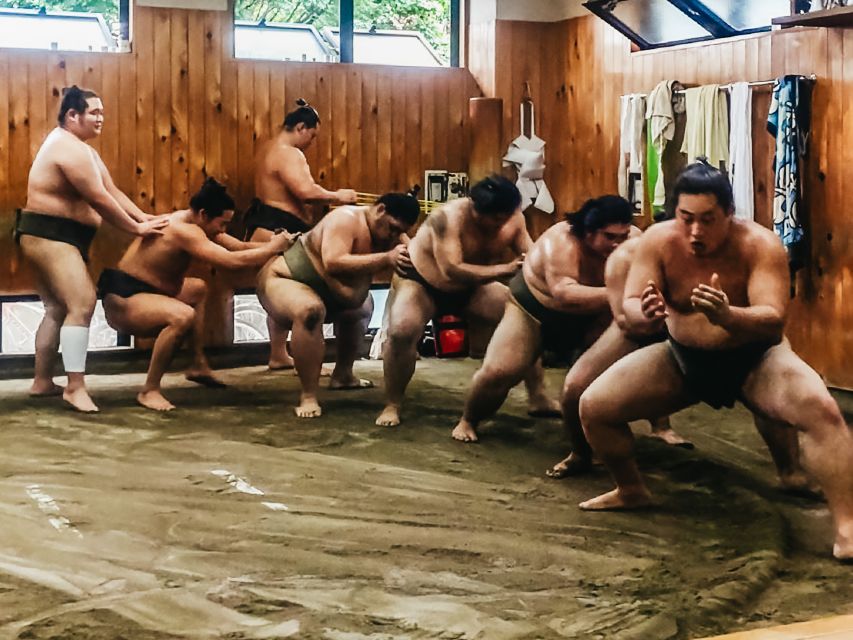
What you’ll do during that time is watch a real session unfold. Based on what people have described from multiple visits, you can expect a mix of:
- Warm-ups and drills
- Training interactions (often more like practice pushing and controlled exchanges than full tournament bouts)
- Sparring or heavier efforts depending on the stable and the day’s schedule
Two practical notes matter for your expectations. First, this is a training environment, so it’s not paced like a sightseeing show. Second, the schedule might shift based on the wrestlers’ condition, so don’t plan anything tight right after.
Entering the Stable: Your Rules for Standing Out (Politely)
This visit is run with tight stable etiquette. You’re not just there to watch—you’re there to respect the space where training happens.
Key things you need to know before you arrive:
- You enter the stable only with the guide.
- Keep your phone on silent.
- Talking loudly and making noises is prohibited.
- Flash photography isn’t allowed.
- Videos may be possible, but only with prior permission.
You also need to follow the “what not to bring” list. Hats and sunglasses aren’t allowed, and you shouldn’t bring food and drinks or luggage/large bags. A face mask or protective covering is required to bring.
In practice, this means you’ll want simple, easy clothing and a plan for sitting still. There’s no “casual visitor mode” here. The people who have the easiest time are the ones who treat the stable like a quiet gym—observe closely, stay respectful, and don’t try to change the rhythm.
The Meeting-Place Email Trap (And How to Avoid Missing Training)
This is the part that can mess up your morning if you’re not paying attention. The listing address you might see on a map may not match the true entry point.
Here’s the deal:
- You’ll get an email about 3 days before with the confirmed meeting place and time.
- Check both the email and your voucher, and follow the stable name on your voucher.
- Check-in starts at the meeting time. If you arrive early, don’t ring the doorbell or enter.
- If you need help, use the phone number in your confirmation email.
Why this matters: people have missed part of training when they trusted the wrong address. Since training can be shorter during tournament weeks, losing even a slice of time can affect what you see. My advice is to set a reminder to reread the email the night before, then confirm you know the exact route and arrival timing.
If you’re lost, don’t improvise at the door. Call the number in your email and ask for help finding the correct stable entrance.
Seating, Comfort, and the Reality of Floor-Time
One thing you should plan for: floor seating. Many people describe it as a long stretch of sitting quietly with limited movement. If you have knee trouble, this is the most important consideration on the whole booking.
A few comfort tips that are actually useful:
- Wear pants or clothing that’s comfortable for kneeling or sitting on the floor for an extended period.
- Keep your bag minimal because large items aren’t allowed.
- If you know you struggle with stillness, mentally prepare for the rules to be real and enforced.
Also note a behavior rule that surprises some first-timers: you may be expected to sit with your feet oriented away from the practice area, and leaning on walls isn’t the vibe. The overall idea is simple: don’t block sight lines, and don’t interfere with training space.
If you’re someone who thrives on motion, you’ll feel the difference right away. But if you can settle in and watch carefully, you’ll get a clearer look at the technique and intensity.
Readers also shortlisted these Tokyo bookings:
- Tokyo: Sumo Morning Practice Viewing Tour★ 4.8 · 570 reviews
- Tokyo: Sumo Morning Training Visit★ 4.4 · 370 reviews
- Tokyo: Visit Sumo Morning Practice with English Guide★ 4.7 · 343 reviews
- Tokyo: Sumo Morning Practice Tour at Sumida City★ 4.8 · 308 reviews
- Tokyo Sumo Morning Practice Tour at Stable★ 5.0 · 298 reviews
What You’ll See in Training (So You Know What to Look For)
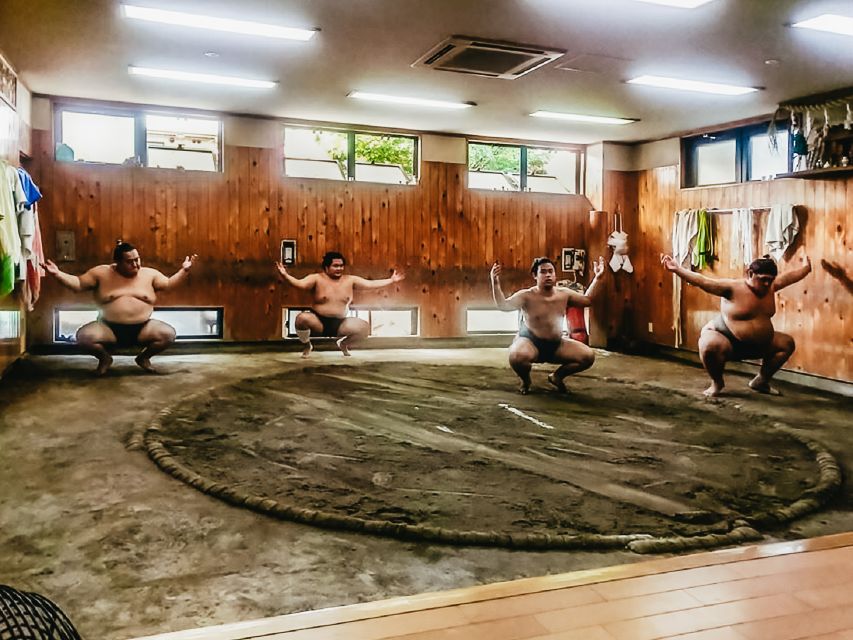
Sumo can look straightforward from afar, but up close it becomes details and repetition. Even without a long history lecture, watching the movement helps you understand what makes sumo work.
When you watch keiko, pay attention to:
- How wrestlers use balance and leverage before the force arrives
- The rhythm: warm-ups and drill phases before heavier exchanges
- The way they reset between attempts, staying controlled rather than random
People who loved the visit often point out that you can really see the effort—how much strain and stamina are involved, and how physical the warm-up can be. You may also see drills that focus on pushing and controlled practice rather than full bouts, depending on the stable’s approach that morning.
This is also where having the right mindset helps. You’re not there to “catch a fight.” You’re there to observe training habits—how professionals work, not how a stage tries to entertain.
The Group Photo at the End: Timing You Can’t Rush
The experience includes a group picture with the wrestlers. Here’s the catch: if you leave earlier than the end of the session, you won’t receive the photo.
So plan your morning with patience. Arrive on time, settle in, and stay through the finish if the group photo is part of why you booked. It’s usually the last moment of the experience, and it’s also the easiest part to regret if you rush out.
Price and Value: Does $77 Make Sense for This Style of Access?
At $77 per person for about 1 hour, the price can feel either fair or steep depending on when you go and what you expect to see.
Here’s how I’d judge value:
- Best value: when training runs close to the normal length (around 60 minutes) and you feel you got real close-up watching.
- Weaker value: when you’re in January/May/September tournament periods and the session shortens to around 30 minutes.
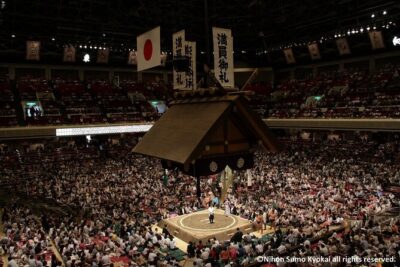
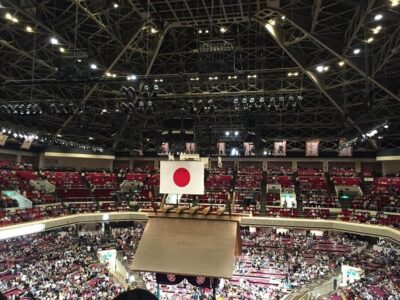
Compared with buying a tournament ticket just to watch the action, this is often a cheaper way to get access to sumo in a setting that feels more personal. It’s also a different kind of experience—training rather than competition. If your priority is seeing professionals in action with room for close observation, this can be a strong choice.
If your priority is “I want to see bouts,” you may need to pair this with other sumo viewing options during tournament time. Think of this as training access, not a guaranteed match showcase.
Who This Tour Fits Best (And Who Might Want to Pass)
This visit fits best if you:
- Want authentic, working culture rather than a generic show
- Enjoy watching technique and discipline up close
- Are okay with quiet rules and floor seating
You might want to reconsider if you:
- Need frequent breaks or find stillness extremely difficult
- Have mobility issues that make floor seating hard
- Expect a lively, talkative tour guide with lots of explanations
One more practical reality: an English host/greeter is provided, but some experiences can feel light on commentary. You might be handed rules and helped into position rather than getting a long explanation of sumo traditions. That’s not “bad,” but it is different. Go in ready to learn through observation, not only narration.
Should You Book This Sumo Morning Training Visit?
I’d book it if you want a close-up view of real pro training and you’re excited by the idea of seeing sumo as a daily discipline. The combination of in-stable access and a group photo is the main payoff, and for the cost, it often beats the feeling of paying just to sit in the stands.
I’d hesitate if you’re going during a tournament week expecting a full-length session, or if you know floor seating is a dealbreaker. In those cases, you might be happier putting your money toward tournament tickets or another experience with more convenient viewing time.
If you do book, plan to arrive prepared: read your confirmation email carefully, bring a face mask/protective covering, keep your phone silent, and be ready for a quiet session where watching closely is the whole point.
FAQ
How long is the sumo training session?
The activity is booked for about 1 hour. Normally the training lasts around 60 minutes, but during the Tokyo Grand Sumo Tournaments in January, May, and September it can be about 30 minutes.
Where do I meet, and will the address be correct on Google Maps?
The exact meeting place and time are confirmed by email about 3 days before. Google Maps may show a different location, and you should follow the stable listed on your voucher.
Is hotel pickup included?
Hotel pickup and drop-off are not included. A one-way transfer from your hotel is optional, within Tokyo’s 23 wards, and drivers are Japanese-speaking only.
What’s included in the price?
You get entry to watch the sumo wrestlers’ morning training and a group picture at the end.
Can I bring food, drinks, or luggage?
No food or drinks are allowed, and you should not bring luggage or large bags.
Are flash photos allowed?
No. Flash photography is forbidden. Videos may only be taken with prior permission.
Do I need to wear a face mask?
You should bring a face mask or protective covering.
Is there a guide with English support?
An English host or greeter is provided. Stable entry is allowed only with the guide.
What happens if I leave early?
You may leave earlier, but you won’t receive the group picture if you leave before the end.
What if I cancel?
You can cancel up to 11 days in advance for a full refund.
More Morning in Tokyo
- Tokyo: Sumo Morning Practice Viewing Tour
★ 4.8 · 570 reviews - Tokyo: Visit Sumo Morning Practice with English Guide
★ 4.7 · 343 reviews - Tokyo: Sumo Morning Practice Tour at Sumida City
★ 4.8 · 308 reviews - Tokyo Sumo Morning Practice Tour at Stable
★ 5.0 · 298 reviews - Tokyo Ryogoku Sumo Morning Practice + Photo Shoot with Wrestlers
★ 4.5 · 277 reviews
More Tour Reviews in Tokyo
- Mt Fuji and Hakone 1-Day Bus Tour Return by Bullet Train
★ 5.0 · 26,383 reviews - 1-Day Tokyo Bus Tour
★ 5.0 · 14,250 reviews - Tokyo: teamLab Planets TOKYO Digital Art Museum Entry Ticket
★ 4.6 · 9,779 reviews - Mt Fuji & Hakone Cruise, Drum Show Bullet Train 1 Day from Tokyo
★ 4.0 · 7,413 reviews - Tokyo: Shinjuku Food Tour (13 Dishes at 4 Local Eateries)
★ 5.0 · 6,603 reviews
More Sumo, Ringside and Rated
- Tokyo: Sumo Show and Dining Experience
★ 4.8 · 2,742 reviews - the SUMO show
★ 5.0 · 1,960 reviews - Tokyo Shinjuku Sumo Show & Experience with Photo
★ 5.0 · 1,750 reviews - Tokyo: Sumo Show and Experience in Shinjuku
★ 4.8 · 1,001 reviews - Tokyo Grand Sumo Tournament Viewing Tour with Tickets
★ 5.0 · 692 reviews
Latest Tokyo reviews off our desk




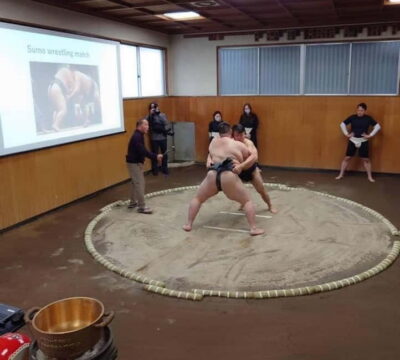
Sumo Tournaments & Shows, compared.
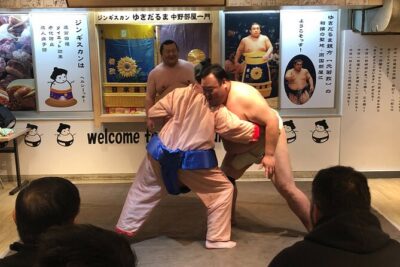
 ★ 4.8Sumo Show and Dining ExperienceFrom $792,742 reviews
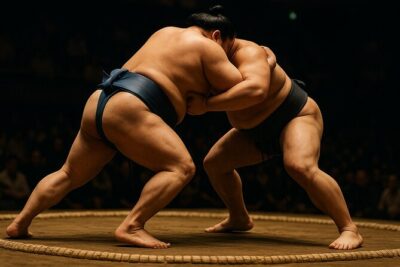
 ★ 5.0the SUMO showFrom $891,960 reviews
 ★ 5.0Tokyo Shinjuku Sumo Show & Experience with PhotoFrom $791,750 reviews
 ★ 4.8Sumo Show and Experience in ShinjukuFrom $691,001 reviews
 ★ 5.0Tokyo Grand Sumo Tournament Viewing Tour with TicketsFrom $124692 reviews
 ★ 5.0Tokyo Sumo Wrestling Tournament ExperienceFrom $124660 reviews
 ★ 4.7Luxury Sumo Show Experience & Japanese cuisine & DrinkFrom $103577 reviews
 ★ 4.8Sumo Morning Practice Viewing TourFrom $81570 reviews
Browse the lists this tour appears in