
Reviewed · SUMO TOURNAMENTS & SHOWS
Tokyo Ryogoku Sumo Morning Practice + Photo Shoot with Wrestlers
Sumo practice in the morning hits different. You get access to an unstaged training session in Ryogoku, plus included photo coverage and a local guide who helps you read what you’re seeing. It is a small-group way to understand why sumo is more than a match-day spectacle.
I love the close-up, no-frills look at drills, warmups, and real ranking culture. I also like how guides point out the details you would miss on your own, from how practice is structured to the etiquette that keeps a stable running smoothly.
One consideration: you will likely sit on tatami flooring for up to about 1.5 hours (sometimes longer), and photography rules can be strict depending on the stable.
In This Review
- Key highlights to know before you go
- Where to meet at Ryogoku and avoid the station mix-up
- Ryogoku stable morning: what you’ll actually see
- How the guide changes what you get from the session
- Photo shoot and photography rules: what’s included and what’s not guaranteed
- Ryogoku Kokugikan: a short stop with sumo-town context
- Price and value at $98.16: why this can be worth it
- Timing realities: schedule changes and what to do in the morning
- Who should book this sumo morning practice tour
- Should you book this Ryogoku sumo morning practice tour?
- FAQ
- Where do I meet the guide for this tour?
- What time does the tour start and how long is it?
- Is admission included?
- Can I take photos during the practice?
- Who can join this tour?
- What happens if the stable cancels the practice schedule?
Key highlights to know before you go
- Small group access with a maximum of 7 travelers, so you get a more personal view than you would at a big venue
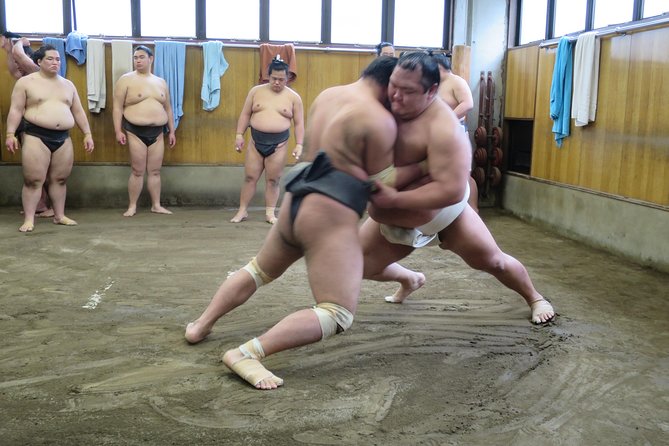
- Real stable training instead of a staged show, with a schedule that can shift depending on wrestlers’ condition
- Photo coverage included, with additional photo opportunities only if the stable allows it
- Ryogoku focus in Tokyo’s sumo town, plus a short stop at Ryogoku Kokugikan
- Floor seating on tatami, so comfortable clothes help more than you’d expect
Where to meet at Ryogoku and avoid the station mix-up
This starts early, with meeting at Re.Ra.Ku Ryōgoku Ekimae, right by JR Ryogoku Station East Exit (look for the red/orange MagicalTrip board). The address is on the elevated area under the station: Yokoami, 1-chōme 35.
Here’s the one logistics detail worth treating seriously: there are two Ryogoku stations. You want JR Ryogoku, not Ryogoku Oedo Line Station. If you arrive at the wrong one, you can lose time fast and the tour is timing-sensitive.
The group is kept small, and you will walk with the guide to a sumo stable. That walk can range from about 5 to 30 minutes, depending on which stable is available that day.
Other ringside bookings readers scored
- Tokyo: Sumo Show and Dining Experience
★ 4.8 · 2,742 reviews - the SUMO show
★ 5.0 · 1,960 reviews - Tokyo Shinjuku Sumo Show & Experience with Photo
★ 5.0 · 1,750 reviews - Tokyo: Sumo Show and Experience in Shinjuku
★ 4.8 · 1,001 reviews
Ryogoku stable morning: what you’ll actually see
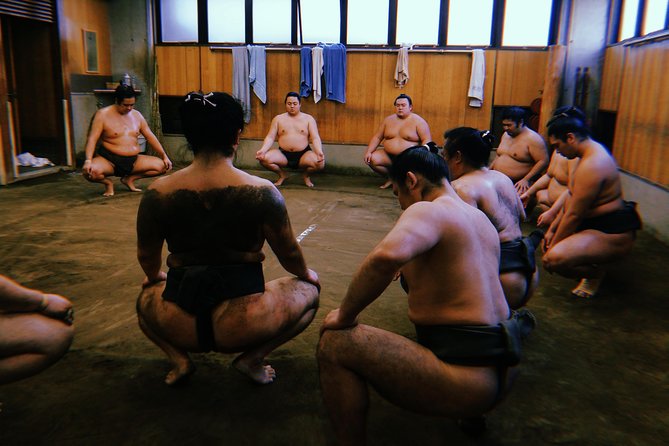
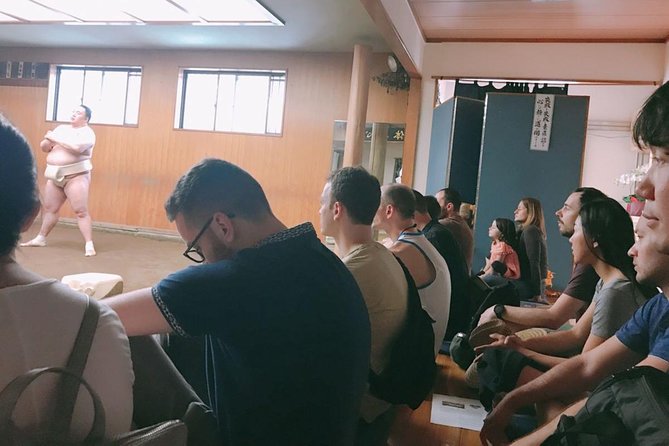
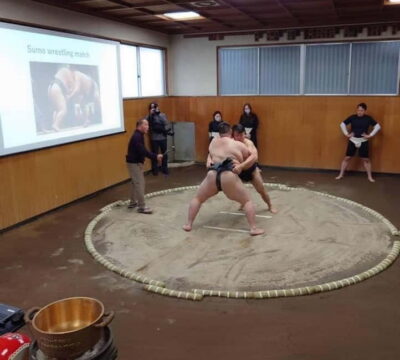
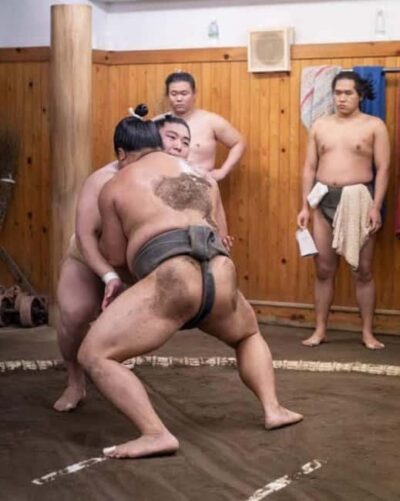
The core of this experience is watching wrestlers train in their own stable setting. You’ll enter the stable with your guide and settle into your designated area. Then you watch training unfold, with the pace and order set by the stable and the wrestlers themselves.
The practice period is about 1 hour 30 minutes (approx.), but it can run longer. That matters because you should plan your morning around the idea that time is flexible at a living training facility.
What makes this so compelling is that it does not feel like a performance. It is work: warmups, technique practice, and a lot of structured routine that shows how disciplined the culture is. Even if you only know sumo from TV matches, watching the repeated drills helps you understand why match outcomes are built on years of training habits, not just one moment of luck.
A few practical things to expect inside the stable:
- Chairs usually are not available, so plan to sit on the floor on tatami
- Only certain areas are allowed (generally the tatami areas), and other zones are off-limits
- The stable may refuse guests who break rules, so keep it quiet and follow your guide’s instructions
Also, don’t assume you can step out whenever you want. You might not be allowed to go to the toilet during the practice, so it’s smart to handle that before the tour begins.
One more important vibe check: sumo stables are strict about respect. Some guides have required masks and very quiet behavior in order to keep the training environment calm. Rules can vary by stable, so treat instructions about seating, silence, and photography as non-negotiable.
How the guide changes what you get from the session
The best version of this tour comes from the guide doing what they’re supposed to do: translating the ritual into something you can actually notice in real time.
Guides on this tour have been praised for giving solid explanations before you even reach the stable. That prep helps you spot what’s going on while it’s happening, not after the fact. People also mention that guides point out details like hierarchy and the logic behind drills and routines.
You’ll likely hear the kinds of explanations that help you connect three things:
- What the wrestlers are practicing (not just that they are sweating)
- Why their order and behavior matters (sumo is built on rank and respect)
- How a stable functions day to day (so you see people, not costumes)
You can also benefit from this if you’re coming in as a total beginner. Even if you don’t know the ranking system yet, the guide’s context makes the practice easier to follow.
If you have strong sumo knowledge already, you might still appreciate a guide who can point out the smaller details, like how routines flow and where discipline shows up in body language.
Photo shoot and photography rules: what’s included and what’s not guaranteed
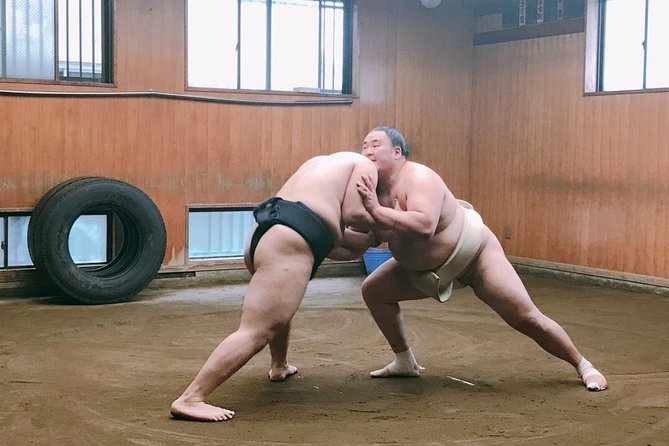
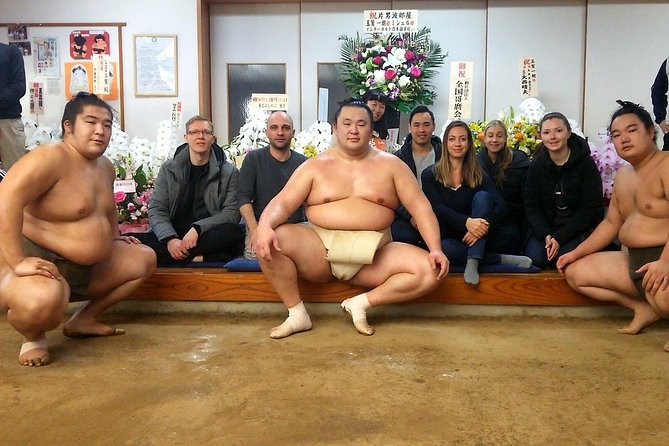
This experience includes tour photos—the idea is that you’ll have some photographic coverage tied to the visit.
But the stable controls photography in real-world ways, and that’s the part to understand up front. Sumo stables decide:
- whether audiences can photograph the wrestlers during training
- whether photos with wrestlers are allowed
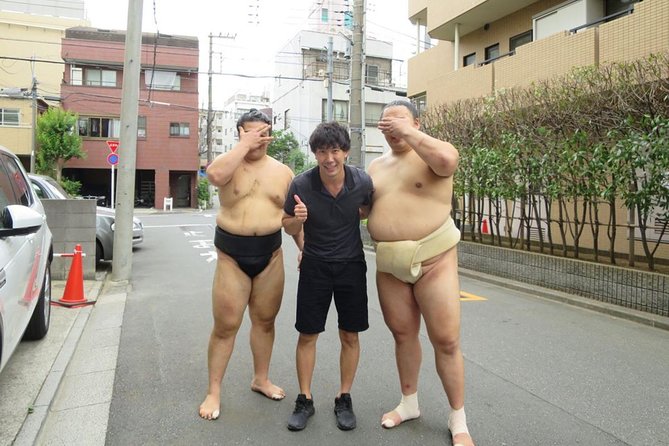
So while the tour is described as a photo shoot with wrestlers, treat that as conditional on stable approval. Sometimes you may be able to take pictures during allowed segments; other times you might be restricted until later, or you might be limited to a posed moment after the practice.
What this means for you as a photographer:
- Bring your camera, but be ready for rules that limit when you can shoot
- Follow your guide’s direction quickly if instructions change on-site
- Assume you might have to wait until the stable says it’s okay
Even with restrictions, the included photo coverage is a key part of the value, because it reduces the risk that you leave with only blurry, off-timing shots.
Ryogoku Kokugikan: a short stop with sumo-town context
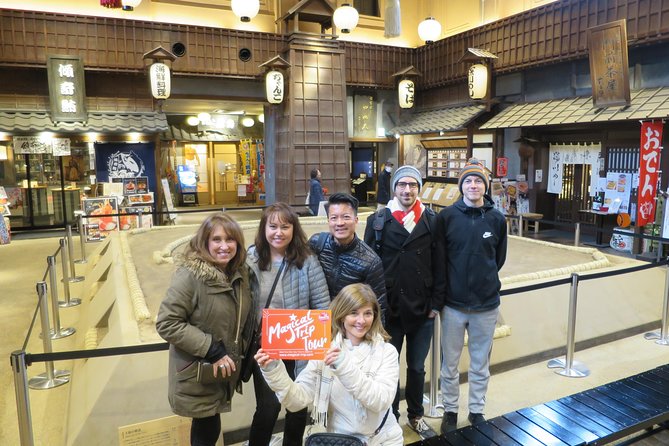
After the stable visit, you return to the Ryogoku area and the tour includes a brief 10-minute stop at Ryogoku Kokugikan. This is more of a grounding moment than a long museum-style visit.
Think of it as a chance to connect what you just saw in a stable with the larger sumo world in Tokyo. Even with limited time, it helps you place the training you watched into the bigger sumo ecosystem.
Also, in practice, this stop can help the day feel less like a single long sit-and-watch block. You get a small change of pace before heading back.
Readers also shortlisted these Tokyo bookings:
- Tokyo: Sumo Morning Practice Viewing Tour★ 4.8 · 570 reviews
- Tokyo: Sumo Morning Training Visit★ 4.4 · 370 reviews
- Tokyo: Visit Sumo Morning Practice with English Guide★ 4.7 · 343 reviews
- Tokyo: Sumo Morning Practice Tour at Sumida City★ 4.8 · 308 reviews
- Tokyo Sumo Morning Practice Tour at Stable★ 5.0 · 298 reviews
Price and value at $98.16: why this can be worth it
At $98.16 per person, this is not a cheap add-on. But it does bundle a few things that are hard to replicate on your own:
- Stable access with a guide who can help you get in
- Included admission for the sumo morning practice segment
- A short sumo town add-on at Ryogoku Kokugikan
- Tour photos included
- A small group size (maximum 7), which helps with the overall atmosphere
The biggest value driver is access. Sumo stables are not generally set up like tourist attractions. With local help, you’re more likely to follow the correct entry flow and get the context that turns a passive viewing session into something you understand.
That said, you should also match expectations to the format:
- This is mostly watching and listening, not a hands-on activity
- You may join once practice is already underway, depending on the stable’s schedule that morning
- You should plan to sit quietly, with limited movement
If you want a lot of talk, lots of stops, or a multi-hour schedule with many different activities, this may feel simple. But if your priority is close, real sumo practice access in Ryogoku, the price can start to look fair fast.
Timing realities: schedule changes and what to do in the morning
There’s one travel truth here: stable schedules can shift last-minute. The stable has the right to adjust based on tournament timing and wrestlers’ condition.
If that means the practice can’t happen, your booking can be fully refunded. That flexibility is important because the experience depends on a real training window, not a scripted show.
Also keep in mind:
- The tour must start on time, and if you’re late by more than about 15 minutes, you may not be able to join (and you likely won’t get a refund or reschedule)
- Practice duration can run longer than the estimate, so keep your next commitment loose
If you’re traveling in summer, plan for heat and humidity. Bring water and consider a hat, since the meeting and walking portions happen outdoors.
Who should book this sumo morning practice tour
This tour is a great fit if you:
- want to see sumo in a real stable setting
- care about understanding the culture, not just watching action
- enjoy calm, respectful sightseeing with a guide who explains what matters
- like smaller-group experiences where you can actually hear and focus
It may not be the best fit if you:
- can’t handle sitting on the floor for about 1.5 hours or more
- need a lot of breaks and movement during the session
- dislike photography rules and strict quiet behavior
Age-wise, it’s designed for participants 12 and older. Children under 12 are not allowed inside the sumo morning practice.
Should you book this Ryogoku sumo morning practice tour?
Book it if your top goal is close access to genuine morning training and you’re ready for a quiet, floor-sitting experience. The included guide explanations and tour photo coverage help you get more out of the session than you would by trying to wing it.
Skip or reconsider if you’re looking for a loud, entertainment-style event, lots of stops, or guaranteed photography freedom during training. Here, rules depend on the stable, and you’ll want to be okay with that.
FAQ
Where do I meet the guide for this tour?
You meet at Re.Ra.Ku Ryōgoku Ekimae in Tokyo, at JR Ryogoku Station East Exit (the guide holds a red/orange MagicalTrip board). The tour returns to the same meeting point.
What time does the tour start and how long is it?
The start time is 8:00 am. The duration is about 2 hours (approx.), with the sumo practice lasting about 1 hour 30 minutes.
Is admission included?
Yes. Your sumo morning practice entrance ticket is included, and admission for Ryogoku Kokugikan is free during the short stop.
Can I take photos during the practice?
Photo permission depends on the sumo stable. The stable decides whether you can photograph the wrestlers during practice and whether photos with wrestlers are allowed.
Who can join this tour?
The tour is for ages 12 and over. Children under 12 are not allowed inside the sumo morning practice.
What happens if the stable cancels the practice schedule?
If the stable cancels or suddenly changes the schedule, your booking may be canceled and you will receive a full refund shortly.
More Morning in Tokyo
- Tokyo: Sumo Morning Practice Viewing Tour
★ 4.8 · 570 reviews - Tokyo: Sumo Morning Training Visit
★ 4.4 · 370 reviews - Tokyo: Visit Sumo Morning Practice with English Guide
★ 4.7 · 343 reviews - Tokyo: Sumo Morning Practice Tour at Sumida City
★ 4.8 · 308 reviews - Tokyo Sumo Morning Practice Tour at Stable
★ 5.0 · 298 reviews
More Tour Reviews in Tokyo
- Mt Fuji and Hakone 1-Day Bus Tour Return by Bullet Train
★ 5.0 · 26,383 reviews - 1-Day Tokyo Bus Tour
★ 5.0 · 14,250 reviews - Tokyo: teamLab Planets TOKYO Digital Art Museum Entry Ticket
★ 4.6 · 9,779 reviews - Mt Fuji & Hakone Cruise, Drum Show Bullet Train 1 Day from Tokyo
★ 4.0 · 7,413 reviews - Tokyo: Shinjuku Food Tour (13 Dishes at 4 Local Eateries)
★ 5.0 · 6,603 reviews
More Sumo, Ringside and Rated
- Tokyo: Sumo Show and Dining Experience
★ 4.8 · 2,742 reviews - the SUMO show
★ 5.0 · 1,960 reviews - Tokyo Shinjuku Sumo Show & Experience with Photo
★ 5.0 · 1,750 reviews - Tokyo: Sumo Show and Experience in Shinjuku
★ 4.8 · 1,001 reviews - Tokyo Grand Sumo Tournament Viewing Tour with Tickets
★ 5.0 · 692 reviews
Latest Tokyo reviews off our desk






Sumo Tournaments & Shows, compared.
 ★ 4.8Sumo Show and Dining ExperienceFrom $792,742 reviews
 ★ 5.0the SUMO showFrom $891,960 reviews
 ★ 5.0Tokyo Shinjuku Sumo Show & Experience with PhotoFrom $791,750 reviews
 ★ 4.8Sumo Show and Experience in ShinjukuFrom $691,001 reviews
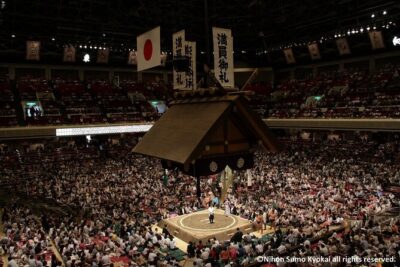 ★ 5.0Tokyo Grand Sumo Tournament Viewing Tour with TicketsFrom $124692 reviews
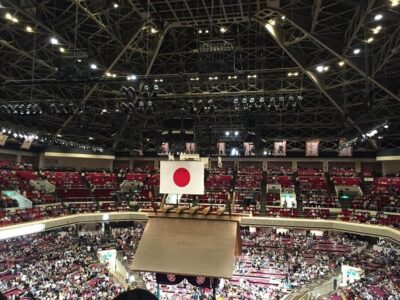 ★ 5.0Tokyo Sumo Wrestling Tournament ExperienceFrom $124660 reviews
 ★ 4.7Luxury Sumo Show Experience & Japanese cuisine & DrinkFrom $103577 reviews
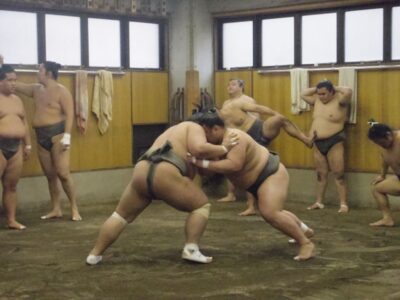 ★ 4.8Sumo Morning Practice Viewing TourFrom $81570 reviews
Browse the lists this tour appears in