
Reviewed · CRAFT & ARTISAN WORKSHOPS
Experience all of Japanese culture and Japanese food experience classes “origami, udon, Japanese food, green tea, calligraphy” in 4 hours
A Japanese cooking day beats any food tour. In just 4 hours in Omori, you’ll fold origami first, then make fresh udon noodles with the hosts in their home, finishing with matcha and name calligraphy. I love how the day mixes hands-on food work with small cultural crafts, and I also like that drinks are free while you eat. The only real consideration: this is a home-based experience, so it’s less about big sightseeing and more about staying focused on the lesson.
You’ll meet at JR Omori Station and walk about 8 minutes through a calmer residential side of town. Taka greets you, Keiko leads the calligraphy souvenir, and the whole thing runs on a warm, family-style pace. It’s private too, so you won’t get shuffled with strangers unless your own group is.
In This Review
- Key highlights you’ll actually remember
- Entering a Tokyo home for a 4-hour Japanese culture menu
- Meeting at JR Omori Station and walking into a quieter Tokyo
- Origami crane with Taka: the calm start before the kitchen work
- Step-by-step udon noodle making in a real Japanese kitchen
- Sushi, gyoza, and tempura-style cooking for your lunch table
- Matcha and Japanese sweets after you eat: the finishing ritual
- Keiko’s calligraphy souvenir: your name on colored paper
- Drinks included with lunch: what that means for value and vibe
- Price and what you truly get for $92.50
- Dietary needs: vegetarians and vegans are built into the plan
- Who this 4-hour homecoming TAKA experience is best for
- Should you book homecoming TAKA in Omori?
- FAQ
- Where do I meet for the experience?
- How long is the experience?
- What activities are included during the 4 hours?
- Is lunch included?
- Are drinks included?
- Do vegetarians and vegans have an option?
- Is the tour private?
- What souvenir do I get?
- Is transfer included?
- What is the cancellation policy?
- Do I receive a ticket digitally?
Key highlights you’ll actually remember
- Origami crane as the warm-up, before you touch food
- Fresh udon from scratch, including getting involved in the kneading step
- Lunch you make together: sushi and gyoza, plus Japanese small plates
- Matcha and sweets after the meal, not just a quick sip
- Calligraphy with Keiko: your name written on colored paper to take home
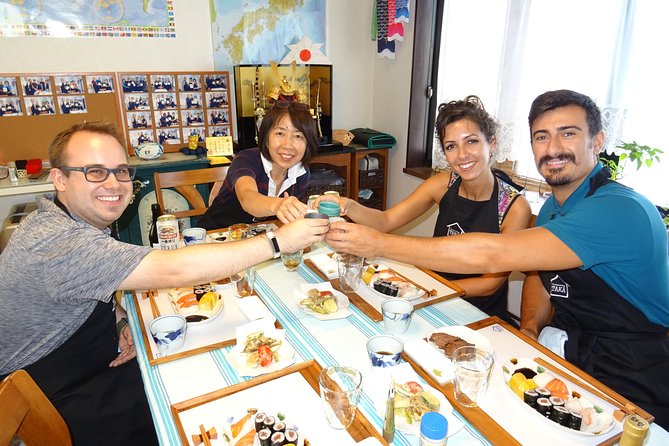
- Free drinks during the meal, including sake, beer, and shochu
Entering a Tokyo home for a 4-hour Japanese culture menu
This experience is built around one simple idea: Japanese culture isn’t only on streets and in museums. It’s in the rhythm of a home meal, in the patience of folding paper, and in the care behind everyday ingredients. In 4 hours, you get a tight sequence of crafts and cooking that feels purposeful instead of random.
I also like the clarity of the flow. You’re not trying to guess what comes next. It’s origami → udon → sushi/gyoza lunch with Japanese small plates → matcha and sweets → calligraphy souvenir.
And it’s hard not to smile at the tone. This isn’t a classroom lecture. It’s a kitchen day with conversation happening while you work.
More hands-on studios our readers booked
- Tokyo Shinjuku Chopsticks Making Class
★ 5.0 · 1,763 reviews - Chopstick Making Workshop in Ginza
★ 4.8 · 1,366 reviews - Kintsugi Experience: Art of Golden Joinery in Tokyo
★ 5.0 · 467 reviews - Tokyo Chopstick Making Workshop with Artisan
★ 5.0 · 466 reviews
Meeting at JR Omori Station and walking into a quieter Tokyo
Your start point is the central exit of JR Omori Station at 10:30 am. Look for someone carrying a bag with the homecoming TAKA logo. You’ll then walk roughly 8 minutes to the house.
One reason I like this approach: the walk gives you a small taste of ordinary Tokyo. You pass a shrine and move through a quiet residential area. It’s a helpful contrast if your first days in Tokyo have been all neon and crowds.
Practical tip: plan to arrive a few minutes early so you can settle your group and get oriented. A meeting time at a train station is smooth when you’re not sprinting.
Origami crane with Taka: the calm start before the kitchen work
Origami comes first, with the classic folding of a paper crane. It’s more than a craft activity to fill time. Starting with origami sets the tone: small, precise movements; focus; and the sense that handmade things matter.
It also helps you break the ice. Paper cranes are easy to understand, even if your Japanese is limited. You’re creating something immediately, and that makes the later cooking feel like part of the same creative thread.
If you enjoy making things slowly—hands busy, brain quiet—this first step is a good fit. If you’re rushing through everything on your trip, you might feel the pace here. But the day works because it’s not a mad dash.
Step-by-step udon noodle making in a real Japanese kitchen
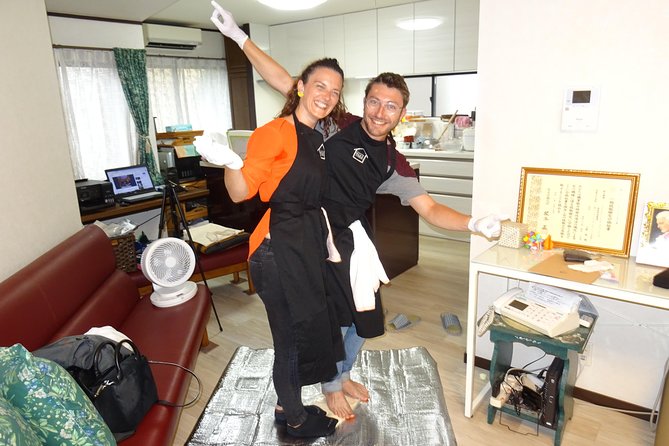
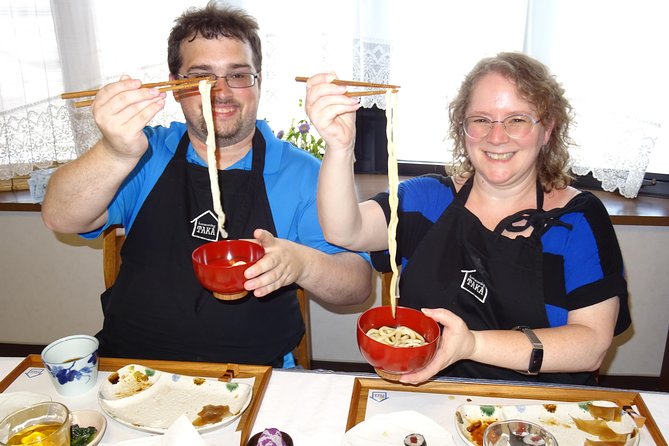
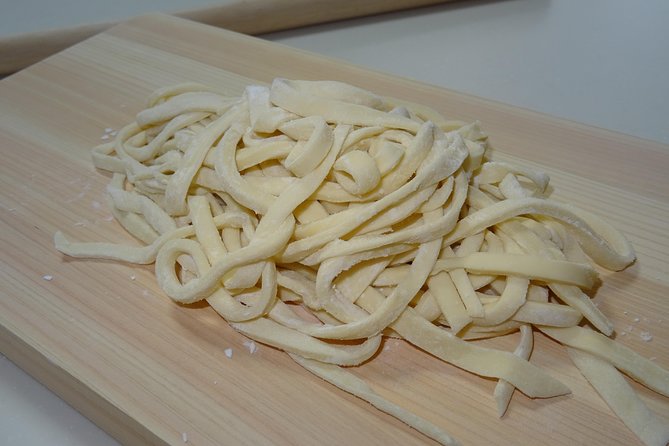
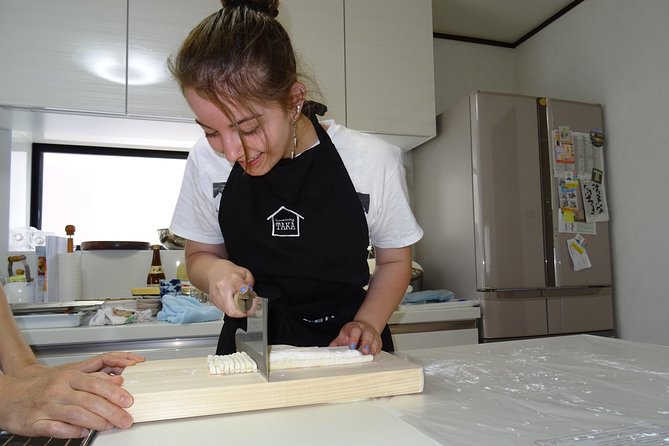
Next comes udon noodles, made by hand. You’ll work from materials through completion, and the process includes a kneading step where you step on the material. That’s one of those details that makes this tour feel like a lived-in technique session, not a staged demo.
This is the part where you learn the “feel” of dough. Time, pressure, and consistency matter. And because you’re physically involved, you don’t just watch—it sticks.
When lunch time comes, you’ll have a stronger appreciation for what you’re eating. Udon isn’t just noodles. It’s texture, thickness, and patience. Making it yourself gives you a mental reference point you won’t get from ordering it somewhere.
Practical tip: wear comfortable clothes you don’t mind getting a bit doughy or flour-adjacent. Kitchens are messy by nature, and this one is hands-on.
Sushi, gyoza, and tempura-style cooking for your lunch table
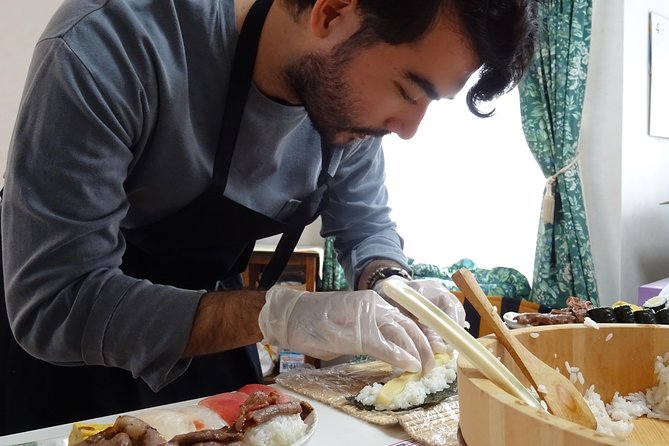
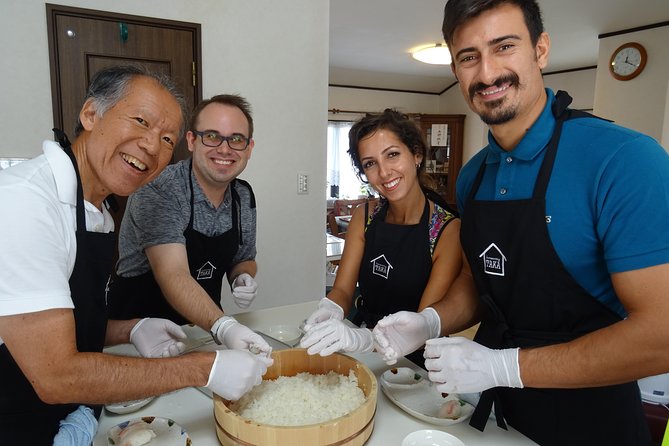
For lunch, you’ll make the main items together: sushi and gyoza. The hosts also serve Japanese small plates, and the overall meal is set up to feel like a real home lunch, not a restaurant performance.
The best part here is the combination: sushi gives you a sense of shaping and finishing. Gyoza teaches you something different—how filling and wrappers come together into something pan-cooked and satisfying. Together, they cover multiple Japanese home-cooking skills.
And yes, tempura is part of the overall food experience. Some guests highlight learning it during the session and sharing later photos back home. Even if you’ve had tempura before, there’s a difference between eating it and learning the process behind it.
Because this is a private setup, you get a more personal rhythm. The hosts can adjust their teaching to your pace, and you can ask questions while cooking instead of waiting for the next “lecture moment.”
Readers also shortlisted these Tokyo bookings:
- Tokyo: Shinjuku Food Tour (13 Dishes at 4 Local Eateries)★ 5.0 · 6,603 reviews
- Tokyo Tsukiji Fish Market Food and Culture Walking Tour★ 5.0 · 3,184 reviews
- Tokyo: Shinjuku Food Tour (15 Dishes and 4 Eateries)★ 4.9 · 2,033 reviews
- Best of Shinjuku: Izakaya Food Tour (4 Stops, 14+ Tastings)★ 5.0 · 1,863 reviews
- Tokyo: Tsukiji Fish Market Food and Walking tour★ 5.0 · 1,724 reviews
Matcha and Japanese sweets after you eat: the finishing ritual
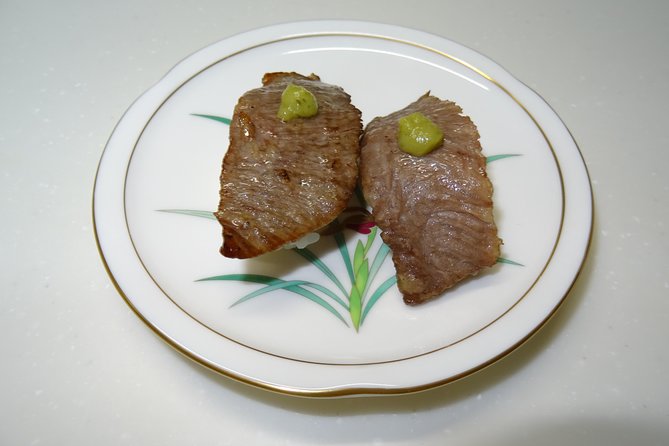
After lunch, the day shifts to matcha (green tea). You’ll make matcha together and then taste it along with local Japanese sweets.
This is a great time to slow down. You’ve worked with your hands, you’ve eaten, and now you get a calmer ritual that’s very “Japan at home.” Matcha isn’t just a drink here—it’s a palate reset and a cultural moment.
If you like tea culture, you’ll appreciate the sequence: meal first, then matcha and sweets. It feels natural. It also gives you a chance to ask more general questions about daily life in Tokyo while you’re tasting.
Keiko’s calligraphy souvenir: your name on colored paper
The final act is calligraphy. Keiko writes your name in calligraphy on colored paper, and you take it home as a souvenir.
This is one of those details that turns the experience into something you can actually use later. A food photo fades quickly. A name in ink lasts. It’s also a personal touch, especially if you’re traveling with family or friends and want a keepsake that feels handmade.
Calligraphy also mirrors the earlier origami theme: careful strokes, deliberate movement, and respect for small form. By the time you reach this step, the day feels cohesive instead of like five separate activities.
Drinks included with lunch: what that means for value and vibe
Drinks are free with the meal. The included options list sake, beer, shochu, and soft drinks.
Value-wise, that matters. At $92.50 per person, you’re not only paying for classes and lunch—you’re also getting the social part that makes home-table meals fun. A lesson on Japanese food tastes better when you’re sharing it in a relaxed, adult-friendly atmosphere.
If you don’t drink alcohol, you still get soft drinks included, so you’re not missing the full experience.
The overall vibe from guests is consistent: warm welcome, lots of conversation, and the sense that you’re being hosted rather than processed. That’s a rare combination in Tokyo.
Price and what you truly get for $92.50
Let’s talk value without pretending it’s a bargain. $92.50 for 4 hours is not a “cheap lunch with a side workshop.” You’re paying for a private, home-based setup where the hosts guide you through multiple hands-on items: origami, udon noodle making, sushi and gyoza cooking, matcha, and calligraphy.
Here’s why it feels worth it:
- You get multiple skills in one morning (not just one craft).
- Lunch is included, and it’s part of the making process, not just served.
- Drinks are included during the meal.
- The calligraphy souvenir gives you a tangible takeaway.
The main value risk is if you’re in Tokyo for broad sightseeing and want fewer “hands-on” moments. If that’s you, you may feel like you’re spending too much time at one address. But if you want the kind of experience that feels like a friendship connection as much as a cooking class, this format delivers.
Dietary needs: vegetarians and vegans are built into the plan
The experience explicitly notes that vegetarians and vegans can enjoy all dishes with different ingredients. That’s a big deal for Japanese food, where fish-based broth and hidden ingredients can complicate things.
That said, your best move is to share your dietary needs clearly at booking so the hosts can prepare properly. The tour data shows they intend to accommodate, but good results depend on accurate info ahead of time.
If you’re traveling with a mixed group—one meat-eater, one plant-based—this is a setup where everyone can stay at the same table without turning the meal into a separate production.
Who this 4-hour homecoming TAKA experience is best for
This is especially good if you want:
- a hands-on cultural experience focused on food
- a private format where you don’t feel rushed with strangers
- a family-home vibe with conversation and direct teaching
- a souvenir that isn’t just a generic postcard
It also tends to work well for families, including kids, since the activities are varied and tactile. Origami, dough, shaping food, and tea tasting can all keep different ages engaged.
If your travel style is strictly sightseeing hours, you might prefer something with more walking outdoors. But if you want to learn how Japanese people prepare everyday favorites at home, this is a strong match.
Should you book homecoming TAKA in Omori?
Book this if you want a real home experience in Tokyo—food work you can repeat later, tea ritual you can remember, and a calligraphy souvenir made for you. I think it’s a smart choice for first-timers who feel Japan is too big and too distant, and for repeat visitors who want something more personal than standard tours.
Skip it only if you dislike home-based activities or you’re looking for broad city sightseeing. The whole point here is staying close to the kitchen and crafts for four focused hours.
If you do book: bring curiosity, wear comfortable clothes, and come ready to talk. The conversation is part of the product.
FAQ
Where do I meet for the experience?
You meet at the central exit of JR Omori Station at 10:30 am. Look for someone with a bag that has the homecoming TAKA logo.
How long is the experience?
It runs for about 4 hours.
What activities are included during the 4 hours?
You’ll fold origami (paper crane), make udon noodles, cook Japanese food such as sushi and gyoza with small plates, make matcha and enjoy Japanese sweets, and do calligraphy where Keiko writes your name on colored paper.
Is lunch included?
Yes. Lunch is included.
Are drinks included?
Yes. Drinks are free, including sake, beer, shochu, and soft drinks.
Do vegetarians and vegans have an option?
Yes. Vegetarians and vegans can enjoy all dishes with different ingredients.
Is the tour private?
Yes. It is a private tour/activity, and only your group participates.
What souvenir do I get?
Keiko writes your name in calligraphy on colored paper, which you take home.
Is transfer included?
No. Transfer is not included.
What is the cancellation policy?
Free cancellation is available up to 24 hours in advance for a full refund.
Do I receive a ticket digitally?
Yes. The experience uses a mobile ticket.
More Food & Drink in Tokyo
- Tokyo: Shinjuku Food Tour (13 Dishes at 4 Local Eateries)
★ 5.0 · 6,603 reviews - Tokyo Tsukiji Fish Market Food and Culture Walking Tour
★ 5.0 · 3,184 reviews - Tokyo: Shinjuku Food Tour (15 Dishes and 4 Eateries)
★ 4.9 · 2,033 reviews - Best of Shinjuku: Izakaya Food Tour (4 Stops, 14+ Tastings)
★ 5.0 · 1,863 reviews - Tokyo: Tsukiji Fish Market Food and Walking tour
★ 5.0 · 1,724 reviews
More Tour Reviews in Tokyo
- Mt Fuji and Hakone 1-Day Bus Tour Return by Bullet Train
★ 5.0 · 26,383 reviews - 1-Day Tokyo Bus Tour
★ 5.0 · 14,250 reviews - Tokyo: teamLab Planets TOKYO Digital Art Museum Entry Ticket
★ 4.6 · 9,779 reviews - Mt Fuji & Hakone Cruise, Drum Show Bullet Train 1 Day from Tokyo
★ 4.0 · 7,413 reviews - Tokyo: Shinjuku Food Tour (13 Dishes at 4 Local Eateries)
★ 5.0 · 6,603 reviews
More Artisan Workshops in Tokyo
- Tokyo Shinjuku Chopsticks Making Class
★ 5.0 · 1,763 reviews - Chopstick Making Workshop in Ginza
★ 4.8 · 1,366 reviews - Kintsugi Experience: Art of Golden Joinery in Tokyo
★ 5.0 · 467 reviews - Tokyo Chopstick Making Workshop with Artisan
★ 5.0 · 466 reviews - Tokyo: Shinjuku Chopstick Making Class
★ 4.9 · 440 reviews
Latest Tokyo reviews off our desk






Craft & Artisan Workshops, compared.
 ★ 5.0Tokyo Shinjuku Chopsticks Making ClassFrom $201,763 reviews
 ★ 4.8Chopstick Making Workshop in GinzaFrom $251,366 reviews
 ★ 5.0Kintsugi Experience: Art of Golden Joinery in TokyoFrom $59467 reviews
 ★ 5.0Tokyo Chopstick Making Workshop with ArtisanFrom $26466 reviews
 ★ 5.0Authentic Pure Gold Kintsugi Workshop with Master Taku in TokyoFrom $142217 reviews
 ★ 5.0Calligraphy on Kanji Fan & Scroll with DrinkFrom $53210 reviews
Browse the lists this tour appears in