
Reviewed · TSUKIJI MARKET FOOD TOURS
From Ocean to Chopsticks Tsukiji Market Food Tour By Local Expert
Your stomach will lead the way here.
I love the max-eight group size, because Tsukiji can feel like sensory overload. I also like that the guide adds history-and-culture context as you eat, so you’re not just checking boxes. The only real drawback: expect a lot of walking and fast-paced tasting in a crowded market environment.
This is a 4-hour walking tour with a professional guide, priced at $195 per person, and built around 4–5 food stops plus water and two soft drinks. You’ll start at Tsukiji Hongwanji Temple, then move through the market areas where seafood, tools, and ready-to-eat bites live side by side.
The best part is the flow: temple first, then the outer-market rhythm, then the fish-market streets. If you’re the type who wants to understand what you’re eating (and not wander aimlessly), you’ll like how the guide keeps you moving.
In This Review
- Key things to know before you go
- Ocean to Chopsticks: what this tour is really good at
- Tsukiji Hongwanji Temple: a calm start before market noise
- Jogai Market: the outer world of tools, groceries, and seafood snacks
- Tsukiji Fish Market streets: where seafood culture shows up fast
- Food stations: 4–5 tastings that actually add up
- The guide factor: why small-group commentary matters
- Who this tour fits best (and who should consider another plan)
- Price and value: is $195 a fair deal?
- Practical details you’ll care about on the day
- Should you book the Ocean to Chopsticks Tsukiji Market food tour?
- FAQ
- FAQ
- What is the price of the Tsukiji Market food tour?
- How long is the tour?
- How many people are in the group?
- What are the main stops on the itinerary?
- Is admission included for the temple stop?
- How many food stations are included?
- What drinks are included?
- Is alcohol included?
- Where does the tour start?
- Is it near public transportation?
Key things to know before you go
- Max 8 travelers means you actually hear your guide instead of competing with the crowd
- Temple stop first gives you a calmer start in the Tsukiji district
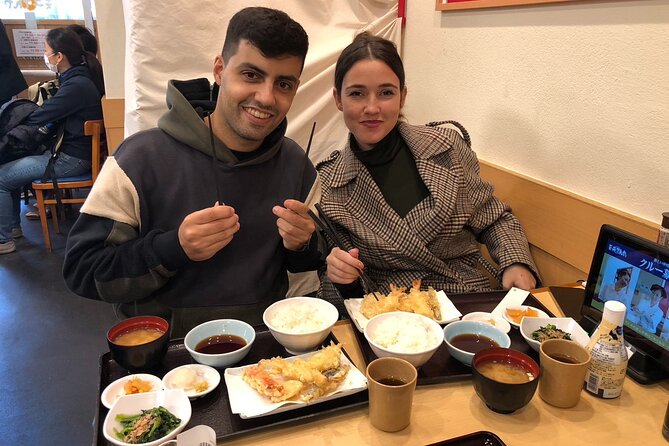
- Four to five food stations help you sample more than one style of market food
- Guide commentary turns chaos into meaning as you pass shops and eateries
- You’ll focus on seafood culture, including places where sushi is a natural fit
Ocean to Chopsticks: what this tour is really good at
Tsukiji is famous for a reason. It’s a place where food culture isn’t background noise—it’s the main event. In just a few hours, you can go from temples and traditional settings to the everyday market logic of knives, kitchens, seafood, and quick meals.
This tour is built for people who want structure. Without guidance, Tsukiji’s streets can feel like a lot of everything at once. With this format, you’re not choosing blindly. You’re led to a small set of tastings, with a guide giving context so you understand why certain bites are worth your time.
Also, the price makes sense if you think of it as paying for three things:
- a guided walk that saves you from decision fatigue
- curated tastings across different stations (not just one meal)
- an organized route through areas that are crowded and easy to misread
At $195, you’re not paying for luxury. You’re paying for time, local expertise, and a focused way to eat well in a short window.
More market breakfasts our reviewers scored
- Tokyo Tsukiji Fish Market Food and Culture Walking Tour
★ 5.0 · 3,184 reviews - Tokyo: Tsukiji Fish Market Food and Walking tour
★ 5.0 · 1,724 reviews - Tokyo: Tsukiji Fish Market Guided Walking Tour
★ 4.9 · 1,397 reviews - Tokyo Sushi Making Class in Tsukiji with Professional Chef
★ 5.0 · 1,177 reviews
Tsukiji Hongwanji Temple: a calm start before market noise
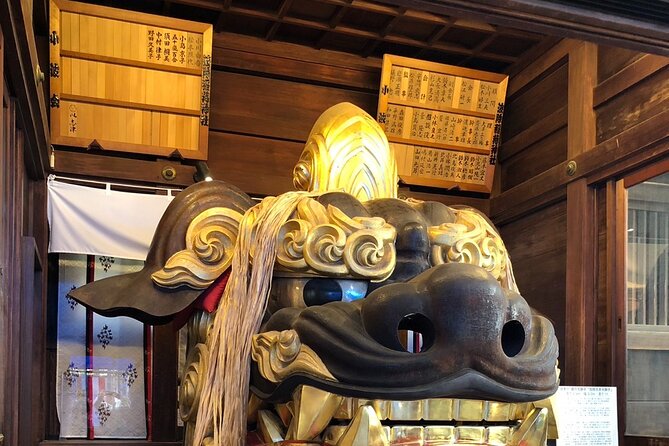
You begin at Tsukiji Hongwanji Temple (Tsukiji Hongan-ji, also seen as Hongwan-ji). It’s a Jodo Shinshu Buddhist temple in the Tsukiji district, and it’s adjacent to Tsukiji Station on the Tokyo Metro Hibiya Line—so it’s not a long commute from the rest of the day.
The temple stop is scheduled for about 1 hour, and admission is free. Even if you’re not a religious-architecture person, this kind of early stop works. It gives you a mental reset before you hit the market atmosphere. You’ll also get guide commentary to help you connect what you see to the local setting—important in a place like Tsukiji, where tradition and commerce overlap.
A practical tip: go into the temple stop with a slower pace. Later you’ll be moving and tasting quickly, so treat this part as your orientation moment—where you learn what the neighborhood is and how it fits together.
Jogai Market: the outer world of tools, groceries, and seafood snacks
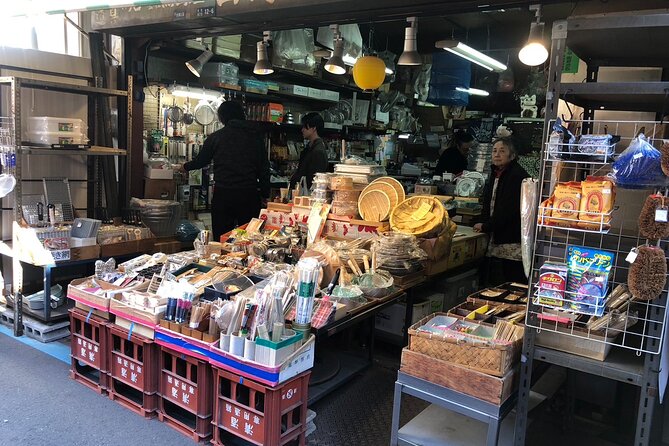
Next comes Tsukiji Jogai Market, often described as the outer market. This is where the Tokyo market experience becomes visible in everyday form: stalls and shops selling kitchen tools, groceries, and seafood, plus plenty of restaurants—especially sushi shops.
This segment is about 1 hour 30 minutes. The time matters because it’s long enough to see variety without feeling like you’re sprinting. The short version of what you’ll notice: the outer market is both practical and appetizing. It’s not only for visitors trying random bites; it’s also the kind of place locals treat as a serious food shopping destination.
What I like about this stop is the way it sets you up for the next phase. After you’ve watched the kinds of items people are buying—seafood and tools—you’ll understand more of what’s going on when you shift toward the fish-market focus.
One consideration: you’ll be in close quarters with lines, quick transactions, and lots of visual noise. If you’re someone who hates crowds, I’d still consider the tour—but I’d expect it to feel like a lively marketplace, not a quiet stroll.
Tsukiji Fish Market streets: where seafood culture shows up fast
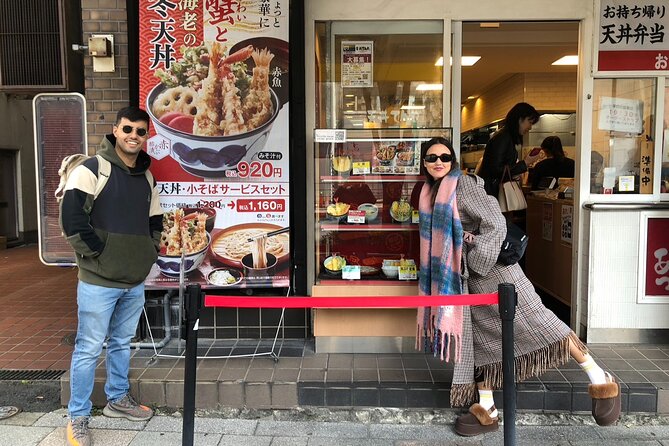
The tour then moves to the Tsukiji Fish Market area. Here, the outer market is often described as Japan’s Food Town—streets lined with a mix of wholesale and retail shops and numerous restaurants.
This portion also runs about 1 hour 30 minutes, and it’s where the tour’s food stations really start to feel meaningful. The goal isn’t to sample everything. It’s to hit several good stops so you leave with a real sense of Tsukiji flavors and styles.
You’re likely to encounter sushi as a key option. Tsukiji is Japan’s largest fish market, and the tour is clearly oriented toward seafood and the foods people come here to eat—so sushi fits naturally into the mix.
The best way to approach this segment is simple: let the guide handle the choices, and focus on tasting and asking questions. When someone tells you what you’re looking at and why that bite matters, you get more out of the meal than you would by just ordering randomly.
Food stations: 4–5 tastings that actually add up
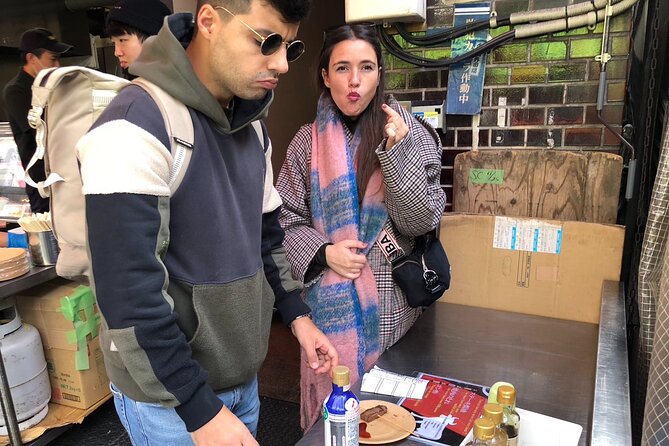
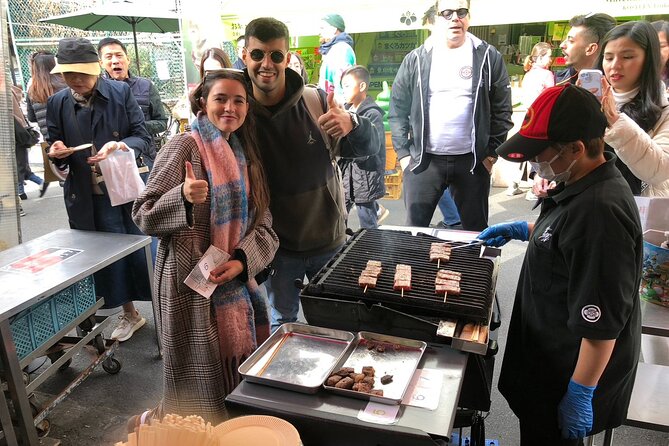
A lot of market tours promise food, then give you vague snacks. This one is more specific: you get 4 to 5 food stations chosen by the tour’s master chefs, plus 2 soft drinks and water.
Those included drinks aren’t a throwaway detail. Tsukiji walking can be thirsty work, and having water built into the plan keeps you from hunting for a drink mid-tour while you’re trying to keep up.
Why this format is good value: you’re getting multiple tastings rather than one big sit-down meal. That’s the main win in a place like Tsukiji, where the culinary culture is spread across many places, not concentrated in a single restaurant.
If you have strong dietary limits, you should treat this as a quick check-before-you-go situation with the operator or guide. The data provided doesn’t list dietary customization, and with market food, options can vary by station.
More hands-on studios our readers booked
- Tokyo Shinjuku Chopsticks Making Class★ 5.0 · 1,763 reviews
- Chopstick Making Workshop in Ginza★ 4.8 · 1,366 reviews
- Kintsugi Experience: Art of Golden Joinery in Tokyo★ 5.0 · 467 reviews
- Tokyo Chopstick Making Workshop with Artisan★ 5.0 · 466 reviews
- Tokyo: Shinjuku Chopstick Making Class★ 4.9 · 440 reviews
The guide factor: why small-group commentary matters
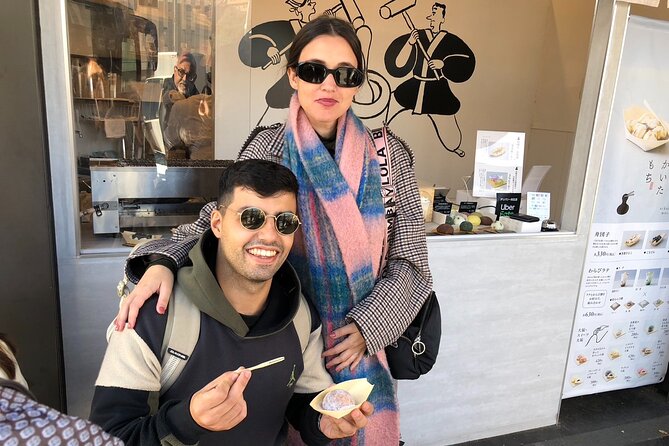
The itinerary is only half the story. The other half is the guide.
The tour includes commentary throughout, and the small group size (maximum eight travelers) helps that commentary land. In a market this busy, you don’t just want someone telling you where to eat—you want someone helping you interpret what you’re seeing.
One review highlight in particular: the guide named Amber was praised for making the experience unforgettable, from the first meeting to the finish. The comments focused on her knowledge of the area and a genuinely cheerful, welcoming style. That kind of guide presence is a big deal in Tsukiji, where momentum and confidence help you enjoy the day instead of second-guessing everything.
If you’re the type who likes to understand what you’re eating, the guide narration is a major reason to choose this over self-guided roaming.
Who this tour fits best (and who should consider another plan)
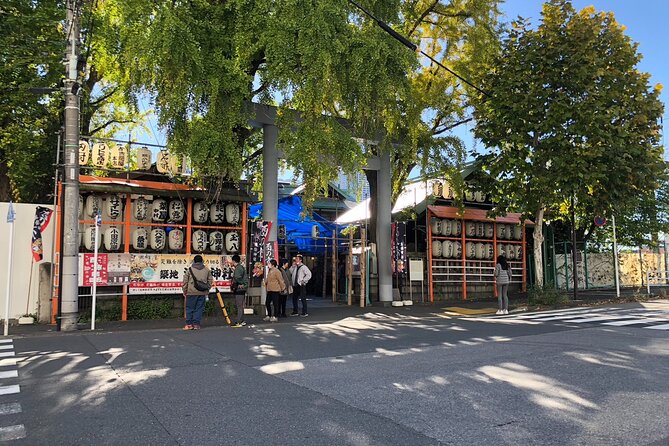
This is a strong match for:
- food-first visitors who want a structured route in Tsukiji
- sushi lovers who want a guided way to sample seafood culture
- people who get overwhelmed by too many choices and prefer someone to lead the decision-making
It’s also a decent option if you want a “Tokyo market day” that includes both tradition and food—because you start with Tsukiji Hongwanji Temple before moving into the outer and fish-market areas.
Consider another plan if:
- you hate crowds and fast pacing
- you need a very slow itinerary with lots of sitting time
- you’re looking for a hands-on cooking experience (this tour is described as a walking food tour, not a class)
Price and value: is $195 a fair deal?
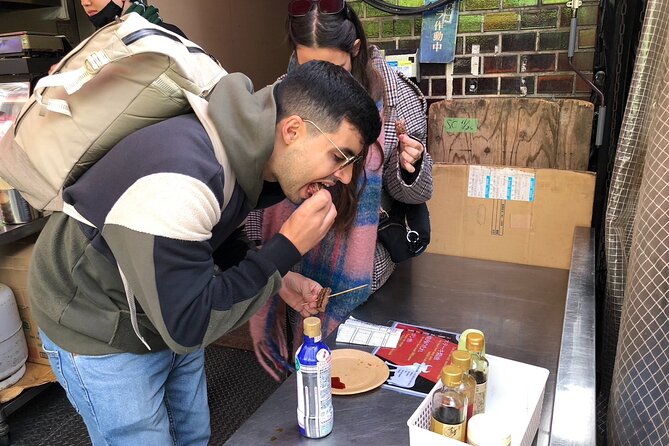
Let’s talk money like a traveler who wants value.
For $195, you get:
- a 4-hour walking tour with a professional guide
- 4–5 food stations
- 2 soft drinks and water
- a route that includes the temple stop and two main market segments
In Tokyo, food and guided time can be expensive. But here the value is that you’re not just paying for walking and talking—you’re paying for tastings across multiple stops, plus the planning and selection that keeps you from wasting time.
If you’re the kind of person who would otherwise spend your day:
- wandering
- getting stuck in one line
- ordering one meal
- and still feeling like you missed key Tsukiji experiences
Then paying for this structure is likely to feel worth it.
If you’re happy to freestyle and already know exactly where you want to eat, you could do Tsukiji on your own for less. But you’ll trade away the focused tastings and the guide’s interpretation.
Practical details you’ll care about on the day
- It’s a mobile-ticket experience. Bring your phone and keep an eye out for any check-in instructions you receive when booking.
- The tour ends back at the meeting point at Tsukiji Hongwanji Temple.
- The walk is designed for most travelers, and the starting area is near public transportation, which matters in a city where getting across districts can eat time.
- Admission at the temple is free as part of the scheduled visit.
For market food days, I’d also plan to dress for walking: comfortable shoes and lightweight layers. Even if the exact pace varies by day, the environment is active.
Should you book the Ocean to Chopsticks Tsukiji Market food tour?
If you want Tsukiji with training wheels—meaning you get tastings, a guided route, and context—you should book this. The small group limit, temple start, and 4–5 carefully picked food stations make it a practical way to enjoy one of Tokyo’s most famous food areas without spending the day guessing.
If you love spontaneity and already have a game plan for where you’ll eat, you might find it more cost-effective to go on your own. But for most people, the $195 price is easiest to justify when you compare it to the cost of multiple meals plus the value of having someone help you navigate Tsukiji efficiently.
FAQ
FAQ
What is the price of the Tsukiji Market food tour?
The tour costs $195.00 per person.
How long is the tour?
The duration is approximately 4 hours.
How many people are in the group?
The tour has a maximum of 8 travelers.
What are the main stops on the itinerary?
You visit Tsukiji Hongwanji Temple, Tsukiji Jogai Market, and the Tsukiji Fish Market area.
Is admission included for the temple stop?
Yes. The Tsukiji Hongwanji Temple stop lists admission as free.
How many food stations are included?
The tour includes 4 to 5 food stations chosen by the master chefs.
What drinks are included?
The tour includes 2 soft drinks and water.
Is alcohol included?
Alcoholic drinks are not included. Alcohol can be purchased, with the note that 18 years old is only allowed.
Where does the tour start?
The meeting point is Tsukiji Hongan-ji Temple at 3-chōme-15-1 Tsukiji, Chuo City, Tokyo 104-8435, Japan.
Is it near public transportation?
Yes, the tour is near public transportation, and most travelers can participate.
More Tour Reviews in Tokyo
- Mt Fuji and Hakone 1-Day Bus Tour Return by Bullet Train
★ 5.0 · 26,383 reviews - 1-Day Tokyo Bus Tour
★ 5.0 · 14,250 reviews - Tokyo: teamLab Planets TOKYO Digital Art Museum Entry Ticket
★ 4.6 · 9,779 reviews - Mt Fuji & Hakone Cruise, Drum Show Bullet Train 1 Day from Tokyo
★ 4.0 · 7,413 reviews - Tokyo: Shinjuku Food Tour (13 Dishes at 4 Local Eateries)
★ 5.0 · 6,603 reviews
More Artisan Workshops in Tokyo
- Tokyo Shinjuku Chopsticks Making Class
★ 5.0 · 1,763 reviews - Chopstick Making Workshop in Ginza
★ 4.8 · 1,366 reviews - Kintsugi Experience: Art of Golden Joinery in Tokyo
★ 5.0 · 467 reviews - Tokyo Chopstick Making Workshop with Artisan
★ 5.0 · 466 reviews - Tokyo: Shinjuku Chopstick Making Class
★ 4.9 · 440 reviews
More Tsukiji Market Breakfasts
- Tokyo Tsukiji Fish Market Food and Culture Walking Tour
★ 5.0 · 3,184 reviews - Tokyo: Tsukiji Fish Market Food and Walking tour
★ 5.0 · 1,724 reviews - Tokyo: Tsukiji Fish Market Guided Walking Tour
★ 4.9 · 1,397 reviews - Tokyo Sushi Making Class in Tsukiji with Professional Chef
★ 5.0 · 1,177 reviews - Tsukiji Fish Market Guided Tour and Sushi Making with Pro Chef
★ 5.0 · 775 reviews
Latest Tokyo reviews off our desk






Tsukiji Market Food Tours, compared.
 ★ 5.0Tokyo Tsukiji Fish Market Food and Culture Walking TourFrom $993,184 reviews
 ★ 5.0Tsukiji Fish Market Food and Walking tourFrom $301,724 reviews
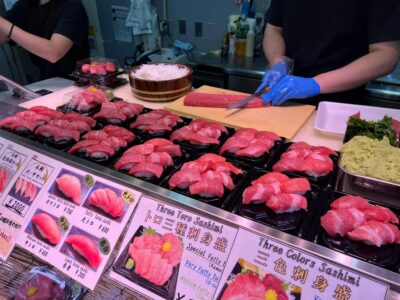 ★ 4.9Tsukiji Fish Market Guided Walking TourFrom $221,397 reviews
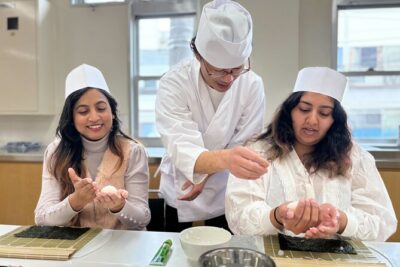 ★ 5.0Tokyo Sushi Making Class in Tsukiji with Professional ChefFrom $491,177 reviews
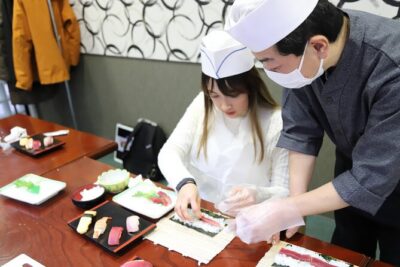 ★ 5.0Tsukiji Fish Market Guided Tour and Sushi Making with Pro ChefFrom $104775 reviews
★ 4.7Tsukiji Fish Market Food and Culture Walking TourFrom $96757 reviews
★ 5.0Tsukiji Fish Market Guided Tour and Sushi Making with Pro ChefFrom $104775 reviews
★ 4.7Tsukiji Fish Market Food and Culture Walking TourFrom $96757 reviews
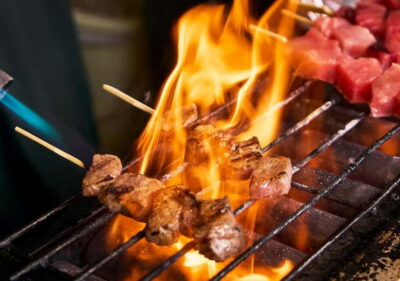 ★ 5.0Tsukiji Fish Market: Street Food & Culture Walking TourFrom $33669 reviews
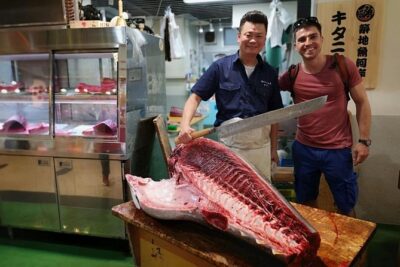 ★ 5.0Tsukiji Fish Market Small-Group Food Walking TourFrom $87621 reviews
Browse the lists this tour appears in