
Reviewed · SUSHI MAKING CLASSES
Fujisan Sushi Making Lesson
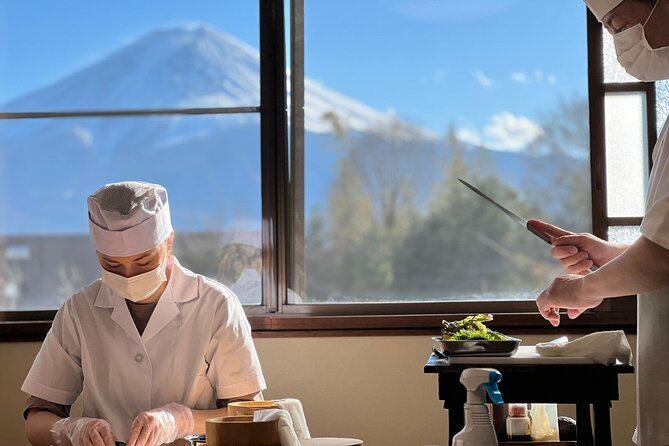
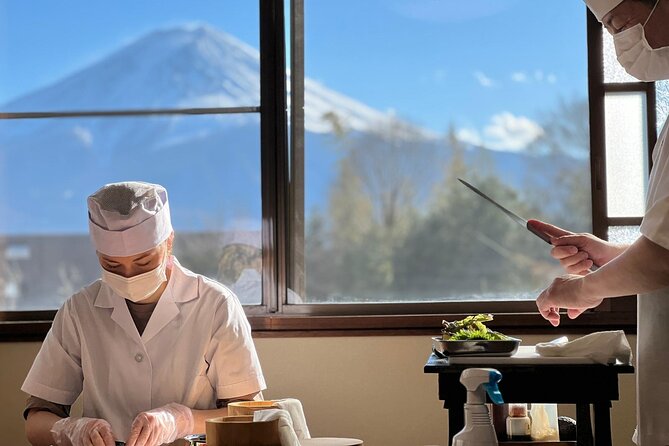
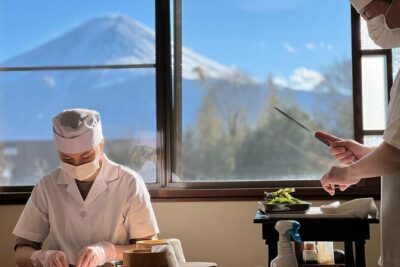
Sushi gets way easier with a pro. In Fujikawaguchiko, you make nigiri and sushi rolls with a veteran chef, plus you get to cook with Mount Fuji views in the background. It’s a structured, hands-on lesson built for real home practice, not just a quick photo stop.
What I love most is the combo of technique and context: you learn how sushi is put together, and you also get sushi tradition, plus Japanese table etiquette that helps you eat it like a local. One strong highlight from past students is the classroom style, including trivia questions and an informative slideshow that fills in history details you might not expect. The main drawback is the price at $229.91 per person, so it’s worth booking only if you’ll actually use what you learn after you go home.
In This Review
- Fujikawaguchiko’s Sushi Lesson: Mount Fuji While You Cook
- From Nigiri to Rolls: What You Actually Learn
- Table Etiquette and Sushi History That Change How You Eat
- How the Lesson Runs: Private Group, Chef Guidance, Real Hospitality
- Vegetarian Sushi and Allergy Notes You Should Plan For
- Price and Value: Is $229.91 Worth It?
- The Mount Fuji Timing Idea: Why This Setting Matters
- Getting There: Kawaguchiko Station Is Your Anchor
- Should You Book This Sushi Making Lesson?
- FAQ
- How long is the Fujisan Sushi Making Lesson?
- Where do I meet for the activity?
- What will I learn during the sushi class?
- Is there a vegetarian option?
- Does the chef teach in English?
- Is this a private experience?
- Will I receive a confirmation after booking?
- What is the cancellation policy?
Fujikawaguchiko’s Sushi Lesson: Mount Fuji While You Cook
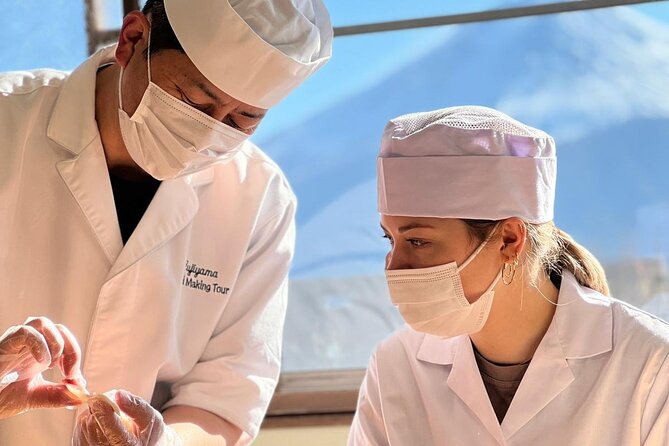
This experience takes place in Fujikawaguchiko-machi, a very doable base if you want Mount Fuji nearby without the chaos of bigger cities. You start at Kawaguchiko Station (3641 Funatsu, Fujikawaguchiko), and the activity ends back at that same meeting point. The course is set for about 3 hours, which is a good length for learning technique, not just watching.
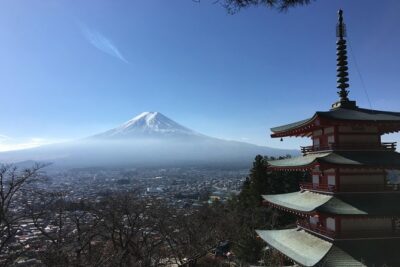
The best part is the atmosphere. You’re making sushi in a scenic area where you can enjoy beautiful Mount Fuji views while you prepare. That matters more than you might think. Sushi is all about calm, precision, and timing. When the setting makes you slow down, your hands and concentration tend to follow.
From Nigiri to Rolls: What You Actually Learn
This class is built around two core skills: nigiri-sushi and sushi rolls. That’s a practical choice because it covers both the classic hand-formed style and the wrap-and-slice world of rolls.
Here’s what that means for you as a cook at home:
- You’ll learn methods you can imitate later, instead of memorizing a single recipe.
- You’ll pick up the logic behind the shape and structure, which is what usually trips people up when they try to copy sushi they’ve eaten in restaurants.
- You’ll get guided practice so you can adjust as you go, which helps your confidence more than any cookbook ever will.
The instruction is led by a professional sushi chef with worldwide cooking experience. The lesson is explained in English, which is a big plus if your Japanese is limited. Still, sushi is full of small, practical motions. Even with English guidance, you’ll be doing the work with your hands, which is where the learning sticks.
Readers booked these Fujikawaguchiko machi options in the same breath. Here is how each one scored:
- Mt Fuji Area Private Guided Tours in English-Nature up close, quiet, personal
★ 5.0 · 288 reviews - Explore Mt. Fuji Ice Cave in Aokigahara Forest
★ 5.0 · 243 reviews - Private guided hidden gems tour by local English speaking driver
★ 5.0 · 142 reviews - Ramen Cooking Class at Ramen Factory in Mt.Fuji
★ 5.0 · 101 reviews
Table Etiquette and Sushi History That Change How You Eat
A lot of cooking classes teach food. This one also teaches the culture around it. You’ll learn the tradition and history of sushi, plus Japanese table etiquette. That’s valuable because sushi isn’t just ingredients on rice. It’s a way of eating.
Table etiquette can be surprisingly useful once you’re back in Japan (or eating sushi anywhere else). When you understand the expectations, you stop second-guessing yourself with every chopstick moment. And when you know a little history, you start noticing details you previously would have missed, like why certain presentation styles are so common.
One past student specifically praised the lesson’s trivia and slideshow. That hints at a more organized, classroom-friendly flow where background information is not tacked on at the end. If you like learning the why, not just the how, this format fits.
How the Lesson Runs: Private Group, Chef Guidance, Real Hospitality
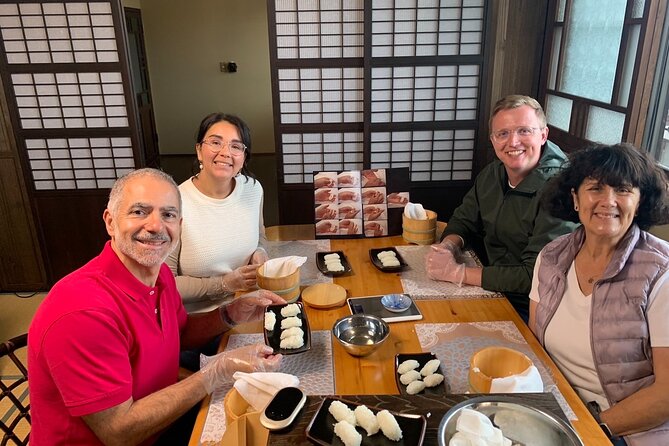
This is described as a private tour/activity, meaning only your group participates. That’s a meaningful difference versus big group classes where you ask one question and then wait your turn. In a private format, you can usually move at a pace that matches your comfort level, whether you’re a complete beginner or someone who has tried sushi at home and wants to fix the common mistakes.
You’ll also be treated with real Japanese hospitality. That shows up in how lessons are typically run: clear steps, patient corrections, and an emphasis on doing things properly. You’re not being rushed through motions.
You should also know that this experience is close to public transportation, so you’re not stuck arranging complicated rides just to get started. And it’s a mobile-ticket experience, which tends to make arrival less stressful.
Vegetarian Sushi and Allergy Notes You Should Plan For
Vegetarian is available. If you eat vegetarian (or you’re traveling with someone who does), that’s a major convenience. It means you can participate without turning the lesson into an awkward special request.
If you have any allergies, you should let the organizers know in advance. Sushi lessons involve fish-adjacent environments and shared prep. The fact they ask you to notify them early is the right mindset. Do that, and you’ll reduce the chance of last-minute limitations.
If you’re unsure what to communicate, think in terms of what you must avoid and how sensitive you are to cross-contact. Keep it simple and specific.
Price and Value: Is $229.91 Worth It?
At $229.91 per person, this isn’t a casual add-on. It’s closer to what you’d pay for a well-guided, skill-building workshop. So the real question is value: will you walk away with skills you can use?
Here’s why the price can make sense:
- You get direct chef instruction on two sushi types: nigiri and rolls.
- You also get teaching that expands beyond food: sushi history and Japanese table etiquette.
- The lesson is about technique you can imitate at home, which is exactly what you want if you’re the kind of person who enjoys repeating experiences rather than just collecting memories.
- It runs about 3 hours, which is enough time to feel your progress rather than just sampling the basics.
Who it’s most worth it for:
- You want hands-on instruction, not just a cultural talk.
- You’re a foodie who enjoys technique.
- You plan to try making sushi again at home, ideally within a few weeks.
Who may hesitate:
- If you only want a quick taste experience, this could feel pricey.
- If you’re not interested in doing the at-home practice part, the skills-and-context value won’t land as strongly.
There’s also a practical demand signal: it’s commonly booked well ahead (on average, about 157 days). That usually means the slots are limited or the experience is popular. If you’re set on going, planning ahead helps.
Readers also shortlisted these Fujikawaguchiko machi bookings:
- Ramen Cooking Class at Lake Kawaguchiko (Short Course)★ 5.0 · 42 reviews
- Sushi Cooking Class at Sushi Factory -KIWAMI- Mt.Fuji★ 5.0 · 23 reviews
The Mount Fuji Timing Idea: Why This Setting Matters
The listing positions the class as being near Mount Fuji with beautiful views during preparation. Even without getting fancy about the exact timing, you can treat the view as part of your learning. Sushi requires attention. When you’re looking at something calming and scenic, your attention holds better.
If you’re traveling through Japan and thinking about where to place this on your schedule, do it when you have enough energy to focus. A sushi lesson is more satisfying when you’re not rushing. You’ll get more from it if you’re mentally ready to cook, not just to get through the itinerary.
Getting There: Kawaguchiko Station Is Your Anchor
Your meeting point is Kawaguchiko Station, and the activity returns you there. That is comforting if you’re the type who hates end-of-day uncertainty. It also means you can plan your next meal or transport with less stress.
Because it’s near public transportation, you don’t need to build a big buffer just to reach the start. If you like simple plans, you’ll appreciate that the lesson is designed around a clear start and finish point.
Should You Book This Sushi Making Lesson?
If you want a skill-focused experience with Japanese context, I think it’s a strong booking choice. The chef-led instruction on nigiri and rolls plus the added material on sushi tradition and etiquette makes it more than a one-off meal.
I’d especially consider it if:
- You’re interested in Japanese food culture and want the etiquette side, not just cooking.
- You like learning through doing, with corrections along the way.
- You’re traveling with someone who wants a shared activity that feels authentic and practical.
I’d skip or think twice if:
- You expect only a casual introduction and don’t plan to practice at home.
- You’re looking for the lowest-cost activity in the area. At this price, the best results come from commitment on your end.
FAQ
How long is the Fujisan Sushi Making Lesson?
The lesson lasts about 3 hours.
Where do I meet for the activity?
You meet at Kawaguchiko Station, 3641 Funatsu, Fujikawaguchiko, Minamitsuru District, Yamanashi 401-0301, Japan.
What will I learn during the sushi class?
You’ll learn how to make nigiri-sushi and sushi rolls, along with Japanese table etiquette and the history of sushi.
Is there a vegetarian option?
Yes, vegetarian is available. Let the organizers know in advance if you need it.
Does the chef teach in English?
Yes, the chef explains in English.
Is this a private experience?
Yes. Only your group will participate.
Will I receive a confirmation after booking?
Confirmation is received within 48 hours of booking, subject to availability.
What is the cancellation policy?
You can cancel for a full refund up to 24 hours in advance of the experience’s start time.
More Workshops in Fujikawaguchiko machi
- Ramen Cooking Class at Ramen Factory in Mt.Fuji
★ 5.0 · 101 reviews - Ramen Cooking Class at Lake Kawaguchiko (Short Course)
★ 5.0 · 42 reviews - Sushi Cooking Class at Sushi Factory -KIWAMI- Mt.Fuji
★ 5.0 · 23 reviews
More Tour Reviews in Fujikawaguchiko machi
- Mt Fuji Area Private Guided Tours in English-Nature up close, quiet, personal
★ 5.0 · 288 reviews - Explore Mt. Fuji Ice Cave in Aokigahara Forest
★ 5.0 · 243 reviews - Private guided hidden gems tour by local English speaking driver
★ 5.0 · 142 reviews - Ramen Cooking Class at Ramen Factory in Mt.Fuji
★ 5.0 · 101 reviews - Early Morning Kayaking With Views of Mt Fuji at Lake Kawaguchiko
★ 5.0 · 69 reviews
Latest Fujikawaguchiko machi reviews off our desk

Sushi Making Classes, compared.
 ★ 5.0Sushi Making Tokyo Roll and Authentic Japanese Sushi ClassFrom $593,971 reviews
 ★ 4.9Roll and Authentic Sushi Making Class in AsakusaFrom $581,957 reviews
 ★ 5.0Make Sushi and Create Unforgettable Memories in TokyoFrom $791,413 reviews
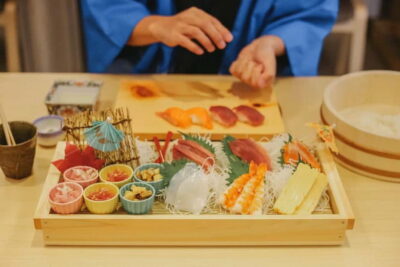 ★ 4.9Sushi Making Class in a Happi Coat near a Famous SpotFrom $421,377 reviews
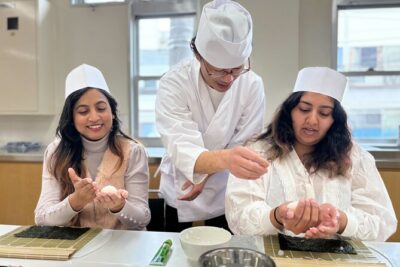 ★ 5.0Tokyo Sushi Making Class in Tsukiji with Professional ChefFrom $491,177 reviews
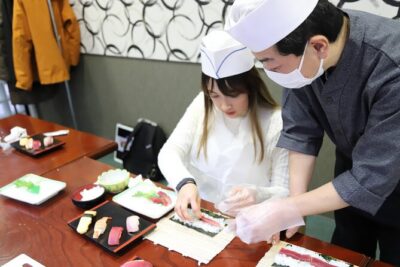 ★ 5.0Tsukiji Fish Market Guided Tour and Sushi Making with Pro ChefFrom $104775 reviews
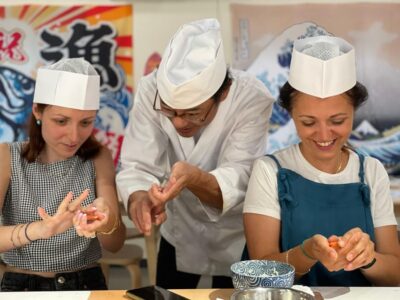 ★ 4.9Tsukiji Fish Market Sushi Making Class with Pro ChefFrom $63506 reviews
 ★ 4.9Sushi Making ClassFrom $67390 reviews
Browse the lists this tour appears in