
Reviewed · CRAFT & ARTISAN WORKSHOPS
IKEBANA experience
Ikebana turns flower stems into quiet focus. This private class in Meguro (Tokyo) teaches you the basics with English support, then gets you hands-on creating your own arrangement while learning the art’s background. It also uses a Japanese-home setting, so the experience feels less like a classroom and more like a cultural visit.
I love how the session flows from a clear instructor sample to your own work, with corrections as you go. I also like the way Hiromi builds in a gentle finish: matcha and Japanese sweets are part of the experience, and tea ceremony basics may be available if you’re interested.
One drawback to plan around: the location is in a residential neighborhood, so you’ll want to confirm the walking portion and give yourself buffer time, especially if the weather is hot or rainy.
In This Review
- Key things to know before you go
- Ikebana in Meguro: A private class inside a real Japanese home
- Getting to Toritsu-daigaku Station and the short walk to the lesson
- How the class actually works: sample first, then your own ikebana
- The atmosphere: tatami rooms, calm pacing, and a little garden time
- Matcha and sweets after class: why the finish matters
- Price and value: what $115.31 buys in Tokyo
- English instruction and beginner-friendly pacing
- What to do with your arrangement after the class
- Who should book this and who might skip it
- Practical tips so you get the most out of your ikebana lesson
- Should you book this Ikebana experience in Tokyo?
- FAQ
- What language is the class taught in?
- How long is the ikebana experience?
- Is this a private class or shared group tour?
- Where does the experience start and end?
- Do I get matcha or sweets during the class?
- Is tea ceremony included?
- Is there a mobile ticket?
- What happens if the weather is bad?
Key things to know before you go
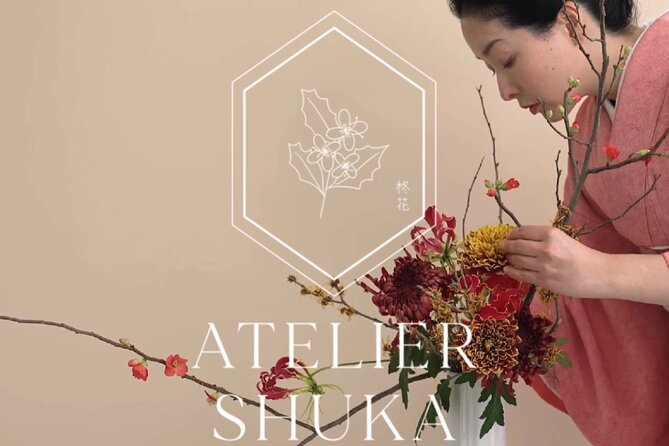
- Private class in a Japanese home for a small, personal feel
- English instruction with slow, careful guidance (including beginners)
- Hands-on ikebana creation after seeing a textbook-based example
- Feedback + a photo so you can remember your final arrangement
- Matcha and wagashi-style sweets afterward in a tatami room
- Optional basics of tea ceremony if you want to go further
Ikebana in Meguro: A private class inside a real Japanese home
This is the kind of Tokyo activity that doesn’t just teach a craft. It gives you a window into how Japanese aesthetics—line, balance, and restraint—show up in daily life. The class is hosted by Hiromi under the name Hiromi’s IKEBANA, and the setting matters: it’s in her home, including Japanese-style rooms you can actually look at.
You’re also paying for personal attention. It’s a private tour/activity, meaning only your group participates, not a crowded schedule. With about 1 hour 30 minutes total, the pace is usually tight enough to keep you engaged but long enough to make something you’re proud of.
If you’re the type who likes hands-on travel—learning by doing—you’ll probably enjoy this more than a “watch and leave” workshop. And if you like calm activities that slow your mind down, this one fits that mood.
More hands-on studios our readers booked
- Tokyo Shinjuku Chopsticks Making Class
★ 5.0 · 1,763 reviews - Chopstick Making Workshop in Ginza
★ 4.8 · 1,366 reviews - Kintsugi Experience: Art of Golden Joinery in Tokyo
★ 5.0 · 467 reviews - Tokyo Chopstick Making Workshop with Artisan
★ 5.0 · 466 reviews
Getting to Toritsu-daigaku Station and the short walk to the lesson
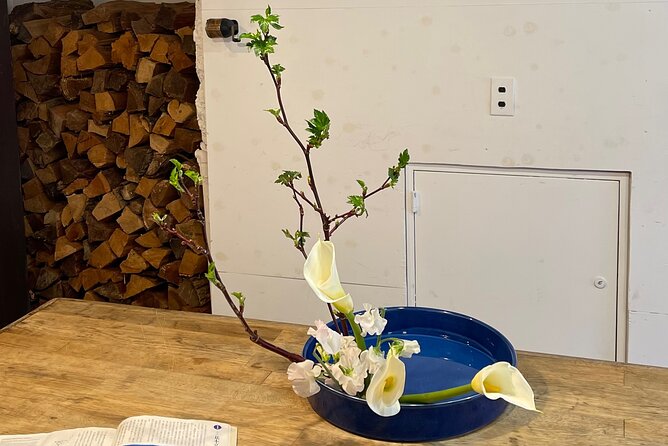
Your starting point is Toritsu-daigaku Station (1-chōme-5-1 Nakane, Meguro City). The experience ends back at the meeting point, so you’re not stuck figuring out how to return.
The class is noted as near public transportation, which is helpful because Meguro isn’t always the easiest area to “wing” if you’re bouncing between sights. I’d still plan a little extra time. Residential Tokyo can feel simple on the map, but it takes a few minutes to find the exact spot—especially if you’re arriving during a rush hour.
Practical tip: bring a small umbrella or a light rain layer if there’s any chance of bad weather. The experience requires good weather, and you don’t want the start to feel like a fight.
How the class actually works: sample first, then your own ikebana
You’ll learn in English, carefully and gently. The format is pretty straightforward: Hiromi makes a sample first, using a textbook as a reference, then you each create your own living by yourselves. That “sample then you try” structure is great for beginners because you don’t spend the whole time guessing.
Here’s what the session tends to look like, in plain terms:
- You see the instructor create an arrangement while referencing the lesson materials.
- Then you make your own arrangement step-by-step.
- Hiromi comments or revises as you go, so you don’t end up with a finished product that misses the point.
- You take a photo at the end, so your work isn’t just “done,” it’s documented.
The feedback piece is the secret sauce. Ikebana is less about stuffing flowers everywhere and more about getting the lines and spacing right—so a small adjustment from the teacher can change the whole look. And because it’s private, you’re more likely to get help when you hit a snag.
The class also covers history and tradition, not just mechanics. That context matters because it helps you understand why certain choices are made—like where to place the focus stem, and why minimalism can look more intentional than maximal bouquets.
The atmosphere: tatami rooms, calm pacing, and a little garden time
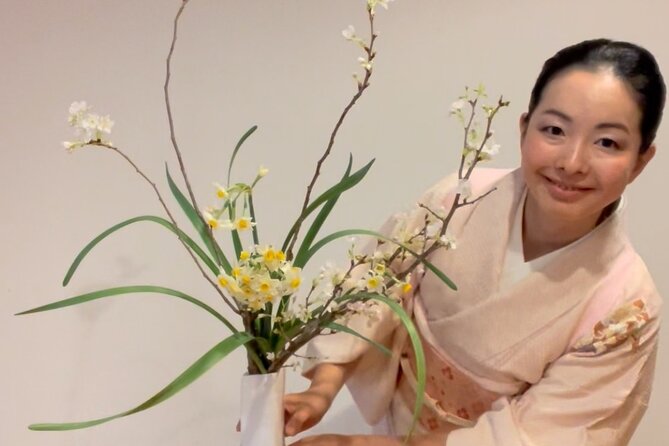
This experience isn’t just about flowers; it’s about the mood around them. Multiple guests highlight that Hiromi’s home feels welcoming and that the environment is quiet and traditional. You may see Japanese rooms and even a garden, which helps make the art form feel connected to daily life rather than like a museum display.
One reason this works so well is pacing. You’re not rushed through a photo op. You’re shown how to cut flowers properly, and then you have time to make something yourself. That matters because ikebana rewards attention—how you handle stems, where you angle them, and when you stop and let the arrangement breathe.
Also, because ikebana often uses fewer materials than you’d expect, the effort feels manageable. One beginner note I found particularly reassuring: you won’t be drowning in flower supply. The focus stays on shape and water, so the class doesn’t feel like a craft marathon.
If you’re tired from sightseeing, this is a nice reset. You get a tangible “I made that” outcome, but you also get to slow down.
Matcha and sweets after class: why the finish matters
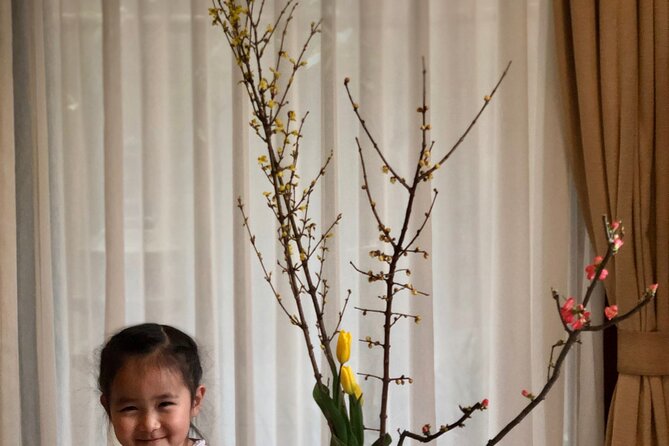
The lesson doesn’t end when you set down your arrangement. If you have time after, the experience includes Japanese sweets and matcha. This isn’t just a snack. It’s part of the cultural rhythm of the class—finishing with something that matches the calm mood you practiced while arranging flowers.
Guests also mention wagashi-style sweets in a traditional setting, including a tatami room. That’s a small detail, but it changes the tone. Instead of leaving and grabbing dessert elsewhere, you get a complete mini-experience: art first, then tea-time calm.
If you’re interested in going further, the provider may teach basic tea ceremony steps. The data says you can ask about tea ceremony, and if you’re keen, that extra learning can add a new lens to what you just did with your arrangement. Tea ceremony and ikebana share an attention to form and atmosphere, so it’s a natural pairing.
- Tokyo: Shinjuku Food Tour (13 Dishes at 4 Local Eateries)★ 5.0 · 6,603 reviews
- Tokyo Mt Fuji 5th St & Hakone Cruise Bus Tour w/Bullet Train★ 4.4 · 5,024 reviews
- Flagship 2-Hours Official Street Go-Kart Tour – Tokyo Bay Shop★ 5.0 · 4,974 reviews
- From Tokyo: Mount Fuji Full-Day Sightseeing Trip★ 4.5 · 4,970 reviews
- Tokyo: Hop-On Hop-Off Sightseeing Bus Ticket★ 3.9 · 4,207 reviews
Price and value: what $115.31 buys in Tokyo
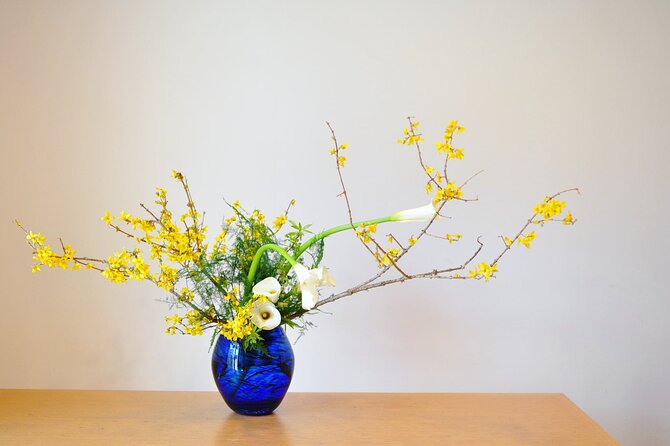
At $115.31 per person, this isn’t the cheapest thing you can do in Tokyo. But it’s not trying to be. You’re paying for a private class, English instruction, hands-on guidance, and time in a home setting rather than a big venue.
Think of the value in three parts:
- Personal attention: You’re not competing with other students for correction.
- A finished take-home moment: You create an arrangement and take a photo right after, and you leave with something you can remember clearly.
- The cultural bonus: matcha and sweets are included afterward, and there may be tea ceremony basics if you want.
Duration is about 1 hour 30 minutes, which is long enough to learn and make something meaningful. Also, the class is booked on average 28 days in advance, so it’s popular and likely limited by how many people Hiromi can host comfortably in a home.
If you’re the kind of traveler who likes spending money on experiences that feel personal—rather than just ticking boxes—this tends to make sense.
English instruction and beginner-friendly pacing
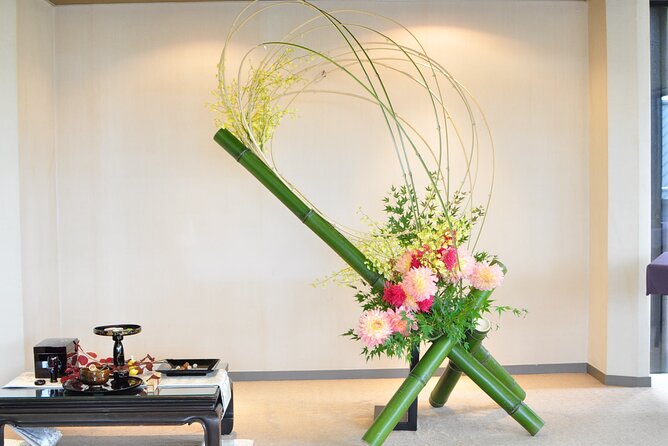
Language can make or break a class. Here, Hiromi teaches in English, and the instruction is described as careful and patient. That’s a big deal because ikebana isn’t hard in the “no effort” sense—it’s hard in the “you need to understand the goal” sense. The teacher’s job is to translate the logic into steps you can apply.
You’ll also likely be guided on flower preparation, like proper cutting. After the sample, Hiromi revises your arrangement if needed, which helps you correct mistakes early rather than discovering them at the end.
If you’re nervous about being a beginner, this is the kind of setting where you can ask questions without feeling rushed. The class includes time for you to ask what you don’t know or want to know about Tokyo or Japan, which turns it from a workshop into a real conversation.
What to do with your arrangement after the class
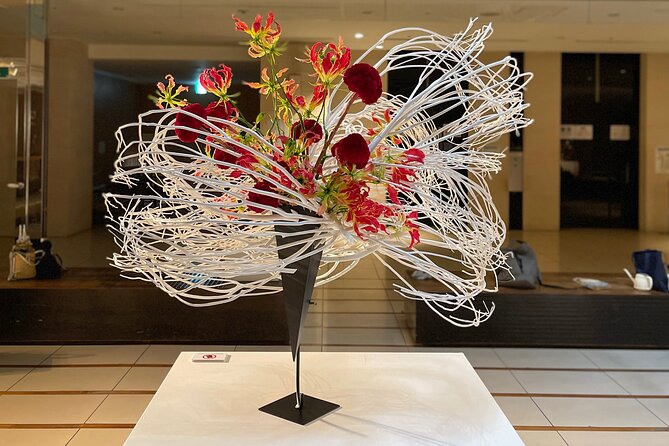
This part depends on what you plan to do when you get home, but the experience has a built-in advantage: some guests say they were able to purchase supplies so they could keep practicing. If that option is available during your session, it’s worth asking.
Even if you don’t buy supplies, the best “take-home value” is the method you learned. Ikebana isn’t just about copying one design; it’s about understanding the structure—line, balance, and how much breathing room the arrangement needs.
One more practical note: the class includes a photo at the end, which helps you remember your exact shape and proportions later. That small step can make your own future attempts feel less like guesswork.
Who should book this and who might skip it
This class is a great fit if you:
- want a hands-on cultural experience instead of sightseeing-only days
- enjoy calm activities that feel personal and low-stress
- want English instruction with a patient guide
- like arts that teach restraint and design, not just decoration
- want matcha and sweets included, in a traditional setting
You might want to skip it if:
- you’re looking for something fast-paced or thrill-heavy
- you have zero interest in flowers, tea culture, or Japanese aesthetics
- you’re traveling with a schedule so tight that you can’t give the walk and timing a little buffer
Also, because the experience requires good weather, plan flexibility. If the schedule is rigid, you’ll want to choose a day when rain or extreme heat won’t derail the plan.
Practical tips so you get the most out of your ikebana lesson
A few small things will make the experience smoother:
- Wear comfortable shoes for the short walk from Toritsu-daigaku Station to the home area.
- Bring a curious attitude. The class invites questions about Japan, and those answers often make the art feel more connected.
- If you have a specific style you like, ask about it. The class can teach from basics and also adapt to what you want to do using the textbook.
- If you’re interested in tea ceremony, tell Hiromi during the lesson so she can point you toward basic steps.
And here’s the mindset tip: don’t try to make the arrangement look perfect. Ikebana is about the process and the intention. If you follow the teacher’s corrections and focus on balance, your final result will feel meaningful.
Should you book this Ikebana experience in Tokyo?
If you want one of those Tokyo experiences that feels like you stepped into Japanese everyday culture for a short moment, I’d book it. The big wins are simple: private English instruction, hands-on creation, and a calm home setting that makes the art feel real. The matcha and sweets at the end are a satisfying bonus, not an afterthought.
I’d especially recommend it to first-timers who don’t know ikebana terms yet but want to learn the logic behind the look. If you’re traveling with family or different ages, the private setting can also make the experience easier for people who learn at different speeds.
Just go in knowing it’s a gentle, cultural lesson—not a party or a speedrun. If that fits your travel style, this is a classy way to spend 90 minutes in Tokyo.
FAQ
What language is the class taught in?
The lesson is taught in English.
How long is the ikebana experience?
It lasts about 1 hour 30 minutes.
Is this a private class or shared group tour?
This is a private tour/activity. Only your group participates.
Where does the experience start and end?
It starts at Toritsu-daigaku Station and ends back at the same meeting point.
Do I get matcha or sweets during the class?
Yes. If you have time after the lesson, Japanese sweets and matcha are offered.
Is tea ceremony included?
If you’re interested in tea ceremony, the provider can teach basic steps.
Is there a mobile ticket?
Yes, the experience includes a mobile ticket.
What happens if the weather is bad?
The experience requires good weather. If it’s canceled due to poor weather, you’ll be offered a different date or a full refund.
More Tour Reviews in Tokyo
- Mt Fuji and Hakone 1-Day Bus Tour Return by Bullet Train
★ 5.0 · 26,383 reviews - 1-Day Tokyo Bus Tour
★ 5.0 · 14,250 reviews - Tokyo: teamLab Planets TOKYO Digital Art Museum Entry Ticket
★ 4.6 · 9,779 reviews - Mt Fuji & Hakone Cruise, Drum Show Bullet Train 1 Day from Tokyo
★ 4.0 · 7,413 reviews - Tokyo: Shinjuku Food Tour (13 Dishes at 4 Local Eateries)
★ 5.0 · 6,603 reviews
More Artisan Workshops in Tokyo
- Tokyo Shinjuku Chopsticks Making Class
★ 5.0 · 1,763 reviews - Chopstick Making Workshop in Ginza
★ 4.8 · 1,366 reviews - Kintsugi Experience: Art of Golden Joinery in Tokyo
★ 5.0 · 467 reviews - Tokyo Chopstick Making Workshop with Artisan
★ 5.0 · 466 reviews - Tokyo: Shinjuku Chopstick Making Class
★ 4.9 · 440 reviews
Latest Tokyo reviews off our desk






Craft & Artisan Workshops, compared.
 ★ 5.0Tokyo Shinjuku Chopsticks Making ClassFrom $201,763 reviews
 ★ 4.8Chopstick Making Workshop in GinzaFrom $251,366 reviews
 ★ 5.0Kintsugi Experience: Art of Golden Joinery in TokyoFrom $59467 reviews
 ★ 5.0Tokyo Chopstick Making Workshop with ArtisanFrom $26466 reviews
 ★ 5.0Authentic Pure Gold Kintsugi Workshop with Master Taku in TokyoFrom $142217 reviews
 ★ 5.0Calligraphy on Kanji Fan & Scroll with DrinkFrom $53210 reviews
Browse the lists this tour appears in