
Reviewed · TEA CEREMONY & MATCHA
Japanese Traditional Breakfast and Tea Ceremony
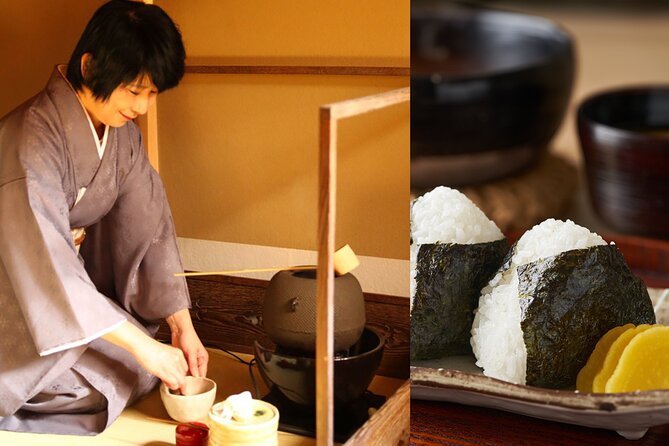
A quiet morning and a perfect cup. In just 1 hour 30 minutes, you’ll learn matcha tea rituals you can actually recreate later, then eat a simple Japanese-style breakfast with sweets. One standout is the chance to meet a tea master and hear the meaning behind what you’re doing, not just the steps.
I especially like how the experience starts with a short meditation so the day feels slower from the first minute. I also like that you get more than watching: you’ll join a second guided tea moment where you make your own tea. One thing to consider: this isn’t a huge full meal spread, so if you’re very hungry, you may want to plan a proper lunch afterward.
In This Review
- What You’ll Love Most About This Tea and Breakfast Session
- How the 90-Minute Timing Feels Like a Reset
- Meeting Point and Getting There Without Stress
- The Morning Flow: Meditation, Hospitality, and a Zen Frame
- Japanese Breakfast: Onigiri, Comfort, and the Sweet Finish
- Matcha 101: How to Taste the Difference
- Watching the Ceremony: Tools, Movements, and Zen Meaning
- Your Turn: The Second Tea Ceremony You Perform
- Sweets and Service: The Small Details That Make It Feel Real
- Value for Money: Is $60.81 Worth It?
- Who This Tour Fits Best
- Booking Tips: How to Make It Smooth
- Should You Book This Tea Ceremony and Traditional Breakfast?
- FAQ
- What time does the Japanese Traditional Breakfast and Tea Ceremony start?
- How long is the experience?
- Where is the meeting point?
- Is pickup or drop-off included?
- What’s included in the tour?
- What happens if the weather is bad or the minimum number of travelers isn’t met?
What You’ll Love Most About This Tea and Breakfast Session
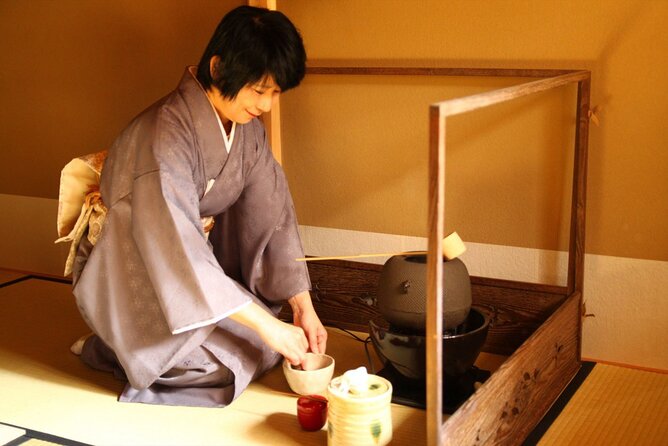
- Matcha skills you can repeat at home with clear, English explanations of tea practice and tools
- Zen-focused guidance that connects the ritual to mindset, including talk about a hanging scroll
- A real tea master-led ceremony with 5+ years’ experience, plus bilingual English support
- Breakfast plus sweets designed for a traditional morning feel, not a quick snack
- Hands-on tea-making during a second ceremony performed by you (with instruction)
How the 90-Minute Timing Feels Like a Reset
Tokyo mornings move fast, even when you’re not trying. This session is built to be a reset: it runs about 1 hour 30 minutes, starts at 9:00 am, and ends back at the meeting point. That structure matters because you’re not squeezed into a “do everything” block. You can do this early, then use the rest of your day for museums, neighborhoods, or a long walk.
The group size cap is 28 people, which is big enough to keep energy up but small enough that the tea master’s guidance doesn’t vanish into the crowd. You’ll also have a nationally certified guide interpreter handling hospitality and English explanation, which helps if your Japanese is limited.
More tea rooms our readers rated
- Matcha Making Class in Tokyo with Authentic Japanese Sweets Set
★ 5.0 · 744 reviews - Tokyo: Traditional Tea Ceremony with a Tea Master
★ 5.0 · 528 reviews - Tokyo: Matcha Making Experience with Mochi Sweets in Asakusa
★ 4.9 · 388 reviews - Tokyo: Matcha and Kimono Experience
★ 4.7 · 219 reviews
Meeting Point and Getting There Without Stress
You’ll meet at Kikai Shinkō Kaikan, 3-chōme-5-8 Shibakōen, Minato City, Tokyo 105-0011. It’s listed as near public transportation, and since pickup and drop-off aren’t included, it’s best to arrive a few minutes early and get your bearings.
The format is simple: you start there and return there. That’s a small but real quality-of-life detail in a city where “near” can mean a 15-minute walk. If you’re the kind of person who hates last-minute scrambling, build in buffer time.
The Morning Flow: Meditation, Hospitality, and a Zen Frame
Right away, you’ll get welcomed and briefed in English. The experience includes a short meditation period, which sets the tone. This part is not about being perfect at breathing or doing anything strange. It’s about slowing down enough to notice what happens next: aroma, quiet movements, and the small pauses that make the tea ritual feel deliberate.
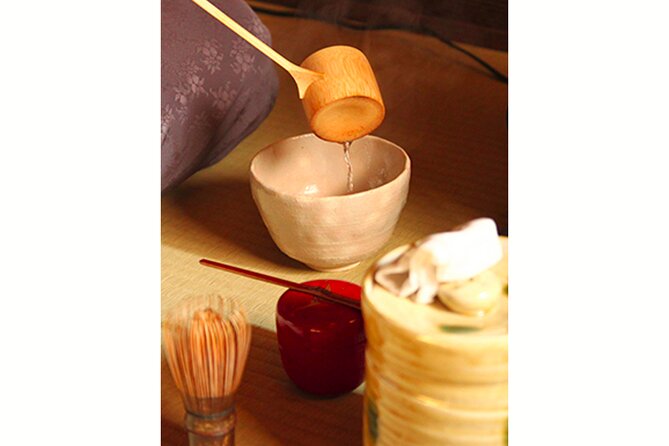
Then you’ll learn the meaning behind the space and tools. A highlight is that you’ll get an explanation of the Zen hanging scroll and how it connects to the overall spirit of the ceremony. For me, that’s where the experience turns from a cute activity into something you can carry home. You don’t just copy motions; you understand why the motions exist.
Japanese Breakfast: Onigiri, Comfort, and the Sweet Finish
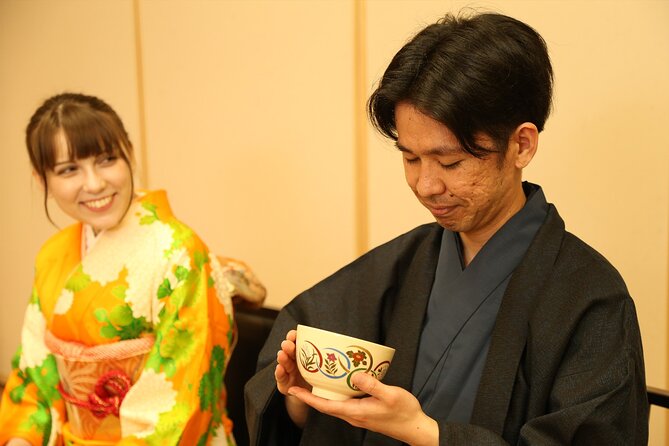
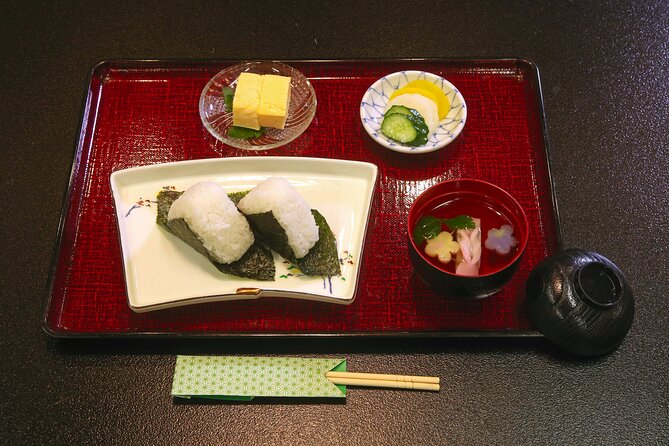
You’ll enjoy a light breakfast included with the tour. It’s designed to match the calm pace of the tea ceremony. Expect freshly prepared basics like rice balls (onigiri) and other local flavors, plus traditional Japanese sweet confections.
One review-focused detail that stood out is the combination of tea with onigiri-making. Since that hands-on piece isn’t explicitly listed in the core inclusions, treat it as session-dependent: you might get a chance to form and handle rice balls. Even if you only watch and eat, the meal still gives you a strong sense of what a traditional morning can feel like in Japan—simple, warm, and not rushed.
If you’re used to huge breakfast buffets, this may feel lighter. But that’s part of the point. The food is there to support the ritual rhythm, not overload you.
Matcha 101: How to Taste the Difference
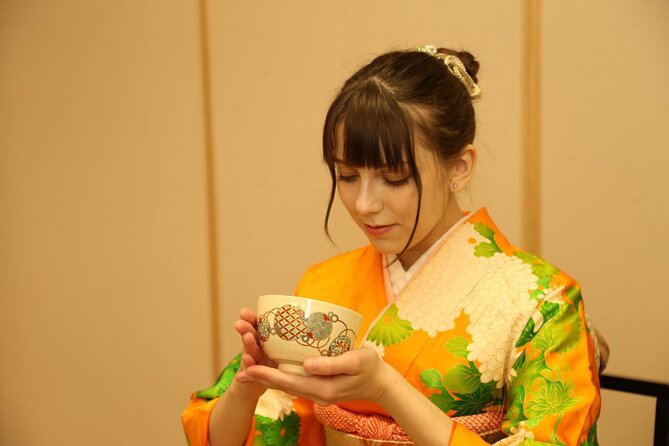
The ceremony centers on authentic matcha green tea, and you’ll drink tea made by the host using high-quality matcha. This matters because matcha quality changes everything: color, aroma, and the way it tastes when whisked properly.
You’ll get instruction on the basic elements of the ceremony, including how to handle utensils and how the practice aims for more than caffeine. The goal is a cup that tastes balanced and calm, not bitter and hurried. With the guide’s English explanation and the tea master’s performance, you’ll understand what to look for the next time you’re served matcha somewhere in Tokyo—or back home.
Practical tip: if you’re sensitive to bitterness, take smaller sips at first. In a well-run ceremony, the tea usually feels smoother than mass-market matcha.
- Tokyo: Shinjuku Food Tour (13 Dishes at 4 Local Eateries)★ 5.0 · 6,603 reviews
- Tokyo Mt Fuji 5th St & Hakone Cruise Bus Tour w/Bullet Train★ 4.4 · 5,024 reviews
- Flagship 2-Hours Official Street Go-Kart Tour – Tokyo Bay Shop★ 5.0 · 4,974 reviews
- From Tokyo: Mount Fuji Full-Day Sightseeing Trip★ 4.5 · 4,970 reviews
- Tokyo: Hop-On Hop-Off Sightseeing Bus Ticket★ 3.9 · 4,207 reviews
Watching the Ceremony: Tools, Movements, and Zen Meaning
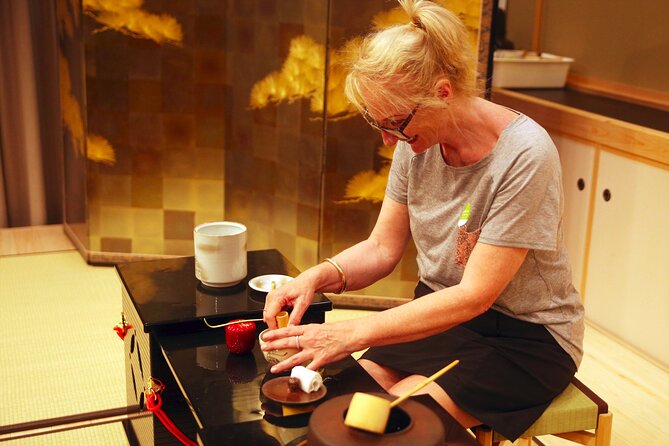
You’re not just observing. You’re learning the logic of the motions. During the guided ceremony with the tea master (who has 5+ years’ experience), you’ll get commentary about Zen practices and why certain steps matter.
You’ll also hear explanations about:
- tea utensils and what each one is for
- the spirit of Zen tied to the setting
- how the hanging scroll connects to the mindset of the room
This kind of framing is what makes the experience feel grounded, not scripted. It helps you see the ceremony as a lived practice. Even if you don’t memorize every term, you’ll pick up the “why” that makes the whole thing click.
Your Turn: The Second Tea Ceremony You Perform
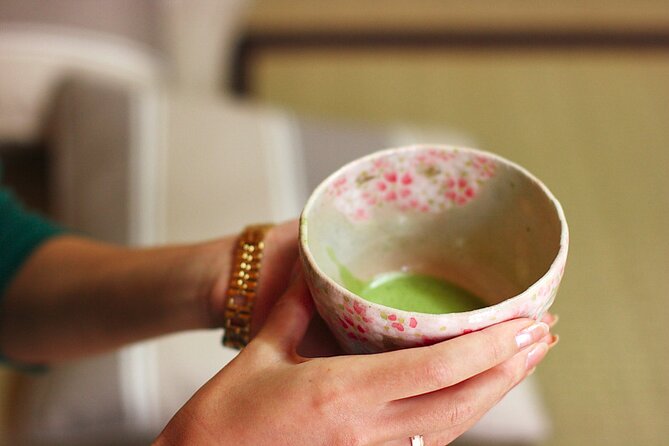
A big value point here is that you get a second tea ceremony performed by yourself (with instruction). That turns the tour into a skill-building class rather than a show-and-tell.
During your hands-on portion, you’ll follow the tea master’s guidance with English interpretation and direct coaching. You’ll learn how to approach the steps with intention—how you move, how you prepare, and how you serve. This is the part that makes the experience worth repeating later.
What I like about this format is that it gives you ownership. You can leave Tokyo with a clear mental checklist for how the ritual works, even if you tweak it at home based on the tools you can find.
Sweets and Service: The Small Details That Make It Feel Real
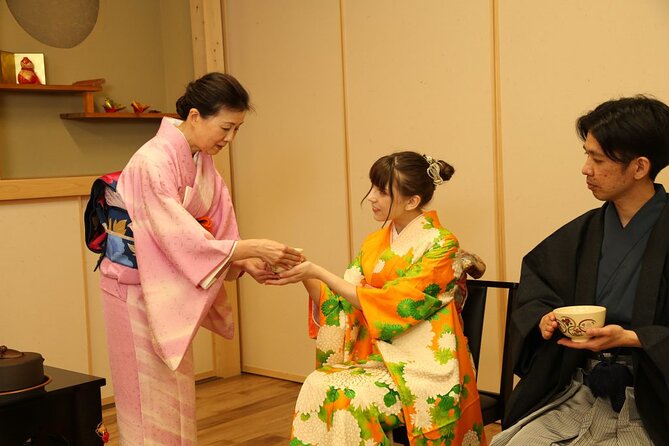
Tea ceremonies often get romanticized, but real ones pay attention to small things. Here, traditional Japanese sweets show up as part of the experience. They’re not random snacks. They’re part of balancing flavors and giving you a gentle palate reset before or during the tea.
Service also feels guided and respectful rather than formal in a stiff way. You’ll be told what’s happening and why, so you’re not left guessing. That’s especially helpful if you’re visiting as a family or as a couple and you want everyone to understand what’s going on.
Value for Money: Is $60.81 Worth It?
At $60.81 per person for about 1 hour 30 minutes, it’s not a cheap “quick activity.” But it also isn’t overpriced for what you get.
Here’s the value breakdown that makes sense:
- You get breakfast + sweets, which reduces the need to find food immediately after
- You get matcha prepared with higher quality matcha by a tea master
- You receive English explanation of tea ceremony, Zen practices, hanging scrolls, and utensils
- You get the key “learning” moment: you perform a tea ceremony yourself
If you’ve ever done tea experiences where you only watch, this one sells the real skill part. That hands-on tea time is what makes it feel like a class with cultural context, not just a ticketed performance.
Who This Tour Fits Best
This experience is a great match if you want:
- a calmer morning that doesn’t require full-day planning
- a culture activity you can repeat at home
- guided explanation in English, including Zen context
- a mix of food and ceremony, with matcha as the centerpiece
It’s also a nice choice for families and mixed-age groups because the pacing is gentle and the experience is structured, though the hands-on parts mean you’ll want everyone to be comfortable participating.
Booking Tips: How to Make It Smooth
This session is offered as a mobile ticket with group discounts. On average, it’s booked about 53 days in advance, so if you’re traveling during a busy season, it’s smart to plan early.
A few practical notes:
- Come on time. The ceremony flow is paced, and slipping in late can disrupt the mood.
- Wear comfortable clothes. You may be standing or seated depending on the setup, so don’t choose anything restrictive.
- If you hate finding places in Tokyo, aim to reach the meeting area early. The venue is not complicated, but it can still take a minute to locate.
Weather matters. If conditions are poor, the experience may be canceled and you’ll be offered a different date or a full refund.
Should You Book This Tea Ceremony and Traditional Breakfast?
If you like culture that you can understand and then practice, I think this is a strong yes. The real win is the combination: breakfast + Zen explanation + matcha + a second hands-on ceremony. That mix gives you both context and skill, which is rare for a time-limited experience.
If you only want a dramatic spectacle or you’re hunting for a huge meal, you might feel it’s too calm and too small. But if your goal is a meaningful Tokyo morning you can remember and recreate, this fits the bill nicely.
FAQ
What time does the Japanese Traditional Breakfast and Tea Ceremony start?
It starts at 9:00 am.
How long is the experience?
The duration is about 1 hour 30 minutes.
Where is the meeting point?
You’ll meet at Kikai Shinkō Kaikan, 3-chōme-5-8 Shibakōen, Minato City, Tokyo 105-0011, Japan.
Is pickup or drop-off included?
No. Pick-up & drop-off services are not included, and the activity ends back at the meeting point.
What’s included in the tour?
It includes a breakfast, traditional Japanese sweets, authentic matcha green tea, explanations in English about tea ceremony/Zen practices/tea utensils/hanging scrolls, a tea ceremony with a tea master (5+ years’ experience), and a second tea ceremony performed by yourself with instruction.
What happens if the weather is bad or the minimum number of travelers isn’t met?
The experience requires good weather. If canceled due to poor weather, you’ll be offered a different date or a full refund. If the minimum number of travelers isn’t met, you’ll be offered a different date/experience or a full refund.
More Tour Reviews in Tokyo
- Mt Fuji and Hakone 1-Day Bus Tour Return by Bullet Train
★ 5.0 · 26,383 reviews - 1-Day Tokyo Bus Tour
★ 5.0 · 14,250 reviews - Tokyo: teamLab Planets TOKYO Digital Art Museum Entry Ticket
★ 4.6 · 9,779 reviews - Mt Fuji & Hakone Cruise, Drum Show Bullet Train 1 Day from Tokyo
★ 4.0 · 7,413 reviews - Tokyo: Shinjuku Food Tour (13 Dishes at 4 Local Eateries)
★ 5.0 · 6,603 reviews
More Tea and Matcha Rooms
- Matcha Making Class in Tokyo with Authentic Japanese Sweets Set
★ 5.0 · 744 reviews - Tokyo: Traditional Tea Ceremony with a Tea Master
★ 5.0 · 528 reviews - Tokyo: Matcha Making Experience with Mochi Sweets in Asakusa
★ 4.9 · 388 reviews - Tokyo: Matcha and Kimono Experience
★ 4.7 · 219 reviews - Tea Ceremony Workshop in Tokyo by the Experienced Instrucor
★ 5.0 · 189 reviews
Latest Tokyo reviews off our desk






Tea Ceremony & Matcha, compared.
 ★ 5.0Matcha Making Class in Tokyo with Authentic Japanese Sweets SetFrom $21744 reviews
 ★ 5.0Traditional Tea Ceremony with a Tea MasterFrom $38528 reviews
 ★ 4.9Matcha Making Experience with Mochi Sweets in AsakusaFrom $22388 reviews
 ★ 4.7Matcha and Kimono ExperienceFrom $57219 reviews
 ★ 5.0Tea Ceremony Workshop in Tokyo by the Experienced InstrucorFrom $38189 reviews
 ★ 4.9Asakusa Kimono Dressing and Matcha ExperienceFrom $56173 reviews
 ★ 4.9Asakusa: Kimono Tea Ceremony with Matcha and SweetFrom $66153 reviews
 ★ 5.0Make Traditional Nerikiri Sweets & Matcha experience in ShibuyaFrom $60130 reviews
Browse the lists this tour appears in