
Reviewed · MEIJI SHRINE TOURS
Join a Unique Cultural Ceremony at Tokyo’s Meiji Shrine
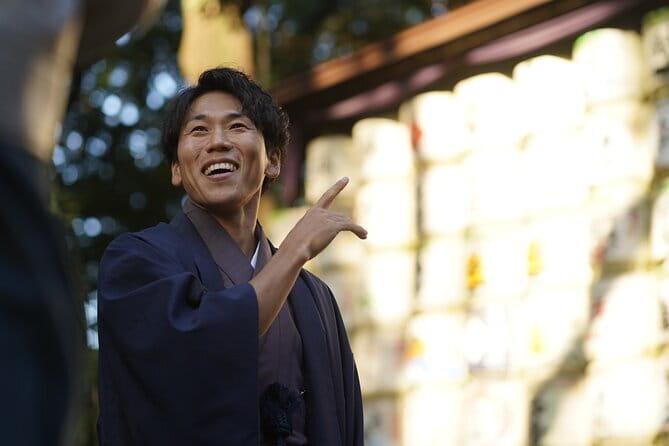
A quiet ceremony beats a crowd any day. This small-group tour takes you through Meiji Shrine’s forest paths, then into sacred spaces for a traditional Shinto ritual you rarely get to see. I especially like the added photo coverage, with a professional photographer catching key moments so you can share the experience without hunting for angles.
One thing to plan around: this tour depends on good weather, since poor conditions can trigger a date change or a full refund option. If you hate flexibility, factor that in before you lock your Tokyo schedule.
In This Review
- Key things that make this tour special
- Walking Meiji Shrine’s forest paths at a calmer pace
- The gokito Shinto prayer ceremony: why the atmosphere matters
- Your English guide with official Meiji Jinguu membership
- Professional photography: over 30 images that capture the right moments
- Onigiri with premium rice: breakfast snack or post-ritual comfort
- Meeting at Yoyogi Station and what to expect day-of
- Who this experience fits best (and who might skip it)
- Price and value: is $198.81 worth it?
- Should you book this Meiji Shrine ceremony tour?
- FAQ
- How long is the Meiji Shrine ceremony tour?
- How much does the tour cost?
- What do I receive during the tour?
- Where do I meet the tour?
- Is there a group size limit?
- Do I need to bring anything for the shrine?
- What if the weather is bad?
Key things that make this tour special
- Exclusive access to sacred areas: You step into spots that are not usually open to the public.
- Gokito Shinto ritual viewing: You witness priests performing a prayer ceremony in a quiet ceremonial hall.
- Officially connected guide: Your English-speaking guide has official Meiji Jinguu membership.
- Professional photos included: You get over 30 photos taken at meaningful moments.
- Handmade onigiri with premium rice: Traditional rice balls included as a pre-tour snack or post-tour treat.
Walking Meiji Shrine’s forest paths at a calmer pace
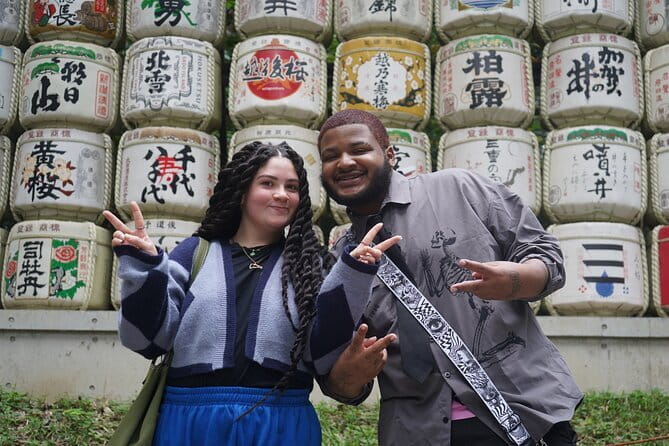
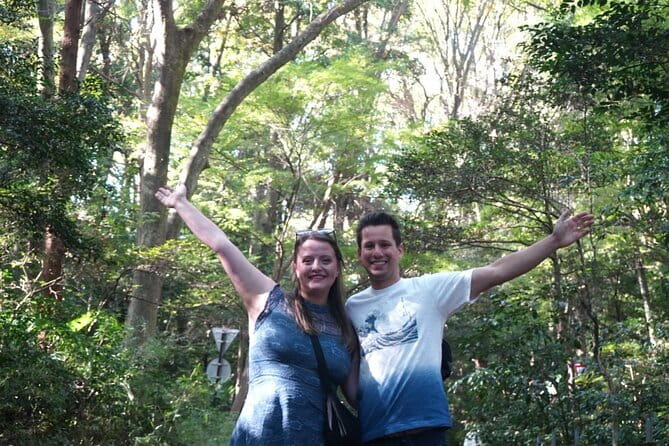
Meiji Shrine is famous, but that is the point: the crowds are why you want a guide and a plan. This experience starts at Yoyogi Station, and from there you move through the quieter forest paths that make the shrine feel like a pause button in the middle of Tokyo. You are not rushing from spot to spot. You are walking, noticing, and getting oriented to what you are seeing before you reach the ceremonial part.
I like this pace because it helps you understand the setting. When you arrive at the main areas already “switched on” by a bit of context, the ritual stops feel more meaningful. The tour also runs about 2 hours 30 minutes, which is long enough to feel like an actual cultural session, not a quick photo stop.
Group size matters here. With a maximum of 6 travelers, the tone stays relaxed, and you have a better chance to hear your guide clearly (and ask questions without shouting over a dozen people).
More quiet hours at Meiji Shrine
- Tokyo: Meiji Shrine, Asakusa, Skytree Bus Tour and Cruise
★ 4.7 · 1,986 reviews - Tokyo Panoramic 1 Day: Meiji Shrine, Asakusa, Odaiba and SKYTREE®
★ 4.5 · 1,222 reviews - Tokyo: Meiji Shrine Walking Tour — Shinto & Imperial System
★ 4.9 · 266 reviews - Tokyo: Meiji Jingu Shrine and Shinto Culture Walking Tour
★ 5.0 · 245 reviews
The gokito Shinto prayer ceremony: why the atmosphere matters
The highlight is witnessing a traditional Shinto prayer ceremony called gokito. The structure of the experience is clear: you enter a ceremonial space and you watch priests perform chanting and ceremonial music. The tour description emphasizes the sensory feel—high ceilings, the scent of cypress, and the soundscape of flutes and drums echoing through the hall.
You do not need to understand every word. What you need is the chance to sit and listen in the right setting. That is why this is not just a sightseeing add-on. It is closer to cultural observation with a guided frame—so you can focus on the moment instead of translating everything on your own.
Also, the tour includes a key promise: exclusive access to sacred areas not usually open to the public. In practice, that usually means you get a better view of the ceremony spaces and a more respectful, controlled experience. That tends to change your memory of the shrine. Instead of feeling like you “passed through,” you feel like you were present.
One practical note: because this includes a ritual, you should show up with a calm mindset. Wear something comfortable for sitting and quiet listening. This is a “lower volume” kind of experience.
Your English guide with official Meiji Jinguu membership
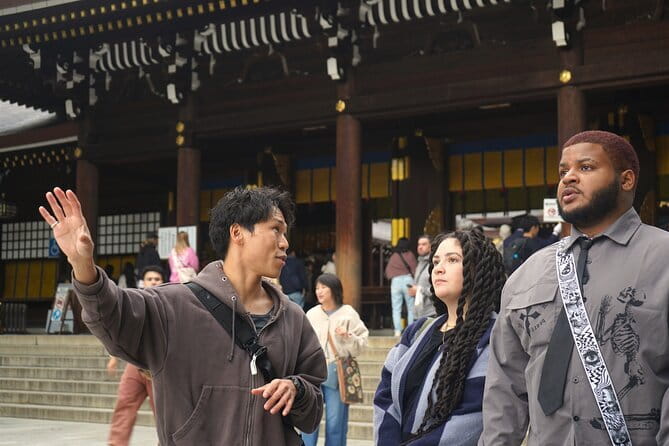
You get more than directions. Your guide is fluent in English and has official Meiji Jinguu membership, which matters when you are trying to understand what you are seeing in a Japanese spiritual setting. You also benefit from the guide’s personal perspective—at least one guide, Kohei, is specifically mentioned as bringing deep cultural knowledge and real passion.
That passion shows up in the way the tour is paced and explained. You are not just handed facts. You get insights that connect Japanese customs and traditions to what you might already know, so the experience doesn’t feel like a museum label. The tone is described as calm and thoughtful, and that is important. When you are in a sacred space, the way information is delivered can either distract you or help you listen better.
I also like that the guide lived abroad, since it usually translates into smoother communication for international visitors. You get a translator in spirit, not just language—helping you interpret the moments you cannot Google in the moment.
Professional photography: over 30 images that capture the right moments
You might be tempted to bring your phone and try to capture the key shots. The tour handles that for you. A professional photographer joins the group and captures over 30 photos at significant moments.
What makes this valuable is not just the quantity. It is the timing. Ceremonial moments are easy to miss if you are holding a camera and trying to understand what is happening at the same time. With a photographer managing that part, you can watch the ceremony and still leave with visual proof of the experience.
The reviews highlight how exceptional the photography felt, and how it helped turn the day into something you can share with family and friends. That is a real benefit in Tokyo, where a lot of “great trips” still end up with blurry nighttime shots and awkward selfies. Here, you are collecting images from the most meaningful parts of the tour.
Onigiri with premium rice: breakfast snack or post-ritual comfort

In most Tokyo tours, food is either rushed or generic. Here, you get traditional onigiri—handmade and made with premium Japanese rice. You can enjoy it as a pre-tour breakfast or as a post-tour snack, depending on the timing.
I like this detail because it fits the tour’s vibe. A quiet ceremony needs a calm start. A real snack helps you stay comfortable without making the tour feel like a full meal stop. And since it is onigiri made with good rice, it is not just filler. It is a simple local food moment tied to the day.
One practical takeaway: eat at the start if your schedule is otherwise light. You will likely be sitting and listening for part of the experience, and it is easier to focus when you are not hungry.
- Tokyo: Shinjuku Food Tour (13 Dishes at 4 Local Eateries)★ 5.0 · 6,603 reviews
- Tokyo Mt Fuji 5th St & Hakone Cruise Bus Tour w/Bullet Train★ 4.4 · 5,024 reviews
- Flagship 2-Hours Official Street Go-Kart Tour – Tokyo Bay Shop★ 5.0 · 4,974 reviews
- From Tokyo: Mount Fuji Full-Day Sightseeing Trip★ 4.5 · 4,970 reviews
- Tokyo: Hop-On Hop-Off Sightseeing Bus Ticket★ 3.9 · 4,207 reviews
Meeting at Yoyogi Station and what to expect day-of
Your meeting point is at Yoyogi Station (listed as 1 Chome-34, Yoyogi, Shibuya, Tokyo 151-0053, Japan). The activity ends back at the meeting point, so you are not left figuring out how to get home afterward while your brain is full of shrine calm.
The tour uses a mobile ticket, so plan to have your phone charged and ready. It is a small thing, but it saves stress. The experience is near public transportation, which is handy if you are combining this with other Tokyo stops that day.
The tour is paced for moderate physical fitness. That likely means walking through the shrine grounds and being able to follow along at a calm speed. If you have mobility issues, it is worth planning carefully and checking your own comfort with walking paths in a forest setting.
Who this experience fits best (and who might skip it)
This is ideal if you want Japan beyond photos. If you like the idea of starting your Tokyo days with something quiet and culturally grounded, this fits the mood. It is also a strong choice if you are the type of traveler who actually likes learning why people do things a certain way—because the guide’s job is to explain the customs and traditions you are witnessing.
It is also a good fit if you are traveling with someone who gets tired of “line-wait sightseeing.” This tour gives you a clear focus: walk the shrine grounds, attend the ceremony, listen, and leave with photos and food.
You might consider skipping it if you prefer fully freeform travel. This experience is structured around a specific ceremony format, and it relies on proper conditions. If your Tokyo schedule is rigid, or if you hate anything that might shift due to weather, you may want a more flexible plan.
Price and value: is $198.81 worth it?
At $198.81 per person, this is not a bargain tour. But the value is not in the walk. It is in the package: guide, exclusive access, ritual fee coverage, and professional photography.
Here is how the cost maps to what you receive:
- You get guided interpretation from an English-speaking guide with official Meiji Jinguu membership.
- You pay for the fee to experience the traditional Japanese praying ritual.
- You receive over 30 photos from a professional photographer.
- You also get handmade onigiri made with premium rice.
What is not included is also worth knowing: you will need coins for the offering box, and you would pay for any goods you choose to buy. That is common in shrine visits, but it is still your budget item.
For me, this price makes sense if you care about being more than an observer. You are paying for access and context at a level that is hard to replicate on your own, especially for the ritual portion. If your goal is only to stroll the public parts of Meiji Shrine and take photos, you can probably do that cheaper. But if you want the ceremony experience presented with structure and visuals, this price starts to look fair.
Should you book this Meiji Shrine ceremony tour?
Book it if you want a calm, respectful way to experience Meiji Shrine with real guidance. The biggest reason is the combination: gokito ritual viewing, exclusive sacred-area access, and a photographer capturing key moments while you stay present. Add in the handmade onigiri, and the whole experience feels intentionally put together rather than tacked on.
Hold off if you are scheduling around unpredictable weather or if you do not want a tour that may change dates if conditions are poor. And if photography is not a priority for you, the value hinges more on the ritual access and guide, so make sure that is the part you truly want.
If you do book, go in with a quiet mindset. This is the kind of experience where slowing down is the whole point.
FAQ
How long is the Meiji Shrine ceremony tour?
The tour lasts about 2 hours 30 minutes.
How much does the tour cost?
The price is $198.81 per person.
What do I receive during the tour?
You get a guided visit with the ritual fee included, a professional photographer taking over 30 photos, and traditional handmade onigiri (on a pre-tour or post-tour schedule).
Where do I meet the tour?
You start at Yoyogi Station (listed at 1 Chome-34 Yoyogi, Shibuya, Tokyo 151-0053, Japan). The tour ends back at the meeting point.
Is there a group size limit?
Yes. The maximum group size is 6 travelers.
Do I need to bring anything for the shrine?
The tour does not include coins for the offering box, and it does not include money for any goods you may buy.
What if the weather is bad?
This experience requires good weather. If it is canceled due to poor weather, you will be offered a different date or a full refund.
More Tour Reviews in Tokyo
- Mt Fuji and Hakone 1-Day Bus Tour Return by Bullet Train
★ 5.0 · 26,383 reviews - 1-Day Tokyo Bus Tour
★ 5.0 · 14,250 reviews - Tokyo: teamLab Planets TOKYO Digital Art Museum Entry Ticket
★ 4.6 · 9,779 reviews - Mt Fuji & Hakone Cruise, Drum Show Bullet Train 1 Day from Tokyo
★ 4.0 · 7,413 reviews - Tokyo: Shinjuku Food Tour (13 Dishes at 4 Local Eateries)
★ 5.0 · 6,603 reviews
More Meiji Shrine Hours, Rated
- Tokyo: Meiji Shrine, Asakusa, Skytree Bus Tour and Cruise
★ 4.7 · 1,986 reviews - Tokyo Panoramic 1 Day: Meiji Shrine, Asakusa, Odaiba and SKYTREE®
★ 4.5 · 1,222 reviews - Tokyo: Meiji Shrine Walking Tour — Shinto & Imperial System
★ 4.9 · 266 reviews - Tokyo: Meiji Jingu Shrine and Shinto Culture Walking Tour
★ 5.0 · 245 reviews - Tokyo: Meiji Shrine and Shinto Culture Walking Tour
★ 5.0 · 225 reviews
Latest Tokyo reviews off our desk






Meiji Shrine Tours, compared.
 ★ 4.7Meiji Shrine, Asakusa, Skytree Bus Tour and CruiseFrom $1221,986 reviews
 ★ 4.5Tokyo Panoramic 1 Day: Meiji Shrine, Asakusa, Odaiba and SKYTREE®From $851,222 reviews
 ★ 4.9Meiji Shrine Walking Tour — Shinto & Imperial SystemFrom $23266 reviews
 ★ 5.0Meiji Jingu Shrine and Shinto Culture Walking TourFrom $19245 reviews
 ★ 5.0Meiji Shrine and Shinto Culture Walking TourFrom $18225 reviews
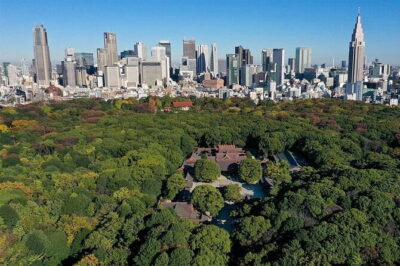 ★ 5.0Meiji Shrine Walking Tour — Shintoism & Imperial SystemFrom $21209 reviews
 ★ 5.0Tokyo Morning Tour: Asakusa, Meiji Shrine and Tsukiji Fish MarketFrom $157128 reviews
 ★ 5.0Tokyo Morning Tour : Meiji Shrine, Asakusa and Fish MarketFrom $72102 reviews
Browse the lists this tour appears in