
Reviewed · MEIJI SHRINE TOURS
Join a Unique Cultural Ceremony at Tokyo’s Meiji Shrine
A silent forest, then a front-row Shinto prayer. I love how this Meiji Shrine tour blends peaceful nature time with rare gokito ceremony access you usually cannot get on your own.
You’ll follow quiet paths at Meiji Jingu, then sit in a ceremonial space where priests chant and perform music you can feel, even if you do not speak Japanese.
One possible drawback: this experience involves a lot of walking on stone paths, so it may be tough if you have mobility limits.
In This Review
- Key things I’d plan around
- Why Meiji Shrine feels different once you know what to watch
- JR Yoyogi West Gate: the easiest way to start calmly
- Walking the wooded path to Meiji Jingu
- The big moment: sitting in on the gokito Shinto prayer
- How the guide turns ritual into meaning (without drowning you)
- Offerings and etiquette: the cash detail people forget
- What happens after the ceremony: the snack and the human side
- Price: why $121 can make sense for what you actually get
- Who this tour is for
- Who should think twice (and who still has options)
- Should you book this Meiji Shrine gokito experience?
- FAQ
- Where do we meet for the Meiji Shrine tour?
- What’s included in the $121 price?
- What should I bring?
- Do I need cash if the ritual fee is included?
- Can I record audio or make recordings during the ceremony?
- How much walking is involved?
- What languages are offered?
- Is this tour okay if I have a cold?
- Can I cancel and get a refund?
Key things I’d plan around
- Rare gokito ceremony access in a traditional hall, with priests’ chants, flutes, and drums
- English guidance with official shrine-level credentials, including explanations that make the ritual readable
- A forest walk that changes your pace before you ever reach the main sacred area
- Sensory details you cannot fake: cypress scent, polished floors, high ceilings, quiet focus
- Bring cash for offerings and goods (coins for the offering box are not included)
- Thoughtful moments beyond sightseeing, including a Japanese snack at the end
Why Meiji Shrine feels different once you know what to watch
Meiji Shrine is famous, sure. But most people rush it like a checklist: see the main spots, take photos, move on. This tour slows you down on purpose. Before the ritual, you’re guided through the shrine’s forest approach so your body and mind catch up to the place.
What I like most is that you do not treat it like a museum performance. The gokito Shinto prayer ceremony is presented as something lived-in and formal. You do not need to understand every word to get what is happening. The pacing, the sounds, and the stillness do the work.
And if you’ve been to Meiji Jingu already, you’ll still likely feel the change. One traveler noted that a prior visit felt like a stroll. This experience adds the missing piece: the ceremony element that turns a shrine visit into a different kind of understanding.
More quiet hours at Meiji Shrine
- Tokyo: Meiji Shrine, Asakusa, Skytree Bus Tour and Cruise
★ 4.7 · 1,986 reviews - Tokyo Panoramic 1 Day: Meiji Shrine, Asakusa, Odaiba and SKYTREE®
★ 4.5 · 1,222 reviews - Tokyo: Meiji Shrine Walking Tour — Shinto & Imperial System
★ 4.9 · 266 reviews - Tokyo: Meiji Jingu Shrine and Shinto Culture Walking Tour
★ 5.0 · 245 reviews
JR Yoyogi West Gate: the easiest way to start calmly
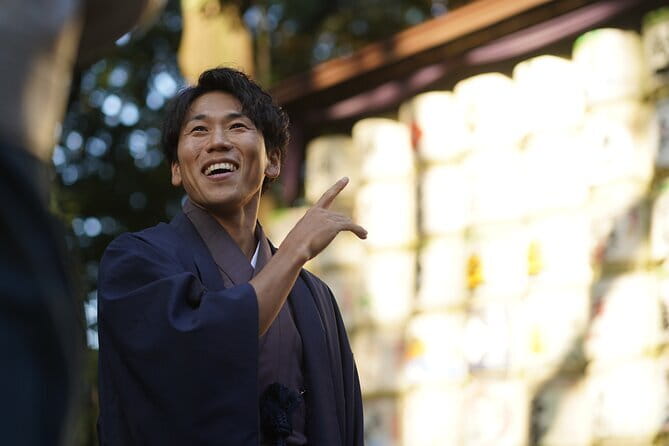
You start at JR Yoyogi station. Come to the West gate, then look for the map on the left when you walk outside. Legit Japan staff will be waiting for you in Japanese-style outfits.
This matters more than it sounds. Yoyogi is busy, and getting your bearings fast helps you avoid arriving frazzled. Arrive with enough time to regroup and take in the area before you begin walking.
The tour ends back at the same meeting point. That keeps the day simple: no awkward mid-tour transportation math.
Walking the wooded path to Meiji Jingu

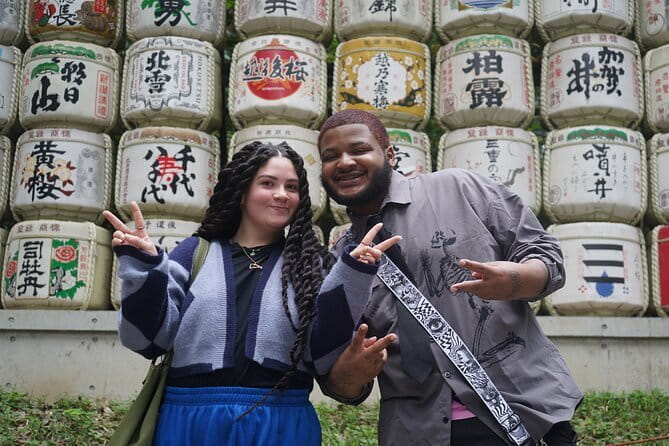
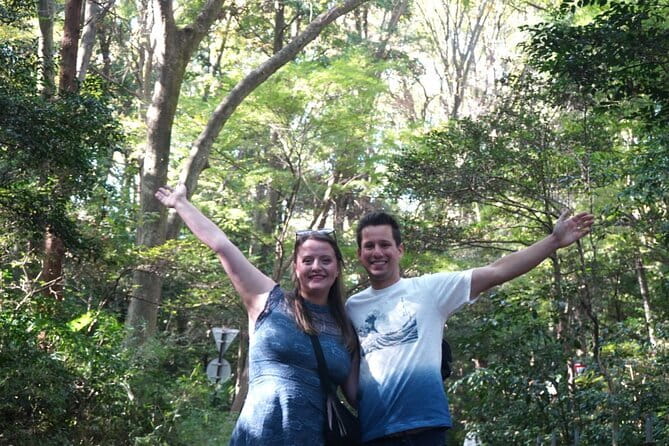
Once you’re on the route, the shrine’s forest is the real warm-up. You’ll walk peaceful paths through the nature setting around Meiji Jingu, which helps you shift away from city mode. I find this part is what makes the ceremony land better later. Your ears soften. Your breath slows.
The pace is not described as intense, but the tour is clear that there is a lot of walking. Expect time on foot. Comfortable shoes are not optional here. Bring water too, since you’ll want it during the day’s quiet rhythm.
Also note the small rules that help keep the space respectful and focused: you cannot be intoxicated, and alcohol and drugs are not allowed. Audio recording is not allowed either. So if you like to capture everything, plan on relying on your memory and the guidance instead.
The big moment: sitting in on the gokito Shinto prayer
The highlight is the gokito ritual. You’ll step into a traditional wooden hall with high ceilings and polished floors, with the scent of cypress in the air. Priests perform an ancient prayer ceremony while chanting. Flutes and drums echo through the space.
Here’s the useful part: you do not have to “figure it out” intellectually in the moment. The tour experience is built so you can watch and listen with context. The sounds are structured. The space is formal. Your job is to be present.
Some people describe it as calming. Others get chills. Either way, the common thread is that it stays with them. That’s exactly what you want from a culture-focused tour: a memory that’s not just visual, but sensory and emotional.
You’ll likely also see structured elements tied to the ceremony experience. One review mentioned dance as part of the overall ritual atmosphere. So keep your attention wide, not narrow. Look at the priests’ pacing, the music timing, and how the room sounds as it fills with chant and instruments.
How the guide turns ritual into meaning (without drowning you)
You get an English-fluent guide with official Meiji jinguu membership credentials. That matters, because you’re not just “watching.” You’re getting explanations that connect the ceremony to Japanese sensibility and everyday understanding.
The best part is how they pace the information. You’re not expected to memorize a textbook. Instead, you get the kind of guidance that helps you interpret what you’re seeing. A traveler highlighted how a guide named Kohei offered thoughtful explanations that made each moment meaningful. Another mentioned Alex for perfect English, engaging slides, and strong knowledge that made the ceremony possible to experience with real context.
You’ll also hear perspective that helps you place the ritual in your own life. One detail that comes through: some guides on this tour have lived abroad and can connect Japanese culture to what you already know. That can make the ceremony feel less distant and more understandable.
If you tend to enjoy cultural moments that ask you to pay attention rather than consume, this is your lane.
- Tokyo: Shinjuku Food Tour (13 Dishes at 4 Local Eateries)★ 5.0 · 6,603 reviews
- Tokyo Mt Fuji 5th St & Hakone Cruise Bus Tour w/Bullet Train★ 4.4 · 5,024 reviews
- Flagship 2-Hours Official Street Go-Kart Tour – Tokyo Bay Shop★ 5.0 · 4,974 reviews
- From Tokyo: Mount Fuji Full-Day Sightseeing Trip★ 4.5 · 4,970 reviews
- Tokyo: Hop-On Hop-Off Sightseeing Bus Ticket★ 3.9 · 4,207 reviews
Offerings and etiquette: the cash detail people forget
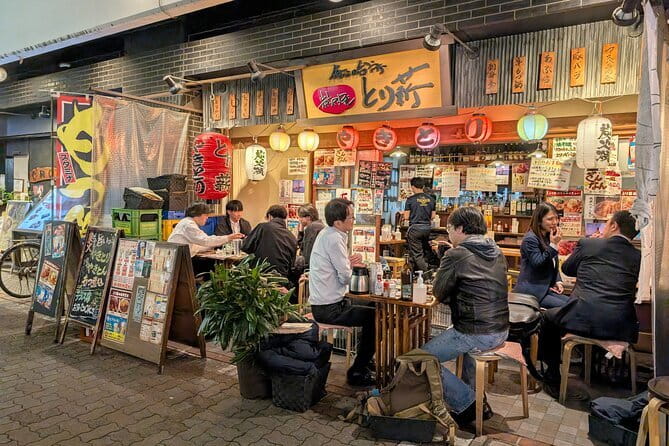
This tour includes all fees and taxes, and the fee to experience the traditional Japanese praying ritual. But it does not include coins for the offering box, and it also does not include money for any goods you might want to buy.
That means: bring cash. Even if you think you’ll skip the offering, having coins makes you feel prepared and respectful. And if you do want a small purchase afterward, you won’t get stuck.
Etiquette is also part of the experience. Since audio recording is not allowed, you’ll have to rely on your senses and the guide. If you’re used to filming everything, this is a good reminder that some places prefer attention over documentation.
What happens after the ceremony: the snack and the human side
At the end, you’ll have a Japanese snack. One review noted that the guide shared a recipe for the snack you enjoyed, which turned it into more than a random food stop. I love that kind of detail. Food is an easy bridge between a formal ritual experience and everyday life.
Think of it as the gentle landing. Your day shifts from quiet observation to a small social moment where you can ask questions. It’s also a practical pause, especially after sitting through chanting and listening.
Price: why $121 can make sense for what you actually get
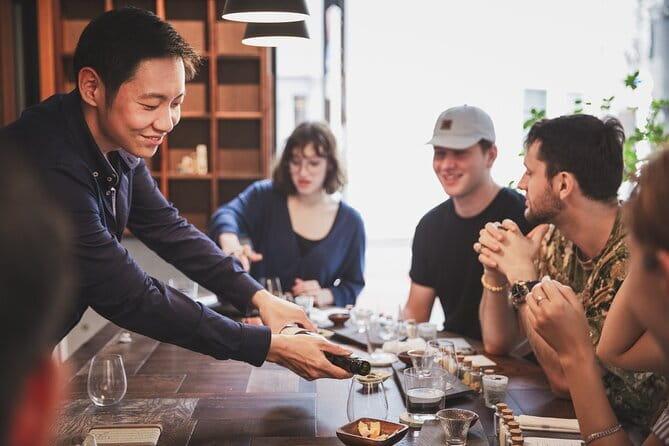
$121 per person sounds like a splurge, until you break down what’s included. Your ticket covers:
- all fees and taxes
- the fee to participate in the traditional praying ritual experience
So you’re not just paying for a guided walk through a famous park. You’re paying for access and structure around a ceremonial event that most people never see at all.
Value here comes from three parts:
- Exclusive access to the gokito ceremony experience (the main draw)
- A strong English guide with official Meiji jinguu membership credentials and explanations that make it meaningful
- Time in nature + sensory ritual setting, not just sightseeing
If you want the shrine experience to feel like a story you can tell later, not just pictures, the price starts to look more reasonable.
If you mainly want photos and quick context, you might find cheaper options. But the whole point of this one is that you’re getting the ceremony component and the cultural interpretation that goes with it.
Who this tour is for
This is a strong fit if you:
- want a calm start to your trip, not another rushed Tokyo checklist
- enjoy thoughtful moments and cultural understanding
- prefer guided context that helps you interpret what you see
- are visiting for the first or second time and want something beyond the standard walk-through
It can also work well if you plan to visit other shrines later, like in Kyoto. The ritual context you learn here can make subsequent shrine visits feel less confusing. You’ll notice the patterns and understand why people behave the way they do.
Who should think twice (and who still has options)
You may want to reconsider if:
- you do not tolerate walking well, since this tour involves a lot of walking on paths
- you’re sick, because the tour is not suitable for people with a cold
If you use a wheelchair or stroller/pram, it notes that those are available. But since the tour itself still requires substantial walking, it’s worth evaluating how comfortable you are with the route.
Also, plan your day around the no-audio-recording rule. If you rely on recording for accessibility or memory, adjust expectations before you go.
Should you book this Meiji Shrine gokito experience?
Yes, if your idea of travel includes slowing down and participating in a meaningful cultural moment. I’d book it especially if you want more than a scenic walk. The gokito ceremony access is the reason to choose this over a self-guided shrine visit.
You should also book it if you like the idea of a guide who can explain the ritual in practical, human terms. Hearing chants and music matters more when you understand the “why” behind the formality. And if you like thoughtful additions, the snack stop with recipe context is a nice final touch.
Skip it only if you cannot handle the walking, you’re under the weather, or you want a purely visual, fast-moving experience.
FAQ
Where do we meet for the Meiji Shrine tour?
Meet at JR Yoyogi station. Come to the West gate, and use the map on the left when you exit. Legit Japan staff will be waiting there.
What’s included in the $121 price?
The price includes all fees and taxes and the fee to experience the traditional Japanese praying ritual.
What should I bring?
Bring comfortable shoes, drinks, and cash.
Do I need cash if the ritual fee is included?
Yes. Coins for the offering box are not included, and coins may be needed for buying goods.
Can I record audio or make recordings during the ceremony?
No. Audio recording is not allowed.
How much walking is involved?
Meiji Jinguu requires a lot of walking. It may not be suited to people who have difficulty walking, though a wheelchair and pram are available.
What languages are offered?
The tour is available in English and Japanese.
Is this tour okay if I have a cold?
No. It is not suitable for people with a cold.
Can I cancel and get a refund?
You can cancel up to 24 hours in advance for a full refund.
More Tour Reviews in Tokyo
- Mt Fuji and Hakone 1-Day Bus Tour Return by Bullet Train
★ 5.0 · 26,383 reviews - 1-Day Tokyo Bus Tour
★ 5.0 · 14,250 reviews - Tokyo: teamLab Planets TOKYO Digital Art Museum Entry Ticket
★ 4.6 · 9,779 reviews - Mt Fuji & Hakone Cruise, Drum Show Bullet Train 1 Day from Tokyo
★ 4.0 · 7,413 reviews - Tokyo: Shinjuku Food Tour (13 Dishes at 4 Local Eateries)
★ 5.0 · 6,603 reviews
More Meiji Shrine Hours, Rated
- Tokyo: Meiji Shrine, Asakusa, Skytree Bus Tour and Cruise
★ 4.7 · 1,986 reviews - Tokyo Panoramic 1 Day: Meiji Shrine, Asakusa, Odaiba and SKYTREE®
★ 4.5 · 1,222 reviews - Tokyo: Meiji Shrine Walking Tour — Shinto & Imperial System
★ 4.9 · 266 reviews - Tokyo: Meiji Jingu Shrine and Shinto Culture Walking Tour
★ 5.0 · 245 reviews - Tokyo: Meiji Shrine and Shinto Culture Walking Tour
★ 5.0 · 225 reviews
Latest Tokyo reviews off our desk






Meiji Shrine Tours, compared.
 ★ 4.7Meiji Shrine, Asakusa, Skytree Bus Tour and CruiseFrom $1221,986 reviews
 ★ 4.5Tokyo Panoramic 1 Day: Meiji Shrine, Asakusa, Odaiba and SKYTREE®From $851,222 reviews
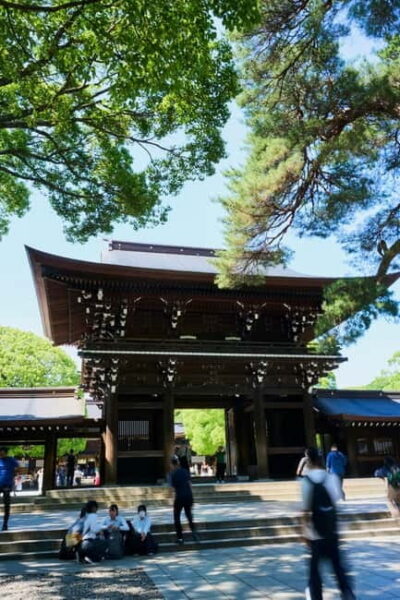 ★ 4.9Meiji Shrine Walking Tour — Shinto & Imperial SystemFrom $23266 reviews
 ★ 5.0Meiji Jingu Shrine and Shinto Culture Walking TourFrom $19245 reviews
 ★ 5.0Meiji Shrine and Shinto Culture Walking TourFrom $18225 reviews
 ★ 5.0Meiji Shrine Walking Tour — Shintoism & Imperial SystemFrom $21209 reviews
 ★ 5.0Tokyo Morning Tour: Asakusa, Meiji Shrine and Tsukiji Fish MarketFrom $157128 reviews
 ★ 5.0Tokyo Morning Tour : Meiji Shrine, Asakusa and Fish MarketFrom $72102 reviews
Browse the lists this tour appears in